Ghumoopedia — Explore, Discover, Experience
Sign in
Datia Palace, near Daboh

City guide · Madhya Pradesh

Daboh

Daboh is a small town and nagar panchayat in Bhind district, in northern Madhya Pradesh. Its importance lies chiefly in serving nearby villages: residents come into town for everyday shopping, local services and administrative needs, while the surrounding countryside shapes its pace and economy.

Famous for

  • Bhind district town
  • Local rural commerce
  • Chambal-Gwalior hinterland
  • Regional festival traditions

Why Daboh matters

Daboh is a small town and nagar panchayat in Bhind district, in northern Madhya Pradesh. Its importance lies chiefly in serving nearby villages: residents come into town for everyday shopping, local services and administrative needs, while the surrounding countryside shapes its pace and economy. Daboh is part of the wider Chambal-Gwalior region, a landscape of settled farmland and road-linked market towns rather than a major tourist circuit.

Visitors are most likely to encounter Daboh as a practical stop while travelling through Bhind district, or as a base for meeting local families and exploring the rural setting. The town is not defined by a nationally famous craft or landmark; its interest is in the rhythms of a district centre, its bazaar streets and its connections with nearby communities. At roughly 161 metres above sea level, Daboh sits within the North Indian plains. Hindi-speaking everyday life, seasonal festivals and local religious observances offer a glimpse of the cultural character shared across this part of Madhya Pradesh.
Famous for: crafts, trade & products

Daboh’s commercial life is centred on the needs of its own residents and surrounding villages. Its main bazaar and nearby shops are the natural places to look for daily provisions, household goods, clothing and locally traded produce. Agricultural activity in the surrounding district supports this village-town exchange, although Daboh is not especially associated with a single nationally marketed product or signature textile.

The town is better approached as a local service and trading centre than as a destination for specialist handicrafts or high-profile shopping. There is no particular saree tradition or GI-tagged product for which Daboh is widely recognised. Visitors interested in regional goods can browse the central market for everyday items and ask local shopkeepers about seasonal produce or crafts made in nearby communities. For a wider selection of branded goods and specialist shopping, larger regional centres such as Bhind or Gwalior are more practical. Daboh’s value to travellers is therefore less about a particular purchase and more about seeing how a small Madhya Pradesh market town connects surrounding settlements with routine trade and services.

History

Daboh’s growth is closely tied to its position within the settled countryside of what is now Bhind district. Like many small towns in the region, it developed as a local centre for exchange and services, linking nearby villages with administrative and commercial networks. Its story is best understood alongside that of the wider district rather than through a single major monument or celebrated ruling dynasty.

The Bhind region was historically associated with the princely state of Gwalior, governed by the Scindia rulers under British paramountcy during the colonial period. After Indian independence, Gwalior became part of the reorganised state of Madhya Bharat; in 1956, Madhya Pradesh was formed and the district became part of the new state. In more recent decades, Daboh has continued to function as a nagar panchayat and local market town. Roads, public services and routine commerce have shaped its modern development, while its links with surrounding villages remain central to its identity.

Food, festivals & culture

Everyday food in Daboh reflects the broader cooking traditions of northern Madhya Pradesh. Home meals commonly draw on wheat, lentils, seasonal vegetables and dairy, while market snacks may include kachori, samosa or other fried savouries. Poha and jalebi are familiar regional breakfast and sweet-shop choices, though menus vary from one stall or household to another. For a fuller range of restaurants and regional specialities, larger nearby towns offer more choice.

Holi in spring, Navratri and Dussehra in autumn, and Diwali in autumn are important occasions across the region, often marked through family gatherings, worship and neighbourhood celebrations. Hindi is widely used in public life; local speech also reflects the linguistic influences of the surrounding Bundelkhand, Braj and Chambal areas. Temples and other neighbourhood places of worship provide everyday settings for prayer and festival observance. Folk music, devotional singing and community celebrations are part of the wider regional culture, though performances are often seasonal or tied to particular occasions rather than regular visitor events.

Visiting the city

The cooler months, roughly October to March, are generally the most comfortable time to visit; summer can be very hot, while the monsoon brings rain and greener countryside. Gwalior Airport is a useful nearby airport for regional access. Bhind railway station is the closest principal rail connection; Gwalior Junction offers a broader rail hub for onward journeys. Check current road and rail connections when planning, as routes and services can change.

Within Daboh, the bazaar and central streets are the most useful areas to explore on foot. Local auto-rickshaws and hired vehicles can help with longer trips or visits to surrounding villages. Allow time for the countryside and nearby district towns rather than expecting a concentrated sightseeing quarter. Daboh works best as a short regional stop or as part of a journey through Bhind district.

Trips from the city

Nearest places to visit from Daboh

Our closest destination guides, by straight-line distance.

Datia Palace

56 km away · Datia district

Datia Palace

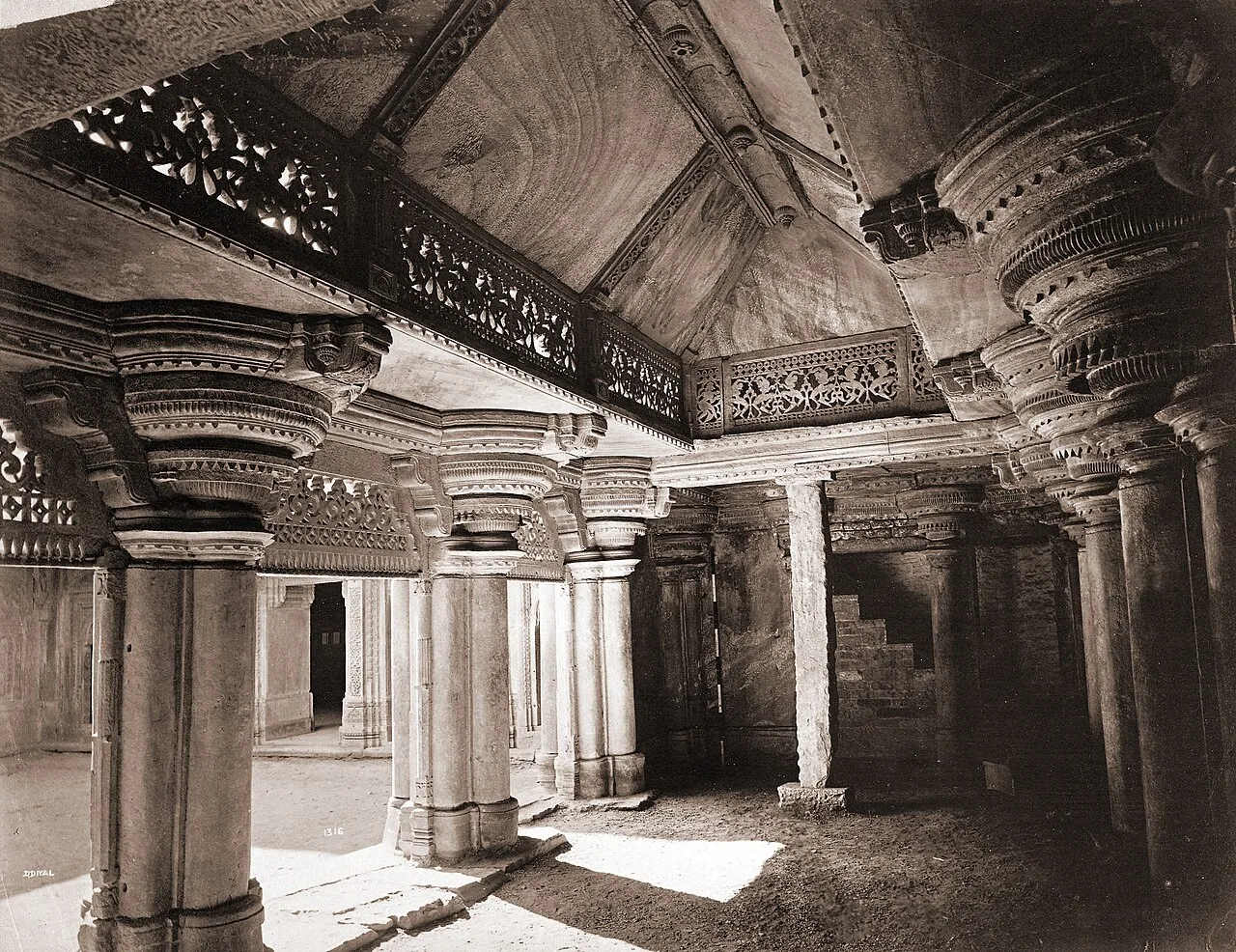
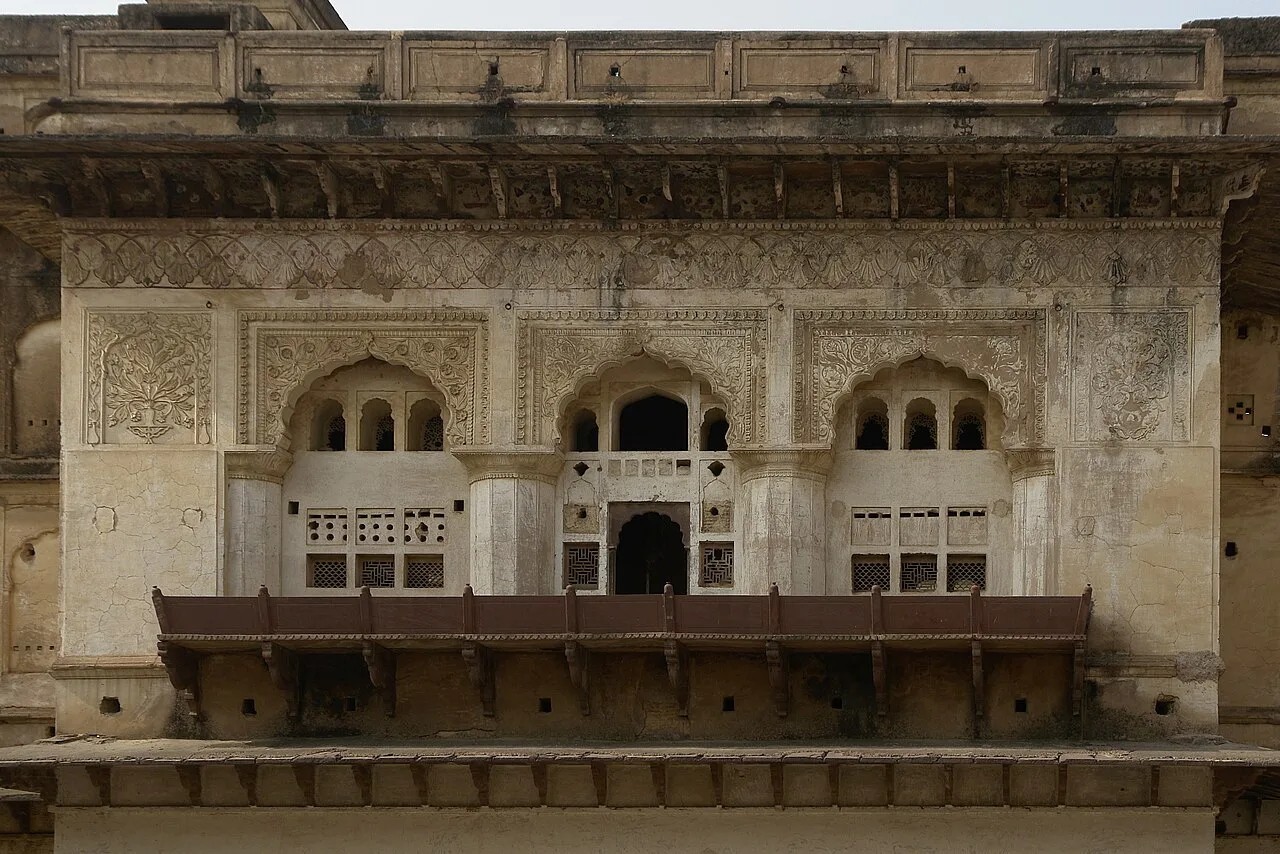
Datia Palace, also known as Bir Singh Palace, is a seven-storey monument in Datia, Madhya Pradesh. Visitors come to see its scale and blend of Mughal and Rajput design.

Gohad Fort

64 km away · Bhind district

Gohad Fort

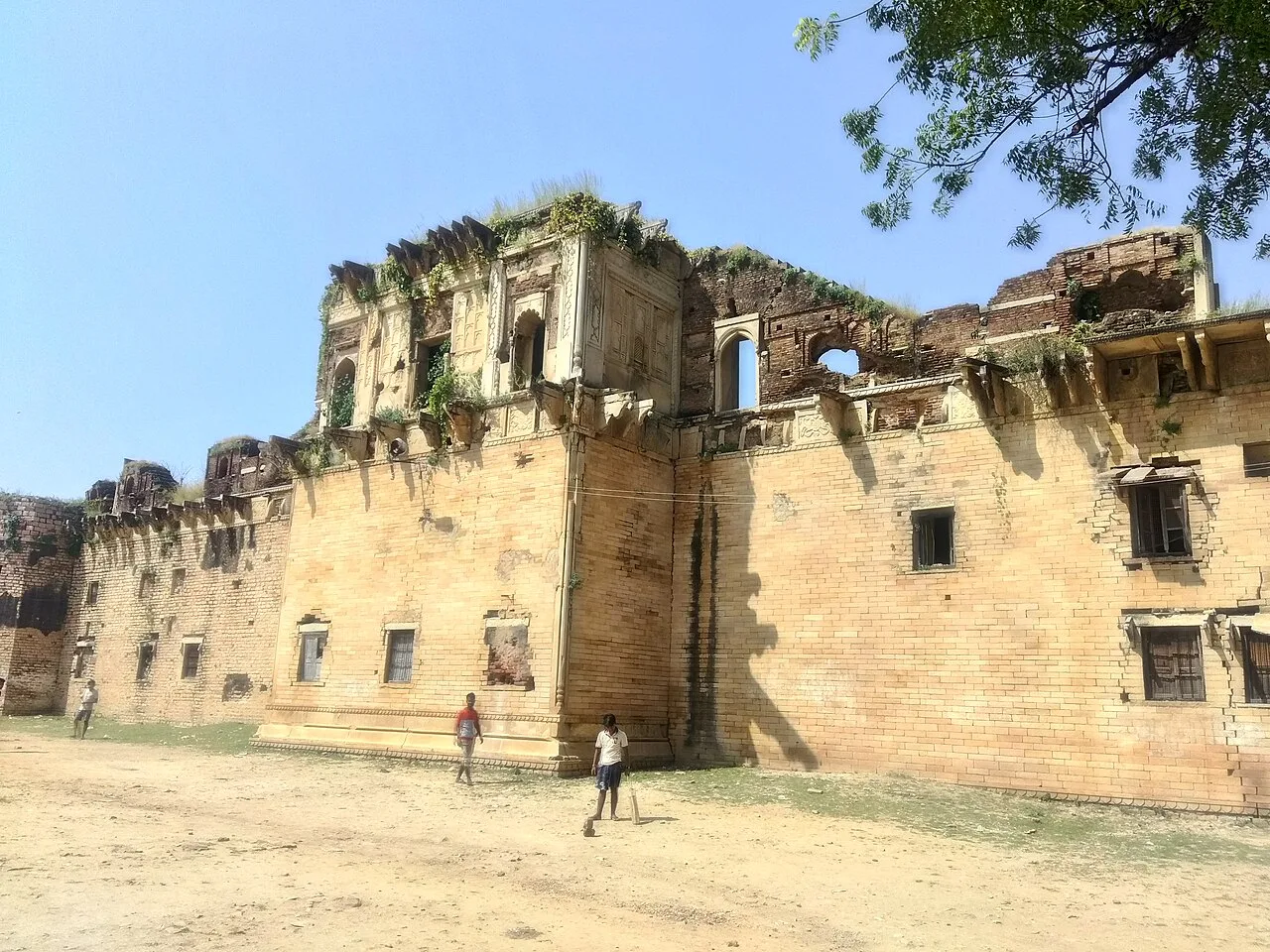
Gohad Fort is a historic site in Gohad, Madhya Pradesh, and attracts interest for its historical importance; the town is 45 km from Gwalior.

Jai Vilas Mahal

74 km away · Gwalior district

Jai Vilas Mahal

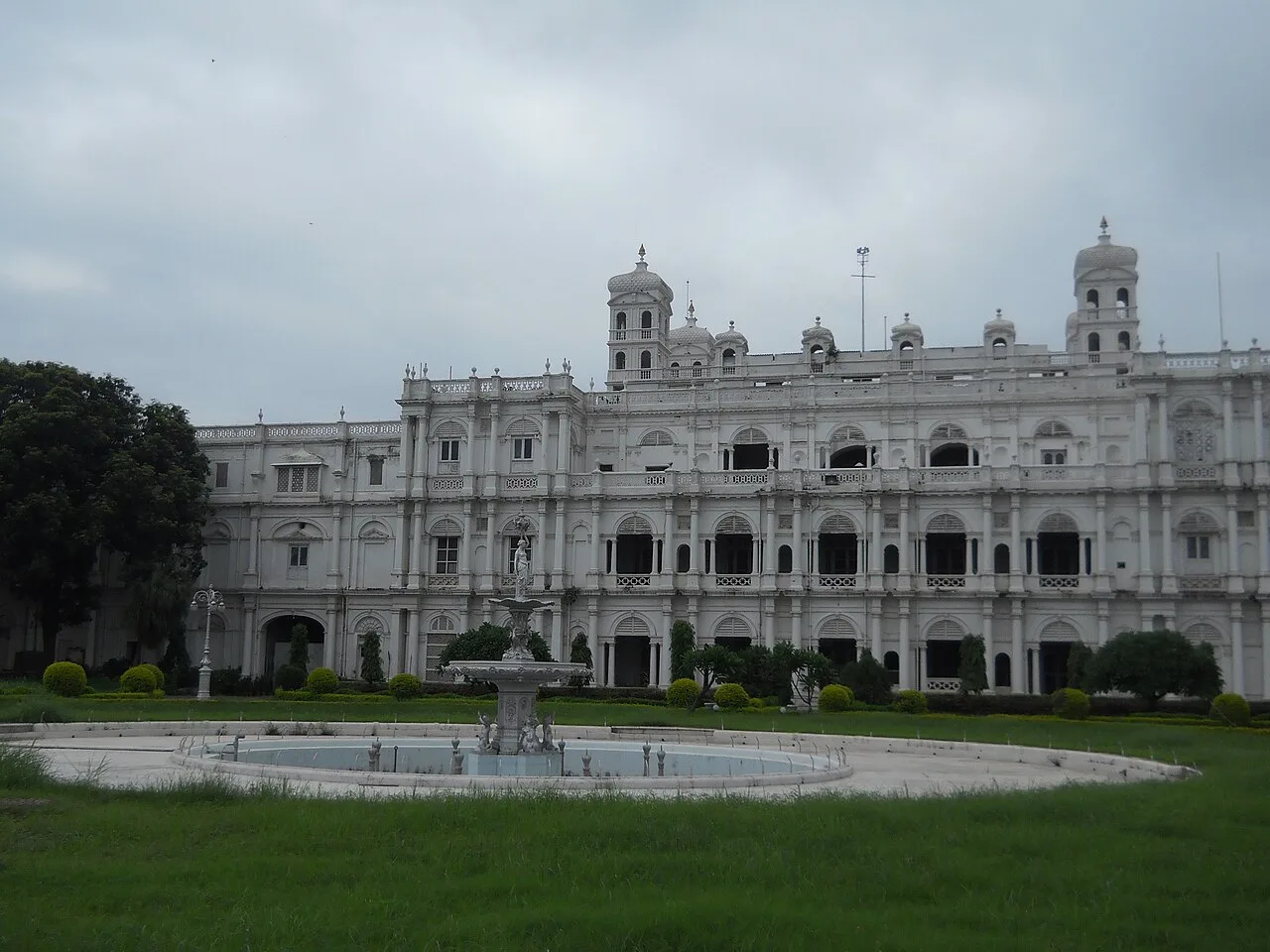
Jai Vilas Mahal is a royal residence dating to the 1800s in Gwalior, Madhya Pradesh. Visitors come to see the Jiwajirao Scindia Museum, which occupies most of the palace.

Gwalior Fort

75 km away · Gwalior district

Gwalior Fort

Gwalior Fort is an ancient hill stronghold in Madhya Pradesh, visited for its historic palaces, successive rulers and inscriptions, including an early place-value record of zero.

Sasbahu Temple

75 km away · Gwalior district

Sasbahu Temple

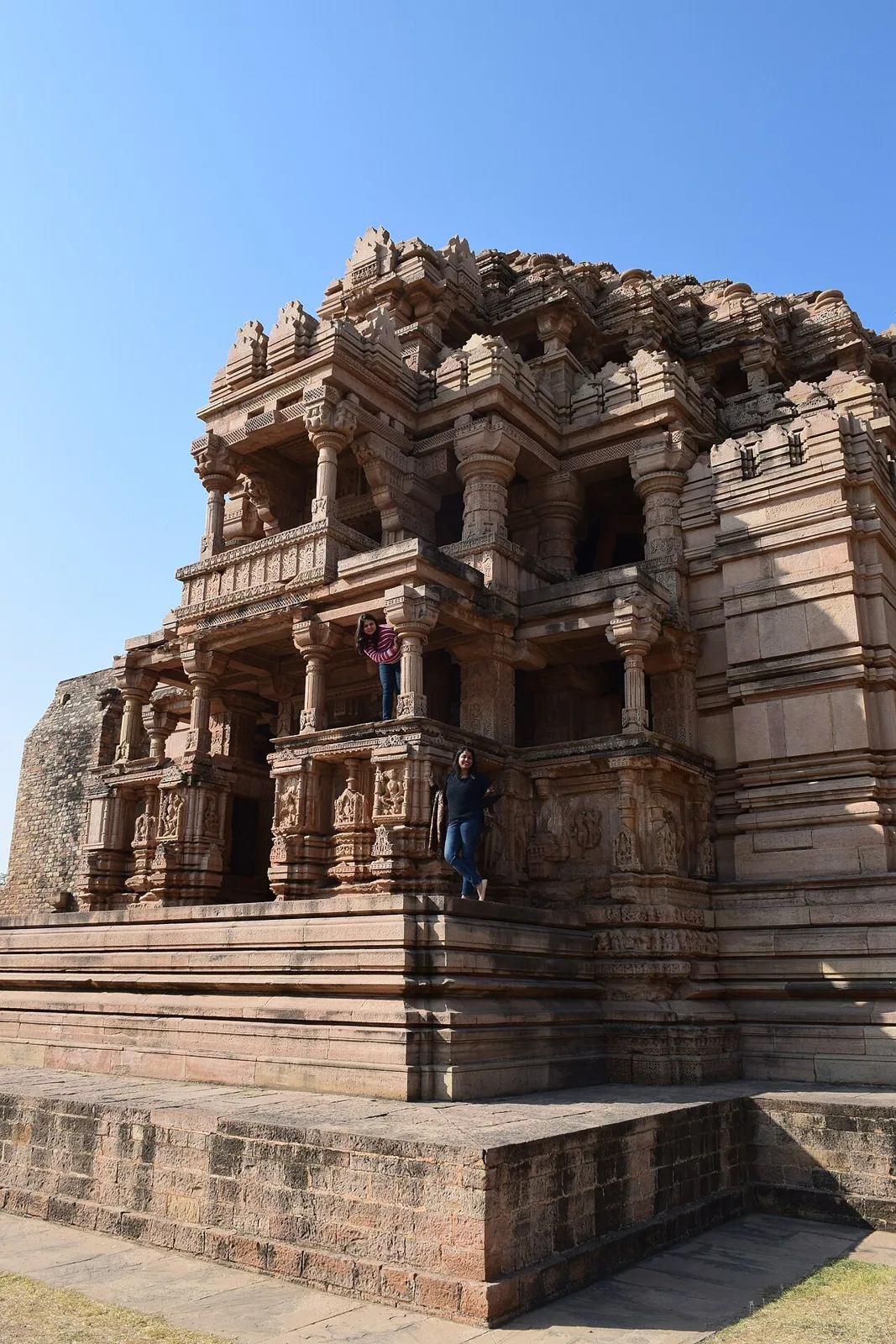
The Sasbahu Temples are a pair of eleventh-century shrines within Gwalior Fort, Madhya Pradesh. Visitors come to see their surviving architecture and damaged stone carvings.

Teli ka Mandir

75 km away · Gwalior district

Teli ka Mandir

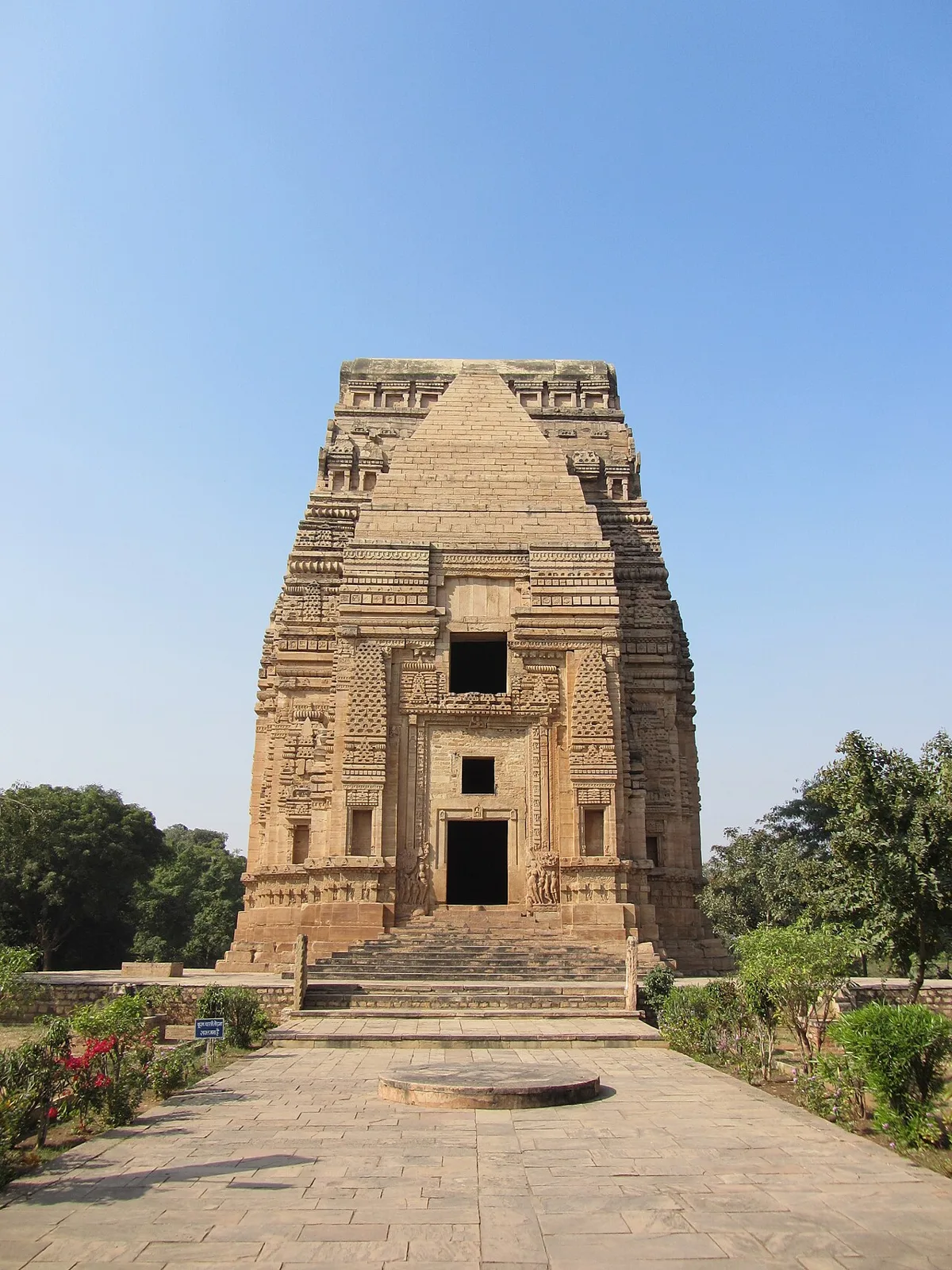
Teli ka Mandir is a Hindu shrine within Gwalior Fort, noted for its unusual rectangular sanctuary and blend of architectural traditions. Visitors come to see its distinctive design and historic character.

Orchha

76 km away · Orchha district

Orchha

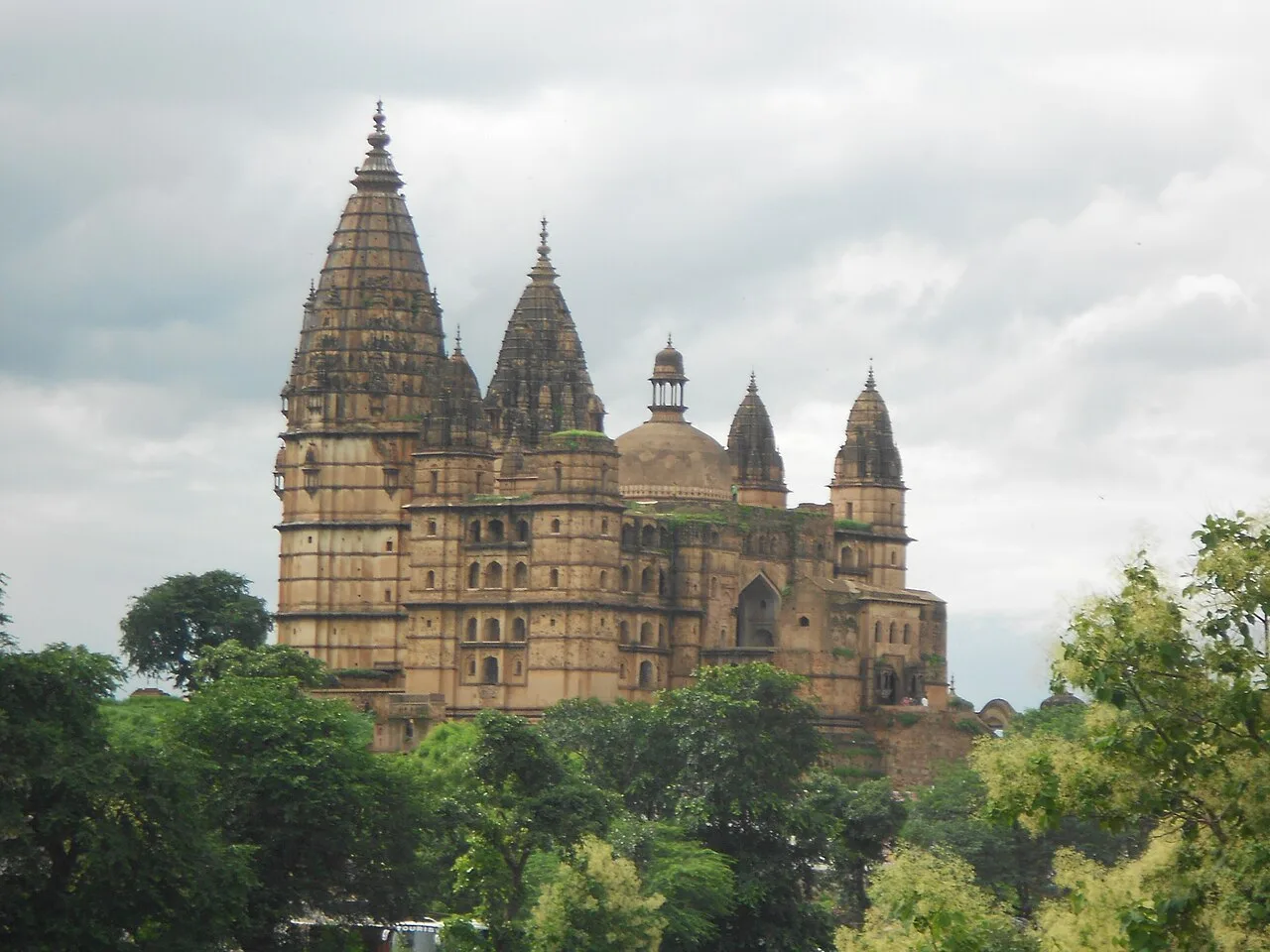
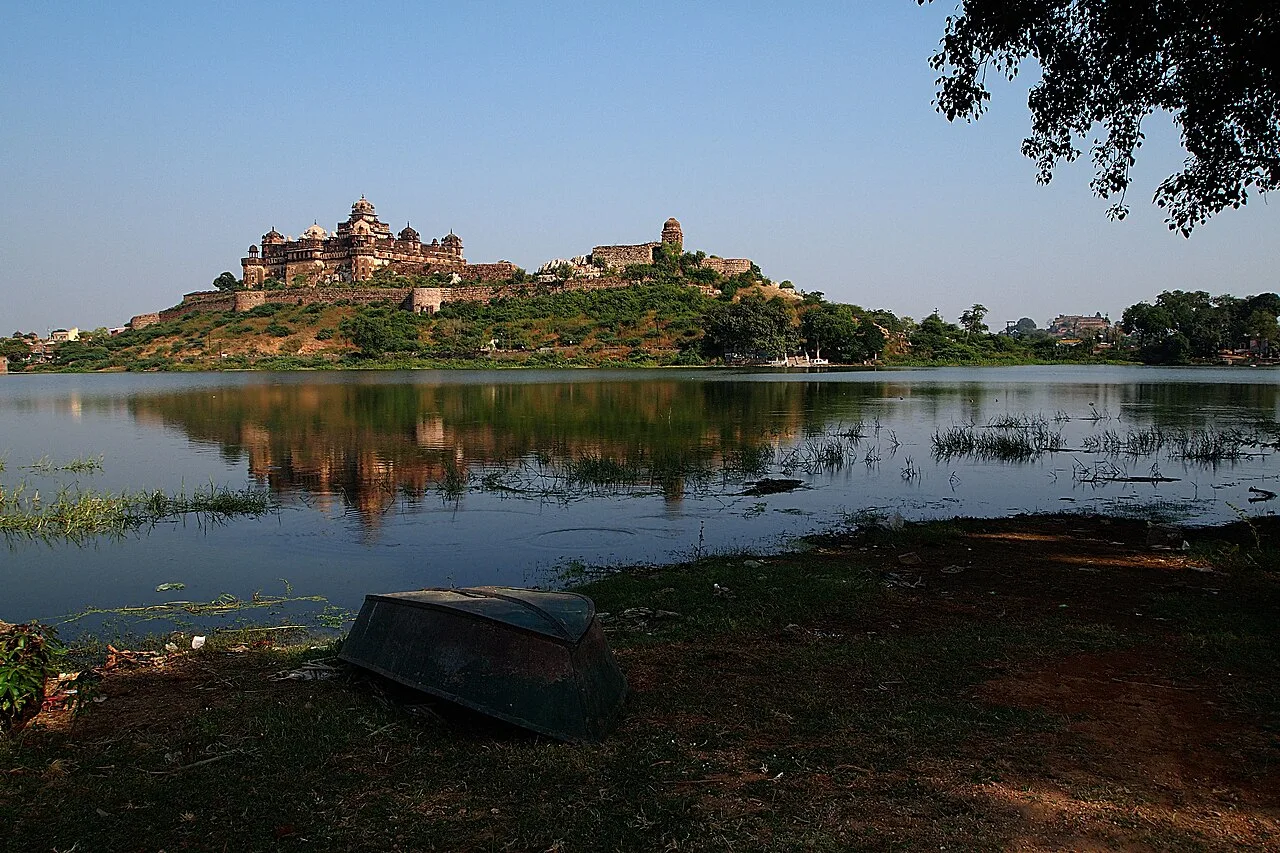
Orchha is a town in Madhya Pradesh beside the Betwa River, founded as the centre of a Bundela princely state. Its history and former royal role are reasons to visit.

Orchha Fort

76 km away · Orchha district

Orchha Fort

Orchha Fort is a historic complex in Orchha, Madhya Pradesh, built by Bundela rulers. Visitors come to explore its palaces, temple, courtyard and distinctive architectural features.

Map

Daboh on the map

  1. 1Datia Palace
  2. 2Gohad Fort
  3. 3Jai Vilas Mahal
  4. 4Gwalior Fort
  5. 5Sasbahu Temple
  6. 6Teli ka Mandir
  7. 7Orchha
  8. 8Orchha Fort

Madhya Pradesh

Other cities to explore