Ghumoopedia — Explore, Discover, Experience
Sign in
Bagh (Bagh Print Village), near Ranapur

City guide · Madhya Pradesh

Ranapur

Ranapur is a small town and nagar panchayat in Jhabua district, in western Madhya Pradesh. Its importance is mainly regional: it serves residents of the town and surrounding settlements as a place for local administration, everyday shopping and access to services.

Famous for

  • Bhil cultural traditions
  • Bhagoria festival region
  • Jhabua district market town
  • Western Madhya Pradesh setting

Why Ranapur matters

Ranapur is a small town and nagar panchayat in Jhabua district, in western Madhya Pradesh. Its importance is mainly regional: it serves residents of the town and surrounding settlements as a place for local administration, everyday shopping and access to services. Set in the tribal belt of western Madhya Pradesh, Ranapur also offers a point of contact with the living Bhil and Bhilala cultures of the wider Jhabua region.

Visitors are more likely to come for a local connection or as part of a wider trip through Jhabua than for a major monument or resort. The district is associated with community celebrations such as Bhagoria, held in the weeks before Holi, and with local market life. Ranapur’s surroundings are part of a rural landscape, and the town stands at about 370 metres above sea level. There is no widely established signature textile, industrial product or landmark that defines Ranapur nationally; its appeal is better understood through its everyday role and its place within the region.
Famous for: crafts, trade & products

Ranapur is not widely identified as a centre for a particular saree, textile, handicraft industry or GI-tagged product. Its commercial life is primarily that of a small district town: shops and local markets serve nearby communities with daily necessities and may provide a glimpse of regional produce and household goods. Market offerings vary, so visitors looking for a specific craft or product should ask locally rather than expect a dedicated tourist shopping district.

The wider Jhabua area is known for Bhil and Bhilala cultural traditions, including distinctive forms of community art and ritual expression. These are part of the region’s cultural identity, but Ranapur should not be presented as a guaranteed retail centre for them. For a more informed introduction, visitors can ask residents or local cultural organisations about artists, community events and appropriate ways to view or purchase work. No particular product, market or institution is established as a signature attraction of Ranapur.

History

Ranapur’s documented history as a separate urban centre is not well established in widely available accounts. Its growth is best understood in the context of Jhabua district, a western Madhya Pradesh region shaped by tribal communities, local rulers and the movement of people and goods between settlements. The district was historically associated with the princely state of Jhabua, ruled by the Rathore dynasty, before princely states were integrated into independent India.

During the colonial period, Jhabua was a princely state under British paramountcy rather than a directly administered British district. Towns such as Ranapur developed through local administration, trade and services for surrounding villages; the details and timing of its growth are not clearly documented. In modern Madhya Pradesh, Ranapur functions as a nagar panchayat within Jhabua district. Its contemporary role remains practical and local, linking nearby settlements to civic services and commerce rather than drawing on a widely publicised royal or colonial-era monument.

Food, festivals & culture

Ranapur shares the cultural setting of Jhabua district, where Bhil and Bhilala communities have strong traditions of music, dance, oral storytelling and seasonal gatherings. Bhili and Bhilali are spoken in the region alongside Hindi, which is useful for general communication. The pre-Holi Bhagoria celebrations are among the best-known cultural events of the wider area; Holi, Diwali and Navratri are also observed. Dates and activities vary by community and locality, so visitors should check locally before planning around a festival.

In the region, everyday meals may include maize-based breads, pulses and seasonal vegetables, with food reflecting household and agricultural traditions. Sweets and snacks are commonly available through local shops, but particular specialities should be confirmed in town. Worship takes place at local temples and shrines, as well as through community customs; visitors should follow local guidance when attending ceremonies or entering places of worship. Music and dance are most meaningfully encountered at community events rather than staged tourist performances.

Visiting the city

The cooler months, roughly October to March, are generally the most comfortable for visiting. Summer can be hot, while monsoon travel may involve rain and slower road journeys. Devi Ahilya Bai Holkar Airport in Indore is a major airport option. Dahod railway station in Gujarat is a practical nearby railhead; check current onward road connections before travelling.

Ranapur is compact enough to explore its town centre and market streets on foot, with local vehicles or shared transport useful for reaching nearby settlements. The central market is the easiest place to see everyday town life. Visitors interested in regional culture can ask locally about events or community contacts, and should seek permission before visiting villages or photographing people. Ranapur is best approached as a quiet stop within a broader Jhabua district itinerary.

Trips from the city

Nearest places to visit from Ranapur

Our closest destination guides, by straight-line distance.

Bagh (Bagh Print Village)

40 km away · Dhar district

Bagh (Bagh Print Village)

In Madhya Pradesh’s Dhar district, Bagh is a settlement associated with the Bagh Caves, whose Buddhist rock-cut chambers and murals attract visitors.

Bagh Caves

46 km away · Dhar district

Bagh Caves

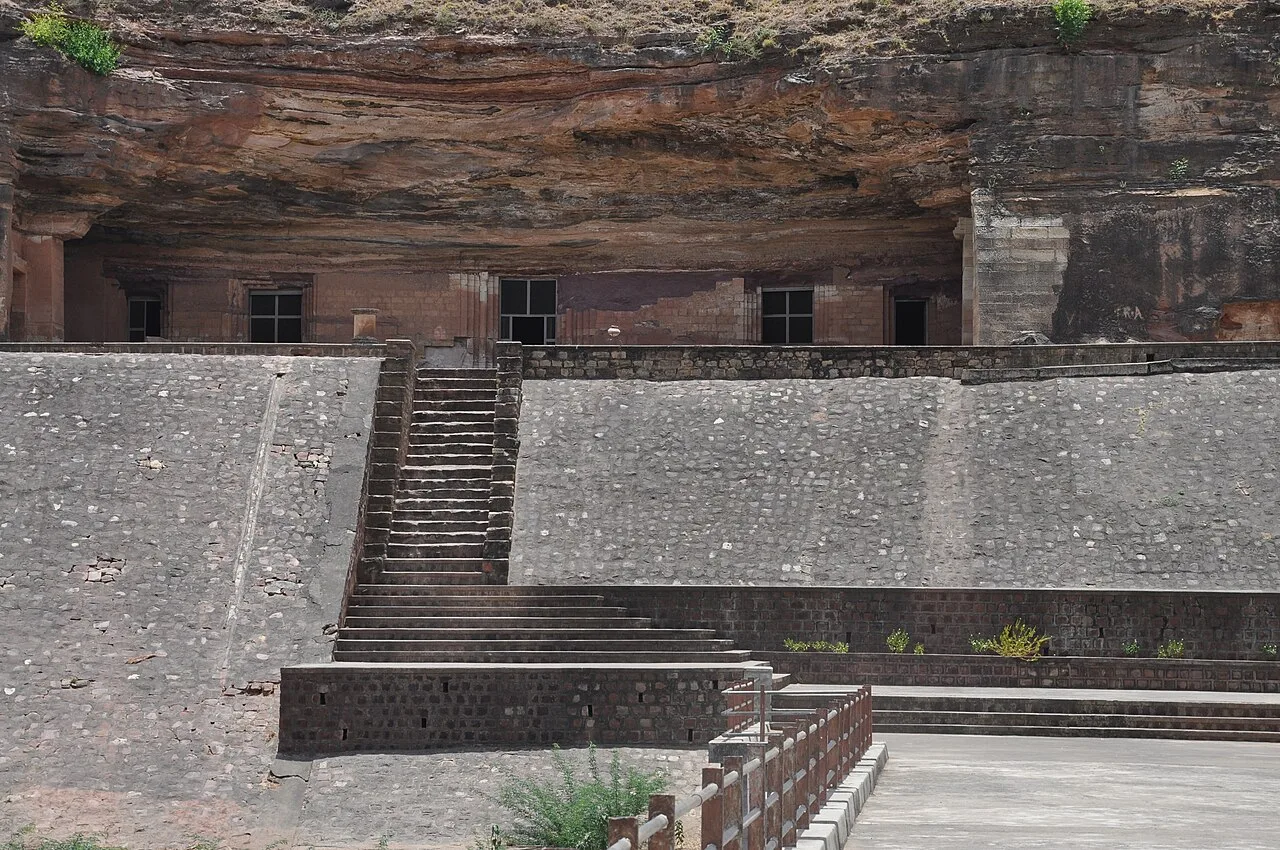
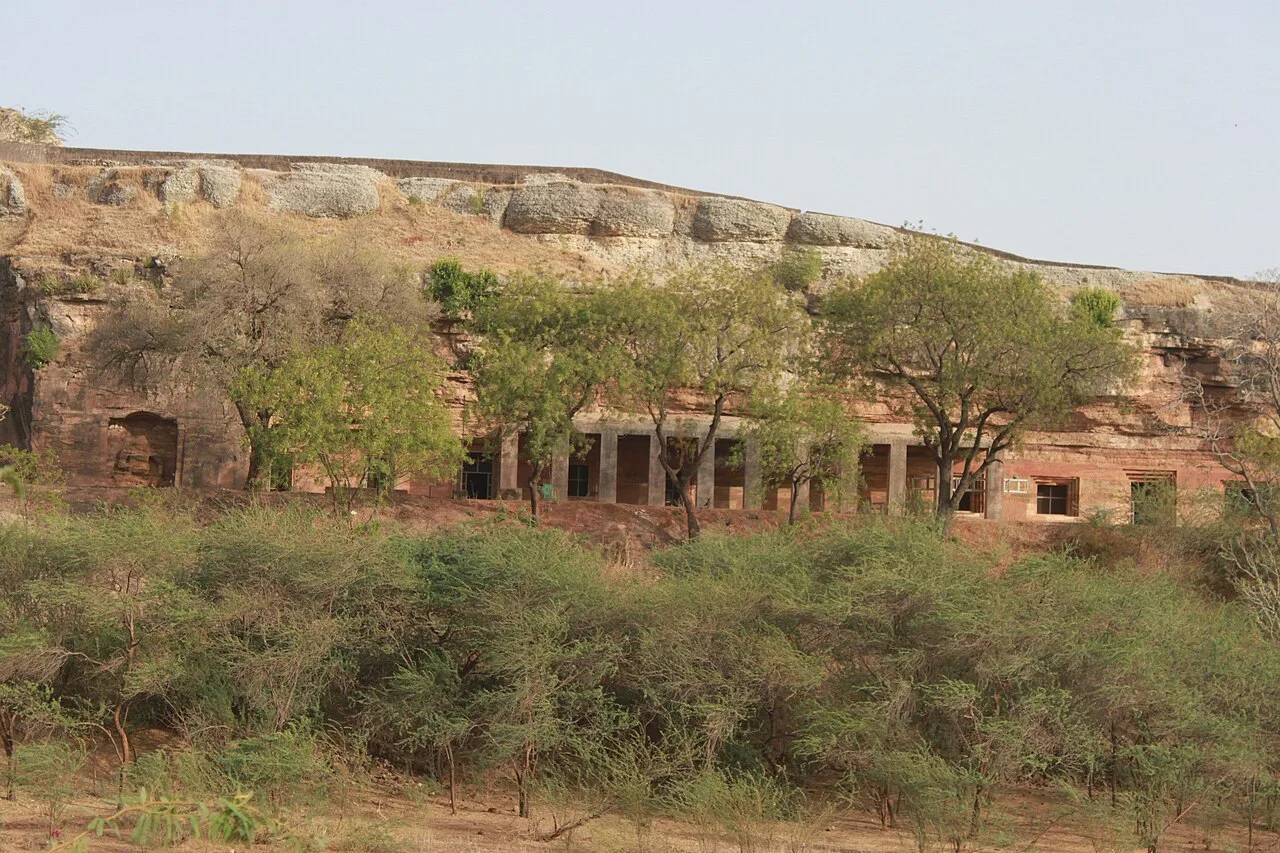
The Bagh Caves are Buddhist rock-cut monuments in Madhya Pradesh, known for their murals and monastic layouts. Visitors explore the surviving caves, including the painted Cave 4, called Rang Mahal.

Bhojshala

80 km away · Dhar district

Bhojshala

Bhojshala is a historic complex in Dhar, Madhya Pradesh, associated with Sanskrit learning under the Paramāras. Visitors come to see its architecture, inscriptions and archaeological remains, as well as its layered religious history.

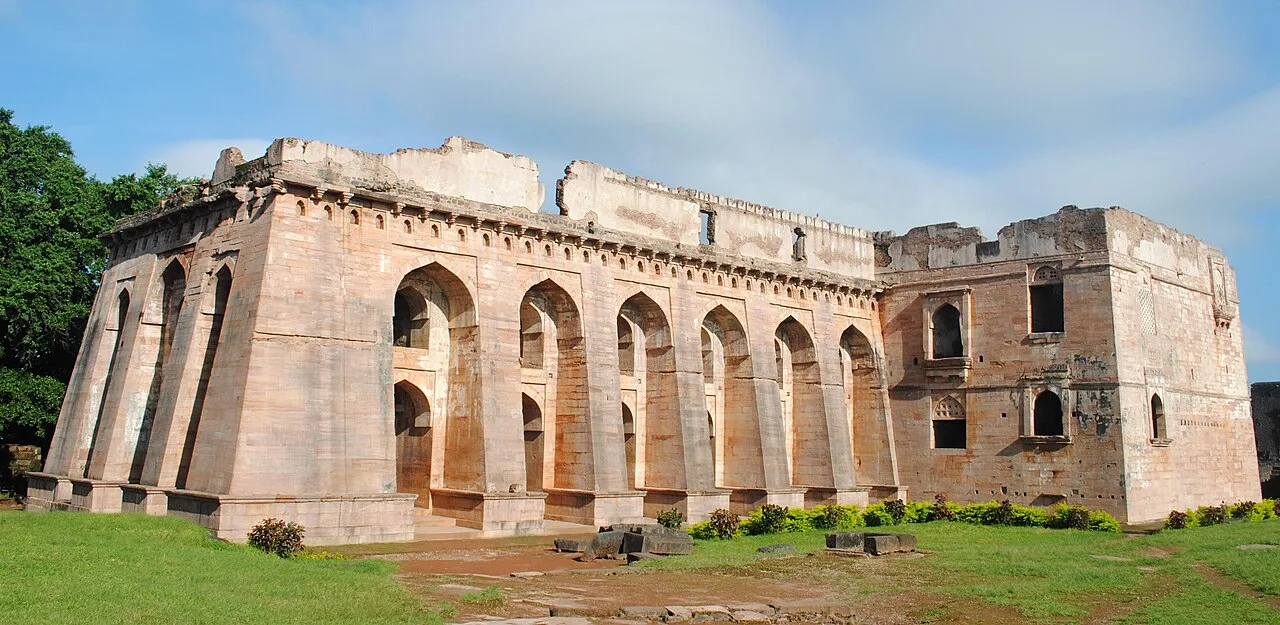
Hindola Mahal, Mandu

95 km away · Dhar district

Hindola Mahal, Mandu

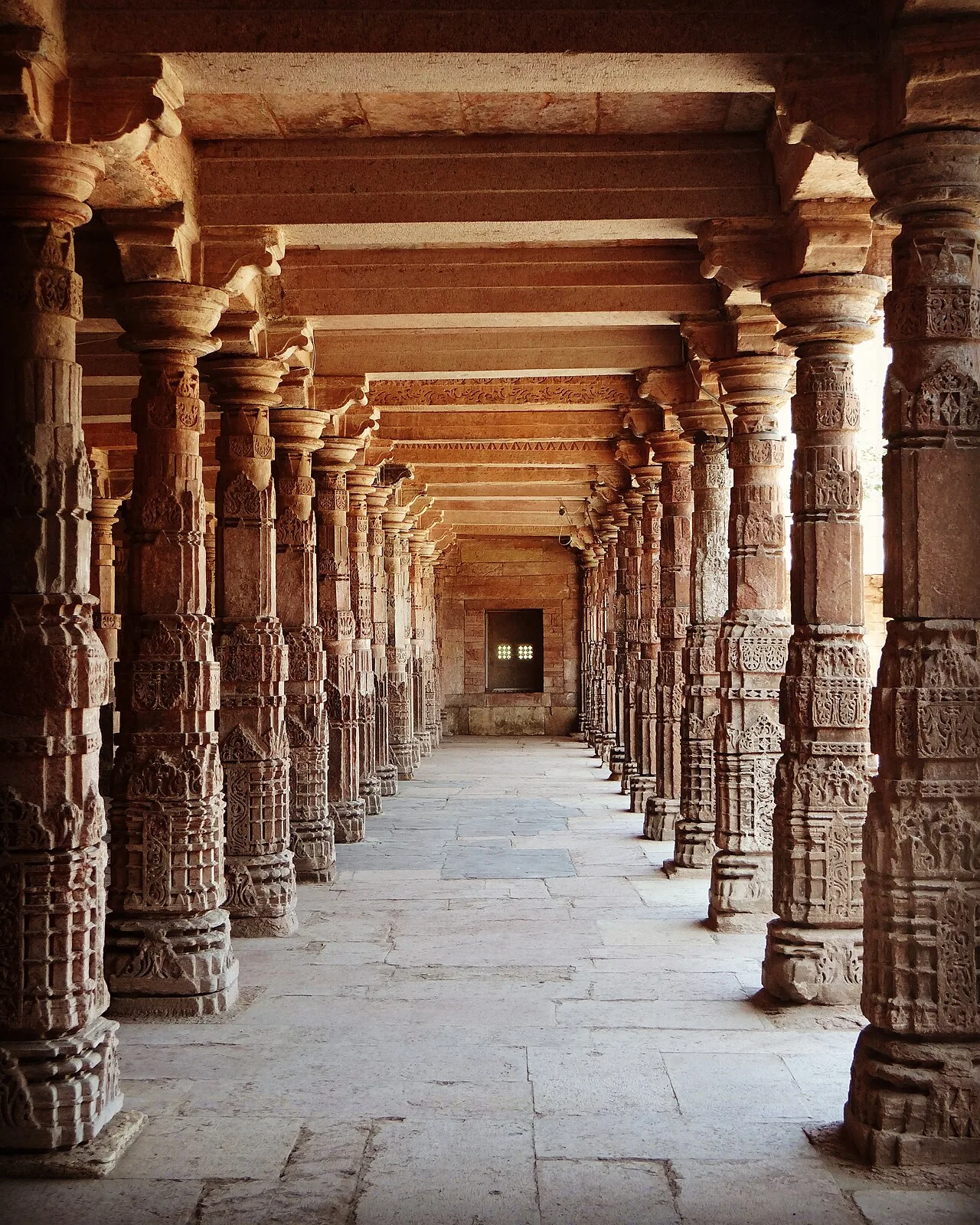
Hindola Mahal is a large assembly hall in Mandu, Madhya Pradesh. Visitors go to see it as a historic structure within the remains of the old city.

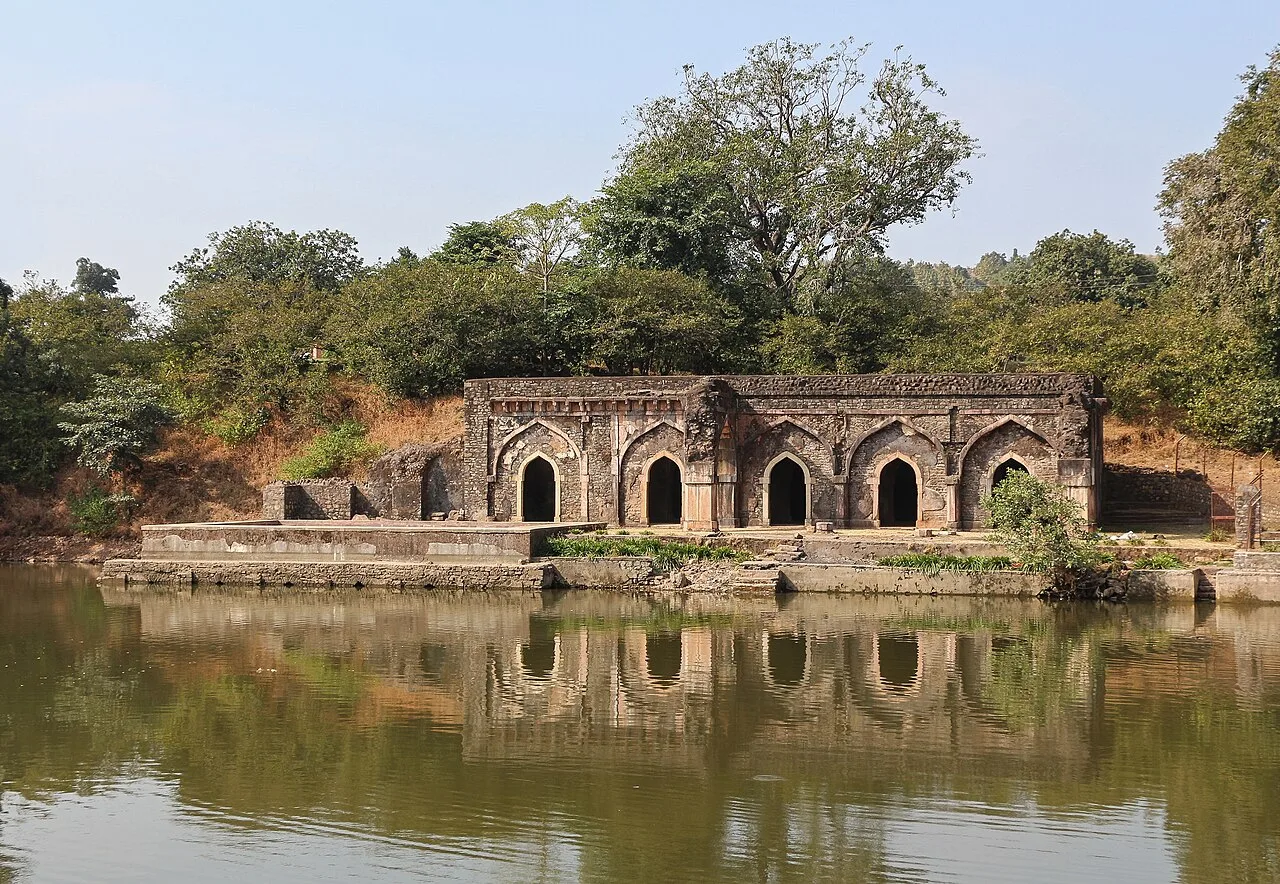
Mandu

98 km away · Dhar district

Mandu

Mandu, also known as Mandavgad, is an ancient settlement in Madhya Pradesh’s Dhar district. Visitors are drawn to its fortress setting and notable architecture.

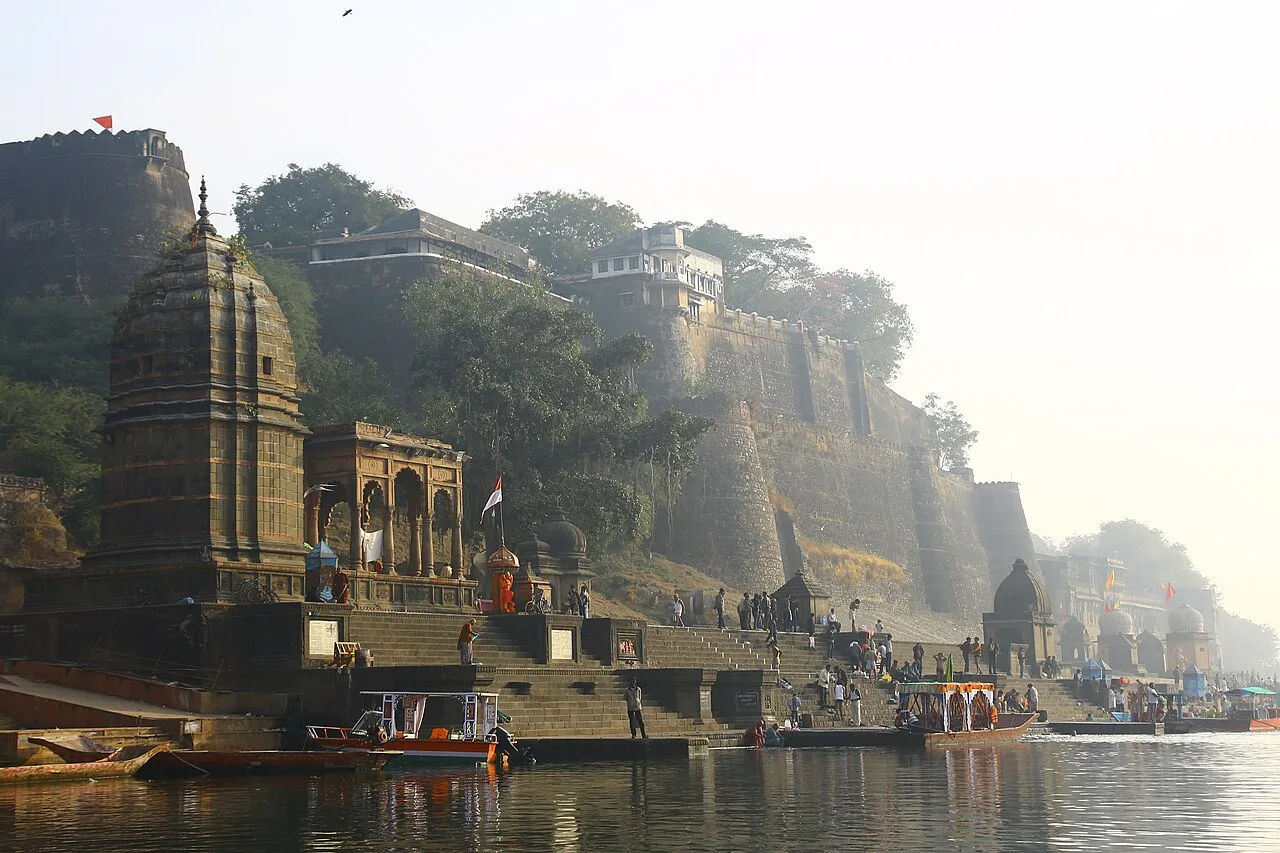
Maheshwar Ghats

104 km away · Maheshwar district

Maheshwar Ghats

Maheshwar Ghats are riverfront steps in a historic town on the Narmada in Madhya Pradesh. Visitors come to see the ghats and learn about Maheshwar’s past as a capital under the Holkars.

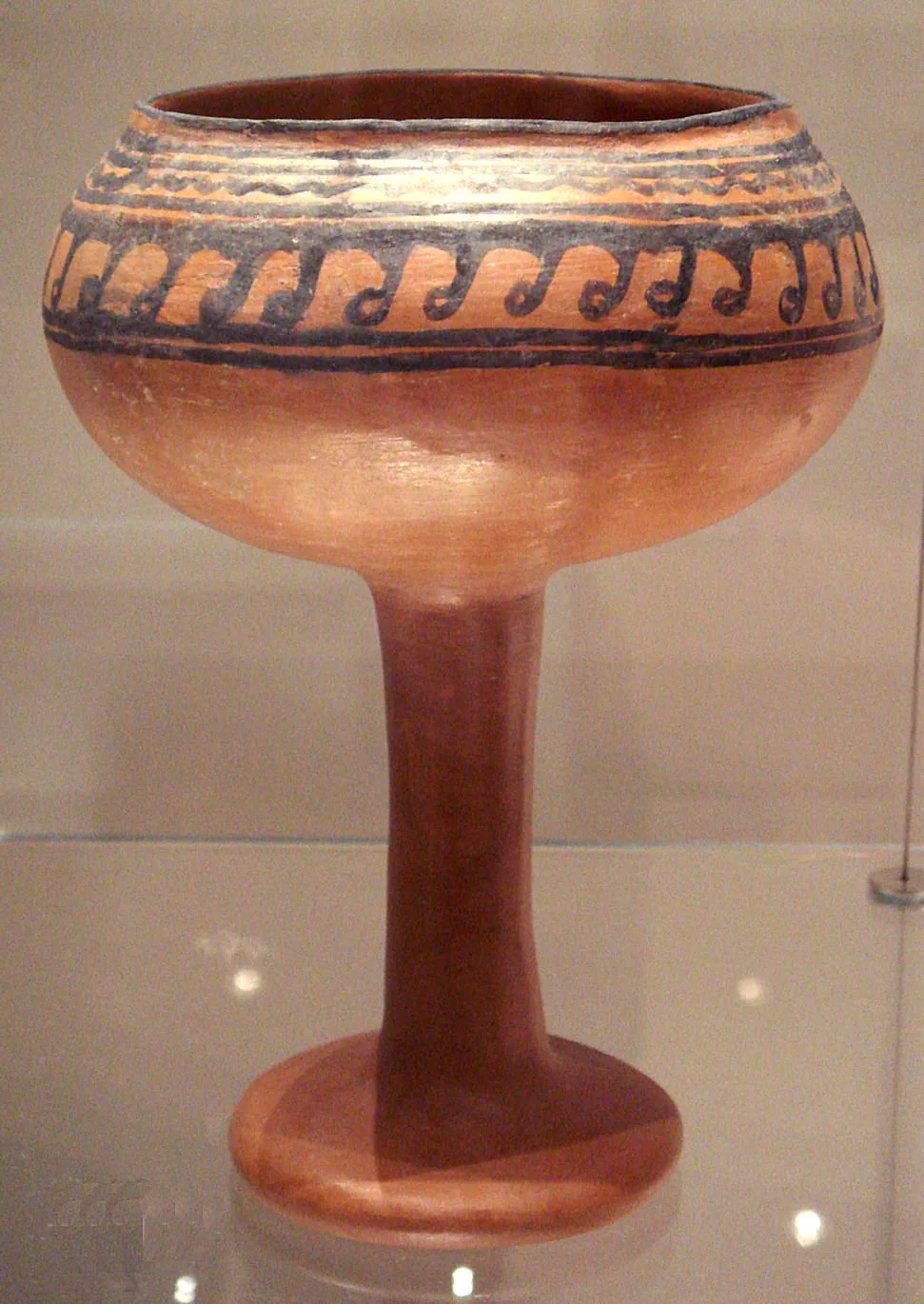
Navdatoli Archaeological Site

122 km away · Khargone district

Navdatoli Archaeological Site

Navdatoli is both a present-day village and a Chalcolithic settlement on the Narmada in Madhya Pradesh. Visitors explore its archaeological history and the pottery associated with its successive phases.

Rajwada

137 km away · Indore district

Rajwada

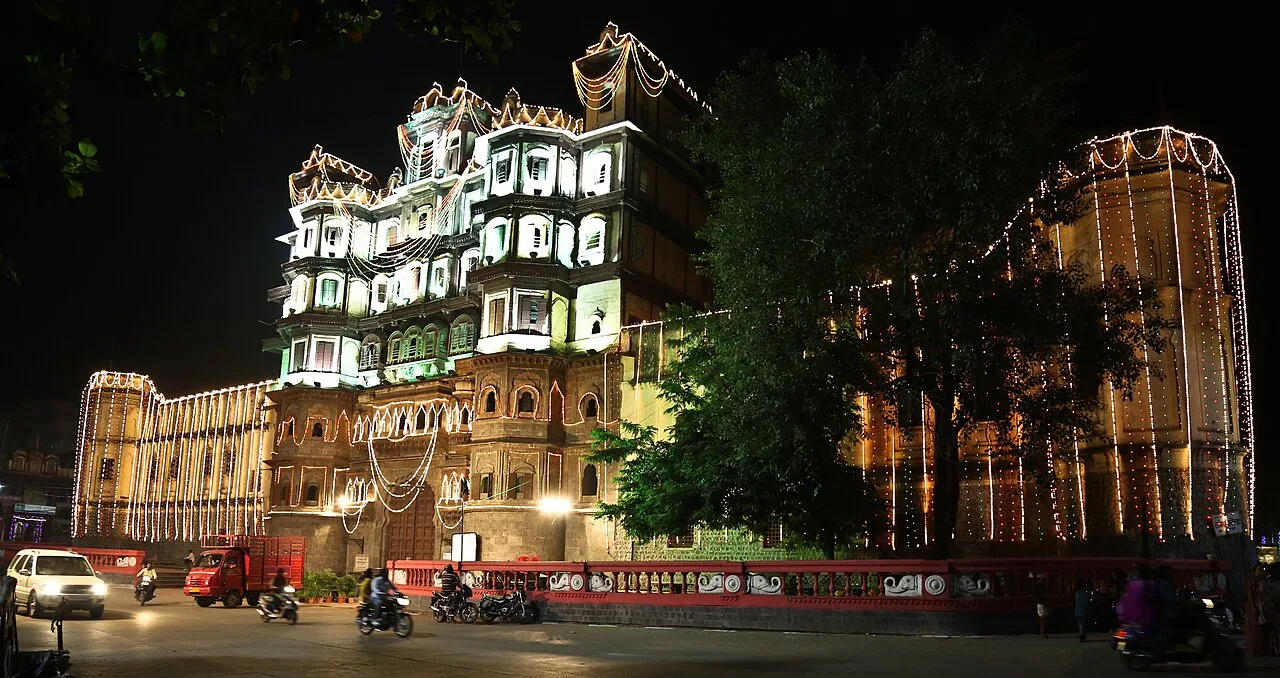
Rajwada is a historic, seven-storey Holkar residence in Indore. Visitors come for its period architecture, dynastic history and the garden with fountains and a waterfall.

Map

Ranapur on the map

  1. 1Bagh (Bagh Print Village)
  2. 2Bagh Caves
  3. 3Bhojshala
  4. 4Hindola Mahal, Mandu
  5. 5Mandu
  6. 6Maheshwar Ghats
  7. 7Navdatoli Archaeological Site
  8. 8Rajwada

Madhya Pradesh

Other cities to explore