Ghumoopedia — Explore, Discover, Experience
Sign in
Kundalpur Jain Temples, near Patharia

City guide · Madhya Pradesh

Patharia

Patharia is a small town and nagar panchayat in Madhya Pradesh’s Damoh district. Its most distinctive historical association is with the Second World War: it served as a training camp for the force that became Wingate’s Chindits, giving the town an unusual place in the story of wartime operations in Asia.

Famous for

  • Second World War training camp
  • Wingate’s Chindit connection
  • Sunar River surroundings
  • Damoh district town

Why Patharia matters

Patharia is a small town and nagar panchayat in Madhya Pradesh’s Damoh district. Its most distinctive historical association is with the Second World War: it served as a training camp for the force that became Wingate’s Chindits, giving the town an unusual place in the story of wartime operations in Asia. Today, Patharia is chiefly a local centre for residents and villages in its surrounding area rather than a major sightseeing destination. Its railway connection and position within the Damoh region make it a useful stop for people travelling through the district. The Sunar River flows near the town, adding a rural landscape to its setting, while everyday life is shaped by local markets, public services and nearby agricultural communities. Visitors interested in military history may find the Chindit connection a reason to learn more about the town, though Patharia is best approached as a modest regional settlement, not as a place with a large cluster of established tourist attractions.
Famous for: crafts, trade & products

Patharia is not widely identified with a signature textile, handicraft, GI-tagged product or large manufacturing industry. Its commercial life is primarily local: shops and market streets serve residents and nearby villages with everyday goods, food and farm-related needs. The town’s railway connection also helps link it with other centres in the region, but Patharia is not generally known as a specialist wholesale or craft-shopping destination.

Visitors looking for locally made souvenirs should keep expectations modest. There is no well-established, town-specific craft or product market to seek out, and products associated with Madhya Pradesh more broadly should not automatically be attributed to Patharia. For routine shopping, explore the central market area and ask local shopkeepers about seasonal produce or goods made in nearby villages. Travellers seeking a wider selection of regional handicrafts, textiles or branded products may find more options in larger district or regional centres. Patharia’s strongest point of distinction remains its wartime Chindit association, rather than a celebrated trade or product.

History

Patharia’s most clearly documented historical distinction dates to the Second World War, when the town was used as a training camp for the force that would become Wingate’s Chindits. This connection links a small settlement in central India to a military story that unfolded far beyond the region. The town is not chiefly known as the seat of a major dynasty or as a former princely capital, and its earlier local history is less prominent in widely circulated accounts than its wartime role.

In the decades after independence, Patharia continued as a town serving its surrounding settlements and became a nagar panchayat in Damoh district. Rail access and local administration have contributed to its role as a practical centre for residents, traders and travellers. Its modern development has been incremental, shaped by regional transport, public services and the needs of the nearby countryside. The wartime connection remains an unusual point in an otherwise largely local civic history.

Food, festivals & culture

Everyday food in Patharia reflects the wider central Indian and Bundelkhand region. Wheat-based rotis, lentils, seasonal vegetables and rice are familiar staples; snacks such as poha and jalebi are common across Madhya Pradesh, though they are not unique to the town. Local eateries and market stalls are the most natural places to look for simple meals and refreshments. There is no single celebrated Patharia sweet or dish that defines the town.

Hindi is widely used, and Bundeli may also be heard in everyday conversation. Hindu festivals such as Holi, Diwali, Navratri and Dussehra are observed in their usual seasonal periods, while Muslim communities mark Eid. Local temples and mosques serve as places of worship and community gathering. Music, devotional singing and seasonal celebrations are part of the broader regional culture; visitors should not expect a large, regularly staged performance scene or a festival uniquely associated with Patharia.

Visiting the city

The cooler months, roughly October to March, are generally the most comfortable time to visit. Summers can be very hot, while monsoon travel may bring rain and slower road journeys. Patharia Railway Station serves the town; Damoh is another rail point in the district. The nearest airport option is generally Khajuraho Airport, with Jabalpur Airport also serving the wider region; check current flight connections before planning around either one.

Auto-rickshaws, local buses and shared vehicles are practical ways to get around, although services may be limited compared with larger cities. The central market and station area give a sense of everyday town life. The Sunar River surroundings offer a change of scenery where access is suitable. Patharia works best as a short stop or as part of a wider journey through Damoh district.

Trips from the city

Nearest places to visit from Patharia

Our closest destination guides, by straight-line distance.

Kundalpur Jain Temples

54 km away · Damoh district

Kundalpur Jain Temples

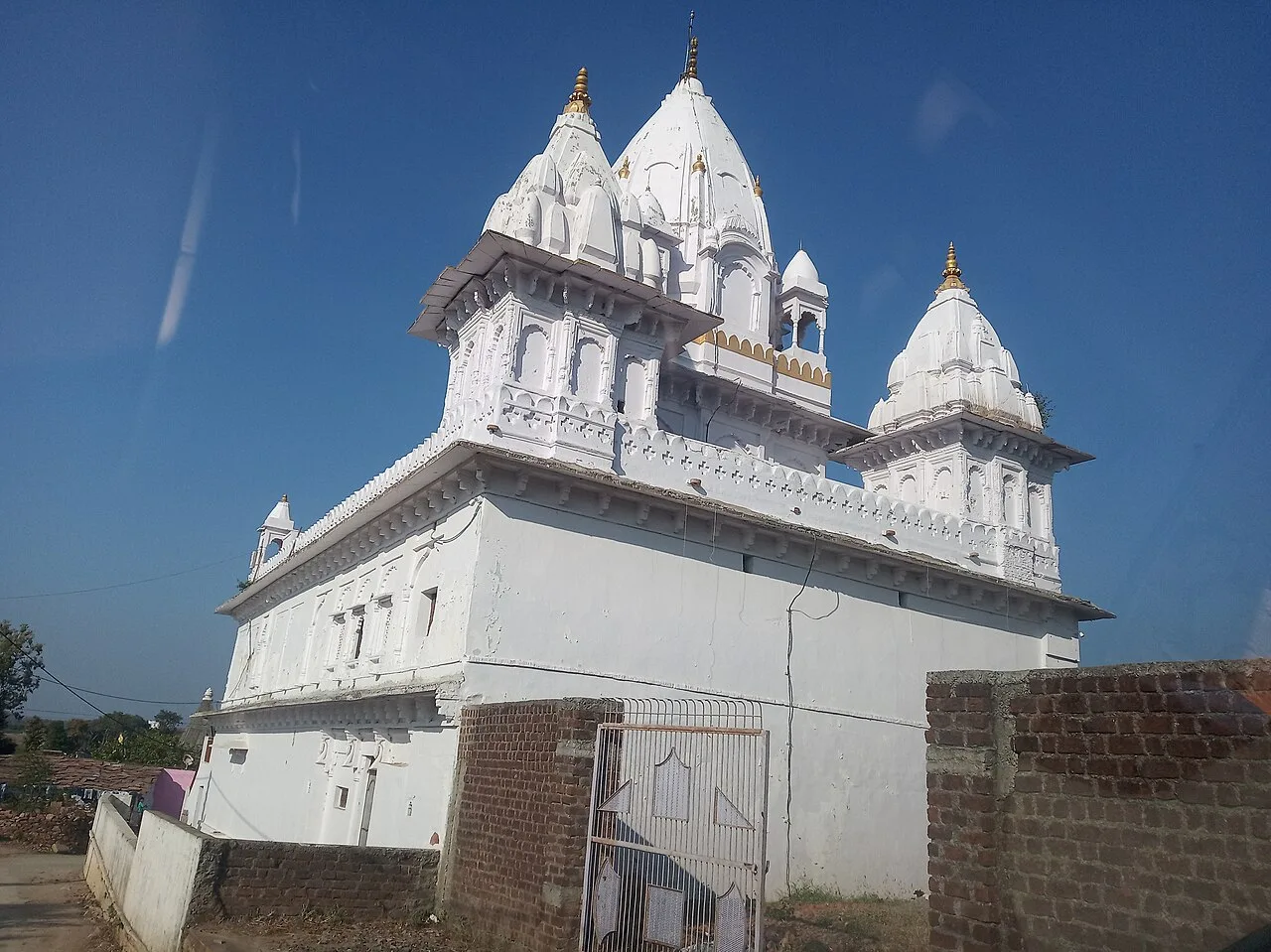
The Kundalpur Jain Temples are a pilgrimage destination for Digambar Jains in Madhya Pradesh’s Damoh district. The town of Kundalpur lies 37 kilometres north-east of Damoh city.

Rahatgarh Fort

85 km away · Sagar district

Rahatgarh Fort

Rahatgarh Fort is in Sagar district, Madhya Pradesh. Visitors come to see the fort, while the town of Rahatgarh is also notable as a nagar panchayat and tehsil headquarters.

Kundeshwar Temple

97 km away · Tikamgarh district

Kundeshwar Temple

Kundeshwar is a village in Madhya Pradesh’s Tikamgarh district, five kilometres south of Tikamgarh. Visitors come to see Kundadev Mahadev Temple, an ancient temple beside the Jamdhar river.

Bhedaghat

105 km away · Jabalpur district

Bhedaghat

Bhedaghat, a nagar panchayat in Jabalpur district, Madhya Pradesh, draws visitors to the Narmada’s marble gorge and the misty cascade at Dhuandhar Falls.

Marble Rocks

105 km away · Jabalpur district

Marble Rocks

Marble Rocks is a gorge carved into marble by the Narmada at Bhedaghat, near Jabalpur in Madhya Pradesh. Visitors come to see the river-shaped landscape and locally made marble figures.

Dhuandhar Falls

106 km away · Jabalpur district

Dhuandhar Falls

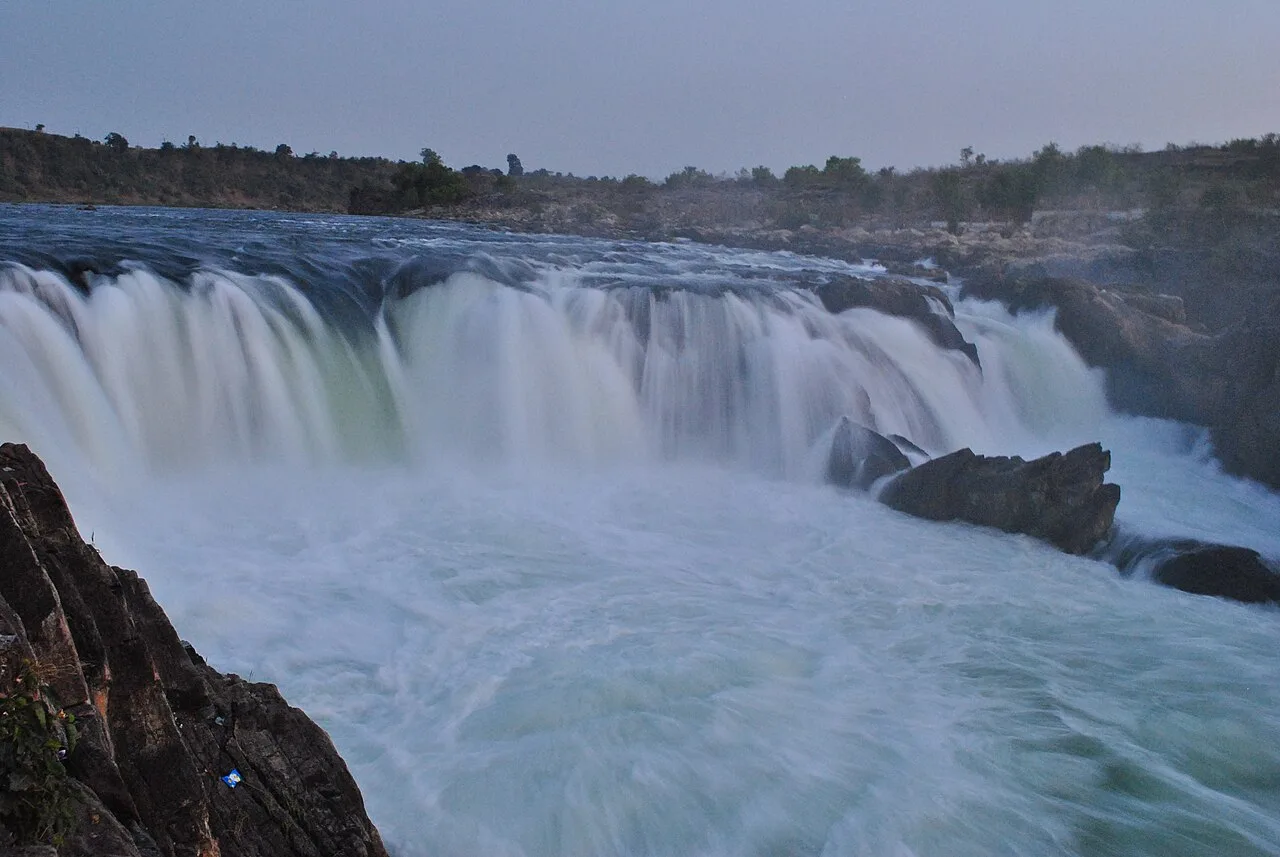
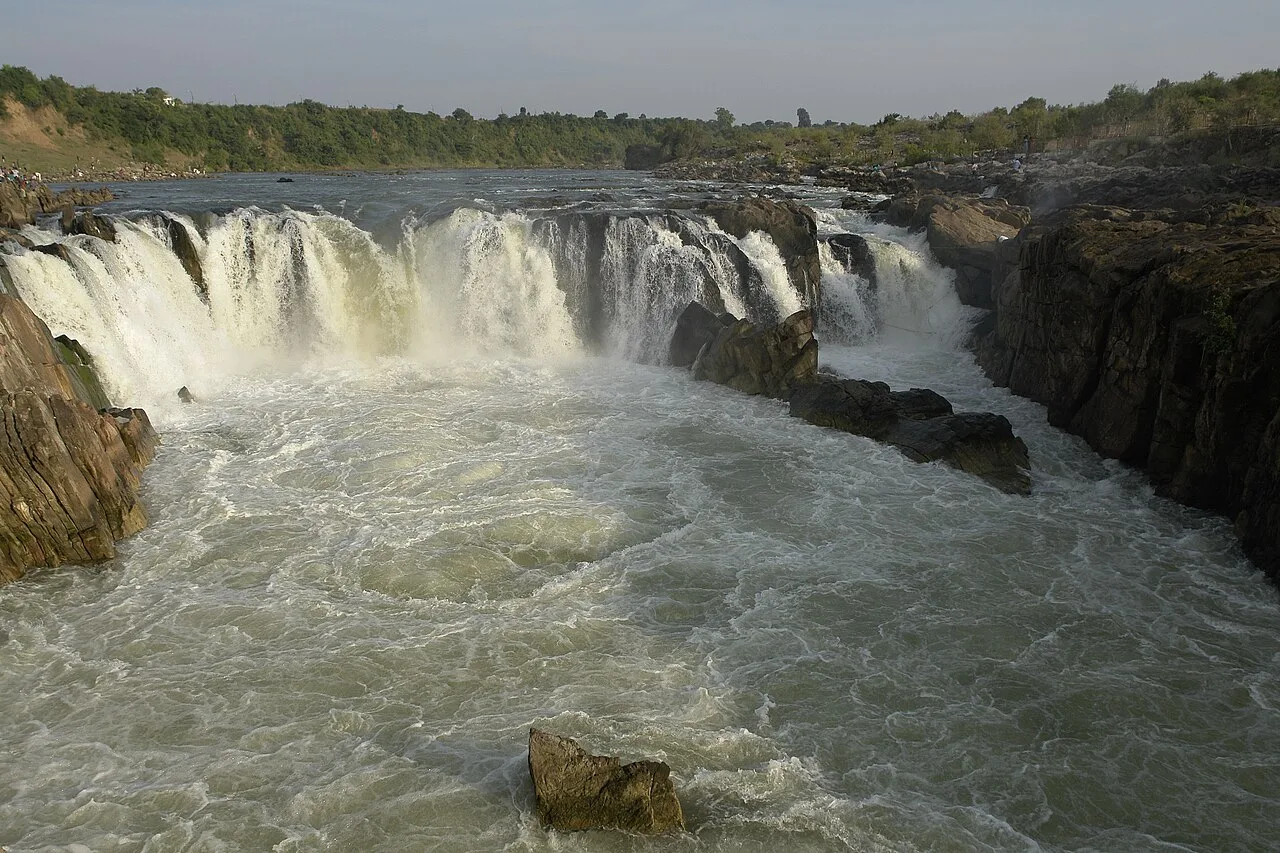
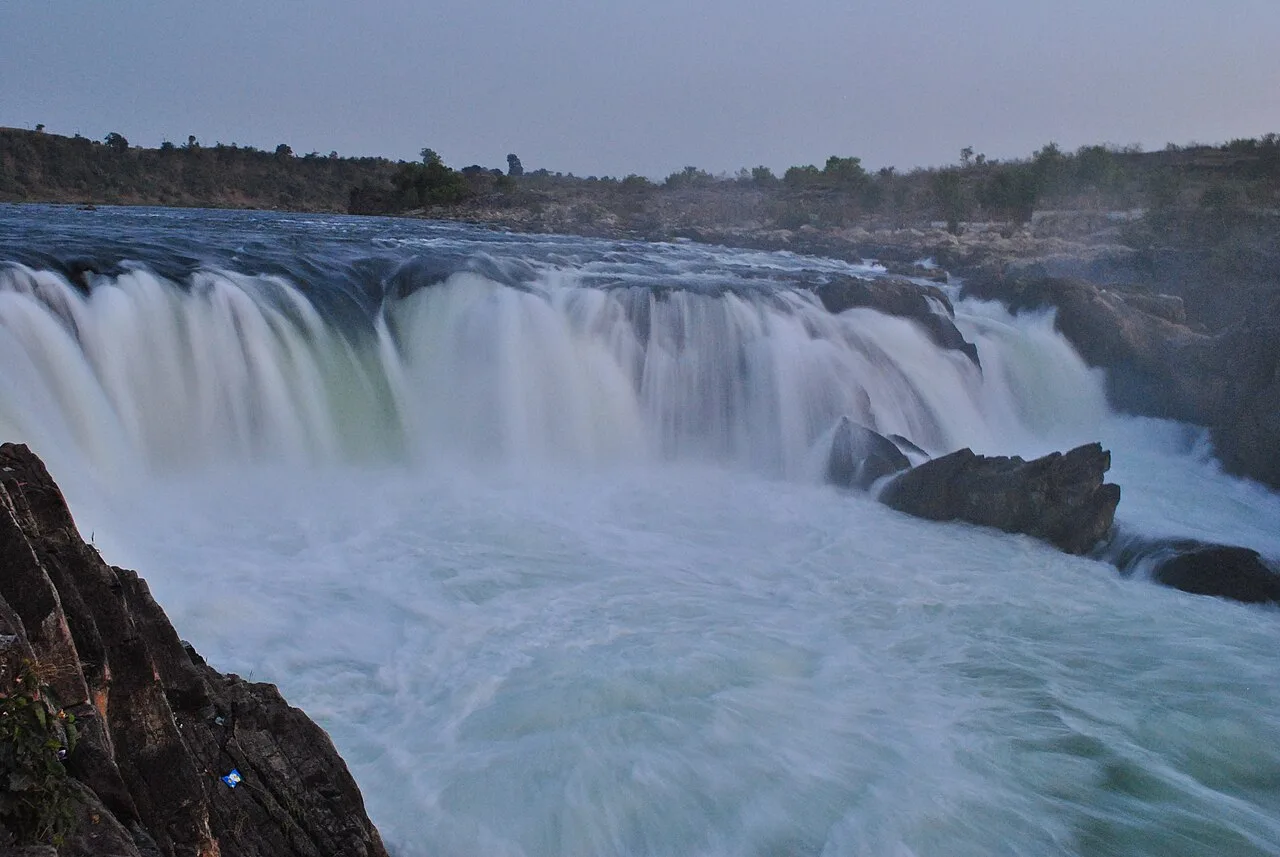
Dhuandhar Falls is a waterfall located in Jabalpur district, Madhya Pradesh. Visitors come to see the falls, a natural feature of the district.

Madan Mahal

110 km away · Jabalpur district

Madan Mahal

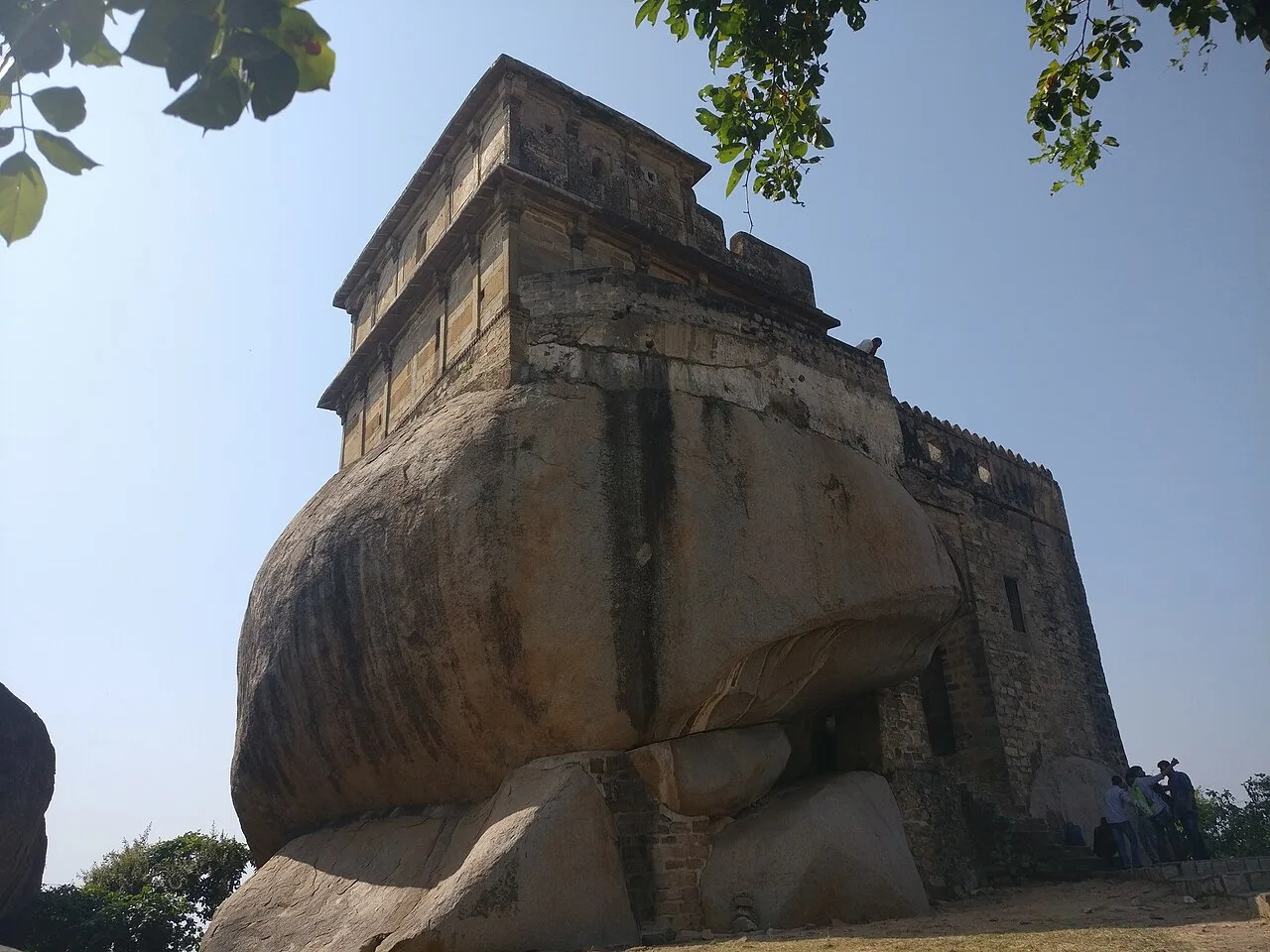
Madan Mahal is a suburb in Jabalpur district, Madhya Pradesh, best known for the historic Durgavati fort. Visitors come to see the hilltop fort associated with Raja Madan Singh.

Panna National Park

124 km away · Chhatarpur district

Panna National Park

Located in Panna and Chhatarpur districts of Madhya Pradesh, Panna National Park covers 542.67 square kilometres. Visitors come for its wildlife, especially tigers, and its status as a tiger reserve.

Map

Patharia on the map

  1. 1Kundalpur Jain Temples
  2. 2Rahatgarh Fort
  3. 3Kundeshwar Temple
  4. 4Bhedaghat
  5. 5Marble Rocks
  6. 6Dhuandhar Falls
  7. 7Madan Mahal
  8. 8Panna National Park

Madhya Pradesh

Other cities to explore