Ghumoopedia — Explore, Discover, Experience
Sign in

City guide · Madhya Pradesh

Hanumana

Hanumana is a town and nagar panchayat in Mauganj district, in north-eastern Madhya Pradesh. Its importance is chiefly regional: it serves as a tehsil headquarters and a centre for local administration, everyday shopping and services for surrounding settlements.

Famous for

  • Mauganj district town
  • Tehsil headquarters
  • Regional market centre
  • Bagheli-speaking region

Why Hanumana matters

Hanumana is a town and nagar panchayat in Mauganj district, in north-eastern Madhya Pradesh. Its importance is chiefly regional: it serves as a tehsil headquarters and a centre for local administration, everyday shopping and services for surrounding settlements. Mauganj, Manikwar and Mangawan are among the nearby towns that connect Hanumana to a wider network of rural communities.

Visitors are more likely to come for local business, government work or to meet people in the area than for a major, established sightseeing circuit. The town’s appeal lies in seeing the daily rhythms of a small regional centre and using it as a base for travel around the district. Hindi and Bagheli are heard in the region, reflecting its place in the Baghelkhand cultural landscape. Hanumana is not widely associated with a signature textile, craft or landmark attraction; its clearest identity is as a practical hub serving residents and travellers moving between nearby towns.
Famous for: crafts, trade & products

Hanumana is best understood as a service and market town rather than as a recognised centre for a particular textile, handicraft or industrial product. There is no widely established local GI-tagged product or signature craft associated with the town. Its shops and market areas cater mainly to residents of Hanumana and nearby settlements, with everyday goods, household needs and supplies for surrounding rural communities forming the focus of local trade.

For visitors, the central market is the most practical place to browse for ordinary provisions and observe local commerce. The town’s tehsil and nagar panchayat functions also make it an administrative destination for people from the surrounding area. Shoppers seeking a specialised craft, branded textile or a broader range of products may find more options in larger regional centres. Because individual businesses and market offerings can change, it is best to ask locally about particular goods rather than expect a dedicated craft bazaar or a recognised product trail.

History

Hanumana’s growth is closely tied to its role as a settlement serving the surrounding countryside. Its designation as a tehsil headquarters has strengthened its position as a place for administration, local services and trade. The town sits within the wider Baghelkhand region, whose history is associated with the former princely state of Rewa. During the colonial period, Rewa was a princely state under British paramountcy; this broader regional history should not be confused with a separately documented account of Hanumana itself.

In modern times, Hanumana has continued to serve nearby villages and towns through its local government and tehsil institutions. Its current placement in Mauganj district reflects the present administrative organisation of Madhya Pradesh. The town’s development is chiefly visible in its role as a local centre and in the links it maintains with places such as Mauganj, Manikwar and Mangawan. A detailed chronology of major events or historic buildings in Hanumana is not widely established.

Food, festivals & culture

Daily life reflects the customs of north-eastern Madhya Pradesh and the Baghelkhand region. Hindi is widely used, while Bagheli is also spoken locally. Everyday meals commonly draw on wheat, rice, lentils and seasonal vegetables. Familiar sweets and snacks may be found in local shops, but Hanumana is not especially known for a distinctive regional dish or sweet.

Holi, usually celebrated in spring, and Diwali, in autumn, are important occasions, alongside Navratri and other Hindu festivals. Eid is observed by Muslim residents. Celebrations generally bring families and communities together through worship, visits and shared meals; local practices vary from household to household. Temples and other places of worship serve neighbourhood communities, though no single site is widely established as a major visitor landmark. Music and dance are part of regional festivities and social occasions, but Hanumana is not known as a specialised performance centre. Visitors can learn more about local customs through respectful participation and conversation with residents.

Visiting the city

The cooler months, roughly October to March, are generally the most comfortable time to visit. Rewa Airport (Chorhata) is the nearest airport in the regional area; Prayagraj Airport is another option for a wider choice of air connections. Rewa railway station is the main railhead commonly used for reaching Hanumana. Check current transport links before setting out, as services can change.

Road travel is the practical way to reach the town from nearby centres. Within Hanumana, local shared vehicles, auto-rickshaws and walking may suit short trips, depending on availability. The central market is a useful area to explore for everyday town life, while the tehsil and nagar panchayat area offers a glimpse of its administrative role. Nearby Mauganj, Manikwar and Mangawan can be considered for regional excursions.

Trips from the city

Nearest places to visit from Hanumana

Our closest destination guides, by straight-line distance.

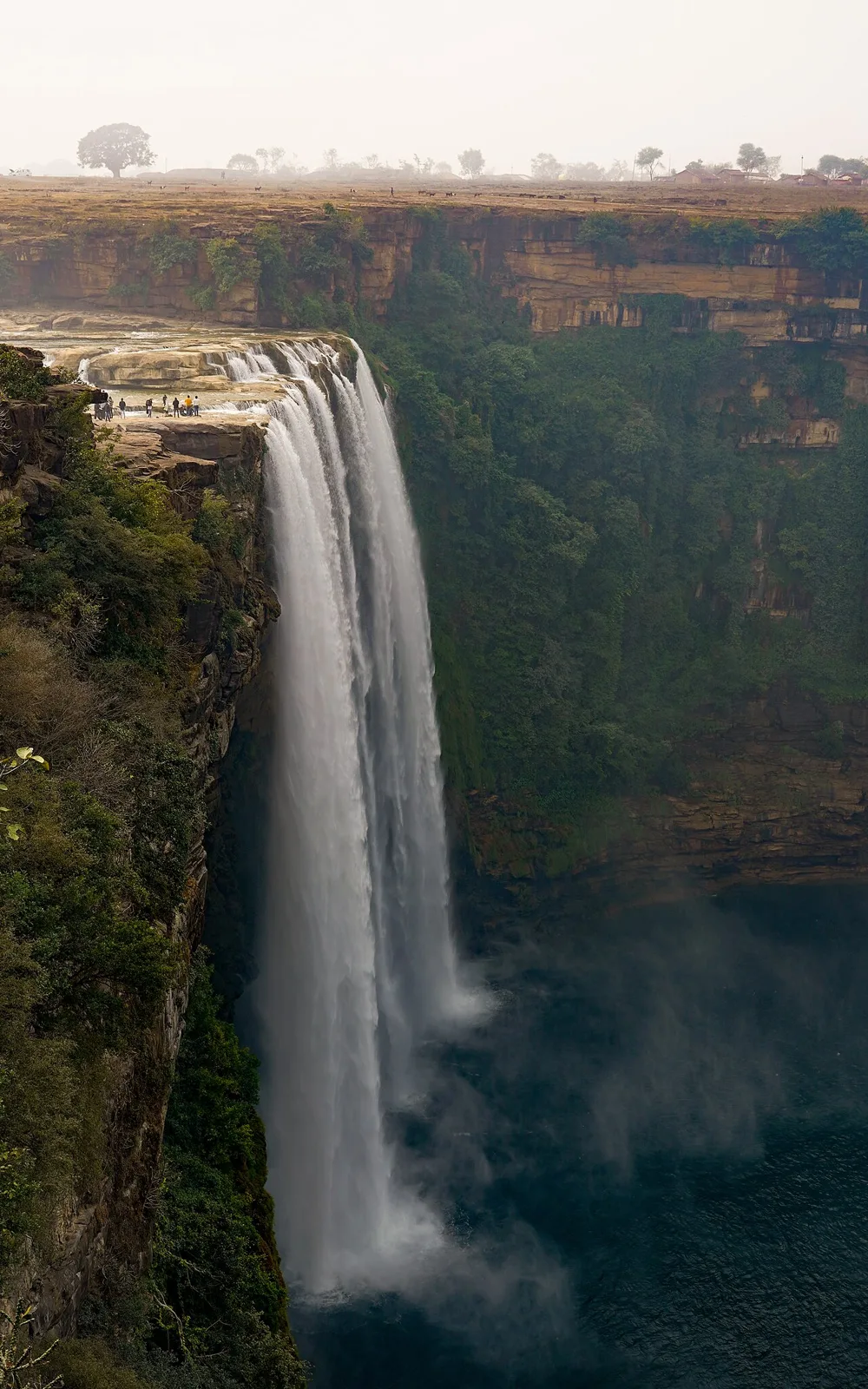
Keoti Falls, Rewa

65 km away · Rewa district

Keoti Falls, Rewa

Keoti Falls, also called Kevti, is a waterfall in Rewa district, Madhya Pradesh. Visitors come to see a site ranked 24th among India’s waterfalls by height.

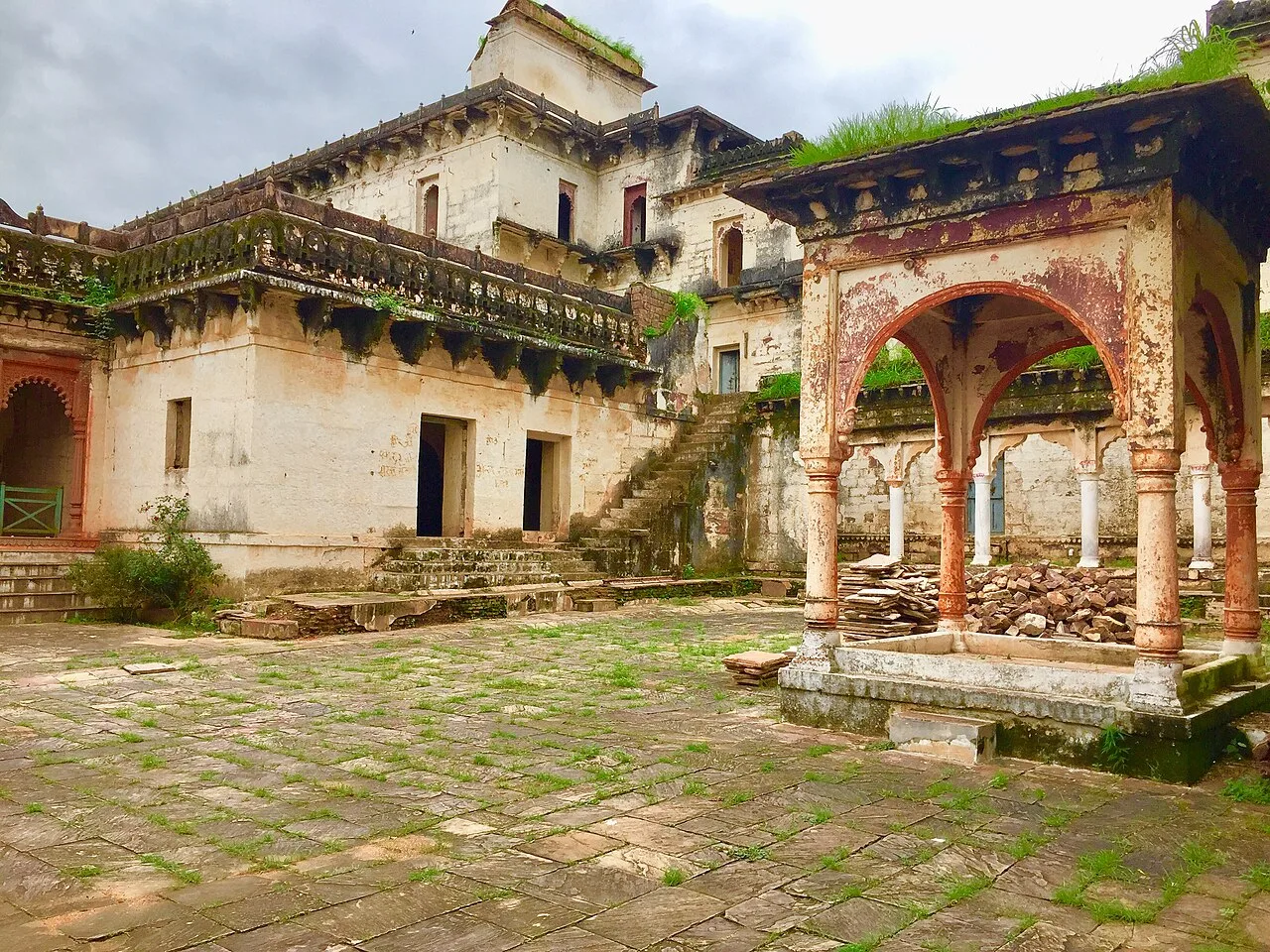
Govindgarh Palace, Rewa

93 km away · Rewa district

Govindgarh Palace, Rewa

Govindgarh Palace, also called Govindgarh Fort, is a nineteenth-century royal residence in Rewa district. Visitors come to see the palace and its lakeside setting in Govindgarh, Madhya Pradesh.

Sanjay National Park

99 km away · Sidhi district

Sanjay National Park

In Sidhi district, Madhya Pradesh, Sanjay National Park forms part of the Sanjay-Dubri Tiger Reserve. Visitors can explore this protected area and its national-park landscape.

Chitrakoot

130 km away · Chitrakoot district

Chitrakoot

Chitrakoot is a pilgrimage town and nagar panchayat in Madhya Pradesh, valued for its Ramayana associations, sacred sites and religious observances that draw visitors throughout the year.

Bharhut Stupa Remains

132 km away · Satna district

Bharhut Stupa Remains

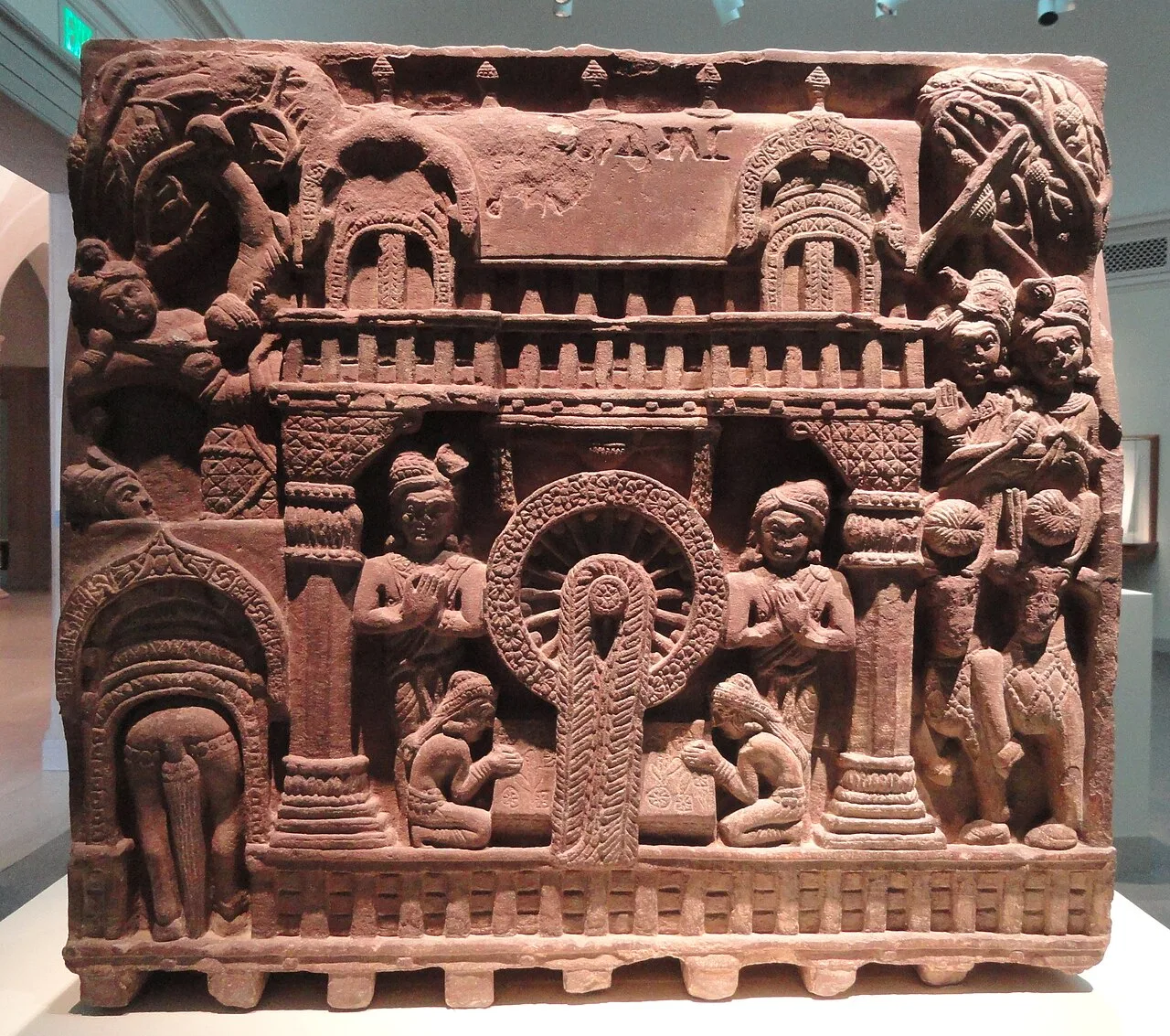
Bharhut Stupa Remains are the surviving traces of a Buddhist stupa in Madhya Pradesh. Visitors come to learn about its early carvings, labelled relief panels and history, though most sculptures are now held elsewhere.

Maihar Sharda Temple

147 km away · Satna district

Maihar Sharda Temple

Maihar Sharda Temple is a religious shrine in Madhya Pradesh, associated with Maa Sharda and counted among the Shakti Peeth. Worshippers visit for its religious significance.

Bandhavgarh Fort

163 km away · Bandhavgarh district

Bandhavgarh Fort

Bandhavgarh Fort is a historic stronghold in Umaria district, Madhya Pradesh, within Bandhavgarh National Park, drawing interest for its landscape and long political history.

Bandhavgarh National Park

166 km away · Bandhavgarh district

Bandhavgarh National Park

Bandhavgarh National Park, in Umaria district, Madhya Pradesh, is a protected area with extensive forests and diverse wildlife. Visitors are drawn especially by its tigers and other animals.

Map

Hanumana on the map

  1. 1Keoti Falls, Rewa
  2. 2Govindgarh Palace, Rewa
  3. 3Sanjay National Park
  4. 4Chitrakoot
  5. 5Bharhut Stupa Remains
  6. 6Maihar Sharda Temple
  7. 7Bandhavgarh Fort
  8. 8Bandhavgarh National Park

Madhya Pradesh

Other cities to explore