Ghumoopedia — Explore, Discover, Experience
Sign in
Gohad Fort, near Seondha

City guide · Madhya Pradesh

Seondha

Seondha is a small town in Datia district, set beside the Sindh River in the Bundelkhand region of Madhya Pradesh. Its importance comes less from large-scale commerce than from its river landscape, local history and religious associations.

Famous for

  • Sindh River setting
  • Seondha fort remains
  • Sankua Kund waterfall
  • Nearby Ratangarh Temple
  • Bundelkhand spiritual heritage

Why Seondha matters

Seondha is a small town in Datia district, set beside the Sindh River in the Bundelkhand region of Madhya Pradesh. Its importance comes less from large-scale commerce than from its river landscape, local history and religious associations. Remains of an old fort recall the town’s links with the former Datia state, while nearby Sankua Kund draws visitors to a river gorge and waterfall regarded as sacred. Ratangarh Temple, about 15 kilometres away, is another significant destination for worshippers and visitors exploring the area.

The Sindh is part of everyday life as well as the setting for local religious practice and agriculture. Seondha can serve as a quiet base for seeing these sites and experiencing a smaller district town beyond Madhya Pradesh’s better-known tourist centres. Its appeal is especially strong for travellers interested in Bundelkhand’s sacred landscapes, local traditions and modest historic remains. Visits are best planned with local transport in mind, since attractions are spread around the town and its surroundings.
Famous for: crafts, trade & products

Seondha is not widely identified with a particular textile, craft, industrial product or GI-tagged item. Its reputation rests chiefly on its river setting, historic remains and nearby places of worship rather than on a specialist manufacturing or shopping trade. Visitors should not expect a dedicated craft district or a major tourist bazaar.

The town’s local market serves residents with everyday provisions, household goods and seasonal items. It is the most practical place to browse for ordinary snacks and necessities, though selection can be limited compared with larger regional centres. For a broader choice of clothing, crafts and manufactured goods, travellers can look to Datia or Gwalior. Bundelkhand’s wider craft traditions are found across the region, but individual products should not be assumed to be made or sold in Seondha without checking locally. The town is best approached as a destination for its landscape and heritage, not as a shopping centre.

History

Seondha’s local history is closely connected with the former princely state of Datia, whose rulers belonged to the Bundela Rajput tradition. The remains of an old fortress point to the town’s earlier defensive and administrative importance, although a detailed, well-documented chronology for the structure is not readily established. Its position beside the Sindh River also made the surrounding landscape important for settlement, cultivation and movement through this part of Bundelkhand.

During the colonial period, Datia continued as a princely state under British paramountcy rather than becoming a directly administered British district. Seondha’s story in that era is therefore best understood within the wider political history of Datia. Following Indian independence and the integration of princely states, the area became part of Madhya Pradesh and Seondha developed as a local town within Datia district. Today it is administered as a nagar panchayat, with its historic identity visible in the fort remains and its continuing role as a service centre for nearby communities.

Food, festivals & culture

Seondha’s culture reflects the Bundelkhand region and its close relationship with the Sindh River. Hindi is widely used, alongside Bundeli speech and expressions. Everyday food is typical of the wider region: home-style lentils, breads, seasonal vegetables and other central Indian staples. Poha and sweets may be available through local eateries and shops, but the town is not especially known for a signature dish or confection.

Hindu observances shape much of the local religious calendar. Navratri, usually in spring and autumn, Diwali in autumn and Holi in spring are widely celebrated across the region; local observances may also follow temple calendars. Sankua Kund is an important sacred landscape, associated in local belief with the meditation of the Four Kumaras. The nearby Ratangarh Temple is another draw for worshippers. Bundeli folk singing and dance belong to the broader cultural life of the area, particularly around community gatherings and festivals, though performances are not guaranteed during a visit.

Visiting the city

The cooler, drier months from roughly October to March are generally the most comfortable for exploring Seondha. Summers can be very hot, while monsoon rains bring greener scenery but may affect travel around the river and waterfall. Gwalior Airport is the nearest major airport commonly used for the region. For rail journeys, Datia and Dabra are useful stations to check; onward travel to Seondha is by road, and routes and connections should be confirmed before setting out.

Within town, local taxis, shared vehicles or auto-rickshaws may be available, while visits to Sankua Kund and Ratangarh Temple usually require arranging transport beyond the centre. Explore the riverfront and old fort area for the town’s historic setting, then allow time for the surrounding religious sites. Services are limited compared with larger cities, so plan food, transport and return travel ahead.

Trips from the city

Nearest places to visit from Seondha

Our closest destination guides, by straight-line distance.

Gohad Fort

46 km away · Bhind district

Gohad Fort

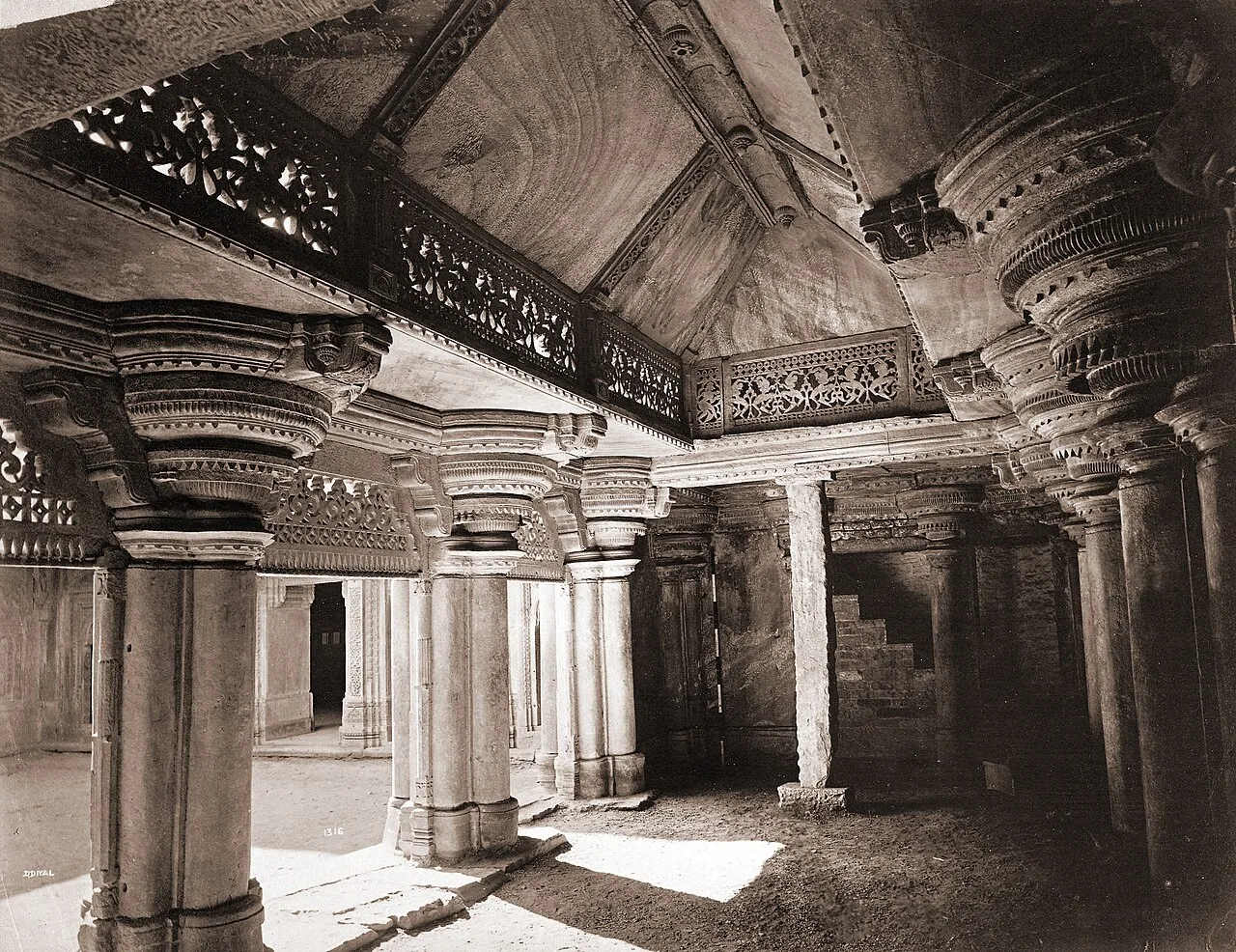
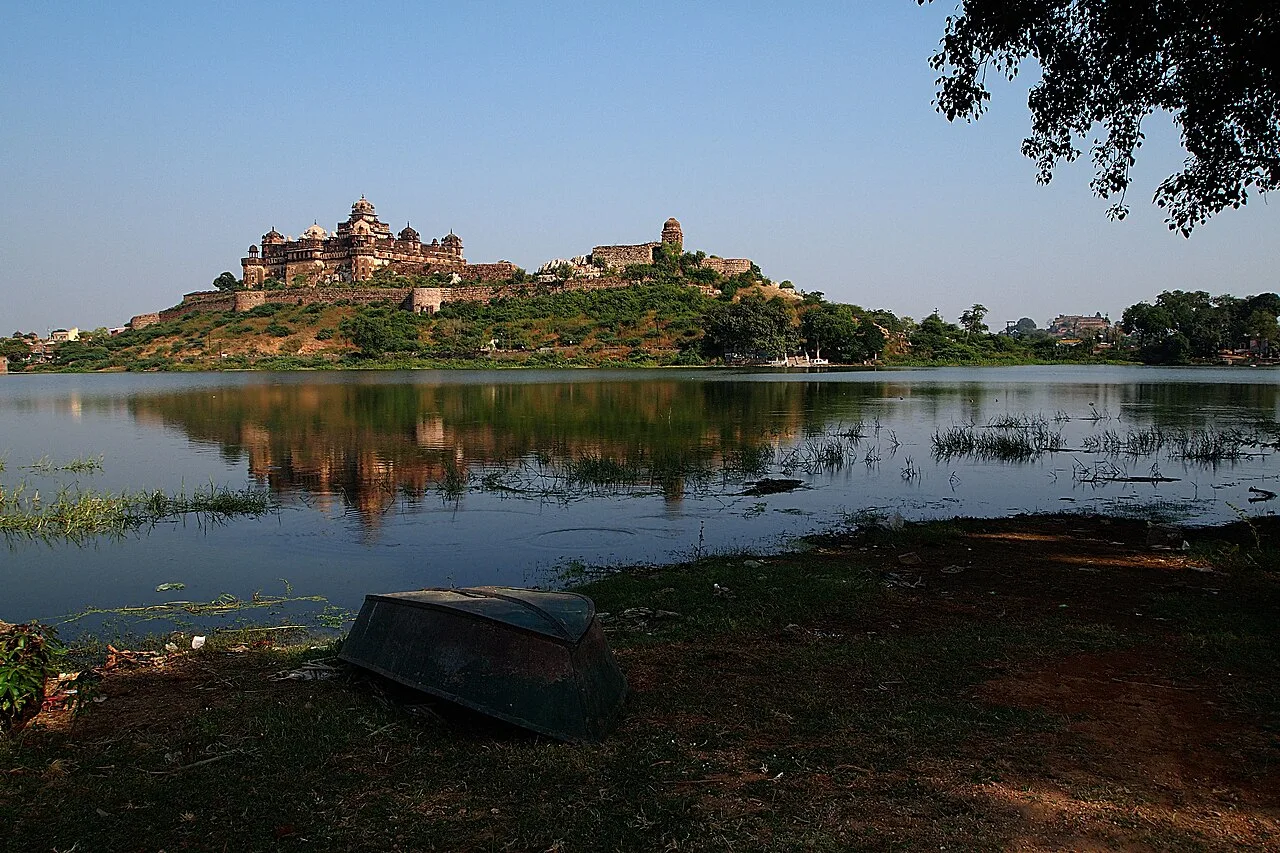
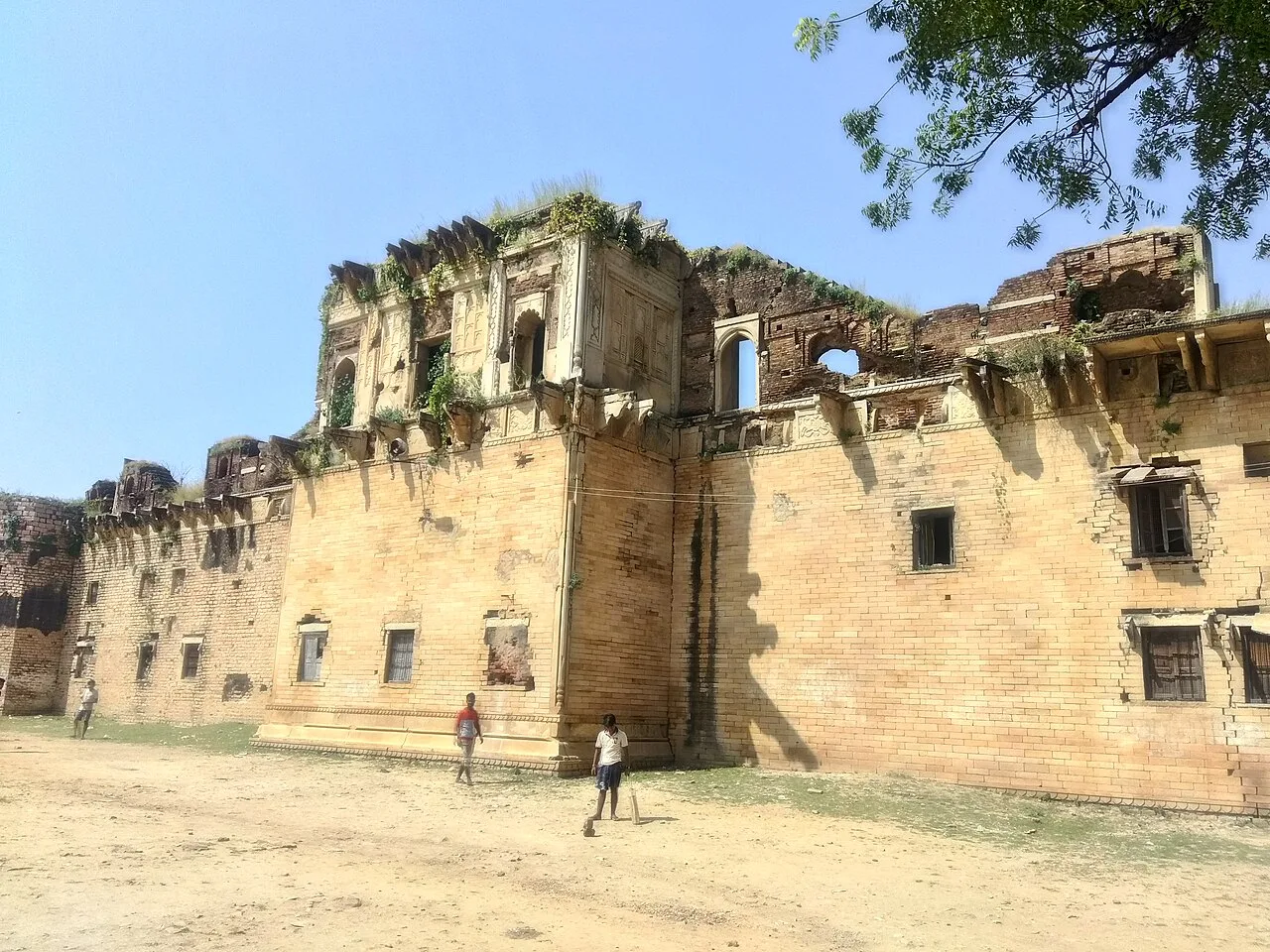
Gohad Fort is a historic site in Gohad, Madhya Pradesh, and attracts interest for its historical importance; the town is 45 km from Gwalior.

Jai Vilas Mahal

61 km away · Gwalior district

Jai Vilas Mahal

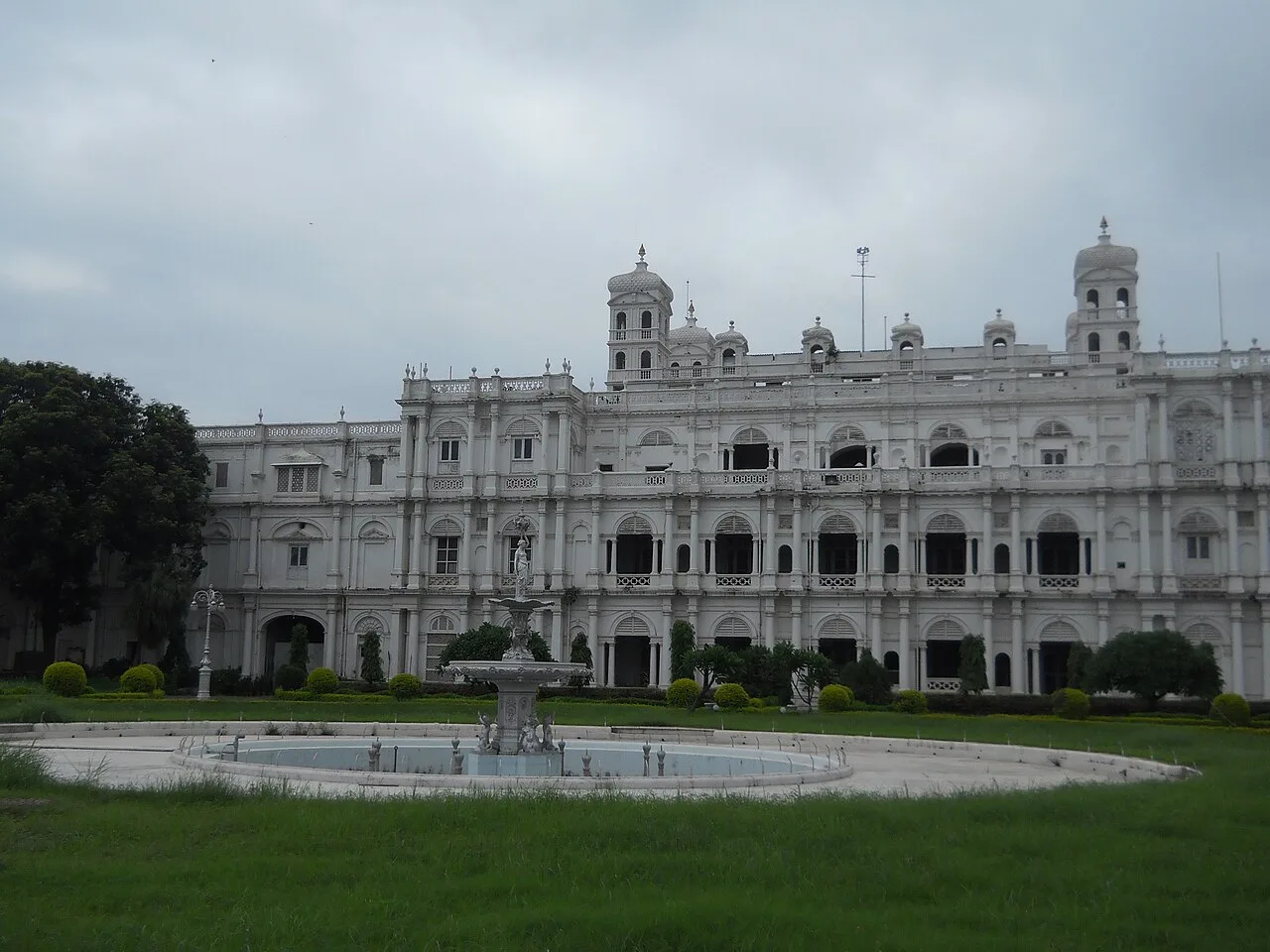
Jai Vilas Mahal is a royal residence dating to the 1800s in Gwalior, Madhya Pradesh. Visitors come to see the Jiwajirao Scindia Museum, which occupies most of the palace.

Sasbahu Temple

61 km away · Gwalior district

Sasbahu Temple

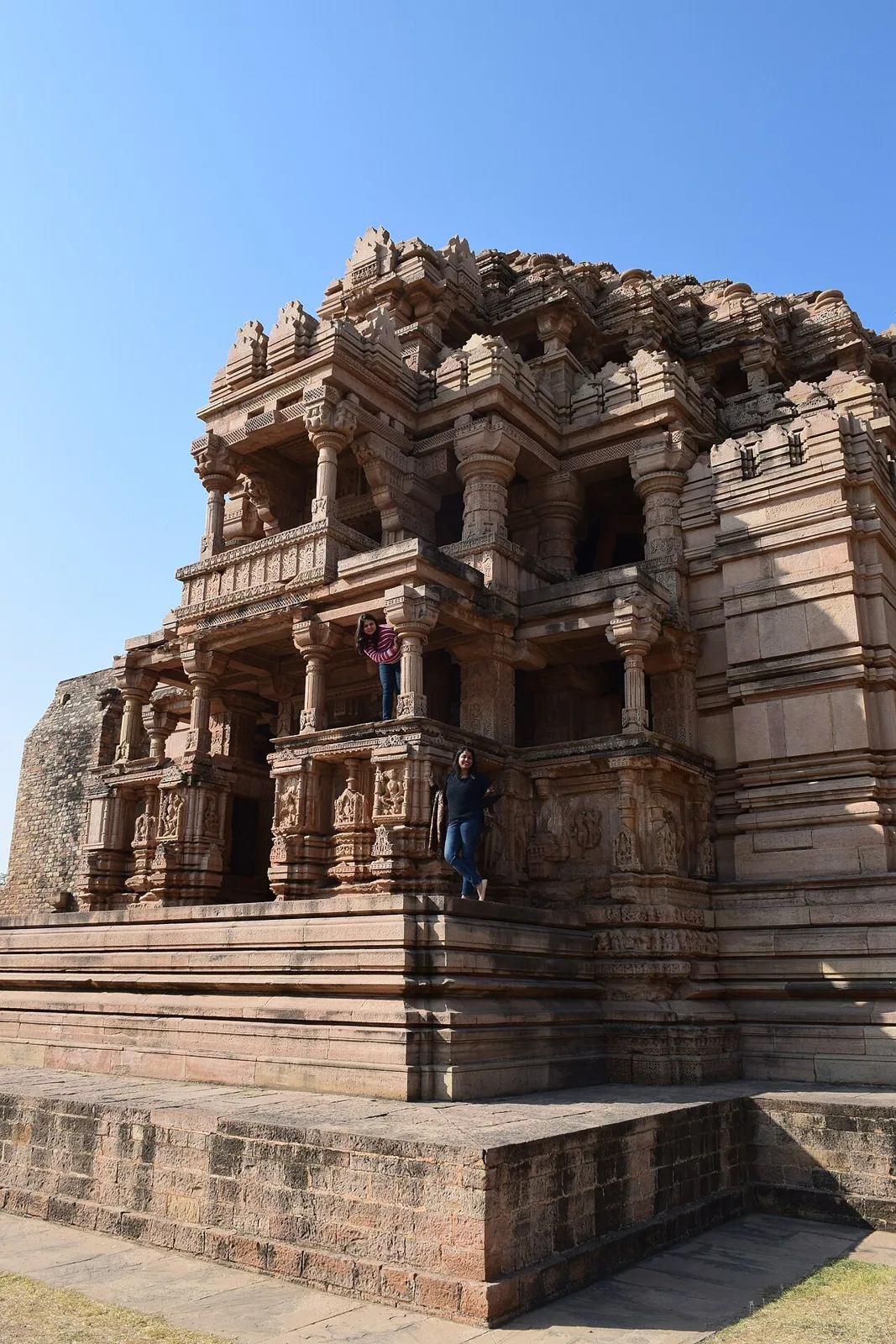
The Sasbahu Temples are a pair of eleventh-century shrines within Gwalior Fort, Madhya Pradesh. Visitors come to see their surviving architecture and damaged stone carvings.

Gwalior Fort

62 km away · Gwalior district

Gwalior Fort

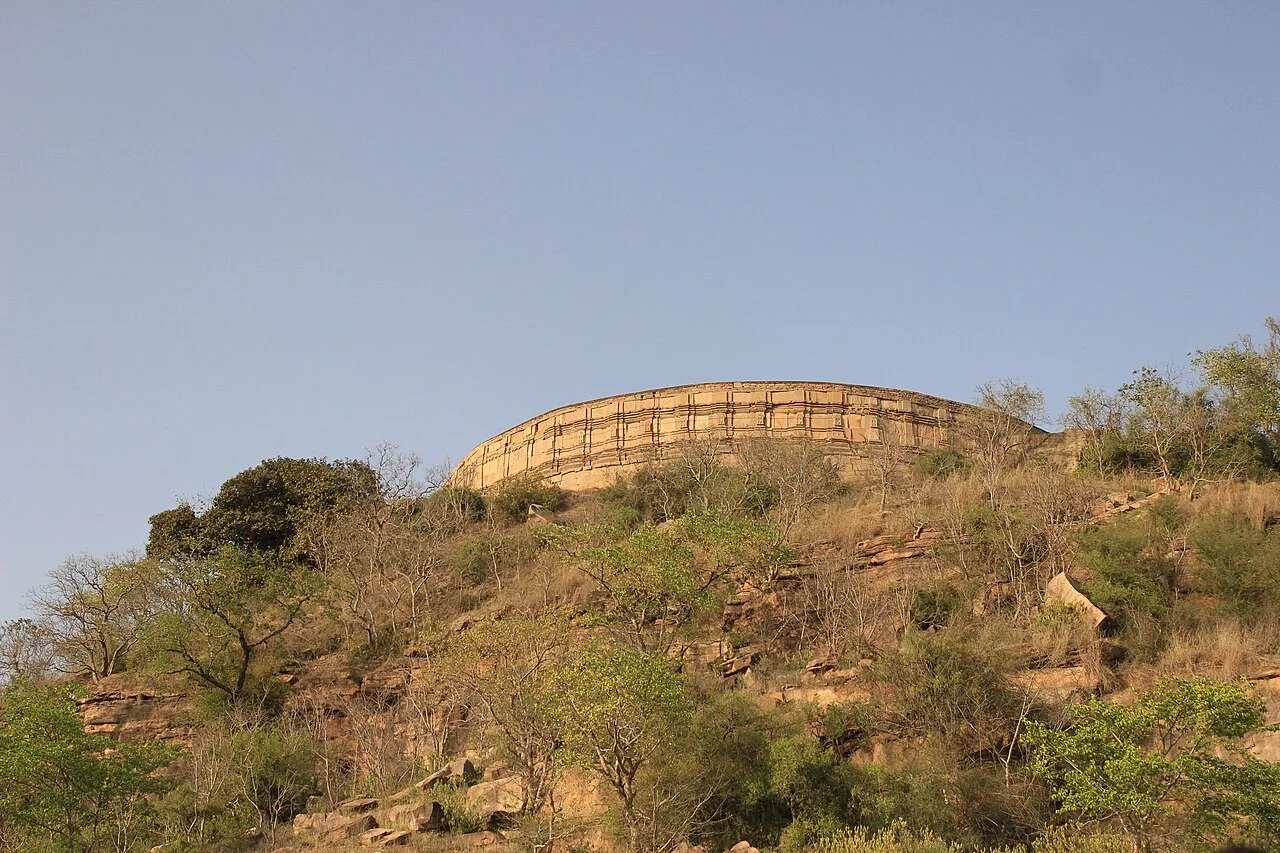
Gwalior Fort is an ancient hill stronghold in Madhya Pradesh, visited for its historic palaces, successive rulers and inscriptions, including an early place-value record of zero.

Teli ka Mandir

62 km away · Gwalior district

Teli ka Mandir

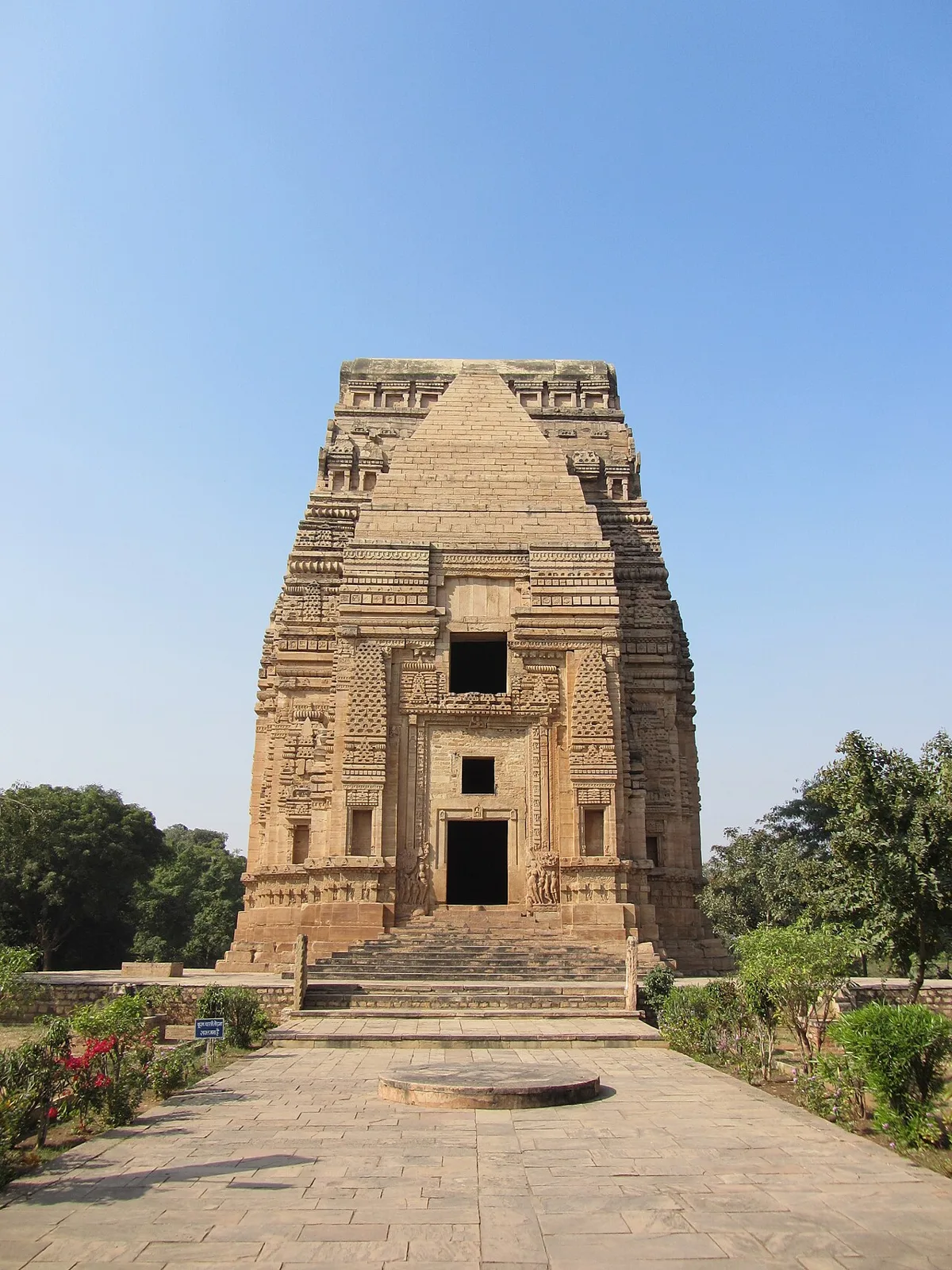
Teli ka Mandir is a Hindu shrine within Gwalior Fort, noted for its unusual rectangular sanctuary and blend of architectural traditions. Visitors come to see its distinctive design and historic character.

Chausath Yogini Temple

63 km away · Morena district

Chausath Yogini Temple

In Morena district, Madhya Pradesh, the 11th-century Chausath Yogini Temple is a Kachchhapaghata-period shrine. Visitors come to see its circular design and chambers associated with the yoginis.

Datia Palace

63 km away · Datia district

Datia Palace

Datia Palace, also known as Bir Singh Palace, is a seven-storey monument in Datia, Madhya Pradesh. Visitors come to see its scale and blend of Mughal and Rajput design.

Bateshwar Hindu temples

66 km away · Morena district

Bateshwar Hindu temples

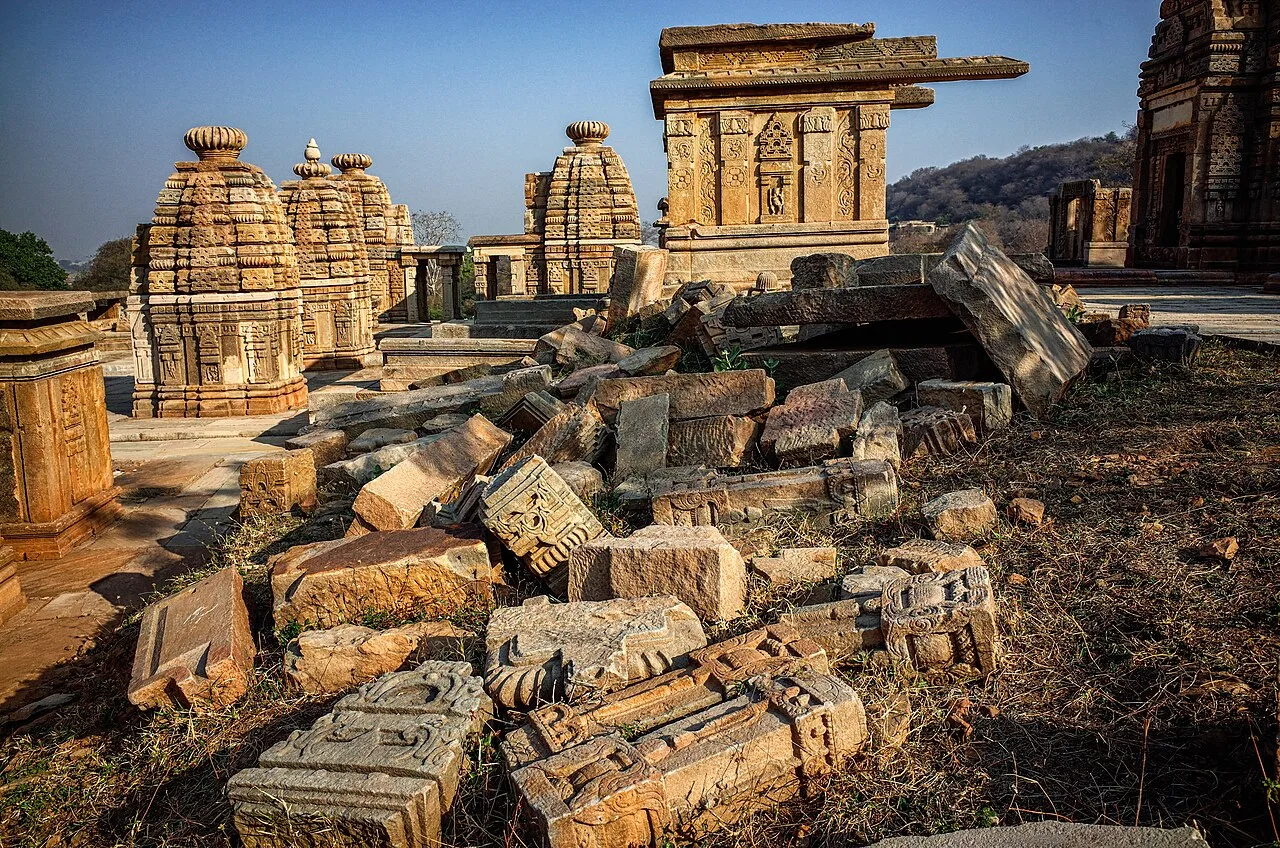
Bateshwar is a cluster of sandstone Hindu shrines and ruins in Madhya Pradesh, visited for its early temple architecture and the remains of a complex dedicated to Shiva, Vishnu and Shakti.

Map

Seondha on the map

  1. 1Gohad Fort
  2. 2Jai Vilas Mahal
  3. 3Sasbahu Temple
  4. 4Gwalior Fort
  5. 5Teli ka Mandir
  6. 6Chausath Yogini Temple
  7. 7Datia Palace
  8. 8Bateshwar Hindu temples

Madhya Pradesh

Other cities to explore