Ghumoopedia — Explore, Discover, Experience
Sign in
Islamnagar, near Berasia

City guide · Madhya Pradesh

Berasia

Berasia is a municipality in Bhopal district, Madhya Pradesh, serving as a local centre for the surrounding rural area. Its importance today is mainly regional: residents and visitors come for everyday services, local commerce and connections with nearby villages, while Bhopal provides access to larger institutions and transport links.

Famous for

  • Bhopal State's early history
  • Dost Mohammad Khan connection
  • Historic market-town character
  • Rural Bhopal district setting

Why Berasia matters

Berasia is a municipality in Bhopal district, Madhya Pradesh, serving as a local centre for the surrounding rural area. Its importance today is mainly regional: residents and visitors come for everyday services, local commerce and connections with nearby villages, while Bhopal provides access to larger institutions and transport links. The town is also of interest to those tracing the early history of Bhopal State, which is closely linked to Berasia and the career of Dost Mohammad Khan.

Berasia is not a major tourist hub, and its appeal is quieter than that of nearby Bhopal. Visitors can experience the pace of a smaller central Indian town, explore its older streets and market area, and use it as a base for local journeys. Its historical associations are more notable than any widely established reputation for a particular craft, food or monument. For a broader range of museums, cultural venues and visitor facilities, Bhopal is the region’s principal destination.
Famous for: crafts, trade & products

Berasia does not have a widely documented signature textile, handicraft, GI-tagged product or specialised industry. Its identity is better understood through its role as a small town serving nearby settlements. Local commerce centres on everyday household needs and services, alongside trade connected with the surrounding rural economy; the town centre is the most practical place to look for ordinary goods and local shops.

Visitors seeking established Madhya Pradesh crafts, textiles or a broader selection of specialist products will find more choice in Bhopal. Berasia should not be treated as a recognised production centre for those items, and products sold locally should not automatically be assumed to be made in the town. The main reason to browse its commercial streets is to see local trade and daily life rather than to shop for a famous regional speciality. Its most distinctive association remains historical: Berasia’s place in the early story of the Bhopal State.

History

In the early eighteenth century, Berasia was a small estate held on lease under Taj Mohammad Khan, a Mughal fief-holder based in Delhi. The area faced insecurity from repeated raids and disorder. Dost Mohammad Khan, an Afghan soldier who had served in the Mughal military and later worked as a mercenary, took on the lease of Berasia. From this foothold he expanded his influence into neighbouring territories and established the Bhopal State.

Berasia’s political control changed in later years. Its territory was annexed by the Dhar State before being restored to Bhopal in 1860, in recognition of services during the Indian Rebellion of 1857. The town subsequently remained part of the Bhopal region as political administration changed. Today it is a municipality within Bhopal district, in the state of Madhya Pradesh. Its historical significance is closely tied to the formation and shifting boundaries of the former Bhopal State rather than to a long record as a major administrative capital.

Food, festivals & culture

Daily life in Berasia reflects the customs of central Madhya Pradesh and the wider Bhopal region. Hindi is the principal language of public life; Urdu is also part of the area’s linguistic and cultural heritage. There is no single dish for which Berasia is widely known. Visitors can expect familiar central Indian snacks and meals, while Bhopal’s broader food traditions—including poha, jalebi and a range of savoury foods—are more readily associated with the nearby city than with Berasia itself.

Holi, usually celebrated in spring, and Diwali, in autumn, are important Hindu festivals. Navratri brings seasonal worship and community observances, while Muslim residents mark occasions including Eid and Muharram. Temples and mosques serve local worshippers, though Berasia is not especially known for a major pilgrimage site or a distinctive local performance tradition. Music, devotional practice and family celebrations are generally part of the region’s shared cultural life.

Visiting the city

The cooler months, roughly October to March, are the most comfortable time to visit. Summers can be hot, while the monsoon brings rain and greener surroundings. Raja Bhoj Airport in Bhopal is the nearest major airport, and Bhopal Junction is the region’s principal railway station and the most useful rail gateway for Berasia. From Bhopal, continue by road; local buses, taxis and shared or hired vehicles can be used for onward travel, with local auto-rickshaws useful for shorter trips in town.

Allow time to walk through Berasia’s older streets and central commercial area, where everyday town life is easiest to observe. The surrounding countryside offers a rural contrast, but plan journeys locally and confirm transport arrangements before setting out. Bhopal makes a convenient base for visitors who want a wider choice of accommodation and cultural attractions.

Trips from the city

Nearest places to visit from Berasia

Our closest destination guides, by straight-line distance.

Islamnagar

31 km away · Bhopal district

Islamnagar

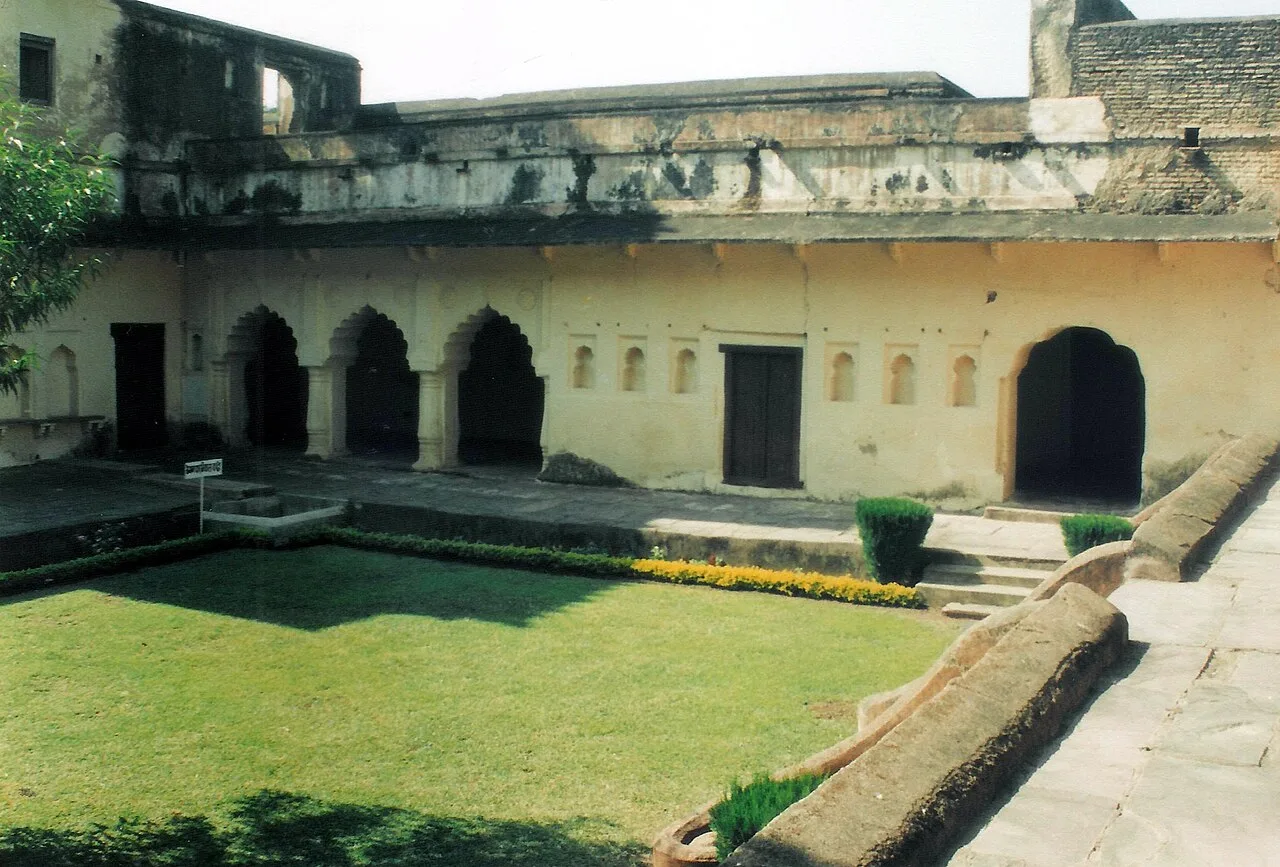
Islamnagar, officially Jagdishpur since February 2023, is a panchayat village in Bhopal district, Madhya Pradesh, visited for the ruined palaces built by Bhopal’s founder.

Sanchi Stupa

35 km away · Sanchi district

Sanchi Stupa

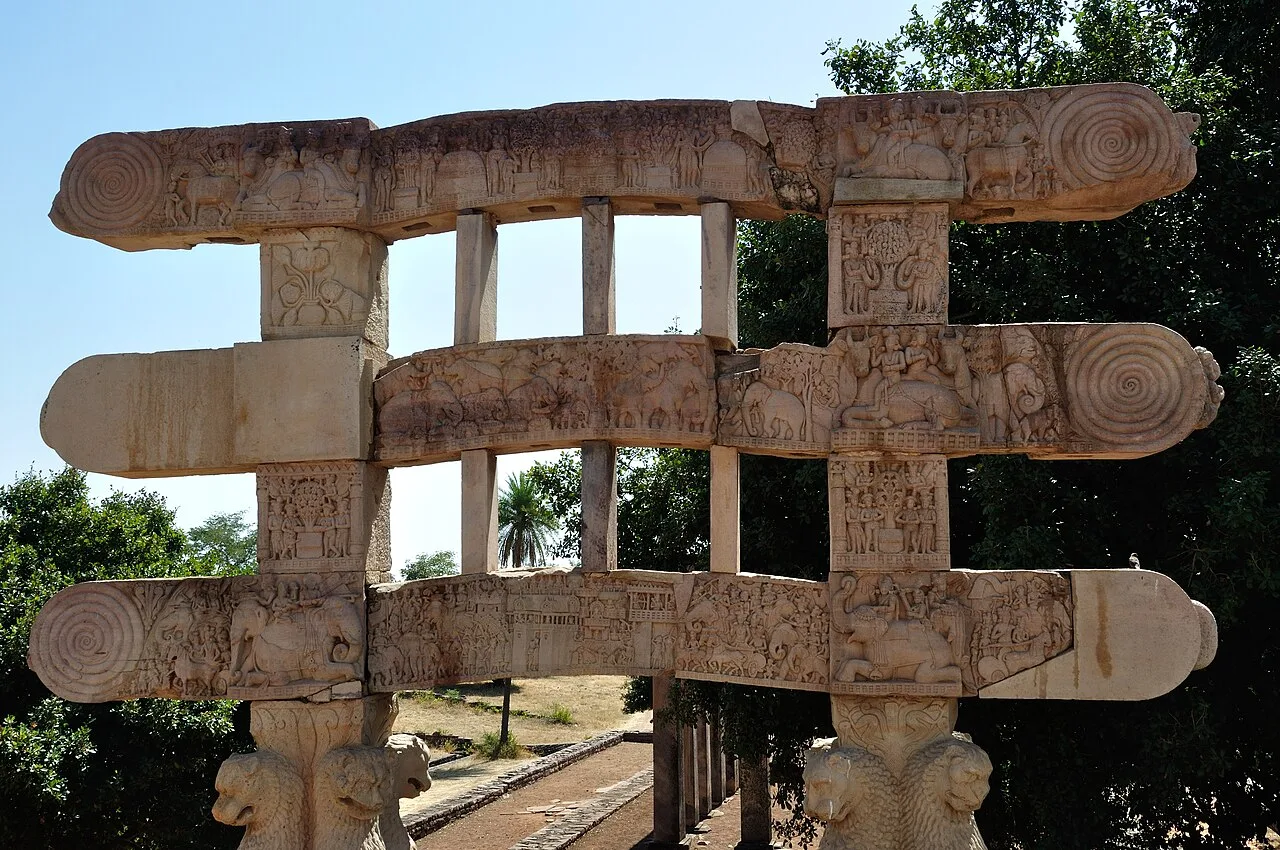
Sanchi is a Buddhist complex in Madhya Pradesh, centred on the Great Stupa. Visitors come to see its historic architecture and explore a site associated with the development of Buddhism in India.

Sanchi Stupa No. 2

35 km away · Raisen district

Sanchi Stupa No. 2

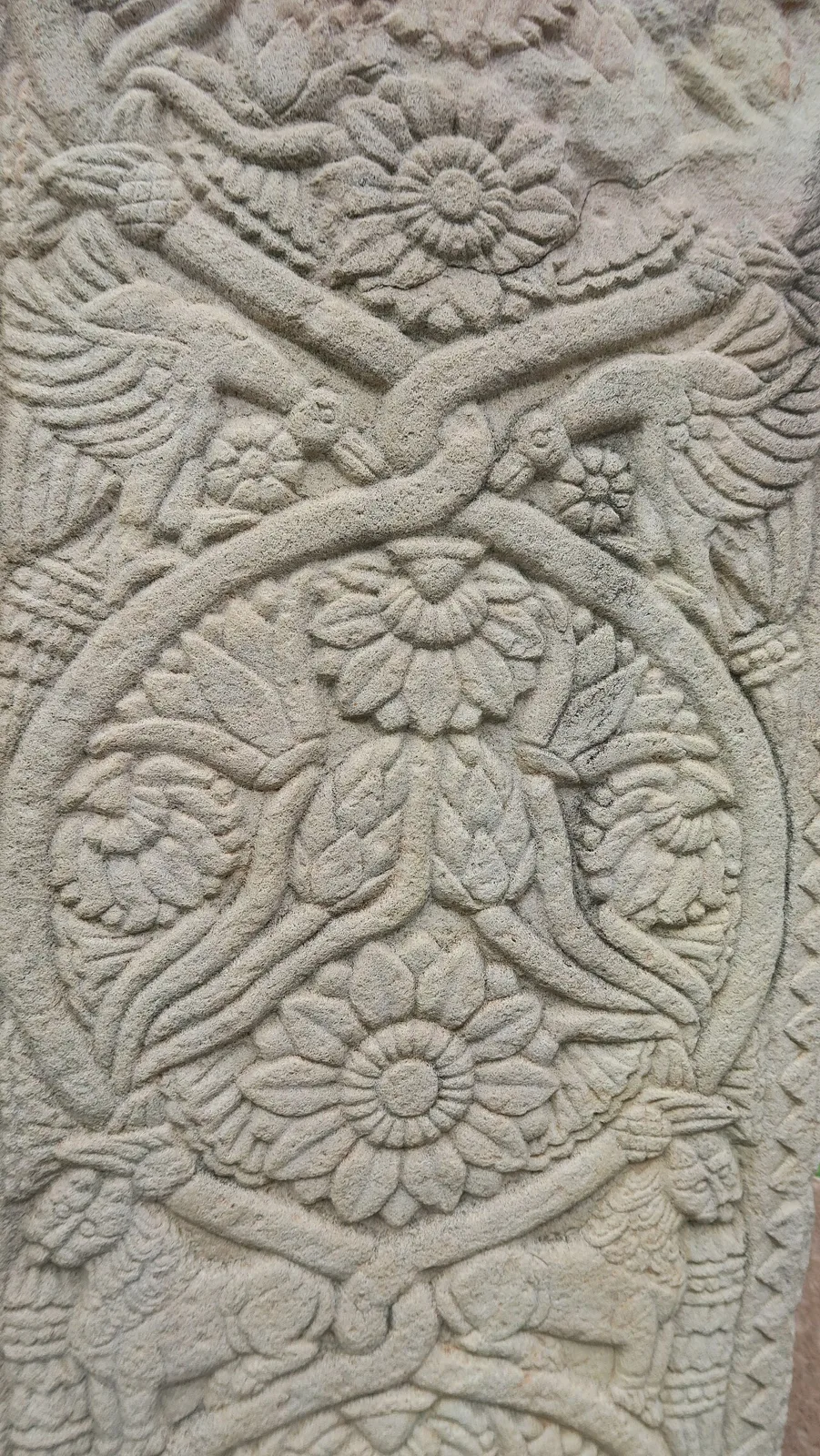
In Raisen district, Madhya Pradesh, Sanchi’s second stupa forms part of the Buddhist complex and draws interest for its early relief carvings and association with Jataka illustrations.

Udayagiri Caves

36 km away · Vidisha district

Udayagiri Caves

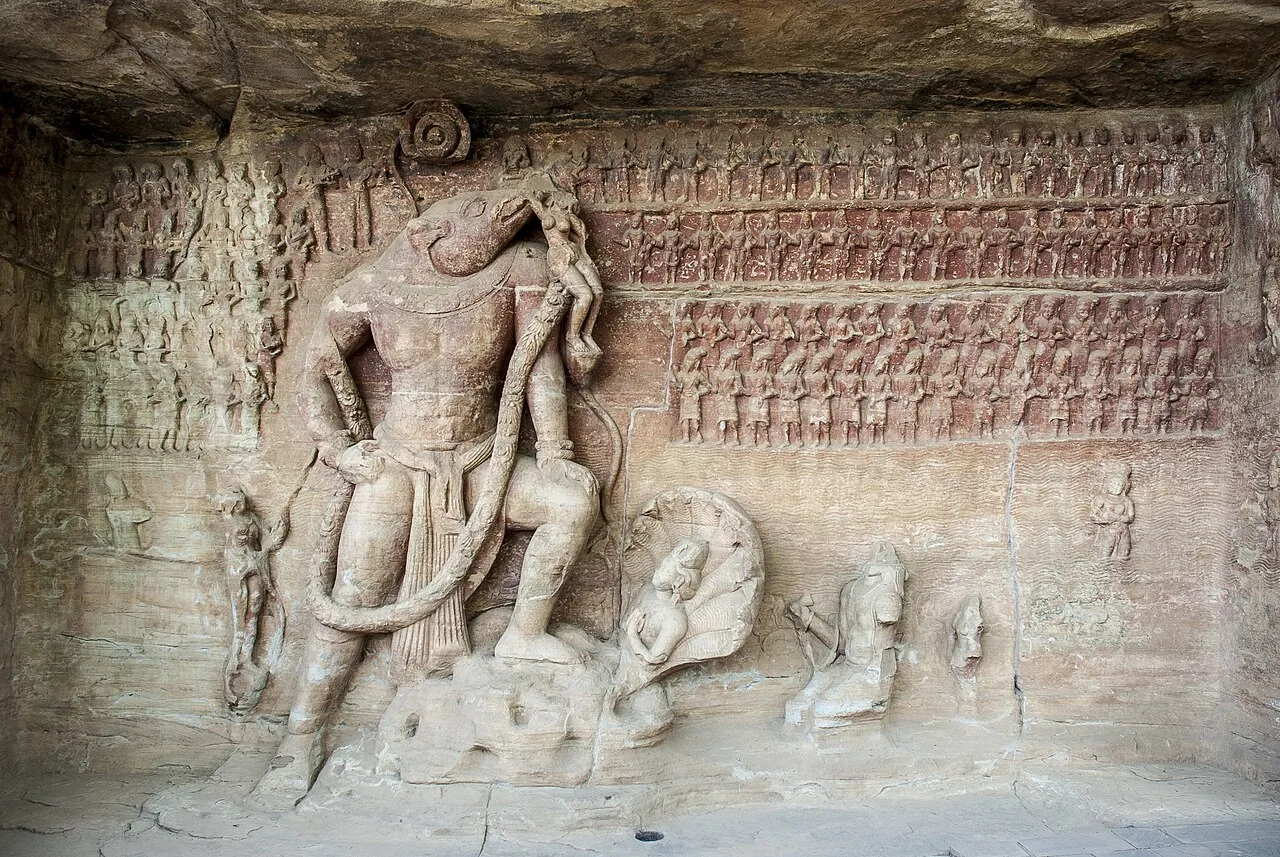
Udayagiri is a group of twenty caves in Madhya Pradesh, known for early Hindu and Jain imagery, Gupta-era inscriptions and a monumental carving of Vishnu as Varaha.

Heliodorus pillar

38 km away · Vidisha district

Heliodorus pillar

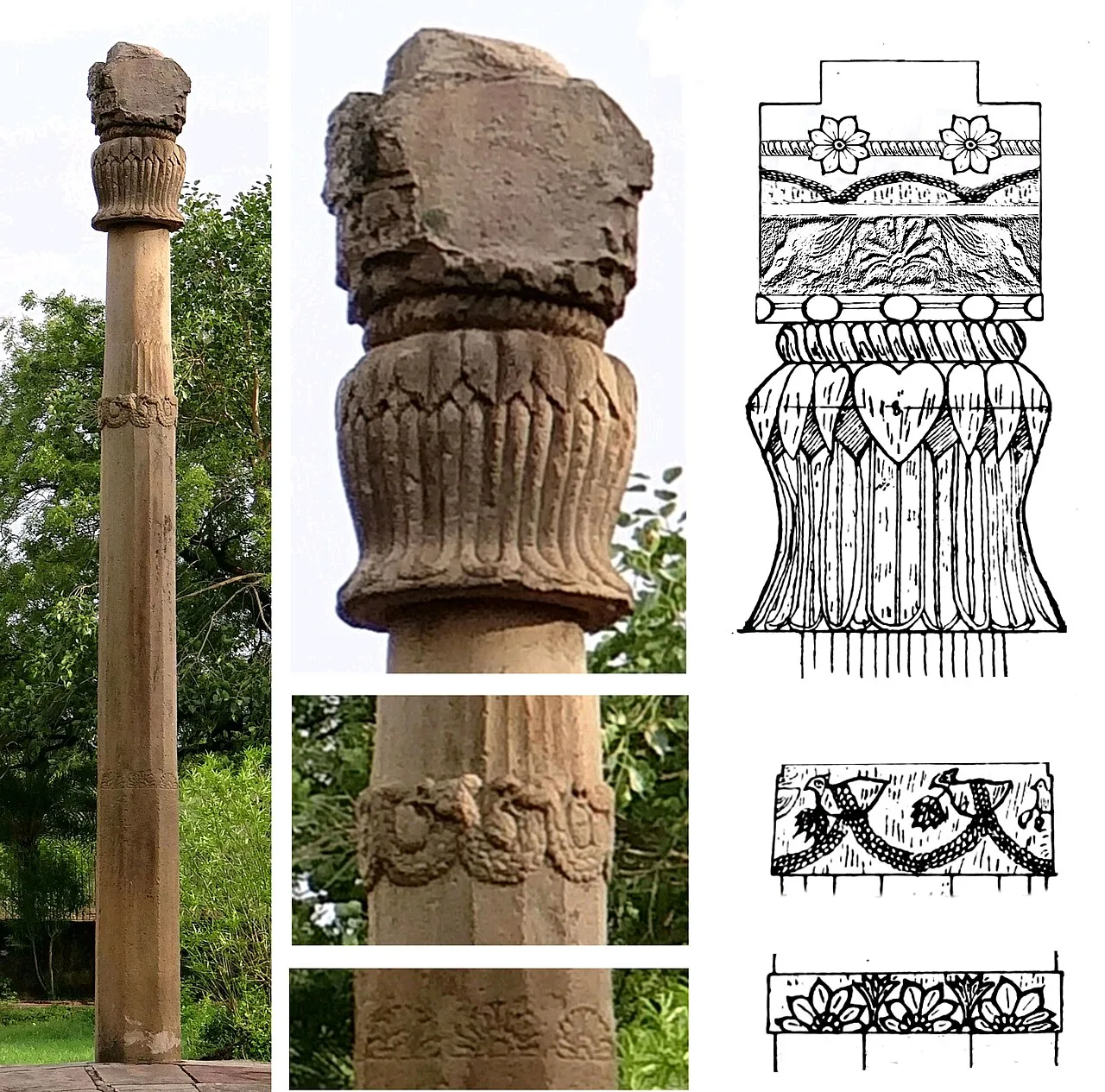
This ancient column at Besnagar bears a dedication to Vāsudeva by the Greek envoy Heliodorus. Visitors come to see its inscription and its significance in the early history of Vaishnavism.

Taj-ul-Masajid

41 km away · Bhopal district

Taj-ul-Masajid

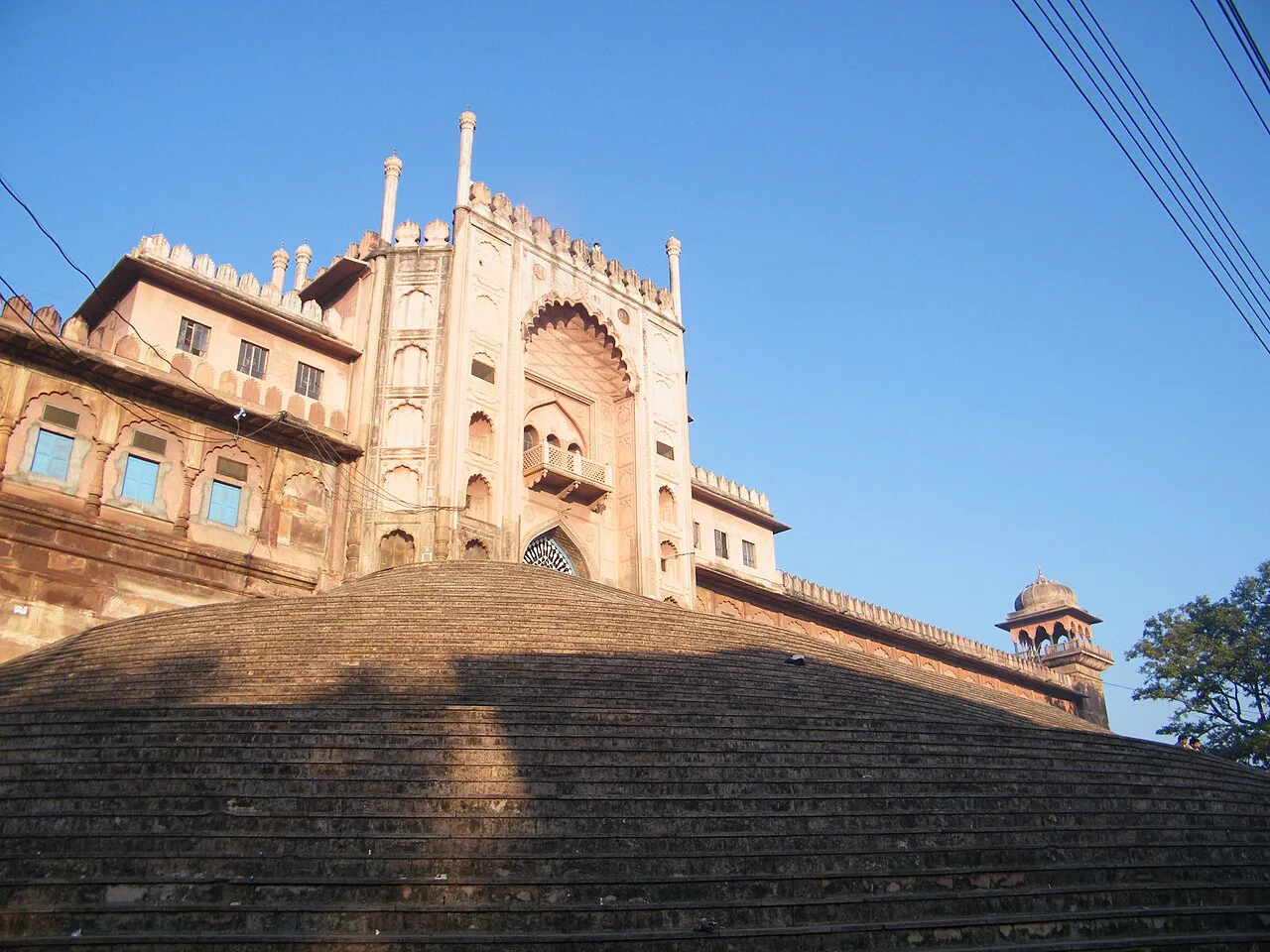
Taj-ul-Masajid is a Sunni mosque in Bhopal, Madhya Pradesh, associated with Tablighi Jamaat and the Deobandi movement. People visit for prayer and to see one of India’s largest mosques.

Bharat Bhavan

43 km away · Bhopal district

Bharat Bhavan

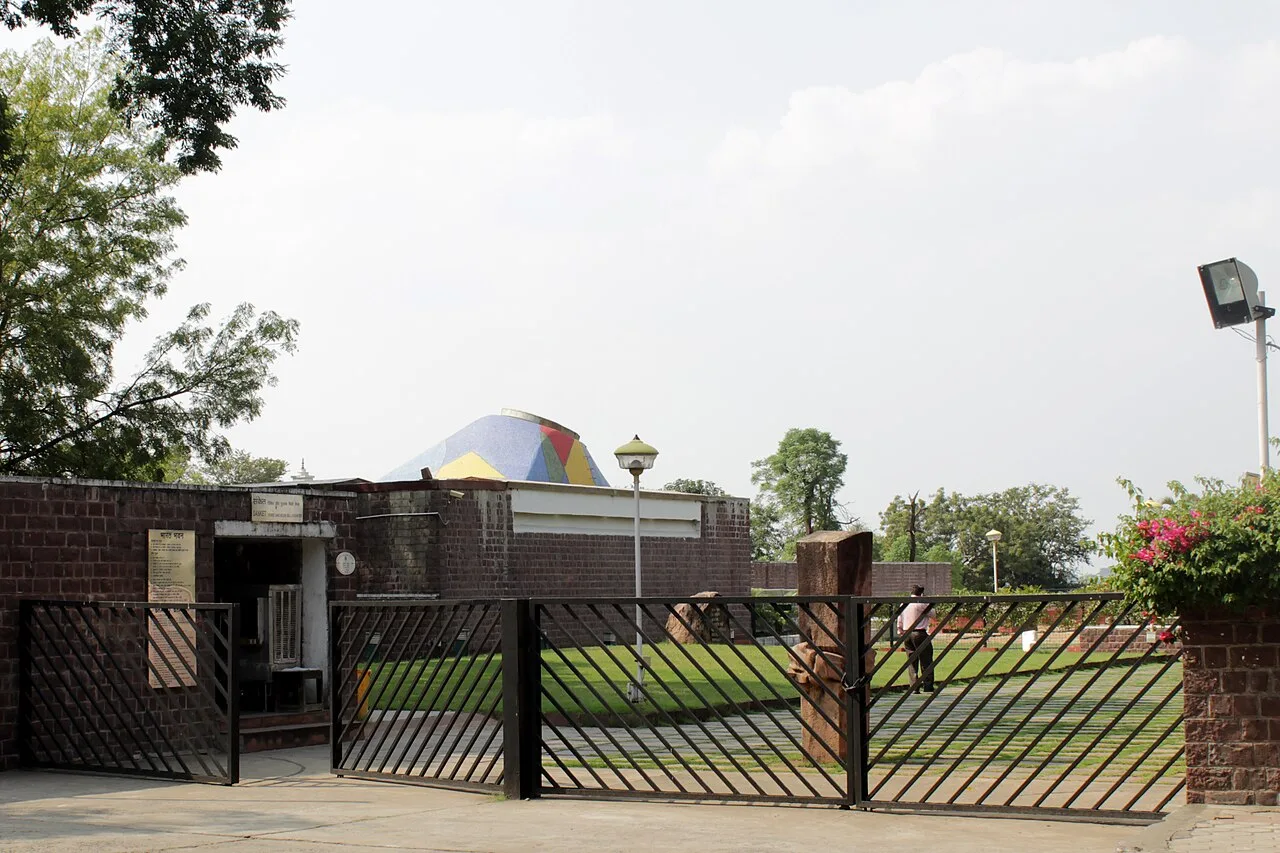
Bharat Bhavan is a government-established arts centre and museum in Bhopal, designed by Charles Correa. Visitors can explore its galleries, creative workshops, performance spaces and cultural collections.

Bhoj Wetland, Bhopal

43 km away · Sehore district

Bhoj Wetland, Bhopal

Bhoj Wetland is a two-lake complex in Bhopal, Madhya Pradesh. Visitors are drawn to its wetland habitats, varied wildlife and waterbirds.

Map

Berasia on the map

  1. 1Islamnagar
  2. 2Sanchi Stupa
  3. 3Sanchi Stupa No. 2
  4. 4Udayagiri Caves
  5. 5Heliodorus pillar
  6. 6Taj-ul-Masajid
  7. 7Bharat Bhavan
  8. 8Bhoj Wetland, Bhopal

Madhya Pradesh

Other cities to explore