Ghumoopedia — Explore, Discover, Experience
Sign in
National Chambal Sanctuary, near Phup Kalan

City guide · Madhya Pradesh

Phup Kalan

Phup Kalan is a small settlement in Bhind district, in the northern part of Madhya Pradesh. Its importance is mainly local: it serves residents and nearby villages through everyday commerce, public services and links to larger towns.

Famous for

  • Agricultural hinterland
  • Local market
  • Bhind district setting
  • Phup railway access

Why Phup Kalan matters

Phup Kalan is a small settlement in Bhind district, in the northern part of Madhya Pradesh. Its importance is mainly local: it serves residents and nearby villages through everyday commerce, public services and links to larger towns. Farming shapes the surrounding landscape and contributes to the settlement’s local economy. Phup Kalan is not widely known as a major sightseeing destination, and there is no well-established visitor circuit or nationally recognised attraction associated with it.

For travellers, its appeal lies in experiencing rural life in the Bhind region and using the area as a stop while travelling between settlements and district centres. Bhind town and Gwalior offer broader services and more established attractions. Visitors should treat Phup Kalan as a quiet, practical stop rather than expect the museums, hotels or specialised shopping found in larger cities. The local bazaar and nearby places of worship are the most natural starting points for a brief visit.
Famous for: crafts, trade & products

Phup Kalan is not especially associated with a signature textile, craft, GI-tagged product or large industry. Its commercial life is characteristic of a small settlement serving a farming hinterland: local shops and market activity cater to residents and surrounding villages. Agricultural goods and everyday provisions are more relevant to its trade than destination shopping or specialist manufacturing.

For local produce and household goods, look to the bazaar and shops around the settlement’s central areas. These are the practical places to find seasonal farm produce, groceries and daily necessities, though selection varies. Travellers seeking a wider choice of crafts, branded goods or regional specialities will find more options in Bhind or Gwalior. No particular craft market or dedicated visitor shopping district is established in Phup Kalan, so it is sensible to ask locally about market days and the availability of seasonal products. The area’s identity is better understood through its local commerce and agricultural connections than through a single product.

History

Phup Kalan’s documented public profile is modest, and a detailed account of the settlement’s founding or early growth is not well established. Its history is best understood in the context of Bhind district and the wider northern Madhya Pradesh region, where villages and small market settlements developed around cultivation, local routes and the needs of nearby communities.

The Bhind region was historically connected with the Gwalior princely state, which came under British paramountcy during the colonial period. After independence, the area became part of the modern Indian state of Madhya Pradesh, formed in 1956. In more recent decades, roads, rail links and expanded regional administration have strengthened connections between small settlements and larger centres such as Bhind and Gwalior. Phup Kalan’s growth remains primarily local rather than that of a major industrial or urban centre; agriculture, nearby markets and improved transport continue to shape daily life.

Food, festivals & culture

Daily life in Phup Kalan reflects the rural culture of Bhind district. Hindi is widely used, alongside local speech with Bundeli and Braj influences. Meals commonly draw on wheat breads, lentils, seasonal vegetables and other familiar north Indian staples; snacks and sweets are available through local shops, but the settlement is not known for a distinct signature dish. Food choices can vary with the season and household traditions.

Holi, usually celebrated in spring, and Diwali, in autumn, are important occasions, while Navratri and Dussehra are also observed across the region. Community and family gatherings often centre on local temples and other places of worship. Visitors can learn more by asking residents about local observances and customary etiquette, especially when visiting a place of worship.

Visiting the city

The cooler months, from roughly October to March, are generally more comfortable for visiting; summers can be very hot, and the monsoon brings periods of rain. Gwalior Airport is the nearest major airport. Phup railway station is the most relevant rail stop for the locality, while Bhind railway station is another option for travel within the district. Confirm current service and onward transport before setting out.

Local movement is best arranged by road, using taxis, auto-rickshaws or other locally available vehicles; availability may be limited. The bazaar and central settlement are the most useful areas to explore on foot. Phup Kalan is a small place without a developed tourist district, so visitors seeking accommodation, a broader range of services or established attractions may prefer to base themselves in Bhind or Gwalior and make a local visit from there.

Trips from the city

Nearest places to visit from Phup Kalan

Our closest destination guides, by straight-line distance.

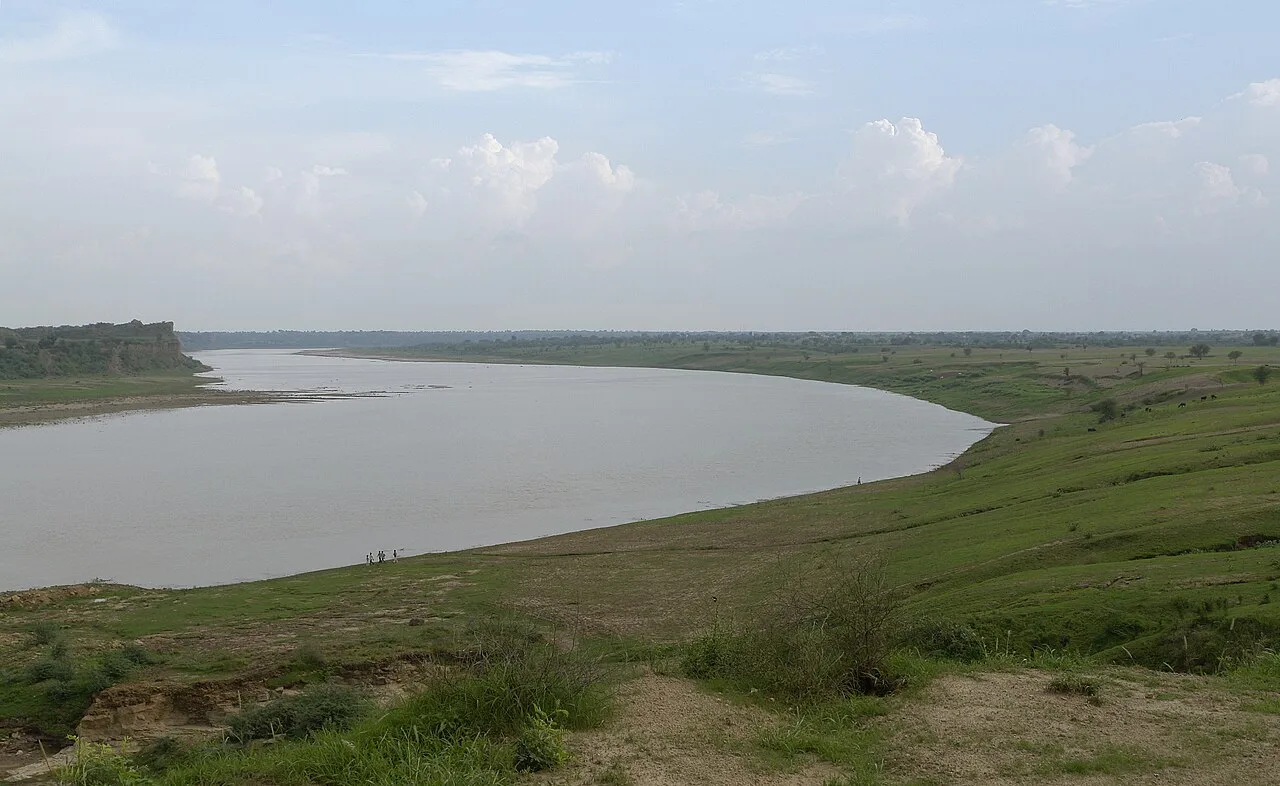
National Chambal Sanctuary

27 km away · Morena district

National Chambal Sanctuary

This protected river reserve safeguards rare reptiles and the Ganges river dolphin. Visitors are drawn to its wildlife and the Chambal’s course through rugged ravines and hills.

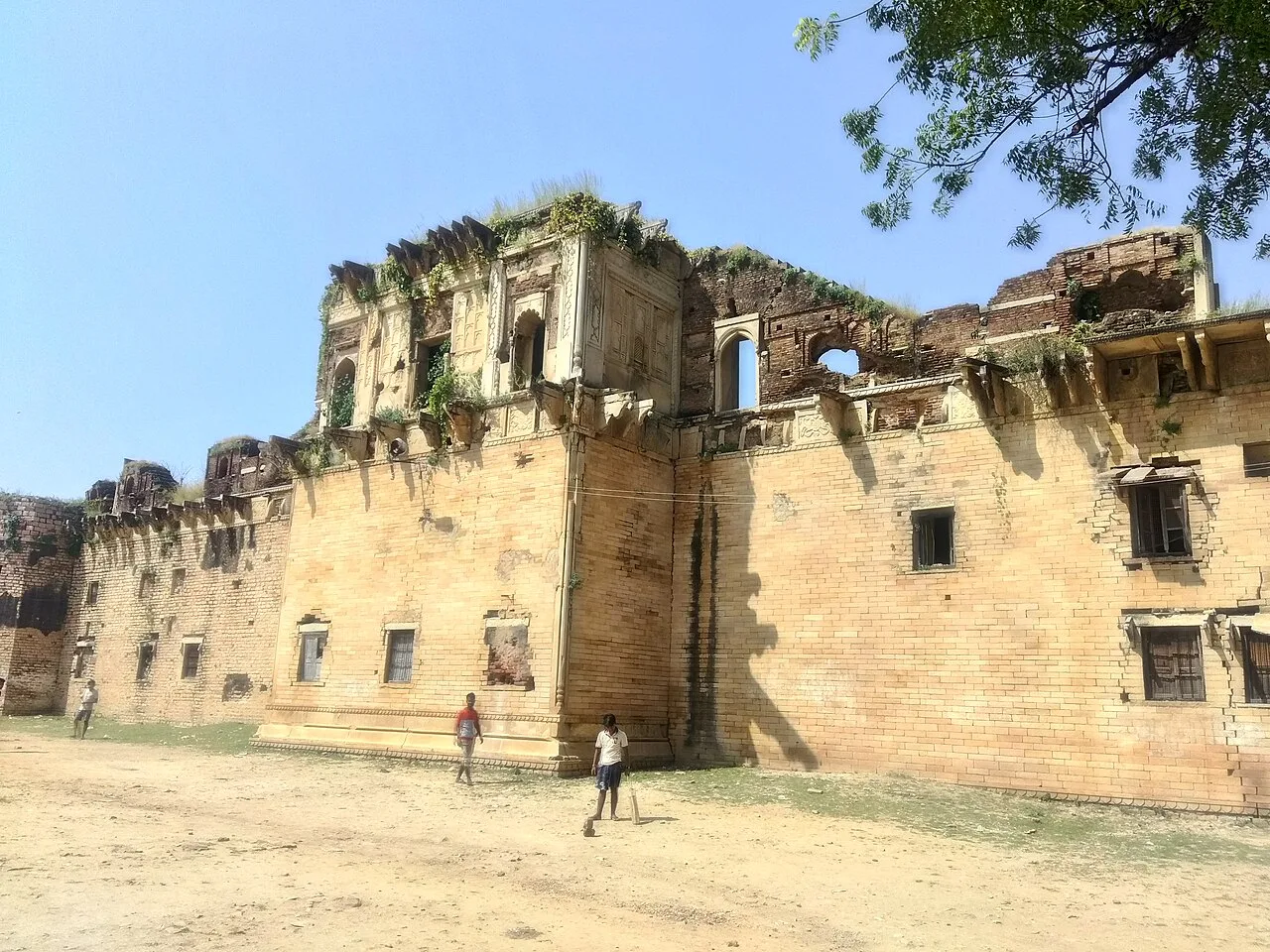
Gohad Fort

49 km away · Bhind district

Gohad Fort

Gohad Fort is a historic site in Gohad, Madhya Pradesh, and attracts interest for its historical importance; the town is 45 km from Gwalior.

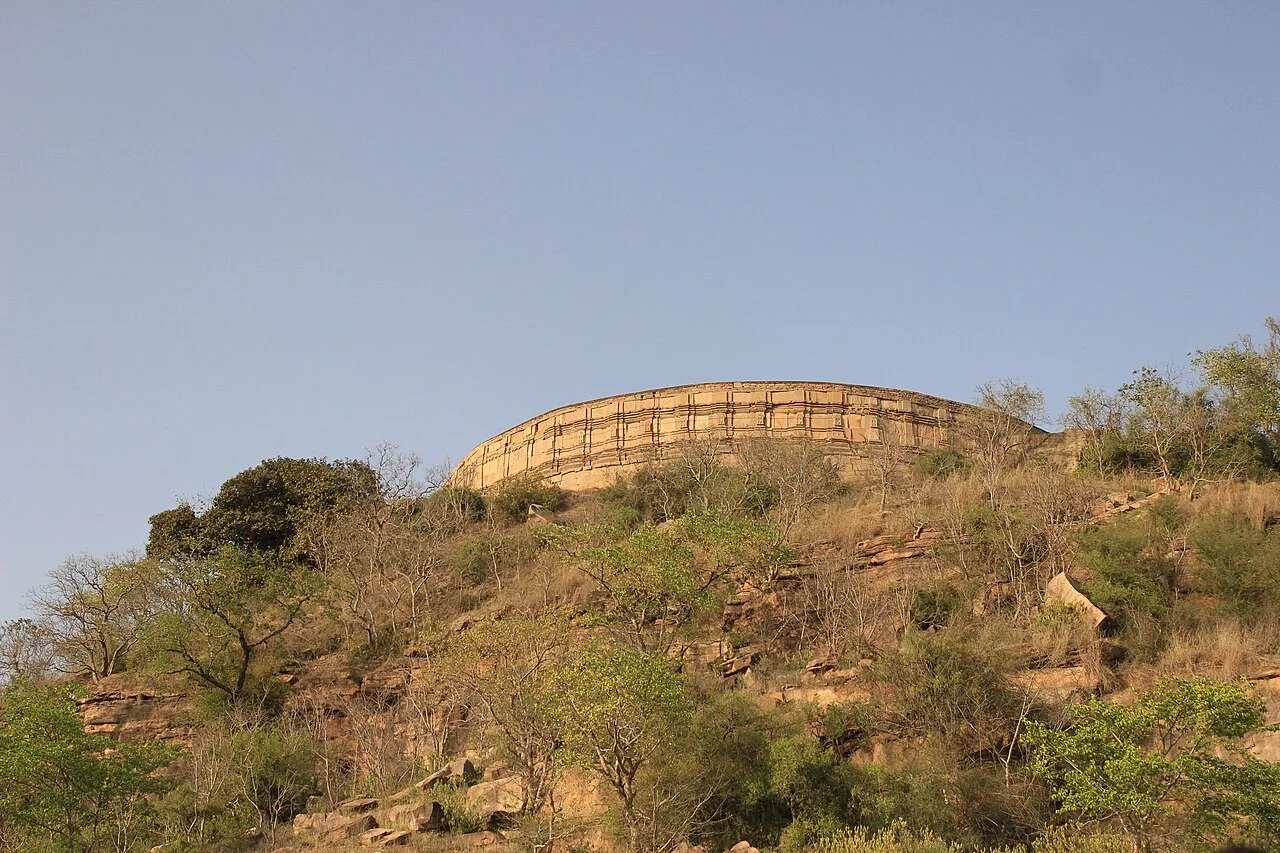
Chausath Yogini Temple

68 km away · Morena district

Chausath Yogini Temple

In Morena district, Madhya Pradesh, the 11th-century Chausath Yogini Temple is a Kachchhapaghata-period shrine. Visitors come to see its circular design and chambers associated with the yoginis.

Bateshwar Hindu temples

72 km away · Morena district

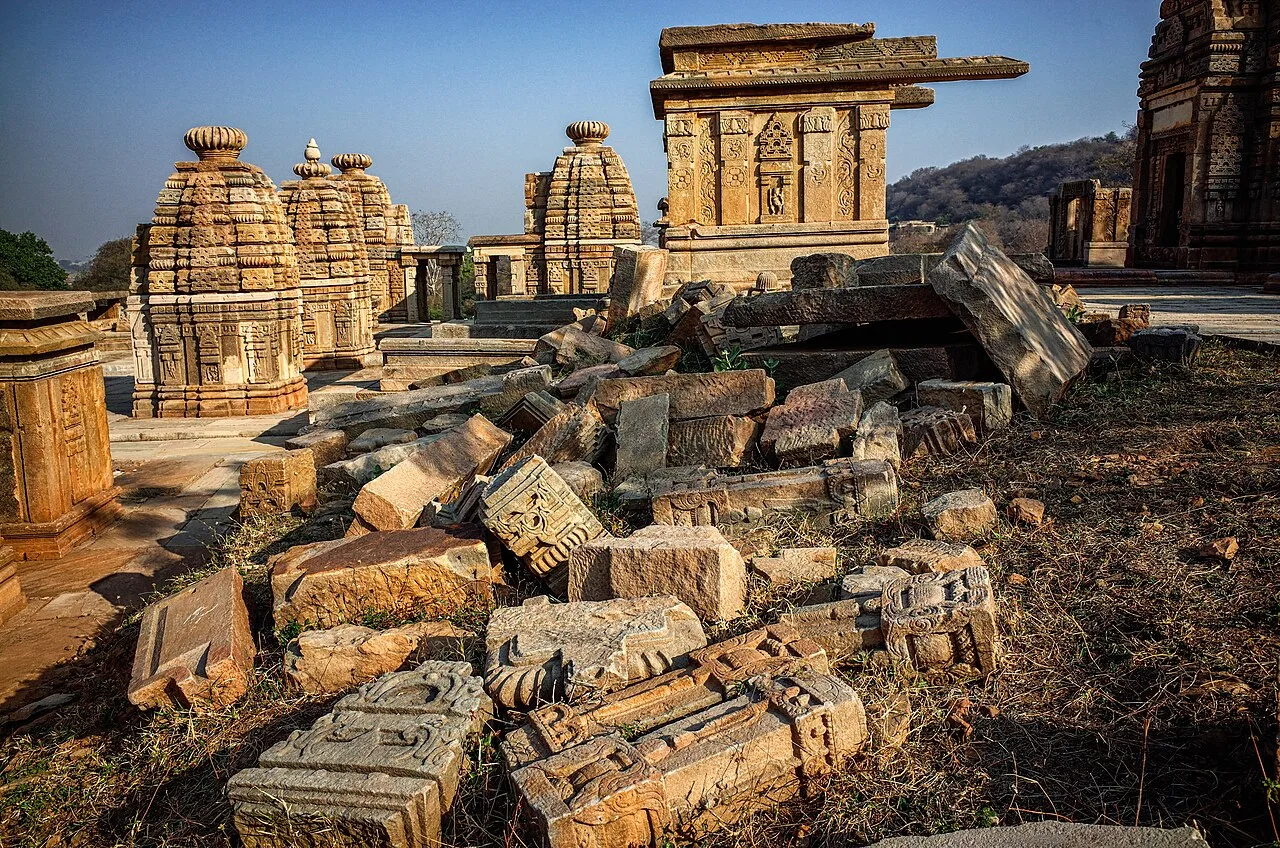
Bateshwar Hindu temples

Bateshwar is a cluster of sandstone Hindu shrines and ruins in Madhya Pradesh, visited for its early temple architecture and the remains of a complex dedicated to Shiva, Vishnu and Shakti.

Gwalior Fort

84 km away · Gwalior district

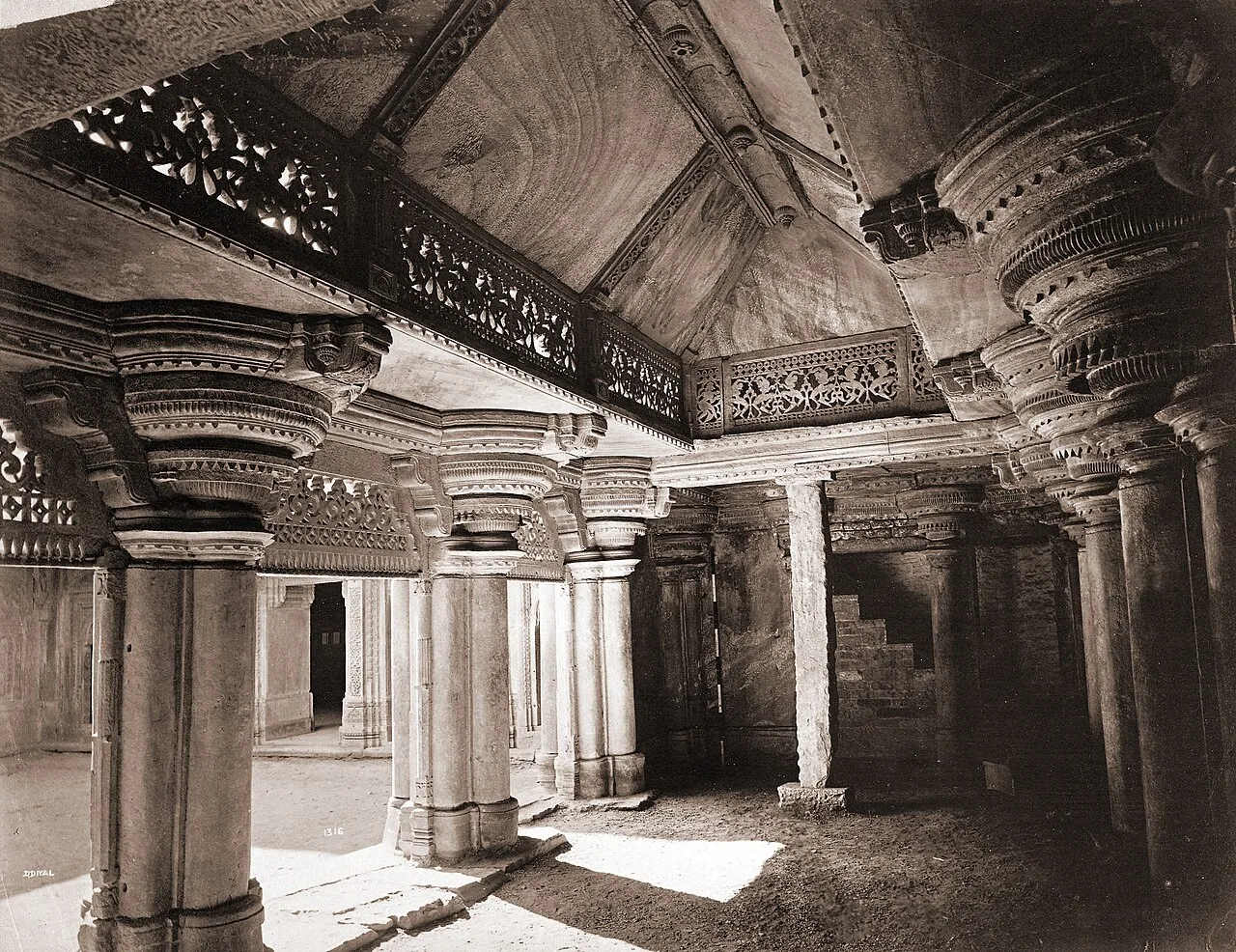
Gwalior Fort

Gwalior Fort is an ancient hill stronghold in Madhya Pradesh, visited for its historic palaces, successive rulers and inscriptions, including an early place-value record of zero.

Sasbahu Temple

84 km away · Gwalior district

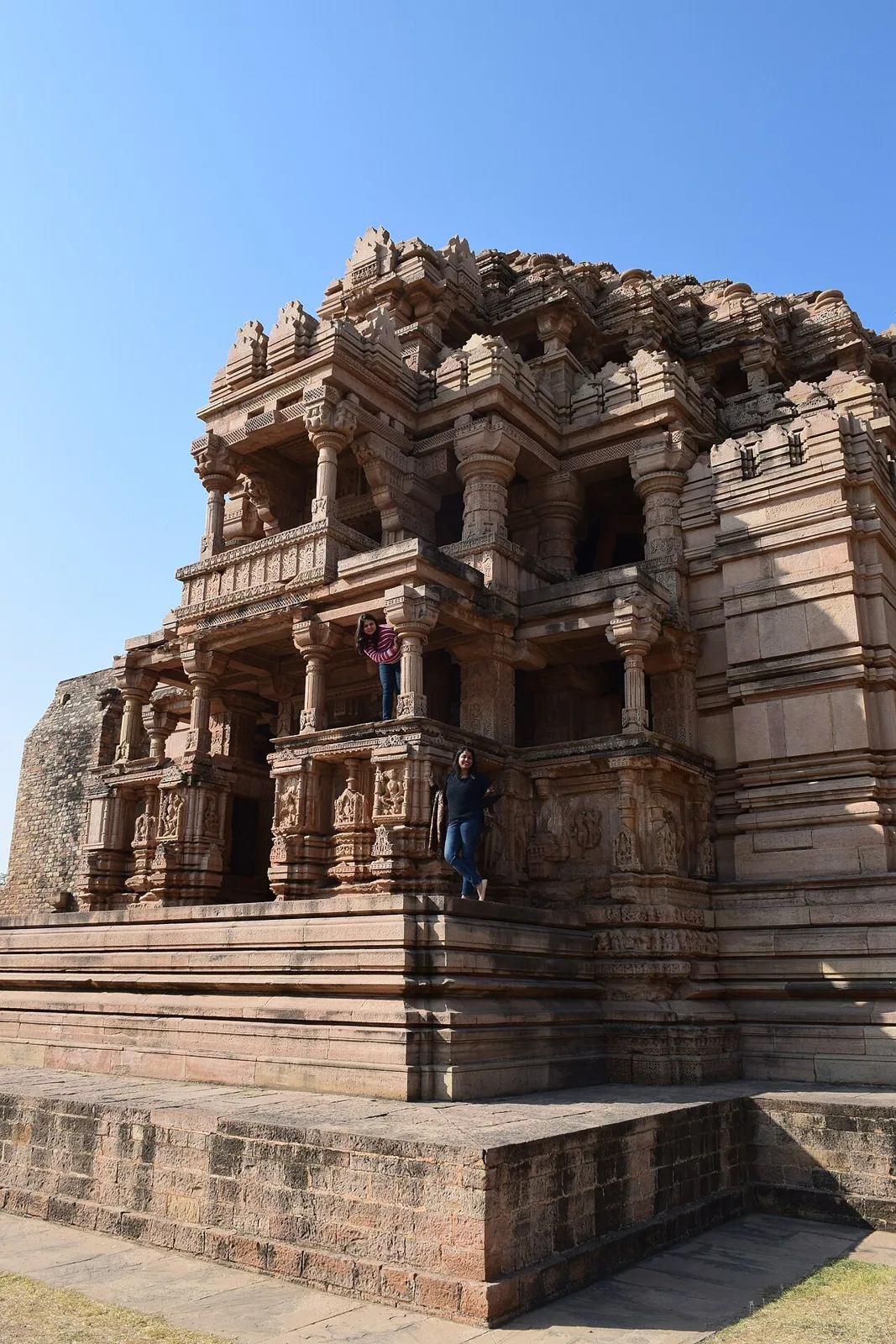
Sasbahu Temple

The Sasbahu Temples are a pair of eleventh-century shrines within Gwalior Fort, Madhya Pradesh. Visitors come to see their surviving architecture and damaged stone carvings.

Teli ka Mandir

85 km away · Gwalior district

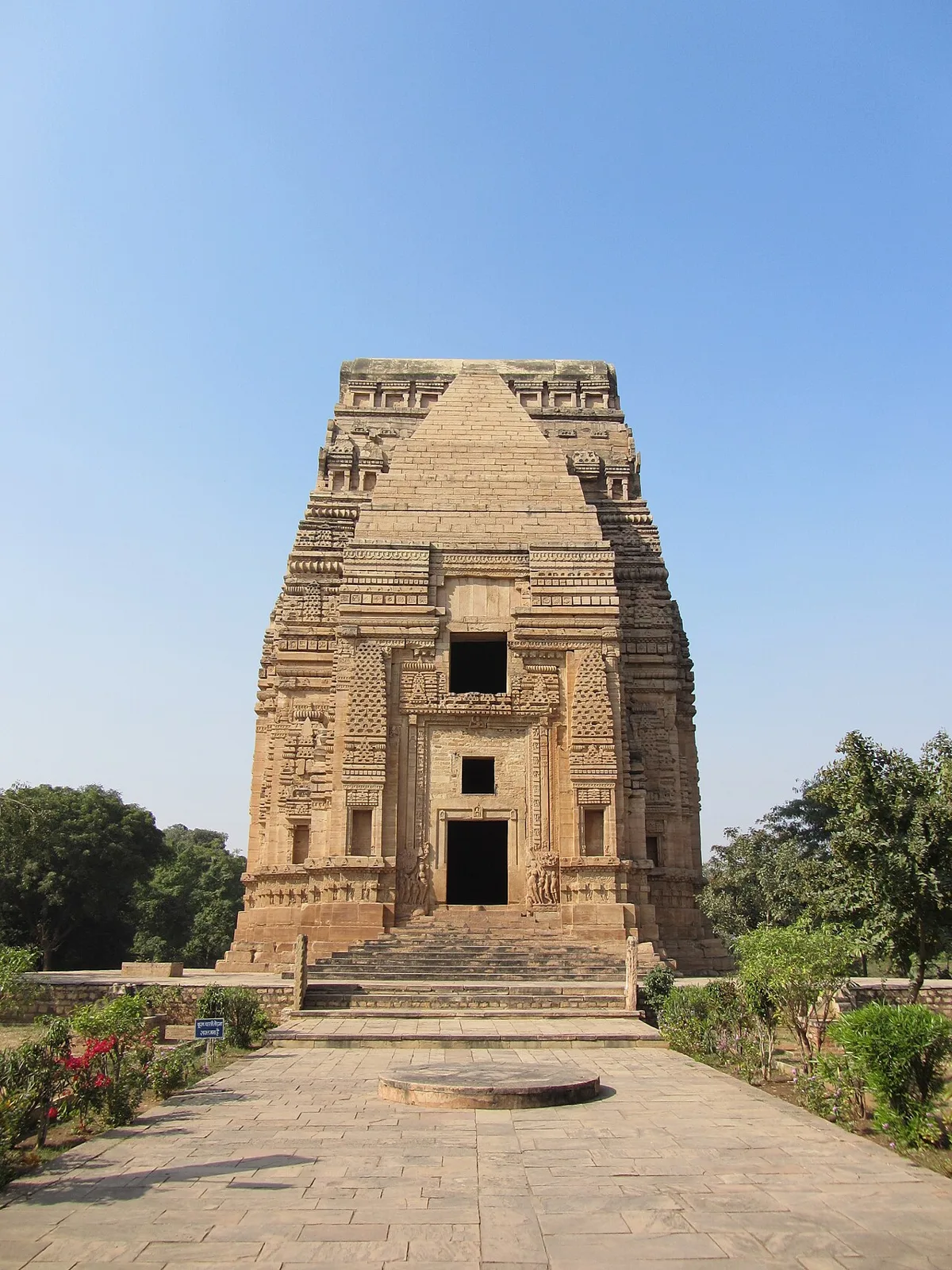
Teli ka Mandir

Teli ka Mandir is a Hindu shrine within Gwalior Fort, noted for its unusual rectangular sanctuary and blend of architectural traditions. Visitors come to see its distinctive design and historic character.

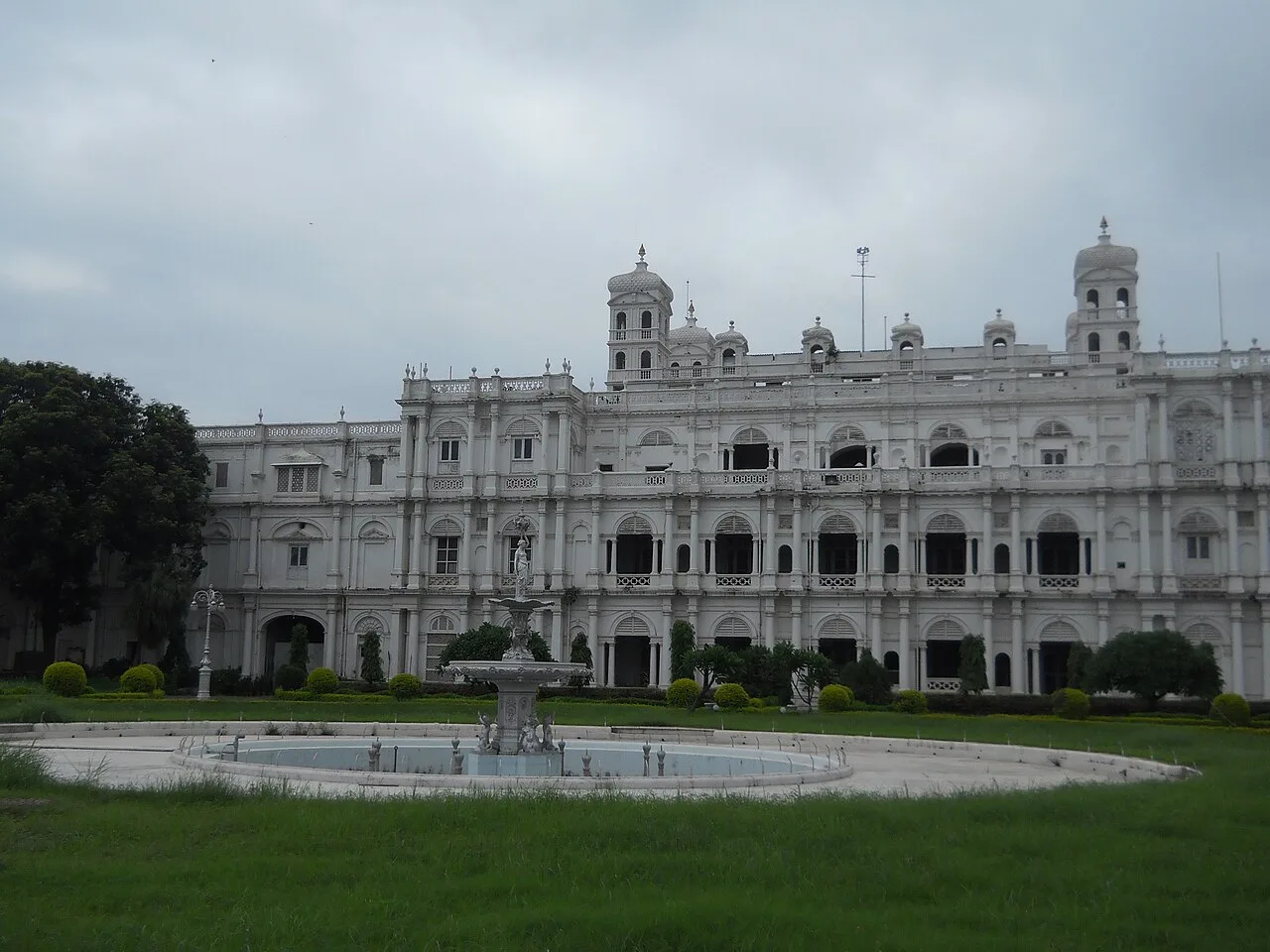
Jai Vilas Mahal

86 km away · Gwalior district

Jai Vilas Mahal

Jai Vilas Mahal is a royal residence dating to the 1800s in Gwalior, Madhya Pradesh. Visitors come to see the Jiwajirao Scindia Museum, which occupies most of the palace.

Map

Phup Kalan on the map

  1. 1National Chambal Sanctuary
  2. 2Gohad Fort
  3. 3Chausath Yogini Temple
  4. 4Bateshwar Hindu temples
  5. 5Gwalior Fort
  6. 6Sasbahu Temple
  7. 7Teli ka Mandir
  8. 8Jai Vilas Mahal

Madhya Pradesh

Other cities to explore