Ghumoopedia — Explore, Discover, Experience
Sign in
Khajuraho Temples, near Bijawar

City guide · Madhya Pradesh

Bijawar

Bijawar is a small town in Madhya Pradesh’s Bundelkhand region and the administrative headquarters of Bijawar tehsil. Its significance comes from its former role as the capital of the princely state of Bijawar, as well as its continuing importance to nearby communities.

Famous for

  • Jatashankar shrine
  • Janki Nibas Temple
  • Kanchan Temple
  • Bundela princely heritage
  • Bundelkhand setting

Why Bijawar matters

Bijawar is a small town in Madhya Pradesh’s Bundelkhand region and the administrative headquarters of Bijawar tehsil. Its significance comes from its former role as the capital of the princely state of Bijawar, as well as its continuing importance to nearby communities. The town is also seeking district status, reflecting its role as a local centre for administration and services.

Visitors are drawn chiefly by its religious sites and historic associations. Jatashankar, a revered Shiva shrine set among rocky surroundings about 18 kilometres from town, is a notable destination, particularly for pilgrims. In Bijawar, Janki Nibas Temple is recognised for its resemblance to the temple architecture of Ayodhya, while Kanchan Temple is associated with Maharani Kanchan Kuwar. These places offer a quieter, more regional experience than the better-known tourist centres of Bundelkhand. Bijawar’s appeal lies in this combination of sacred landmarks, Bundela history and everyday small-town life, rather than in a large range of visitor services or commercial attractions.
Famous for: crafts, trade & products

Bijawar is best known for its temples and former princely-state heritage, rather than for a widely recognised textile, handicraft or industrial product. There is no established signature saree or craft, or well-known GI-tagged product, that can confidently be attributed to the town. Its commercial life mainly serves residents and nearby villages, with shops and local bazaars supplying everyday goods, clothing, household items and provisions.

Visitors looking for locally made goods can browse general shops in town, but should not expect a dedicated craft market or a substantial range of souvenirs. For a broader selection of regional products, larger centres in Bundelkhand may offer more choice. Bijawar’s strongest connections to local identity are its temples, pilgrimage activity and history as a former capital. The surrounding region has a past associated with forests and mineral resources, although these should not be treated as established visitor-facing industries or products available in town. Travellers interested in crafts or particular goods may wish to check availability locally before making a special trip to shop.

History

Bijawar takes its name from the town founded in the seventeenth century by Bijai Singh, a Gond chief associated with Garha Mandla. The princely state that later bore the town’s name was ruled by the Bundela dynasty. Bir Singh Deo is recorded among its early rulers, and the territory was conquered in the eighteenth century by Chhatarsal, the Bundela ruler who founded Panna. His descendants held it thereafter.

In 1811, the British government confirmed the state to Ratan Singh under an agreement of allegiance. Bhan Pratap Singh supported the British during the uprising of 1857 and later received the title of Maharaja; the title Sawai was added in 1877. Bijawar acceded to India in 1950 and became part of Vindhya Pradesh. When that state was merged into Madhya Pradesh in 1956, Bijawar became part of the new state. Today it serves as the headquarters of its tehsil and remains associated with its former princely capital status.

Food, festivals & culture

Bijawar shares the food traditions of Bundelkhand, where meals commonly feature wheat or millet breads, lentils, seasonal vegetables and locally prepared accompaniments. Everyday cooking is generally more prominent than a cuisine marketed specifically to visitors. Sweets such as jalebi and ladoo are familiar across the region and may be found at local sweet shops, though availability varies. Hindi is widely used, while Bundeli is an important regional language heard in everyday conversation and folk expression.

Holi in spring and Diwali in autumn are major occasions, alongside Navratri and Dussehra. Mahashivratri is especially relevant to devotees visiting Jatashankar, a Shiva shrine near Bijawar. Religious life is also reflected in Janki Nibas Temple and Kanchan Temple in town. Bundeli folk music and dance traditions, including forms associated with the wider Bundelkhand region, contribute to local celebrations; performances are more likely around community or festive occasions than as regular tourist events. Temple visits and seasonal observances provide the clearest window into the town’s cultural life.

Visiting the city

The cooler months, roughly October to March, are generally the most comfortable time to visit. Summer can be very hot, while monsoon weather may affect road journeys. Khajuraho Airport is the nearest airport commonly used by visitors; Chhatarpur is the main railway station for reaching Bijawar. From either, continue by road, checking current connections before travel.

Within town, local auto-rickshaws and hired vehicles can help with short trips, while a car or taxi is useful for visiting Jatashankar and other sites outside Bijawar. The central town is a practical base for exploring Janki Nibas Temple, Kanchan Temple and local shops. Allow time for the journey to Jatashankar and confirm local transport arrangements in advance, as services may be limited. Bijawar is best approached as a quiet heritage and pilgrimage stop rather than a destination with extensive tourist facilities.

Trips from the city

Nearest places to visit from Bijawar

Our closest destination guides, by straight-line distance.

Khajuraho Temples

51 km away · Khajuraho district

Khajuraho Temples

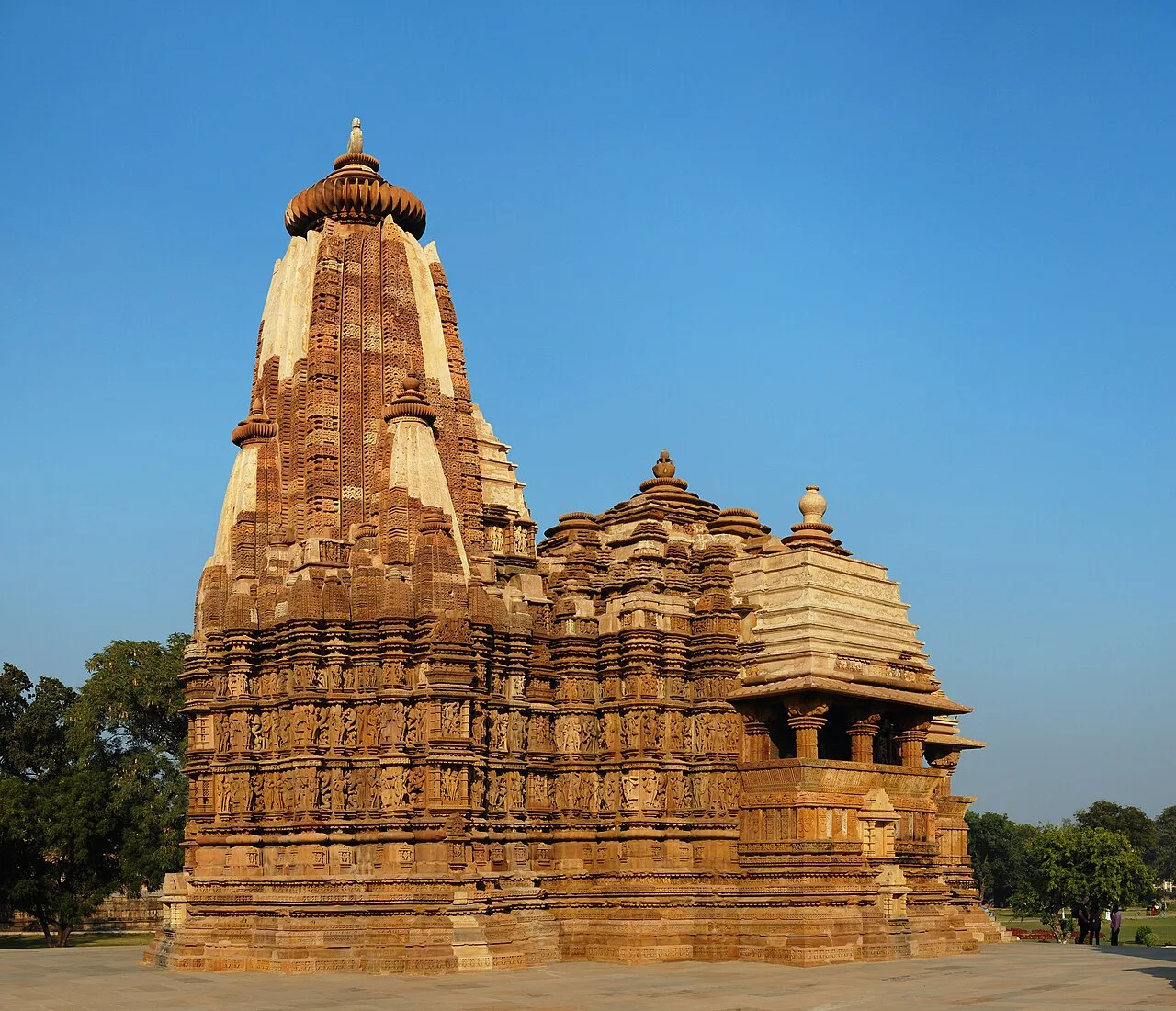
Khajuraho is a complex of Hindu and Digambara Jain temples in Madhya Pradesh, known for Nagara architecture and sculptural detail that attracts visitors interested in Indian art and religious history.

Panna National Park

54 km away · Chhatarpur district

Panna National Park

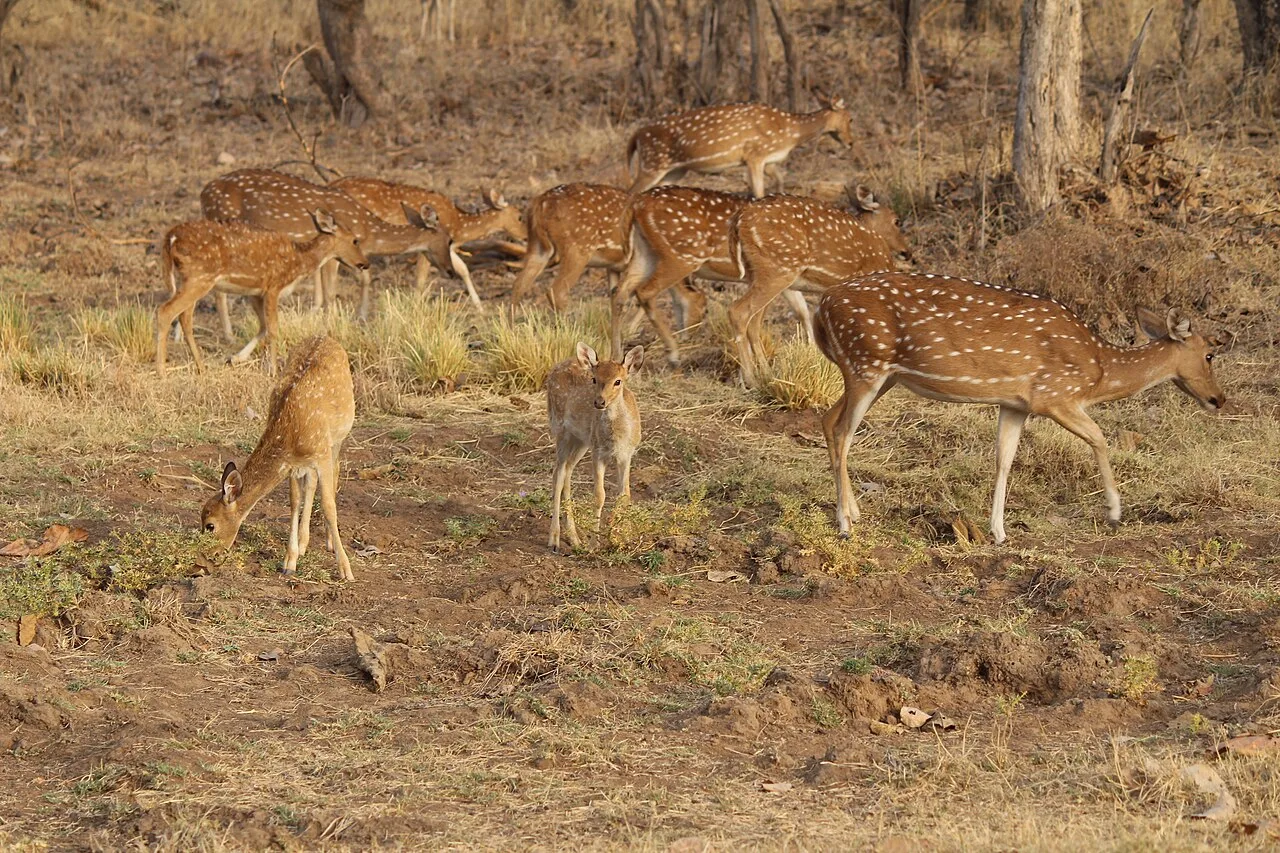
Located in Panna and Chhatarpur districts of Madhya Pradesh, Panna National Park covers 542.67 square kilometres. Visitors come for its wildlife, especially tigers, and its status as a tiger reserve.

Raneh Falls

63 km away · Chhatarpur district

Raneh Falls

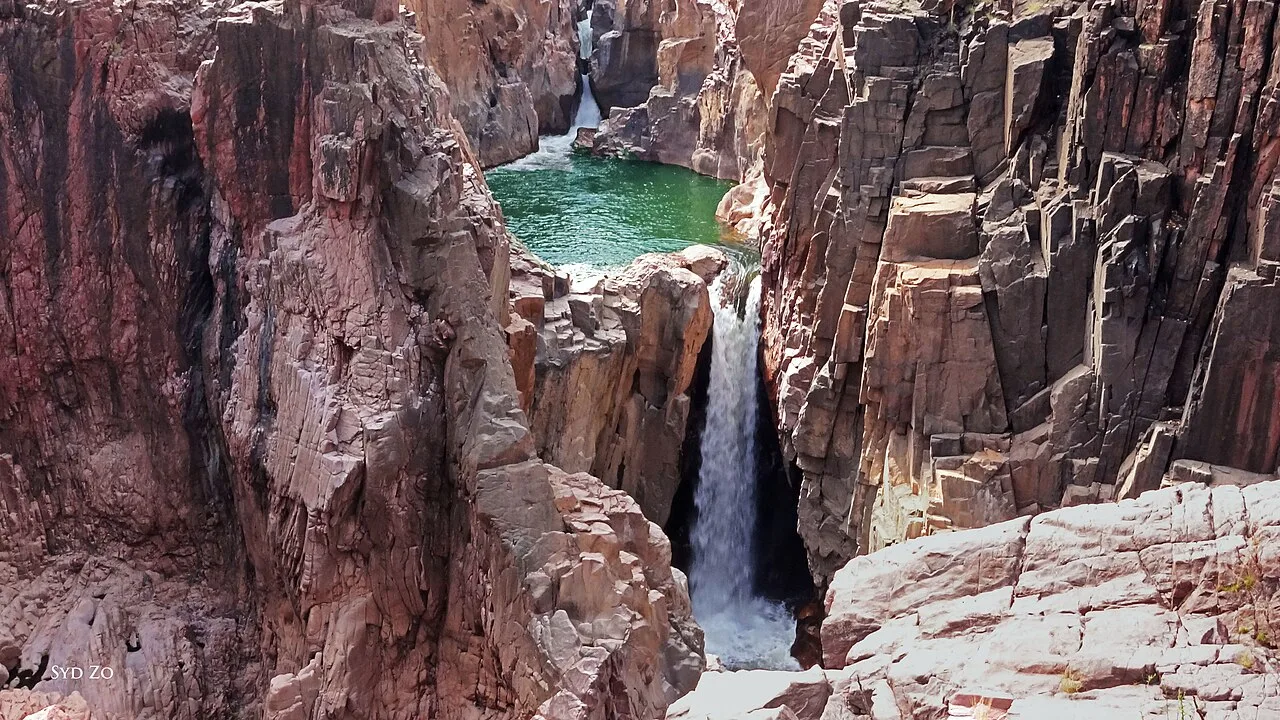
Raneh Falls is a natural cascade on the Ken River at Khajuraho in Madhya Pradesh. Visitors come to see the waterfall, which lies in Chhatarpur district.

Kundeshwar Temple

70 km away · Tikamgarh district

Kundeshwar Temple

Kundeshwar is a village in Madhya Pradesh’s Tikamgarh district, five kilometres south of Tikamgarh. Visitors come to see Kundadev Mahadev Temple, an ancient temple beside the Jamdhar river.

Kundalpur Jain Temples

75 km away · Damoh district

Kundalpur Jain Temples

The Kundalpur Jain Temples are a pilgrimage destination for Digambar Jains in Madhya Pradesh’s Damoh district. The town of Kundalpur lies 37 kilometres north-east of Damoh city.

Orchha Fort

117 km away · Orchha district

Orchha Fort

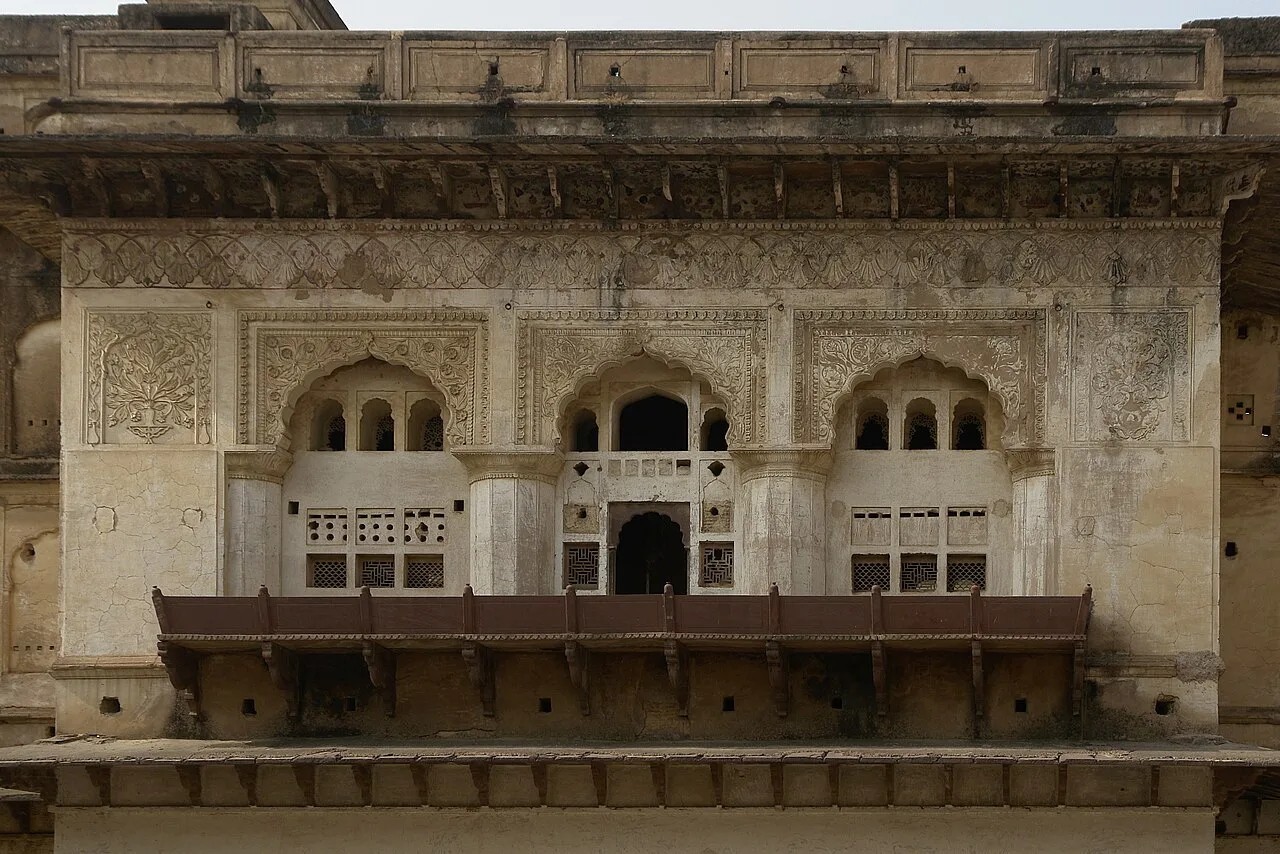
Orchha Fort is a historic complex in Orchha, Madhya Pradesh, built by Bundela rulers. Visitors come to explore its palaces, temple, courtyard and distinctive architectural features.

Orchha

118 km away · Orchha district

Orchha

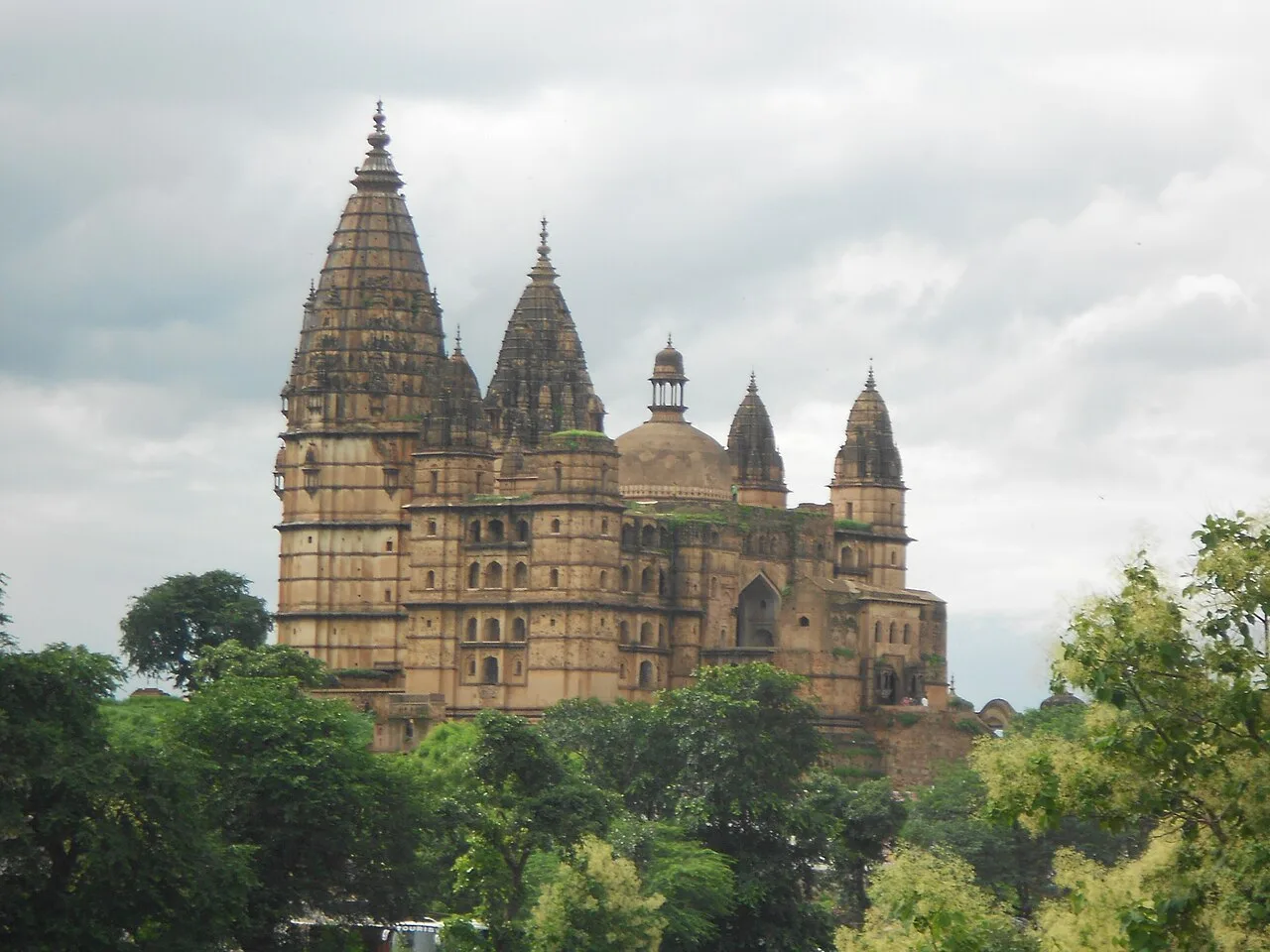
Orchha is a town in Madhya Pradesh beside the Betwa River, founded as the centre of a Bundela princely state. Its history and former royal role are reasons to visit.

Orchha Wildlife Sanctuary

118 km away · Niwari district

Orchha Wildlife Sanctuary

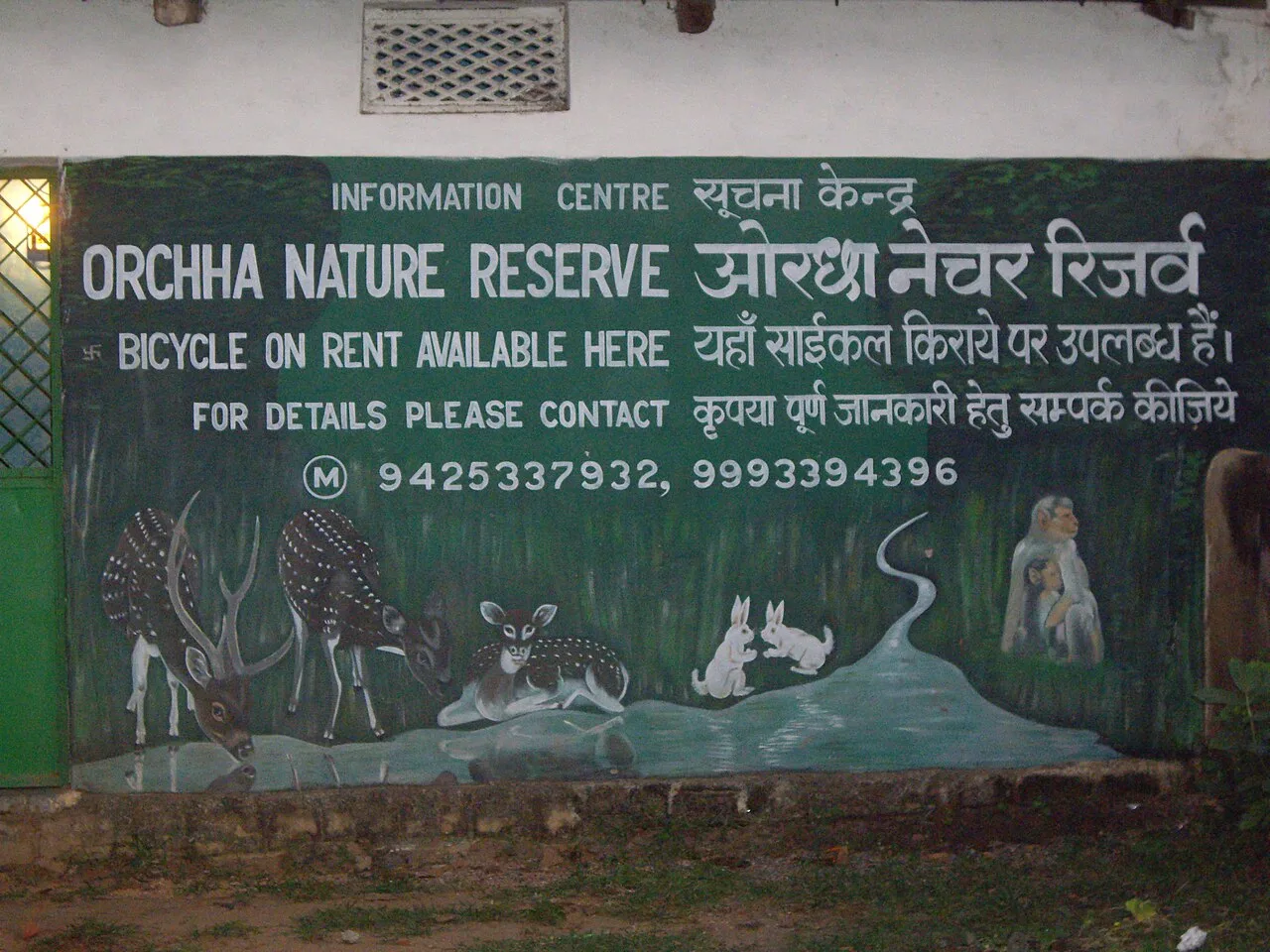
Orchha Wildlife Sanctuary, also called Orchha Nature Reserve, is a wildlife sanctuary in Niwari district, Madhya Pradesh. Visitors come to experience the area as a wildlife sanctuary.

Map

Bijawar on the map

  1. 1Khajuraho Temples
  2. 2Panna National Park
  3. 3Raneh Falls
  4. 4Kundeshwar Temple
  5. 5Kundalpur Jain Temples
  6. 6Orchha Fort
  7. 7Orchha
  8. 8Orchha Wildlife Sanctuary

Madhya Pradesh

Other cities to explore