Ghumoopedia — Explore, Discover, Experience
Sign in

City guide · Madhya Pradesh

Lanji

Lanji is a small town in Balaghat district, in the forested southeastern part of Madhya Pradesh. Its importance is chiefly regional: it serves nearby villages and is a local centre for administration, trade and everyday services.

Famous for

  • Lanji Fort
  • Historic temple remains
  • Forest-fringe landscape
  • Balaghat district heritage

Why Lanji matters

Lanji is a small town in Balaghat district, in the forested southeastern part of Madhya Pradesh. Its importance is chiefly regional: it serves nearby villages and is a local centre for administration, trade and everyday services. Its position near the Maharashtra border also connects it with the wider Balaghat–Gondia area.

For visitors, Lanji’s main draw is its historic fort and the old religious structures associated with the site. The surrounding countryside offers a quieter view of rural life in this part of the state, where agriculture and forest landscapes shape the setting. Lanji is not a major resort or a busy tourist hub, so it suits travellers interested in local history and a less-travelled corner of Madhya Pradesh. It can also be visited as part of a wider journey through Balaghat district. Facilities and visitor services are more limited than in larger towns, so it is sensible to plan transport and essentials in advance.
Famous for: crafts, trade & products

Lanji is best known locally for its fort and heritage rather than for a widely recognised textile, craft or manufactured product. The fort area and surviving historic religious structures are the town’s most distinctive cultural landmarks. Accounts of the site connect it with earlier regional rulers, though specific dates and attributions should be treated cautiously where they are not supported by on-site interpretation.

Lanji’s markets mainly serve residents and surrounding villages. Visitors can expect everyday necessities and locally traded agricultural goods, but the town is not established as a specialist shopping destination. Balaghat district’s rural economy includes farming and forest-linked livelihoods; that does not mean every forest product is available through formal shops or approved for collection. No particular Lanji-made textile, handicraft or GI-tagged product is firmly associated with the town. For regional crafts and a wider choice of goods, visitors may find larger centres such as Balaghat or Gondia more practical. Around Lanji, the fort and temple remains are the most meaningful places to explore, rather than retail markets.

History

Lanji’s history is most visible in its fort and old temple remains, which point to the town’s past as a locally significant fortified settlement and place of worship. The site is often linked in regional accounts with earlier ruling houses, including Gond-era chiefs, but the chronology and details of individual rulers are not consistently established. The surviving structures are a stronger indication of the area’s historical importance than a complete written record of the town’s early development.

During British rule, this part of the region formed part of the Central Provinces. After independence and the formation of modern Madhya Pradesh, Lanji developed as a small administrative and market centre within Balaghat district. Its role today remains closely tied to nearby rural communities, local services and transport links. The town has not grown into a large industrial or urban centre, and its historic remains continue to distinguish it within the district.

Food, festivals & culture

Daily life in Lanji reflects the rural character of southeastern Madhya Pradesh and its connections with neighbouring Maharashtra. Hindi is widely used, alongside regional speech that may include Marathi and local tribal languages. Meals are based on familiar central Indian staples such as rice, wheat, pulses and seasonal vegetables. Poha and jalebi are common regional favourites, though Lanji is not especially known for a signature dish or sweet.

Diwali, Holi, Navratri and Dussehra are observed in the usual seasonal periods, with worship and community gatherings centred on local temples and neighbourhoods. The historic religious remains near the fort add to the town’s sense of place, while everyday devotional life is generally expressed through local shrines and household observances. Music and dance at celebrations draw on the wider folk traditions of the region; performances and events vary, so visitors should not assume a regular festival programme. The town’s cultural appeal lies more in its local pace and heritage setting than in a major annual spectacle.

Visiting the city

The cooler months, roughly from October to February, are generally the most comfortable for visiting. Summer can be hot, while the monsoon brings greener scenery but may make rural journeys slower. The nearest airport is Birsi Airport near Gondia; flight availability may be limited, and Nagpur’s Dr. Babasaheb Ambedkar International Airport is a larger alternative. Gondia Junction is a useful main railway station for the wider area; Balaghat Junction is another regional railhead.

Lanji is reached by road from nearby towns, with buses and shared vehicles serving regional routes; local availability can vary. For short trips, ask locally about auto-rickshaws or hired vehicles. Explore the fort and nearby temple remains, then spend time around the town’s central market area to see everyday local life. Carry essentials and arrange onward transport ahead of time, as visitor facilities are more limited than in larger centres.

Trips from the city

Nearest places to visit from Lanji

Our closest destination guides, by straight-line distance.

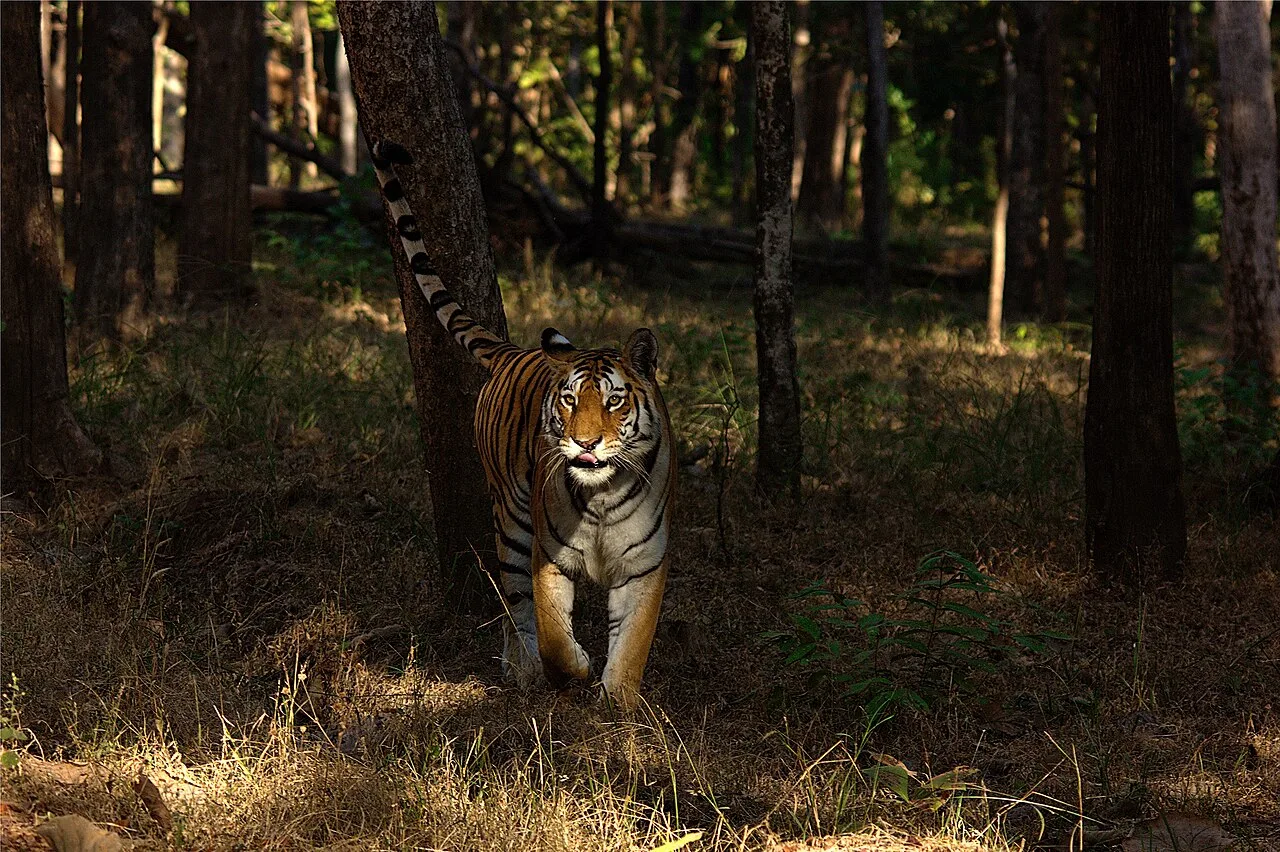
Kanha Tiger Reserve

81 km away · Kanha district

Kanha Tiger Reserve

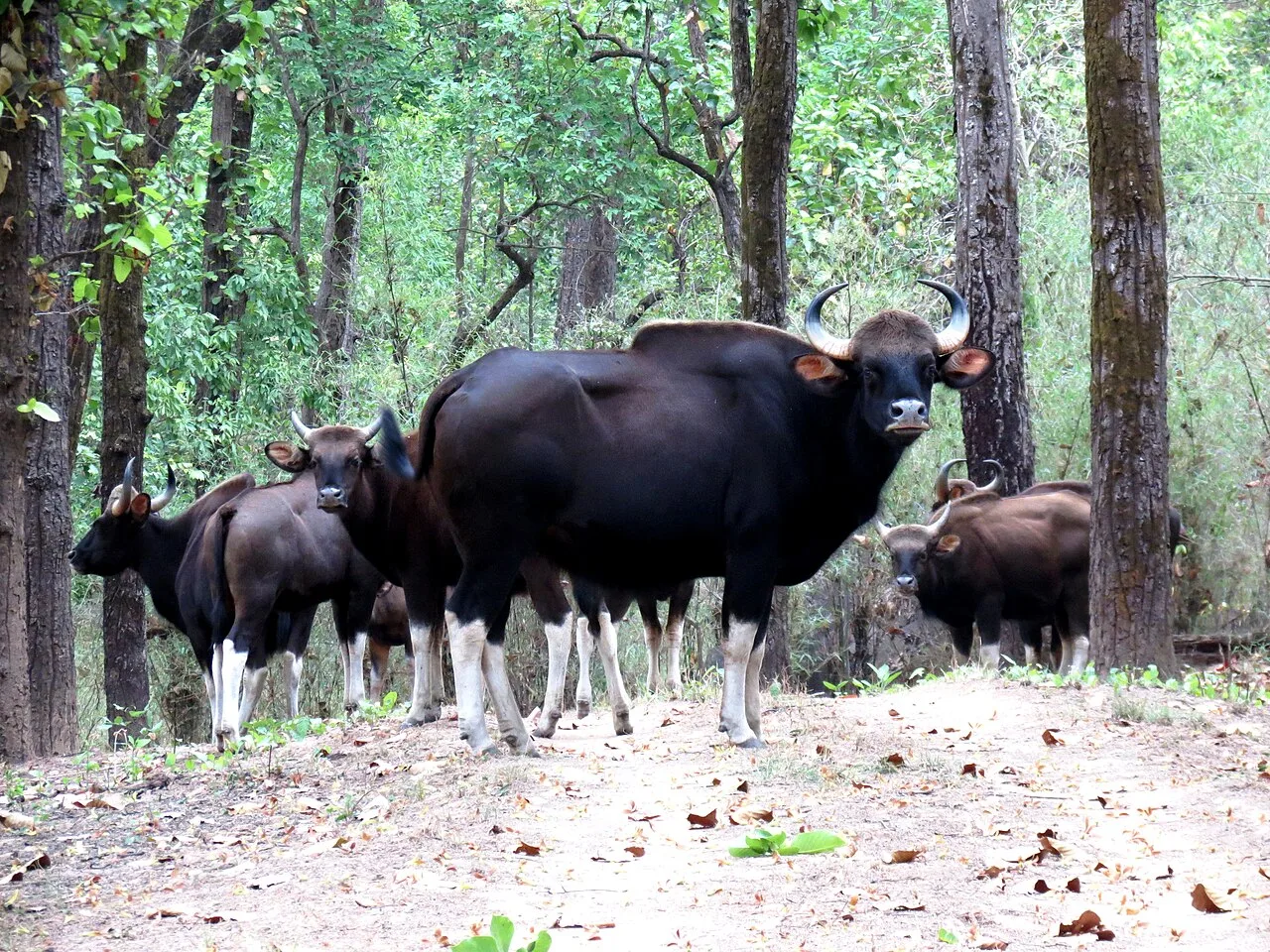
Situated in Madhya Pradesh, Kanha Tiger Reserve is a major protected area that draws visitors interested in Bengal tigers, barasingha and other wildlife, including leopards, sloth bears and dholes.

Pench National Park

129 km away · Seoni district

Pench National Park

Pench National Park is a protected area in Madhya Pradesh and a core component of Pench Tiger Reserve. Visitors come to explore the park within the wider reserve.

Pench Tiger Reserve

135 km away · Seoni district

Pench Tiger Reserve

Pench Tiger Reserve is a protected tiger landscape shared by Madhya Pradesh and Maharashtra. Visitors come to explore its wildlife habitat and look for tigers.

Amarkantak

181 km away · Amarkantak district

Amarkantak

Amarkantak is a pilgrimage town and Nagar Panchayat in Anuppur, Madhya Pradesh, known for its river sources and religious associations, including the place linked to Kabir’s meditation.

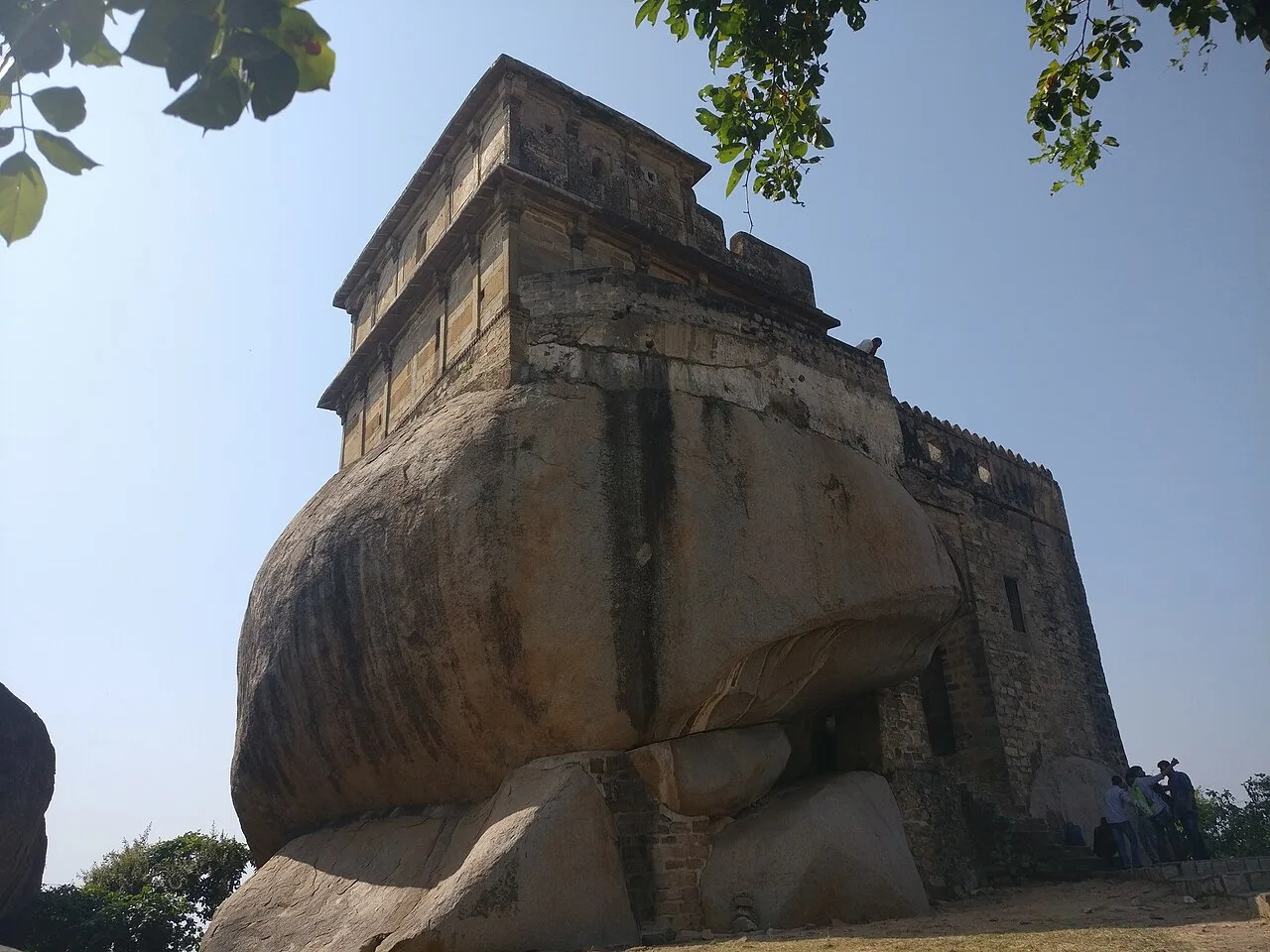
Madan Mahal

195 km away · Jabalpur district

Madan Mahal

Madan Mahal is a suburb in Jabalpur district, Madhya Pradesh, best known for the historic Durgavati fort. Visitors come to see the hilltop fort associated with Raja Madan Singh.

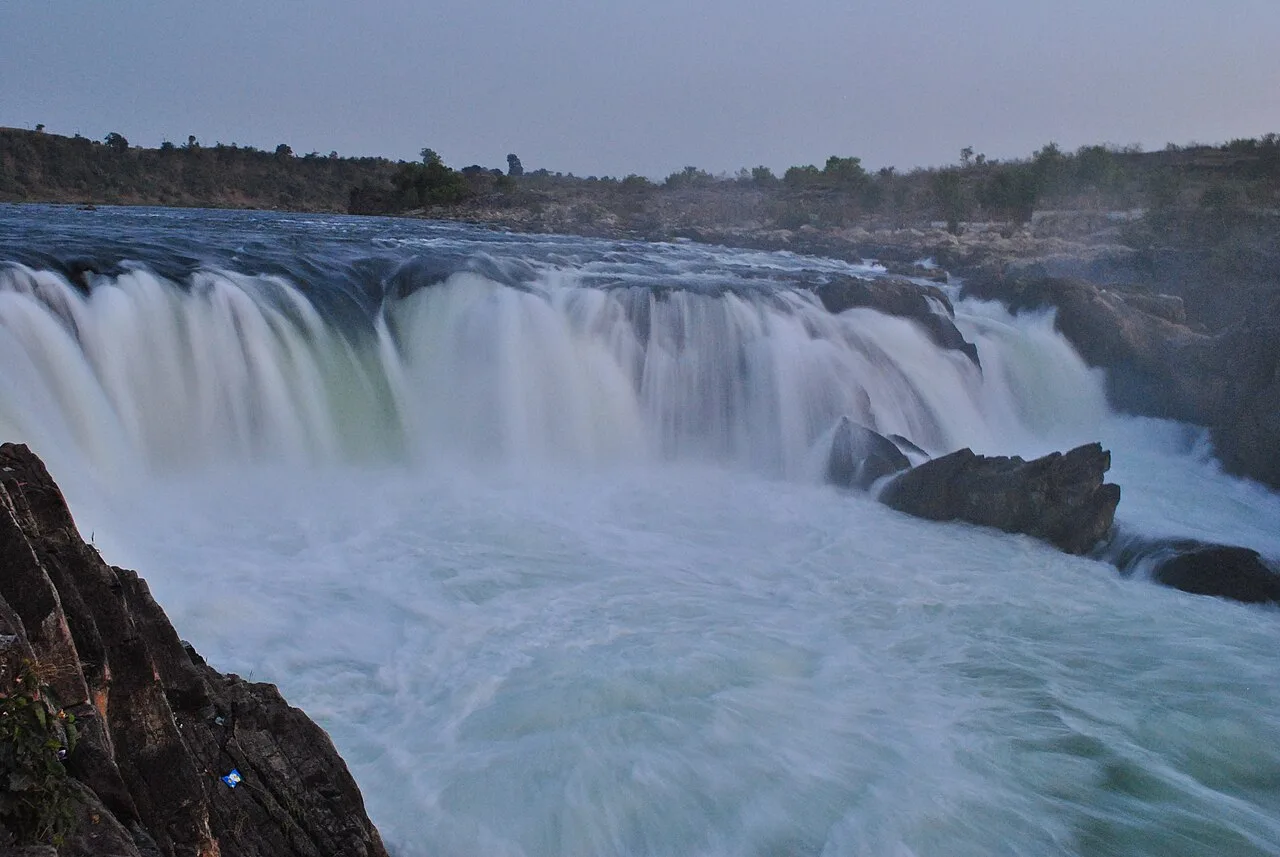
Dhuandhar Falls

196 km away · Jabalpur district

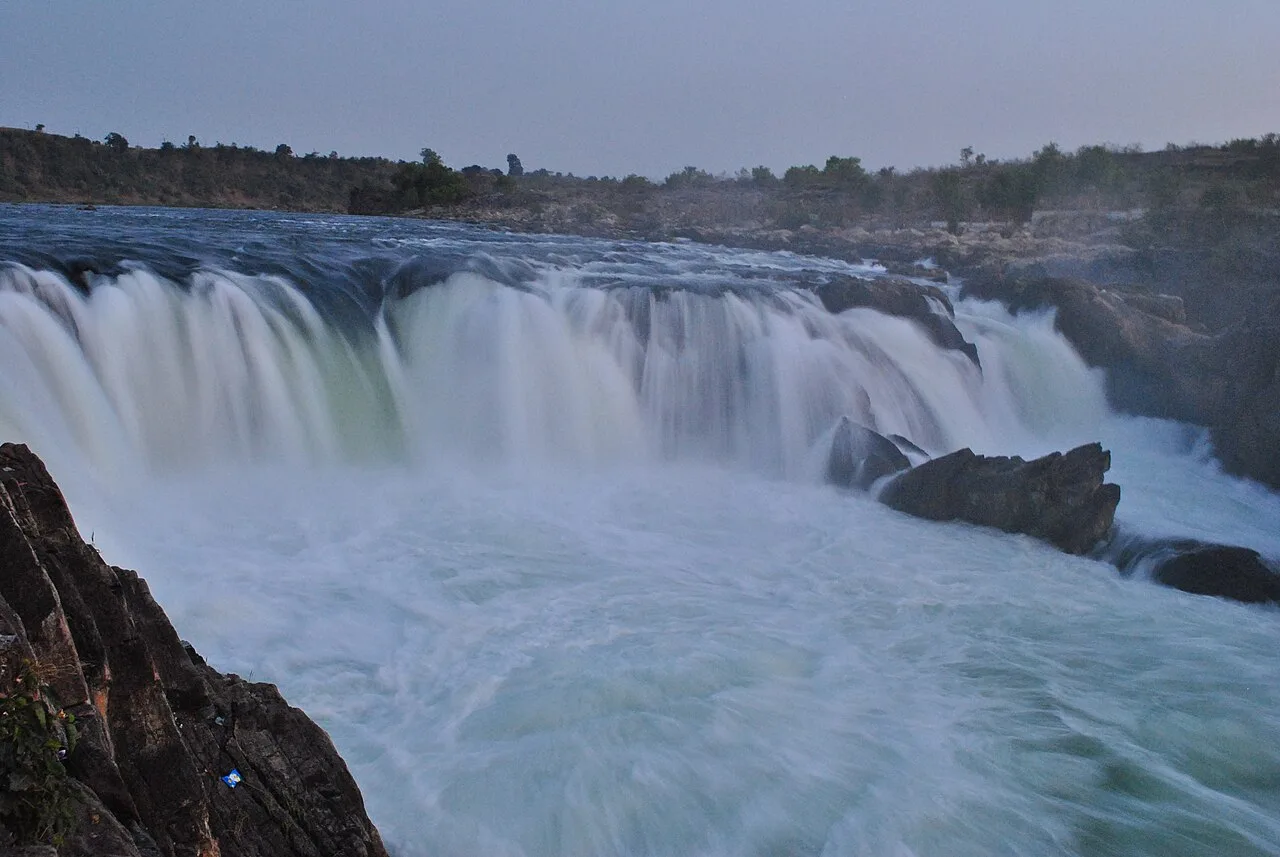
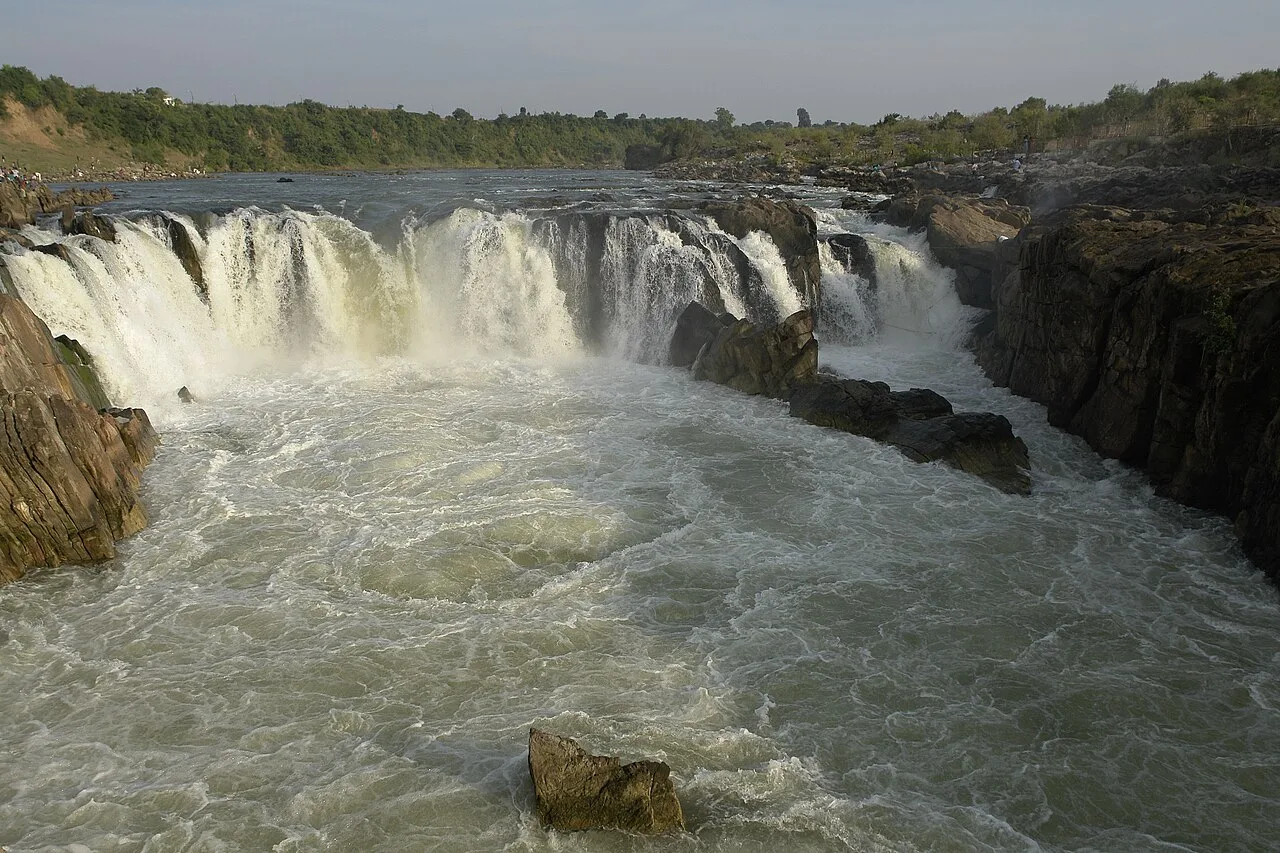
Dhuandhar Falls

Dhuandhar Falls is a waterfall located in Jabalpur district, Madhya Pradesh. Visitors come to see the falls, a natural feature of the district.

Bhedaghat

197 km away · Jabalpur district

Bhedaghat

Bhedaghat, a nagar panchayat in Jabalpur district, Madhya Pradesh, draws visitors to the Narmada’s marble gorge and the misty cascade at Dhuandhar Falls.

Marble Rocks

197 km away · Jabalpur district

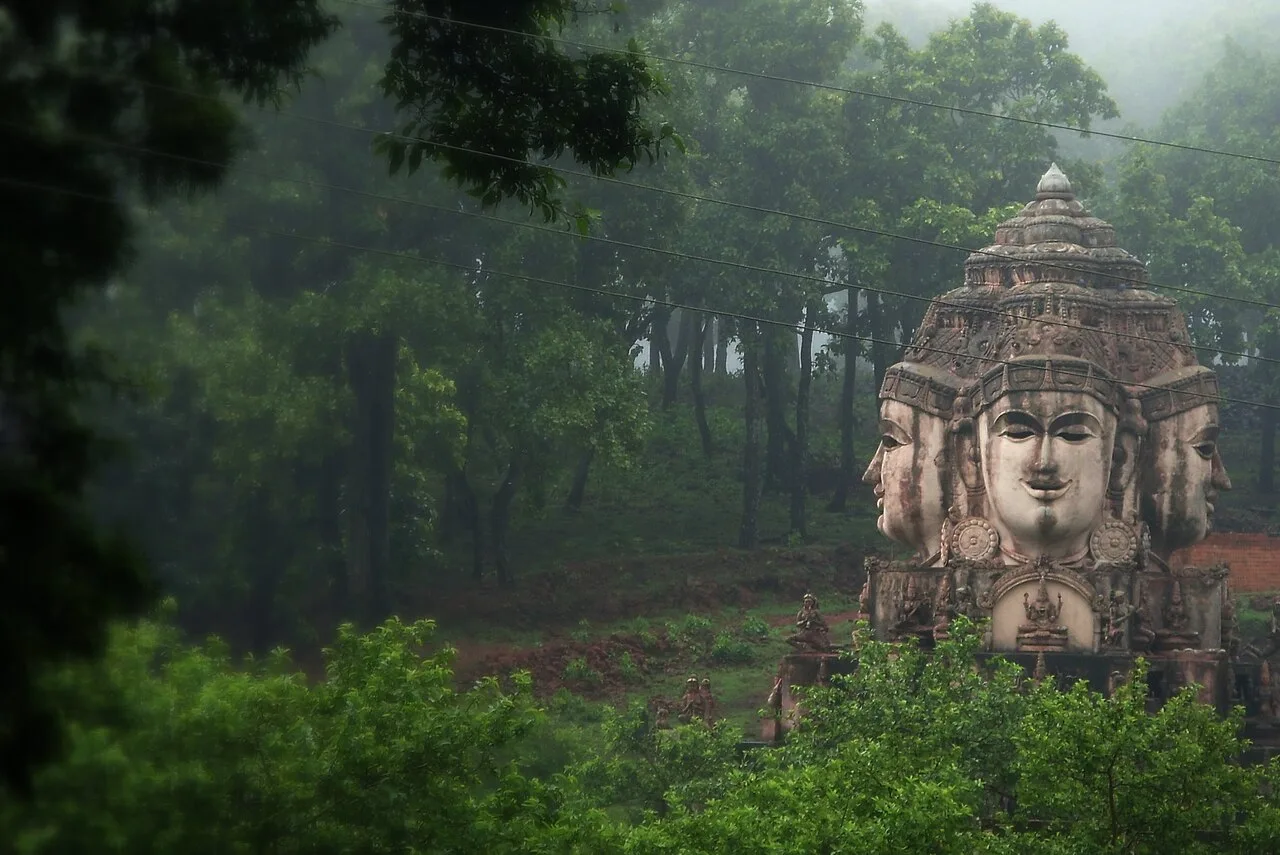
Marble Rocks

Marble Rocks is a gorge carved into marble by the Narmada at Bhedaghat, near Jabalpur in Madhya Pradesh. Visitors come to see the river-shaped landscape and locally made marble figures.

Map

Lanji on the map

  1. 1Kanha Tiger Reserve
  2. 2Pench National Park
  3. 3Pench Tiger Reserve
  4. 4Amarkantak
  5. 5Madan Mahal
  6. 6Dhuandhar Falls
  7. 7Bhedaghat
  8. 8Marble Rocks

Madhya Pradesh

Other cities to explore