Ghumoopedia — Explore, Discover, Experience
Sign in
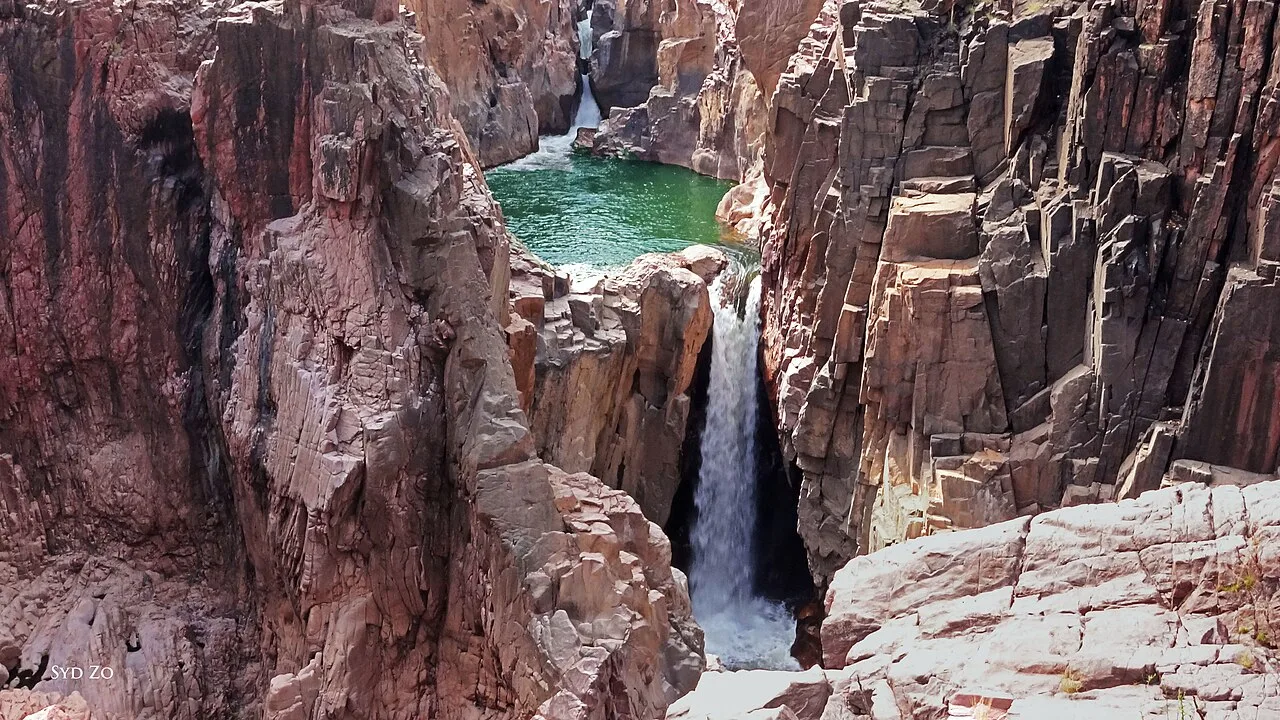
Raneh Falls, near Ajaigarh

City guide · Madhya Pradesh

Ajaigarh

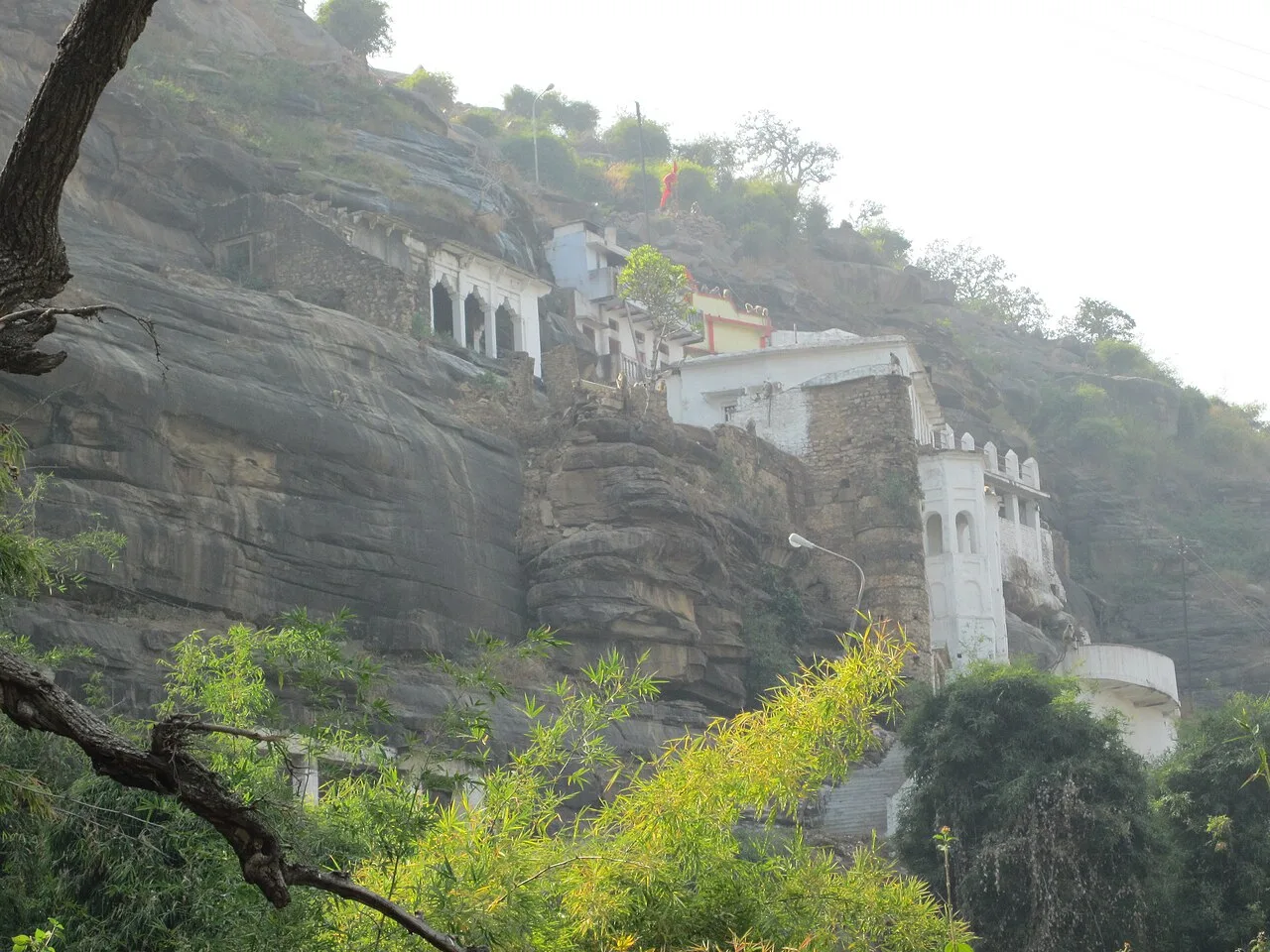
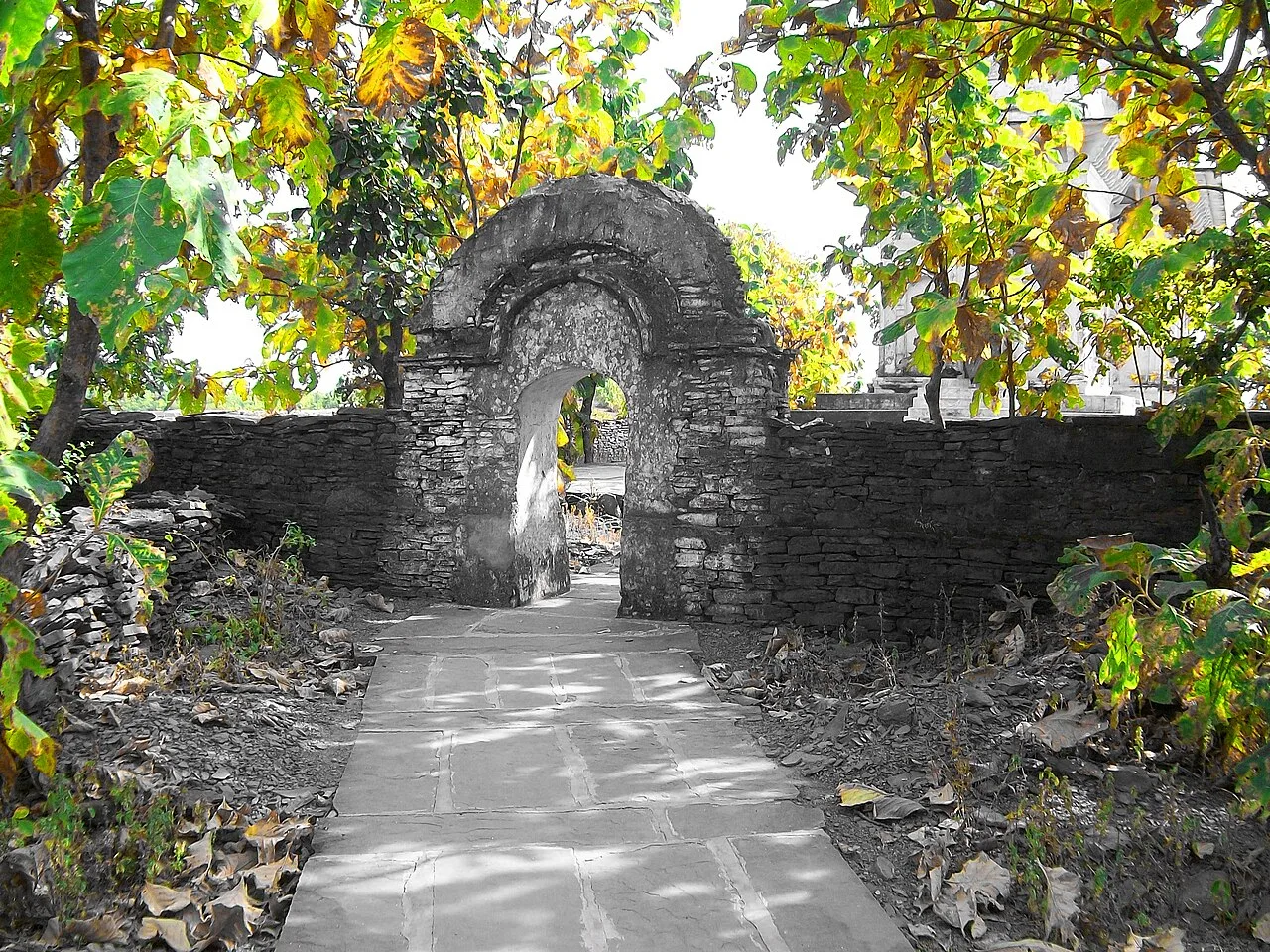
Ajaigarh is a small town in Panna district, best known for its dramatic hill fort and its history as the seat of a Bundela princely state. The fort rises above the town on a steep hill, with ruined temples and carved stonework that reward visitors interested in architecture and regional history.

Famous for

  • Ajaigarh hill fort
  • Bundela Rajput heritage
  • Carved temple ruins
  • Historic princely state

Why Ajaigarh matters

Ajaigarh is a small town in Panna district, best known for its dramatic hill fort and its history as the seat of a Bundela princely state. The fort rises above the town on a steep hill, with ruined temples and carved stonework that reward visitors interested in architecture and regional history. Its elevated setting also offers broad views over the surrounding landscape, though reaching the remains involves an uphill visit.

Today Ajaigarh serves as a tehsil headquarters and a local service centre for nearby communities. Its importance is less about large-scale tourism or commerce than its distinctive heritage and place in the history of Bundelkhand. Visitors often combine the fort with time in the compact town, where everyday markets and neighbourhood shrines provide a glimpse of local life. Ajaigarh is a quieter destination than the better-known heritage sites of Madhya Pradesh, making it suited to travellers seeking a less-crowded historical stop. The name is also associated with the former princely state whose territory was later incorporated into modern Madhya Pradesh.
Famous for: crafts, trade & products

Ajaigarh is not widely known as a centre for a particular textile, handicraft, GI-tagged product or large industry. Its strongest identity is historical: the hill fort and the temple remains within it are the town’s distinctive heritage. Visitors should therefore come primarily for the fort and local history rather than expecting specialist craft emporia or a dedicated shopping district.

For everyday goods, small shops and the local bazaar serve residents and visitors with basic provisions and household items. Ask locally about market days and current availability rather than assuming a fixed craft market. The fort’s carved stonework is part of the historic site, not a guide to a present-day carving industry, and visitors should not remove or buy fragments of heritage material. Travellers looking for a wider selection of souvenirs or specialist products can explore larger towns in the region, while treating Ajaigarh chiefly as a heritage destination.

History

Ajaigarh developed as the centre of a Bundela Rajput principality. Guman Singh, a nephew of Raja Pahar Singh of Jaitpur, is credited with founding the town in 1765; the princely state took shape later in the eighteenth century, with Ajaigarh as its capital. The hill fort, set above the settlement, gave the state its name and served as its most prominent stronghold.

British forces captured Ajaigarh in 1809, after which the state became part of the Bundelkhand Agency within the Central India Agency. Its rulers used the title Sawai Maharaja, while the chief’s residence was at Nowgong, below the fort. Following accession to India in 1950, the former state became part of Vindhya Pradesh. When Vindhya Pradesh was merged into Madhya Pradesh in 1956, Ajaigarh and most of the former state’s territory became part of Panna district. The town continues as a tehsil headquarters, while the fort remains its most visible link to the princely era.

Food, festivals & culture

Ajaigarh shares the everyday food traditions of Bundelkhand. Meals commonly centre on wheat or millet breads, lentils, seasonal vegetables and simple home-style preparations; visitors may also find familiar North Indian snacks and sweets in local shops. No particular dish or sweet is firmly identified as unique to the town, so local menus and market offerings are the best guide to what is available.

Hindi is widely used, alongside Bundeli, the regional language heard in conversation and folk expression. The annual cycle of Hindu festivals includes Holi in spring, Navratri and Dussehra in autumn, and Diwali in autumn; observances take place in neighbourhoods and at local shrines. Bundelkhand traditions include folk singing such as Alha ballads and regional dance forms such as Rai, though performances are not guaranteed during a visit. The temples among the fort’s ruins are important reminders of the area’s religious and artistic past. In town, worship is part of ordinary neighbourhood life, with local shrines serving residents throughout the year.

Visiting the city

October to March is generally the most comfortable period to visit, with milder conditions for exploring the fort. Summer can be very hot, while monsoon rain may make the steep approach slippery; check local conditions before setting out and wear sturdy footwear. Allow time for the climb and carry water.

Khajuraho Airport is the nearest practical airport, and Khajuraho railway station is a rail option for the area. Satna Junction is a larger regional rail hub; onward road travel is needed from either station. Local buses and shared vehicles connect settlements in the region, while autos or hired vehicles may be available in town. Explore the town centre and bazaar for everyday local life, then visit the fort and its temple ruins above the settlement. Transport availability can vary, so arrange the return journey locally.

Trips from the city

Nearest places to visit from Ajaigarh

Our closest destination guides, by straight-line distance.

Raneh Falls

22 km away · Chhatarpur district

Raneh Falls

Raneh Falls is a natural cascade on the Ken River at Khajuraho in Madhya Pradesh. Visitors come to see the waterfall, which lies in Chhatarpur district.

Panna National Park

31 km away · Chhatarpur district

Panna National Park

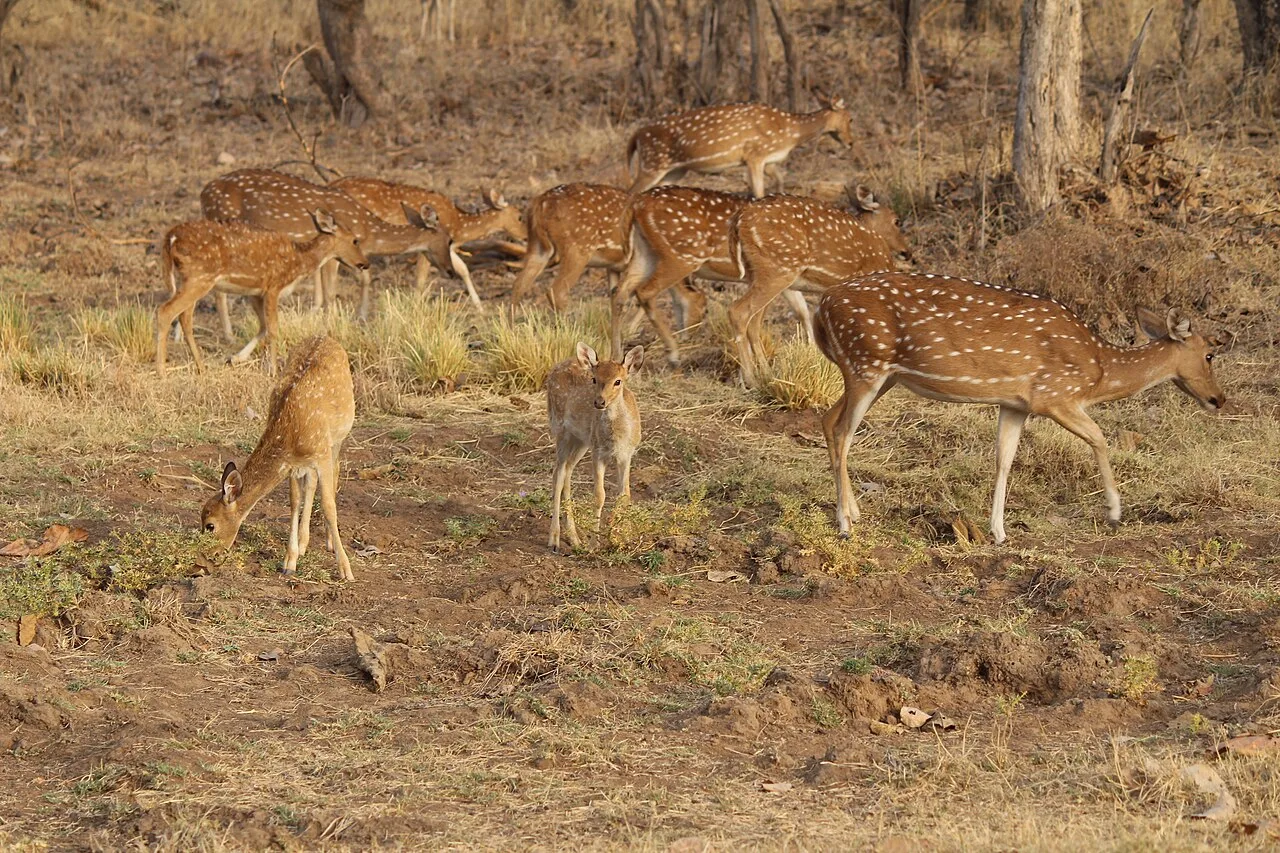
Located in Panna and Chhatarpur districts of Madhya Pradesh, Panna National Park covers 542.67 square kilometres. Visitors come for its wildlife, especially tigers, and its status as a tiger reserve.

Khajuraho Temples

34 km away · Khajuraho district

Khajuraho Temples

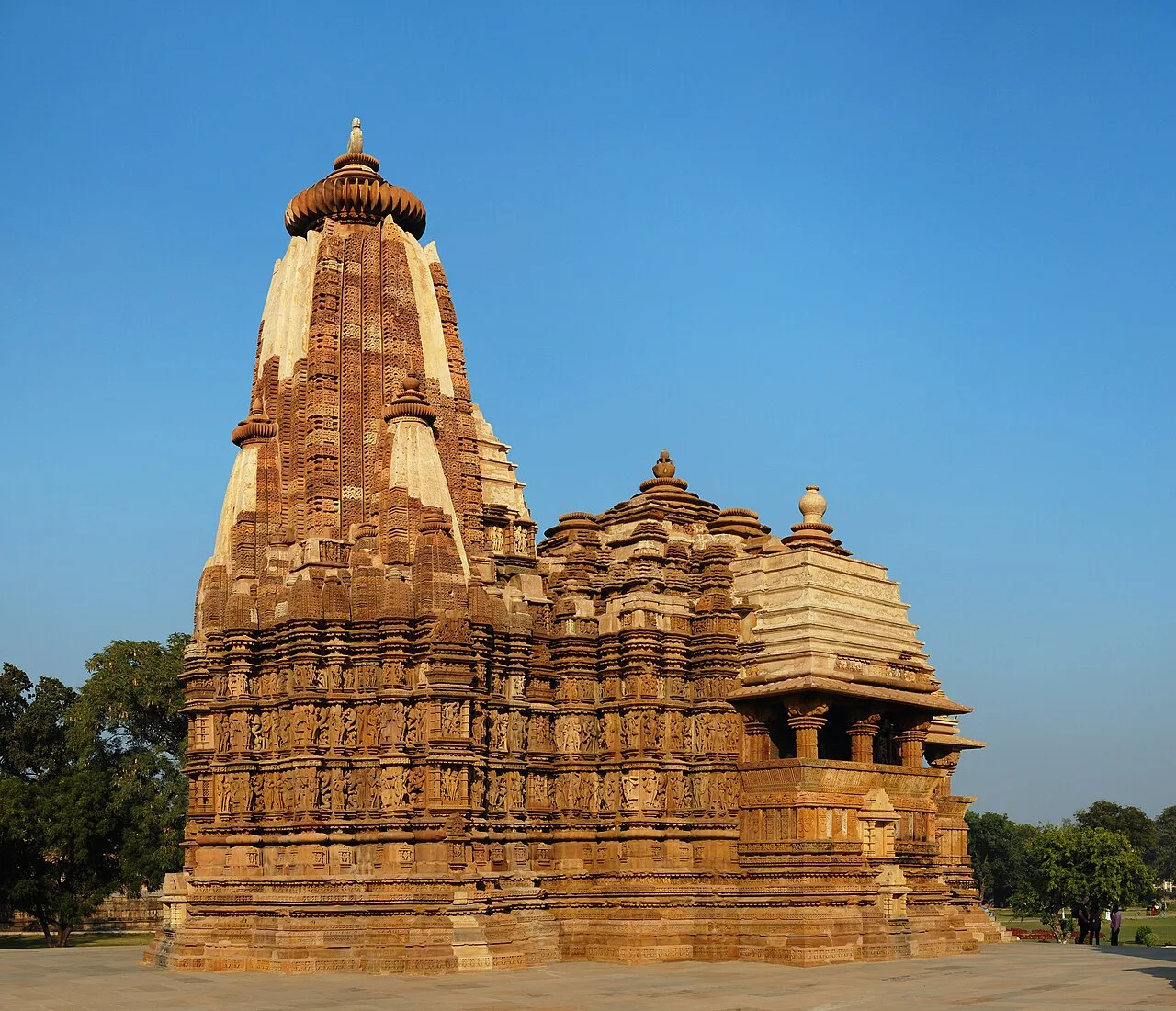
Khajuraho is a complex of Hindu and Digambara Jain temples in Madhya Pradesh, known for Nagara architecture and sculptural detail that attracts visitors interested in Indian art and religious history.

Chitrakoot

59 km away · Chitrakoot district

Chitrakoot

Chitrakoot is a pilgrimage town and nagar panchayat in Madhya Pradesh, valued for its Ramayana associations, sacred sites and religious observances that draw visitors throughout the year.

Bharhut Stupa Remains

78 km away · Satna district

Bharhut Stupa Remains

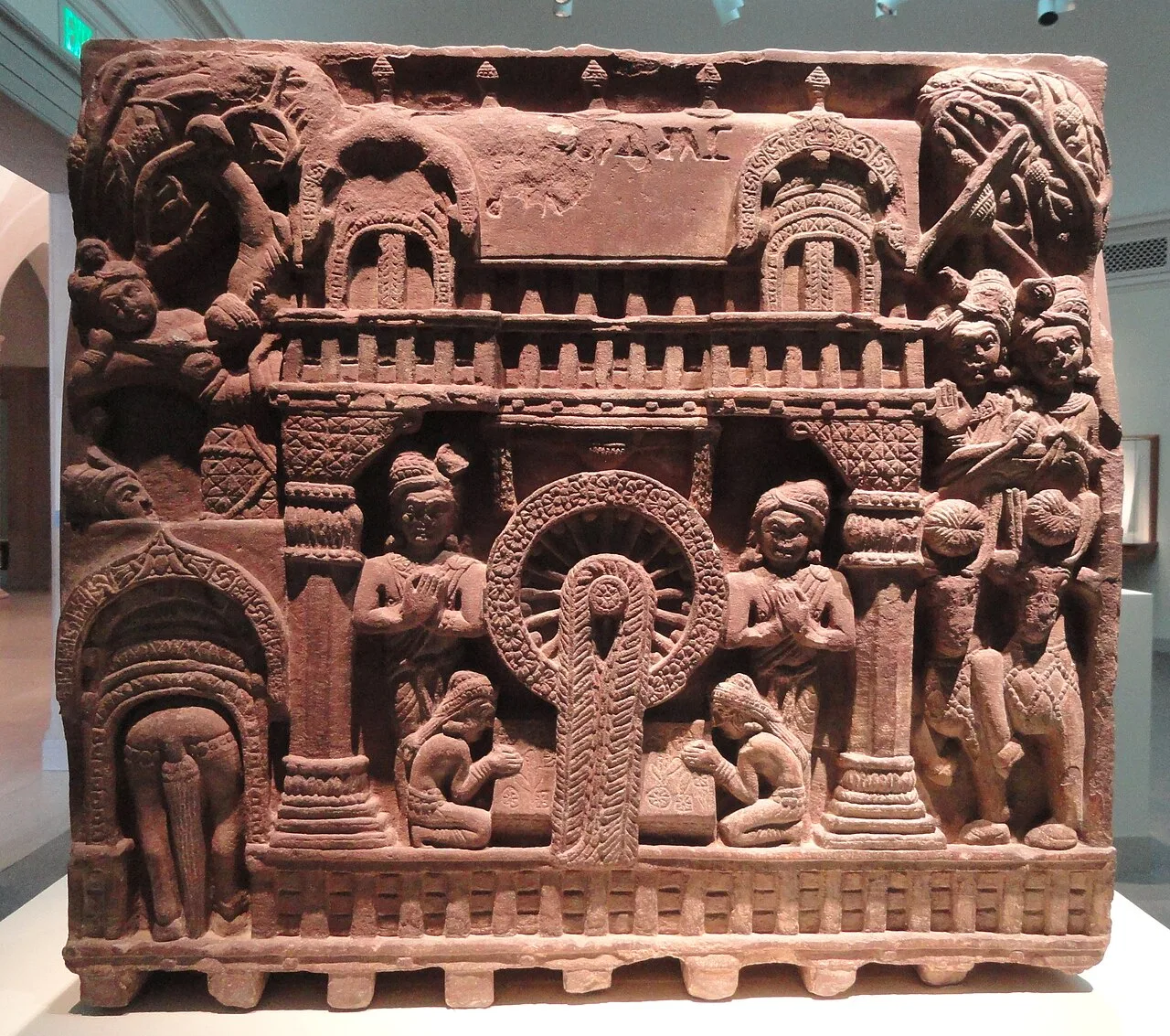
Bharhut Stupa Remains are the surviving traces of a Buddhist stupa in Madhya Pradesh. Visitors come to learn about its early carvings, labelled relief panels and history, though most sculptures are now held elsewhere.

Maihar Sharda Temple

87 km away · Satna district

Maihar Sharda Temple

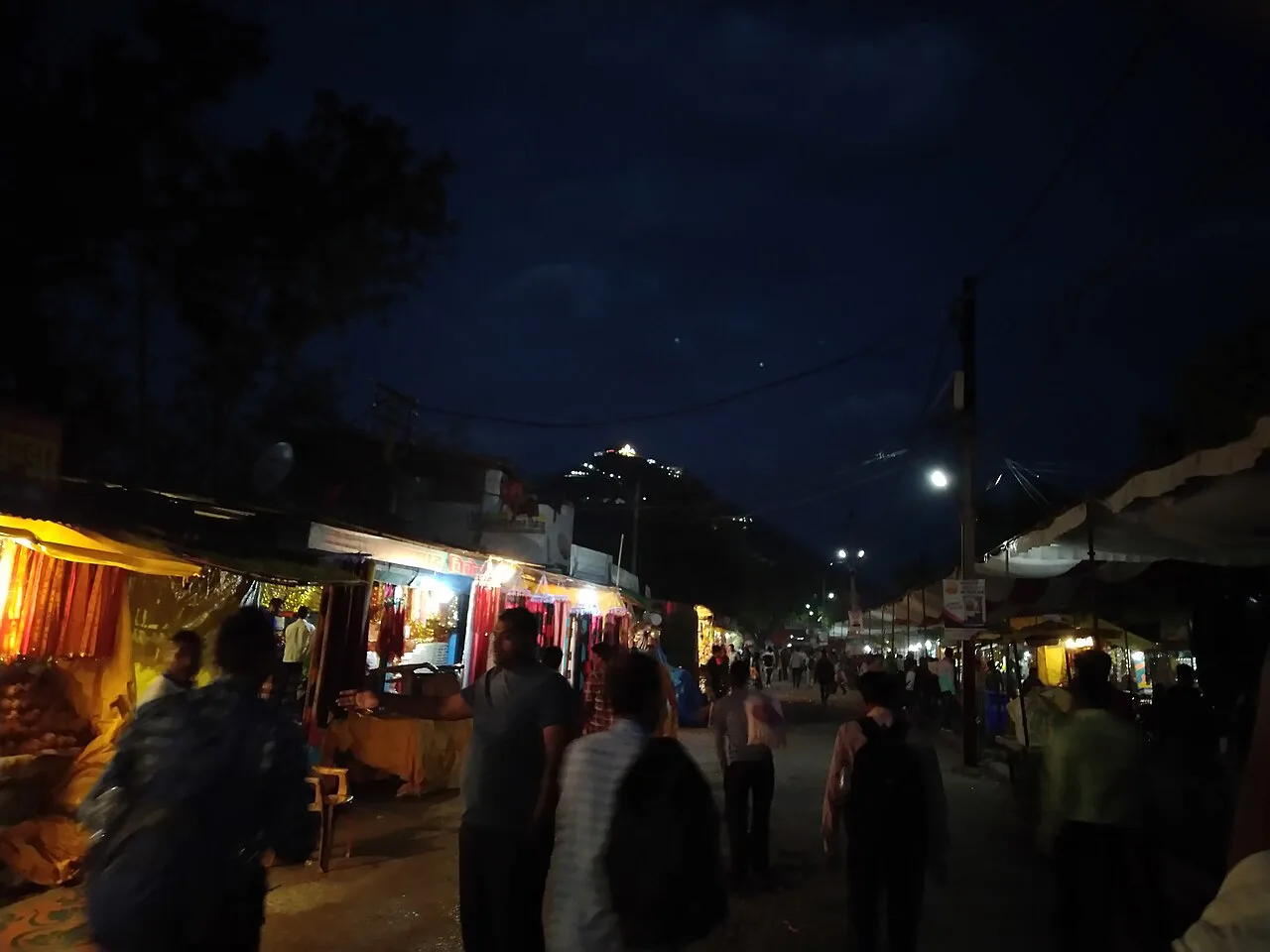
Maihar Sharda Temple is a religious shrine in Madhya Pradesh, associated with Maa Sharda and counted among the Shakti Peeth. Worshippers visit for its religious significance.

Betwa River, Orchha

113 km away · Orchha district

Betwa River, Orchha

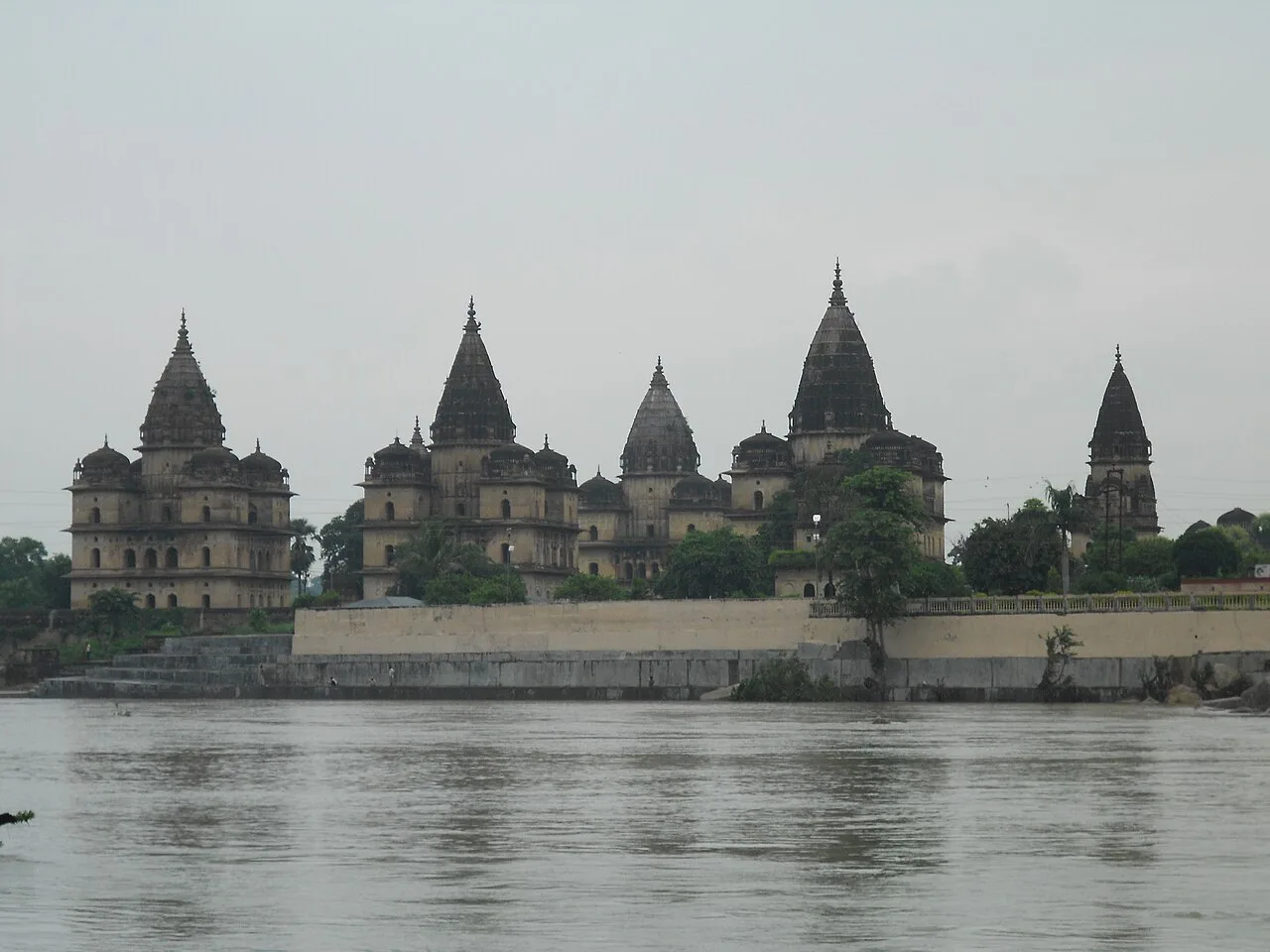
The Betwa is a Yamuna tributary that flows past Orchha, linking the town with a river course through Madhya Pradesh and Uttar Pradesh. Visitors encounter it as part of Orchha’s setting.

Kundalpur Jain Temples

115 km away · Damoh district

Kundalpur Jain Temples

The Kundalpur Jain Temples are a pilgrimage destination for Digambar Jains in Madhya Pradesh’s Damoh district. The town of Kundalpur lies 37 kilometres north-east of Damoh city.

Map

Ajaigarh on the map

  1. 1Raneh Falls
  2. 2Panna National Park
  3. 3Khajuraho Temples
  4. 4Chitrakoot
  5. 5Bharhut Stupa Remains
  6. 6Maihar Sharda Temple
  7. 7Betwa River, Orchha
  8. 8Kundalpur Jain Temples

Madhya Pradesh

Other cities to explore