Ghumoopedia — Explore, Discover, Experience
Sign in

City guide · Madhya Pradesh

Garhakota

Garhakota is a town and municipality in Madhya Pradesh’s Sagar district, serving as a tehsil headquarters for the surrounding area. Its importance is chiefly regional: it is a local centre for administration, everyday shopping and travel between nearby settlements.

Famous for

  • Garhakota Fort
  • Sunar River banks
  • Gadheri River banks
  • Sagar district tehsil centre

Why Garhakota matters

Garhakota is a town and municipality in Madhya Pradesh’s Sagar district, serving as a tehsil headquarters for the surrounding area. Its importance is chiefly regional: it is a local centre for administration, everyday shopping and travel between nearby settlements. The town stands beside the Sunar and Gadheri rivers, which give its setting a distinctive connection to the landscape of central India.

Visitors interested in local history can seek out Garhakota Fort, while the riverbanks offer a quieter way to experience the town and its surroundings. Garhakota is not a large, developed tourist hub, so a visit is best approached as a chance to see a working district town rather than as a destination with extensive visitor facilities. Its modest scale, historic remains and riverside location make it a useful stop for travellers exploring the Sagar region. The local market and streets also provide a glimpse of daily life beyond the better-known attractions of Madhya Pradesh.
Famous for: crafts, trade & products

Garhakota is not widely identified with a signature textile, handicraft or GI-tagged product. Its better-known points of interest are its fort, riverside setting and role as a local administrative centre. Travellers looking specifically for specialist craft shopping may find a wider selection in larger regional towns, rather than treating Garhakota as a dedicated craft destination.

For everyday purchases, the town’s general market is the practical place to look for groceries, household goods, clothing and snacks. Shops are geared primarily to local needs, and stock can vary; visitors should not assume that a particular regional craft or product will be available. The fort and nearby riverbanks are more fitting places to explore the town’s character than to shop for souvenirs. For regional goods, ask locally about makers or sellers, and check the origin of any item described as handmade or locally produced.

History

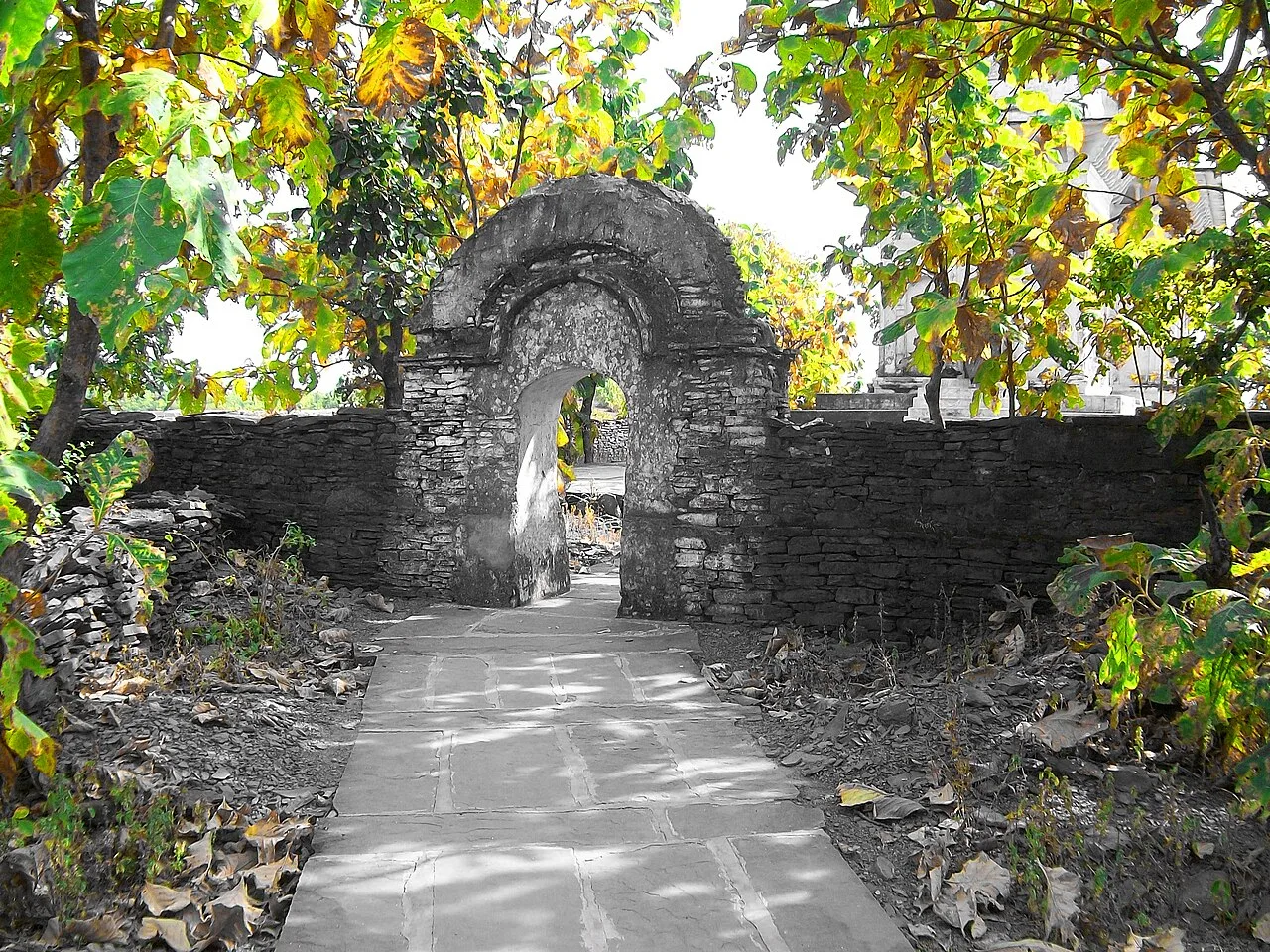
Garhakota’s past is reflected most visibly in its fort, a reminder of the town’s earlier strategic value. The settlement lies within the wider Sagar and Bundelkhand region, where authority shifted over time among regional powers and, later, Maratha and British administrations. Specific accounts of the fort’s construction and transfers are not consistently documented, so its history is best understood as part of the changing political landscape of central India rather than attributed to a single ruler without qualification.

Under British rule, the wider Sagar area became part of colonial administration. In modern Madhya Pradesh, Garhakota developed as a municipality and tehsil headquarters within Sagar district. Its present role is practical and regional, serving residents of the town and surrounding settlements. The historic fort and the town’s position by the Sunar and Gadheri rivers connect this administrative centre to its older landscape and past.

Food, festivals & culture

Daily life in Garhakota reflects the food and customs of the Sagar region and Bundelkhand. Local eateries and market stalls may serve familiar central Indian fare such as poha, kachori, samosa and jalebi, alongside simple meals of grains, lentils and seasonal vegetables. These are everyday regional choices rather than dishes for which the town is especially renowned. Hindi is widely used, and Bundeli is also spoken in the surrounding region.

Holi, usually celebrated in spring, and Diwali, in autumn, are important occasions, as are the Navratri observances held in spring and autumn. Dussehra is also marked in the wider region. Celebrations commonly centre on family gatherings, worship and community events; their scale and programme can vary from year to year. Neighbourhood temples and other places of worship serve local residents. Garhakota is better experienced through these everyday settings than through a formal programme of performances or a nationally known cultural festival.

Visiting the city

The cooler months, roughly October to February, are generally the most comfortable time to visit. Summer can be very hot, while the monsoon brings rain and greener river surroundings. Jabalpur Airport is a nearby air option; check current road connections before travelling. Damoh railway station is a practical railhead for Garhakota, and Sagar station may also be useful depending on the route.

The final journey is by road. Local vehicles can help with short trips, while arranging a car is useful for visiting the fort and river areas or travelling onward. Explore the old fort precinct, the Sunar and Gadheri riverbanks, and the town’s central market streets to get a sense of Garhakota. Visitor services are limited compared with larger cities, so plan onward transport in advance.

Trips from the city

Nearest places to visit from Garhakota

Our closest destination guides, by straight-line distance.

Kundalpur Jain Temples

63 km away · Damoh district

Kundalpur Jain Temples

The Kundalpur Jain Temples are a pilgrimage destination for Digambar Jains in Madhya Pradesh’s Damoh district. The town of Kundalpur lies 37 kilometres north-east of Damoh city.

Rahatgarh Fort

79 km away · Sagar district

Rahatgarh Fort

Rahatgarh Fort is in Sagar district, Madhya Pradesh. Visitors come to see the fort, while the town of Rahatgarh is also notable as a nagar panchayat and tehsil headquarters.

Bhedaghat

98 km away · Jabalpur district

Bhedaghat

Bhedaghat, a nagar panchayat in Jabalpur district, Madhya Pradesh, draws visitors to the Narmada’s marble gorge and the misty cascade at Dhuandhar Falls.

Marble Rocks

98 km away · Jabalpur district

Marble Rocks

Marble Rocks is a gorge carved into marble by the Narmada at Bhedaghat, near Jabalpur in Madhya Pradesh. Visitors come to see the river-shaped landscape and locally made marble figures.

Dhuandhar Falls

99 km away · Jabalpur district

Dhuandhar Falls

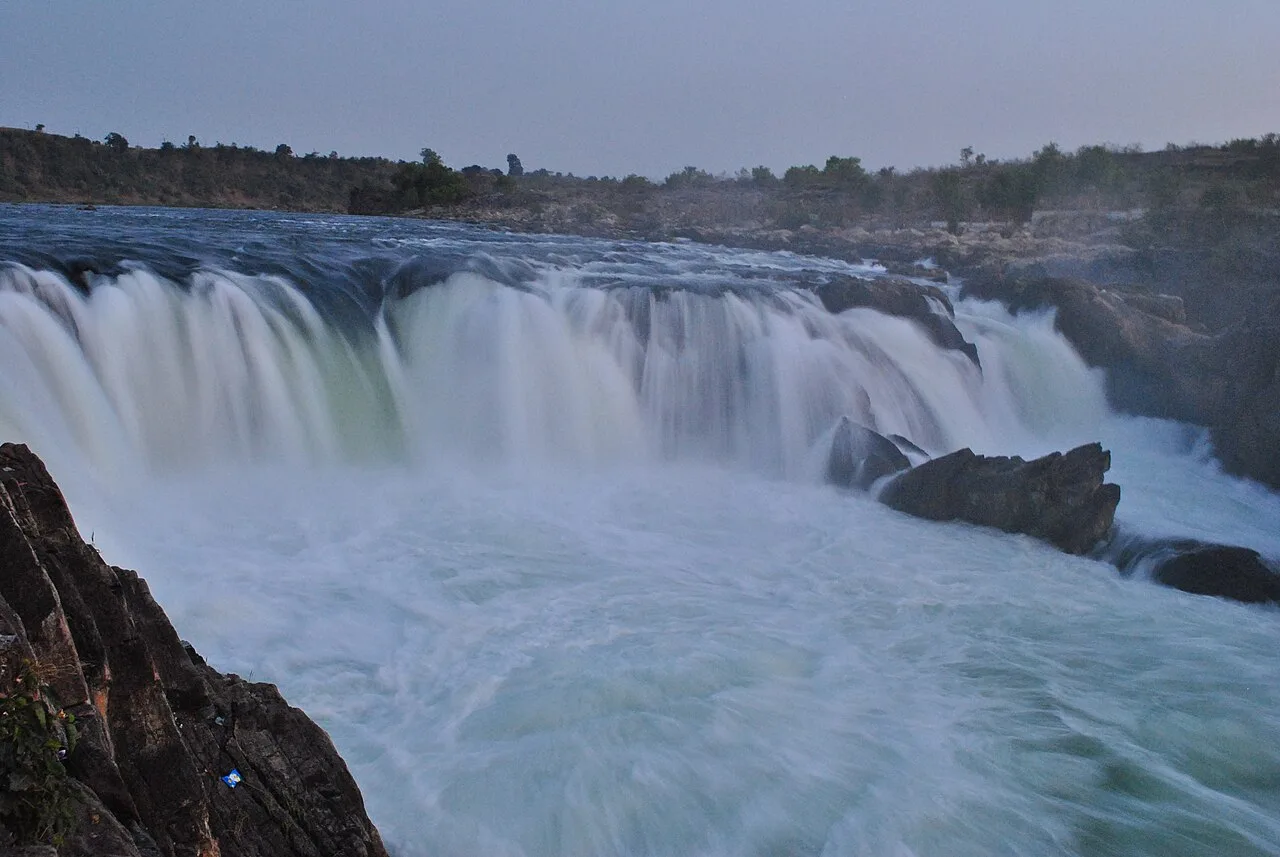
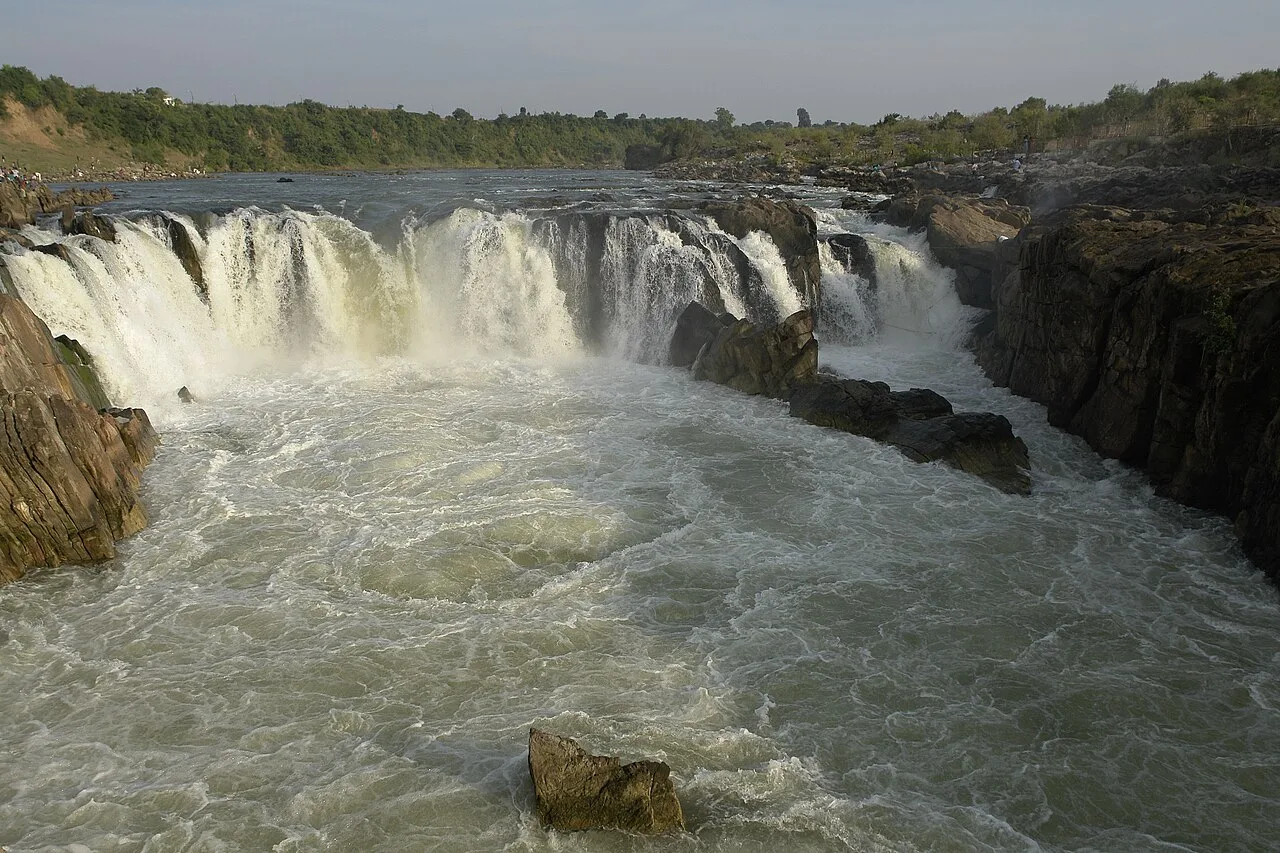
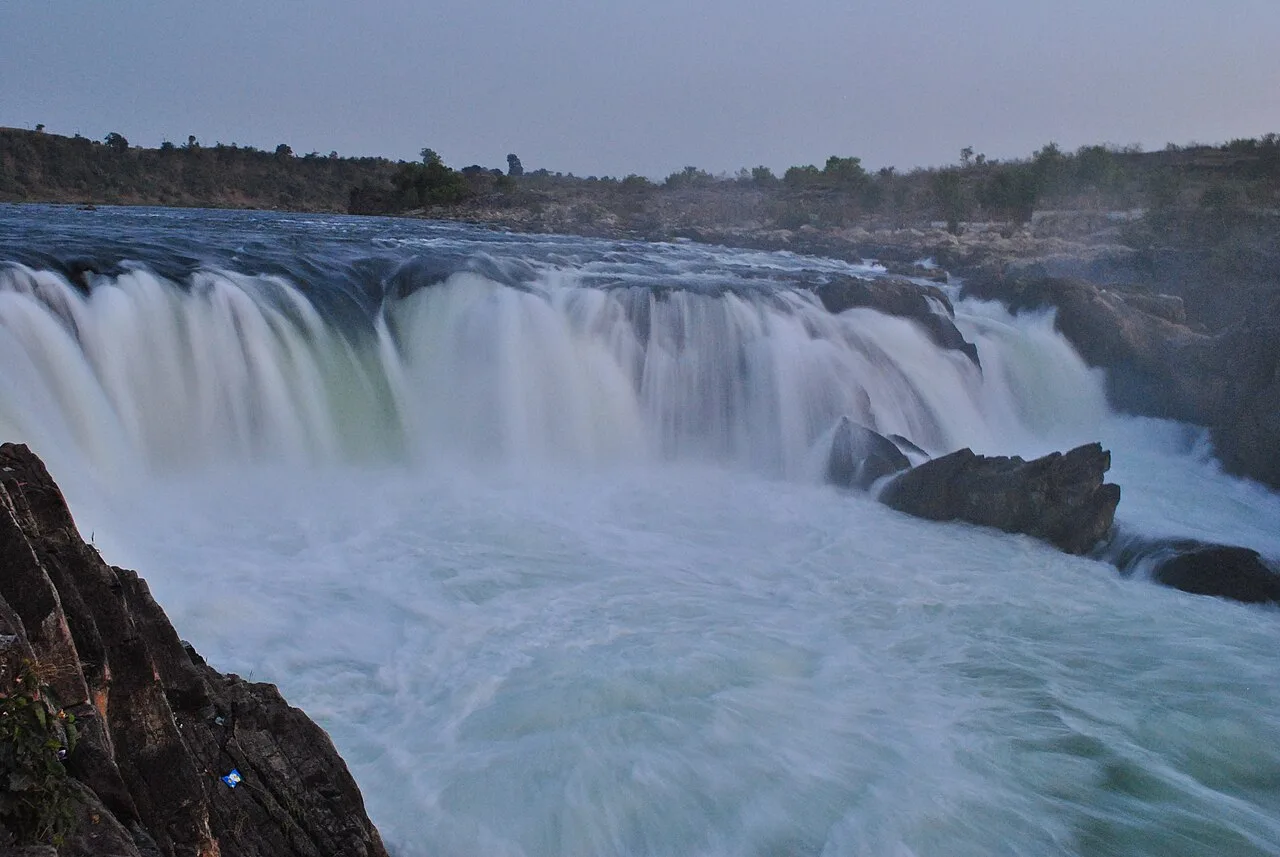
Dhuandhar Falls is a waterfall located in Jabalpur district, Madhya Pradesh. Visitors come to see the falls, a natural feature of the district.

Madan Mahal

104 km away · Jabalpur district

Madan Mahal

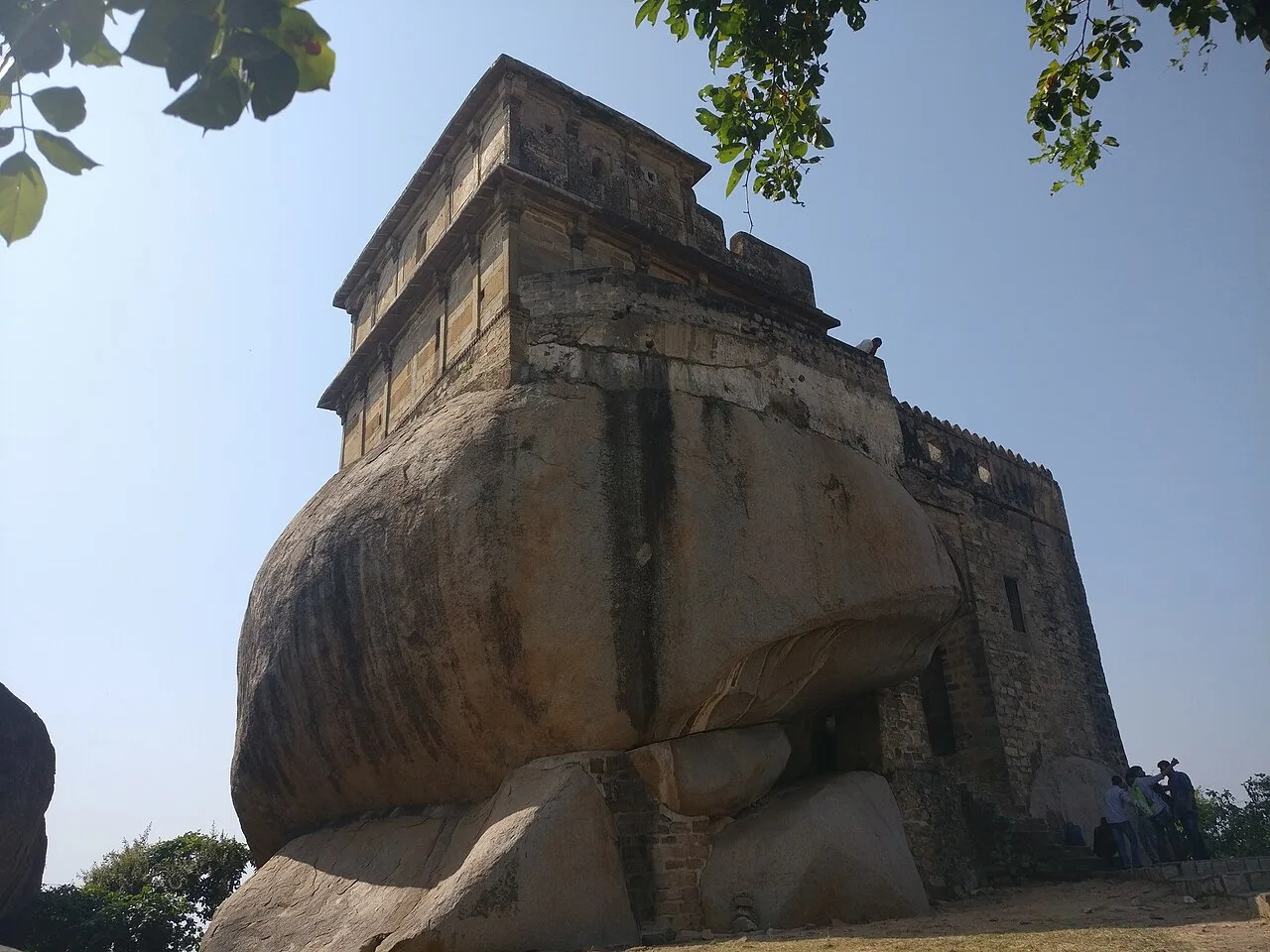
Madan Mahal is a suburb in Jabalpur district, Madhya Pradesh, best known for the historic Durgavati fort. Visitors come to see the hilltop fort associated with Raja Madan Singh.

Kundeshwar Temple

107 km away · Tikamgarh district

Kundeshwar Temple

Kundeshwar is a village in Madhya Pradesh’s Tikamgarh district, five kilometres south of Tikamgarh. Visitors come to see Kundadev Mahadev Temple, an ancient temple beside the Jamdhar river.

Chauragarh Temple

116 km away · Hoshangabad district

Chauragarh Temple

Chauragarh Temple is a historic religious and fort complex in Madhya Pradesh, set on a Satpuda peak. Visitors come to see its shrine, fort remains and structures associated with Gond rulers.

Map

Garhakota on the map

  1. 1Kundalpur Jain Temples
  2. 2Rahatgarh Fort
  3. 3Bhedaghat
  4. 4Marble Rocks
  5. 5Dhuandhar Falls
  6. 6Madan Mahal
  7. 7Kundeshwar Temple
  8. 8Chauragarh Temple

Madhya Pradesh

Other cities to explore