Ghumoopedia — Explore, Discover, Experience
Sign in

City guide · Madhya Pradesh

Kumbhraj

Kumbhraj is a small town in Guna district, in northern Madhya Pradesh, whose regional importance is closely tied to agriculture. It is especially known for producing and trading coriander seeds, a crop that connects local farms with buyers and processors beyond the district.

Famous for

  • Coriander seed production
  • Coriander trade
  • Guna district market town
  • Rana Kumbha name tradition

Why Kumbhraj matters

Kumbhraj is a small town in Guna district, in northern Madhya Pradesh, whose regional importance is closely tied to agriculture. It is especially known for producing and trading coriander seeds, a crop that connects local farms with buyers and processors beyond the district. The scale of this trade has brought attention from large companies, including Tata, which procures coriander from the area.

For visitors, Kumbhraj is less a conventional sightseeing destination than a place to understand the working life of an agricultural market town. Its shops, trading activity and surrounding farmland offer a glimpse of how a familiar kitchen spice moves from cultivation into wider commerce. The town also serves residents of nearby settlements for everyday needs. Travellers passing through Guna district may find it a useful stop for local markets and regional food, while those seeking major monuments or visitor facilities will generally find more options in larger nearby centres.
Famous for: crafts, trade & products

Coriander is Kumbhraj’s defining product. Farmers in the surrounding area grow the seeds, which enter local trading channels before reaching buyers elsewhere in India. The town has gained a reputation as a significant coriander-producing centre, and large companies, including Tata, are among the buyers that source from the region. Trade activity is most evident around the town’s commercial areas and agricultural market; availability and activity vary with the harvest and trading season.

Kumbhraj is not widely identified with a particular textile, handicraft or GI-tagged product, and visitors should not expect a specialist craft market. Its shops mainly serve local daily needs, while coriander and other farm goods are the clearest expression of its commercial identity. Visitors interested in the crop can ask traders about seed grades and seasonal activity, but buying arrangements depend on the market and may be geared to wholesale rather than small retail purchases. For a broader choice of goods and services, Guna is the district’s larger urban centre.

History

Kumbhraj’s name is associated in local tradition with Rana Kumbha, the fifteenth-century ruler of Mewar. The precise historical link between the ruler and the town is not firmly established, so the story is best treated as a naming tradition rather than a detailed account of the town’s founding. The settlement’s development appears more closely connected to its agricultural hinterland and the exchange of produce than to a documented royal or monumental centre.

During the colonial period, this part of central India was shaped by the political arrangements of the princely states and British India; detailed accounts specific to Kumbhraj are limited. After independence, the town became part of Madhya Pradesh and remained within Guna district. In recent decades, its place in regional commerce has been strengthened by coriander cultivation and procurement links that connect local growers with larger markets. The town’s history today is therefore visible less in major historic structures than in its continuing role as a rural trading centre.

Food, festivals & culture

Everyday life in Kumbhraj reflects the agricultural rhythms and customs of Guna district. Hindi is widely used, alongside local speech varieties familiar across the region. Coriander is the town’s best-known crop, though meals are based on the broader central Indian home-cooking tradition: wheat breads, lentils, seasonal vegetables and rice are common staples. Snacks and sweets such as poha, jalebi and laddoo are familiar across Madhya Pradesh, though menus vary between households and shops.

Holi, usually celebrated in spring, and Diwali, in autumn, are major occasions, while Navratri brings devotional gatherings and worship. Eid is observed by Muslim residents, and local calendars may include other community and religious events. Temples and mosques serve as places of worship and social gathering; visitors should ask locally about specific congregations or events. Folk music and dance are part of the wider regional culture, particularly during celebrations, but performances are not necessarily scheduled for visitors. The town’s culture is best encountered through its markets, festival days and everyday neighbourhood life.

Visiting the city

The cooler months, roughly from October to March, are generally the most comfortable time to visit. Summers can be very hot, while monsoon conditions may affect road journeys. Kumbhraj railway station serves the town, and Guna Junction is a larger rail hub for connections. The nearest major commercial airport is Raja Bhoj Airport in Bhopal; onward travel is by road or rail.

Auto-rickshaws and local vehicles are useful for short trips, while hired cars are more practical for exploring nearby settlements. Begin around the town centre and market streets to see everyday commerce, then ask locally about agricultural-market activity, which depends on the season. The surrounding countryside offers a rural landscape rather than a formal sightseeing circuit. Facilities are modest, so plan longer stays or specialised services through Guna or another larger regional centre.

Trips from the city

Nearest places to visit from Kumbhraj

Our closest destination guides, by straight-line distance.

Chanderi Town

116 km away · Chanderi district

Chanderi Town

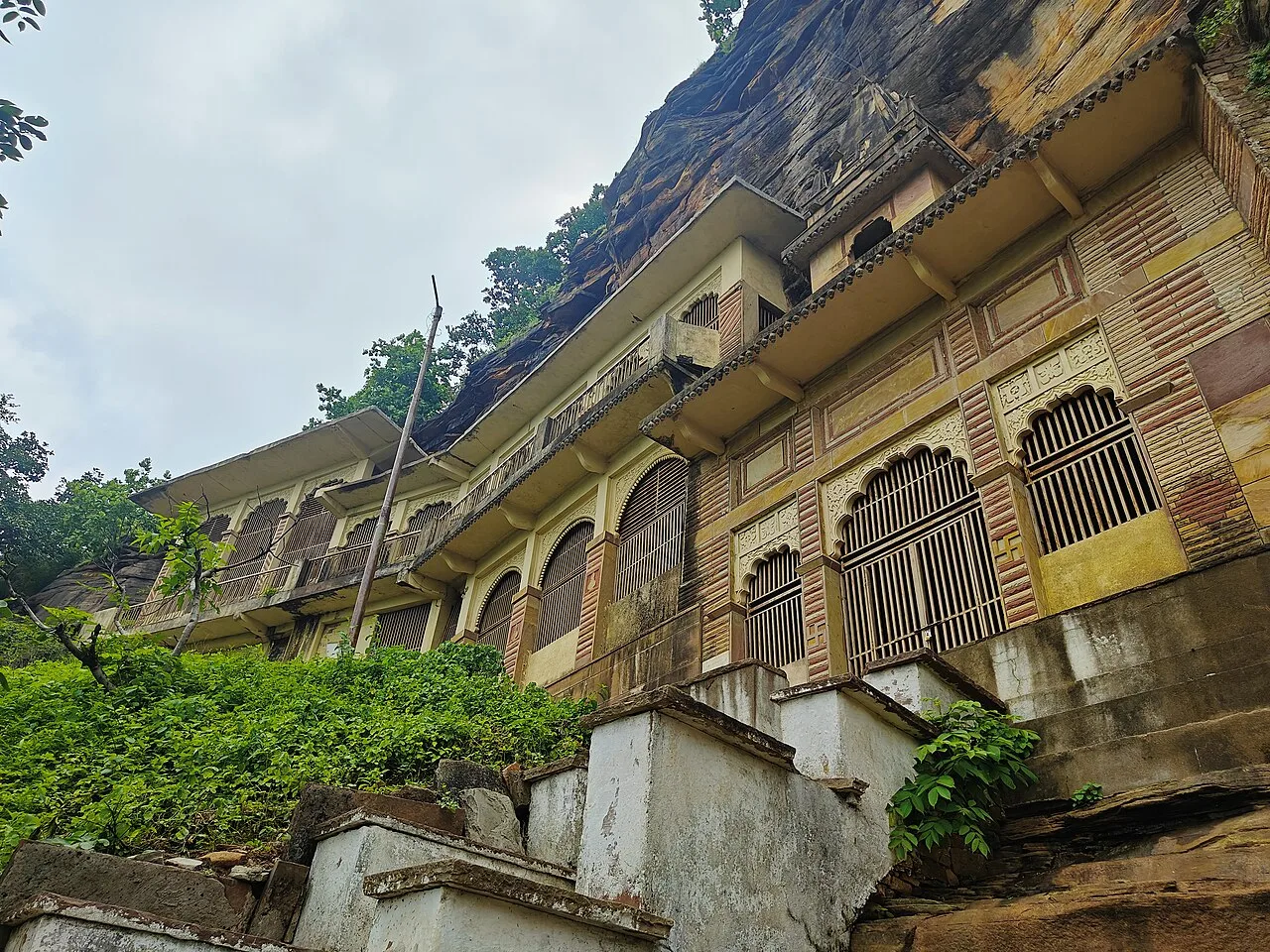
Chanderi is a historic town in Madhya Pradesh, visited for monuments linked to regional dynasties and its ancient Jain temples, amid hills, lakes and forests.

Heliodorus pillar

119 km away · Vidisha district

Heliodorus pillar

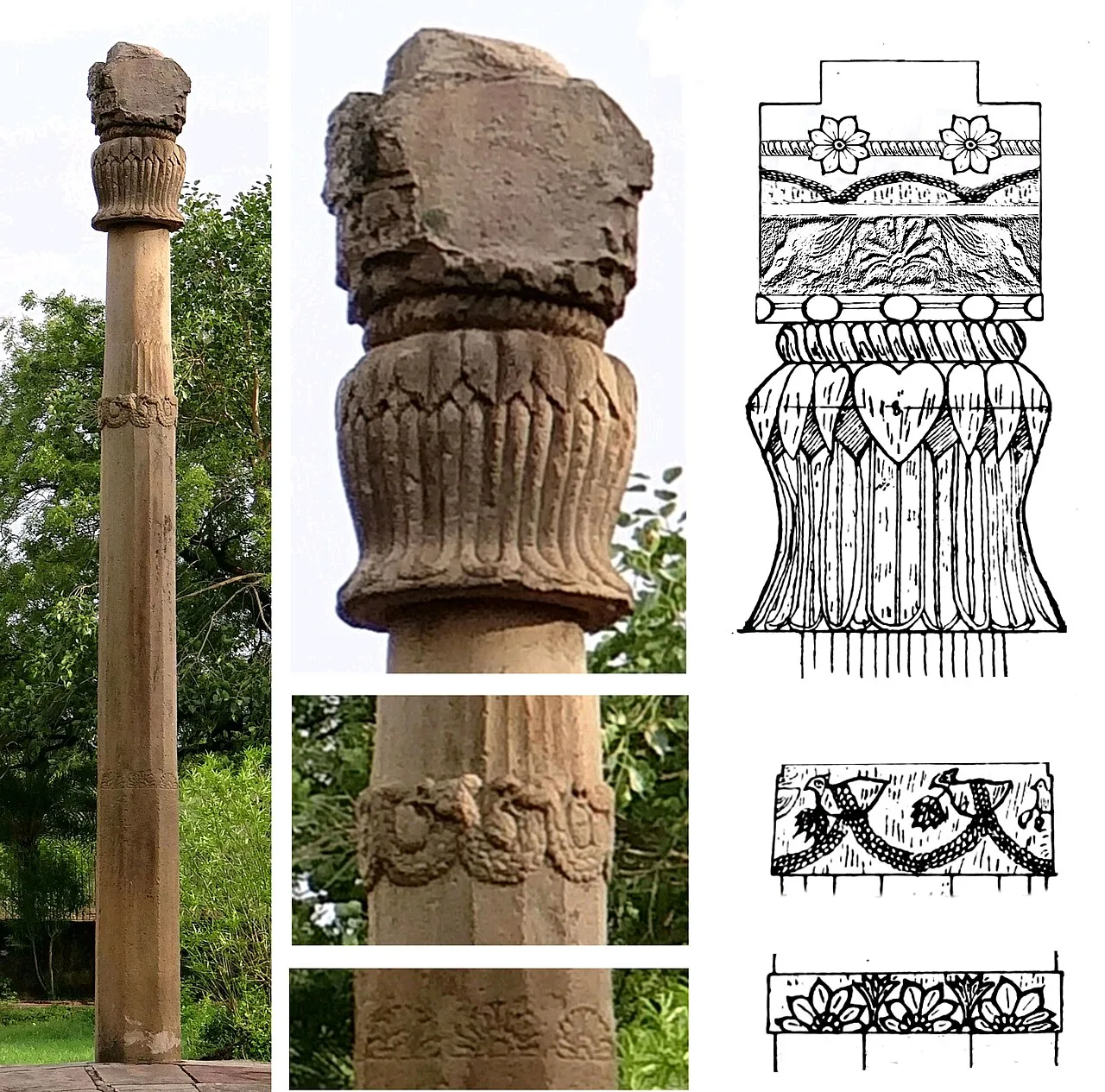
This ancient column at Besnagar bears a dedication to Vāsudeva by the Greek envoy Heliodorus. Visitors come to see its inscription and its significance in the early history of Vaishnavism.

Islamnagar

119 km away · Bhopal district

Islamnagar

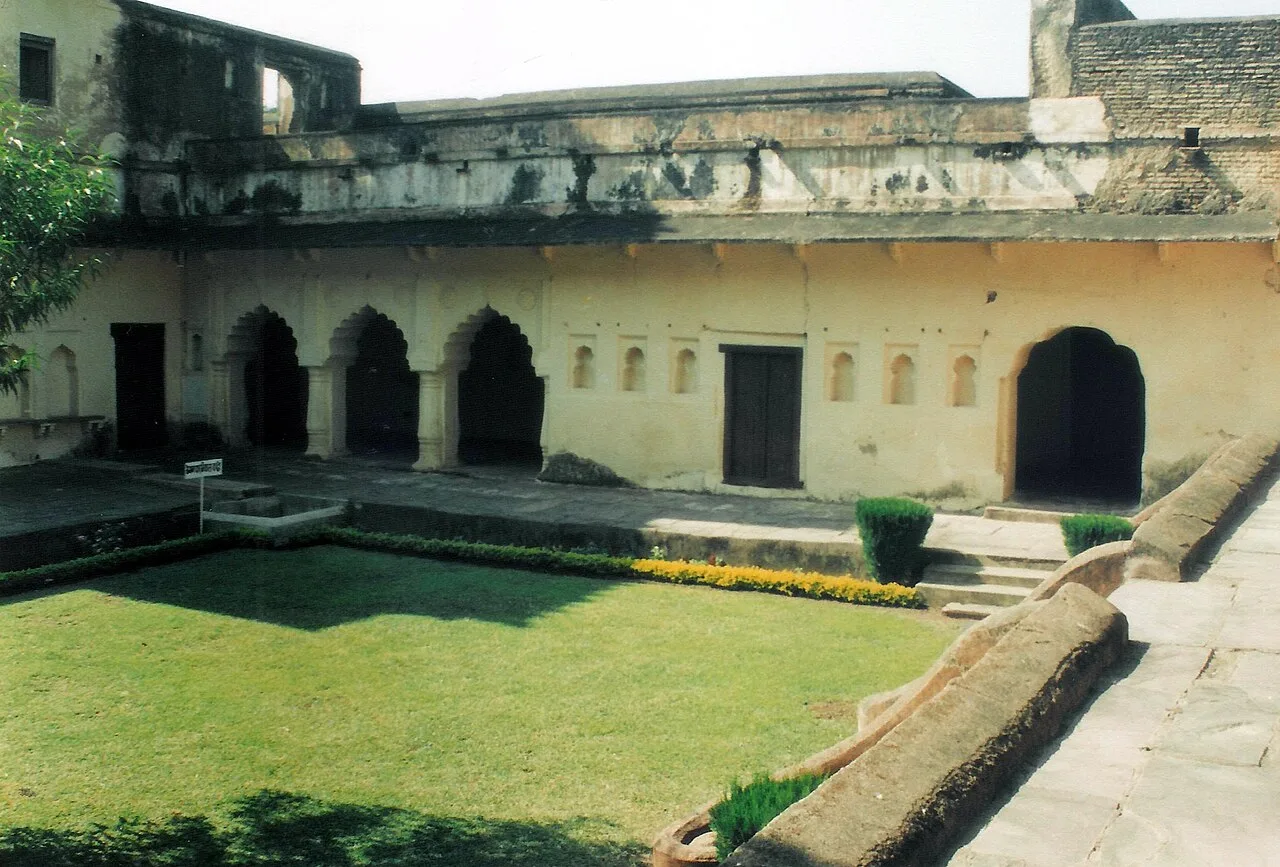
Islamnagar, officially Jagdishpur since February 2023, is a panchayat village in Bhopal district, Madhya Pradesh, visited for the ruined palaces built by Bhopal’s founder.

Udayagiri Caves

119 km away · Vidisha district

Udayagiri Caves

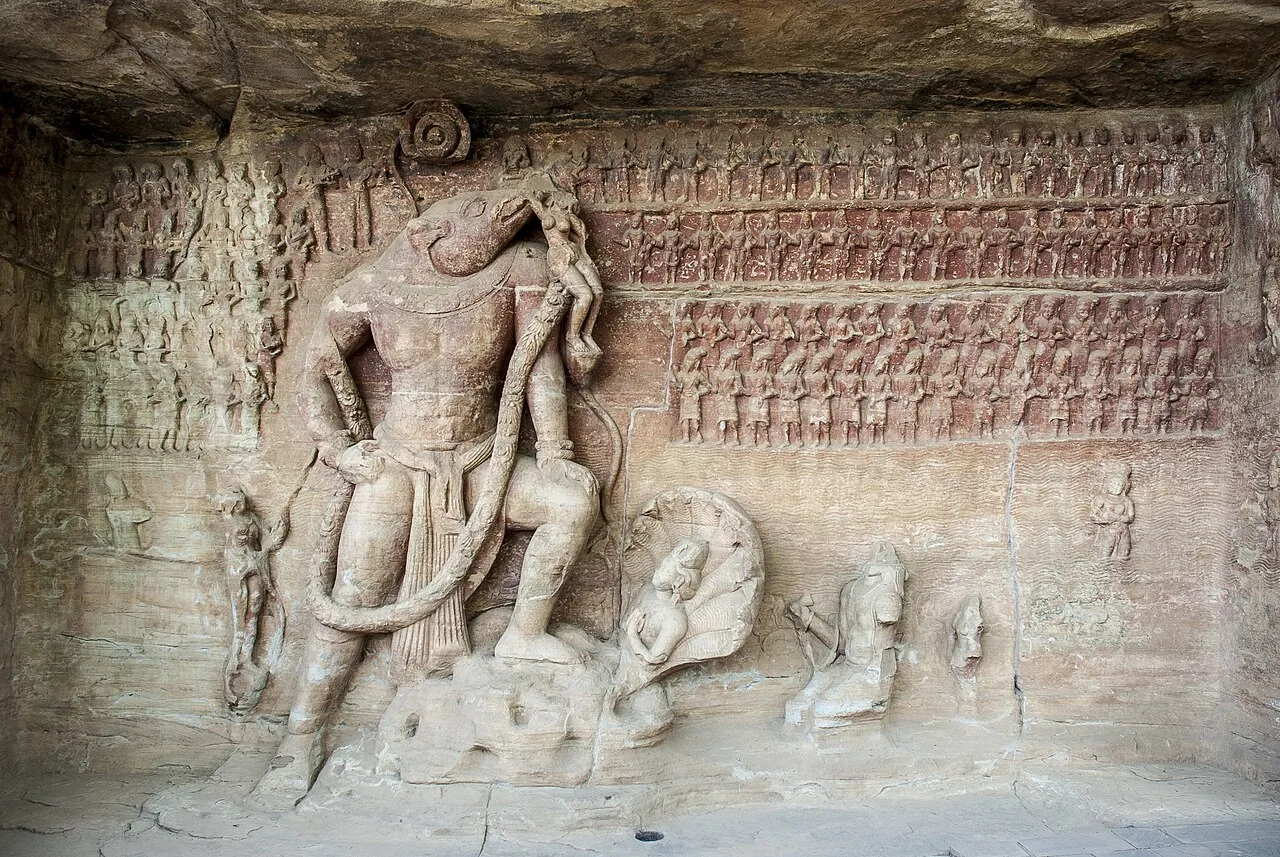
Udayagiri is a group of twenty caves in Madhya Pradesh, known for early Hindu and Jain imagery, Gupta-era inscriptions and a monumental carving of Vishnu as Varaha.

Sanchi Stupa No. 2

121 km away · Raisen district

Sanchi Stupa No. 2

In Raisen district, Madhya Pradesh, Sanchi’s second stupa forms part of the Buddhist complex and draws interest for its early relief carvings and association with Jataka illustrations.

Sanchi Stupa

122 km away · Sanchi district

Sanchi Stupa

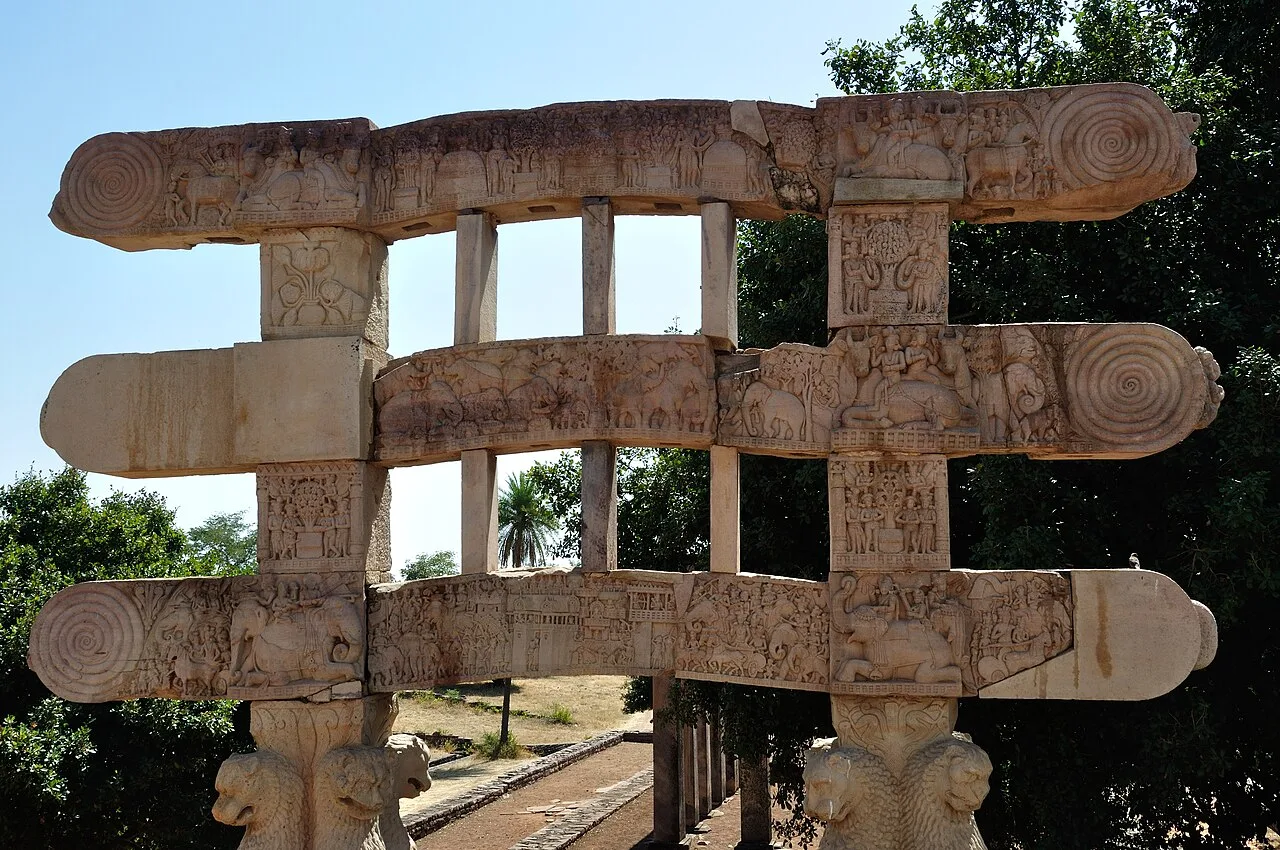
Sanchi is a Buddhist complex in Madhya Pradesh, centred on the Great Stupa. Visitors come to see its historic architecture and explore a site associated with the development of Buddhism in India.

Bhoj Wetland, Bhopal

128 km away · Sehore district

Bhoj Wetland, Bhopal

Bhoj Wetland is a two-lake complex in Bhopal, Madhya Pradesh. Visitors are drawn to its wetland habitats, varied wildlife and waterbirds.

Bhojtal

128 km away · Bhopal district

Bhojtal

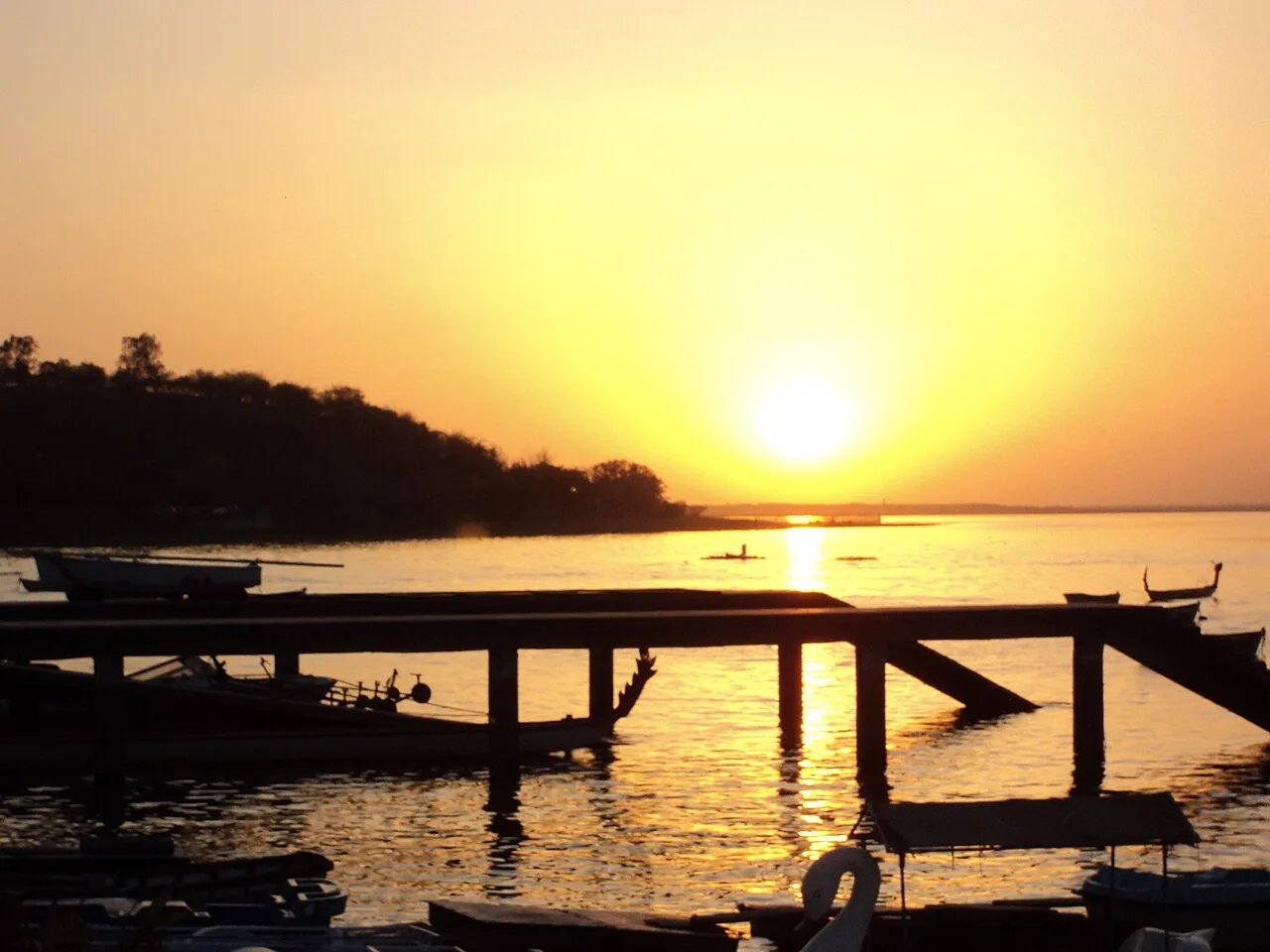
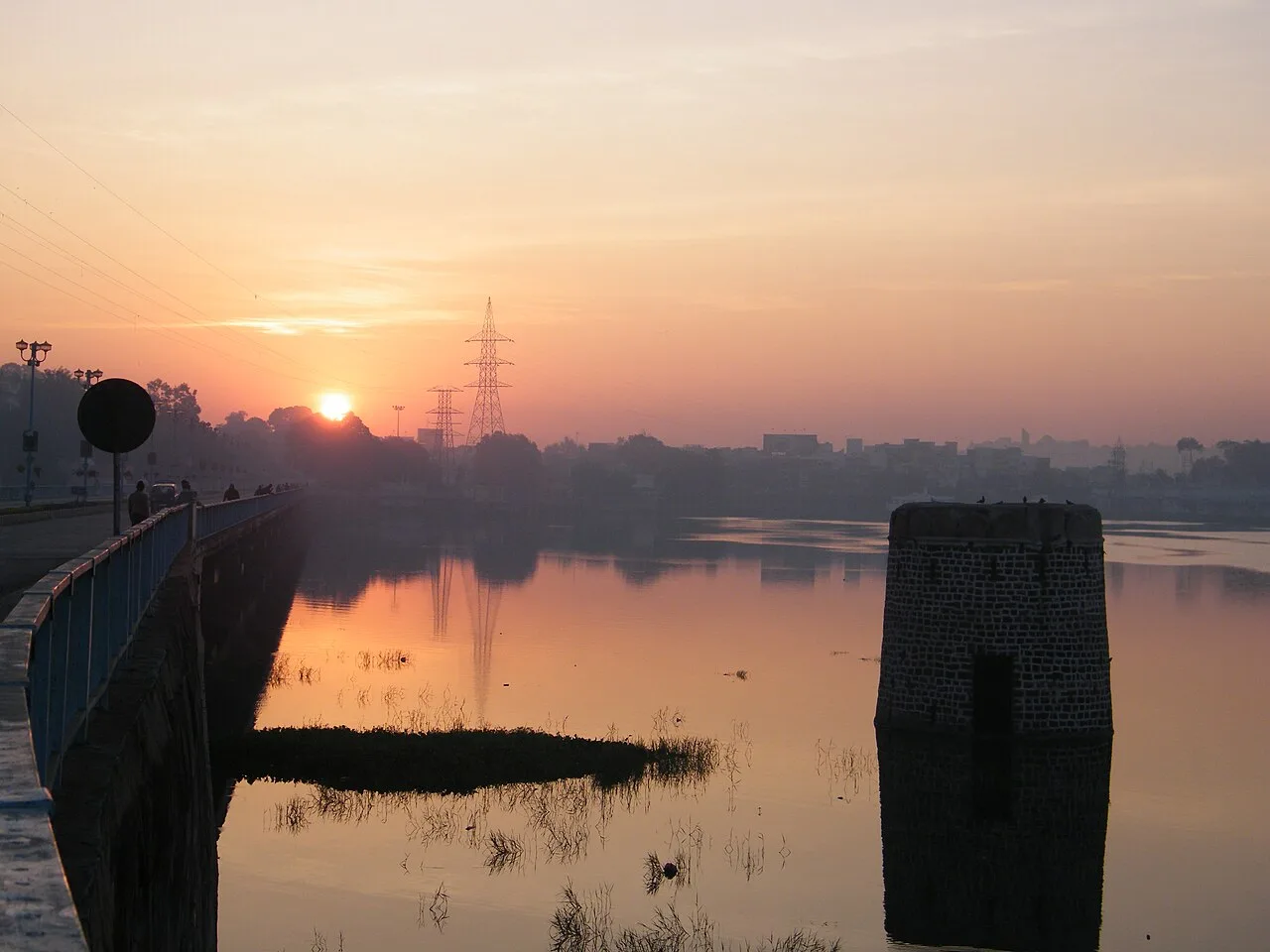
Bhojtal, also called Upper Lake, is a large lake on Bhopal’s western side. Visitors can see it as part of the Bhoj Wetland, formed with nearby Lower Lake and designated a Ramsar site.

Map

Kumbhraj on the map

  1. 1Chanderi Town
  2. 2Heliodorus pillar
  3. 3Islamnagar
  4. 4Udayagiri Caves
  5. 5Sanchi Stupa No. 2
  6. 6Sanchi Stupa
  7. 7Bhoj Wetland, Bhopal
  8. 8Bhojtal

Madhya Pradesh

Other cities to explore