Ghumoopedia — Explore, Discover, Experience
Sign in

City guide · Madhya Pradesh

Sironj

Sironj is a historic town and tehsil headquarters in Vidisha district, northwest of Vidisha city. Its location connects the Malwa and Bundelkhand regions, and it serves as a local centre for surrounding villages.

Famous for

  • Historic muslin and calico
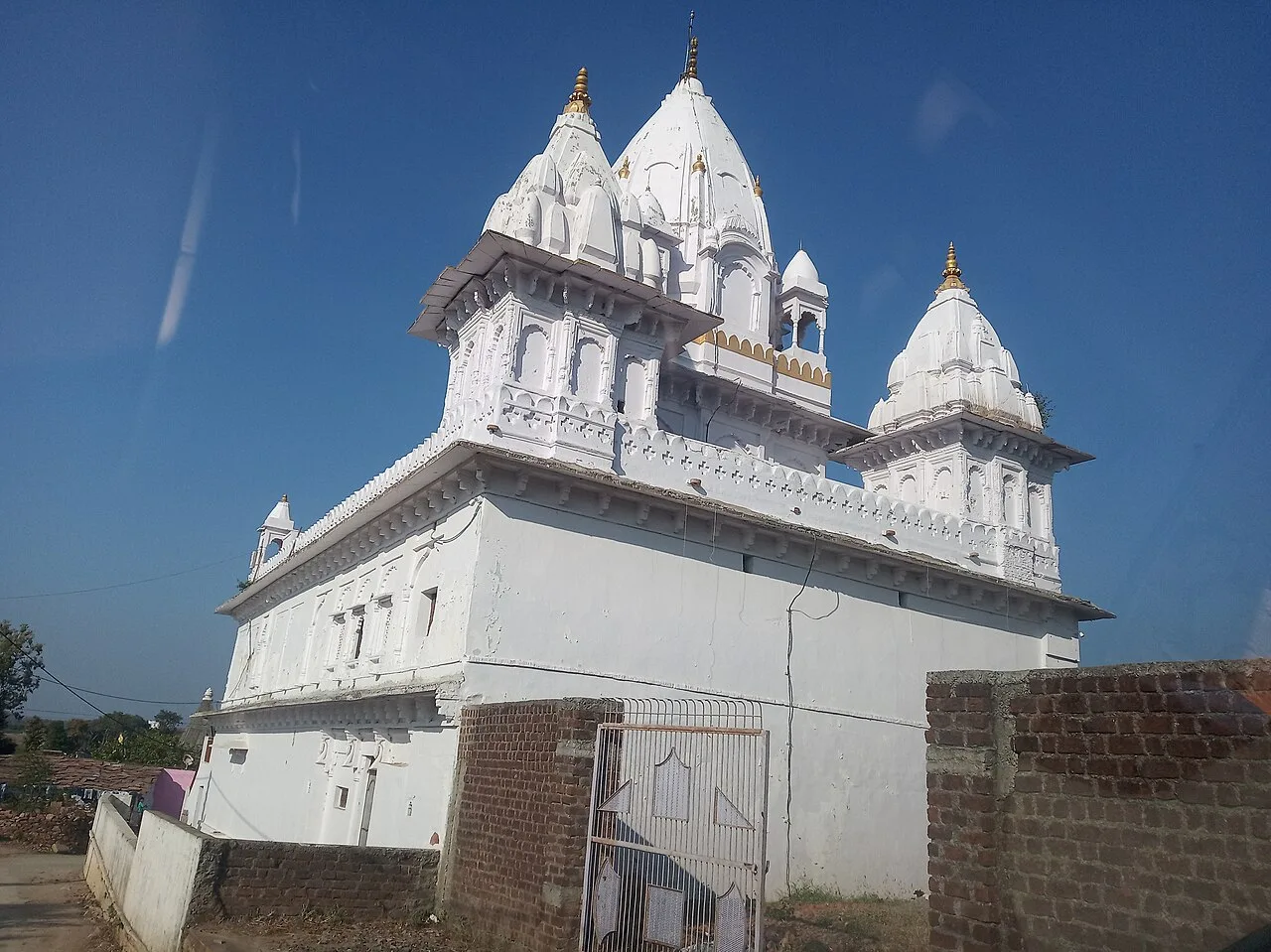
  • Giridhari Temple
  • Jama Masjid
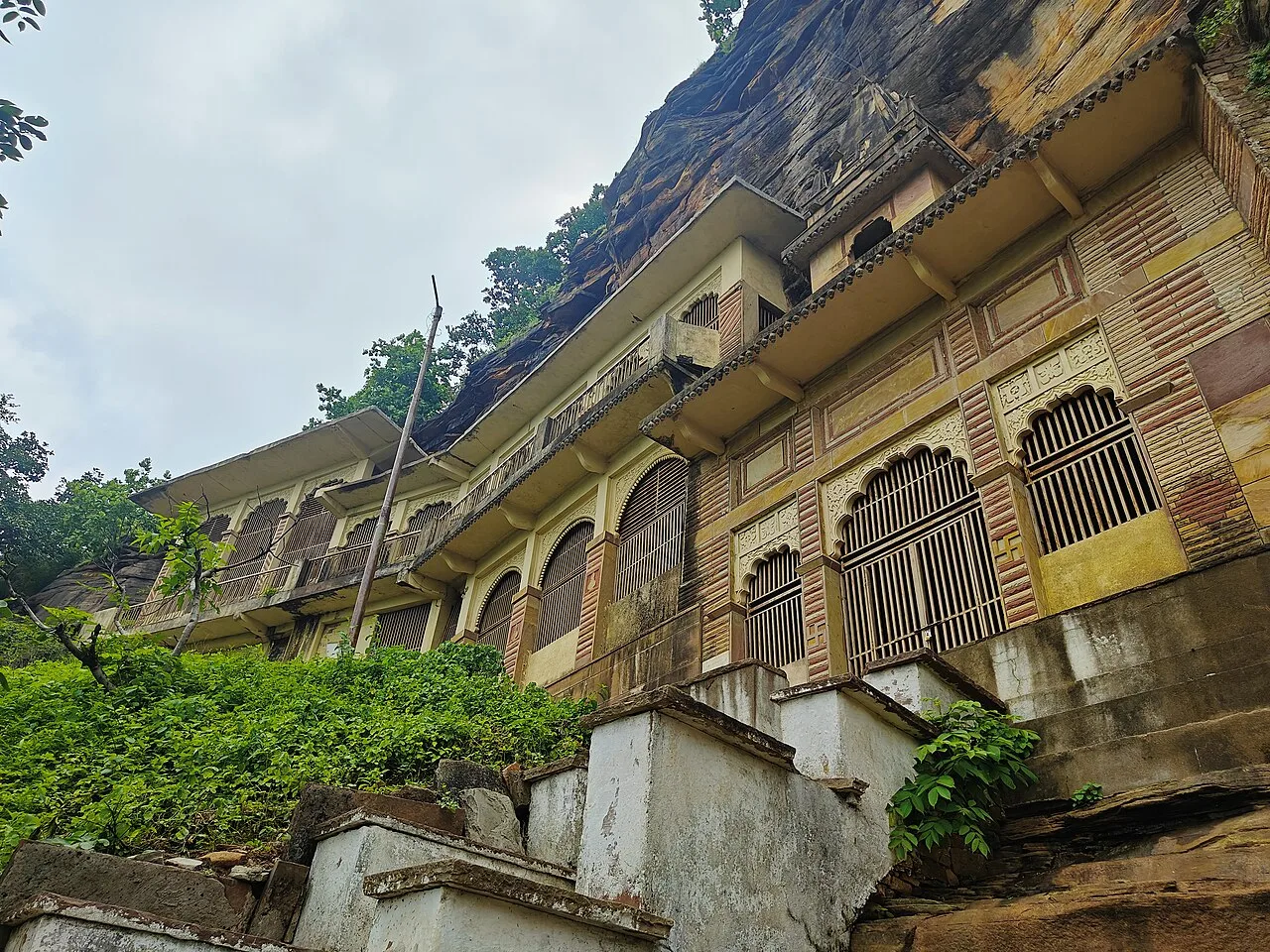
  • Jain pilgrimage heritage
  • Jatashankar Temple
  • Mahamaya Temple

Why Sironj matters

Sironj is a historic town and tehsil headquarters in Vidisha district, northwest of Vidisha city. Its location connects the Malwa and Bundelkhand regions, and it serves as a local centre for surrounding villages. Visitors come for its mix of Hindu and Muslim places of worship, medieval history and older textile reputation. The town’s best-known landmarks include Giridhari Temple, Jama Masjid, Jatashankar Temple and Mahamaya Temple.

Sironj also has a Jain pilgrimage heritage, while remains of historic forts can be found in and around the wider area. Its appeal lies less in a single monument than in the close-knit old town, where religious sites and traces of successive rulers reflect a layered past. Sironj is known historically for muslin and calico textiles, although its present-day textile trade is best explored by asking locally. It makes a rewarding stop for travellers interested in central India’s smaller historic towns and can be combined with visits to other places in Vidisha district.
Famous for: crafts, trade & products

Sironj’s most distinctive commercial association is with textiles. Historical accounts describe the town as a centre for fine muslin and calico, fabrics that gave it a wider reputation. That legacy is part of the city’s identity, though the scale and availability of locally made cloth today may vary. Travellers interested in textiles can ask in the town’s general and clothing markets about locally woven or sourced fabric; there is no single established shopping district or guaranteed product outlet to rely on.

The local bazaars mainly serve everyday needs, with clothing, household goods and food among the usual offerings. Sironj is not especially known for a specific handicraft or a widely recognised GI-tagged product, so it is best not to assume that a product sold here is locally made. The town’s enduring points of interest are as much architectural as commercial: Giridhari Temple and the old Jama Masjid offer a sense of its historical layers. For a more informed visit, ask residents or shopkeepers about the town’s textile past and any current producers or specialist sellers.

History

Sironj is associated with the Sengar Rajputs, and local historical accounts connect its early growth with a Sengar kingdom in Malwa. The Giridhari Temple, linked to the Sengar ruler Girdhari Singh, preserves an inscription referring to Sengar rule; the inscription is dated to the medieval period. Fort remains around Sironj and nearby settlements point to the area’s earlier political importance.

The town is said to have remained under Rajput control until the 18th century. Accounts describe a major Mughal-era conflict during Aurangzeb’s reign, after which power in the region shifted. In a later phase, the Holkars are said to have granted Sironj to Amir Khan, who became Nawab of Tonk in the early 19th century and later aligned with the British. Over time Sironj developed as a regional settlement and administrative centre. Today it is a municipality and tehsil headquarters within Vidisha district, serving residents of the town and surrounding countryside.

Food, festivals & culture

Sironj’s culture reflects its position between Malwa and Bundelkhand and its long history as a meeting place for different communities. Hindi is widely used in daily life, alongside Urdu and regional speech influenced by the surrounding areas. The town’s religious landscape includes Hindu temples, a historic mosque and Jain heritage. Visitors should be respectful at places of worship and check locally about access or any customs that apply.

Diwali and Holi are widely observed, while Navratri brings seasonal devotional activity. Muslim residents mark Eid, and Jain observances such as Paryushan are important to the Jain community. Festivals generally follow the religious calendar, so dates vary each year. Everyday food is broadly central Indian: meals may include wheat rotis, dal and seasonal vegetables, while poha is a familiar breakfast and sweets such as jalebi are commonly found. Sironj is not particularly associated with one signature dish. Folk and devotional music form part of regional celebrations, with local styles drawing on Malwa and Bundelkhand traditions.

Visiting the city

The cooler months, roughly October to March, are generally the most comfortable time to explore Sironj. Summer can be very hot, while monsoon travel may bring rain and slower road journeys. The nearest commonly used railway station is Ganj Basoda; Vidisha is another rail option, depending on your route. Raja Bhoj Airport in Bhopal is the nearest major airport, followed by onward road travel.

Buses and private vehicles connect Sironj with towns in the region. Within town, local auto-rickshaws and short walks are practical for getting between central sights; arrange a vehicle for sites farther apart or fort remains outside the centre. Start in the older central neighbourhood around Jama Masjid, then visit Giridhari Temple and the Jatashankar and Mahamaya temples. Confirm local access and transport arrangements before setting out.

Trips from the city

Nearest places to visit from Sironj

Our closest destination guides, by straight-line distance.

Heliodorus pillar

63 km away · Vidisha district

Heliodorus pillar

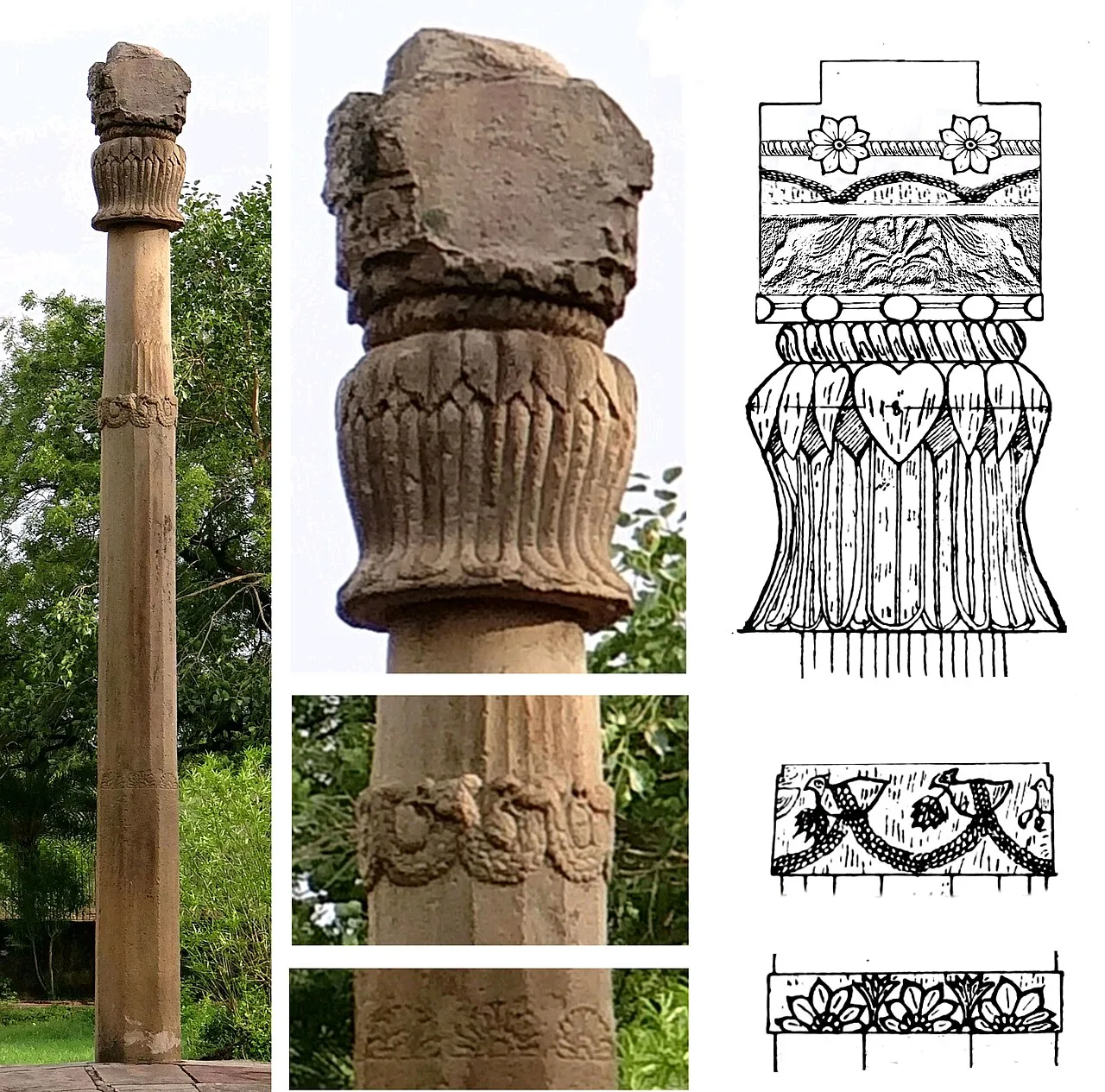
This ancient column at Besnagar bears a dedication to Vāsudeva by the Greek envoy Heliodorus. Visitors come to see its inscription and its significance in the early history of Vaishnavism.

Udayagiri Caves

64 km away · Vidisha district

Udayagiri Caves

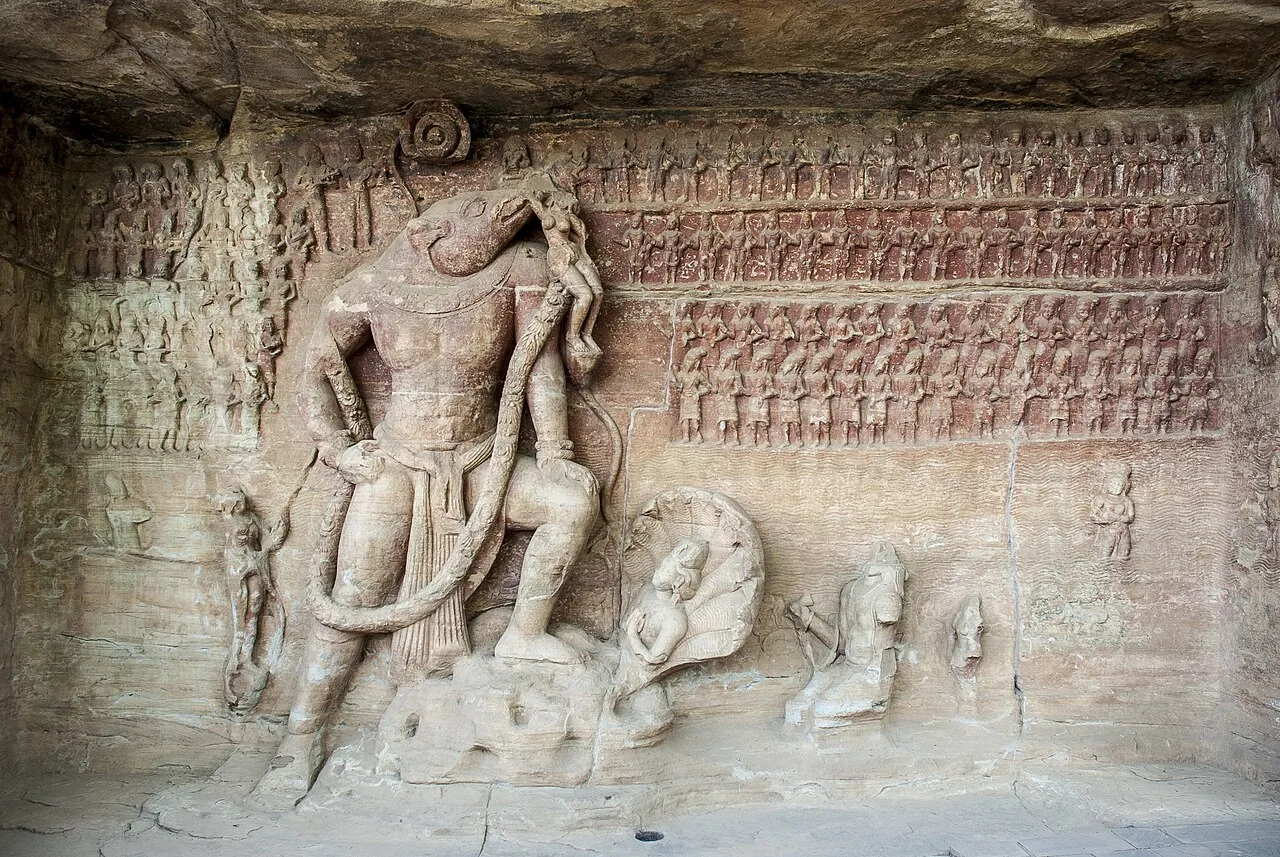
Udayagiri is a group of twenty caves in Madhya Pradesh, known for early Hindu and Jain imagery, Gupta-era inscriptions and a monumental carving of Vishnu as Varaha.

Sanchi Stupa No. 2

69 km away · Raisen district

Sanchi Stupa No. 2

In Raisen district, Madhya Pradesh, Sanchi’s second stupa forms part of the Buddhist complex and draws interest for its early relief carvings and association with Jataka illustrations.

Sanchi Stupa

70 km away · Sanchi district

Sanchi Stupa

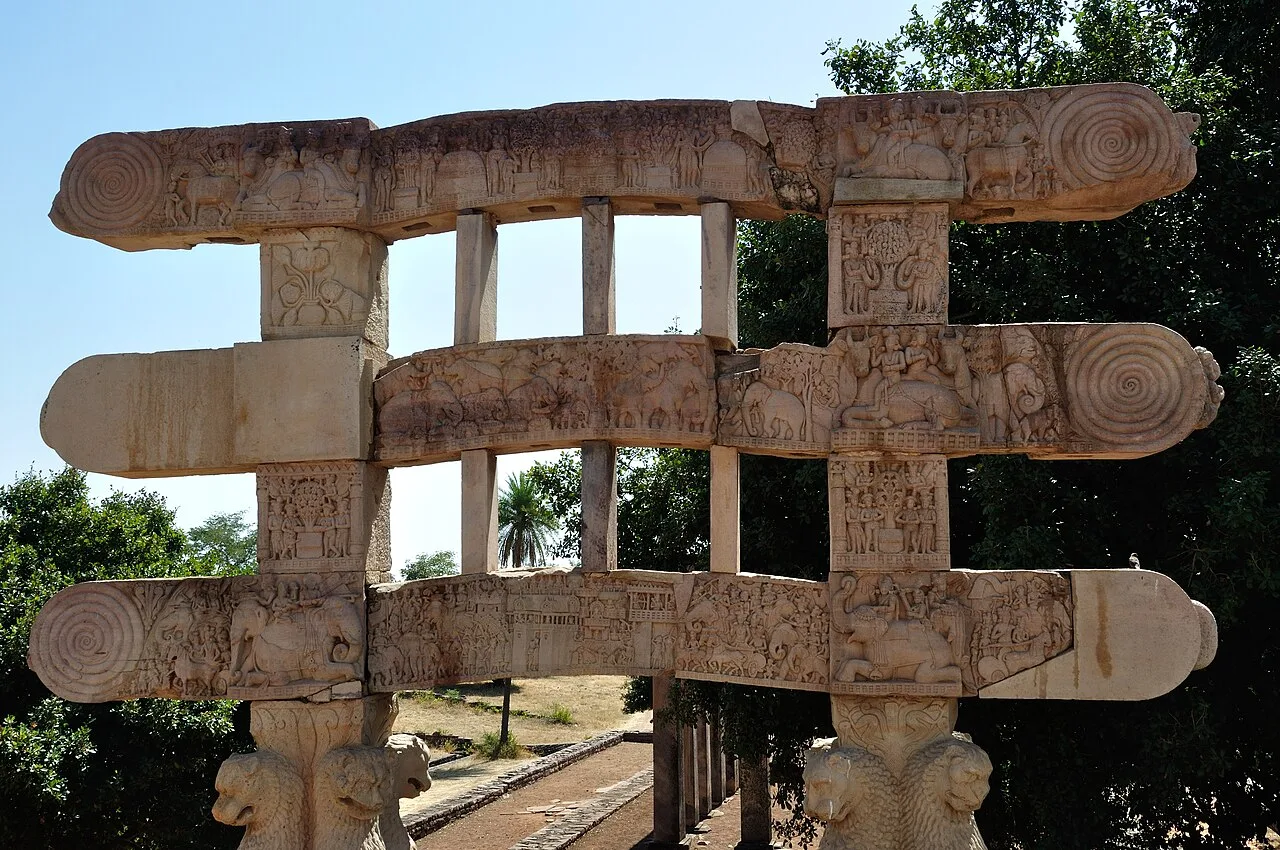
Sanchi is a Buddhist complex in Madhya Pradesh, centred on the Great Stupa. Visitors come to see its historic architecture and explore a site associated with the development of Buddhism in India.

Rahatgarh Fort

78 km away · Sagar district

Rahatgarh Fort

Rahatgarh Fort is in Sagar district, Madhya Pradesh. Visitors come to see the fort, while the town of Rahatgarh is also notable as a nagar panchayat and tehsil headquarters.

Chanderi Town

82 km away · Chanderi district

Chanderi Town

Chanderi is a historic town in Madhya Pradesh, visited for monuments linked to regional dynasties and its ancient Jain temples, amid hills, lakes and forests.

Islamnagar

88 km away · Bhopal district

Islamnagar

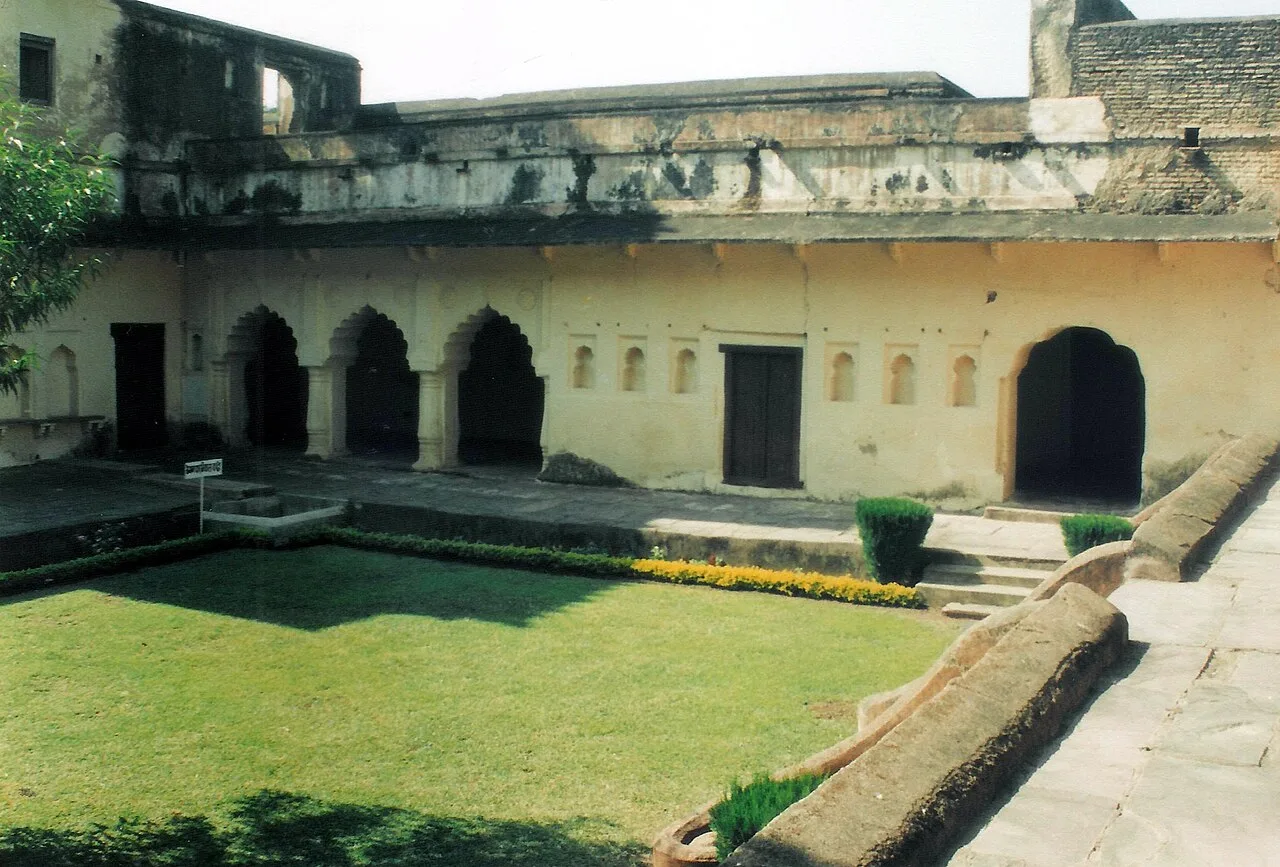
Islamnagar, officially Jagdishpur since February 2023, is a panchayat village in Bhopal district, Madhya Pradesh, visited for the ruined palaces built by Bhopal’s founder.

Taj-ul-Masajid

98 km away · Bhopal district

Taj-ul-Masajid

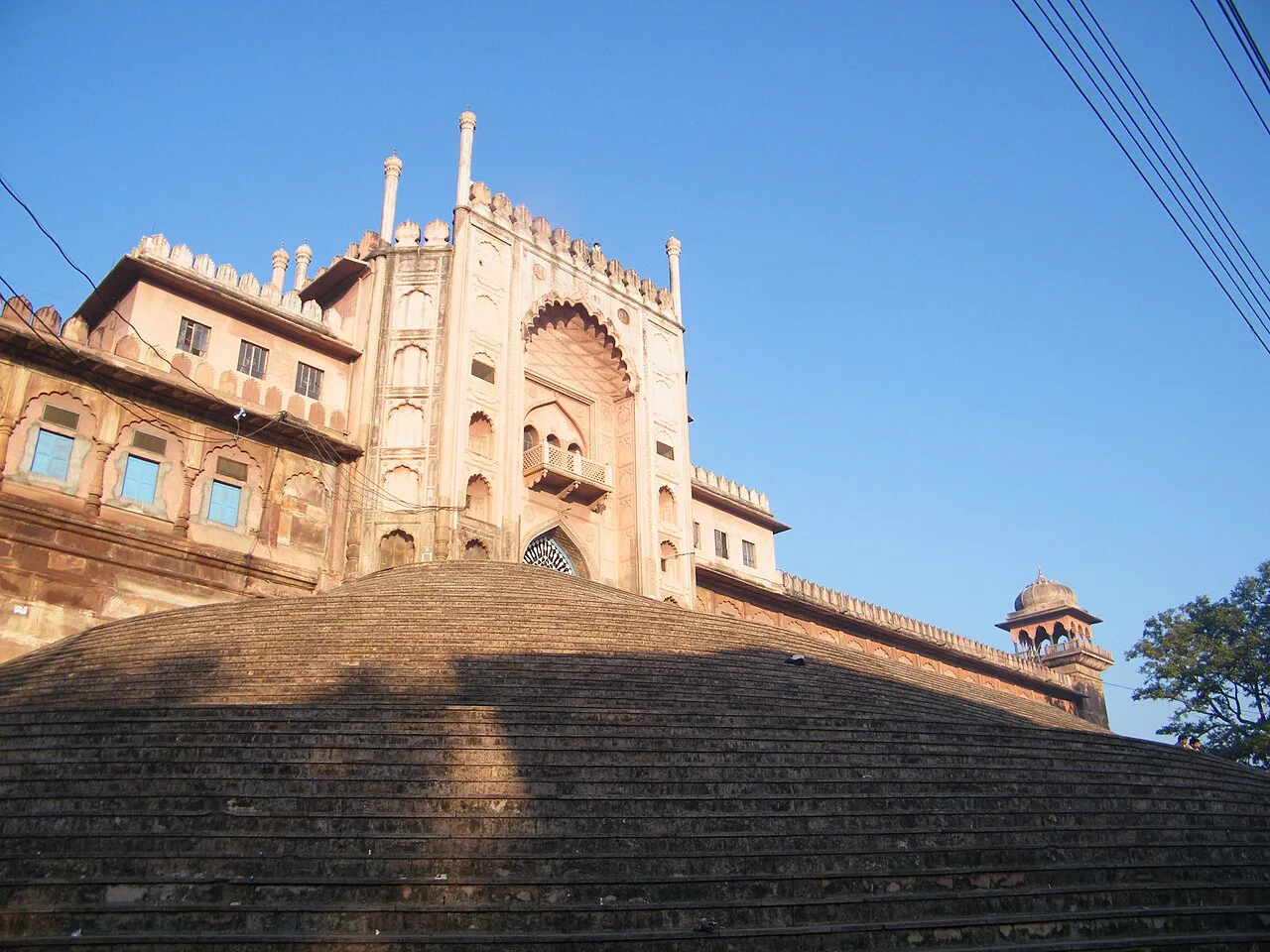
Taj-ul-Masajid is a Sunni mosque in Bhopal, Madhya Pradesh, associated with Tablighi Jamaat and the Deobandi movement. People visit for prayer and to see one of India’s largest mosques.

Map

Sironj on the map

  1. 1Heliodorus pillar
  2. 2Udayagiri Caves
  3. 3Sanchi Stupa No. 2
  4. 4Sanchi Stupa
  5. 5Rahatgarh Fort
  6. 6Chanderi Town
  7. 7Islamnagar
  8. 8Taj-ul-Masajid

Madhya Pradesh

Other cities to explore