Ghumoopedia — Explore, Discover, Experience
Sign in
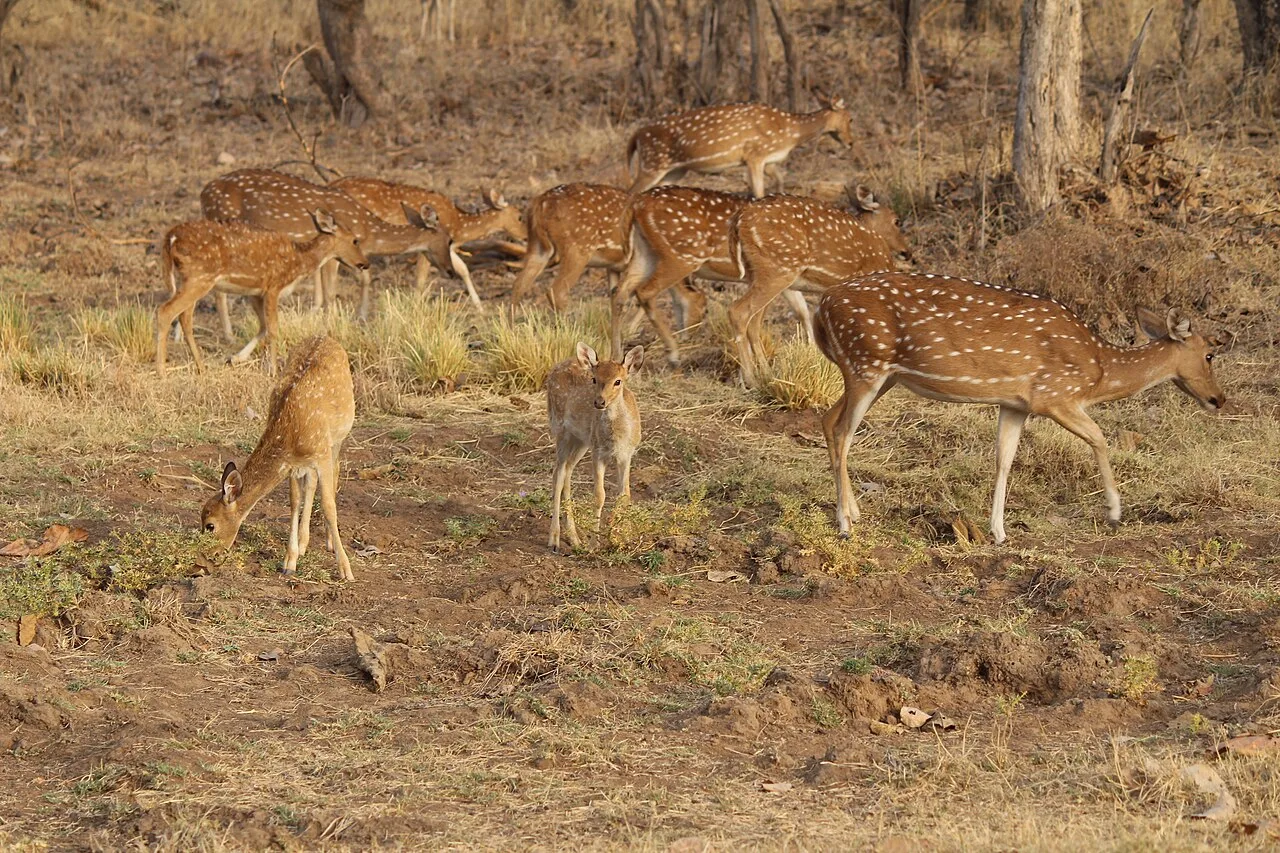
Panna National Park, near Pawai

City guide · Madhya Pradesh

Pawai

Pawai is a small town in Panna district, in the Bundelkhand region of Madhya Pradesh. Its main importance is administrative: it is the headquarters of Pawai tehsil and a service centre for surrounding villages.

Famous for

  • Patne River setting
  • Pawai tehsil headquarters
  • Panna district countryside
  • Bundelkhand regional culture

Why Pawai matters

Pawai is a small town in Panna district, in the Bundelkhand region of Madhya Pradesh. Its main importance is administrative: it is the headquarters of Pawai tehsil and a service centre for surrounding villages. Government offices, shops and everyday services make it a practical stop for residents travelling from the rural hinterland, rather than a large urban destination in its own right.

The town lies beside the Patne River, giving it a landscape shaped by the seasonal rhythms of central India. Visitors may find Pawai useful as a base for experiencing rural Panna district and its regional culture. The wider district is known for natural and historic attractions, though Pawai itself is best approached as a modest local centre, not as a substitute for those destinations. Its appeal lies in its riverbank setting, everyday market life and position within the countryside. Travellers should check local transport and services before making it the starting point for longer excursions.
Famous for: crafts, trade & products

Pawai is not widely identified as a centre for a signature textile, handicraft or GI-tagged product. There is little basis for attributing a particular craft or manufactured speciality to the town, so visitors looking for one should ask locally rather than rely on assumptions about the district. Pawai’s more evident role is as a small market and administrative centre serving nearby villages.

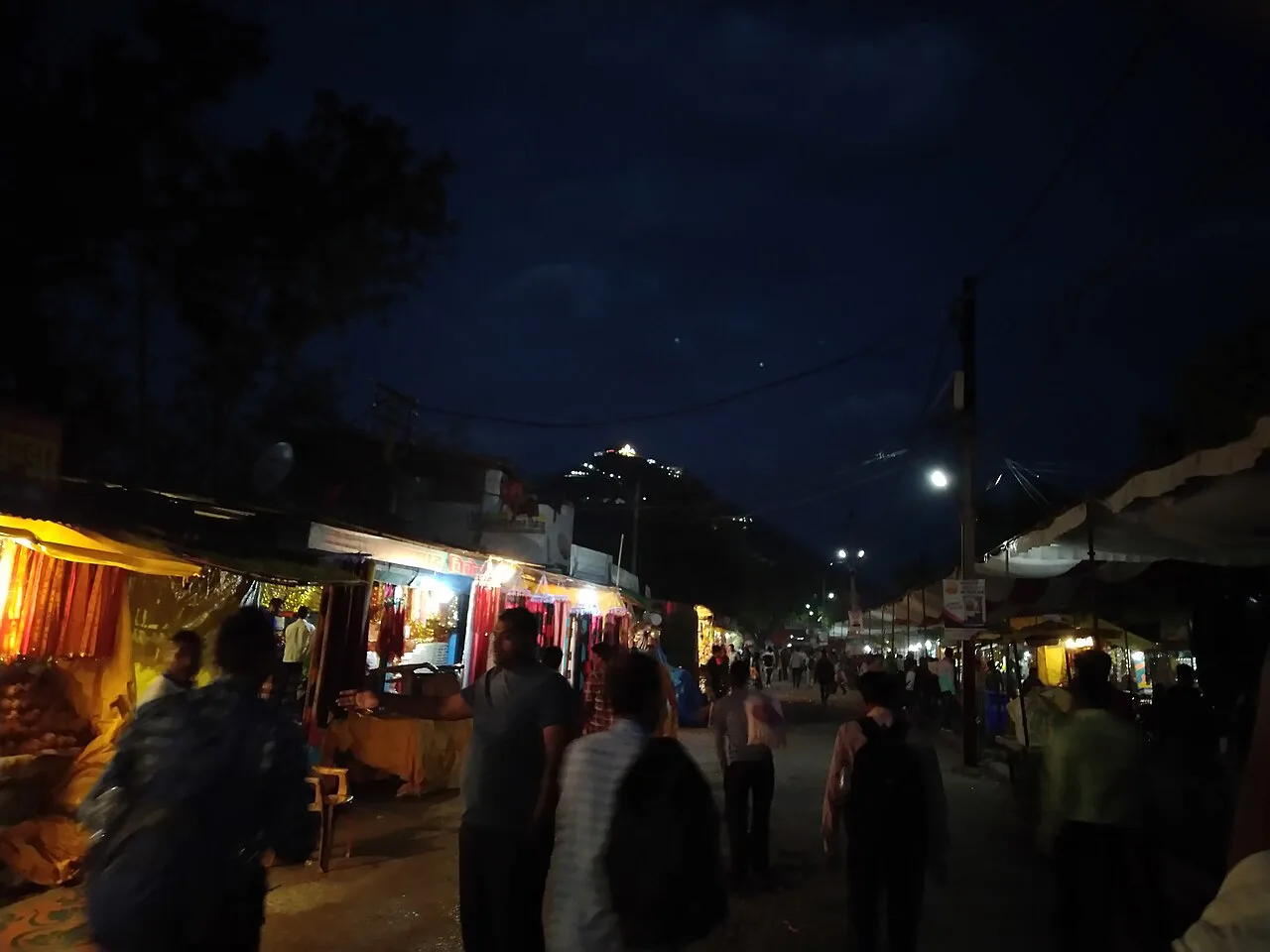
The town’s shops and local market are the practical places to look for daily-use goods and seasonal produce brought in from the surrounding countryside. They offer a chance to see ordinary small-town trade, rather than a dedicated tourist bazaar or established craft quarter. The central market area is a sensible place to ask about local foods, farm products and artisans working nearby; availability can vary by season. For named regional crafts or specialist shopping, travellers may need to enquire in larger district or regional centres. Pawai’s identity is more closely tied to local services and its tehsil role than to a nationally recognised product or industry.

History

Pawai’s documented profile is chiefly that of a regional administrative centre. Its position as the headquarters of Pawai tehsil reflects its continuing role in the civic and service life of the surrounding villages. The town stands within the historic Panna region, whose wider political history includes Bundela rule. Panna became associated with the Bundela ruler Chhatrasal and later developed as the centre of a princely state. That history belongs to the region as a whole; it should not be taken to mean that Pawai was the state capital or the site of a particular royal foundation.

During the colonial period, Panna’s princely-state history formed part of the political landscape of central India. After independence, the region was incorporated into the modern administrative framework of Madhya Pradesh. Pawai’s subsequent growth has been linked less to a major industrial or royal centre than to its local-government functions, road connections and role serving the rural population of the tehsil. Its riverbank setting remains a notable feature of the town.

Food, festivals & culture

Daily life in Pawai reflects the rural and small-town culture of the Bundelkhand region. Hindi is widely used, and Bundeli is also part of local speech and cultural expression. Everyday meals commonly draw on wheat flatbreads, lentils and seasonal vegetables; what is available changes with the season. Sweets such as laddoo and gujiya are familiar during celebrations, though individual households and shops may have their own preferences.

Holi, usually in spring, and Diwali, generally in autumn, are among the major Hindu festivals observed in the area. Navratri brings seasonal worship and community gatherings. Bundeli folk traditions include regional songs and dance forms, which may be heard at local celebrations, but scheduled performances are not guaranteed. Places of worship are part of neighbourhood life; visitors should dress respectfully and follow local customs. For a more specific picture of events during a visit, ask residents or local officials, as celebrations are community-led and their scale can vary.

Visiting the city

The cooler months, roughly October to March, are generally the most comfortable time to visit. Summer can be very hot, while monsoon rain may affect road journeys. Khajuraho Airport is the nearest airport commonly used for this part of the region; Satna is a principal railway station for onward travel. Confirm current road connections before setting out, since Pawai is a small town and onward transport may require planning.

Within Pawai, the central market and administrative area are useful places to orient yourself, while the Patne River offers a look at the town’s setting. Local travel is typically by road, with auto-rickshaws or other shared transport available depending on the day. Ask locally about onward rides to nearby villages or attractions. Carry essentials if travelling beyond the town centre, where services may be limited.

Trips from the city

Nearest places to visit from Pawai

Our closest destination guides, by straight-line distance.

Panna National Park

54 km away · Chhatarpur district

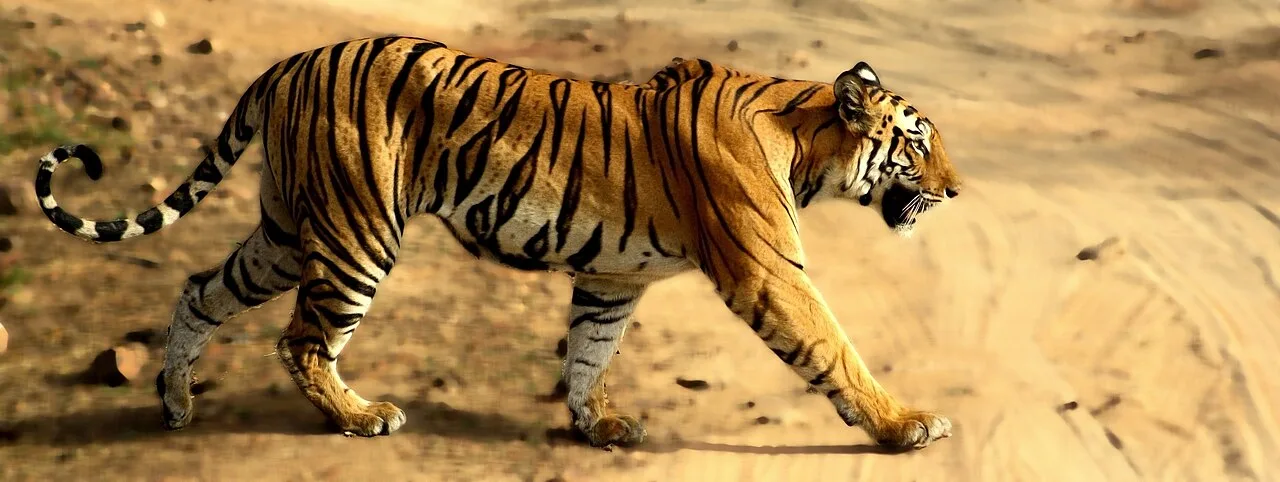
Panna National Park

Located in Panna and Chhatarpur districts of Madhya Pradesh, Panna National Park covers 542.67 square kilometres. Visitors come for its wildlife, especially tigers, and its status as a tiger reserve.

Kundalpur Jain Temples

55 km away · Damoh district

Kundalpur Jain Temples

The Kundalpur Jain Temples are a pilgrimage destination for Digambar Jains in Madhya Pradesh’s Damoh district. The town of Kundalpur lies 37 kilometres north-east of Damoh city.

Maihar Sharda Temple

61 km away · Satna district

Maihar Sharda Temple

Maihar Sharda Temple is a religious shrine in Madhya Pradesh, associated with Maa Sharda and counted among the Shakti Peeth. Worshippers visit for its religious significance.

Khajuraho Temples

70 km away · Khajuraho district

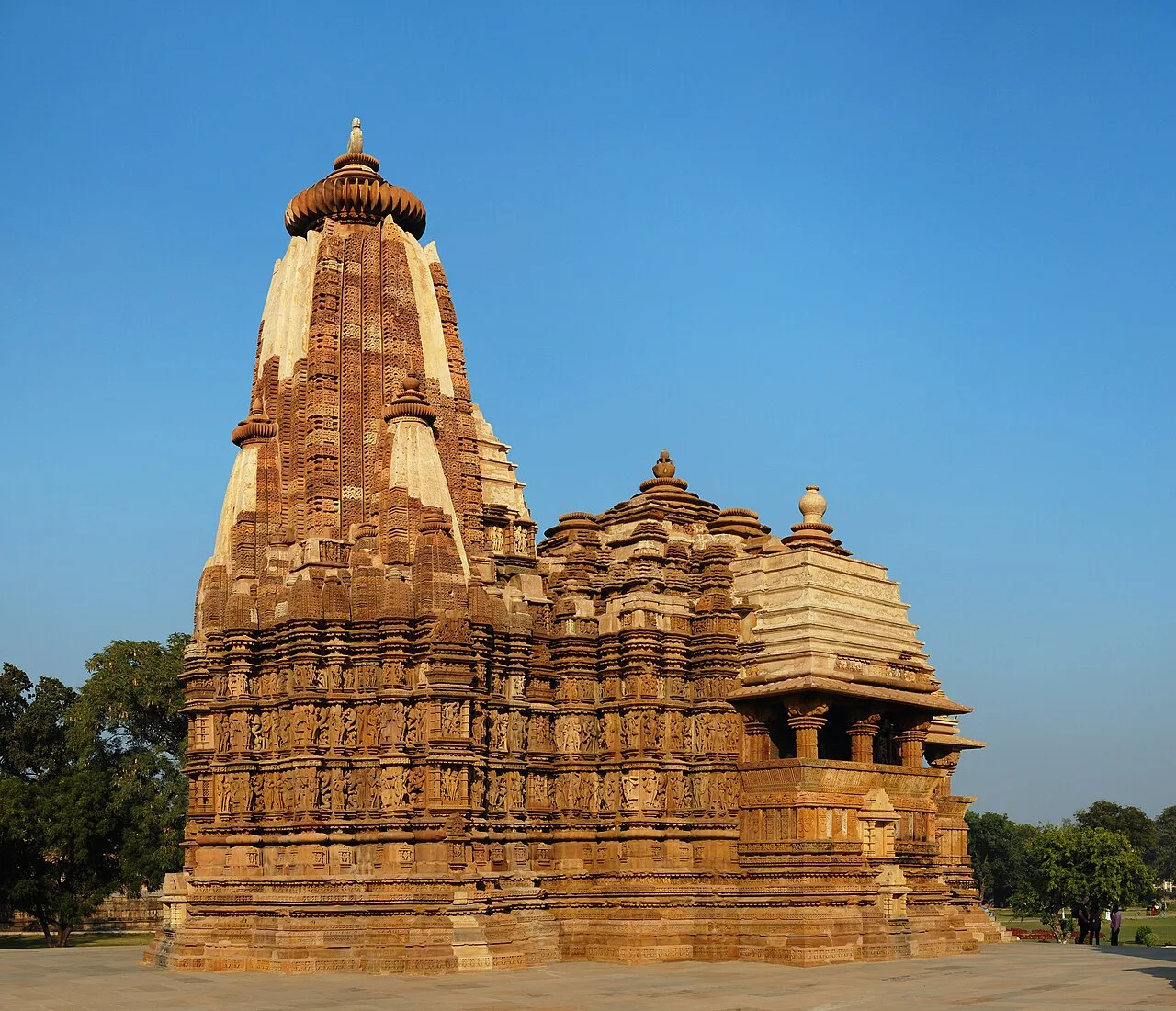
Khajuraho Temples

Khajuraho is a complex of Hindu and Digambara Jain temples in Madhya Pradesh, known for Nagara architecture and sculptural detail that attracts visitors interested in Indian art and religious history.

Raneh Falls

70 km away · Chhatarpur district

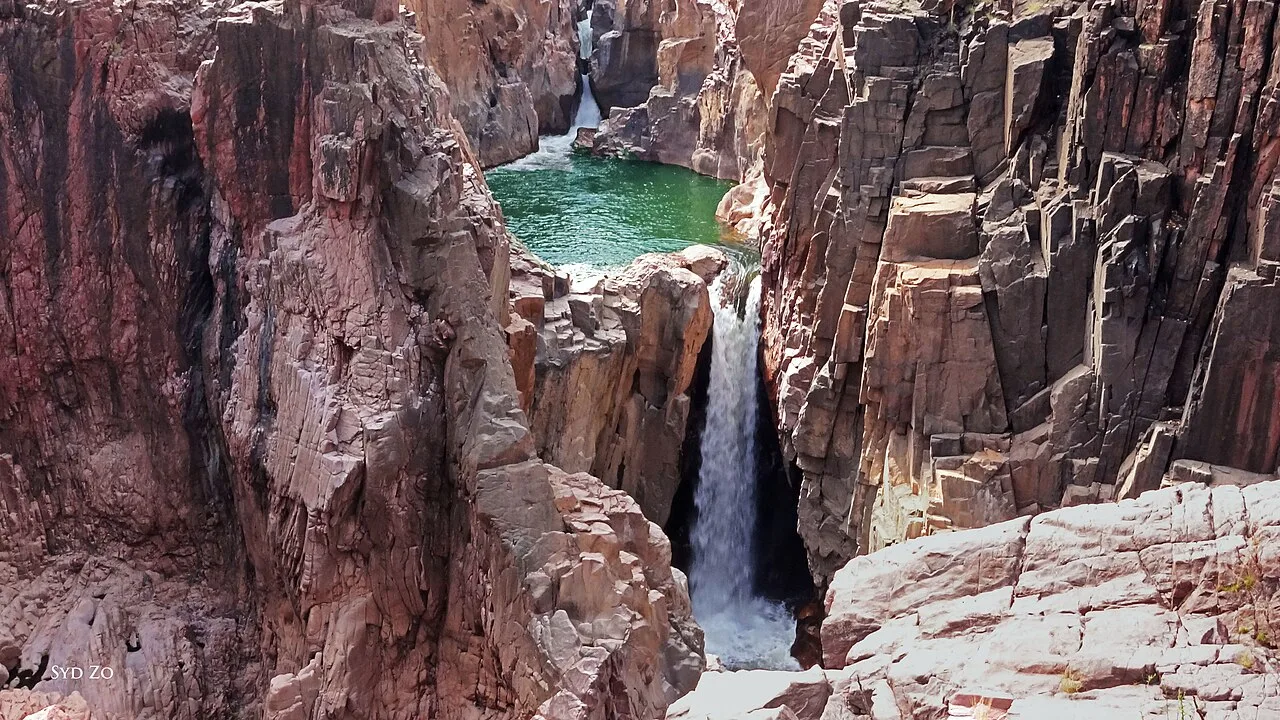
Raneh Falls

Raneh Falls is a natural cascade on the Ken River at Khajuraho in Madhya Pradesh. Visitors come to see the waterfall, which lies in Chhatarpur district.

Bharhut Stupa Remains

72 km away · Satna district

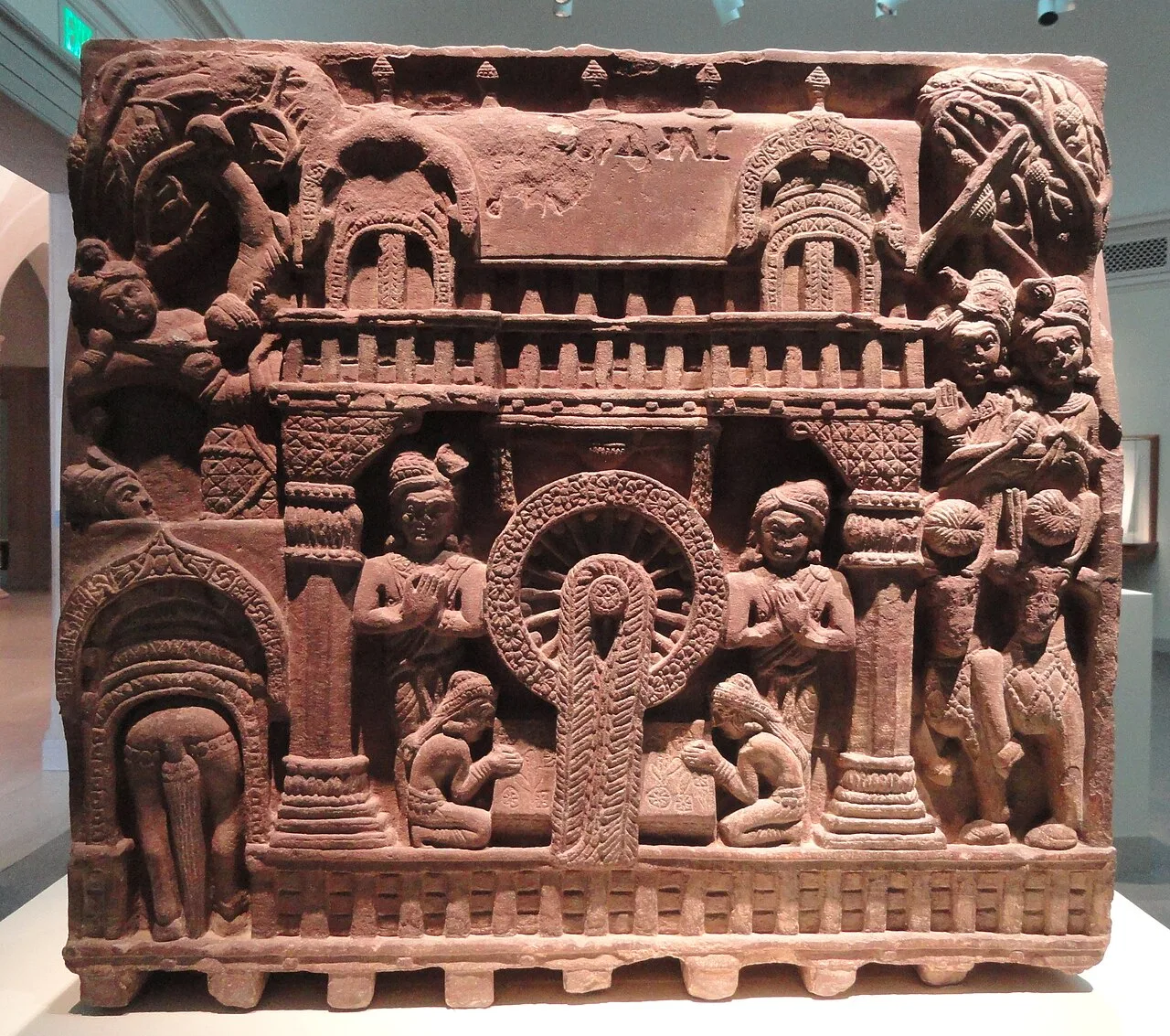
Bharhut Stupa Remains

Bharhut Stupa Remains are the surviving traces of a Buddhist stupa in Madhya Pradesh. Visitors come to learn about its early carvings, labelled relief panels and history, though most sculptures are now held elsewhere.

Bandhavgarh National Park

103 km away · Bandhavgarh district

Bandhavgarh National Park

Bandhavgarh National Park, in Umaria district, Madhya Pradesh, is a protected area with extensive forests and diverse wildlife. Visitors are drawn especially by its tigers and other animals.

Chitrakoot

106 km away · Chitrakoot district

Chitrakoot

Chitrakoot is a pilgrimage town and nagar panchayat in Madhya Pradesh, valued for its Ramayana associations, sacred sites and religious observances that draw visitors throughout the year.

Map

Pawai on the map

  1. 1Panna National Park
  2. 2Kundalpur Jain Temples
  3. 3Maihar Sharda Temple
  4. 4Khajuraho Temples
  5. 5Raneh Falls
  6. 6Bharhut Stupa Remains
  7. 7Bandhavgarh National Park
  8. 8Chitrakoot

Madhya Pradesh

Other cities to explore