Ghumoopedia — Explore, Discover, Experience
Sign in
Datia Palace, near Dabra

City guide · Madhya Pradesh

Dabra

Dabra is a regional town in Gwalior district, Madhya Pradesh, serving as the headquarters of a tehsil and community development block. Its position on the Gwalior–Jhansi route makes it a practical stop and a local centre for nearby villages.

Famous for

  • Paddy cultivation
  • Navagraha Temple
  • Sonagiri Jain pilgrimage
  • Dabra Railway Station
  • Nearby Bundela-era heritage

Why Dabra matters

Dabra is a regional town in Gwalior district, Madhya Pradesh, serving as the headquarters of a tehsil and community development block. Its position on the Gwalior–Jhansi route makes it a practical stop and a local centre for nearby villages. Agriculture, especially paddy cultivation, is part of the town’s identity, while its railway station and road links connect residents and visitors with larger cities across north and central India.

Visitors can explore Dabra’s temples and use the town as a base for nearby places of pilgrimage and history. Sonagiri, an important Jain hill pilgrimage, lies about 16 km away, and Datia is about 32 km away. Within the wider area are the Navagraha Temple near Magrora, Dhumeshwar Mahadev Temple and other local shrines. Antri, associated with the tomb of Mughal courtier Abul Fazl, is another nearby historical stop. Dabra is less a major monument city than a useful regional hub, with its appeal rooted in its religious surroundings, agricultural character and connections.
Famous for: crafts, trade & products

Dabra is best known locally for agriculture, particularly paddy cultivation, rather than for a nationally recognised textile, handicraft or GI-tagged product. Rice and other everyday goods are part of the town’s commercial life, and local shops and market streets serve residents from Dabra and surrounding settlements. Visitors looking for routine provisions or locally traded produce should explore the town’s central shopping areas and ask locally about seasonal availability.

The town’s identity is also shaped by its transport and public institutions. Dabra Railway Station serves the town and nearby communities, while Government Vrandasahay PG College and Government Polytechnic College are among its higher-education institutions. For visitors, the more distinctive local stops are religious: the Navagraha Temple near Magrora and shrines such as Bamrauli Hanuman Ji and Vankhandeshwar Mahadev. Dabra does not have a widely documented signature craft market or established specialist shopping district, so it is best approached as a regional service town rather than a destination for particular artisan goods.

History

Dabra’s growth has been shaped by its position between Gwalior and Jhansi and its role as a centre for the surrounding countryside. Today it is the headquarters of both a tehsil and a community development block, functions that reflect its importance in local administration and services. Agriculture has also contributed to its development, with paddy among the crops associated with the area.

The wider region has a layered history of Mughal and Bundela power. Nearby Antri is associated with the tomb of Abul Fazl, a leading figure at Akbar’s court, who was killed by Orchha ruler Vir Singh Deo during the political struggle involving Prince Salim, later Emperor Jahangir. Datia and other nearby historic sites add to the area’s heritage, though Dabra itself is not chiefly known for a major royal court or a single historic monument. In modern times, rail and road connections have strengthened its role as a trading and service centre. National Highway 44 links it with Gwalior and Jhansi, while the railway connects it to destinations across India.

Food, festivals & culture

Hindi is widely used in everyday life, and Bundeli, a regional language, is also heard in and around Dabra. Local meals draw on familiar central and north Indian staples, including wheat breads, lentils, vegetables and rice. Sweets and snacks are available from local shops, though Dabra is not especially known for one signature dish. Market food and seasonal produce offer a straightforward way to experience everyday town life.

Holi in spring, Navratri and Dussehra in autumn, and Diwali are important occasions, alongside observances such as Eid. Temple visits and family gatherings are central to many celebrations. The area’s religious landscape includes Hindu shrines in and around town, while nearby Sonagiri is a significant Jain pilgrimage destination. Regional folk songs and Bundeli performance traditions form part of the broader cultural setting; they are more characteristic of the surrounding region than a specialised Dabra-only art form. Visitors can experience local religious life at the town’s temples and by making a day trip to Sonagiri or Datia.

Visiting the city

The cooler months, roughly October to March, are generally the most comfortable for visiting. Summers can be very hot, while the monsoon brings rain and greener surroundings. Dabra Railway Station is the main station serving the town. The nearest airport is Gwalior Airport, about 54 km away.

National Highway 44 connects Dabra with Gwalior and Jhansi. Within town, local taxis, auto-rickshaws and other locally available vehicles are practical ways to get around; confirm arrangements on arrival. Explore the central market area for everyday shops and food, then visit local temples or the Navagraha Temple near Magrora. Sonagiri and Datia make worthwhile excursions, while Antri offers a historical stop. Dabra works well as a base for nearby sites or a break along the Gwalior–Jhansi route.

Trips from the city

Nearest places to visit from Dabra

Our closest destination guides, by straight-line distance.

Datia Palace

27 km away · Datia district

Datia Palace

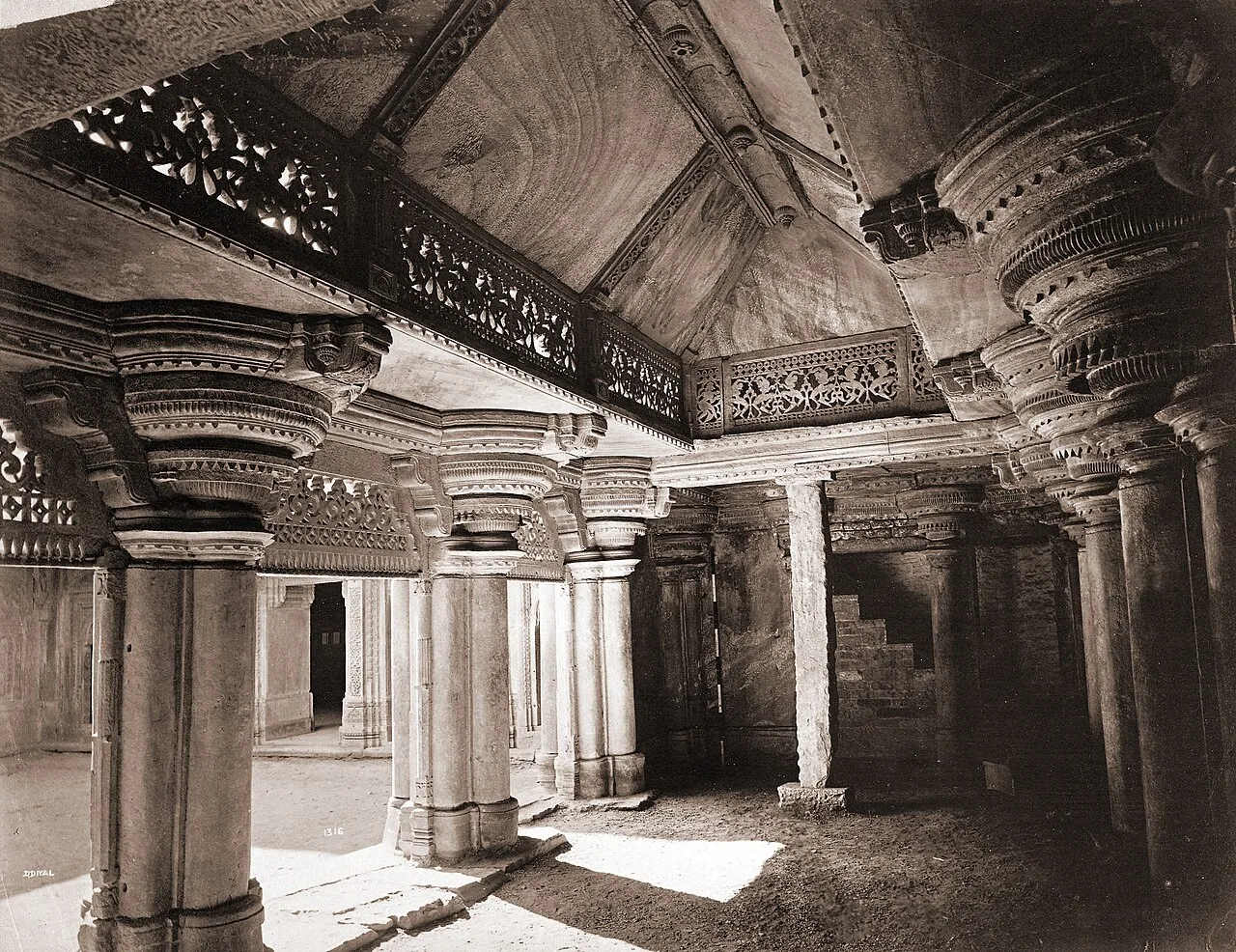
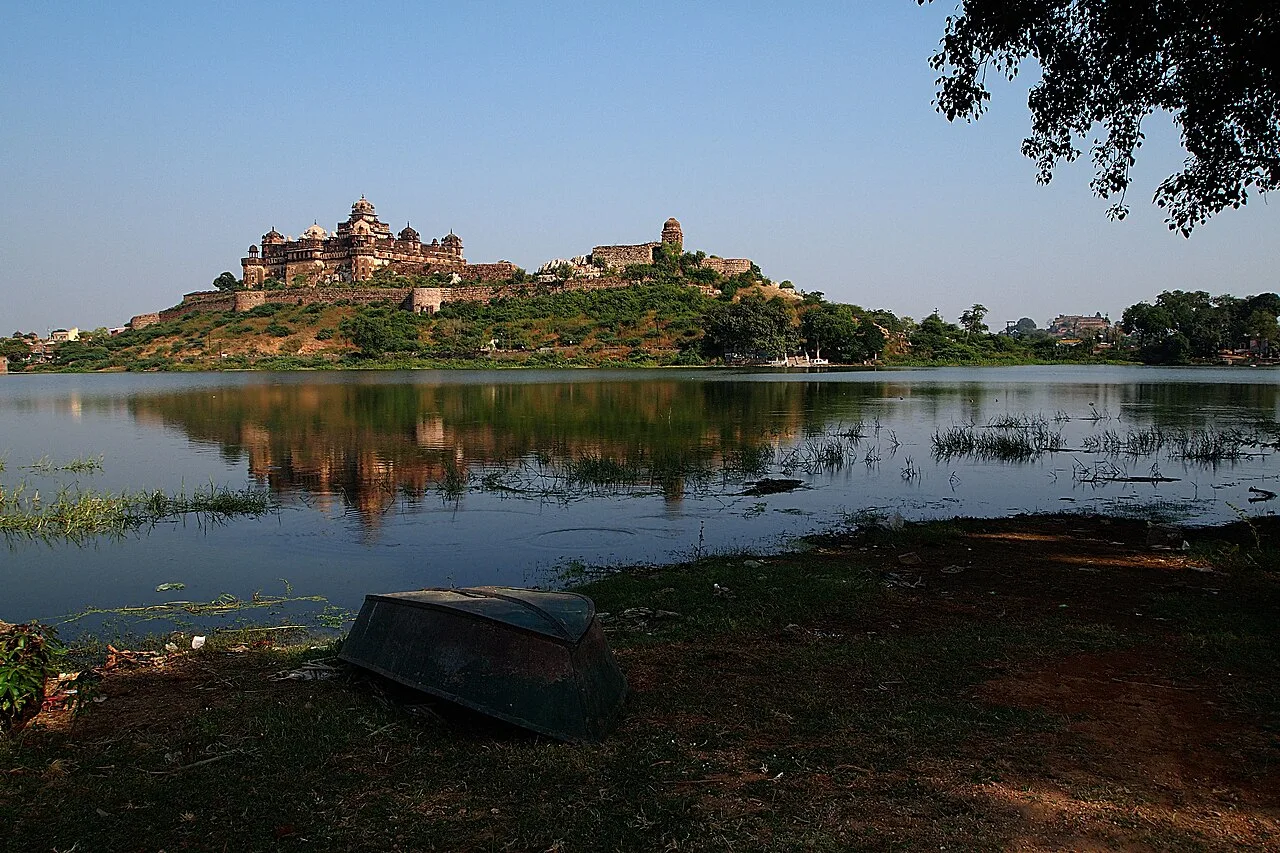
Datia Palace, also known as Bir Singh Palace, is a seven-storey monument in Datia, Madhya Pradesh. Visitors come to see its scale and blend of Mughal and Rajput design.

Jai Vilas Mahal

39 km away · Gwalior district

Jai Vilas Mahal

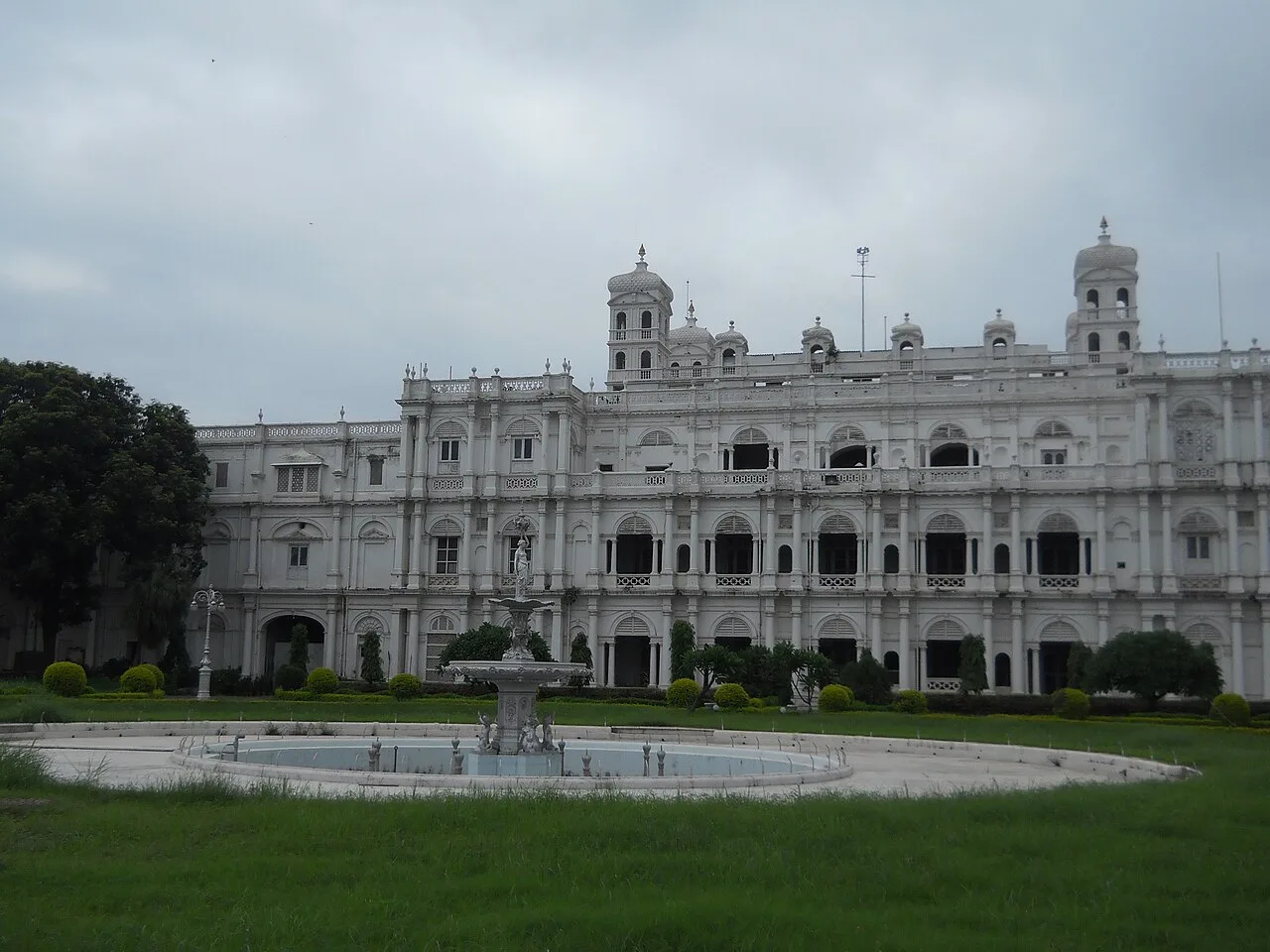
Jai Vilas Mahal is a royal residence dating to the 1800s in Gwalior, Madhya Pradesh. Visitors come to see the Jiwajirao Scindia Museum, which occupies most of the palace.

Sasbahu Temple

41 km away · Gwalior district

Sasbahu Temple

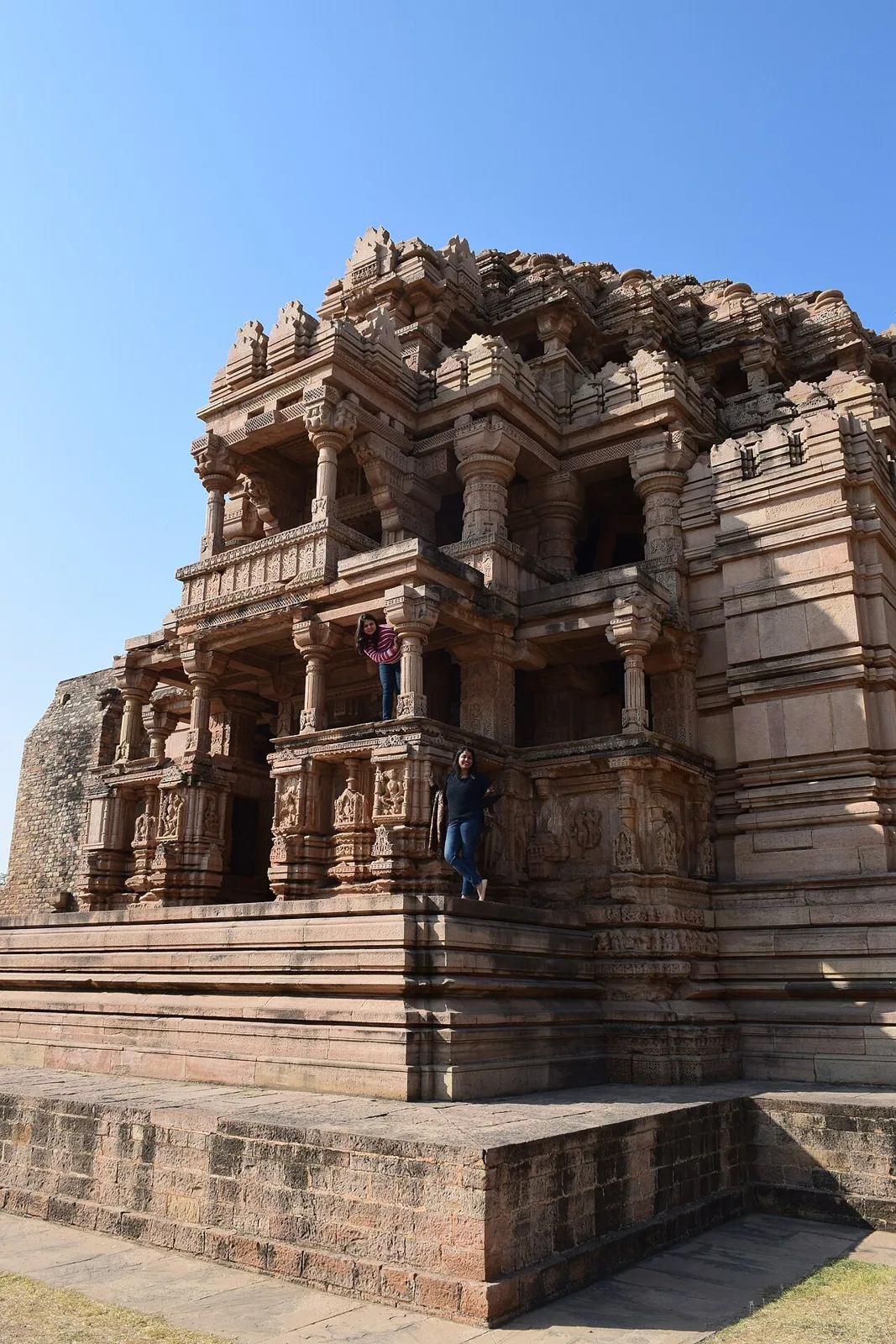
The Sasbahu Temples are a pair of eleventh-century shrines within Gwalior Fort, Madhya Pradesh. Visitors come to see their surviving architecture and damaged stone carvings.

Teli ka Mandir

41 km away · Gwalior district

Teli ka Mandir

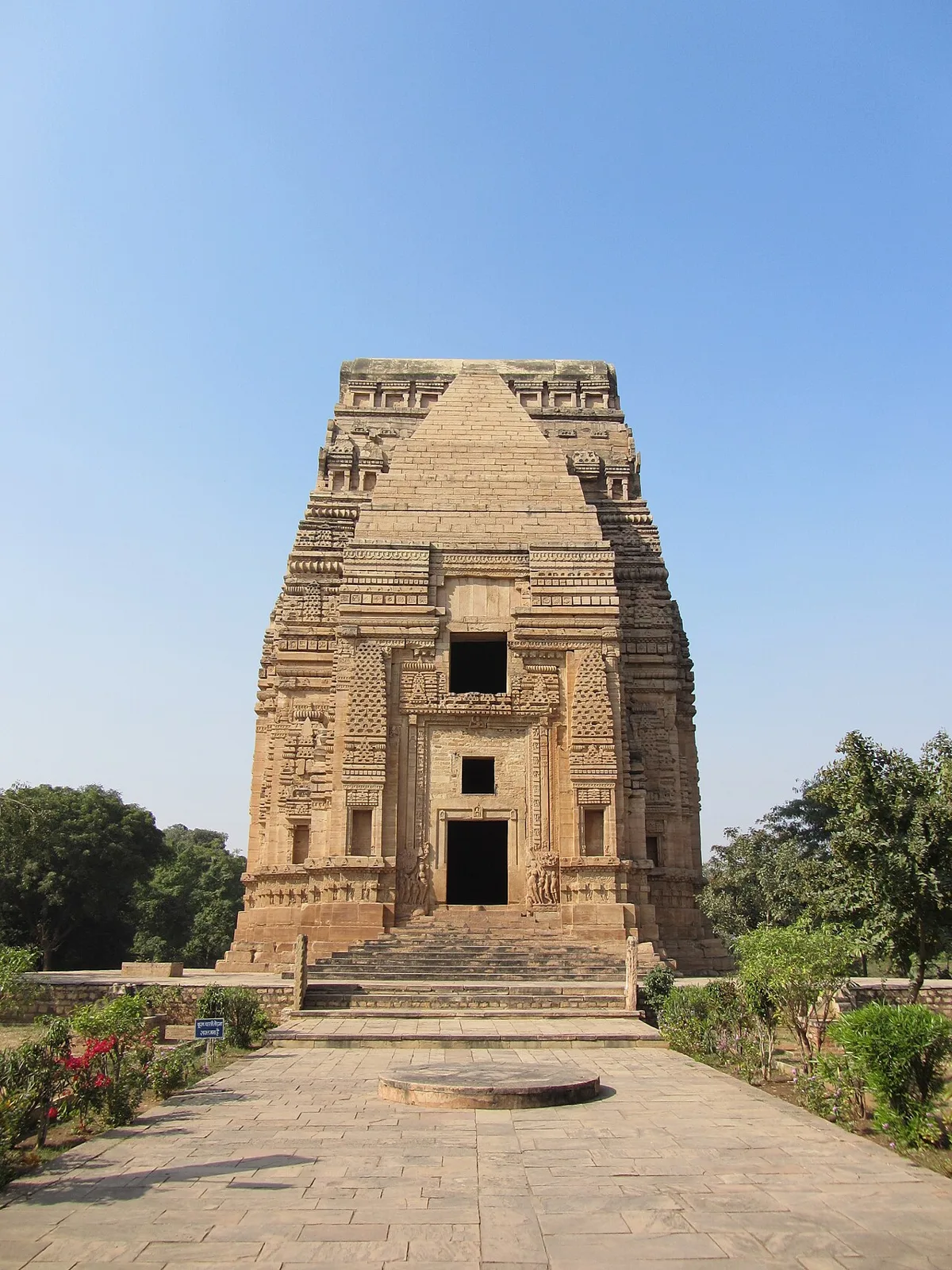
Teli ka Mandir is a Hindu shrine within Gwalior Fort, noted for its unusual rectangular sanctuary and blend of architectural traditions. Visitors come to see its distinctive design and historic character.

Gwalior Fort

42 km away · Gwalior district

Gwalior Fort

Gwalior Fort is an ancient hill stronghold in Madhya Pradesh, visited for its historic palaces, successive rulers and inscriptions, including an early place-value record of zero.

Gohad Fort

61 km away · Bhind district

Gohad Fort

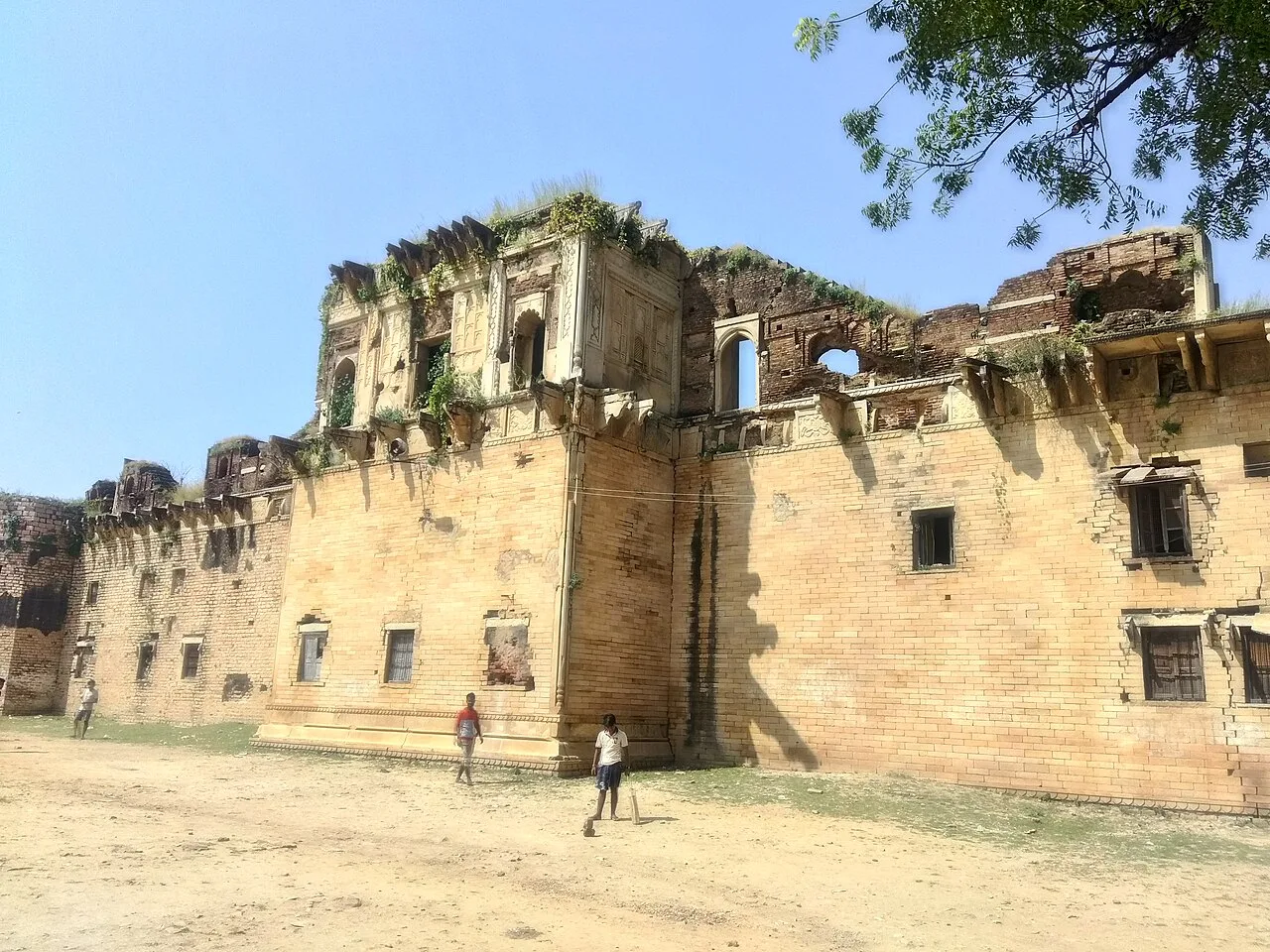
Gohad Fort is a historic site in Gohad, Madhya Pradesh, and attracts interest for its historical importance; the town is 45 km from Gwalior.

Bateshwar Hindu temples

62 km away · Morena district

Bateshwar Hindu temples

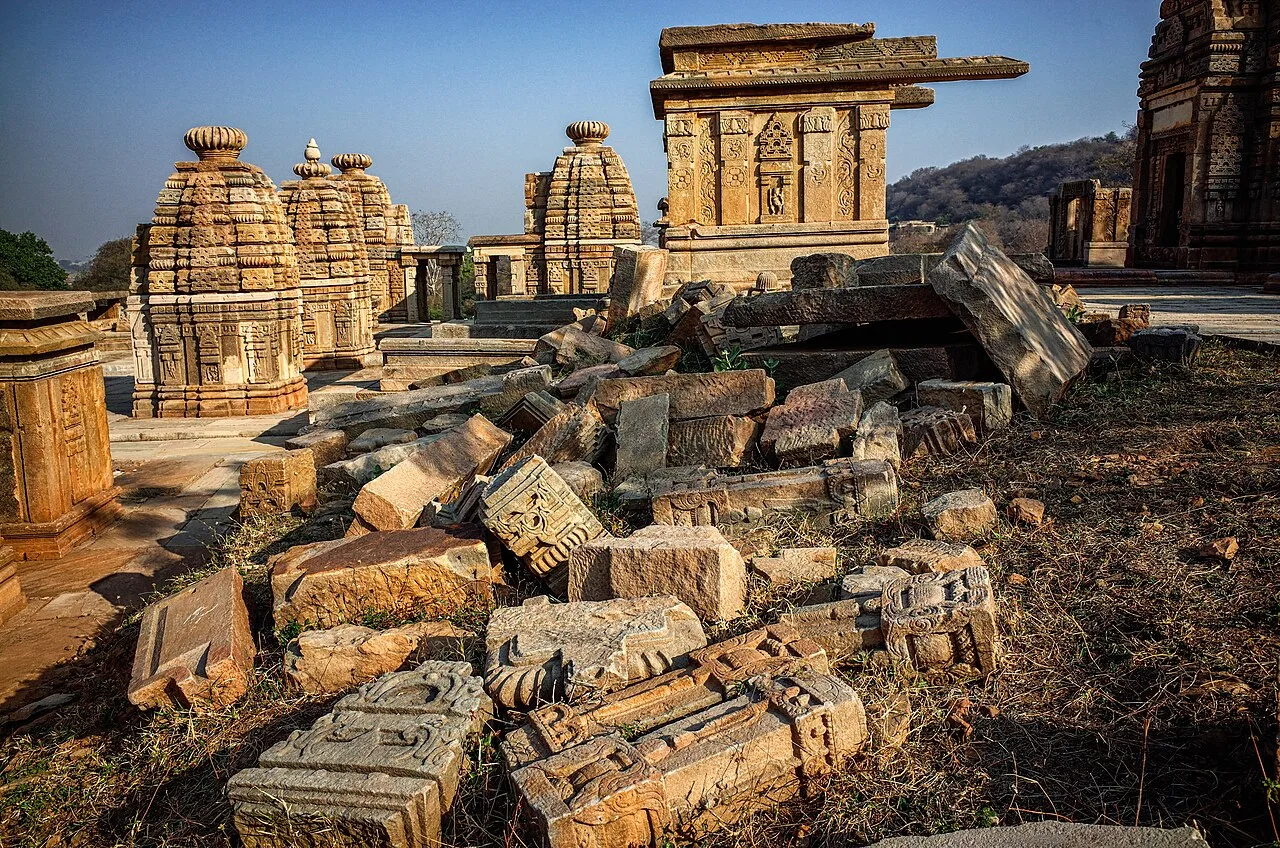
Bateshwar is a cluster of sandstone Hindu shrines and ruins in Madhya Pradesh, visited for its early temple architecture and the remains of a complex dedicated to Shiva, Vishnu and Shakti.

Chausath Yogini Temple

62 km away · Morena district

Chausath Yogini Temple

In Morena district, Madhya Pradesh, the 11th-century Chausath Yogini Temple is a Kachchhapaghata-period shrine. Visitors come to see its circular design and chambers associated with the yoginis.

Map

Dabra on the map

  1. 1Datia Palace
  2. 2Jai Vilas Mahal
  3. 3Sasbahu Temple
  4. 4Teli ka Mandir
  5. 5Gwalior Fort
  6. 6Gohad Fort
  7. 7Bateshwar Hindu temples
  8. 8Chausath Yogini Temple

Madhya Pradesh

Other cities to explore