Ghumoopedia — Explore, Discover, Experience
Sign in
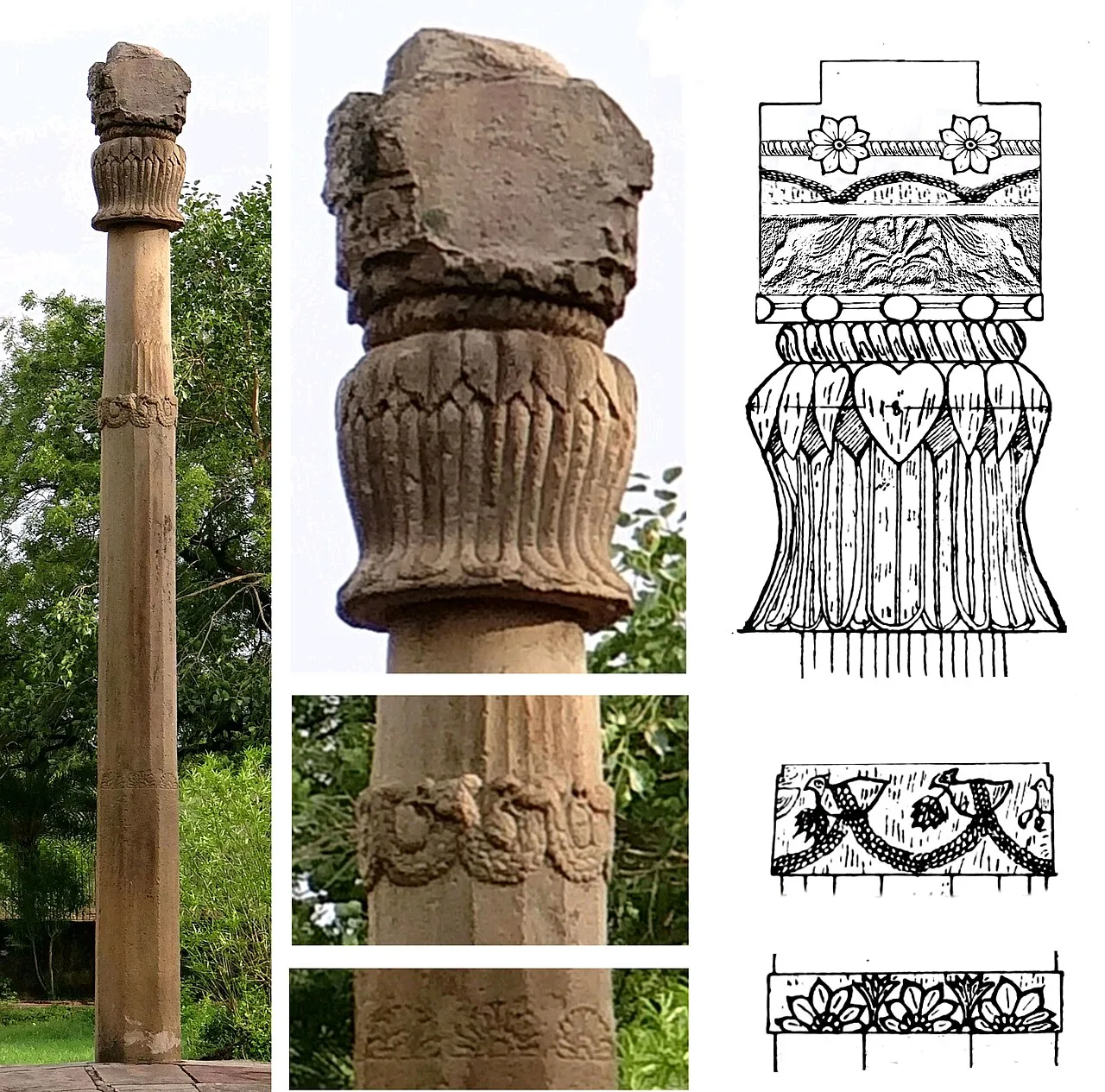
Heliodorus pillar, near Ganj Basoda

City guide · Madhya Pradesh

Ganj Basoda

Ganj Basoda, often called Basoda, is a city and municipality in Madhya Pradesh’s Vidisha district. Its importance today is chiefly regional: it serves as a market and service centre for surrounding settlements and agricultural areas.

Famous for

  • Regional agricultural trade
  • Grain-market activity
  • Railway connections
  • Nearby Udayeshwar temple

Why Ganj Basoda matters

Ganj Basoda, often called Basoda, is a city and municipality in Madhya Pradesh’s Vidisha district. Its importance today is chiefly regional: it serves as a market and service centre for surrounding settlements and agricultural areas. Shops, local businesses and transport links make it a practical stop for residents travelling into town for everyday needs, trade and services.

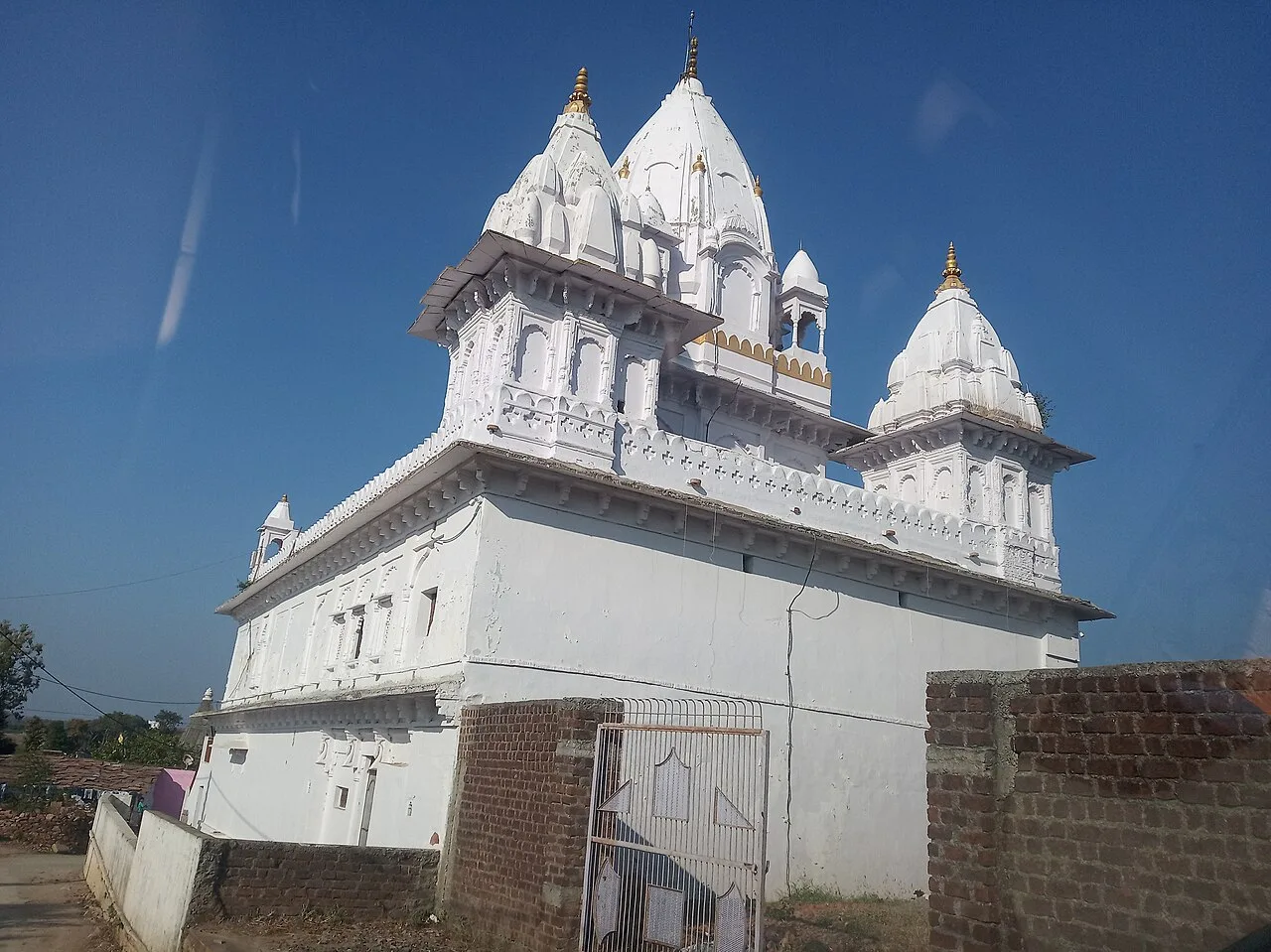
The city is also a useful base for exploring parts of the wider Vidisha region. Visitors interested in historic architecture can make an excursion to Udaypur, known for the Udayeshwar, or Neelkantheshwar, temple. In town, the markets and everyday street life offer a view of a working central Indian city rather than a purpose-built tourist destination. Ganj Basoda lies near the geographical centre of India, at an elevation of about 399 metres. Its appeal rests on its local role, its transport connections and access to nearby heritage—not on a widely documented signature craft or tourist attraction within the city itself.
Famous for: crafts, trade & products

Ganj Basoda is best understood as a local trading centre rather than as a specialised craft or textile town. Its markets serve the city and nearby rural communities, with agricultural produce from the surrounding area forming part of the wider local economy. Wheat, pulses and soybean are familiar crops in this part of Madhya Pradesh, though availability and market activity vary by season. The town’s shops and market streets are the most practical places to look for everyday goods and locally traded produce.

There is no clearly established signature saree, handicraft or GI-tagged product associated specifically with Ganj Basoda. Visitors looking for distinctive regional craftwork should treat the town as a shopping stop for daily necessities, snacks and general merchandise, rather than expect a dedicated craft bazaar. For a heritage outing, Udaypur’s Udayeshwar temple is a nearby point of interest, but it is not a product or market within Ganj Basoda. The city’s strongest identity is its role in regional commerce and services, supported by its rail and road links.

History

Ganj Basoda’s development is closely tied to its role as a market town serving settlements and farmland in the surrounding region. The word “ganj” is commonly associated with a market, fitting the city’s commercial character, though that alone does not establish when or how the settlement first acquired its name. Its growth as a municipal centre reflects the gradual expansion of local administration, trade and transport in modern Madhya Pradesh.

The wider Vidisha region has a deep history and notable archaeological and religious sites, including Udaypur’s historic temple. Those regional histories should not be mistaken for a documented royal history of Ganj Basoda itself: no particular dynasty is firmly associated with the city in the commonly available accounts. Likewise, a detailed, well-established account of its role under colonial rule is not readily documented. In more recent times, municipal services, commercial activity and railway access have shaped the city’s everyday importance as a centre for nearby communities.

Food, festivals & culture

Daily life in Ganj Basoda reflects the mix of town and countryside found across this part of Madhya Pradesh. Hindi is widely used; local speech may also carry influences from neighbouring regional varieties. There is no single food or performance tradition that defines the city. Visitors are likely to encounter familiar central Indian fare such as poha, jalebi, namkeen and simple meals based on grains and pulses, alongside sweets and snacks sold by local shops. These are regional favourites rather than specialities exclusive to Basoda.

Holi, usually celebrated in spring, Diwali in autumn and Navratri, observed in spring and autumn, are important times for worship and community gatherings. Religious life is visible in local temples and mosques, with observances shaped by the calendars and customs of residents. Folk music and dance traditions from the wider region may be heard at seasonal or family celebrations, but Ganj Basoda is not especially known for a distinct local dance form. For a broader heritage visit, the temple at nearby Udaypur offers a cultural outing beyond the city’s everyday markets.

Visiting the city

The cooler months, roughly October to March, are generally the most comfortable time to visit; summer can be hot, while monsoon travel may involve rain. Ganj Basoda has its own railway station, Ganj Basoda railway station. The nearest major airport is Raja Bhoj Airport in Bhopal. Local auto-rickshaws and road transport are practical for getting around; arrange a local vehicle for an excursion to Udaypur and its temple.

Explore the central market streets to see the town’s commercial life and find everyday shops and food. The railway-station area is useful for arrivals and onward connections, while the town centre is the natural focus for a short stay. Ganj Basoda is best approached as a regional stop and base, with nearby heritage sites as excursions rather than as attractions within the city itself.

Trips from the city

Nearest places to visit from Ganj Basoda

Our closest destination guides, by straight-line distance.

Heliodorus pillar

36 km away · Vidisha district

Heliodorus pillar

This ancient column at Besnagar bears a dedication to Vāsudeva by the Greek envoy Heliodorus. Visitors come to see its inscription and its significance in the early history of Vaishnavism.

Udayagiri Caves

39 km away · Vidisha district

Udayagiri Caves

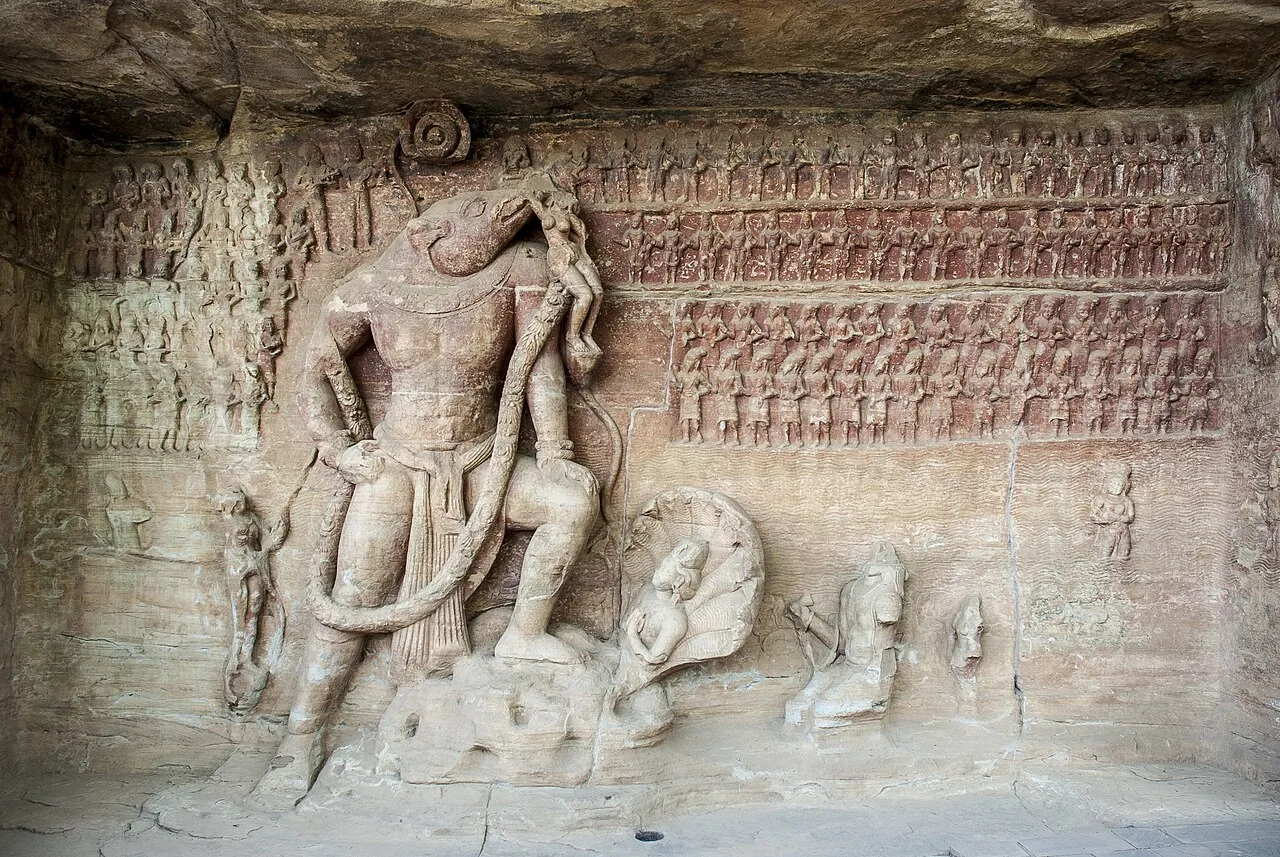
Udayagiri is a group of twenty caves in Madhya Pradesh, known for early Hindu and Jain imagery, Gupta-era inscriptions and a monumental carving of Vishnu as Varaha.

Rahatgarh Fort

45 km away · Sagar district

Rahatgarh Fort

Rahatgarh Fort is in Sagar district, Madhya Pradesh. Visitors come to see the fort, while the town of Rahatgarh is also notable as a nagar panchayat and tehsil headquarters.

Sanchi Stupa

46 km away · Sanchi district

Sanchi Stupa

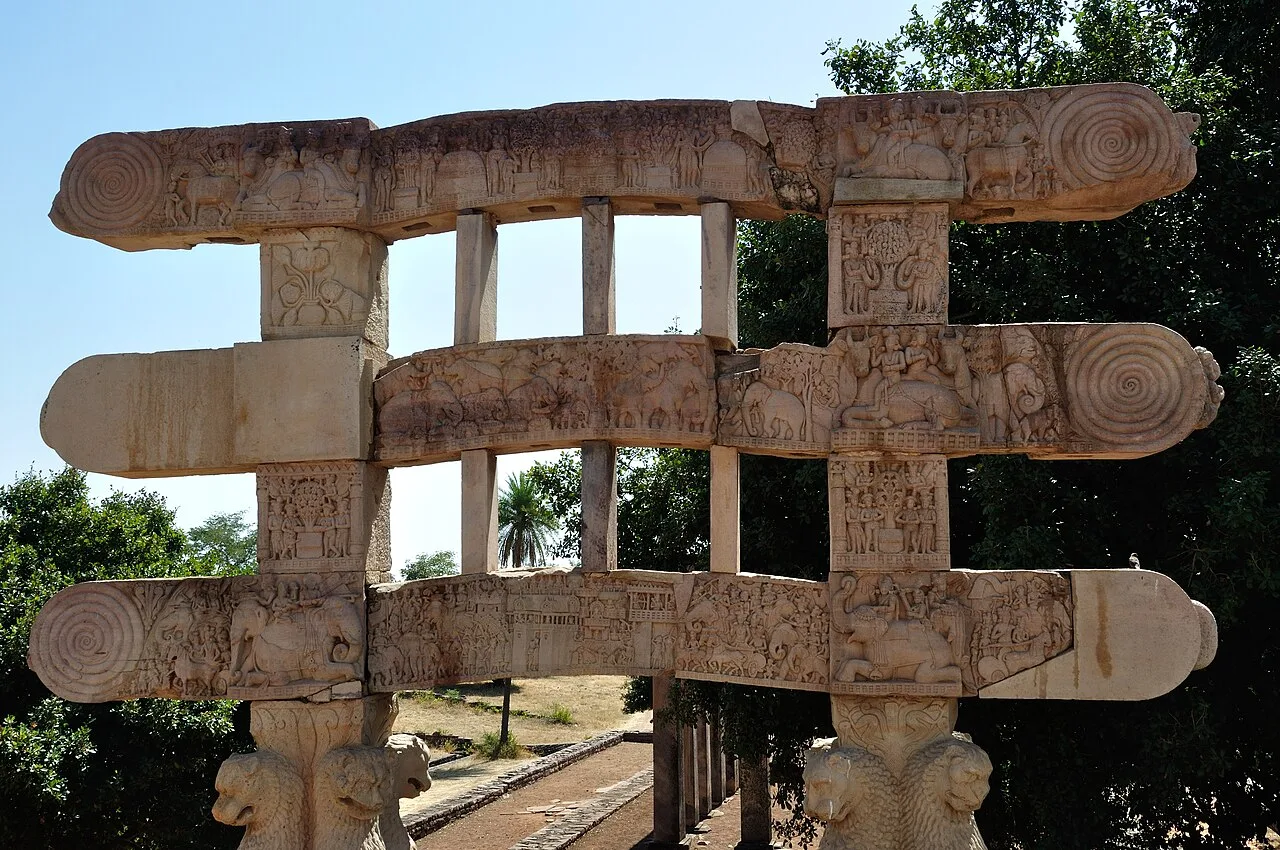
Sanchi is a Buddhist complex in Madhya Pradesh, centred on the Great Stupa. Visitors come to see its historic architecture and explore a site associated with the development of Buddhism in India.

Sanchi Stupa No. 2

46 km away · Raisen district

Sanchi Stupa No. 2

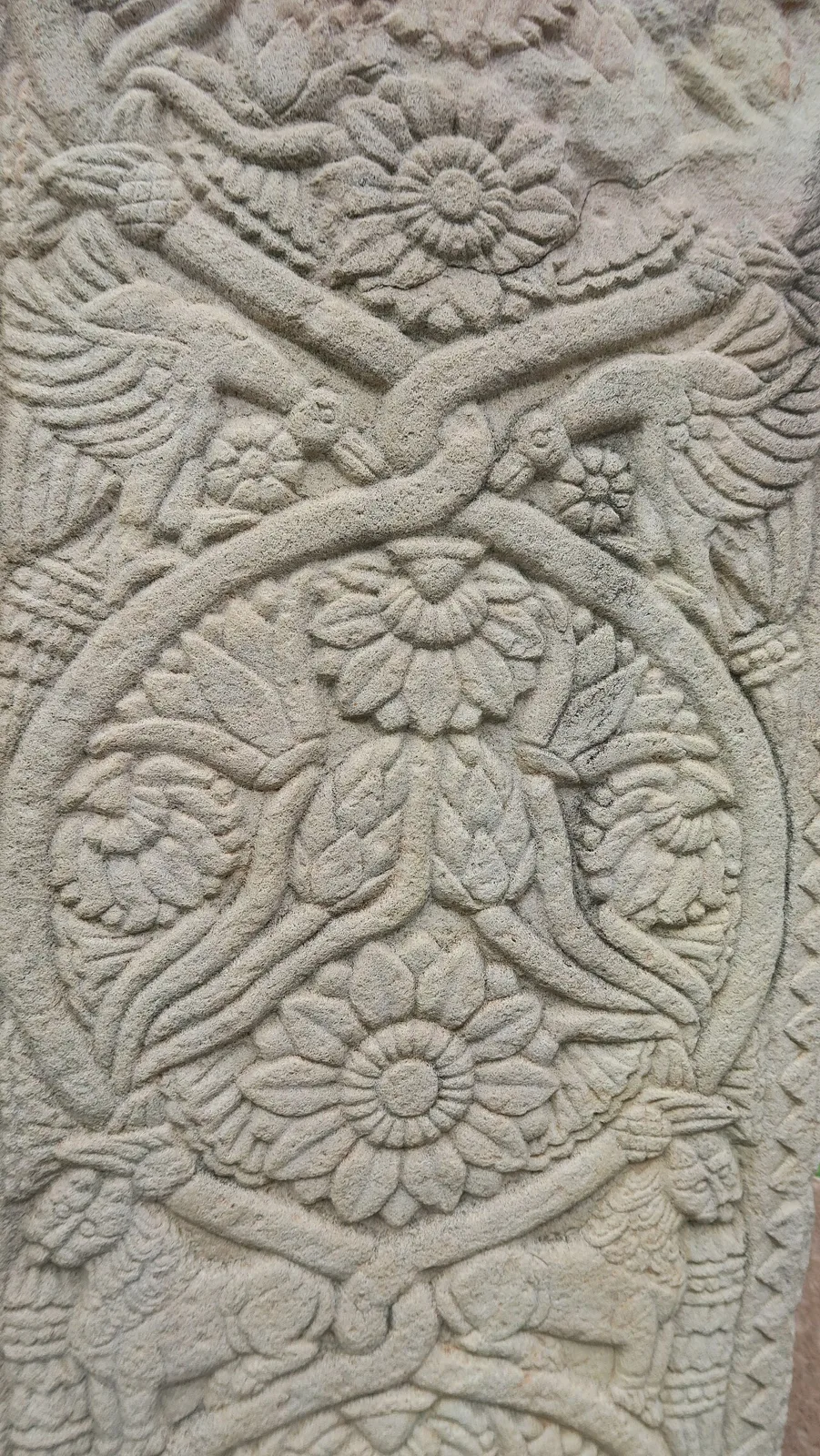
In Raisen district, Madhya Pradesh, Sanchi’s second stupa forms part of the Buddhist complex and draws interest for its early relief carvings and association with Jataka illustrations.

Islamnagar

76 km away · Bhopal district

Islamnagar

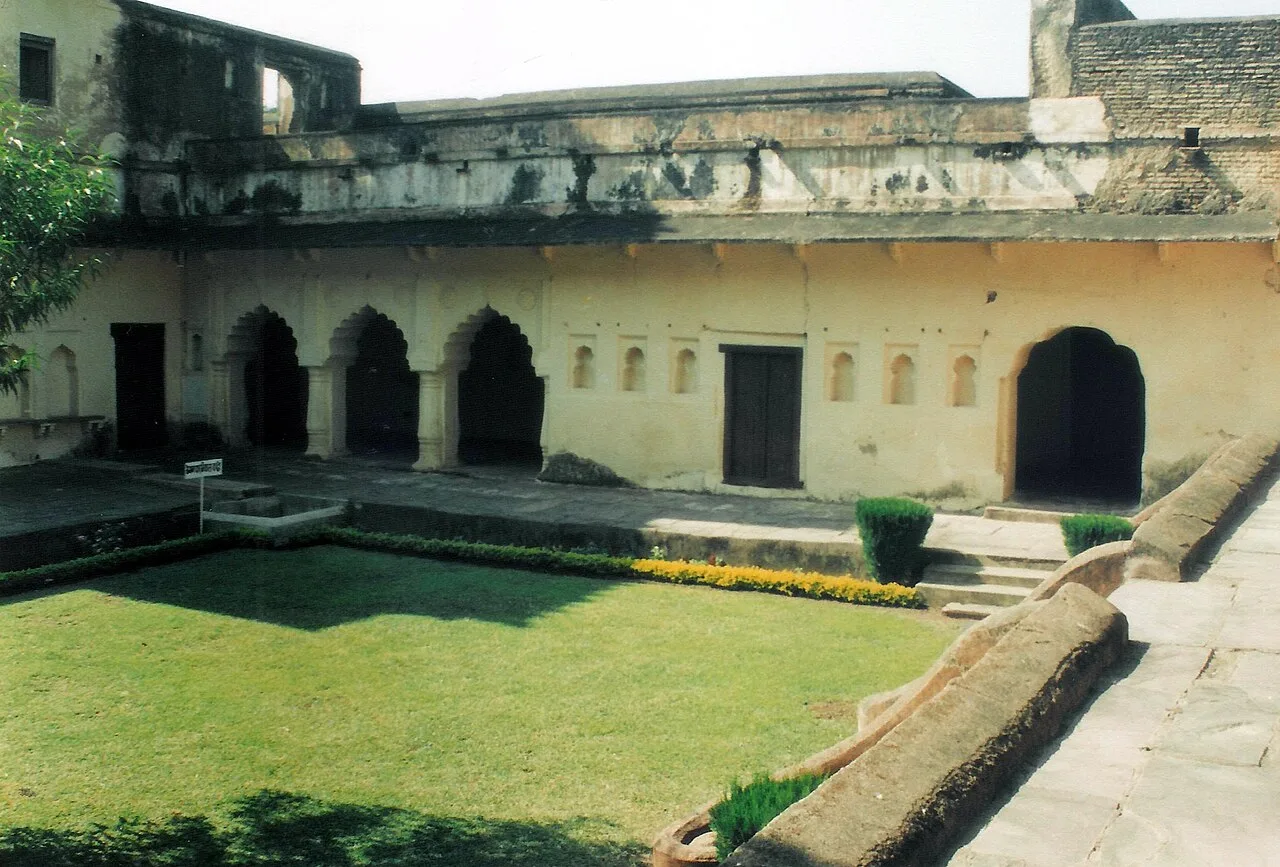
Islamnagar, officially Jagdishpur since February 2023, is a panchayat village in Bhopal district, Madhya Pradesh, visited for the ruined palaces built by Bhopal’s founder.

Taj-ul-Masajid

86 km away · Bhopal district

Taj-ul-Masajid

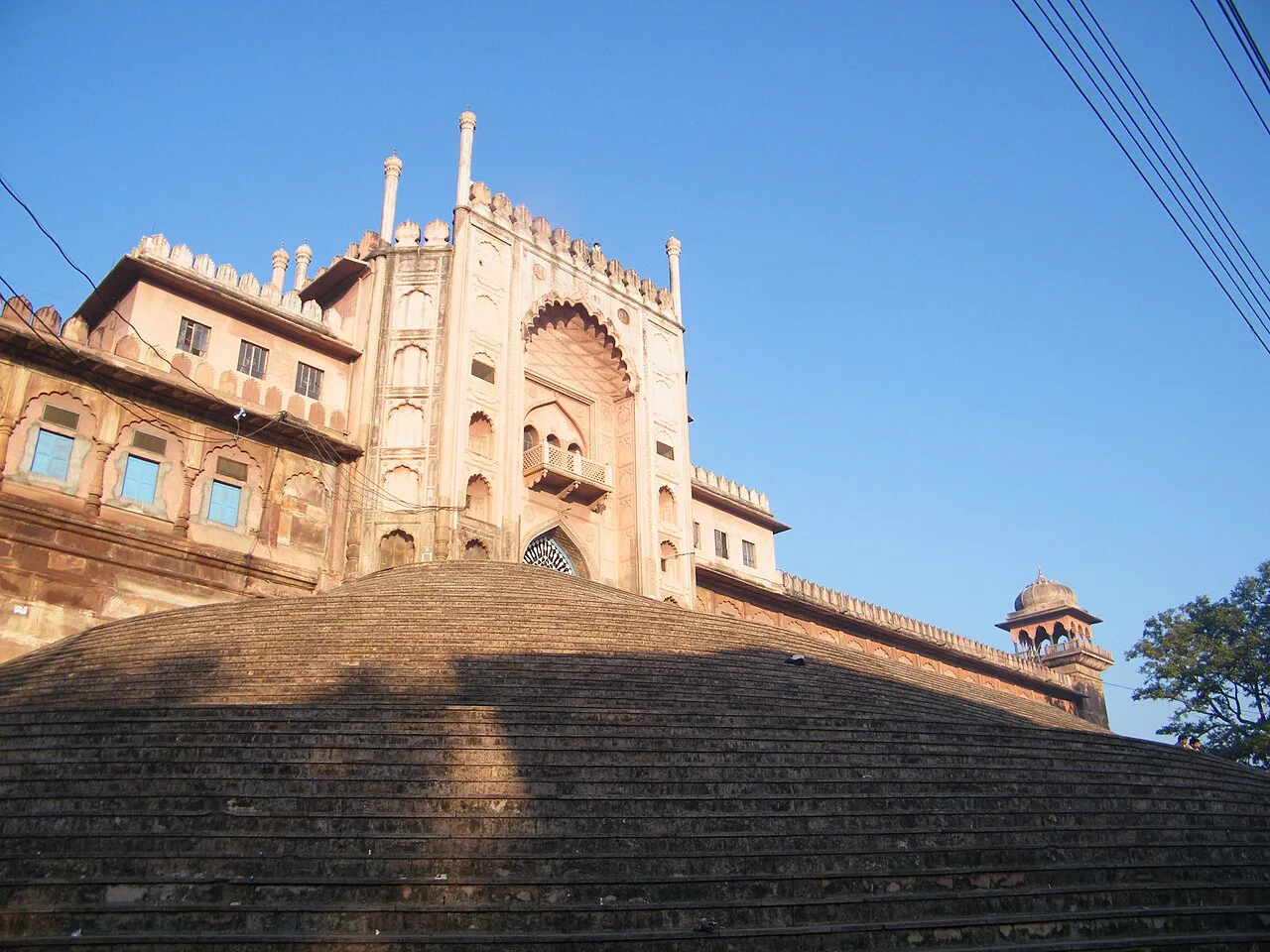
Taj-ul-Masajid is a Sunni mosque in Bhopal, Madhya Pradesh, associated with Tablighi Jamaat and the Deobandi movement. People visit for prayer and to see one of India’s largest mosques.

Bharat Bhavan

87 km away · Bhopal district

Bharat Bhavan

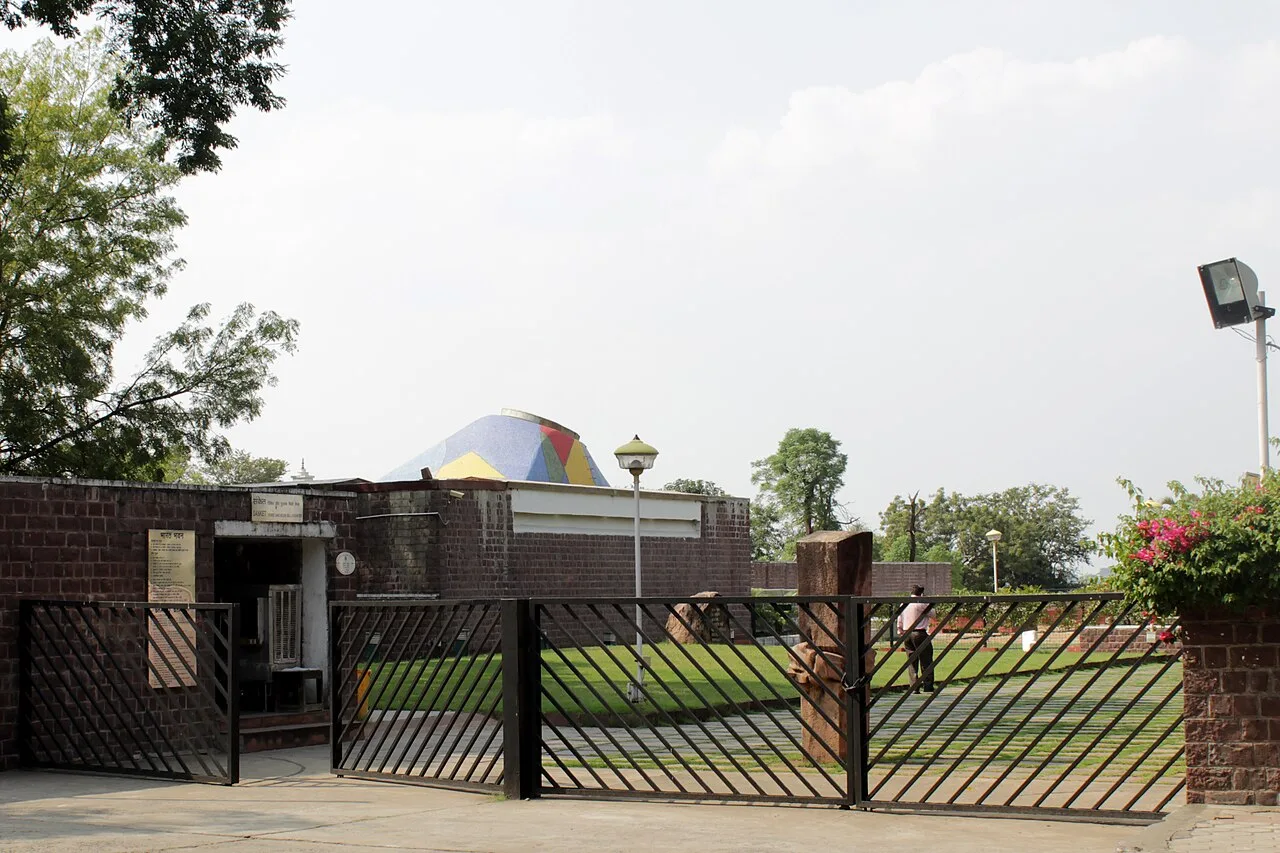
Bharat Bhavan is a government-established arts centre and museum in Bhopal, designed by Charles Correa. Visitors can explore its galleries, creative workshops, performance spaces and cultural collections.

Map

Ganj Basoda on the map

  1. 1Heliodorus pillar
  2. 2Udayagiri Caves
  3. 3Rahatgarh Fort
  4. 4Sanchi Stupa
  5. 5Sanchi Stupa No. 2
  6. 6Islamnagar
  7. 7Taj-ul-Masajid
  8. 8Bharat Bhavan

Madhya Pradesh

Other cities to explore