Ghumoopedia — Explore, Discover, Experience
Sign in

City guide · Madhya Pradesh

Sheopur

Sheopur is a district headquarters in northern Madhya Pradesh, set on the right bank of the Seep River. Its position near the Chambal and the Rajasthan border makes it a regional centre for administration, trade and road travel between parts of Madhya Pradesh and eastern Rajasthan.

Famous for

  • Sheopur Fort
  • Traditional woodcarving
  • Kuno wildlife landscape
  • Sahariya culture
  • Seep River

Why Sheopur matters

Sheopur is a district headquarters in northern Madhya Pradesh, set on the right bank of the Seep River. Its position near the Chambal and the Rajasthan border makes it a regional centre for administration, trade and road travel between parts of Madhya Pradesh and eastern Rajasthan. The town’s historic fort and surviving palace buildings offer a glimpse of its long, layered past, while the Sahariya Museum introduces visitors to the life and traditions of the region’s Indigenous Sahariya community.

Sheopur is also a practical base for exploring the wider district, including the Kuno wildlife landscape and the area around Kaketo reservoir. The town is best known for its fort heritage and woodcarving, a craft seen in carved doors, household objects and decorative pieces. Visitors will find a quieter, less developed destination than Madhya Pradesh’s major tourist centres: its appeal lies in local history, craft traditions and access to rural and natural surroundings rather than a concentration of large attractions within the town itself.
Famous for: crafts, trade & products

Sheopur’s best-known local craft is woodcarving. Artisans make decorative and functional objects such as doors, lintels, windows, masks, toys, stands and carved furniture components. The work reflects a tradition of detailed carving rather than a large-scale textile or factory industry. Visitors can ask locally about craftspeople and workshops, or look for carved items in the town’s markets; availability and designs vary. Sheopur is not widely identified with a particular saree tradition or a locally established GI-tagged product.

The fort is another part of the city’s identity. Its palaces and architectural remains recall successive periods of Gaur, Sultanate, Sur and Scindia rule. The Sahariya Museum, located within the fort complex, offers context on Sahariya life and culture. Everyday shopping is centred on local bazaars, where residents buy household goods, clothing and food; these are useful places to look for locally made objects, though specialist craft outlets may be limited. Sheopur also serves as a market and service centre for nearby settlements, including Baroda, Karahal and Vijaypur, rather than as a major manufacturing or wholesale hub.

History

Sheopur’s history is associated with its fort, though the circumstances of the fort’s earliest beginnings are not conclusively documented. A Jain pillar inscription from 1026 refers to a fort here, and a later account names Sheopur as a capital in the early thirteenth century. Tradition attributes the city’s founding in 1537 to Gaur Rajput chief Indra Singh. The fort was taken by Alauddin Khalji in 1301, later came under the Malwa Sultanate, and was captured by Sher Shah Suri in 1542. Bundi rulers and the Gaur dynasty also figure in accounts of its changing control.

The Scindias subsequently held the fort and added buildings, including a public audience hall and a state guesthouse. Their rule continued through the British colonial period, when Gwalior was a princely state, and ended with the political changes following Indian independence. In modern Madhya Pradesh, Sheopur developed as the administrative headquarters of its district and as a service centre for surrounding towns and villages. The fort’s historic structures remain important markers of that layered past.

Food, festivals & culture

Hindi is the main language of everyday life in Sheopur, alongside regional speech varieties and the languages used within nearby communities. The district’s Sahariya heritage is an important part of its cultural landscape; the museum in the fort provides an introduction to Sahariya traditions. Woodcarving is a visible local art, while the town’s older buildings and places of worship reflect its mix of historical influences.

Holi, usually celebrated in spring, and Diwali, in autumn, are major annual festivals. Navratri brings worship and community gatherings, while Eid is observed by Muslim residents. Local celebrations may include devotional singing and regional folk music and dance, especially during religious occasions and community events. There is no single dish that defines Sheopur across the region. Meals commonly draw on central Indian staples such as wheat breads, lentils and seasonal vegetables; sweets and savoury snacks are available in local shops and markets. Visitors can explore the fort complex, its museum and neighbourhood places of worship respectfully, keeping in mind that these are also active community spaces.

Visiting the city

The cooler months, roughly October to March, are the most comfortable time to visit. Summer can be extremely hot, while the monsoon brings rain and greener scenery but may affect road conditions. Gwalior Airport is the nearest airport identified for the city. Sheopur Kalan railway station is the main station name associated with Sheopur, but its historic narrow-gauge connection to Gwalior is no longer in operation; check current transport options before planning a rail journey.

Regular road services connect Sheopur with towns including Gwalior, Morena, Sawai Madhopur, Shivpuri and Kota. Within town, local taxis, auto-rickshaws and other local transport can help with short trips. Begin with Sheopur Fort and the Sahariya Museum, then explore the central bazaars and river-side parts of town. For wildlife and landscapes, arrange a separate excursion to the Kuno area and confirm access conditions locally.

Trips from the city

Nearest places to visit from Sheopur

Our closest destination guides, by straight-line distance.

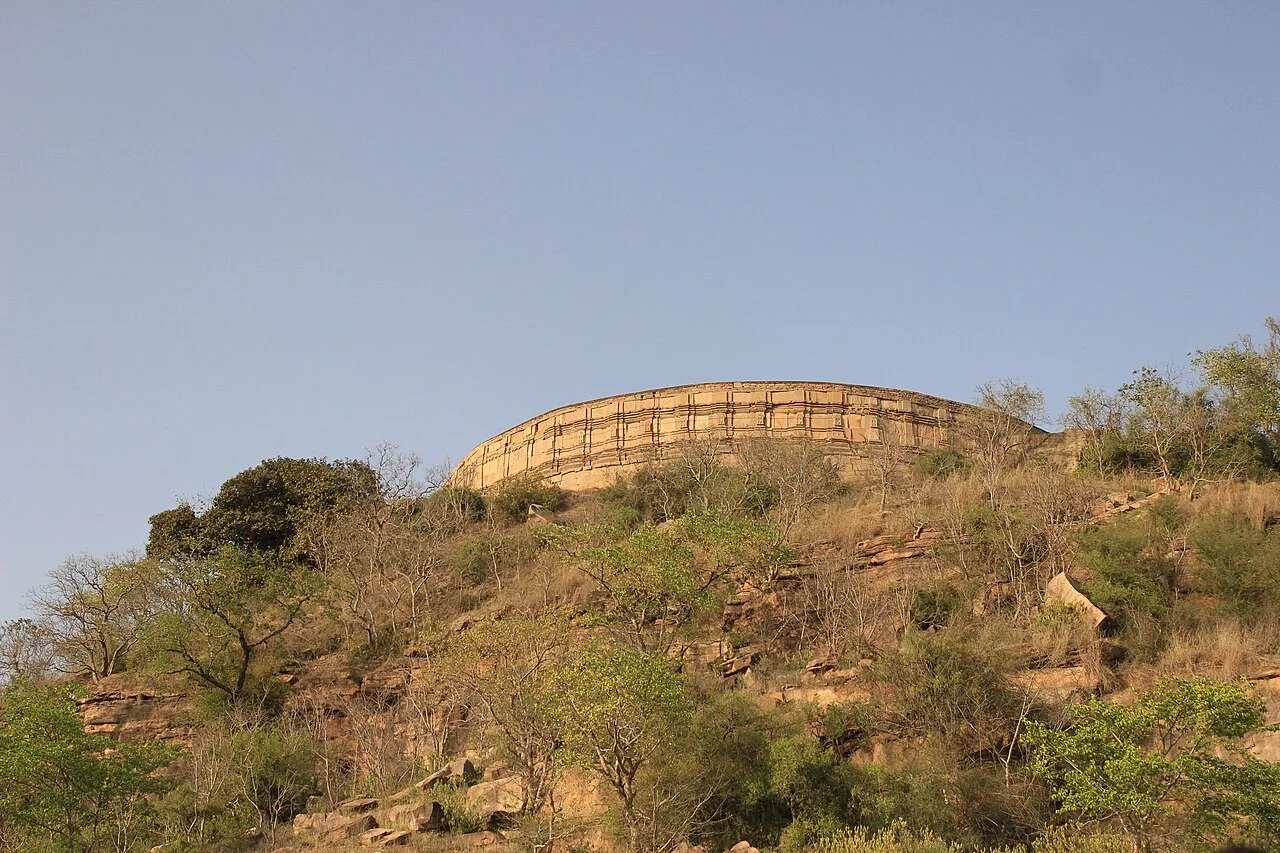
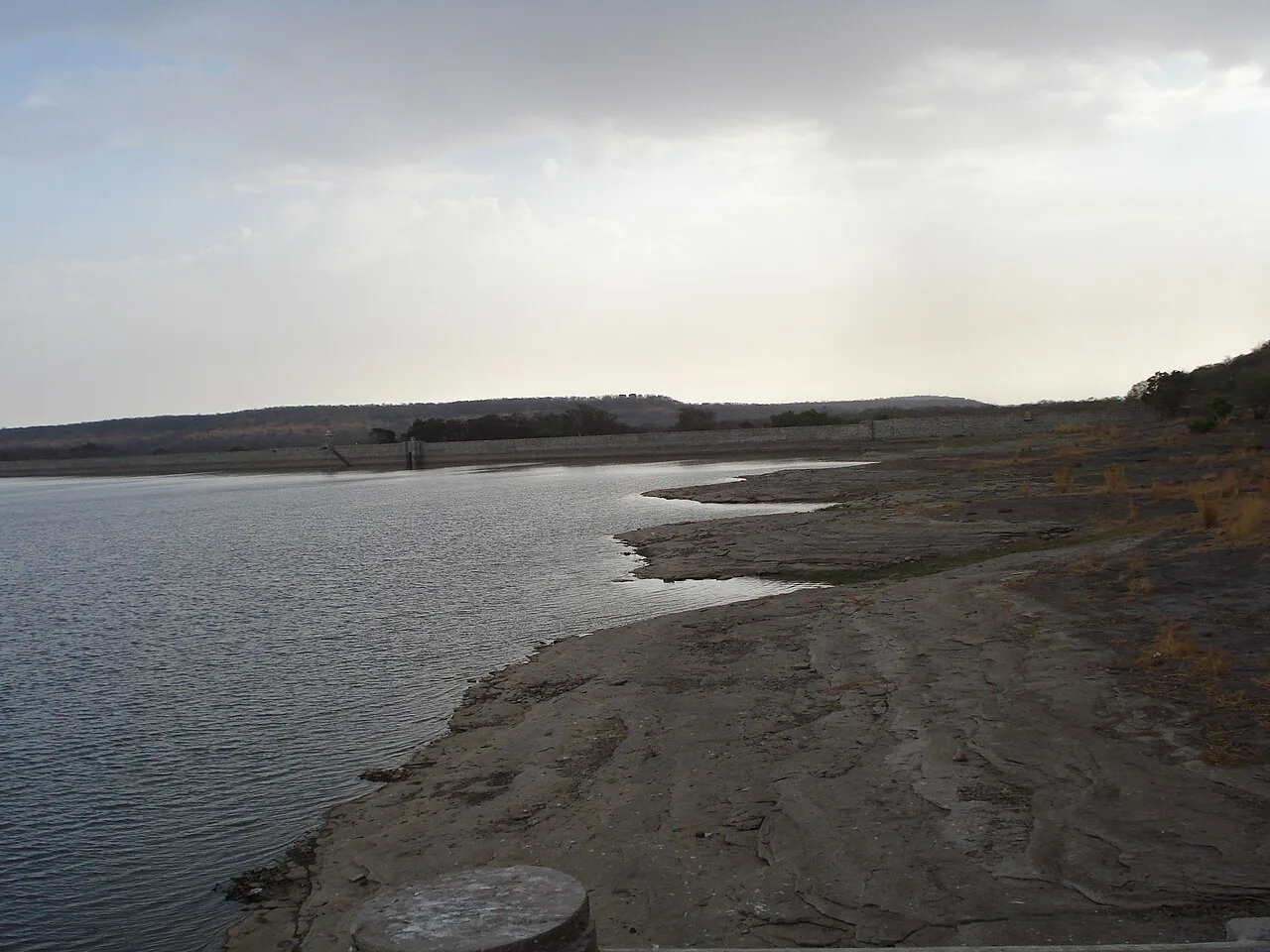
Madhav National Park

114 km away · Shivpuri district

Madhav National Park

Madhav National Park is a protected area in Shivpuri district, Madhya Pradesh. Visitors come to explore its natural setting and see Sakhya Sagar, the reservoir within the park.

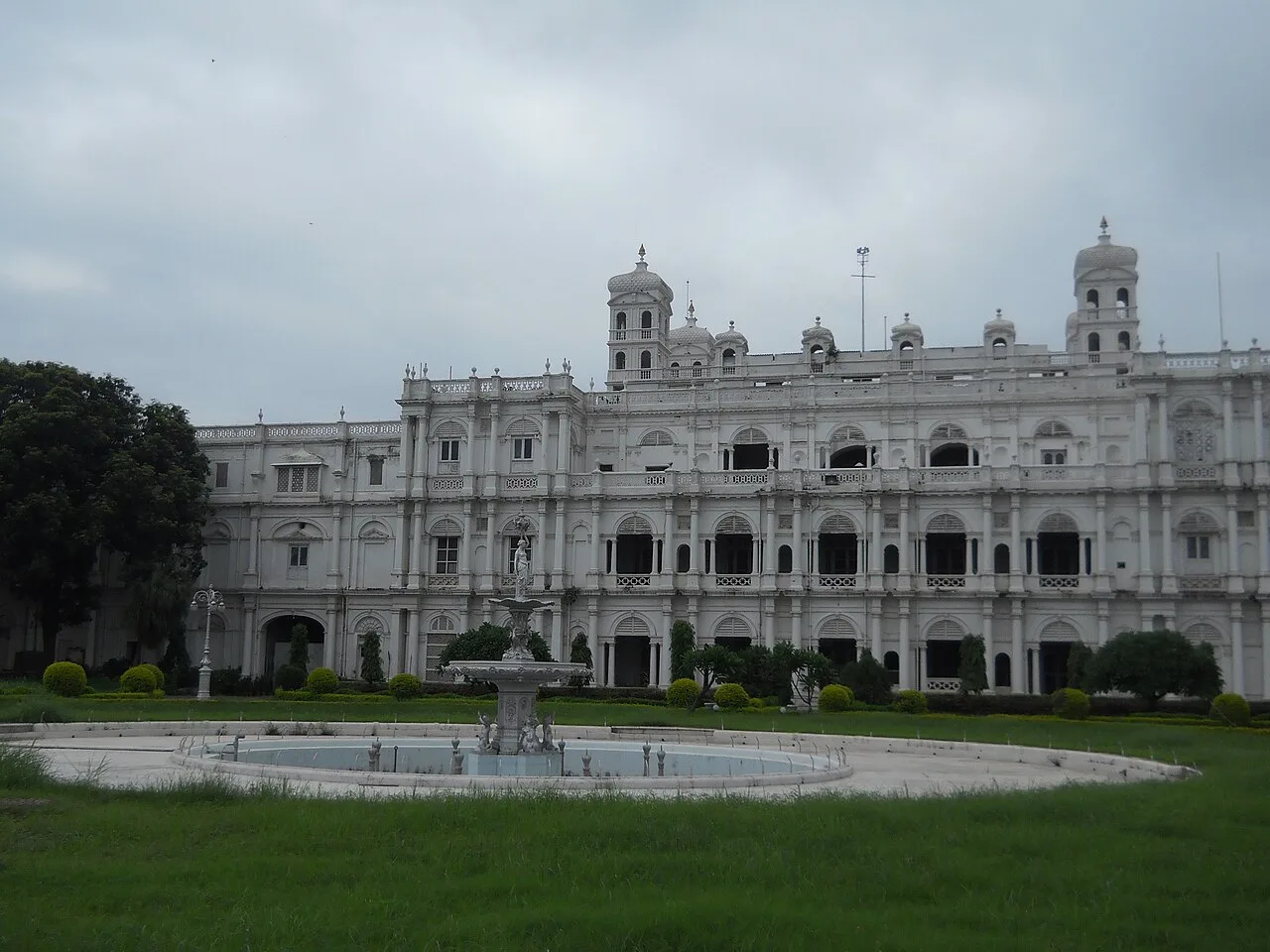
Jai Vilas Mahal

159 km away · Gwalior district

Jai Vilas Mahal

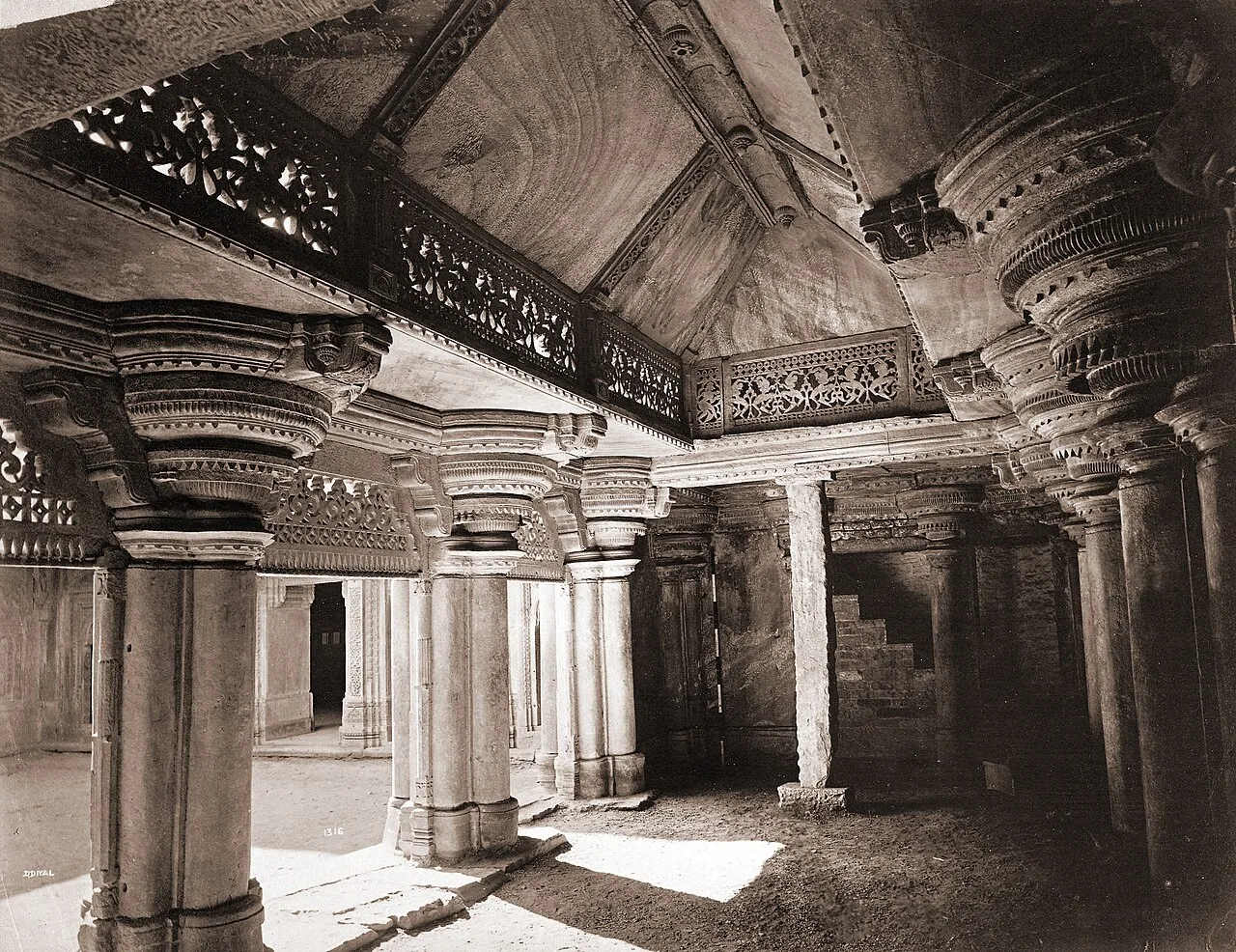
Jai Vilas Mahal is a royal residence dating to the 1800s in Gwalior, Madhya Pradesh. Visitors come to see the Jiwajirao Scindia Museum, which occupies most of the palace.

Teli ka Mandir

159 km away · Gwalior district

Teli ka Mandir

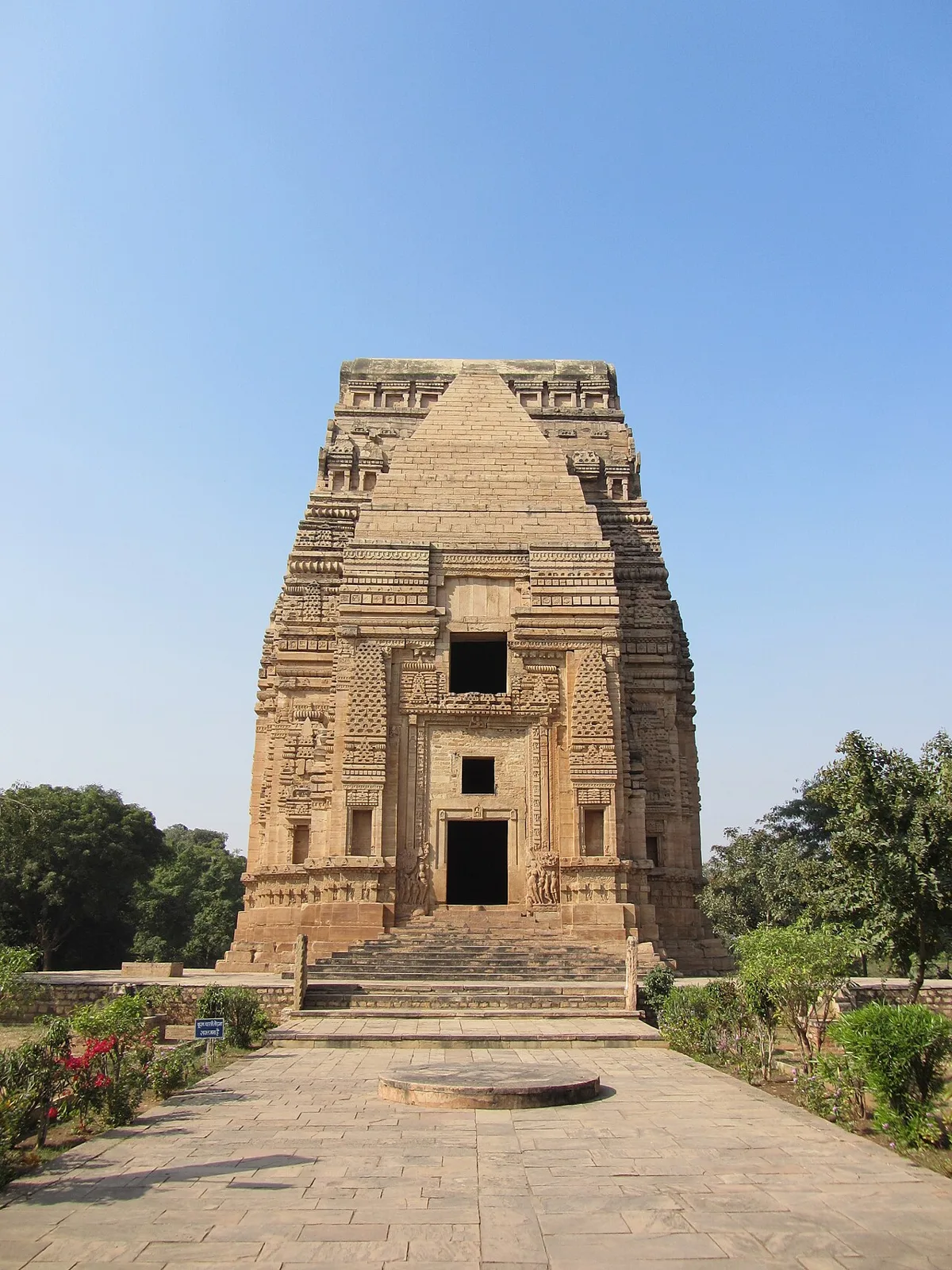
Teli ka Mandir is a Hindu shrine within Gwalior Fort, noted for its unusual rectangular sanctuary and blend of architectural traditions. Visitors come to see its distinctive design and historic character.

Gwalior Fort

160 km away · Gwalior district

Gwalior Fort

Gwalior Fort is an ancient hill stronghold in Madhya Pradesh, visited for its historic palaces, successive rulers and inscriptions, including an early place-value record of zero.

Sasbahu Temple

160 km away · Gwalior district

Sasbahu Temple

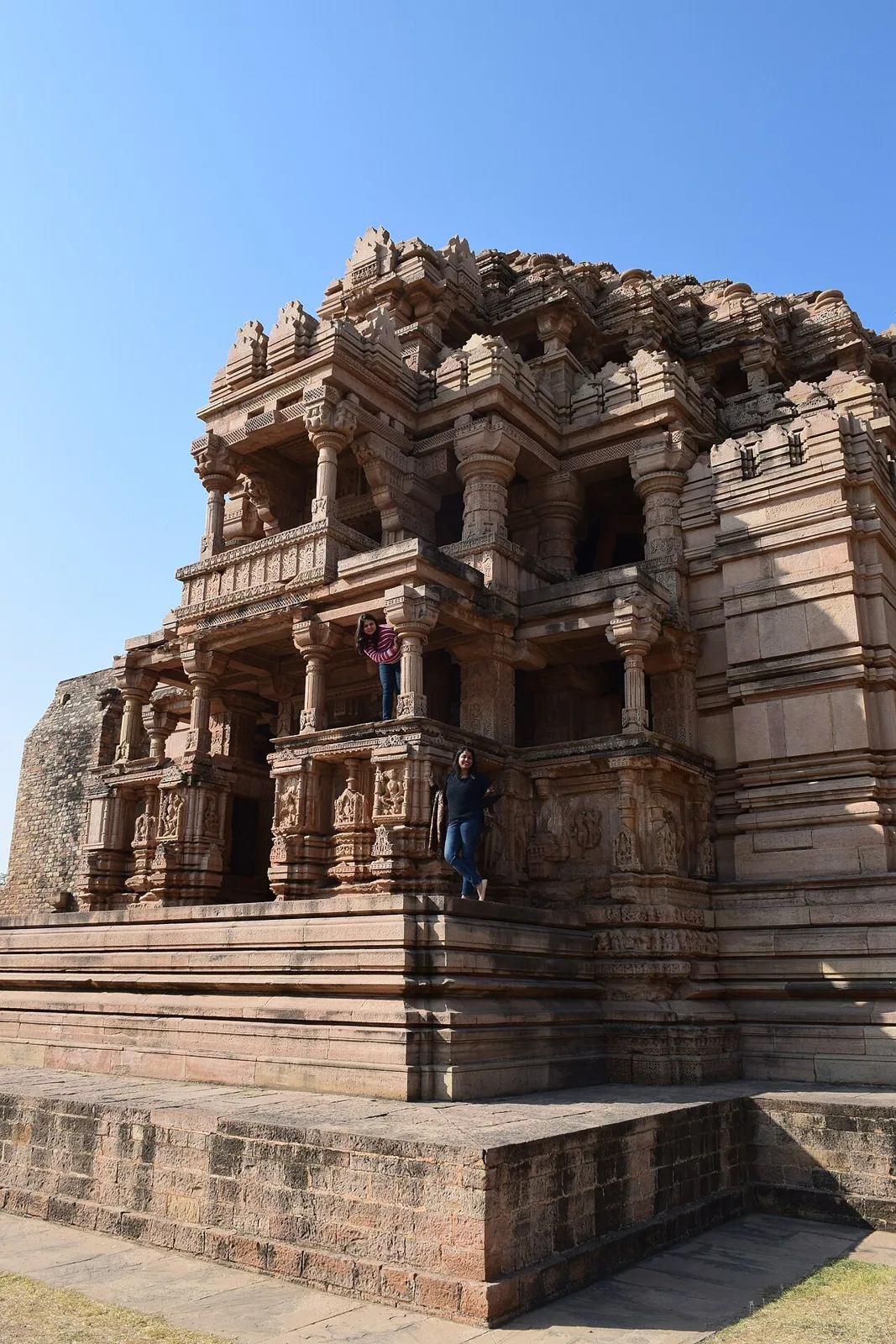
The Sasbahu Temples are a pair of eleventh-century shrines within Gwalior Fort, Madhya Pradesh. Visitors come to see their surviving architecture and damaged stone carvings.

Bateshwar Hindu temples

172 km away · Morena district

Bateshwar Hindu temples

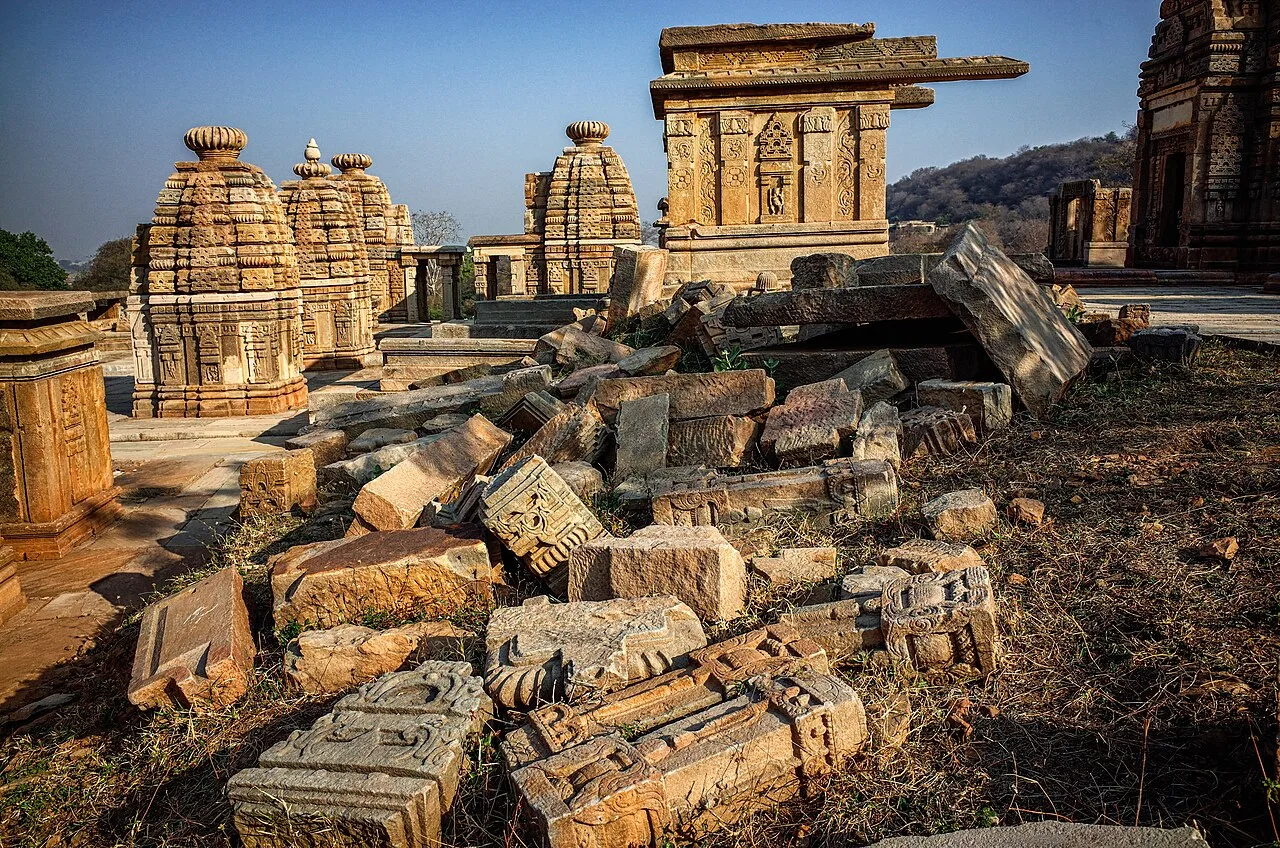
Bateshwar is a cluster of sandstone Hindu shrines and ruins in Madhya Pradesh, visited for its early temple architecture and the remains of a complex dedicated to Shiva, Vishnu and Shakti.

Chausath Yogini Temple

176 km away · Morena district

Chausath Yogini Temple

In Morena district, Madhya Pradesh, the 11th-century Chausath Yogini Temple is a Kachchhapaghata-period shrine. Visitors come to see its circular design and chambers associated with the yoginis.

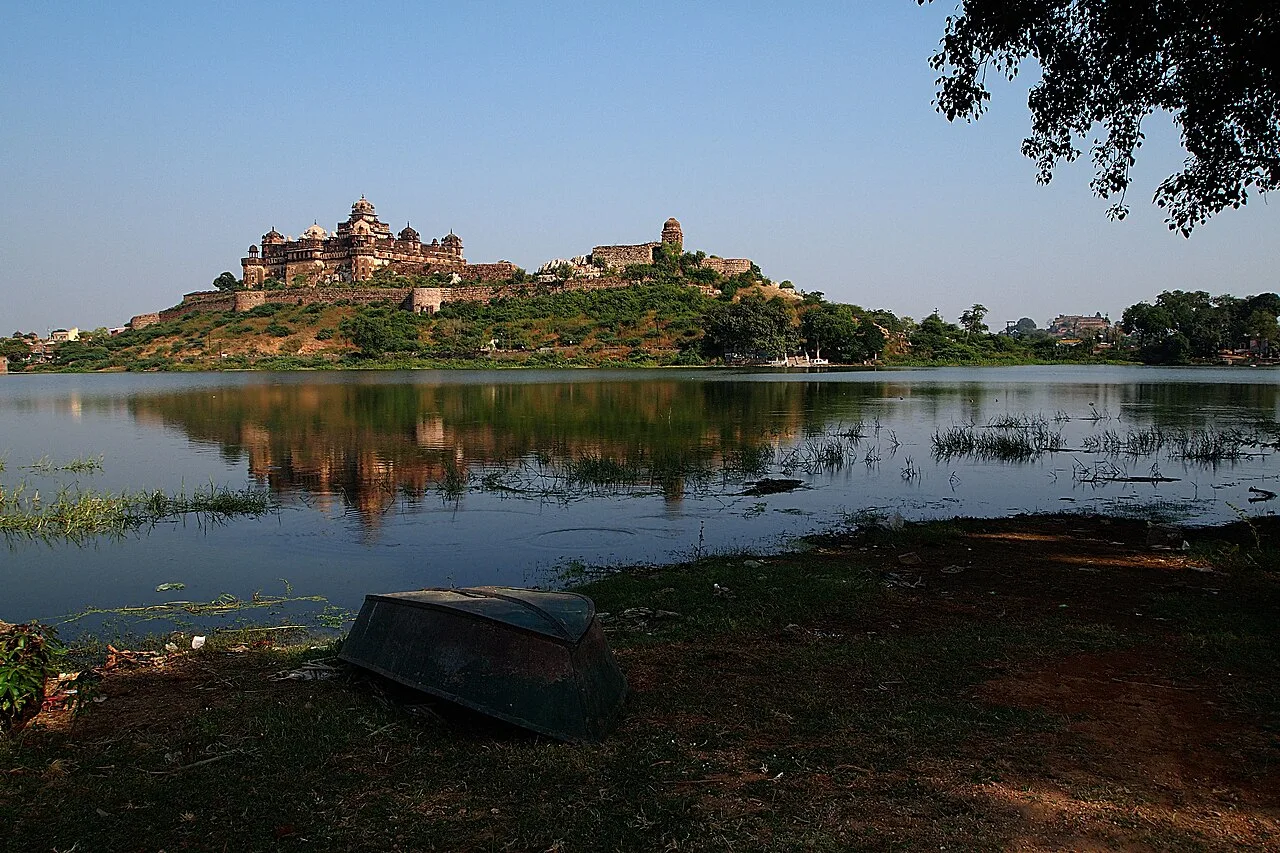
Datia Palace

176 km away · Datia district

Datia Palace

Datia Palace, also known as Bir Singh Palace, is a seven-storey monument in Datia, Madhya Pradesh. Visitors come to see its scale and blend of Mughal and Rajput design.

Map

Sheopur on the map

  1. 1Madhav National Park
  2. 2Jai Vilas Mahal
  3. 3Teli ka Mandir
  4. 4Gwalior Fort
  5. 5Sasbahu Temple
  6. 6Bateshwar Hindu temples
  7. 7Chausath Yogini Temple
  8. 8Datia Palace

Madhya Pradesh

Other cities to explore