Ghumoopedia — Explore, Discover, Experience
Sign in
Datia Palace, near Indargarh

City guide · Madhya Pradesh

Indargarh

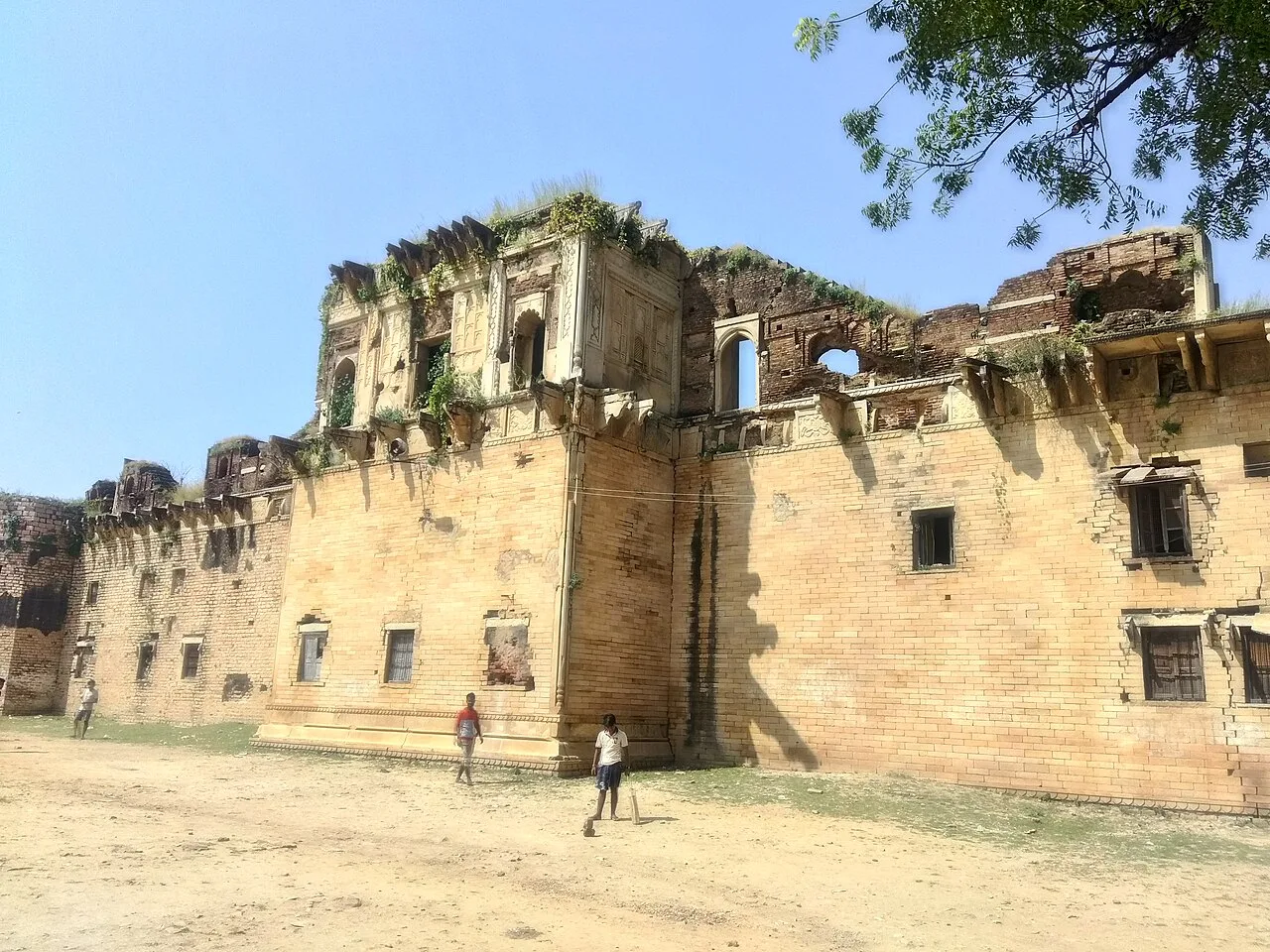
Indargarh is a small town and nagar parishad in Datia district, in northern Madhya Pradesh. Its importance is rooted in its history as a fortified local centre: according to local tradition, a ruler named Indersen built a strong fort here, and the settlement became known as Indergarh.

Famous for

  • Historic Indergarh fort
  • Indersen’s local legacy
  • Dondaria clan heritage
  • Former 58-village revenue centre

Why Indargarh matters

Indargarh is a small town and nagar parishad in Datia district, in northern Madhya Pradesh. Its importance is rooted in its history as a fortified local centre: according to local tradition, a ruler named Indersen built a strong fort here, and the settlement became known as Indergarh. It is also remembered as a centre for collecting revenue from 58 villages, giving it a role beyond the town itself in its earlier regional administration.

Today, Indargarh is chiefly a local service and market centre for nearby settlements. Its historic fort and association with the Dondaria clan are the main points of interest for visitors seeking local history. The town is not widely known for a major commercial product or a large visitor industry, so it is best approached as a modest heritage stop rather than a destination with extensive tourist facilities. Its location in Datia district also makes it a base for understanding the smaller towns and rural communities of this part of Madhya Pradesh.
Famous for: crafts, trade & products

Indargarh is not especially associated with a signature textile, handicraft, food product or large-scale industry. No widely recognised GI-tagged product or specialist craft is established as a defining feature of the town. Its best-known association is historical: the fort linked with Indersen and the settlement’s earlier role in collecting revenue from surrounding villages.

For visitors, the old fort area is the most relevant place to explore the town’s heritage. The local bazaar serves everyday needs and is the practical place to look for household goods, snacks and basic provisions, rather than a dedicated craft or souvenir market. Shoppers seeking a broader range of regional products can compare offerings in larger nearby centres such as Datia or Jhansi. These are regional alternatives, not evidence of a distinct Indargarh-made specialty. The town’s significance lies more in its local history and role as a service centre than in a recognised trade, branded product or manufacturing sector.

History

Local tradition says the settlement was once called Dard and later became known as Indergaon. Indersen, its ruler, is credited with building a strong fort, after which the place took the name Indergarh. The ruling family is associated with the Dondaria gotra. The town also served as a collection centre for revenue from 58 villages, reflecting its former importance in local administration. Lt. General Khem Karan Singh is also associated with the Dondaria clan.

The available account of Indargarh’s past centres on this local ruling lineage and fort; specific details of its experience under colonial rule are not well established. In modern times, it has developed as a nagar parishad within Datia district, serving residents and nearby villages through local administration, shops and everyday services. The fort and the town’s remembered administrative role remain its clearest historical markers.

Food, festivals & culture

Hindi is widely used in daily life, and Bundeli is part of the wider regional speech and cultural landscape. Meals generally follow central Indian home-style cooking, with staples such as roti, lentils, vegetables and rice. There is no widely recognised local dish or sweet specifically identified with Indargarh; visitors can look for everyday snacks and sweets in the bazaar rather than a designated food district.

Holi in spring, Navratri and Dussehra in autumn, and Diwali in autumn are among the major Hindu festivals observed across the region. Eid is also celebrated by Muslim communities. Local religious life is centred on neighbourhood places of worship, including temples and mosques. Devotional songs and regional folk traditions form part of the broader cultural setting, though Indargarh is not especially known for a large annual arts event or a distinctive performance tradition. Festival activity is generally community-based, with customs varying among families and neighbourhoods.

Visiting the city

The cooler months, roughly October to March, are generally the most comfortable time to visit. Gwalior Airport is the main nearby airport to consider. For rail access, Datia railway station is a useful railhead for onward road travel; Jhansi is a larger alternative for connections. Check current road connections before setting out, as local transport options can vary.

Auto-rickshaws and locally arranged road transport are practical ways to get around town and reach nearby areas. The old fort surroundings are the natural starting point for a short visit, followed by the central bazaar and civic areas to see everyday town life. Indargarh has limited tourist infrastructure, so arranging onward transport and essentials in advance can make a visit easier. Datia and Jhansi offer broader services and additional places to explore.

Trips from the city

Nearest places to visit from Indargarh

Our closest destination guides, by straight-line distance.

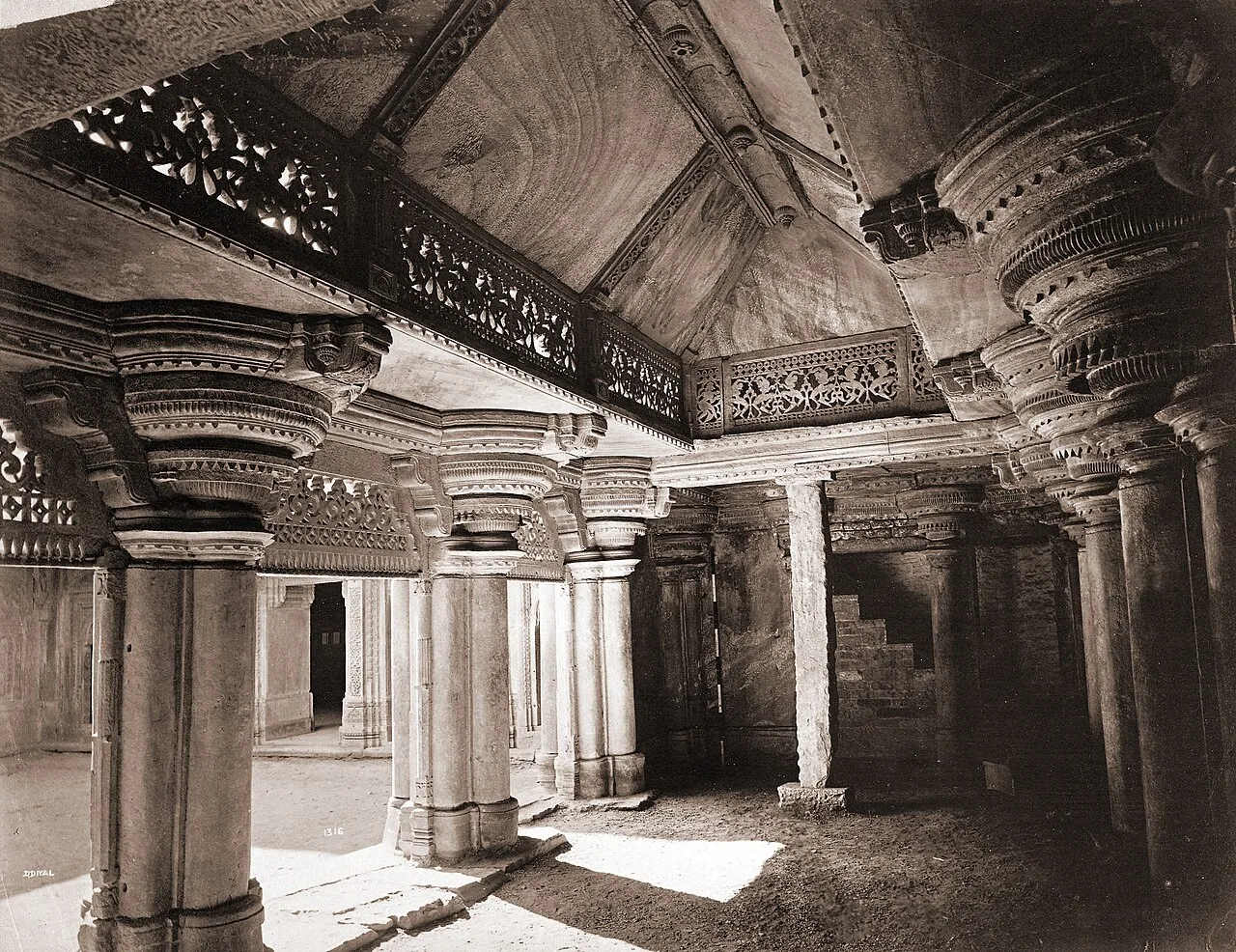
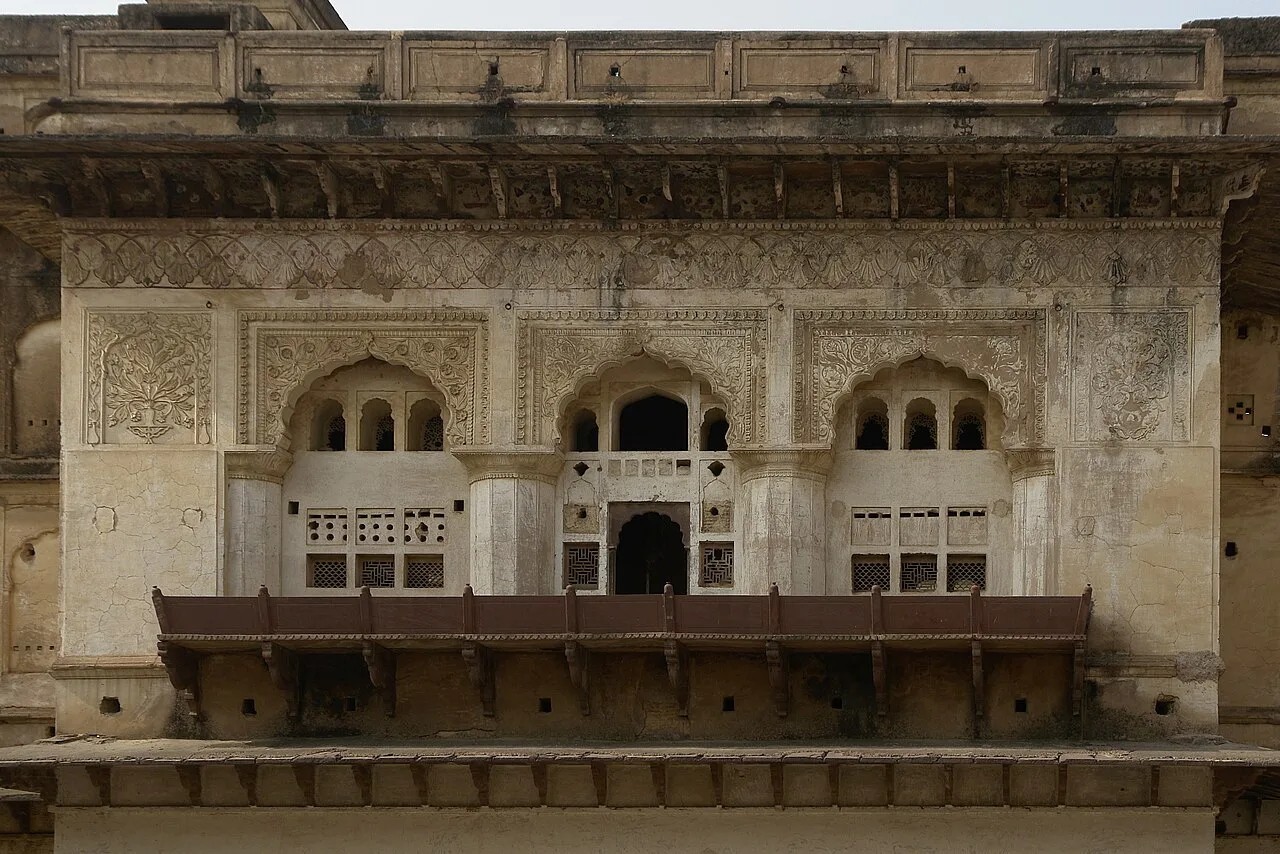
Datia Palace

29 km away · Datia district

Datia Palace

Datia Palace, also known as Bir Singh Palace, is a seven-storey monument in Datia, Madhya Pradesh. Visitors come to see its scale and blend of Mughal and Rajput design.

Jai Vilas Mahal

51 km away · Gwalior district

Jai Vilas Mahal

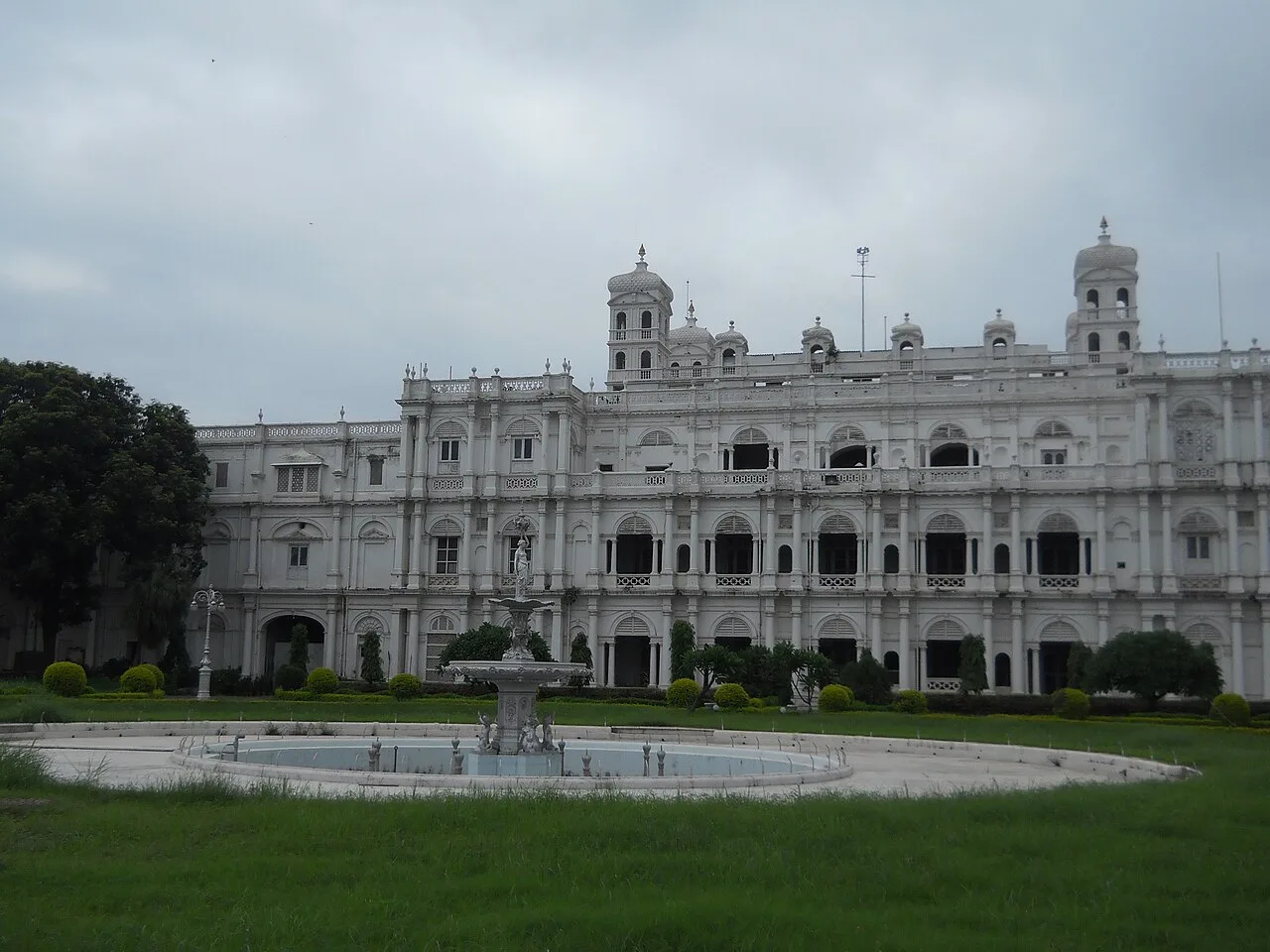
Jai Vilas Mahal is a royal residence dating to the 1800s in Gwalior, Madhya Pradesh. Visitors come to see the Jiwajirao Scindia Museum, which occupies most of the palace.

Sasbahu Temple

52 km away · Gwalior district

Sasbahu Temple

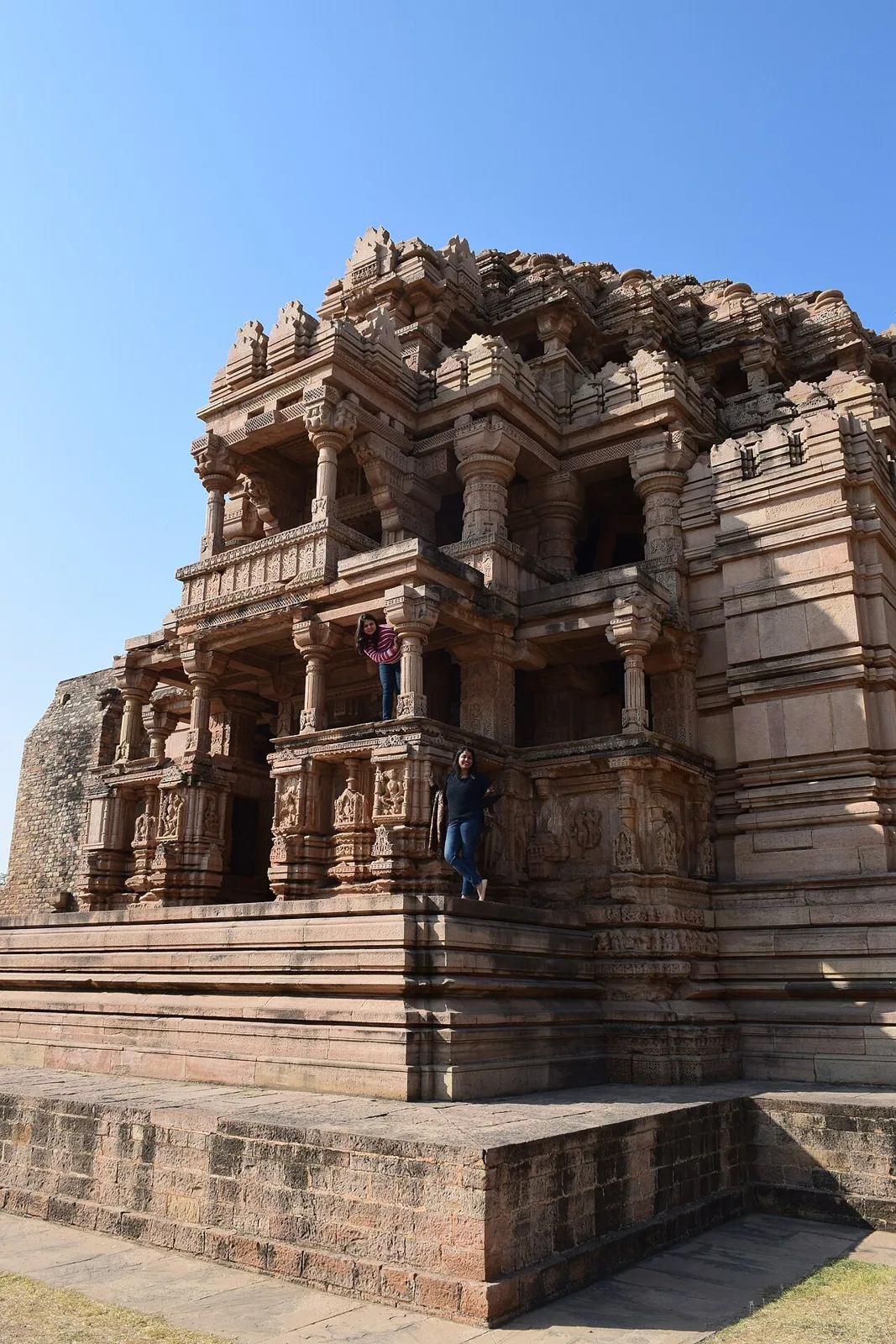
The Sasbahu Temples are a pair of eleventh-century shrines within Gwalior Fort, Madhya Pradesh. Visitors come to see their surviving architecture and damaged stone carvings.

Gwalior Fort

53 km away · Gwalior district

Gwalior Fort

Gwalior Fort is an ancient hill stronghold in Madhya Pradesh, visited for its historic palaces, successive rulers and inscriptions, including an early place-value record of zero.

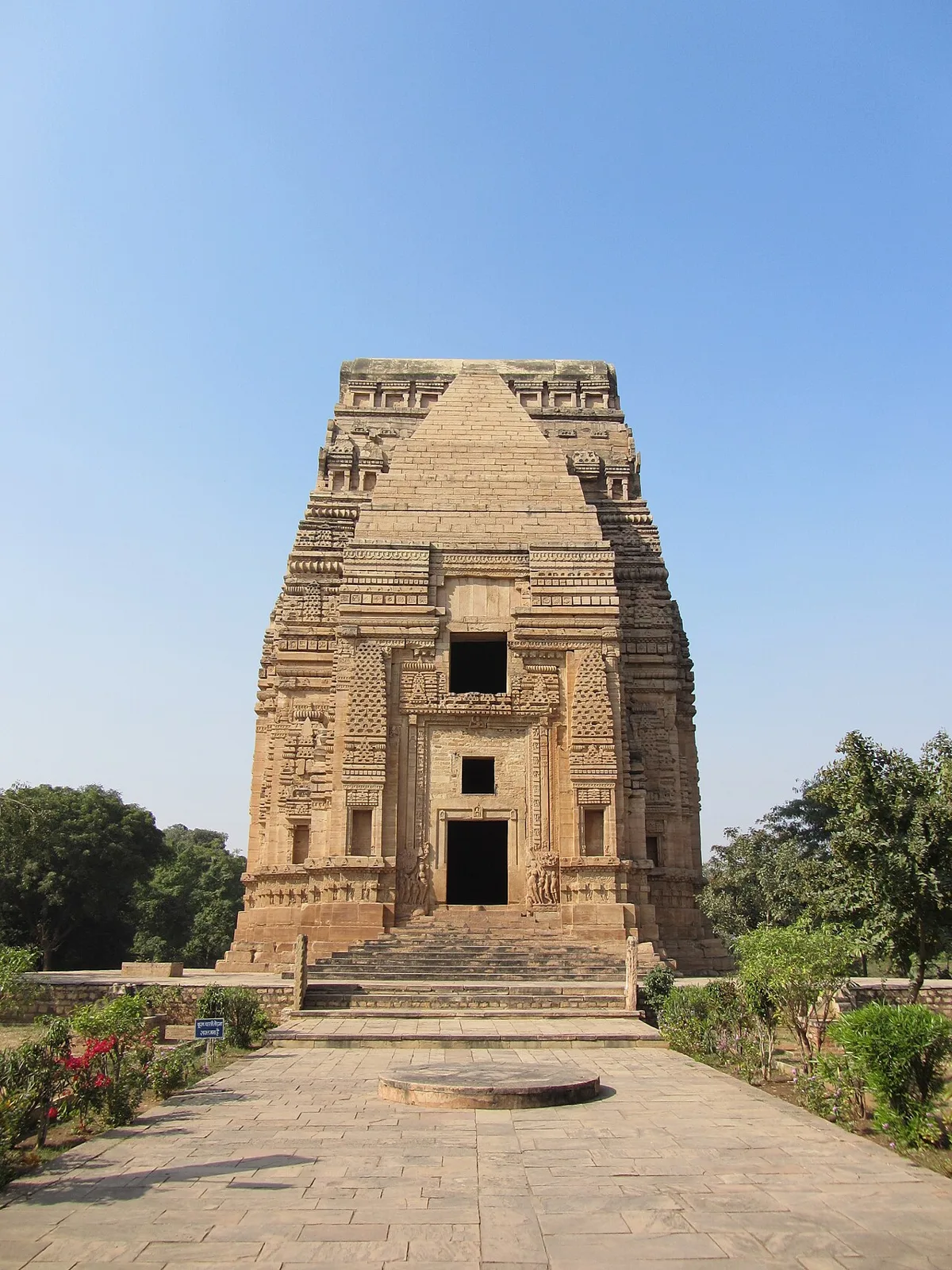
Teli ka Mandir

53 km away · Gwalior district

Teli ka Mandir

Teli ka Mandir is a Hindu shrine within Gwalior Fort, noted for its unusual rectangular sanctuary and blend of architectural traditions. Visitors come to see its distinctive design and historic character.

Gohad Fort

59 km away · Bhind district

Gohad Fort

Gohad Fort is a historic site in Gohad, Madhya Pradesh, and attracts interest for its historical importance; the town is 45 km from Gwalior.

Orchha

63 km away · Orchha district

Orchha

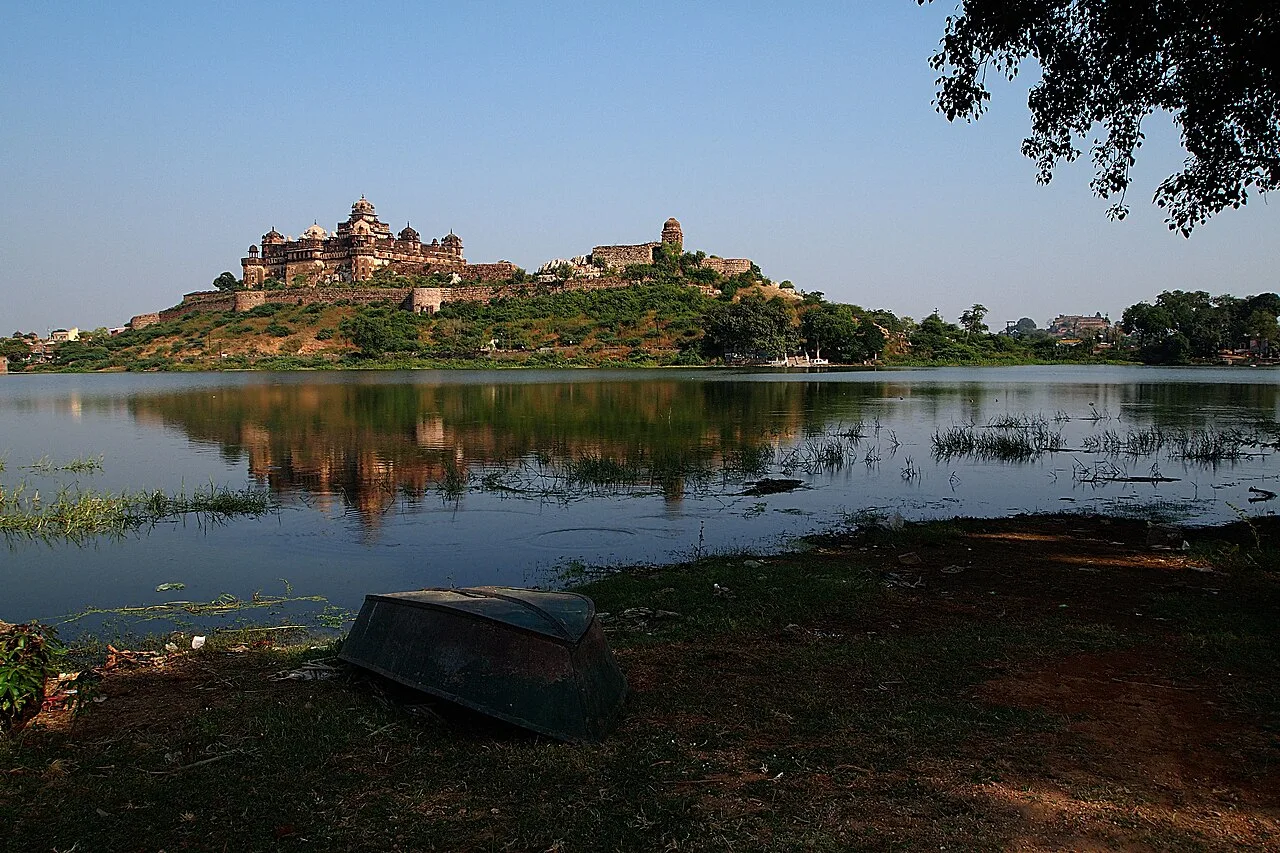
Orchha is a town in Madhya Pradesh beside the Betwa River, founded as the centre of a Bundela princely state. Its history and former royal role are reasons to visit.

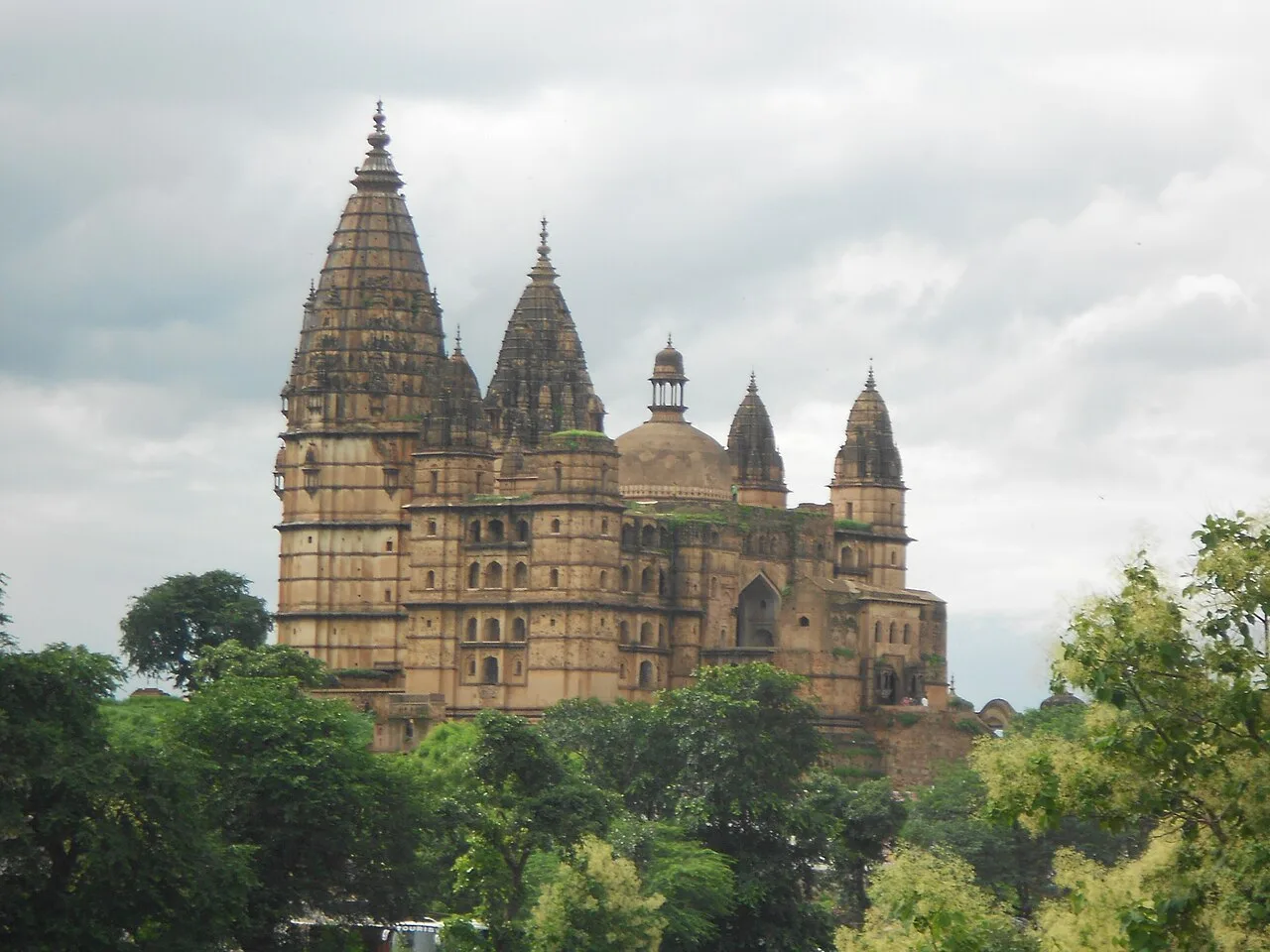
Orchha Fort

63 km away · Orchha district

Orchha Fort

Orchha Fort is a historic complex in Orchha, Madhya Pradesh, built by Bundela rulers. Visitors come to explore its palaces, temple, courtyard and distinctive architectural features.

Map

Indargarh on the map

  1. 1Datia Palace
  2. 2Jai Vilas Mahal
  3. 3Sasbahu Temple
  4. 4Gwalior Fort
  5. 5Teli ka Mandir
  6. 6Gohad Fort
  7. 7Orchha
  8. 8Orchha Fort

Madhya Pradesh

Other cities to explore