Ghumoopedia — Explore, Discover, Experience
Sign in
Bhoj Wetland, Bhopal, near Kothri Kalan

City guide · Madhya Pradesh

Kothri Kalan

Kothri Kalan is a small settlement in Sehore district, in Madhya Pradesh’s agricultural heartland. Its importance is mainly local: it serves nearby rural communities and is connected by road to larger centres such as Ashta and Sehore.

Famous for

  • Soybean and wheat farming
  • Sehore district countryside
  • Ashta-area agricultural trade
  • Malwa plateau setting

Why Kothri Kalan matters

Kothri Kalan is a small settlement in Sehore district, in Madhya Pradesh’s agricultural heartland. Its importance is mainly local: it serves nearby rural communities and is connected by road to larger centres such as Ashta and Sehore. Farming and the movement of produce shape much of everyday life, while local shops and services meet the needs of residents and surrounding villages.

This is not a major sightseeing city with a widely known monument or visitor circuit. People are more likely to come for family visits, local business or travel through the countryside than for a particular attraction. Its appeal is the chance to see an everyday side of central Madhya Pradesh, with cultivated fields and a steady rhythm of rural trade. Travellers can use Kothri Kalan as a quiet stop or as a base for practical journeys in the district, while relying on nearby towns for a broader choice of services and amenities.
Famous for: crafts, trade & products

Kothri Kalan is associated chiefly with farming and the local trade that supports it. Wheat and soybean are important crops across this part of Sehore district; gram and other pulses are also grown in the wider region. Produce is handled through local trading channels and markets in nearby towns, with activity and availability varying by season. The settlement is better understood as part of an agricultural network than as a specialist manufacturing centre.

There is no widely recognised local identity for a particular saree, handicraft, GI-tagged product or signature food product. Visitors looking for everyday provisions can check shops and market areas in Kothri Kalan, while a larger selection of goods and services is more likely in Ashta or Sehore. Regional wheat and soybean products may be encountered in ordinary trade, but they should not be confused with a craft or product made exclusively in Kothri Kalan. For locally grown produce, ask vendors about what is in season and where it was cultivated.

History

This part of central India has long been shaped by farming communities and by political connections with the Malwa and Bhopal areas. The wider region came under the Bhopal princely state, which retained its rulers under British paramountcy rather than being governed as an ordinary British province.

After independence, Bhopal State joined the Indian Union in 1949 and became part of the reorganised Madhya Pradesh in 1956. In the decades that followed, roads, administration and market links strengthened connections between rural settlements and district towns. Kothri Kalan’s growth has remained closely tied to agriculture and local services; there is no widely recorded royal centre or colonial-era landmark in the settlement itself. Its present-day character reflects the gradual expansion of rural transport and commerce rather than a single historic event.

Food, festivals & culture

Daily life reflects the rural culture of the Sehore and Malwa region. Hindi is widely used, alongside local Malwi speech. Home cooking commonly centres on wheat rotis, dal, seasonal vegetables and other familiar central Indian dishes. Poha, often eaten as a breakfast, and dal bafla are popular across the wider region, though neither should be treated as a dish unique to Kothri Kalan. Sweets and savoury snacks are generally found through local shops and eateries rather than as a town-specific speciality.

Diwali and Holi are widely observed, while Navratri brings seasonal devotional gatherings and worship. Eid is also marked by Muslim communities in the wider area. Celebrations are often centred on family, neighbourhood and places of worship, with local temples and mosques serving community needs. The scale and style of celebrations can vary between neighbourhoods and villages.

Visiting the city

October to March is generally the most comfortable period to visit, with cooler conditions than the hot summer months. The monsoon can make the surrounding countryside greener, though rain may affect road journeys. The nearest major airport is Raja Bhoj Airport in Bhopal. Sehore railway station is a useful rail connection for the district, while Bhopal Junction is a larger rail hub; arrange onward road travel to Kothri Kalan.

Buses, shared vehicles or taxis may be available on routes serving nearby towns, and local transport options can be limited. A walk through the central market area offers a glimpse of everyday commerce; the surrounding lanes and farmland show the settlement’s rural setting. For more shops, accommodation and services, check Ashta or Sehore. Kothri Kalan is a low-key stop rather than a destination with a developed tourist circuit.

Trips from the city

Nearest places to visit from Kothri Kalan

Our closest destination guides, by straight-line distance.

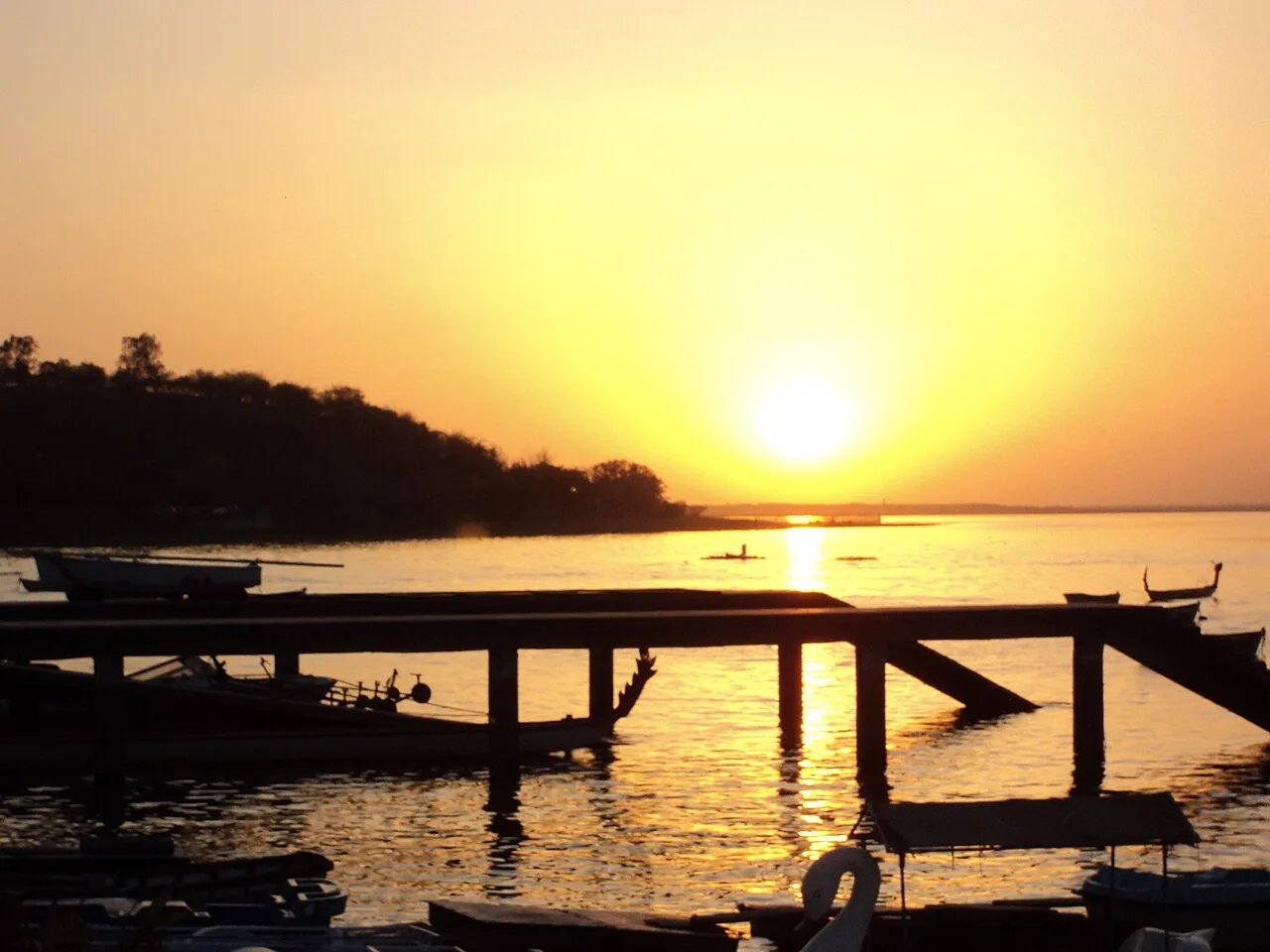
Bhoj Wetland, Bhopal

56 km away · Sehore district

Bhoj Wetland, Bhopal

Bhoj Wetland is a two-lake complex in Bhopal, Madhya Pradesh. Visitors are drawn to its wetland habitats, varied wildlife and waterbirds.

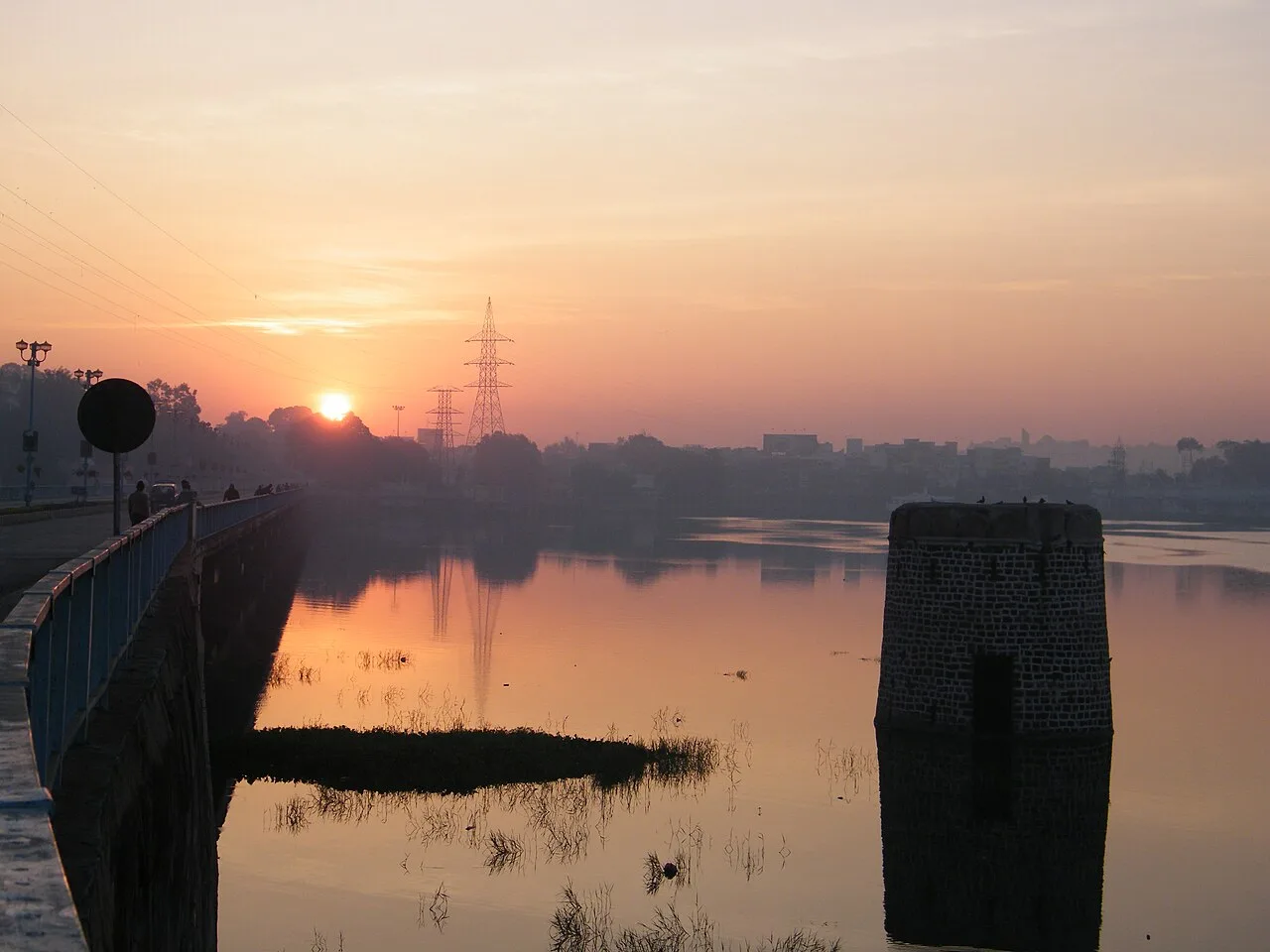
Bhojtal

56 km away · Bhopal district

Bhojtal

Bhojtal, also called Upper Lake, is a large lake on Bhopal’s western side. Visitors can see it as part of the Bhoj Wetland, formed with nearby Lower Lake and designated a Ramsar site.

Van Vihar National Park

58 km away · Bhopal district

Van Vihar National Park

Van Vihar is a national park and zoological facility in Bhopal, visited for its animal habitats and a road that runs through the grounds.

Bharat Bhavan

61 km away · Bhopal district

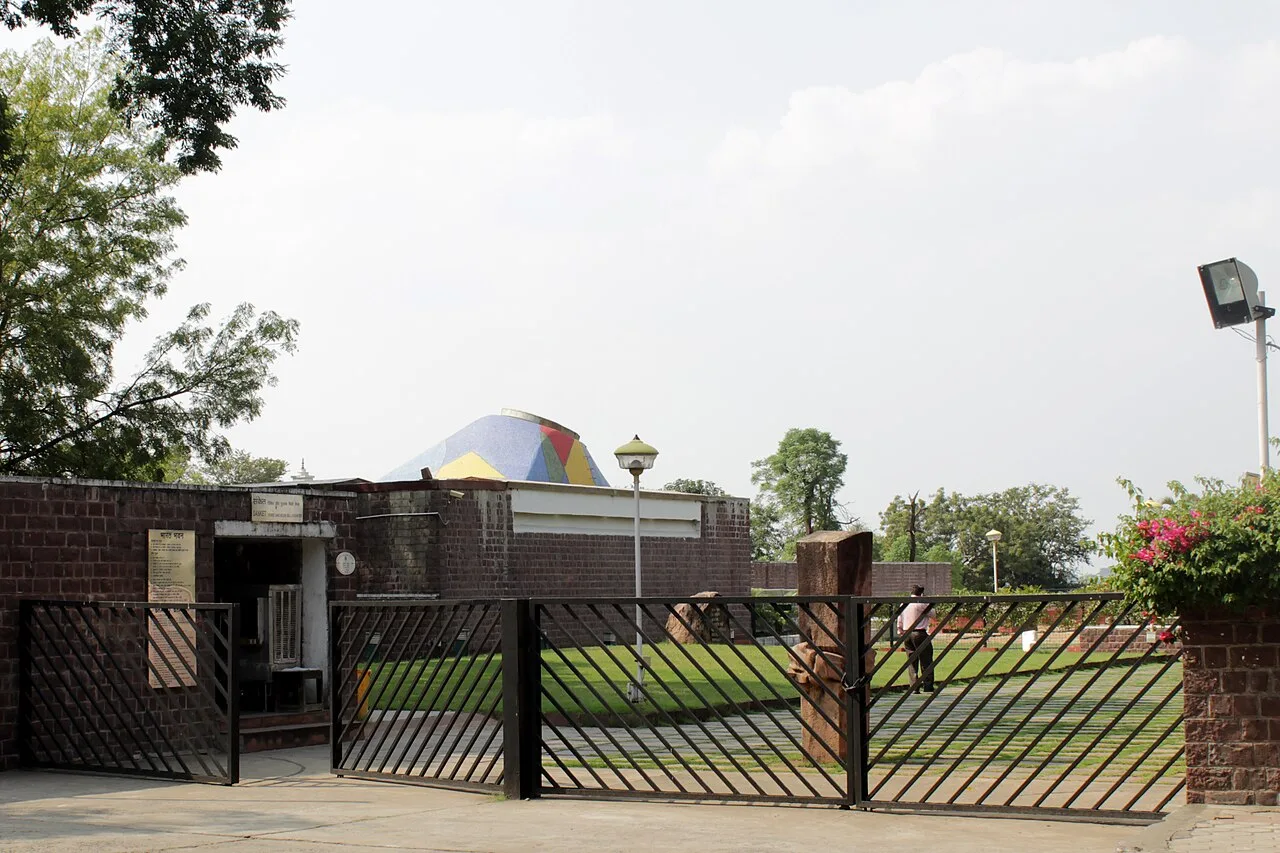
Bharat Bhavan

Bharat Bhavan is a government-established arts centre and museum in Bhopal, designed by Charles Correa. Visitors can explore its galleries, creative workshops, performance spaces and cultural collections.

Taj-ul-Masajid

61 km away · Bhopal district

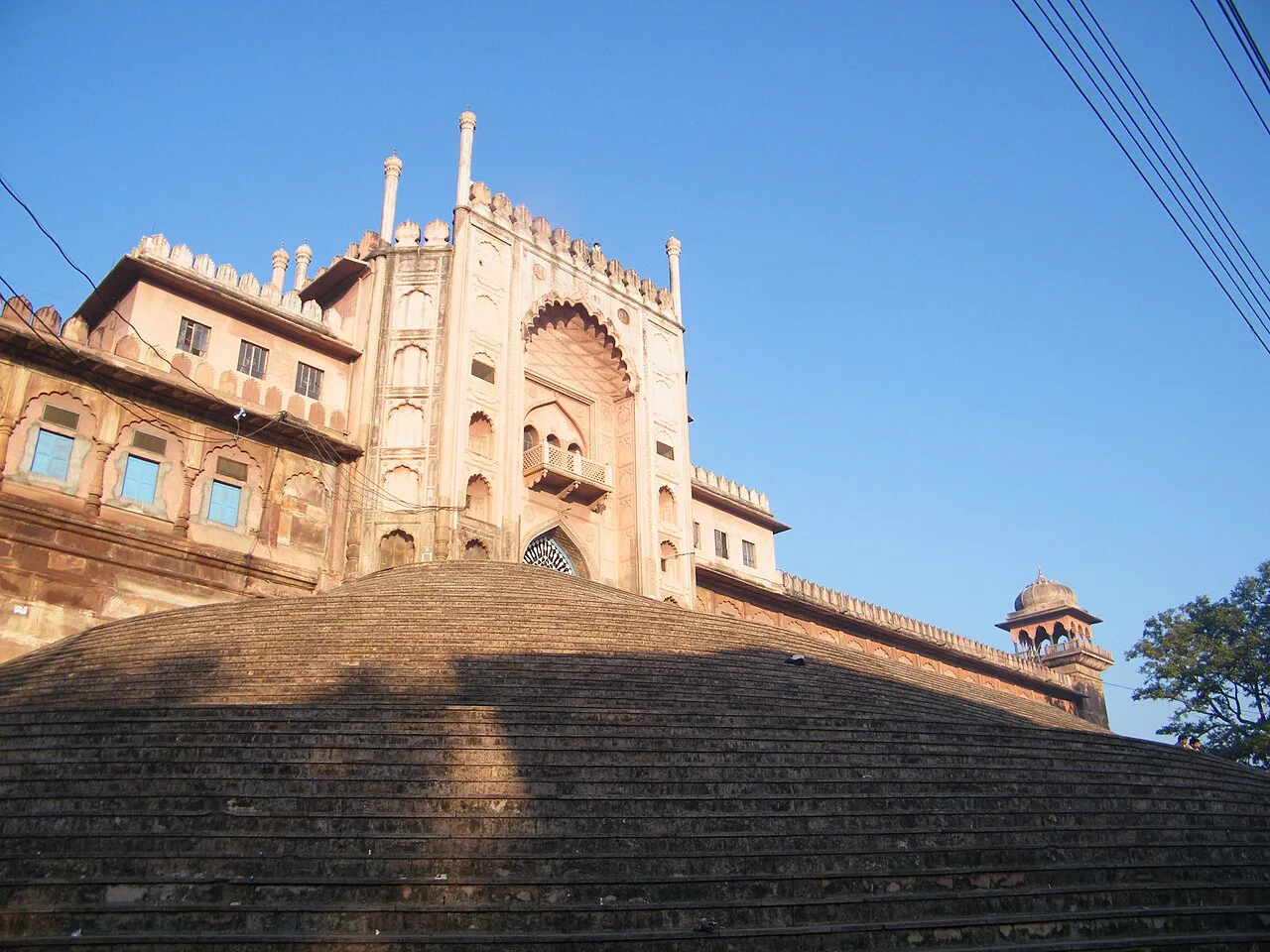
Taj-ul-Masajid

Taj-ul-Masajid is a Sunni mosque in Bhopal, Madhya Pradesh, associated with Tablighi Jamaat and the Deobandi movement. People visit for prayer and to see one of India’s largest mosques.

Islamnagar

68 km away · Bhopal district

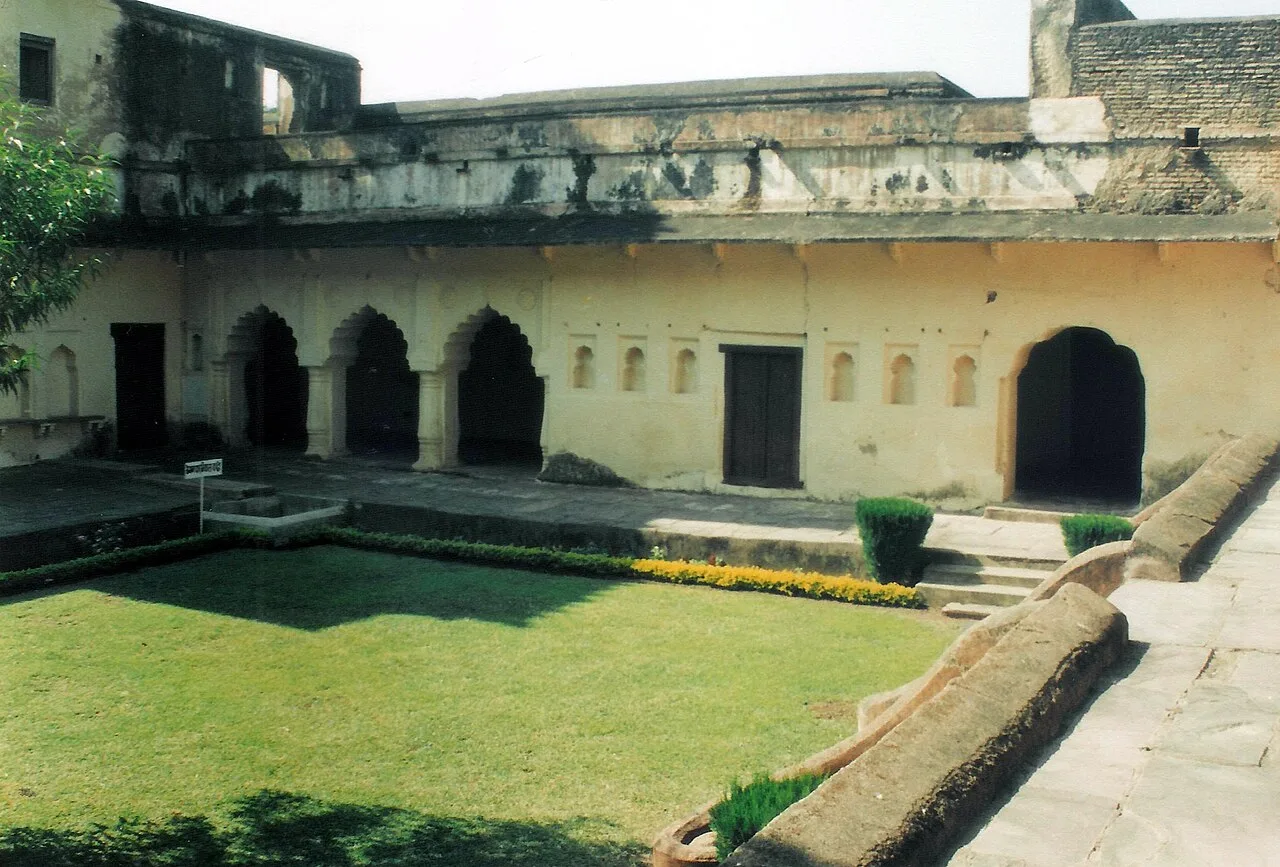
Islamnagar

Islamnagar, officially Jagdishpur since February 2023, is a panchayat village in Bhopal district, Madhya Pradesh, visited for the ruined palaces built by Bhopal’s founder.

Bhojpur

78 km away · Raisen district

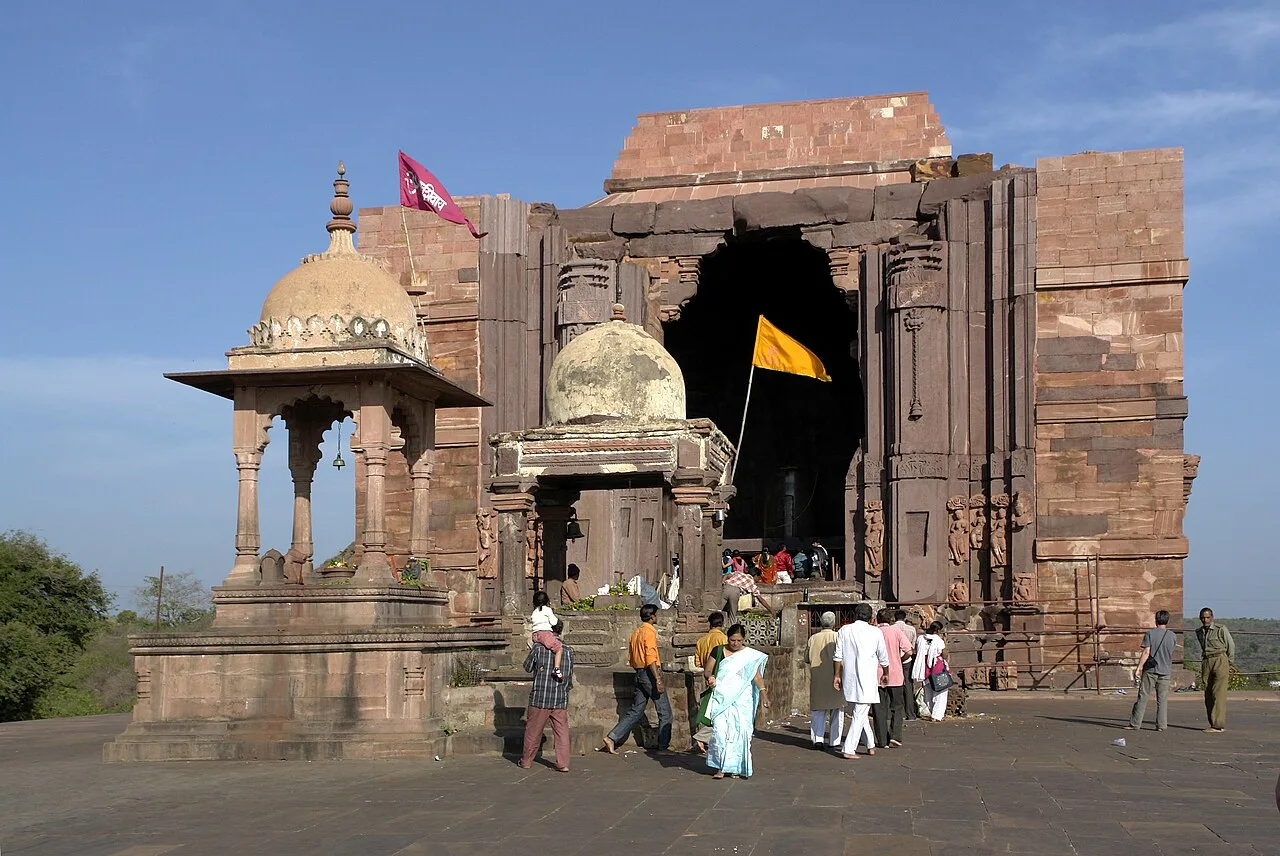
Bhojpur

Bhojpur, in Raisen district, Madhya Pradesh, is known for its historical and religious significance, attracting interest from people drawn to these aspects.

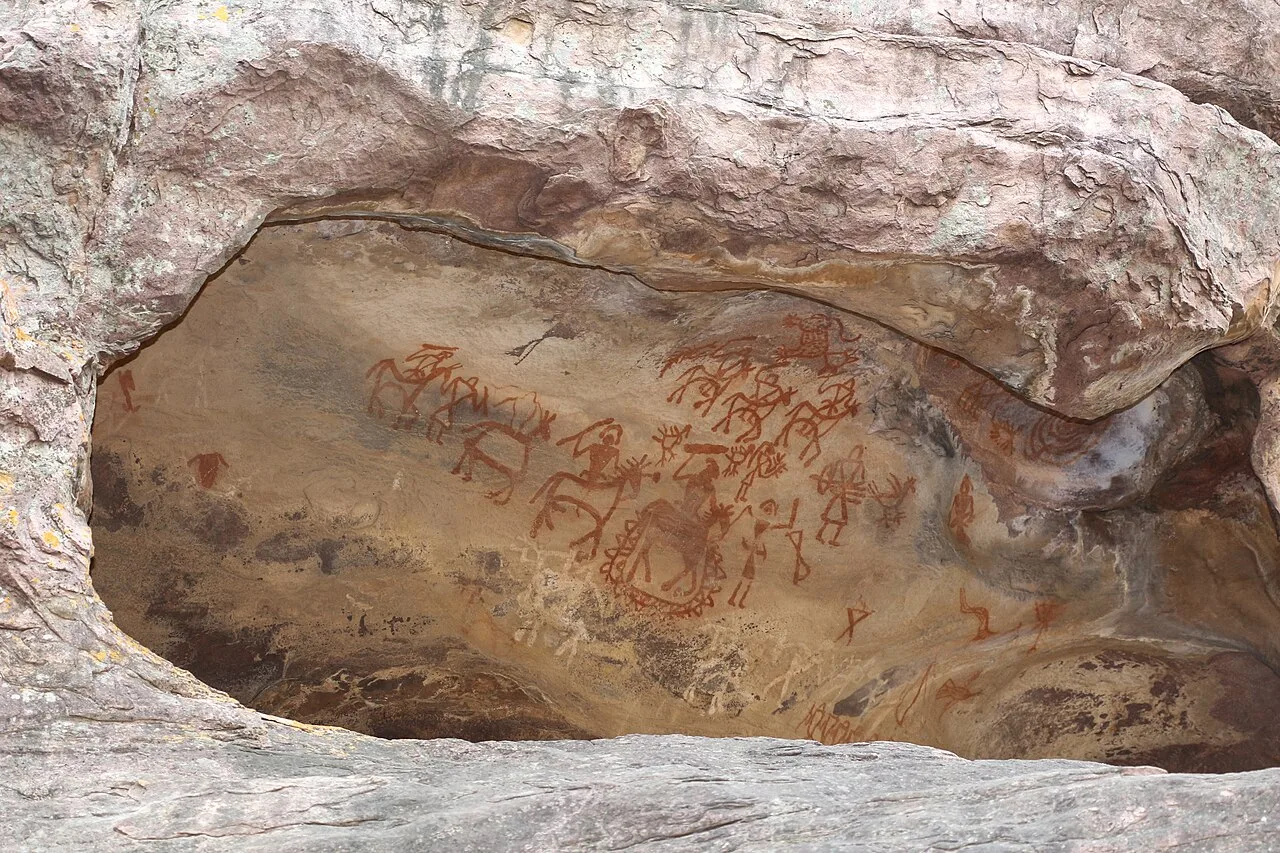
Bhimbetka Rock Shelters

82 km away · Raisen district

Bhimbetka Rock Shelters

Bhimbetka is a prehistoric archaeological landscape in Madhya Pradesh, known for ancient shelters and rock art. Visitors can explore evidence of human life, cultural change and artistic expression across millennia.

Map

Kothri Kalan on the map

  1. 1Bhoj Wetland, Bhopal
  2. 2Bhojtal
  3. 3Van Vihar National Park
  4. 4Bharat Bhavan
  5. 5Taj-ul-Masajid
  6. 6Islamnagar
  7. 7Bhojpur
  8. 8Bhimbetka Rock Shelters

Madhya Pradesh

Other cities to explore