Ghumoopedia — Explore, Discover, Experience
Sign in
Asirgarh Fort, near Khandwa

City guide · Madhya Pradesh

Khandwa

Khandwa is the administrative centre of the Nimar region and the headquarters of Khandwa district, formerly known as East Nimar. Its importance today comes from its role as a regional service and trading city, as well as its position on a busy railway junction where routes linking central India with the Deccan and eastern India meet.

Famous for

  • Kishore Kumar's hometown
  • Dada Dhuniwale shrine
  • Major railway junction
  • Cotton and soybean trade
  • Nimar regional culture

Why Khandwa matters

Khandwa is the administrative centre of the Nimar region and the headquarters of Khandwa district, formerly known as East Nimar. Its importance today comes from its role as a regional service and trading city, as well as its position on a busy railway junction where routes linking central India with the Deccan and eastern India meet. The station makes Khandwa a practical base for journeys across the region.

Visitors come for the city’s religious sites and its connection with singer and actor Kishore Kumar, who was born here and is remembered at his samadhi. Dada Dhuniwale Dham and Navchandi Devi Temple are among the city’s notable places of worship. Khandwa also serves travellers heading to Omkareshwar, a major pilgrimage destination on the Narmada, outside the city. Its markets and everyday life reflect Nimar’s mix of agricultural commerce, Hindi-speaking urban culture and Nimadi regional traditions.
Famous for: crafts, trade & products

Khandwa is best known commercially as a market and transport centre for the surrounding agricultural district. Cotton, soybean and wheat from the wider region contribute to local trade, alongside the shops and services that serve residents and passing travellers. The central market and older bazaar areas are the most convenient places to browse everyday clothing, household goods, snacks and locally traded produce.

The city is not especially known for a distinct handloom tradition, signature craft or widely recognised GI-tagged product. Visitors looking for textiles will find general retail shops rather than a specialised Khandwa weaving or saree industry. Its strongest cultural associations are instead the memory of Kishore Kumar and the devotional following of Dada Dhuniwale. These can be explored at the singer’s memorial and at Dada Dhuniwale Dham; Navchandi Devi Temple is another important local landmark. For a sense of the city’s commercial character, walk through the busy bazaar streets around the centre and railway station, where local shopping and regional travel converge.

History

The name Khandwa is traditionally linked to Khandav Van, or the Khandav forests. Archaeological discoveries in the Narmada basin point to very early human presence in the wider East Nimar region, while the area’s later history was shaped by successive powers. Regional rule passed through dynasties including the Mauryas, Shungas, Satavahanas, Guptas, Chalukyas, Rashtrakutas and Paramaras, followed by the Faruqi rulers of the region.

Maratha influence preceded British administration. Under the British, Nimar was incorporated into the Central Provinces, and railway development helped Khandwa grow as a junction and commercial town. After Indian independence, the city became part of Madhya Pradesh and developed as the administrative headquarters of the district. Its rail connections and role in serving the surrounding agricultural hinterland continue to shape its modern growth.

Food, festivals & culture

Khandwa’s food reflects the broader tastes of western Madhya Pradesh and Nimar. Poha, often served with jalebi, is a familiar breakfast; snacks such as kachori and sev are common in local shops. Dal bafla and regional sweets can also be found, though menus vary between eateries. The bazaars are good places to sample everyday street food and tea alongside routine shopping.

Hindi is widely used, while Nimadi is an important regional language; Urdu and Marathi are also heard in the city. Hindu festivals such as Navratri, Diwali, Holi and Ganesh Chaturthi bring neighbourhood celebrations, and Eid is observed by Muslim communities. Navratri draws worshippers to Navchandi Devi Temple. Devotional songs and bhajans are part of shrine life, while Kishore Kumar’s legacy gives the city a strong connection with Hindi film music. Folk music and dance are also part of the wider Nimar region’s cultural life, especially at community gatherings and seasonal celebrations.

Visiting the city

The cooler months, roughly October to March, are generally the most comfortable for exploring Khandwa; summers can be very hot, while the monsoon brings rain. The nearest major commercial airport is Devi Ahilya Bai Holkar Airport in Indore. Khandwa Junction is the city’s main railway station and a significant connection point for regional and long-distance journeys.

Auto-rickshaws, local buses and hired cars are useful for getting around. Start in the central bazaar and older market streets, then visit Dada Dhuniwale Dham, Navchandi Devi Temple and Kishore Kumar’s memorial. The railway-station area is convenient for onward travel, while Omkareshwar can be visited by road as a separate pilgrimage excursion outside the city. Allow for heat and local traffic when planning time outdoors.

Trips from the city

Nearest places to visit from Khandwa

Our closest destination guides, by straight-line distance.

Asirgarh Fort

40 km away · Burhanpur district

Asirgarh Fort

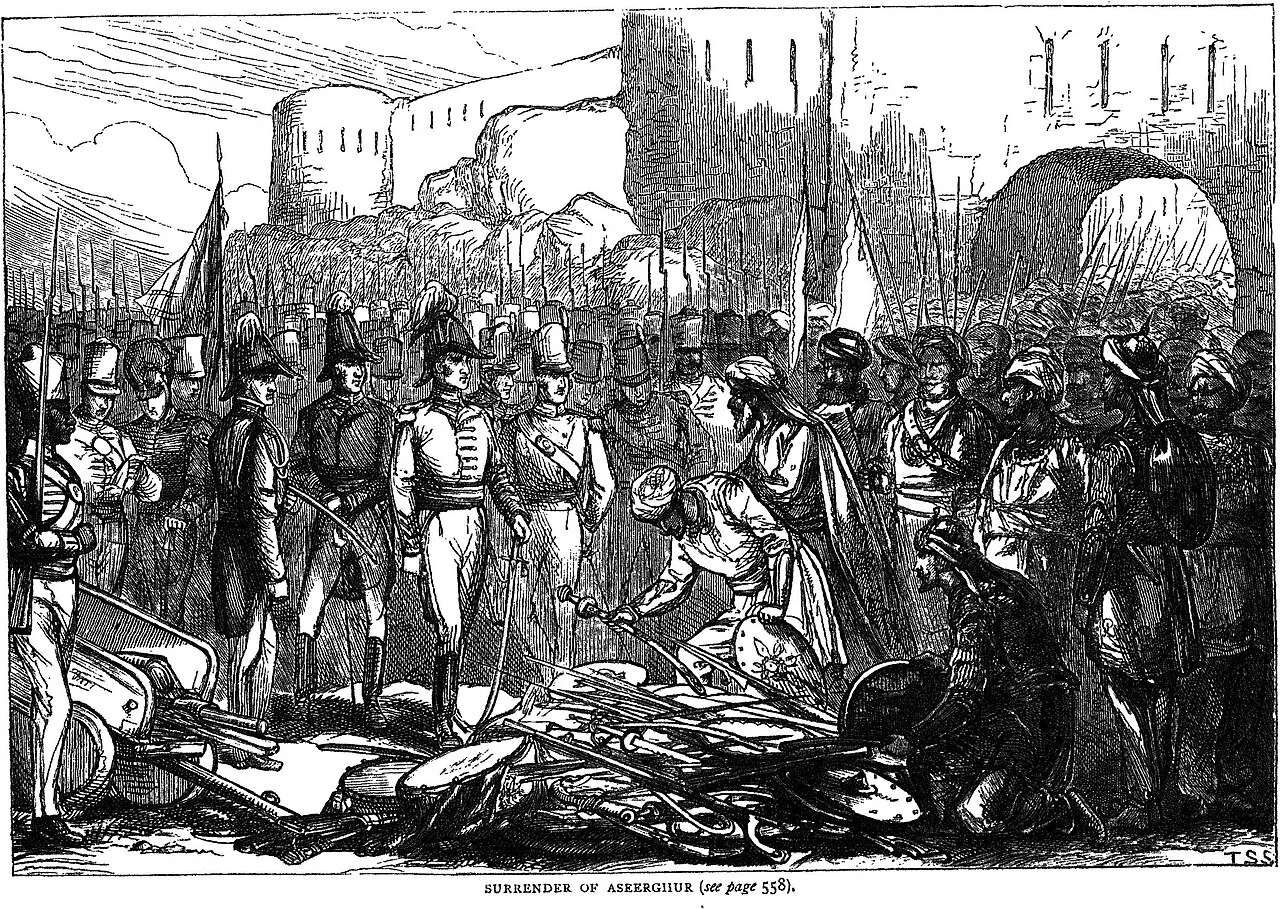
Asirgarh Fort is a historic stronghold in Madhya Pradesh’s Satpura Range, visited for its commanding position above a mountain pass that once linked northern India with the Deccan.

Hanuwantiya Island

43 km away · Khandwa district

Hanuwantiya Island

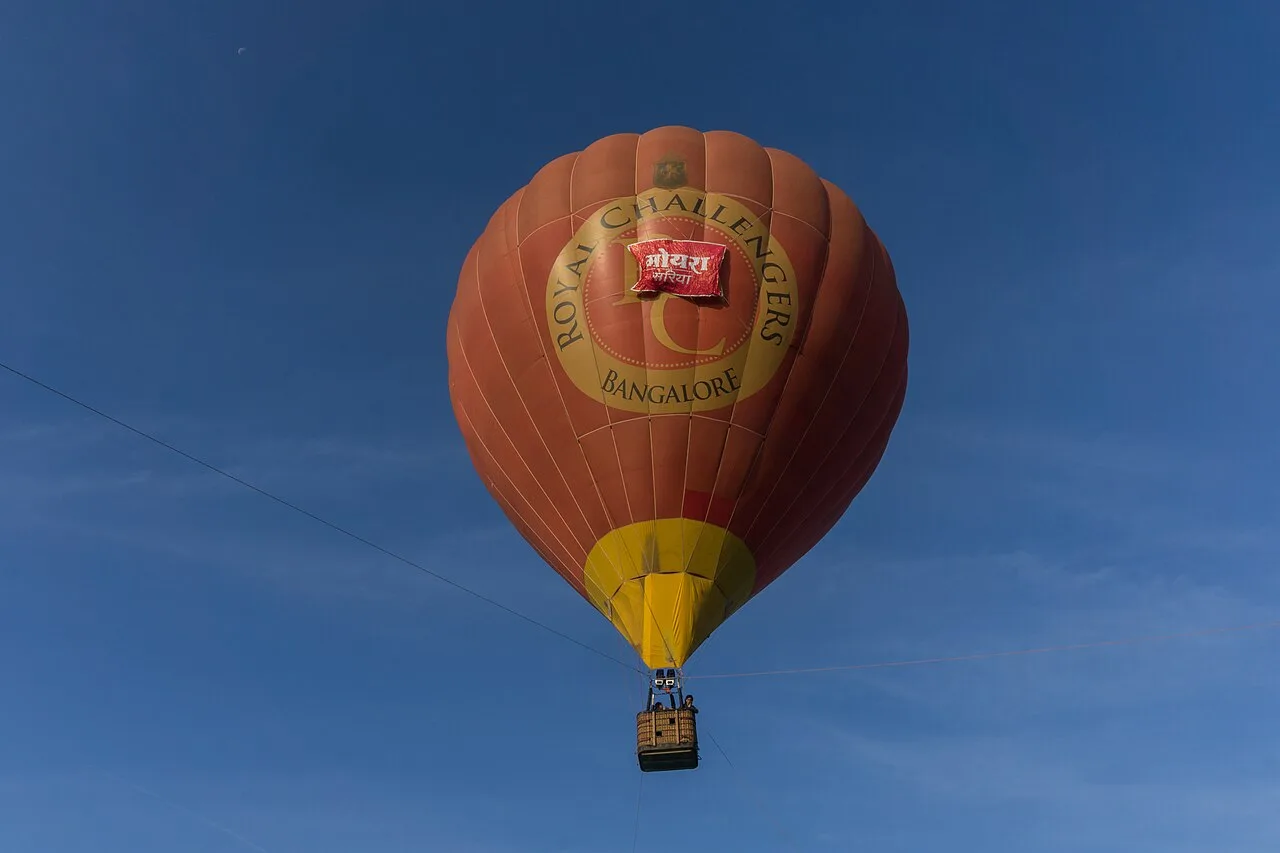
Hanuwantiya Island is a tourism destination in Khandwa district, Madhya Pradesh. Visitors come to the island, which the state tourism corporation developed as a hub for tourism.

Omkareshwar Dam

50 km away · Khandwa district

Omkareshwar Dam

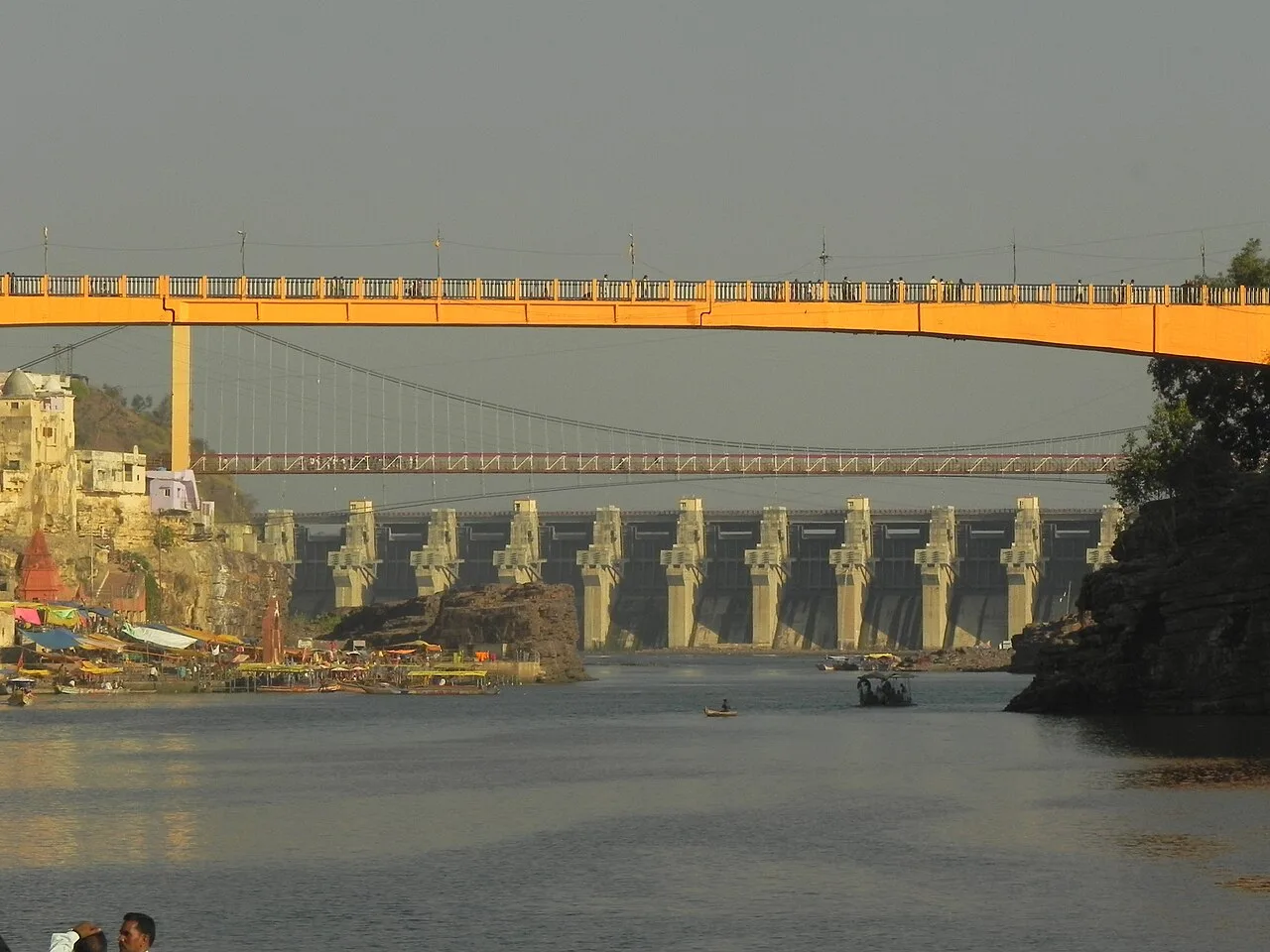
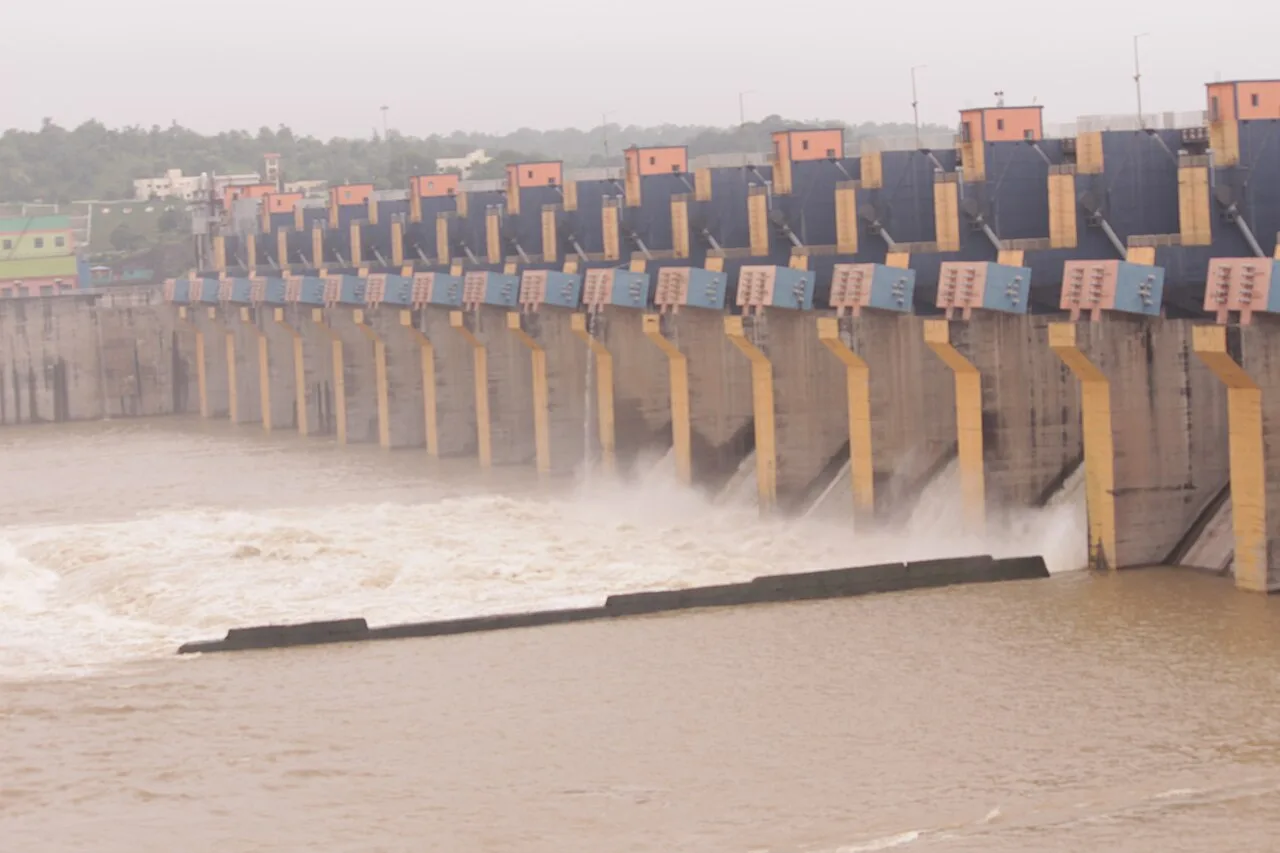
Omkareshwar Dam is a gravity dam on the Narmada in Madhya Pradesh, upstream of Mandhata. Visitors can view the structure and its associated hydroelectric station, built alongside an irrigation project.

Omkareshwar Temple

51 km away · Omkareshwar district

Omkareshwar Temple

Omkareshwar is a Shiva shrine on Mandhata island in Madhya Pradesh, revered as one of the twelve Jyotirlingas. Pilgrims visit its two associated sanctuaries.

Navdatoli Archaeological Site

88 km away · Khargone district

Navdatoli Archaeological Site

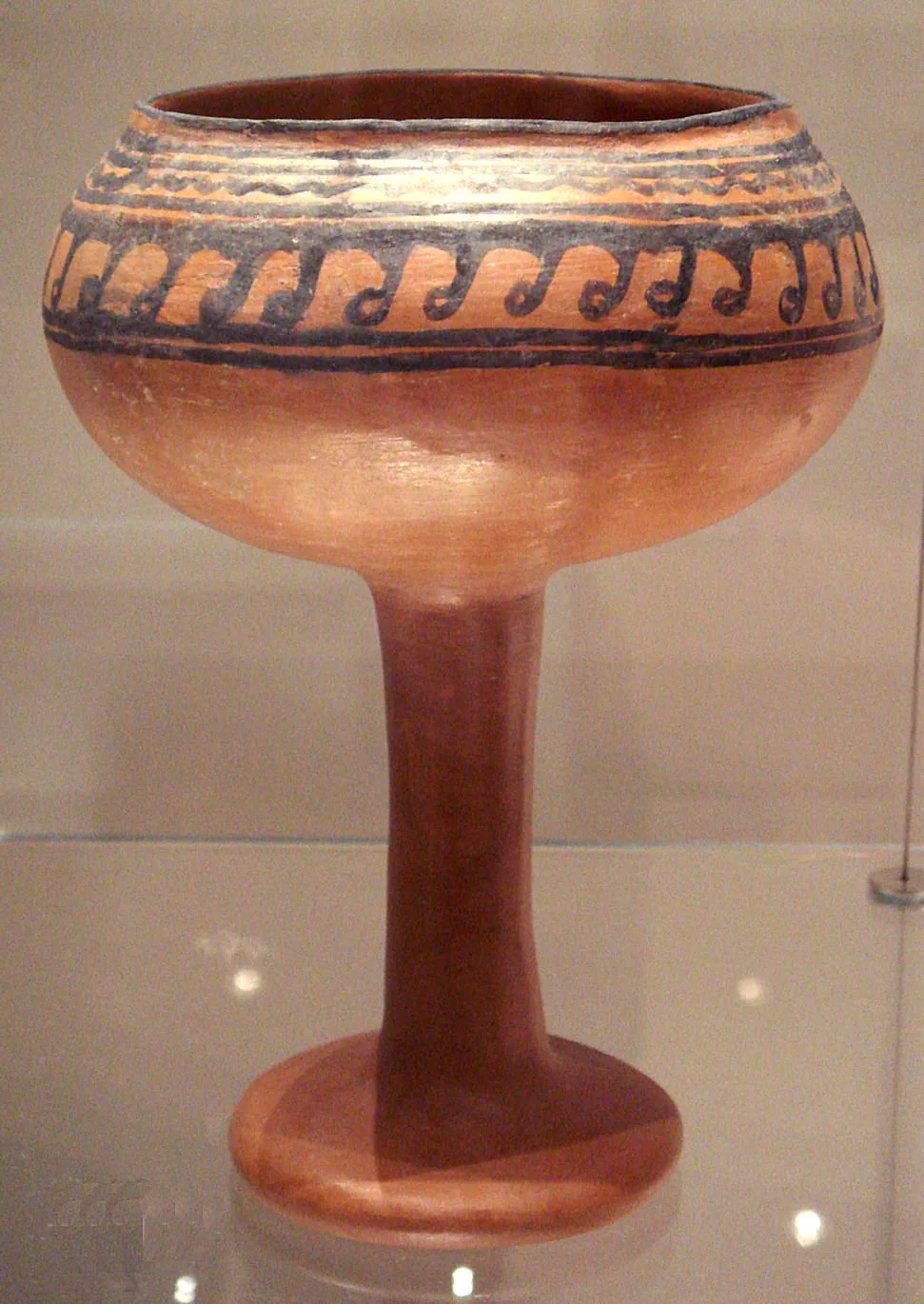
Navdatoli is both a present-day village and a Chalcolithic settlement on the Narmada in Madhya Pradesh. Visitors explore its archaeological history and the pottery associated with its successive phases.

Ralamandal Wildlife Sanctuary

102 km away · Indore district

Ralamandal Wildlife Sanctuary

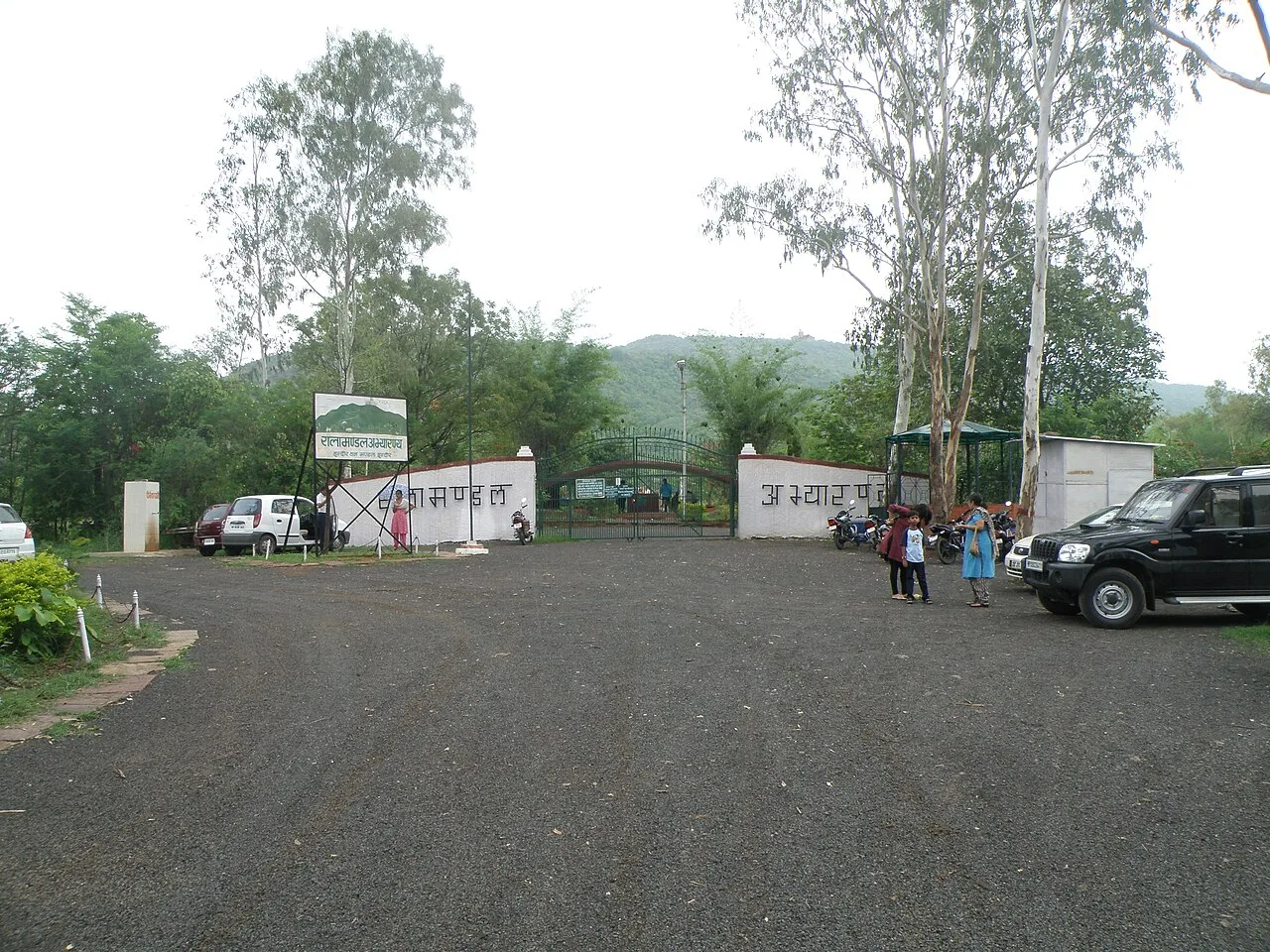
Established in 1989, Ralamandal Wildlife Sanctuary is a five-square-kilometre protected area in Indore district, Madhya Pradesh. Visitors come to see its birds, other wildlife and old hunting lodge.

Maheshwar Ghats

108 km away · Maheshwar district

Maheshwar Ghats

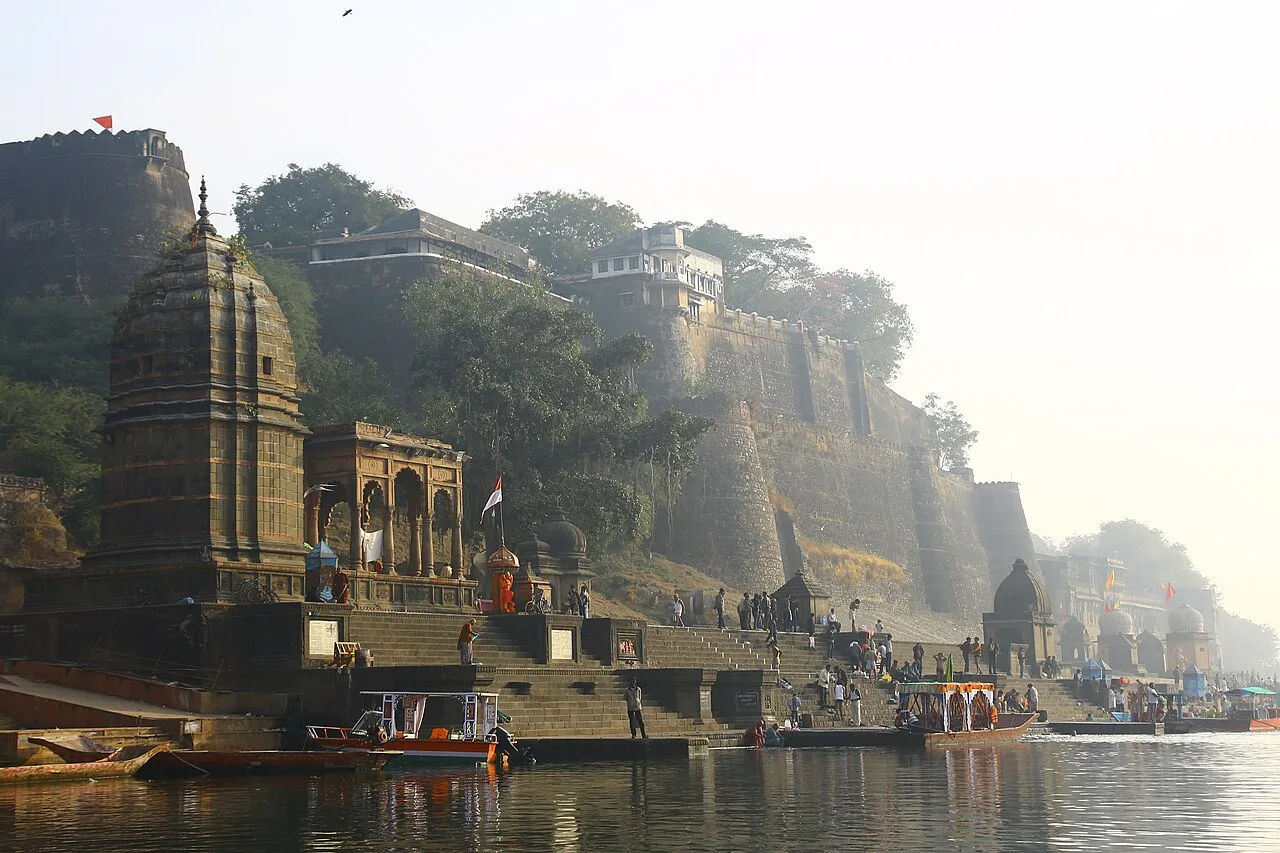
Maheshwar Ghats are riverfront steps in a historic town on the Narmada in Madhya Pradesh. Visitors come to see the ghats and learn about Maheshwar’s past as a capital under the Holkars.

Mandu

112 km away · Dhar district

Mandu

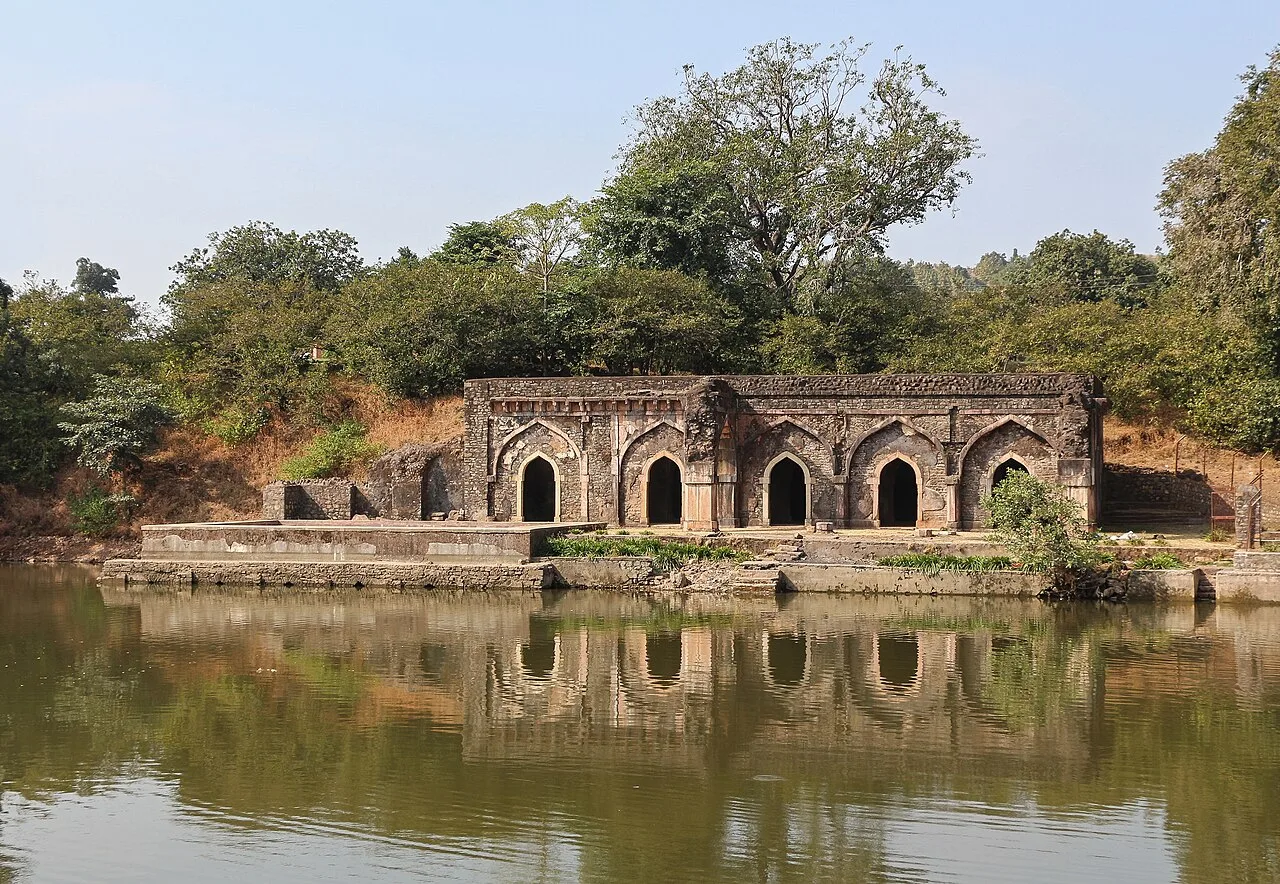
Mandu, also known as Mandavgad, is an ancient settlement in Madhya Pradesh’s Dhar district. Visitors are drawn to its fortress setting and notable architecture.

Map

Khandwa on the map

  1. 1Asirgarh Fort
  2. 2Hanuwantiya Island
  3. 3Omkareshwar Dam
  4. 4Omkareshwar Temple
  5. 5Navdatoli Archaeological Site
  6. 6Ralamandal Wildlife Sanctuary
  7. 7Maheshwar Ghats
  8. 8Mandu

Madhya Pradesh

Other cities to explore