Ghumoopedia — Explore, Discover, Experience
Sign in

City guide · Madhya Pradesh

Polaia Kalan

Polaia Kalan, also commonly written as Polay Kalan, is a small town in Shajapur district in Madhya Pradesh’s Malwa region. Its importance is chiefly local: it serves nearby villages with everyday services, shops and agricultural trading, rather than drawing large numbers of visitors as a major tourist centre.

Famous for

  • Malwa agricultural trade
  • Local grain markets
  • Malvi cultural traditions
  • Rural temple festivals

Why Polaia Kalan matters

Polaia Kalan, also commonly written as Polay Kalan, is a small town in Shajapur district in Madhya Pradesh’s Malwa region. Its importance is chiefly local: it serves nearby villages with everyday services, shops and agricultural trading, rather than drawing large numbers of visitors as a major tourist centre. The surrounding countryside and seasonal farming shape much of the town’s activity and character.

Visitors are most likely to come for local connections, market days or as part of a journey through Malwa. The town offers a glimpse of ordinary life in a rural market centre, with neighbourhood temples, street-side food and busy shops forming part of its appeal. It is not widely associated with a nationally recognised monument, craft or specialty product, so travellers looking for major heritage attractions generally use larger towns in the region as bases. Polaia Kalan’s value lies in its role as a practical local hub and in the everyday customs and landscapes of central Madhya Pradesh.
Famous for: crafts, trade & products

Polaia Kalan is best understood as an agricultural service and trading centre for its surrounding area. Local shops and market activity cater to residents and farmers, with everyday goods and farm produce moving through the town. Grain and other crops are important to the wider rural economy, although the town is not especially known for a signature food product, textile, handicraft or industrial brand.

There is no widely recognised GI-tagged product or distinctive craft associated specifically with Polaia Kalan. Visitors interested in local commerce can browse the central bazaar and small neighbourhood shops, where ordinary household goods, snacks and seasonal produce are more representative than specialist souvenirs. For a broader selection of regional products and larger markets, nearby towns such as Shujalpur and Shajapur are more practical stops. Malwa foods and crafts may be found across the wider region, but they should not be mistaken for products unique to Polaia Kalan. The town’s identity is rooted more in its role as a local meeting and service point than in a single celebrated industry or institution.

History

Malwa has been shaped over centuries by successive powers, including the Paramaras, the Malwa Sultanate, the Mughals and the Marathas, followed by British-era influence. These broader political changes affected regional routes, administration and patterns of settlement, but should not be taken as evidence of a specific event or monument in Polaia Kalan itself.

The town developed mainly as a centre serving nearby rural communities, with local trade and agriculture supporting its everyday economy. In modern Madhya Pradesh, roads, public services and links to larger market towns have reinforced that role. Its story is therefore less one of a major royal capital or colonial-era centre and more one of gradual growth as a local hub within the changing Malwa countryside.

Food, festivals & culture

Life in Polaia Kalan reflects the customs of rural Malwa. Hindi is widely used, while Malvi is part of the region’s everyday speech. Meals draw on central Indian staples, including wheat breads, lentils and seasonal vegetables. Poha, often served with jalebi, is familiar across Madhya Pradesh; dal bafla and local savoury snacks are also associated with Malwa, though menus vary from household to household. Small shops and eateries are the best places to sample simple local fare.

Holi in spring, Diwali in autumn, Navratri and Dussehra are observed, alongside religious occasions in the Muslim community. Festivals bring families together and may include worship, visiting relatives and local gatherings. Hindu temples and neighbourhood mosques serve as important places of worship; visitors should dress respectfully and follow local customs. Music and dance are generally part of family and community celebrations rather than a formal performance tradition promoted specifically for tourists. The cultural experience is intimate and everyday, shaped by faith, farming seasons and close ties among nearby villages.

Visiting the city

The cooler months, roughly from October to March, are generally the most comfortable time to visit. Summers can be very hot, while monsoon rains bring greener countryside but may affect road travel. Raja Bhoj Airport in Bhopal is a practical air gateway; Shujalpur railway station is a useful railhead for reaching the area, though travellers should check onward road connections before setting out.

Within Polaia Kalan, local streets and the bazaar are easiest to explore on foot for short visits. Auto-rickshaws and other local vehicles can help with longer trips, while a hired car is useful for visiting nearby towns and villages. The central market area offers the clearest feel for daily life; residential lanes and local places of worship can be explored respectfully. Shujalpur and Shajapur provide broader services and additional stops for a regional itinerary.

Trips from the city

Nearest places to visit from Polaia Kalan

Our closest destination guides, by straight-line distance.

Kal Bhairav Temple

80 km away · Ujjain district

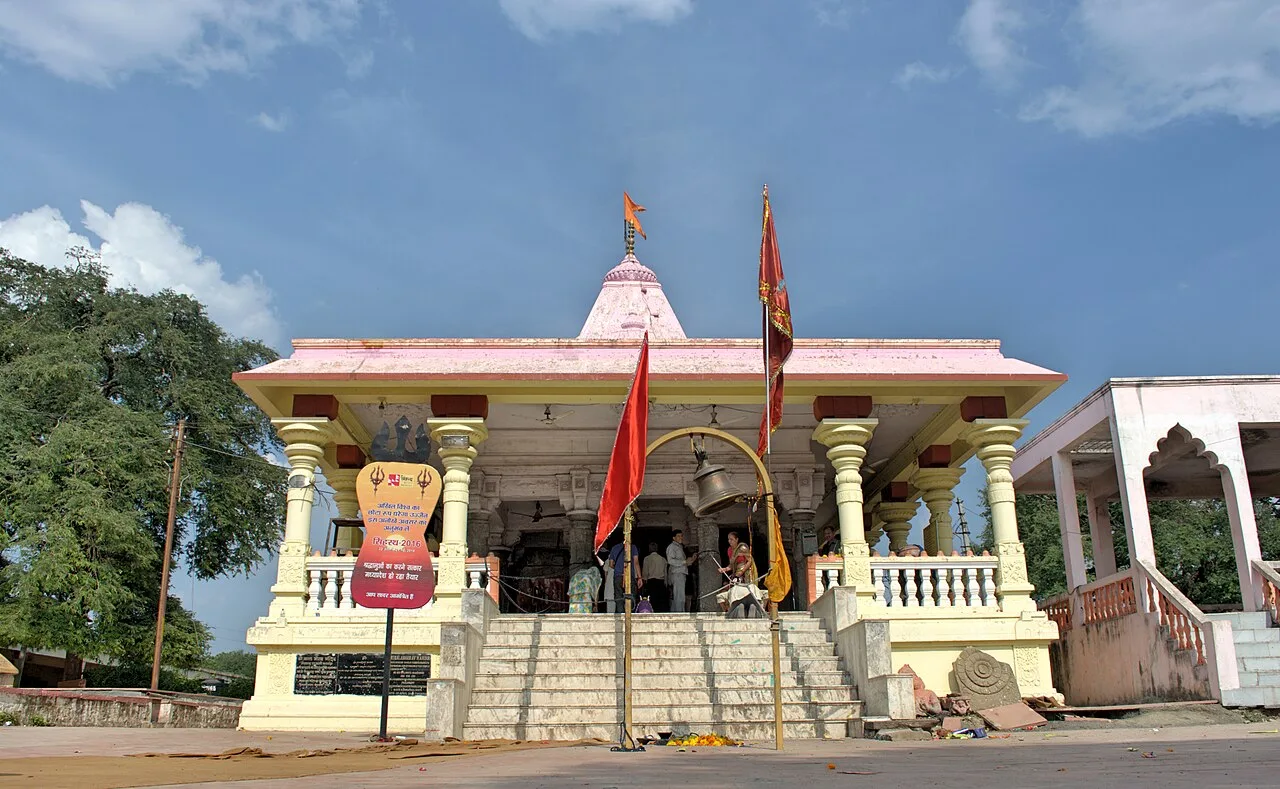
Kal Bhairav Temple

A Hindu shrine in Ujjain, Madhya Pradesh, Kal Bhairav Temple honours the city’s guardian deity. Worshippers visit its setting by the Shipra River, and liquor is among the offerings made there.

Mahakaleshwar Jyotirlinga

80 km away · Ujjain district

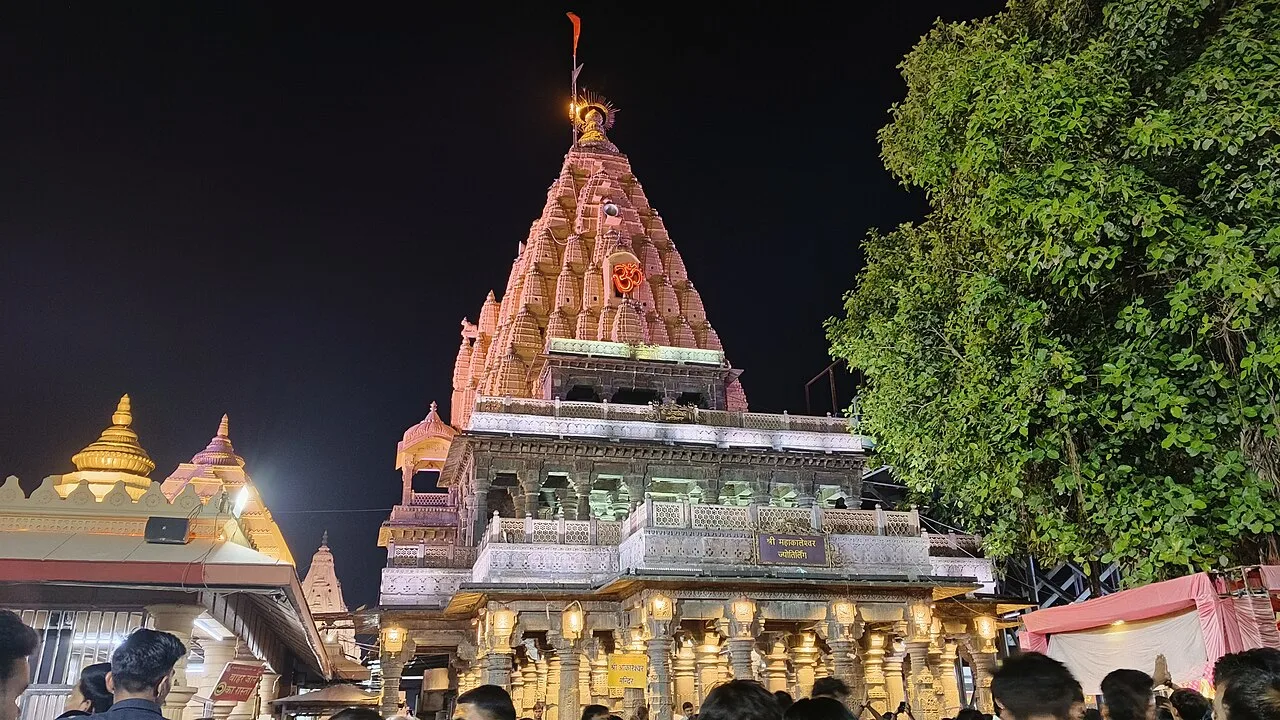
Mahakaleshwar Jyotirlinga

Mahakaleshwar Jyotirlinga is a Shiva temple in Ujjain, revered as one of twelve especially sacred Jyotirlinga shrines. Visitors come to worship its lingam, which is believed to be Swayambhu.

Bhoj Wetland, Bhopal

81 km away · Sehore district

Bhoj Wetland, Bhopal

Bhoj Wetland is a two-lake complex in Bhopal, Madhya Pradesh. Visitors are drawn to its wetland habitats, varied wildlife and waterbirds.

Bhojtal

81 km away · Bhopal district

Bhojtal

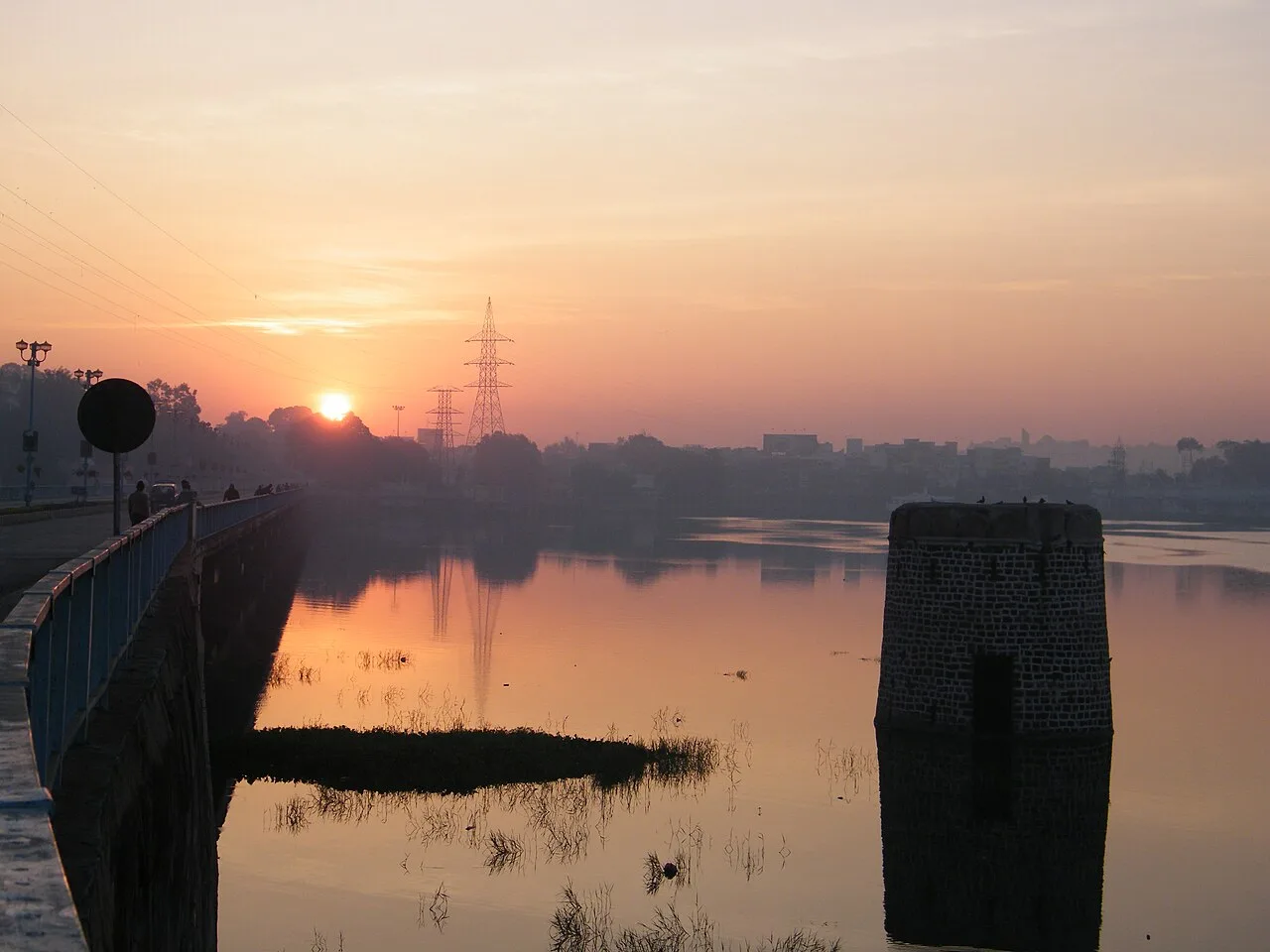
Bhojtal, also called Upper Lake, is a large lake on Bhopal’s western side. Visitors can see it as part of the Bhoj Wetland, formed with nearby Lower Lake and designated a Ramsar site.

Van Vihar National Park

83 km away · Bhopal district

Van Vihar National Park

Van Vihar is a national park and zoological facility in Bhopal, visited for its animal habitats and a road that runs through the grounds.

Bharat Bhavan

86 km away · Bhopal district

Bharat Bhavan

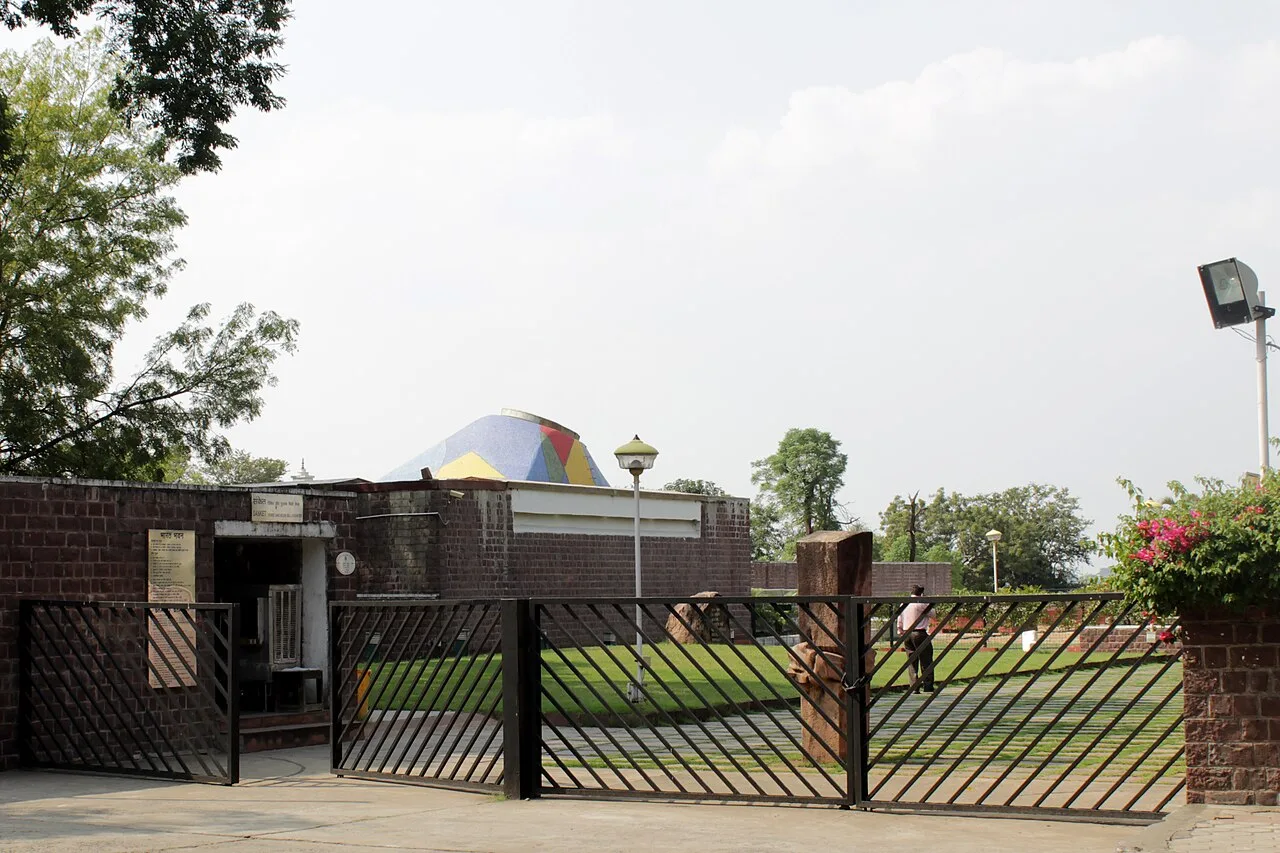
Bharat Bhavan is a government-established arts centre and museum in Bhopal, designed by Charles Correa. Visitors can explore its galleries, creative workshops, performance spaces and cultural collections.

Taj-ul-Masajid

86 km away · Bhopal district

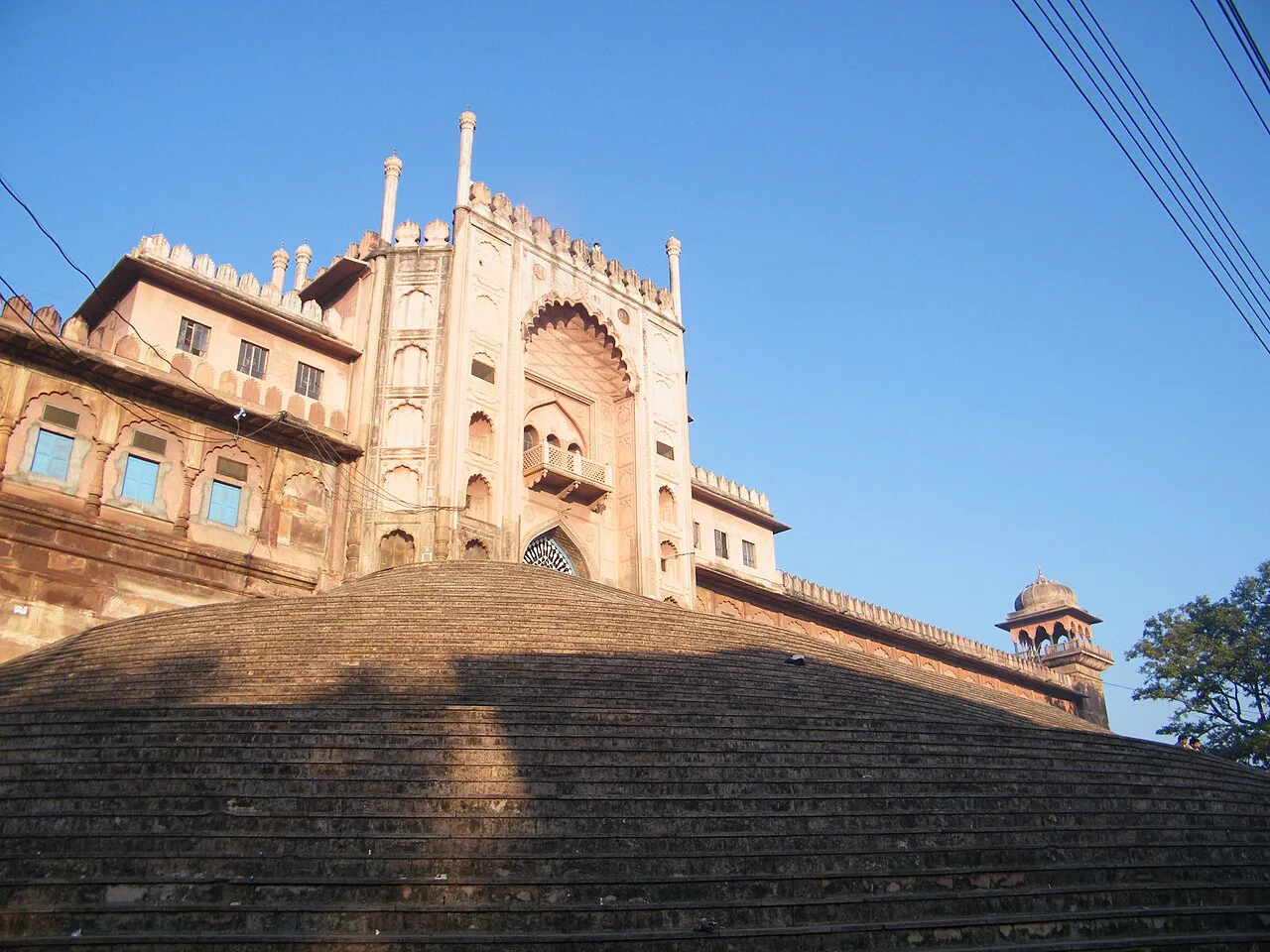
Taj-ul-Masajid

Taj-ul-Masajid is a Sunni mosque in Bhopal, Madhya Pradesh, associated with Tablighi Jamaat and the Deobandi movement. People visit for prayer and to see one of India’s largest mosques.

Kanch Mandir

87 km away · Indore district

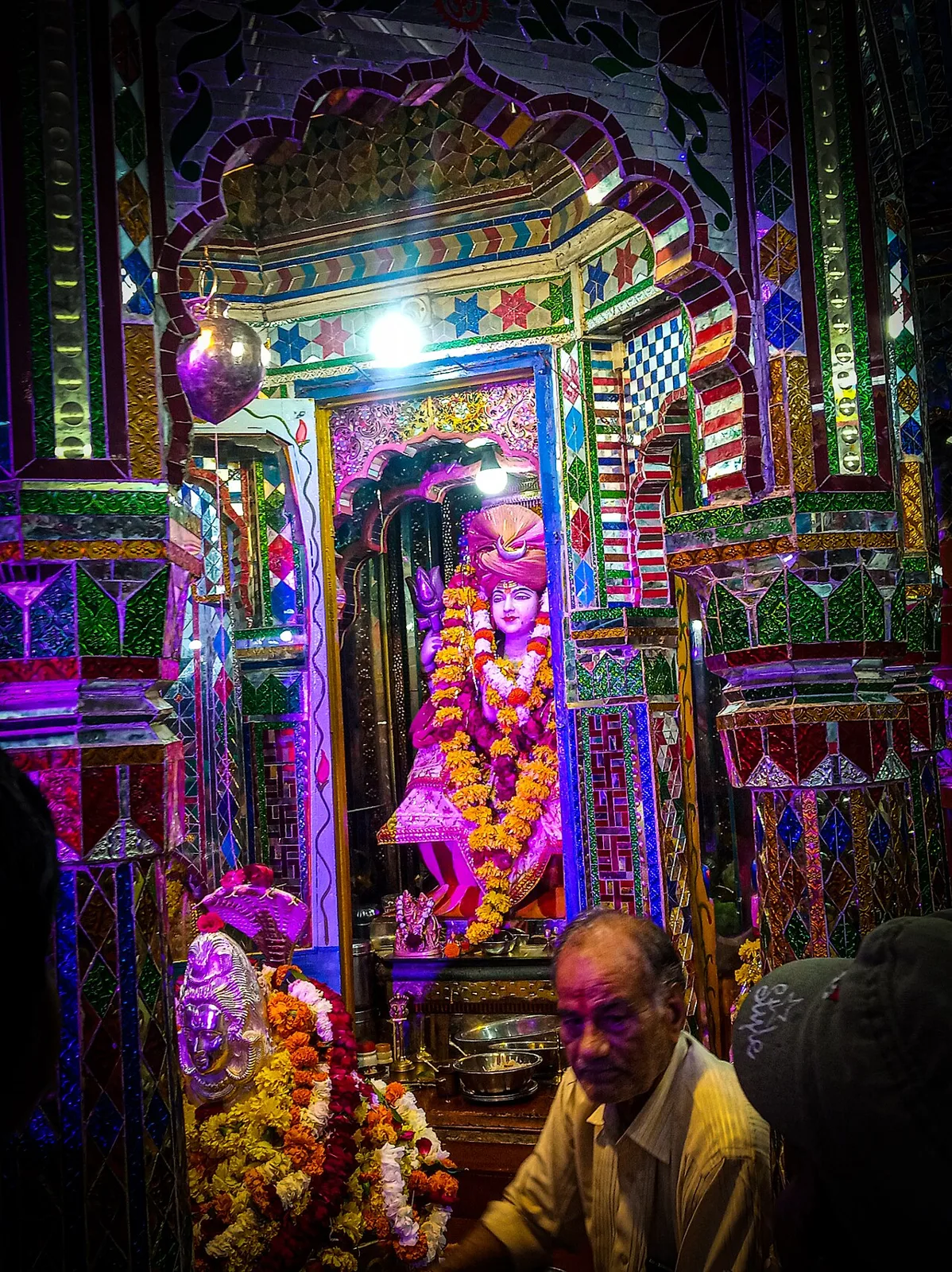
Kanch Mandir

Kanch Mandir is a well-known Jain temple in Indore, built by Sir Seth Hukumchand Jain. Visitors come to see the place of worship whose name means Temple of Glass.

Map

Polaia Kalan on the map

  1. 1Kal Bhairav Temple
  2. 2Mahakaleshwar Jyotirlinga
  3. 3Bhoj Wetland, Bhopal
  4. 4Bhojtal
  5. 5Van Vihar National Park
  6. 6Bharat Bhavan
  7. 7Taj-ul-Masajid
  8. 8Kanch Mandir

Madhya Pradesh

Other cities to explore