Ghumoopedia — Explore, Discover, Experience
Sign in
Datia Palace, near Bhitarwar

City guide · Madhya Pradesh

Bhitarwar

Bhitarwar is a small municipal town in Gwalior district, valued today as a local administrative and service centre. It is the headquarters of a tehsil, a community development block and a Vidhan Sabha constituency, linking nearby settlements with government offices, shops and everyday services.

Famous for

  • Bhitarwar Fort
  • Parbati River setting
  • Nearby ancient Pawaya
  • Gwalior district administration

Why Bhitarwar matters

Bhitarwar is a small municipal town in Gwalior district, valued today as a local administrative and service centre. It is the headquarters of a tehsil, a community development block and a Vidhan Sabha constituency, linking nearby settlements with government offices, shops and everyday services. The Parbati River runs around the town and gives its setting a distinctive landscape.

Visitors interested in regional history can look to Bhitarwar Fort and to Pawaya, an older settlement about seven kilometres east. Pawaya is associated with the ancient Naga dynasty and with the Gupta period, while Bhitarwar’s own fort is connected with local Jat rulers. The town is not widely known for a major commercial attraction or a signature craft; its appeal is more local and historical. It can suit travellers exploring the Gwalior region who want to see a smaller town, its riverside surroundings and heritage beyond the main city. Bhitarwar’s role as a tehsil and block centre also makes it a practical base for nearby rural areas.
Famous for: crafts, trade & products

It is better known locally for its administrative role, its river setting and historic remains, especially Bhitarwar Fort. Travellers looking for specialist craft workshops or a recognised product market should not assume these are established visitor attractions here.

The town’s everyday bazaar serves residents and surrounding villages, with ordinary shops for groceries, household needs and locally used goods. These are the most practical places to browse for daily-use items, rather than a dedicated craft or tourist market. For a broader choice of regional goods, visitors can look in Gwalior, the district’s principal city. In Bhitarwar, ask locally about the fort and other historic structures; access and condition may vary, so it is sensible to check on arrival. Nearby Pawaya is an additional point of interest for those exploring the area’s archaeological past.

History

The area’s history reaches back to ancient Pawaya, east of modern Bhitarwar. Pawaya is identified with the settlement called Pawaya in accounts associated with Bhavabhuti and is linked to the Naga dynasty, as well as connections with the Gupta Empire. The modern town developed as a separate settlement beside the Parbati River.

In the 16th century, local Hanselia Jat ruler Raja Berajshah is credited with establishing Bhitarwar Fort. A fort at nearby Laxmangarh is associated with his brother Laxman Singh; other forts in the surrounding area are also attributed to Hanselia rulers. Bhitarwar later came under the influence of the Scindias of Gwalior, reportedly after a clash involving Afghan forces. By the early 20th century it was the seat of the Mastura pargana and had a post office, police station and a modest fort. The famine of 1899–1900 caused severe hardship. In modern times, Bhitarwar has continued as a tehsil and block headquarters; Chinour became a separate tehsil in 2008.

Food, festivals & culture

Bhitarwar shares the everyday food culture of the Gwalior region. Meals commonly centre on wheat breads, lentils and seasonal vegetables; snacks and sweets familiar across Madhya Pradesh may also be found in local shops. There is no widely established signature dish or sweet specific to the town, so visitors can ask residents or vendors what is freshly prepared. Hindi is widely used, alongside regional speech varieties heard in the surrounding villages.

Holi in spring, Navratri and Dussehra in autumn, and Diwali are important occasions across the region, generally marked through family visits, worship and local gatherings. The scale and programme of celebrations in Bhitarwar can vary from year to year. Religious life is centred on neighbourhood temples and shrines, though no single site is established here as a major pilgrimage destination. Folk and devotional music are part of regional celebrations, but Bhitarwar is not especially known for a distinct performance tradition. Visitors should be respectful at places of worship and ask before photographing ceremonies or people.

Visiting the city

The cooler months, roughly October to March, are generally the most comfortable time to visit; summer can be very hot, while monsoon brings rain and greener countryside. The nearest airport serving the area is Gwalior Airport, and the principal rail connection is Gwalior Junction. From Gwalior, continue by road; check local conditions before setting out, especially during heavy rain.

Within Bhitarwar, the bazaar and central neighbourhoods are easiest to explore on foot or by locally available transport. Ask locally about access to Bhitarwar Fort and the Parbati-side surroundings. Pawaya, about seven kilometres east, can be visited as a separate short excursion, with onward transport arranged in town. Facilities and visitor information may be limited, so plan essentials in Gwalior and confirm access to heritage sites on arrival.

Trips from the city

Nearest places to visit from Bhitarwar

Our closest destination guides, by straight-line distance.

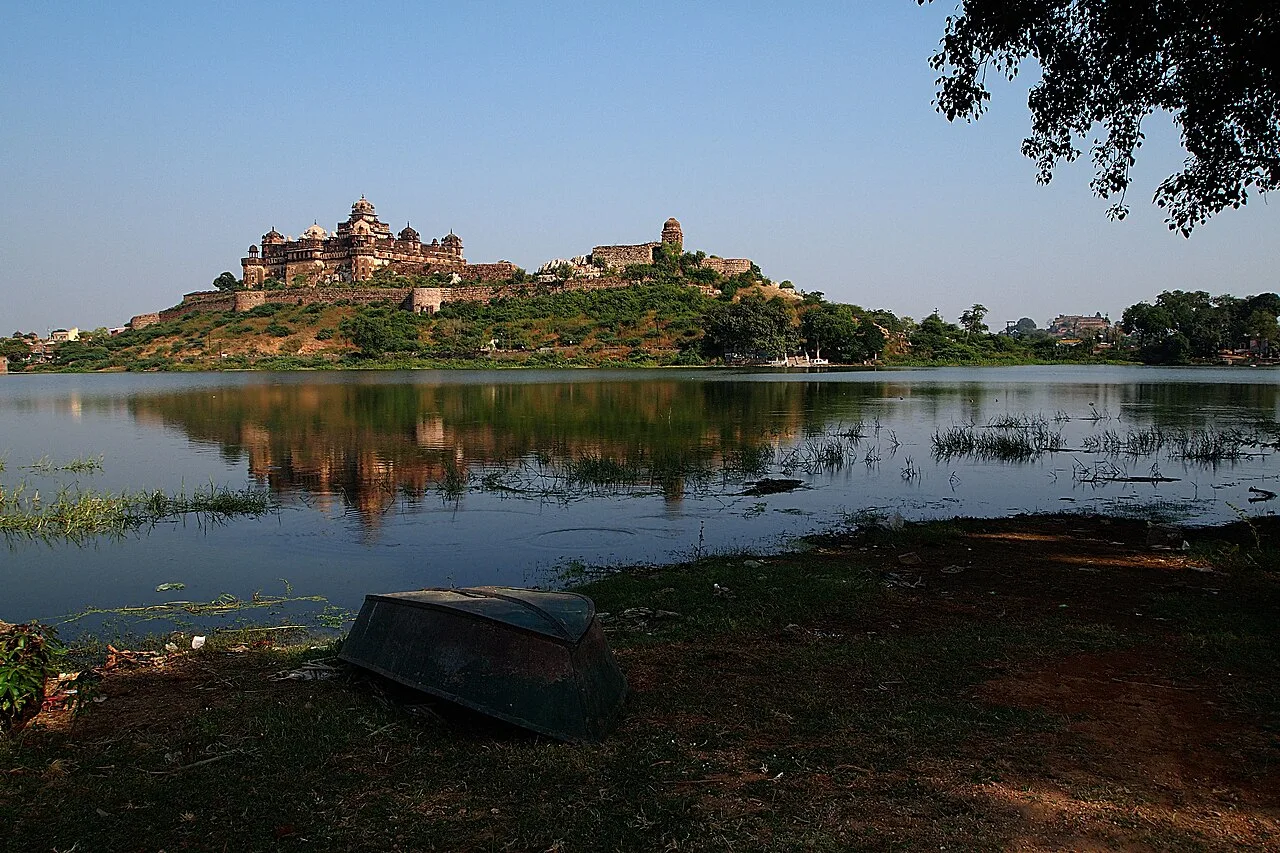
Datia Palace

37 km away · Datia district

Datia Palace

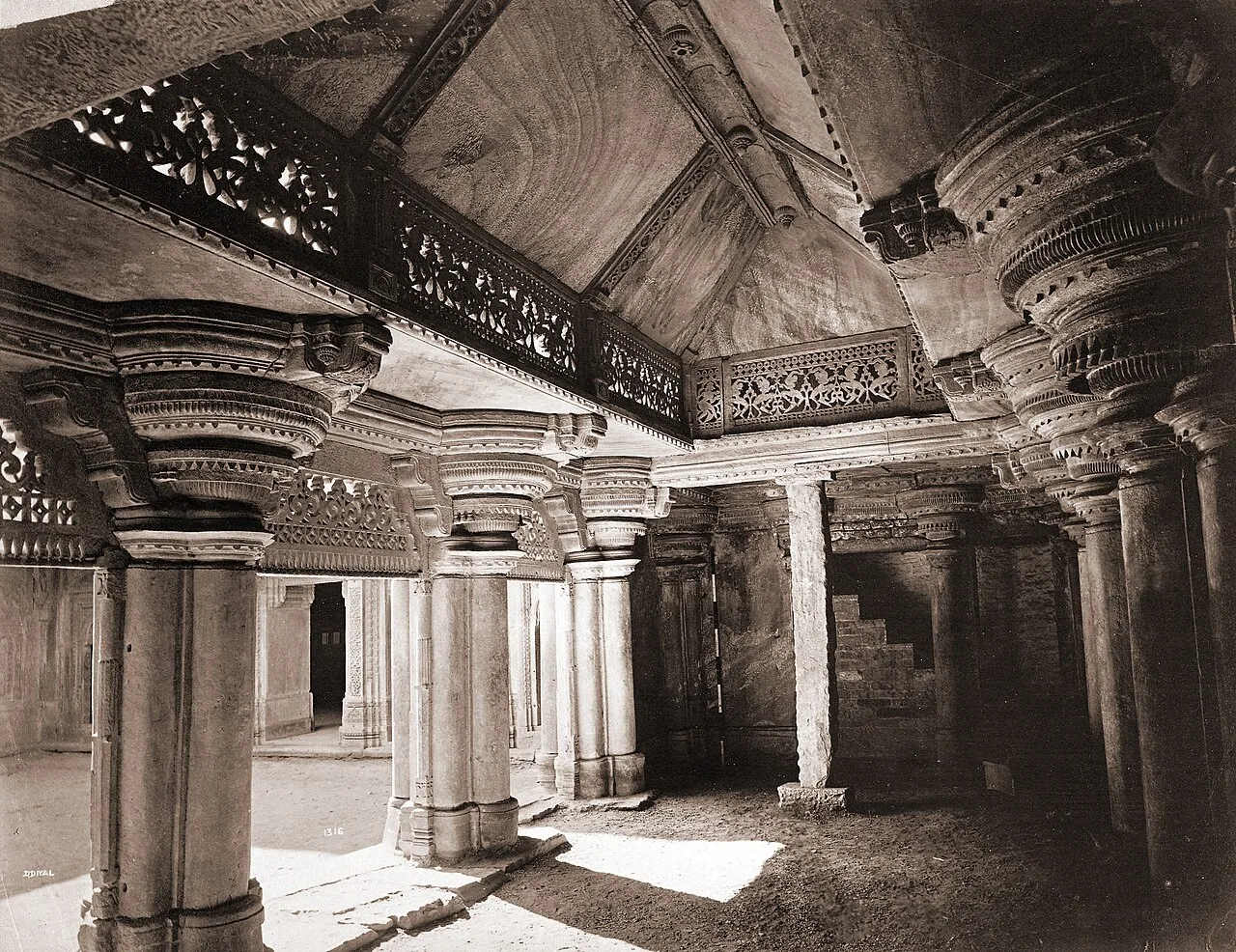
Datia Palace, also known as Bir Singh Palace, is a seven-storey monument in Datia, Madhya Pradesh. Visitors come to see its scale and blend of Mughal and Rajput design.

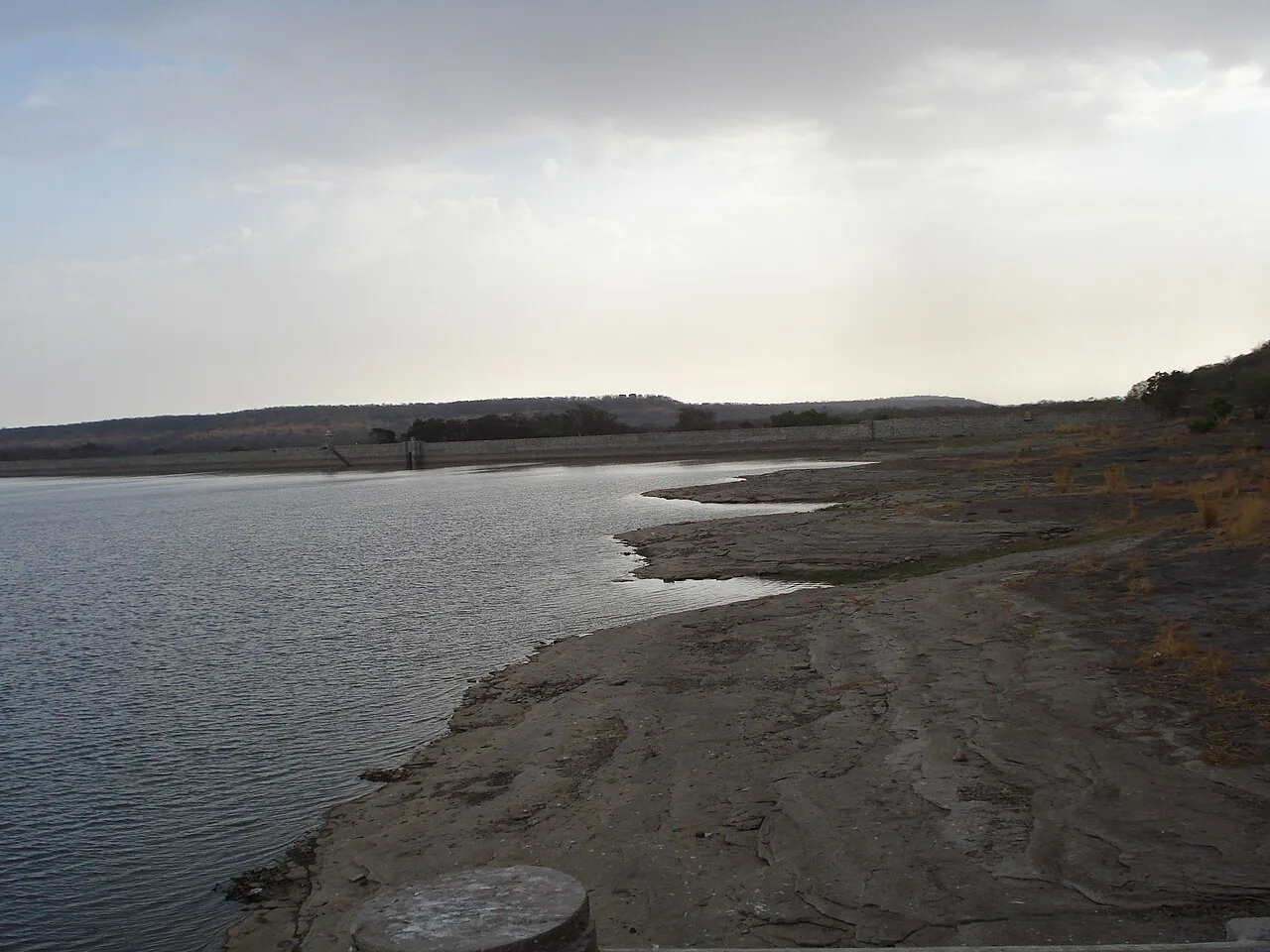
Madhav National Park

44 km away · Shivpuri district

Madhav National Park

Madhav National Park is a protected area in Shivpuri district, Madhya Pradesh. Visitors come to explore its natural setting and see Sakhya Sagar, the reservoir within the park.

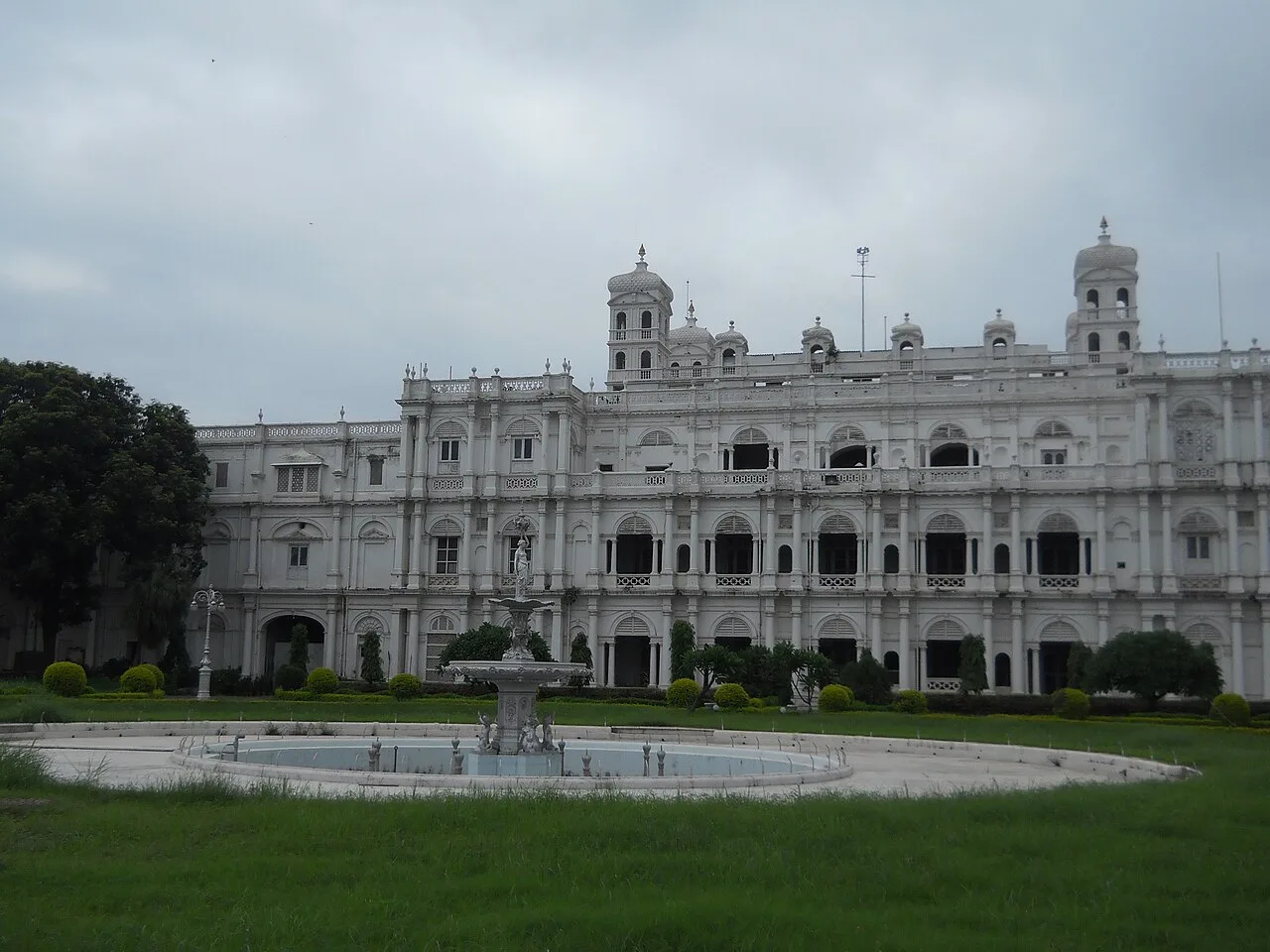
Jai Vilas Mahal

46 km away · Gwalior district

Jai Vilas Mahal

Jai Vilas Mahal is a royal residence dating to the 1800s in Gwalior, Madhya Pradesh. Visitors come to see the Jiwajirao Scindia Museum, which occupies most of the palace.

Sasbahu Temple

48 km away · Gwalior district

Sasbahu Temple

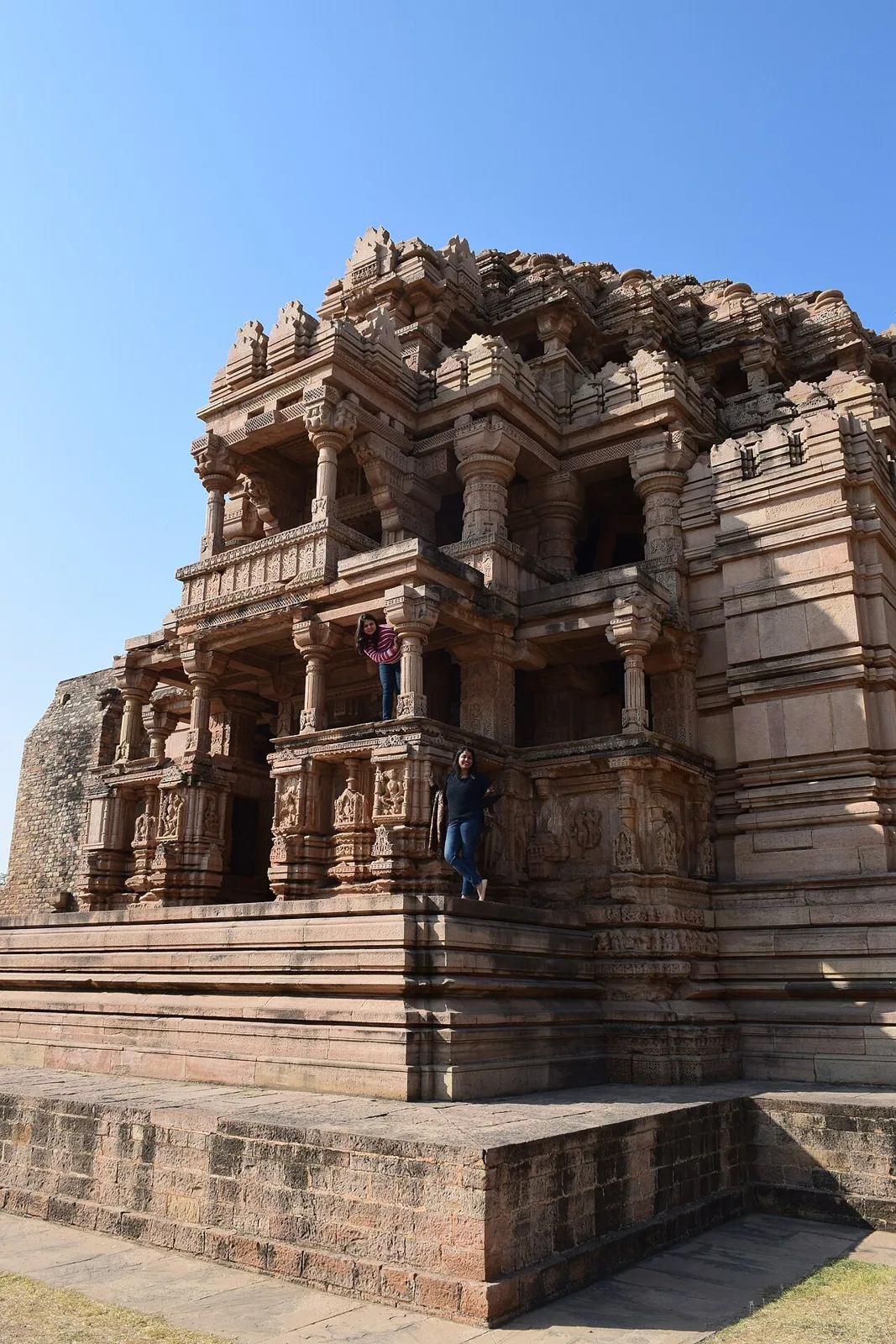
The Sasbahu Temples are a pair of eleventh-century shrines within Gwalior Fort, Madhya Pradesh. Visitors come to see their surviving architecture and damaged stone carvings.

Teli ka Mandir

48 km away · Gwalior district

Teli ka Mandir

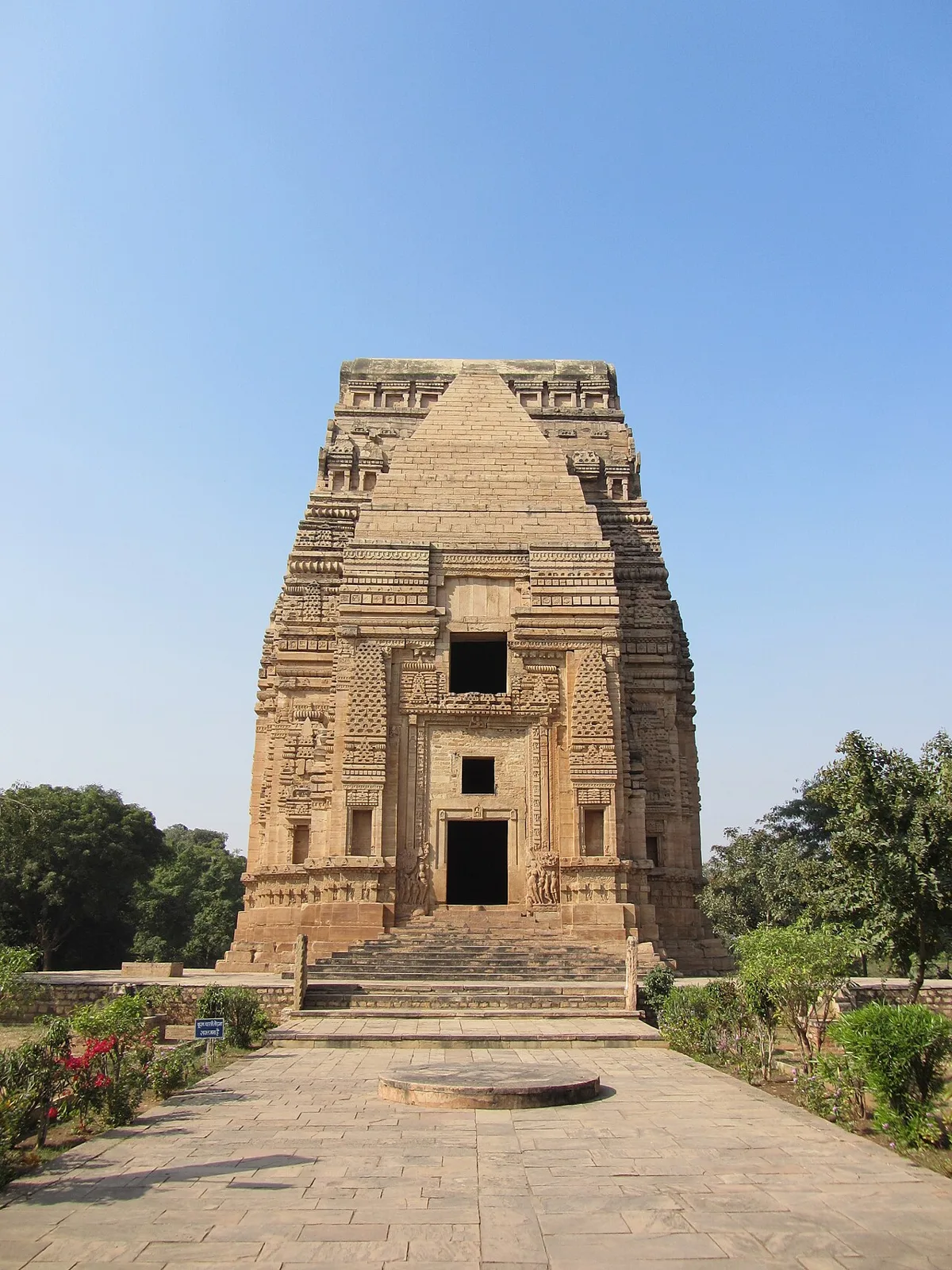
Teli ka Mandir is a Hindu shrine within Gwalior Fort, noted for its unusual rectangular sanctuary and blend of architectural traditions. Visitors come to see its distinctive design and historic character.

Gwalior Fort

49 km away · Gwalior district

Gwalior Fort

Gwalior Fort is an ancient hill stronghold in Madhya Pradesh, visited for its historic palaces, successive rulers and inscriptions, including an early place-value record of zero.

Bateshwar Hindu temples

71 km away · Morena district

Bateshwar Hindu temples

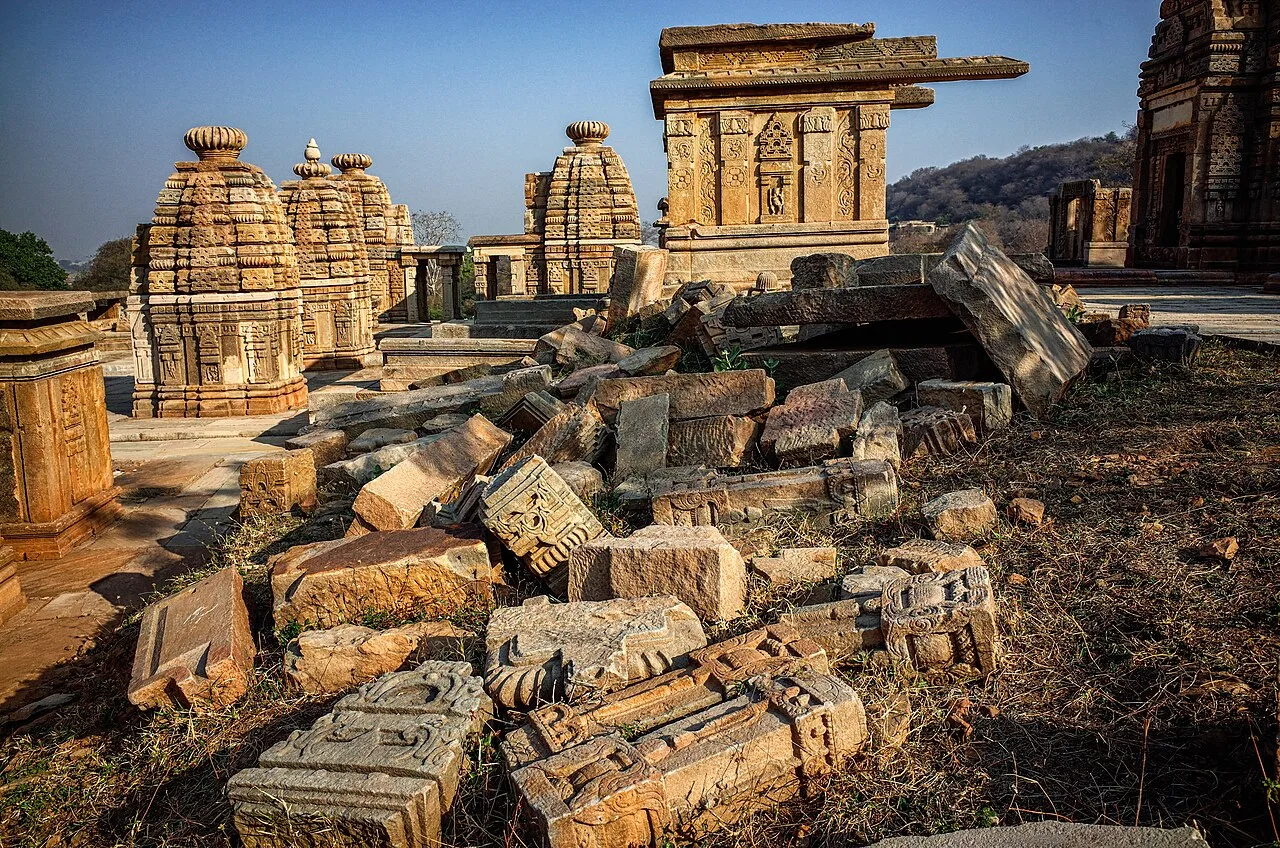
Bateshwar is a cluster of sandstone Hindu shrines and ruins in Madhya Pradesh, visited for its early temple architecture and the remains of a complex dedicated to Shiva, Vishnu and Shakti.

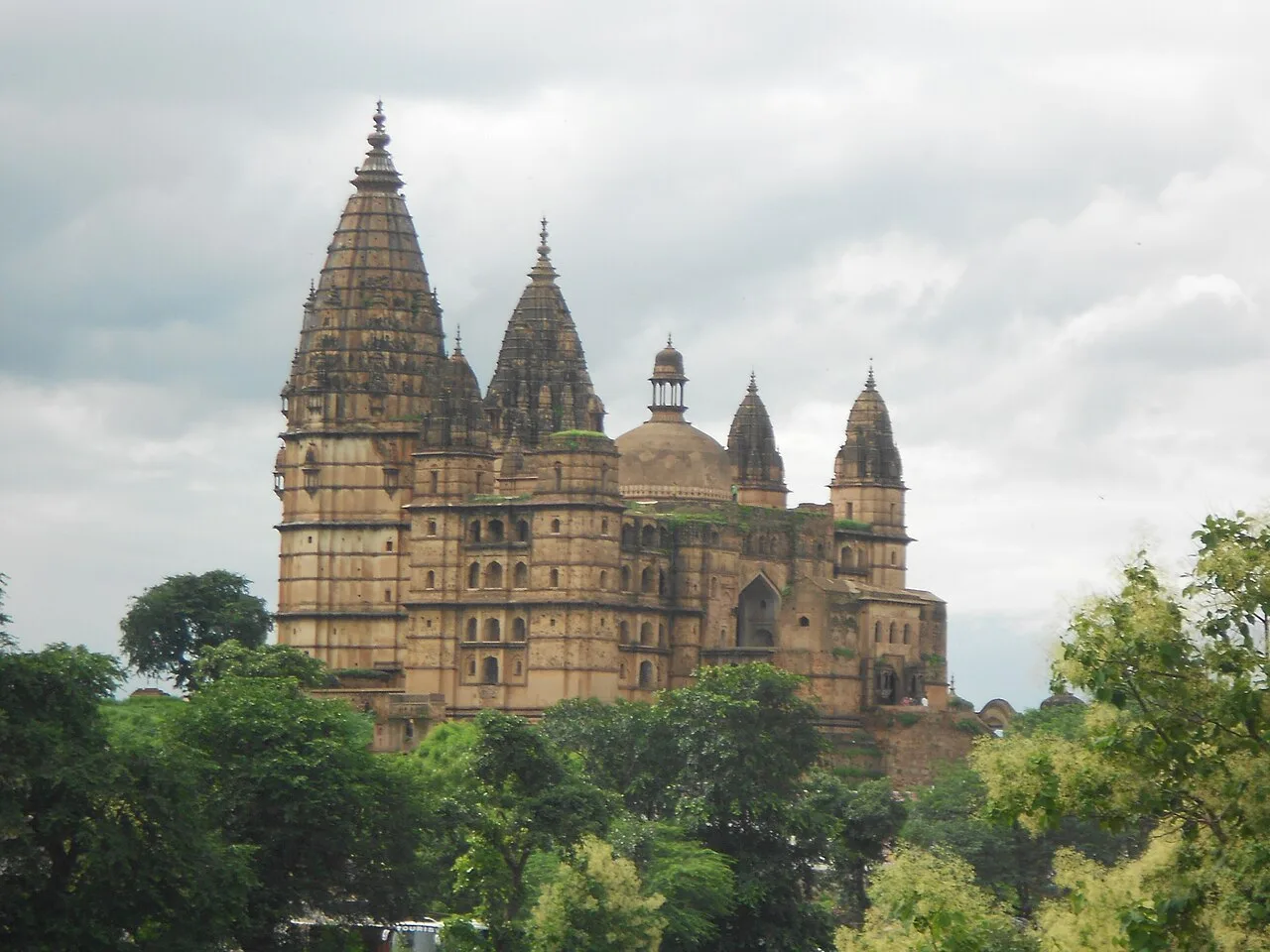
Orchha

72 km away · Orchha district

Orchha

Orchha is a town in Madhya Pradesh beside the Betwa River, founded as the centre of a Bundela princely state. Its history and former royal role are reasons to visit.

Map

Bhitarwar on the map

  1. 1Datia Palace
  2. 2Madhav National Park
  3. 3Jai Vilas Mahal
  4. 4Sasbahu Temple
  5. 5Teli ka Mandir
  6. 6Gwalior Fort
  7. 7Bateshwar Hindu temples
  8. 8Orchha

Madhya Pradesh

Other cities to explore