Ghumoopedia — Explore, Discover, Experience
Sign in

City guide · Madhya Pradesh

Rajgarh

Rajgarh is the administrative centre of Rajgarh district, in the northern Malwa region of Madhya Pradesh. Its importance today comes less from large-scale tourism than from its role as a regional hub: government offices, local services and markets connect the city with surrounding towns and villages.

Famous for

  • Former Rajgarh princely state
  • Battlemented old-city wall
  • Newaj River
  • Rajgarh district headquarters
  • Mohanpura–Kundalia irrigation projects

Why Rajgarh matters

Rajgarh is the administrative centre of Rajgarh district, in the northern Malwa region of Madhya Pradesh. Its importance today comes less from large-scale tourism than from its role as a regional hub: government offices, local services and markets connect the city with surrounding towns and villages. The district’s agricultural economy also gives Rajgarh a practical role in trade and everyday travel across this part of the plateau.

The old city is its most distinctive feature. A battlemented wall encloses the historic core, a reminder of Rajgarh’s past as the capital of a princely state. The Newaj River flows through the town, while the wider district is associated with the Mohanpura and Kundalia irrigation projects, which support farming and water supply across the region. Visitors interested in local history can explore the older streets and market area; Rajgarh also makes a useful stop for travellers exploring Malwa’s smaller towns. It is a working district town rather than a destination with a large, purpose-built visitor circuit.
Famous for: crafts, trade & products

Rajgarh is not widely identified with a signature textile, handicraft or GI-tagged product. Its everyday trade is more closely tied to serving the district: shops and market lanes cater to residents, nearby villages and travellers, with seasonal agricultural produce moving through the local economy. For a sense of the town’s commercial life, browse the central bazaar and adjoining streets, where general goods, household necessities and food shops are more characteristic than specialist craft outlets.

The district’s farming and irrigation are significant parts of the regional story. The Mohanpura and Kundalia projects are major water-infrastructure developments intended to extend irrigation and improve water availability across a broad rural area. They are not visitor shopping sites, but they help explain the changing agricultural landscape around Rajgarh. Visitors looking for locally made souvenirs should keep expectations modest: there is no well-established citywide craft market or recognised product trail. Ask locally about seasonal produce and small vendors, and treat the bazaar as a place to observe everyday commerce rather than a destination for a particular branded or traditional specialty.

History

Rajgarh’s history is closely linked to the former princely state of the same name. The town served as its capital, and the battlemented wall around the old city reflects its earlier role as a seat of local power and administration. The historic core remains the clearest visible reminder of that period, although the town has since grown beyond its older enclosure.

During the British Raj, Rajgarh State was a princely territory under British paramountcy rather than a directly administered British district. After independence, princely territories were integrated into the new Indian political order, and Rajgarh developed as a district centre in Madhya Pradesh. Its modern growth has been shaped by administration, road connections and services for nearby settlements. More recently, district-scale infrastructure, notably the Mohanpura and Kundalia irrigation projects, has added a major development dimension by supporting water supply and agriculture. The city today combines its historic walled centre with the functions of a working regional headquarters.

Food, festivals & culture

Food in Rajgarh draws on the broader Malwa and Madhya Pradesh culinary traditions. Poha with jalebi is a familiar breakfast combination in the region, while dal bafla and bhutte ka kees are among the Malwa dishes visitors may encounter. Local restaurants and sweet shops serve everyday meals and seasonal treats, though individual menus vary and the city is not especially known for a single signature dish.

Hindi is widely used, alongside Malwi and related local speech. Hindu festivals such as Holi, Diwali, Navratri and Dussehra bring seasonal gatherings, worship and community celebrations; Eid is also observed by Muslim residents. Devotional singing, bhajans and folk music feature at religious and family occasions, with community dancing often part of festival and wedding events. The town’s places of worship include temples and mosques that serve neighbourhood communities. Visitors should dress respectfully and be mindful that worship spaces may be busiest during festivals and prayer times.

Visiting the city

The cooler months, roughly October to March, are generally the most comfortable time to visit. Summers can be very hot, while the monsoon brings rain and greener countryside. The nearest major airport is Raja Bhoj Airport in Bhopal. Biaora Rajgarh is the main nearby railway station; onward travel to Rajgarh is by road. Confirm local connections before setting out, as services can vary.

Within town, auto-rickshaws and local vehicles are useful for short journeys, while walking is a good way to see the compact old-city lanes and central bazaar. Explore the walled historic core for its streetscape, then visit the Newaj River area for a different view of the town. Rajgarh’s newer administrative and commercial areas show its present-day role as a district centre. The city works well as a brief stop or as a base for journeys around the district, rather than as a resort-style destination.

Trips from the city

Nearest places to visit from Rajgarh

Our closest destination guides, by straight-line distance.

Islamnagar

101 km away · Bhopal district

Islamnagar

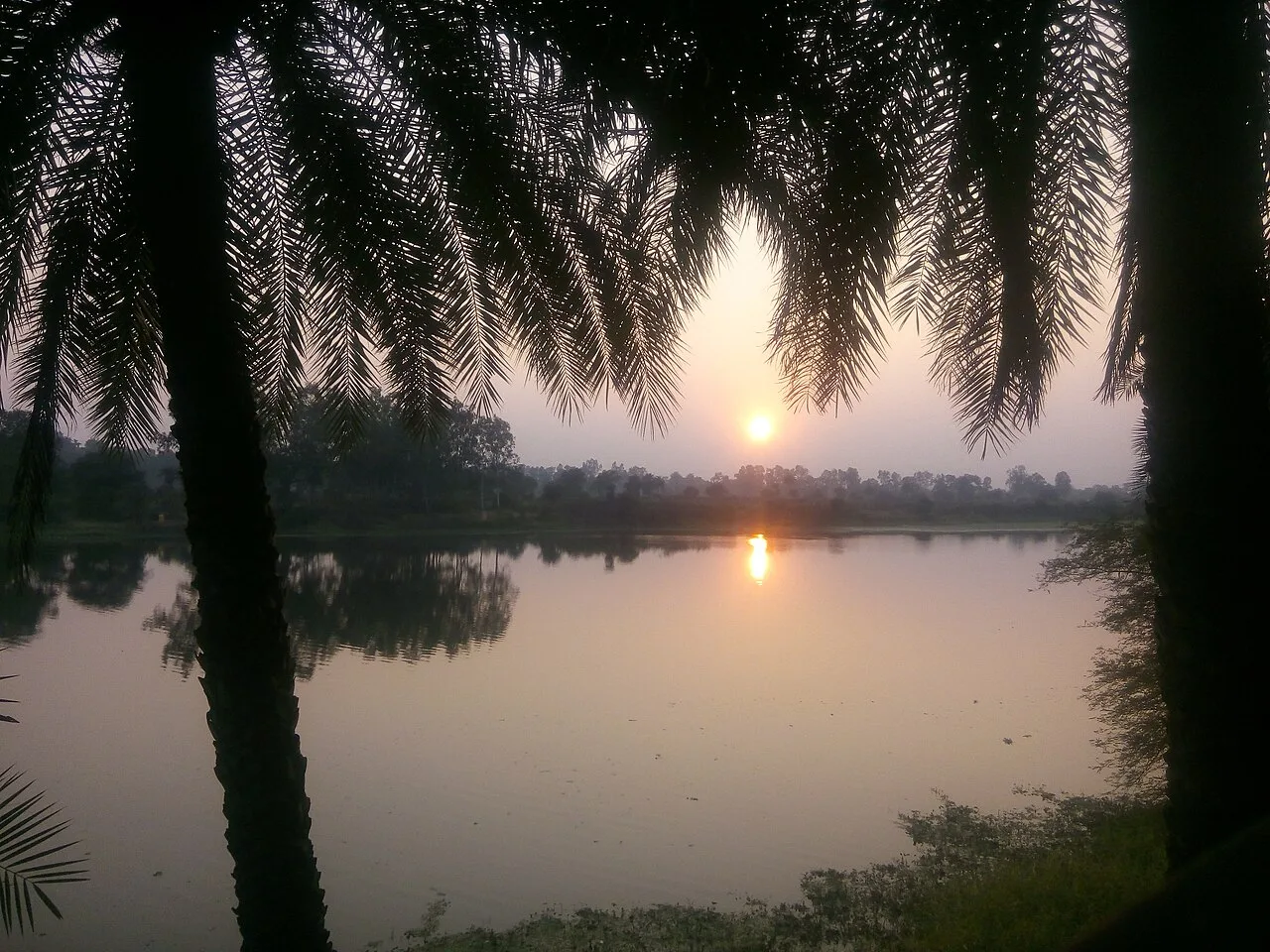
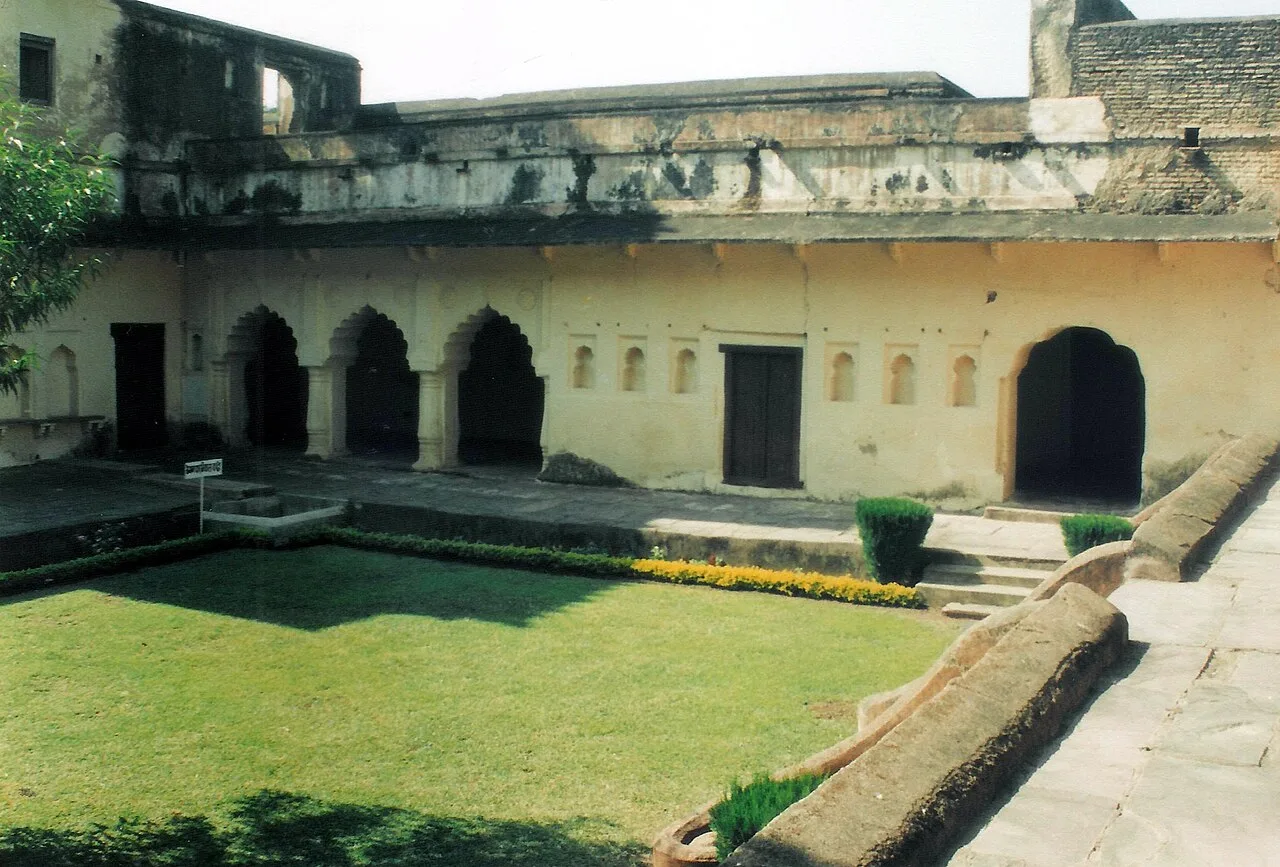
Islamnagar, officially Jagdishpur since February 2023, is a panchayat village in Bhopal district, Madhya Pradesh, visited for the ruined palaces built by Bhopal’s founder.

Bhoj Wetland, Bhopal

105 km away · Sehore district

Bhoj Wetland, Bhopal

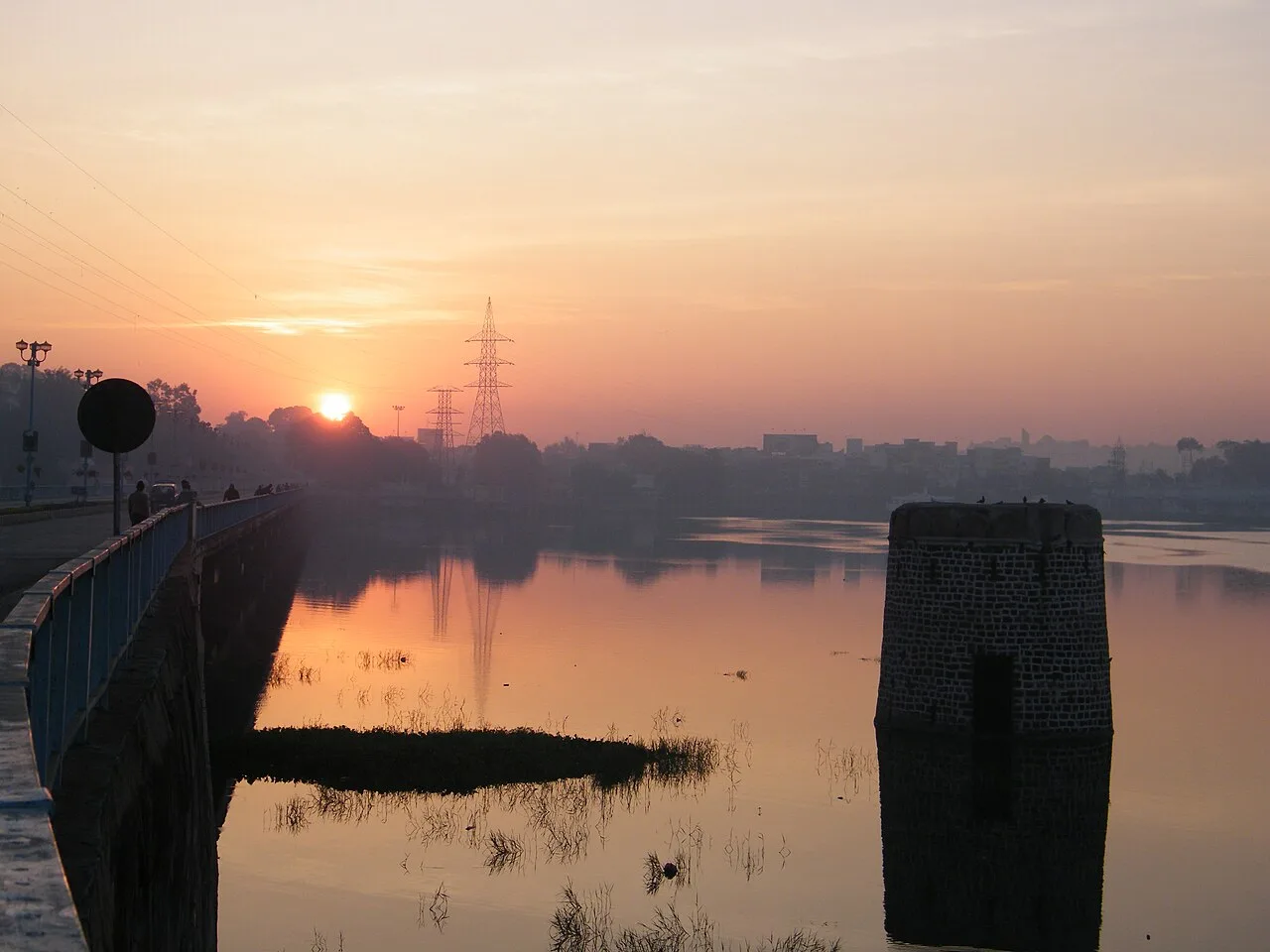
Bhoj Wetland is a two-lake complex in Bhopal, Madhya Pradesh. Visitors are drawn to its wetland habitats, varied wildlife and waterbirds.

Bhojtal

105 km away · Bhopal district

Bhojtal

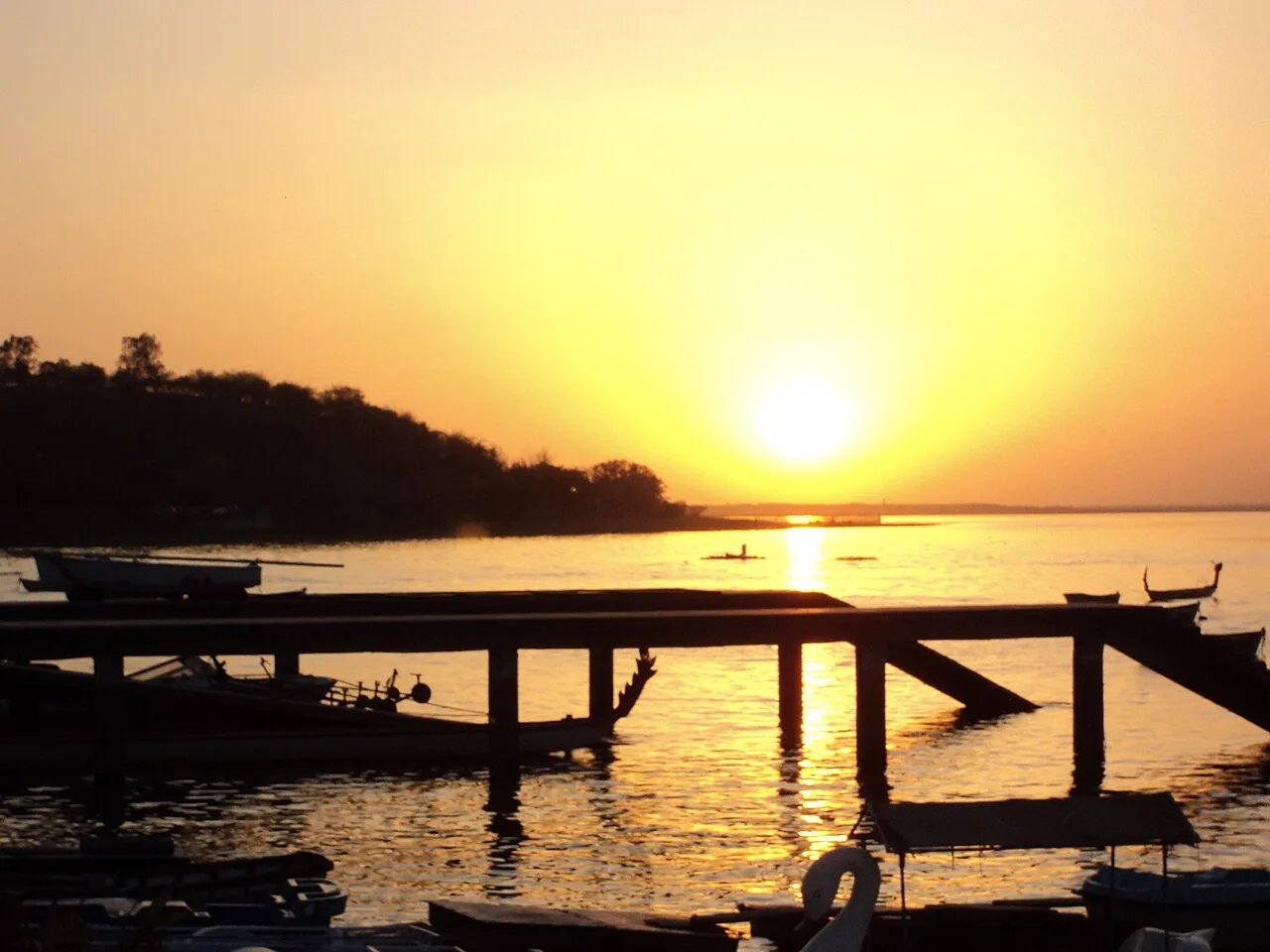
Bhojtal, also called Upper Lake, is a large lake on Bhopal’s western side. Visitors can see it as part of the Bhoj Wetland, formed with nearby Lower Lake and designated a Ramsar site.

Taj-ul-Masajid

107 km away · Bhopal district

Taj-ul-Masajid

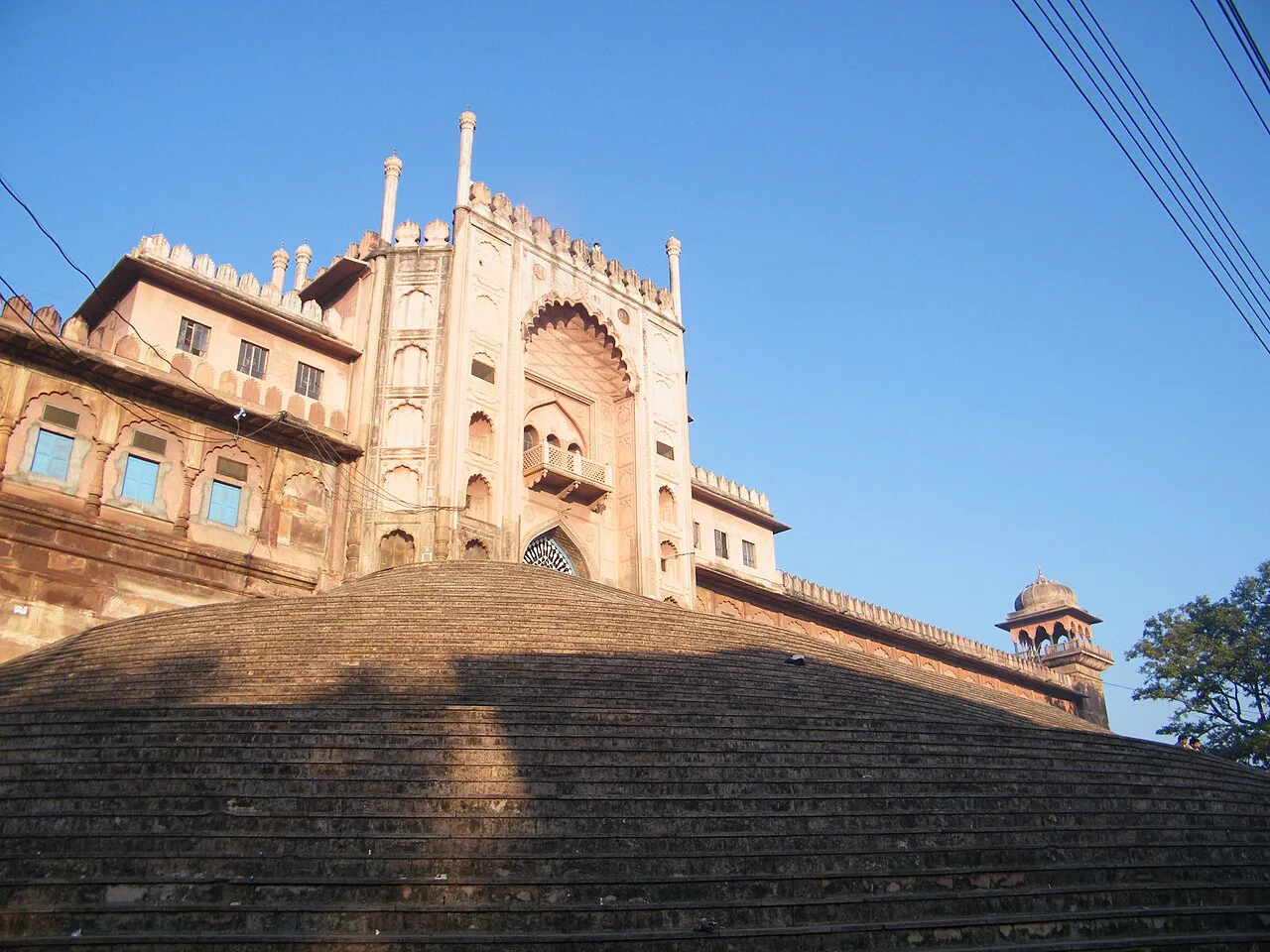
Taj-ul-Masajid is a Sunni mosque in Bhopal, Madhya Pradesh, associated with Tablighi Jamaat and the Deobandi movement. People visit for prayer and to see one of India’s largest mosques.

Bharat Bhavan

108 km away · Bhopal district

Bharat Bhavan

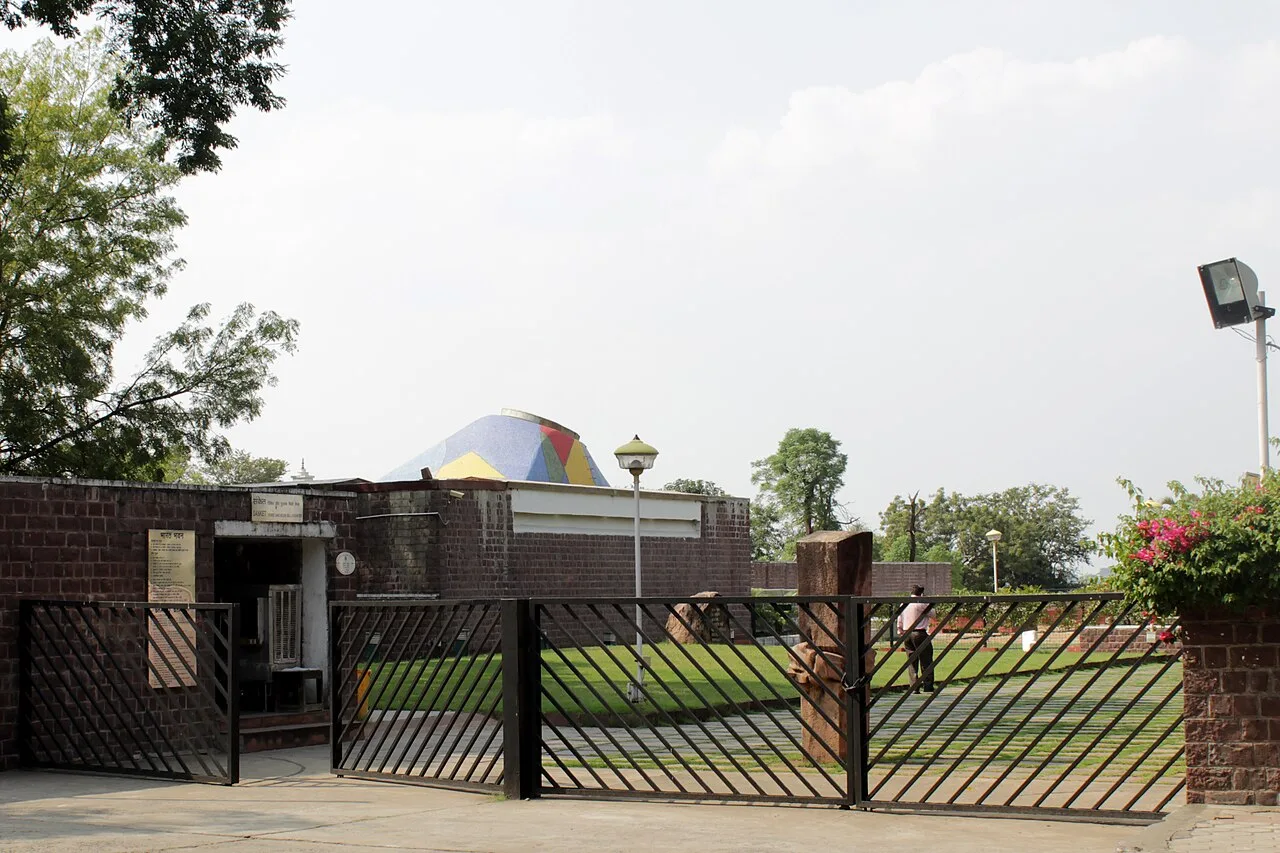
Bharat Bhavan is a government-established arts centre and museum in Bhopal, designed by Charles Correa. Visitors can explore its galleries, creative workshops, performance spaces and cultural collections.

Van Vihar National Park

108 km away · Bhopal district

Van Vihar National Park

Van Vihar is a national park and zoological facility in Bhopal, visited for its animal habitats and a road that runs through the grounds.

Sanchi Stupa No. 2

117 km away · Raisen district

Sanchi Stupa No. 2

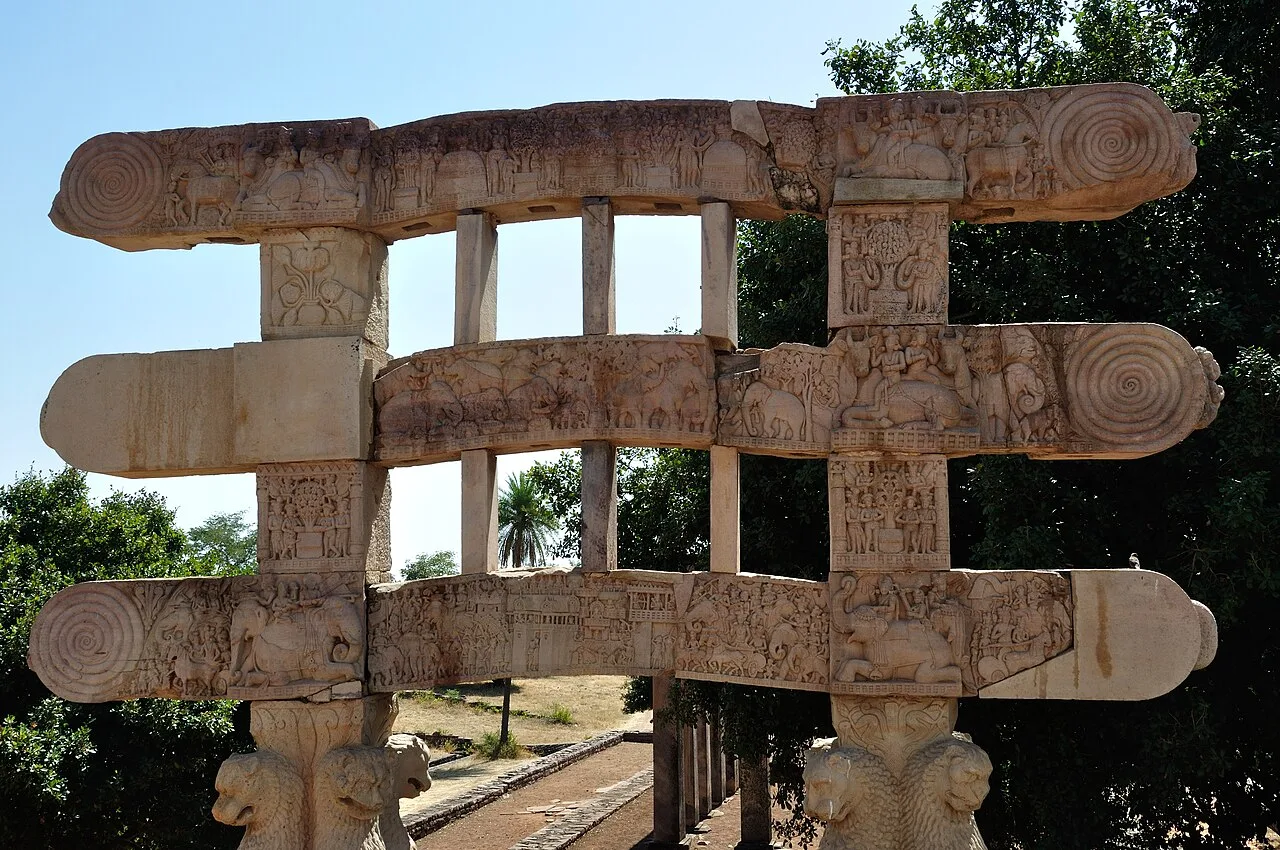
In Raisen district, Madhya Pradesh, Sanchi’s second stupa forms part of the Buddhist complex and draws interest for its early relief carvings and association with Jataka illustrations.

Sanchi Stupa

118 km away · Sanchi district

Sanchi Stupa

Sanchi is a Buddhist complex in Madhya Pradesh, centred on the Great Stupa. Visitors come to see its historic architecture and explore a site associated with the development of Buddhism in India.

Map

Rajgarh on the map

  1. 1Islamnagar
  2. 2Bhoj Wetland, Bhopal
  3. 3Bhojtal
  4. 4Taj-ul-Masajid
  5. 5Bharat Bhavan
  6. 6Van Vihar National Park
  7. 7Sanchi Stupa No. 2
  8. 8Sanchi Stupa

Madhya Pradesh

Other cities to explore