Ghumoopedia — Explore, Discover, Experience
Sign in
Maheshwar Ghats, near Sendhwa

City guide · Madhya Pradesh

Sendhwa

Sendhwa is a municipal town in Barwani district, near the Madhya Pradesh–Maharashtra border. It serves as the headquarters of Sendhwa Tehsil and Sub Division, giving it an important administrative role in the surrounding rural area.

Famous for

  • Cotton and agricultural trade
  • Sendhwa Tehsil headquarters
  • Highway stop on the Nimar route
  • Bhil and Bhilala regional culture

Why Sendhwa matters

Sendhwa is a municipal town in Barwani district, near the Madhya Pradesh–Maharashtra border. It serves as the headquarters of Sendhwa Tehsil and Sub Division, giving it an important administrative role in the surrounding rural area. Its position on a major north–south road route also makes it a practical stop for people travelling between towns in western Madhya Pradesh and northern Maharashtra.

The town’s everyday importance comes from public services, local commerce and trade in produce from the surrounding countryside, including cotton. Visitors are more likely to come for business, administrative work or as part of a wider journey through the Nimar region than for a major sightseeing circuit. Sendhwa offers a view of a working district town, with a busy centre and links to nearby villages and markets. Its setting close to the state boundary brings together regional influences, while its tehsil role makes it a useful base for exploring the western part of Barwani district.
Famous for: crafts, trade & products

Sendhwa is associated chiefly with agricultural commerce rather than a nationally recognised craft or textile tradition. Cotton is an important crop in the wider region, and local trade connects growers and businesses with the town’s markets. The agricultural market area and central bazaar are the most practical places to look for produce and everyday goods. Shops serve local residents and people arriving from nearby villages, so the selection is primarily practical rather than geared to visitors.

There is no widely established Sendhwa-specific saree, handicraft or GI-tagged product to seek out. Visitors should therefore avoid expecting a dedicated craft district or a signature souvenir. The central market is a good place to browse for regional groceries, snacks and household items, while the mandi area reflects the town’s role in the farm economy. For specialised textiles or a broader range of manufactured goods, larger regional centres are likely to offer more choice. Sendhwa’s identity as a market and administrative town is more evident in these everyday exchanges than in a single branded product.

History

Sendhwa’s growth is closely tied to its position in the Nimar region and its role serving settlements across what is now western Barwani district. The wider area’s political history includes the princely State of Barwani, whose rulers governed under British paramountcy during the colonial period. Maratha influence and British-era administration also shaped the region’s changing political landscape; Sendhwa’s importance, however, has been more closely connected to local administration and trade than to its being a major royal capital.

After independence, the town continued to develop as a centre for public services and commerce. Its role as the headquarters of Sendhwa Tehsil and Sub Division has supported that growth, while road connections have helped link it with markets and settlements on both sides of the state boundary. The formation of Barwani district as a separate administrative unit further established Sendhwa’s place within the district’s network of towns. Today, its growth is visible in its civic offices, shops and transport activity.

Food, festivals & culture

Daily life reflects the town’s connections with both the Nimar region and the nearby state boundary. Hindi is widely used; Nimadi and Bhili are also heard, and Marathi may be encountered through cross-border contact. Meals commonly draw on wheat, maize, pulses and seasonal vegetables. Poha and jalebi are familiar breakfast fare across Madhya Pradesh, while dal bafla is a well-known regional meal; these are regional favourites rather than dishes unique to Sendhwa. Local sweet shops and eateries are good places to sample everyday food.

Diwali, Holi and Navratri are observed in their usual seasons, with public and family celebrations. Bhil and Bhilala communities contribute to the wider district’s cultural life, including traditions associated with the pre-Holi Bhagoria season; celebrations and customs vary from place to place. Hindu temples and Muslim places of worship serve the town’s communities, and religious observances shape the local calendar. Visitors are most likely to encounter music and dance at festive or community gatherings rather than at regular tourist performances.

Visiting the city

The cooler months, roughly October to March, are generally the most comfortable for a visit; summer can be very hot, and monsoon travel may bring rain. For air travel, the usual airport is Devi Ahilya Bai Holkar Airport in Indore. Sendhwa does not have a major passenger railhead; Indore Junction is a principal rail connection, with the onward journey made by road. Check current road and rail connections before setting out.

Within town, auto-rickshaws and local vehicles are useful for short trips, while taxis or buses can connect Sendhwa with other towns. Explore the central bazaar and market area for everyday town life, and the mandi area for a sense of its agricultural trade. Sendhwa is best treated as a practical stop or base for nearby countryside rather than a destination with a concentrated tourist quarter.

Trips from the city

Nearest places to visit from Sendhwa

Our closest destination guides, by straight-line distance.

Maheshwar Ghats

54 km away · Maheshwar district

Maheshwar Ghats

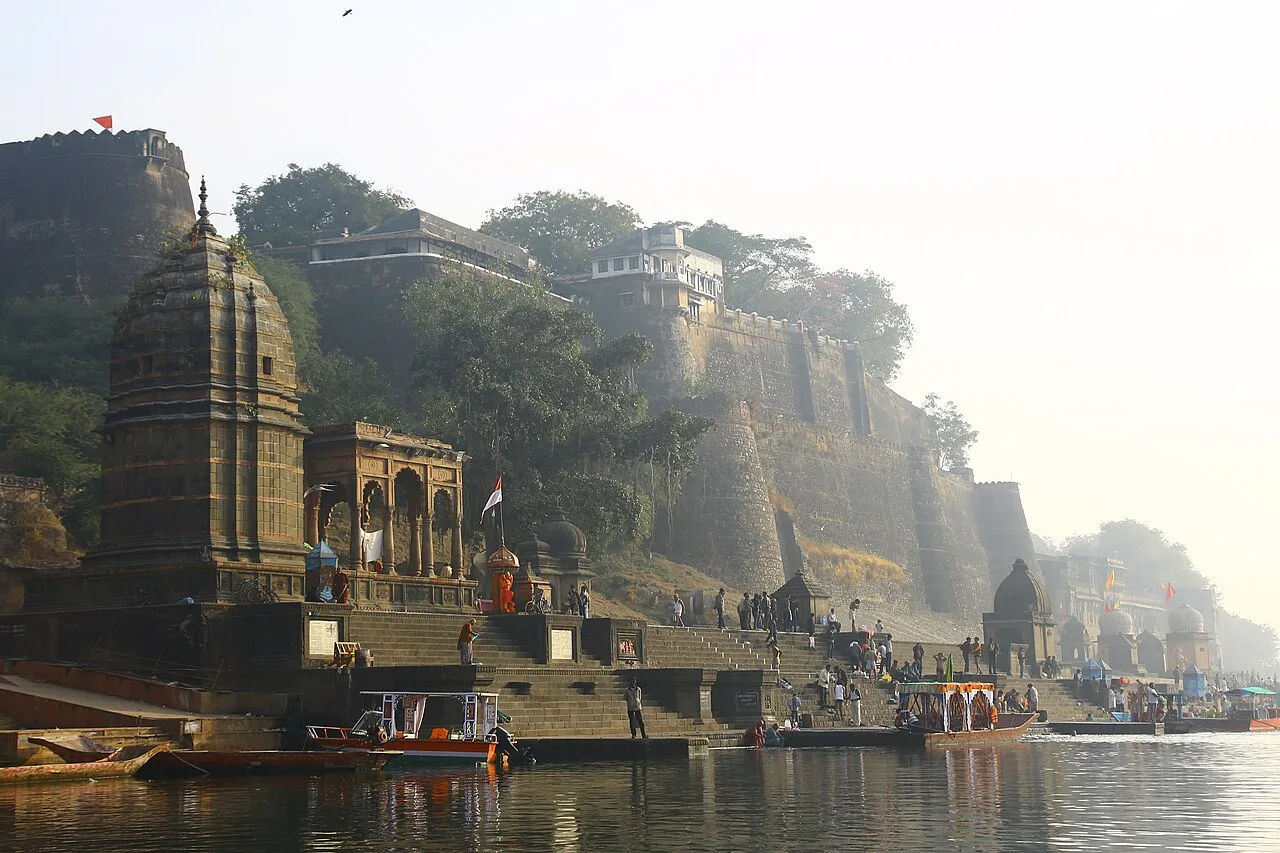
Maheshwar Ghats are riverfront steps in a historic town on the Narmada in Madhya Pradesh. Visitors come to see the ghats and learn about Maheshwar’s past as a capital under the Holkars.

Navdatoli Archaeological Site

73 km away · Khargone district

Navdatoli Archaeological Site

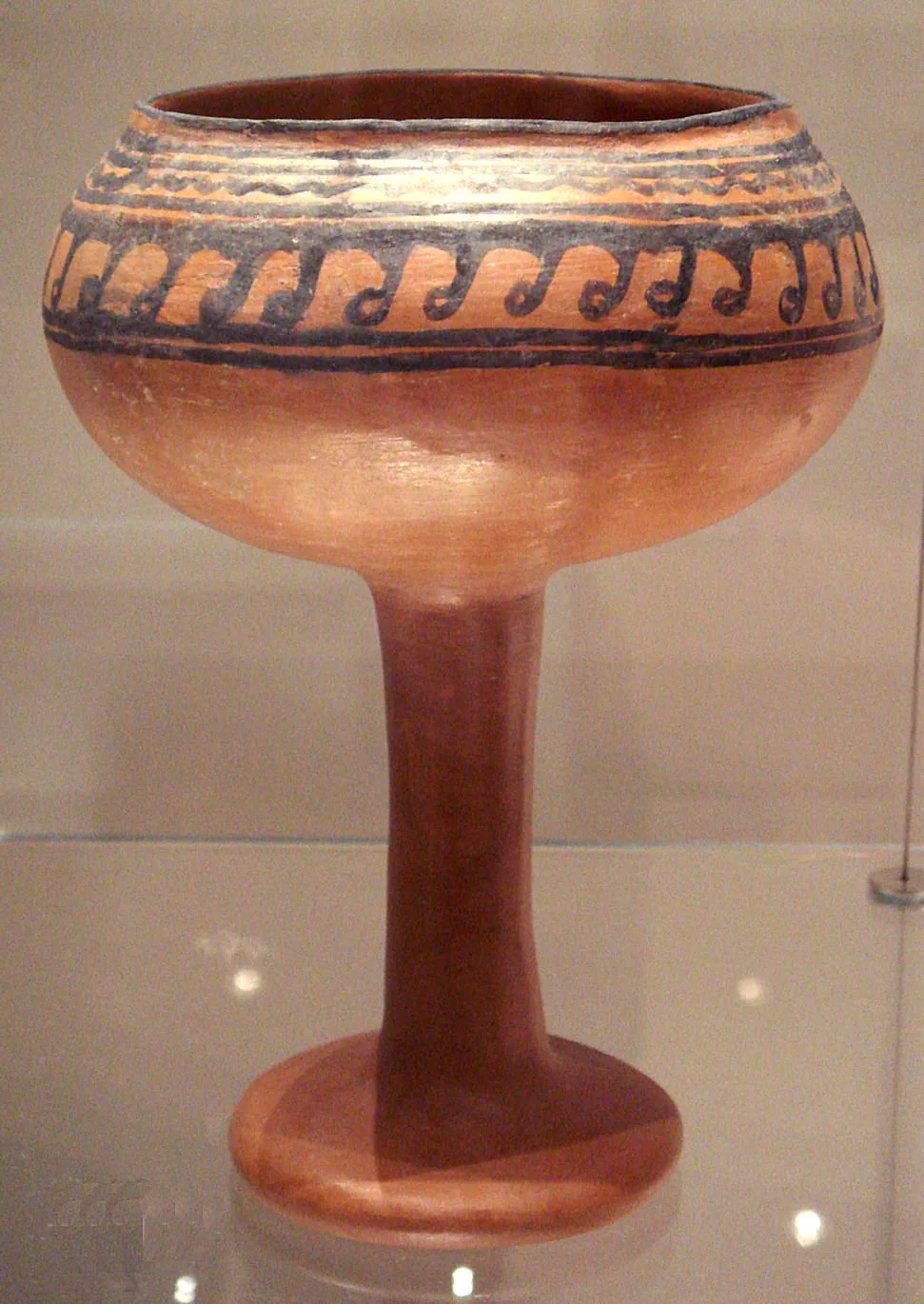
Navdatoli is both a present-day village and a Chalcolithic settlement on the Narmada in Madhya Pradesh. Visitors explore its archaeological history and the pottery associated with its successive phases.

Bagh Caves

77 km away · Dhar district

Bagh Caves

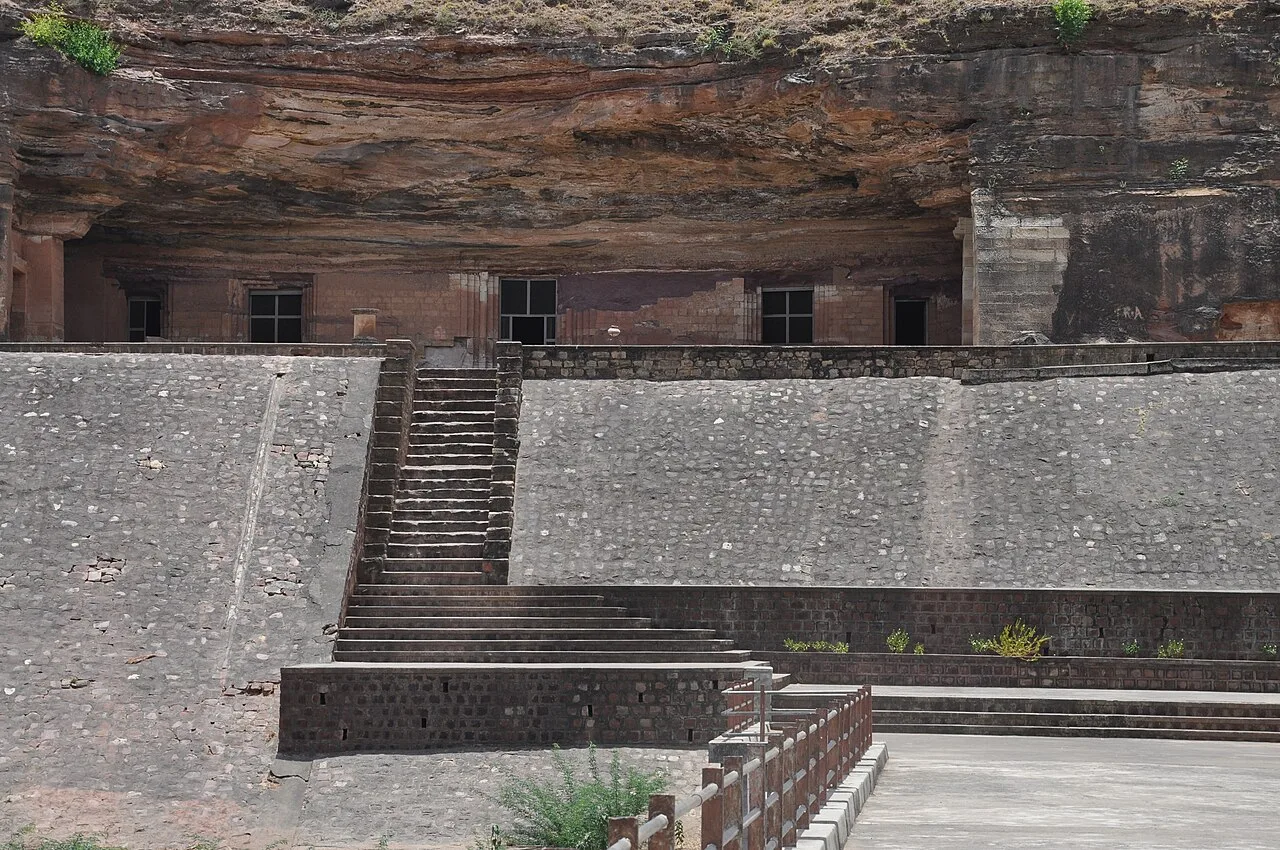
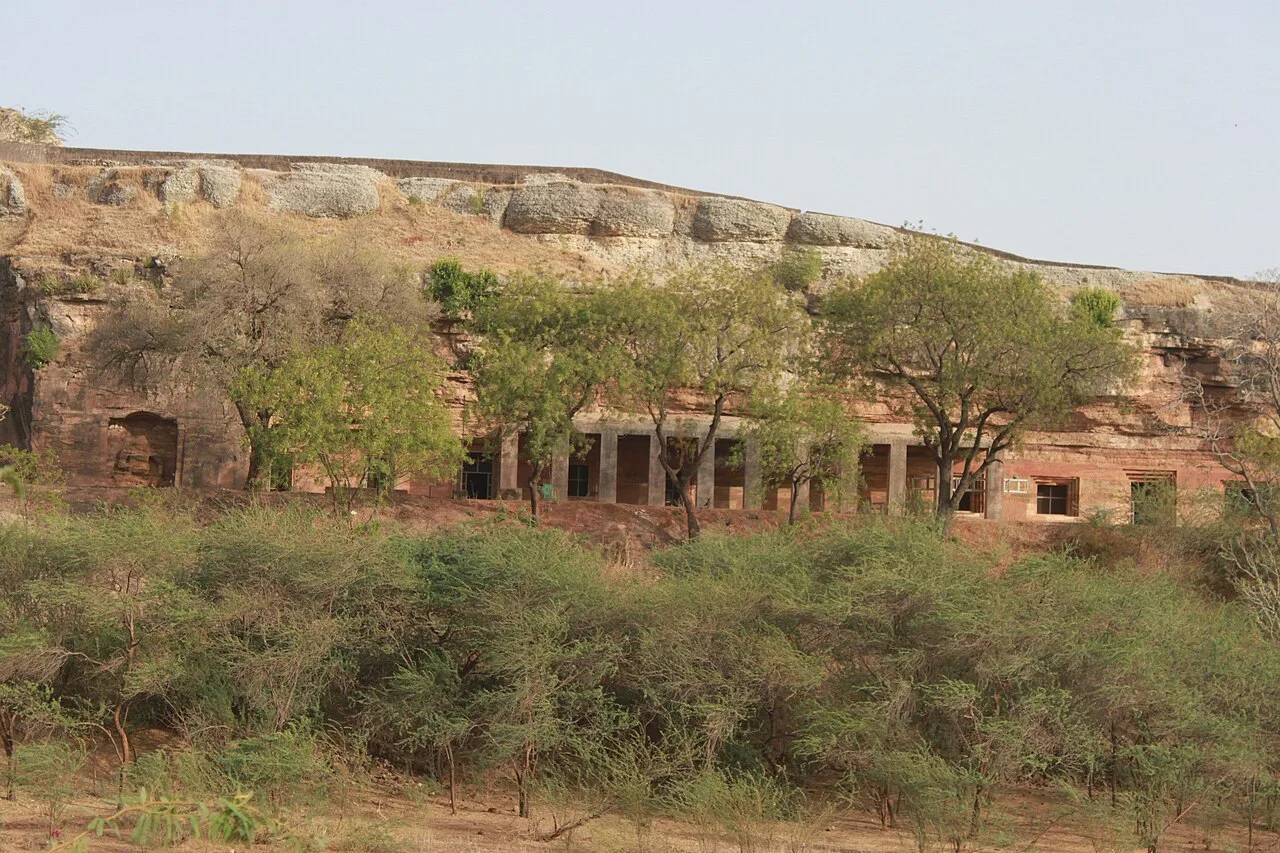
The Bagh Caves are Buddhist rock-cut monuments in Madhya Pradesh, known for their murals and monastic layouts. Visitors explore the surviving caves, including the painted Cave 4, called Rang Mahal.

Mandu

79 km away · Dhar district

Mandu

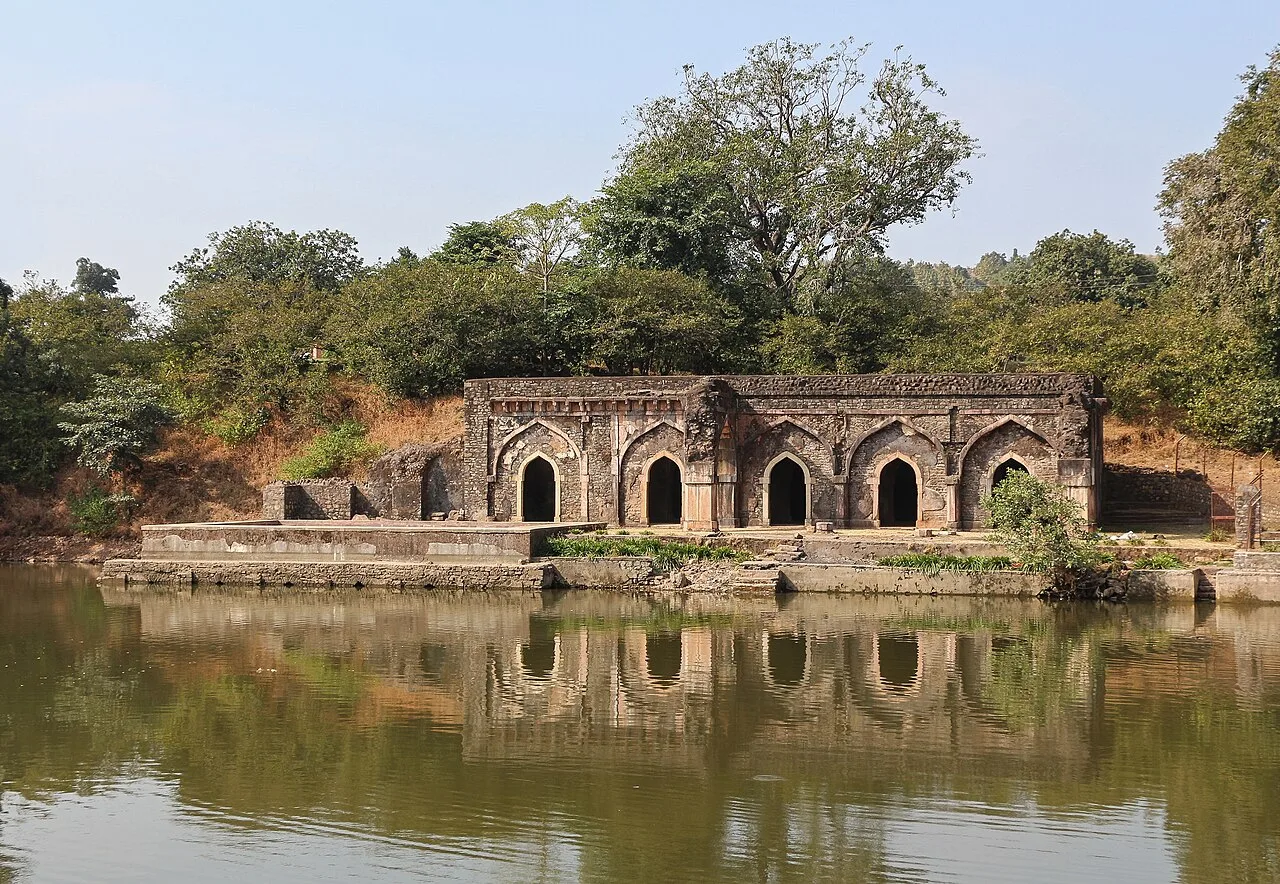
Mandu, also known as Mandavgad, is an ancient settlement in Madhya Pradesh’s Dhar district. Visitors are drawn to its fortress setting and notable architecture.

Hindola Mahal, Mandu

81 km away · Dhar district

Hindola Mahal, Mandu

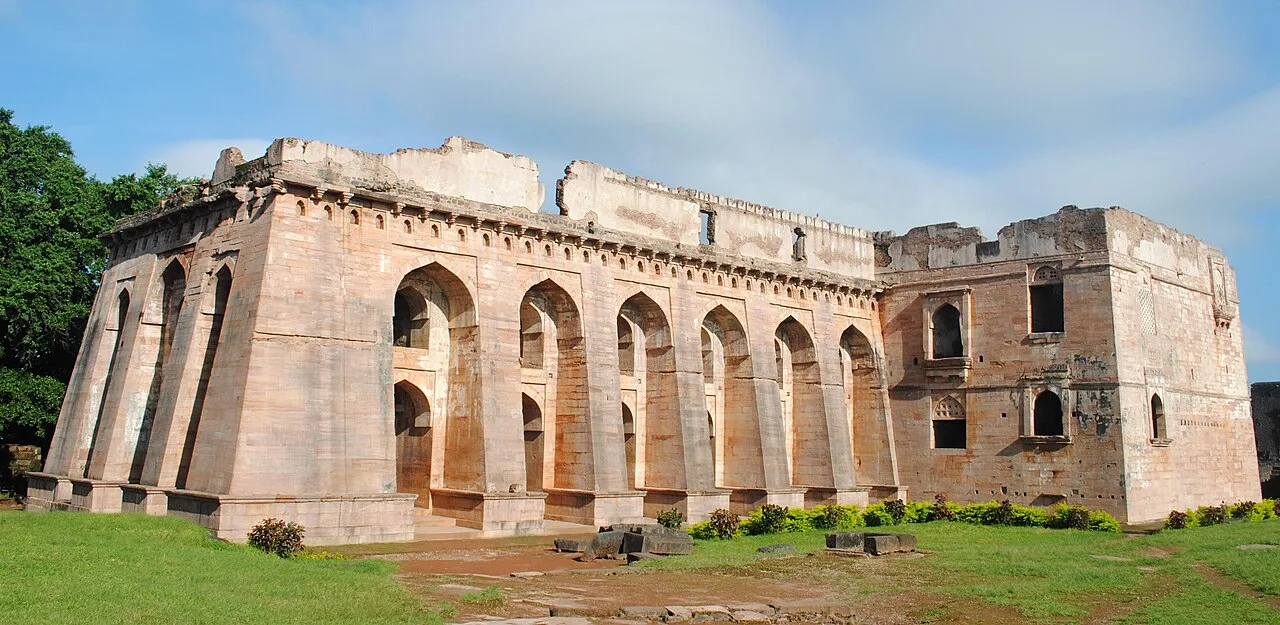
Hindola Mahal is a large assembly hall in Mandu, Madhya Pradesh. Visitors go to see it as a historic structure within the remains of the old city.

Bagh (Bagh Print Village)

83 km away · Dhar district

Bagh (Bagh Print Village)

In Madhya Pradesh’s Dhar district, Bagh is a settlement associated with the Bagh Caves, whose Buddhist rock-cut chambers and murals attract visitors.

Bhojshala

103 km away · Dhar district

Bhojshala

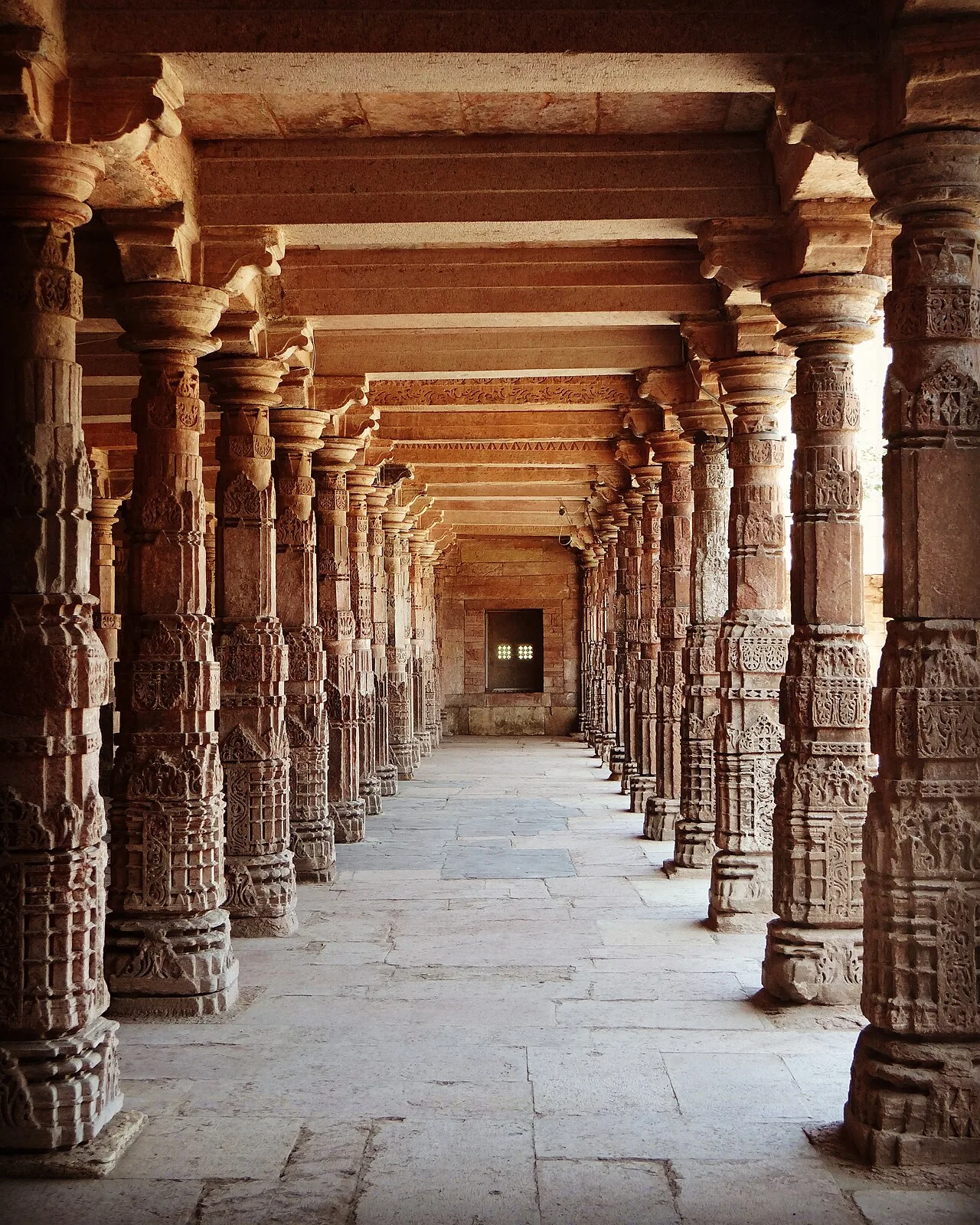
Bhojshala is a historic complex in Dhar, Madhya Pradesh, associated with Sanskrit learning under the Paramāras. Visitors come to see its architecture, inscriptions and archaeological remains, as well as its layered religious history.

Omkareshwar Temple

125 km away · Omkareshwar district

Omkareshwar Temple

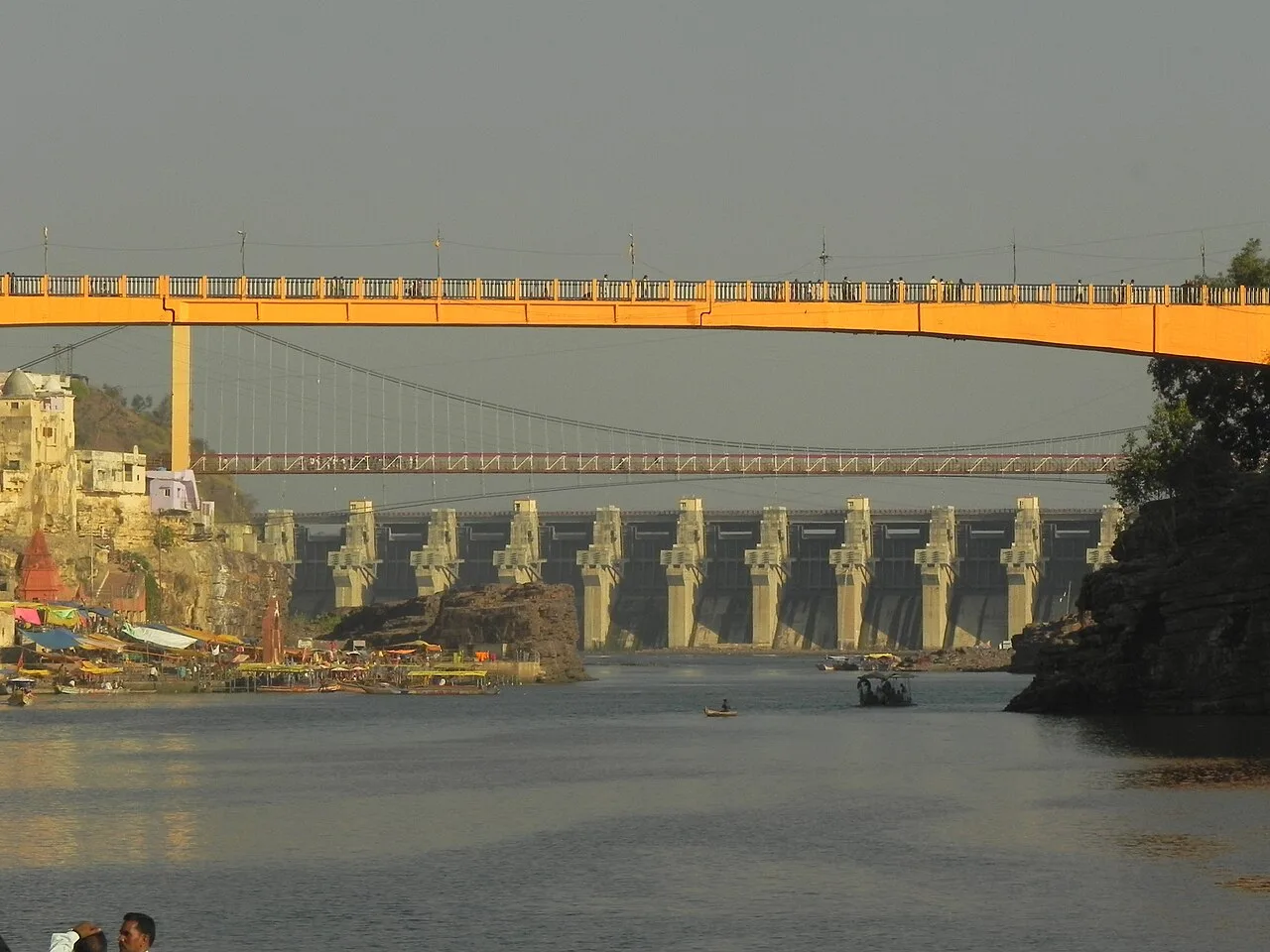
Omkareshwar is a Shiva shrine on Mandhata island in Madhya Pradesh, revered as one of the twelve Jyotirlingas. Pilgrims visit its two associated sanctuaries.

Map

Sendhwa on the map

  1. 1Maheshwar Ghats
  2. 2Navdatoli Archaeological Site
  3. 3Bagh Caves
  4. 4Mandu
  5. 5Hindola Mahal, Mandu
  6. 6Bagh (Bagh Print Village)
  7. 7Bhojshala
  8. 8Omkareshwar Temple

Madhya Pradesh

Other cities to explore