Ghumoopedia — Explore, Discover, Experience
Sign in

City guide · Madhya Pradesh

Nal Khera

Nal Khera, also written Nalkheda, is a small town in the Malwa region of Madhya Pradesh and an important local centre in Agar Malwa district. Its best-known landmark is the revered Maa Baglamukhi Temple, which draws worshippers from across the state and visitors seeking a place of prayer and pilgrimage.

Famous for

  • Maa Baglamukhi Temple
  • Lakhundar River
  • Navratri pilgrimage
  • Malwa regional traditions

Why Nal Khera matters

Nal Khera, also written Nalkheda, is a small town in the Malwa region of Madhya Pradesh and an important local centre in Agar Malwa district. Its best-known landmark is the revered Maa Baglamukhi Temple, which draws worshippers from across the state and visitors seeking a place of prayer and pilgrimage. The shrine is particularly associated with devotional rituals and havan, and becomes especially busy during major religious occasions.

The town stands near the Lakhundar River and serves the surrounding rural communities, with everyday shops and services alongside its religious life. For travellers, Nal Khera offers a quieter alternative to the larger temple destinations of Malwa: the main draw is the shrine, while the river setting and local streets provide a glimpse of life in a small regional town. It is usually visited as a focused pilgrimage stop, or combined with other places in the wider Agar Malwa and Shajapur area. Visitors should plan for a simple, locally oriented stay rather than a large tourist infrastructure.
Famous for: crafts, trade & products

Nal Khera is best known for religious pilgrimage rather than for a particular textile, handicraft, GI-tagged product or large-scale industry. Maa Baglamukhi Temple is the town’s defining attraction, and devotional offerings and ritual services form an important part of the visitor economy. The surrounding countryside is agricultural, while the town’s shops mainly cater to residents and pilgrims with daily necessities, food and worship items.

There is no widely recognised local saree, craft tradition or signature manufactured product for which Nal Khera is a major destination. Visitors looking for locally made goods can browse the central market area for everyday wares and items used in worship, but should not expect a specialised craft bazaar. Regional foods and agricultural produce reflect the wider Malwa area, though these are not exclusive to the town. For a more varied selection of established crafts and larger markets, travellers can look to bigger towns and cities elsewhere in the region. The temple and its surroundings remain the clearest place to experience what Nal Khera is known for.

History

Nal Khera’s history is closely connected with the wider Malwa region, which passed through the hands of successive regional kingdoms and larger powers over many centuries. The area later came under Maratha influence and, in the colonial period, formed part of the complex political landscape of Central India. Specific accounts of the town’s early growth and the precise origins of Maa Baglamukhi Temple are not consistently documented, so claims about an exact founding date should be treated with caution.

For generations, the settlement has served a rural hinterland, with religious activity and local trade shaping its importance. Its present identity is strongly linked to the temple and the steady flow of pilgrims it attracts. In modern administration, Nal Khera is part of Agar Malwa district, which was formed from Shajapur district in 2013. Road connections and district-level services link it with nearby towns, while agriculture remains central to the surrounding area.

Food, festivals & culture

Religious life is a visible part of Nal Khera’s culture, centred on Maa Baglamukhi Temple and local places of worship. Navratri, observed in spring and autumn, brings particular devotional activity; Diwali, Holi and other Hindu festivals are also marked. Temple visits, prayer and havan are important to many pilgrims, though practices and visitor numbers vary through the year.

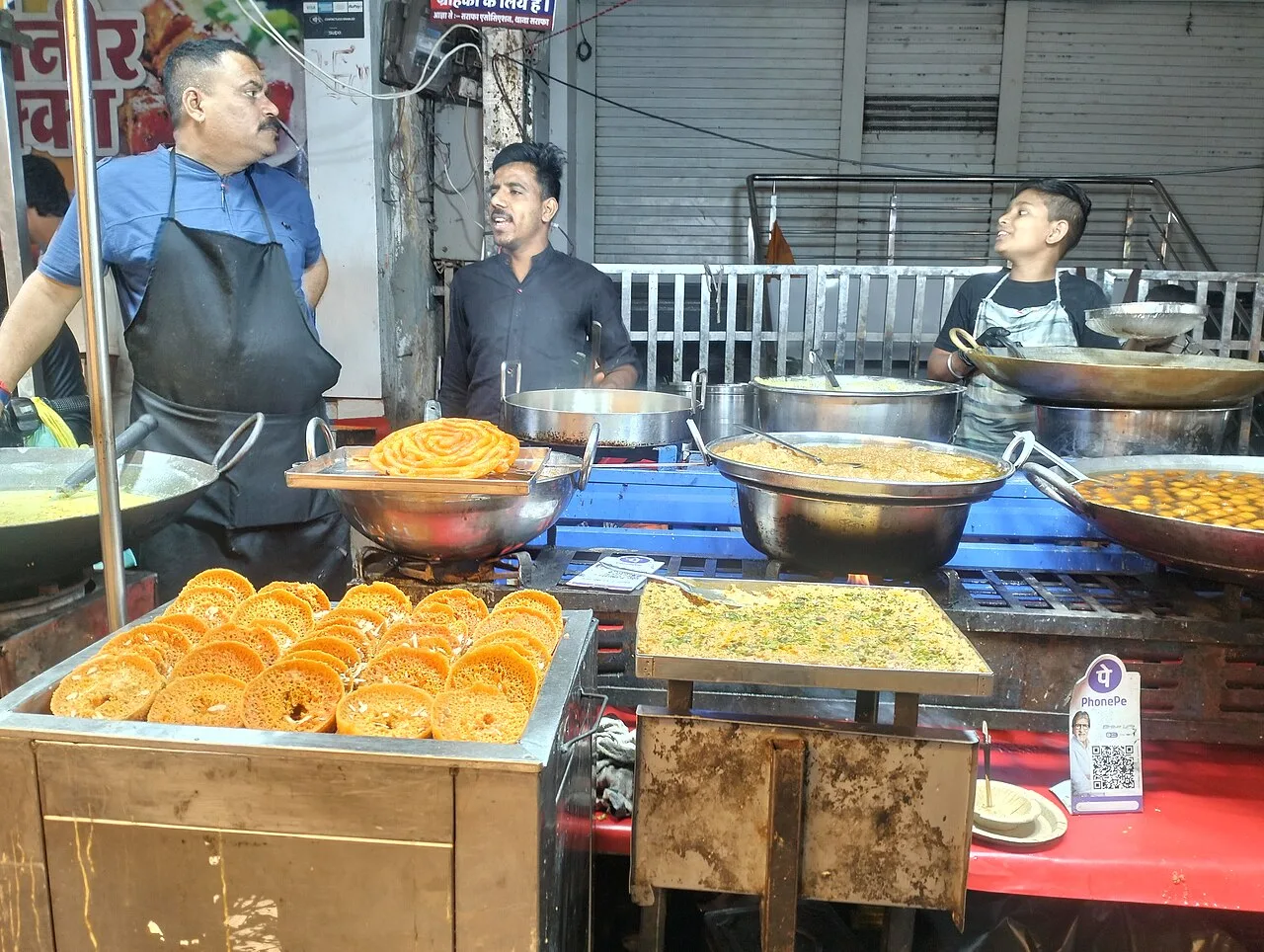
Hindi is widely used, and Malwi, the regional speech of the Malwa area, is also heard in everyday conversation. Food is shaped by broader Malwa tastes rather than a distinct Nal Khera cuisine. Visitors may find familiar regional fare such as poha, dal bafla and sweets including jalebi, alongside simple meals served by local eateries. Music and dance are generally experienced through religious gatherings and seasonal celebrations; there is no widely known performance tradition unique to the town. A respectful approach to worship, modest clothing at the temple and attention to local guidance help visitors engage comfortably with the town’s religious customs.

Visiting the city

The cooler months, roughly from October to March, are generally the most comfortable for visiting; summer can be very hot, while monsoon travel may bring rain. The nearest major airport is Devi Ahilya Bai Holkar Airport in Indore. Shajapur railway station is a useful railhead for onward travel by road; check current connections before setting out, as Nal Khera itself has no railway station.

Local travel is mainly by road, with taxis and other hired vehicles practical for reaching the temple and nearby towns. The temple area and the Lakhundar River surroundings are the main places to explore within Nal Khera. The town centre has basic shops and eateries, but accommodation and visitor services are limited compared with larger regional centres. Many travellers visit as a day trip or arrange their stay in a larger nearby town.

Trips from the city

Nearest places to visit from Nal Khera

Our closest destination guides, by straight-line distance.

Kal Bhairav Temple

84 km away · Ujjain district

Kal Bhairav Temple

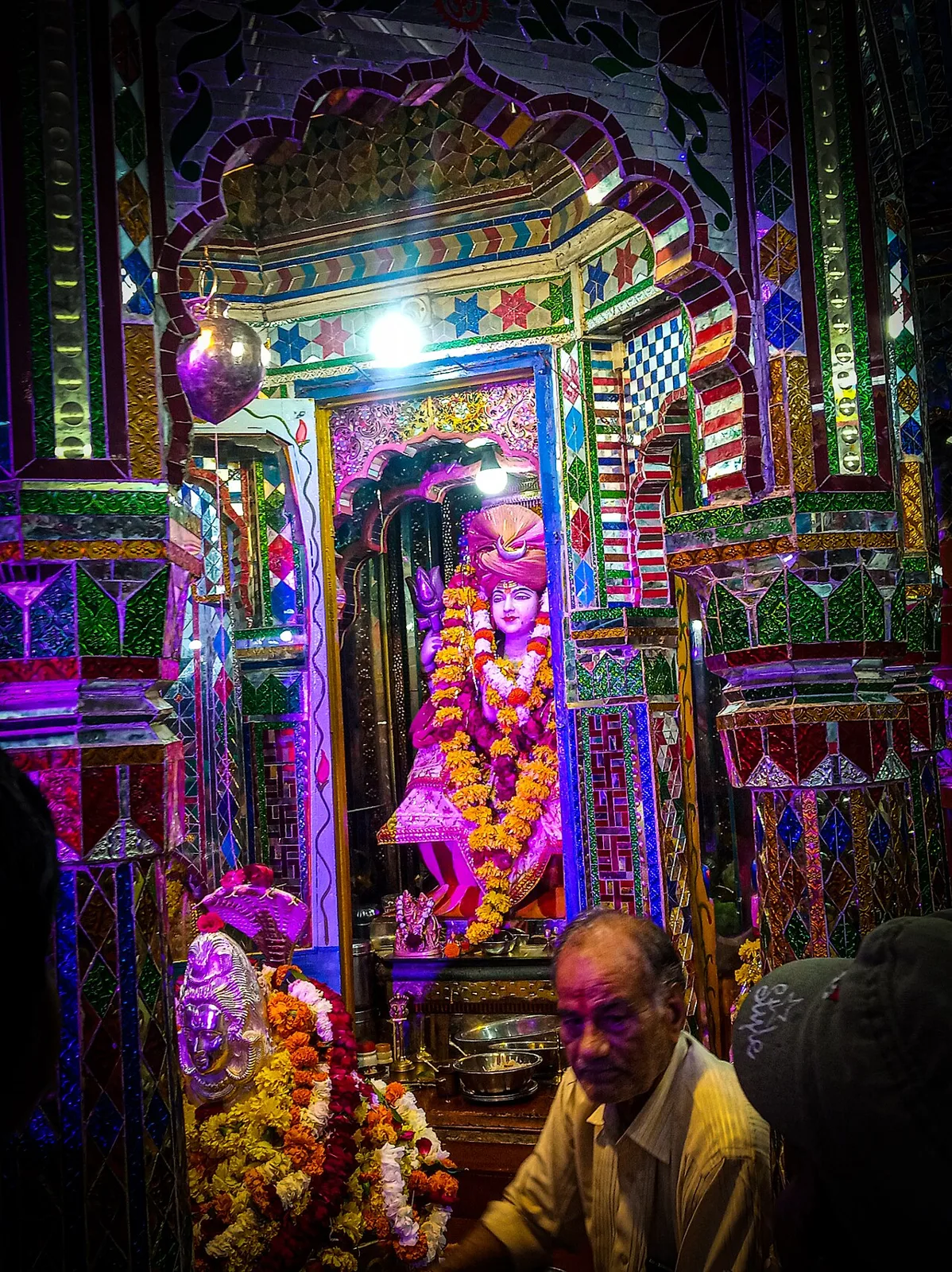
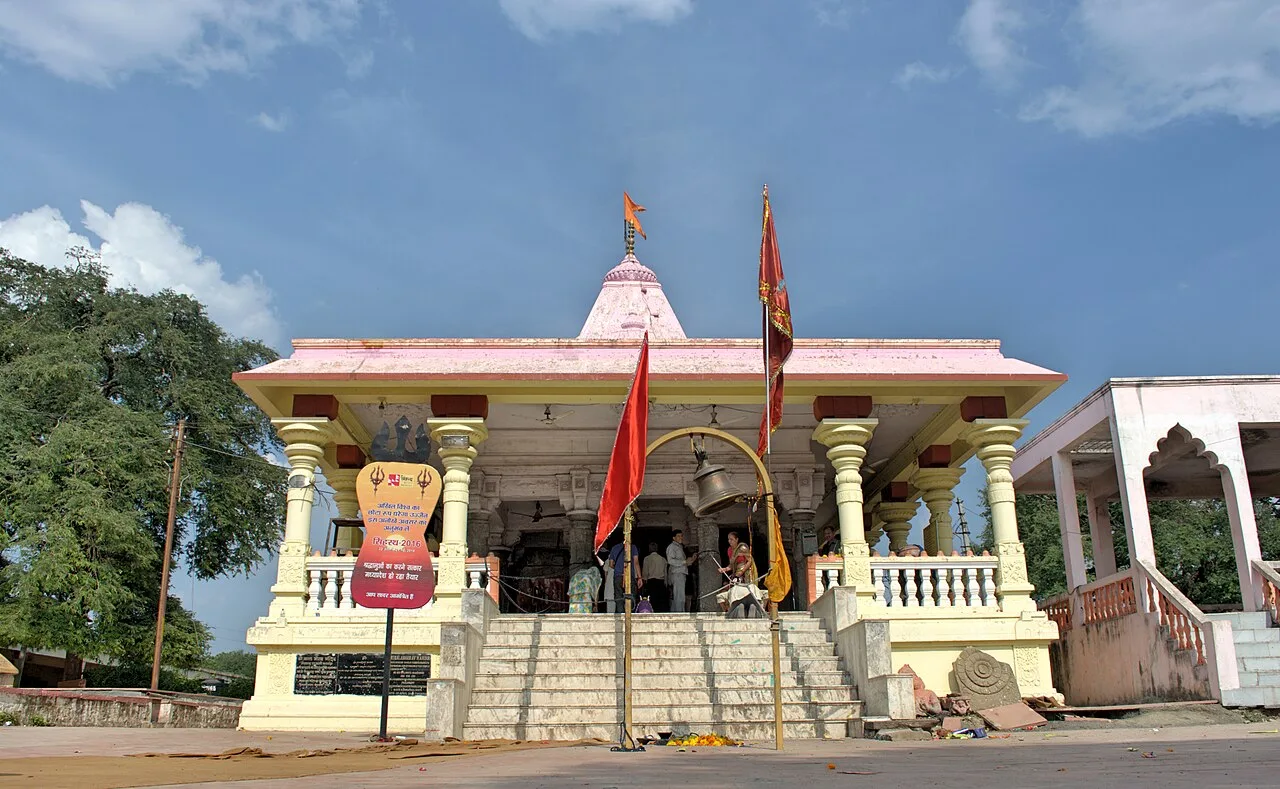
A Hindu shrine in Ujjain, Madhya Pradesh, Kal Bhairav Temple honours the city’s guardian deity. Worshippers visit its setting by the Shipra River, and liquor is among the offerings made there.

Mahakaleshwar Jyotirlinga

87 km away · Ujjain district

Mahakaleshwar Jyotirlinga

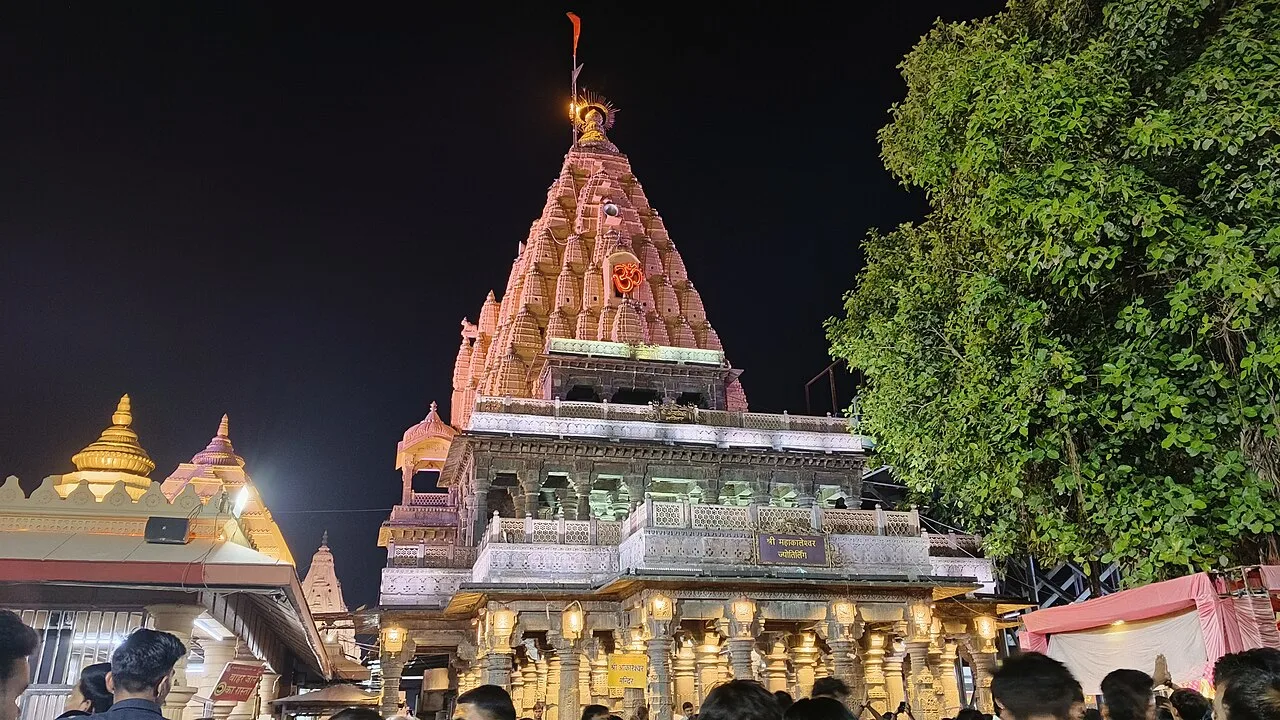
Mahakaleshwar Jyotirlinga is a Shiva temple in Ujjain, revered as one of twelve especially sacred Jyotirlinga shrines. Visitors come to worship its lingam, which is believed to be Swayambhu.

Kanch Mandir

127 km away · Indore district

Kanch Mandir

Kanch Mandir is a well-known Jain temple in Indore, built by Sir Seth Hukumchand Jain. Visitors come to see the place of worship whose name means Temple of Glass.

Bhoj Wetland, Bhopal

129 km away · Sehore district

Bhoj Wetland, Bhopal

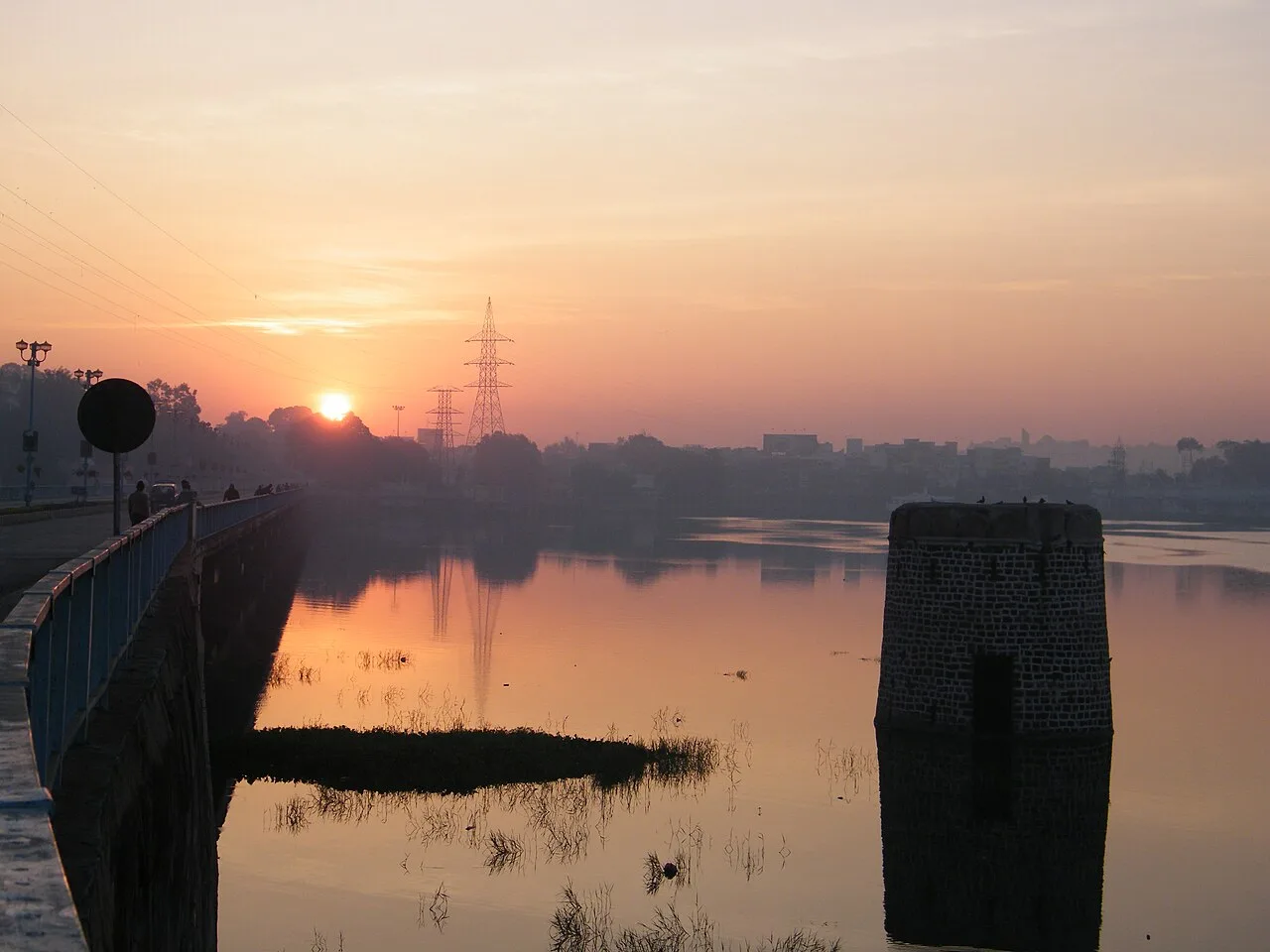
Bhoj Wetland is a two-lake complex in Bhopal, Madhya Pradesh. Visitors are drawn to its wetland habitats, varied wildlife and waterbirds.

Bhojtal

129 km away · Bhopal district

Bhojtal

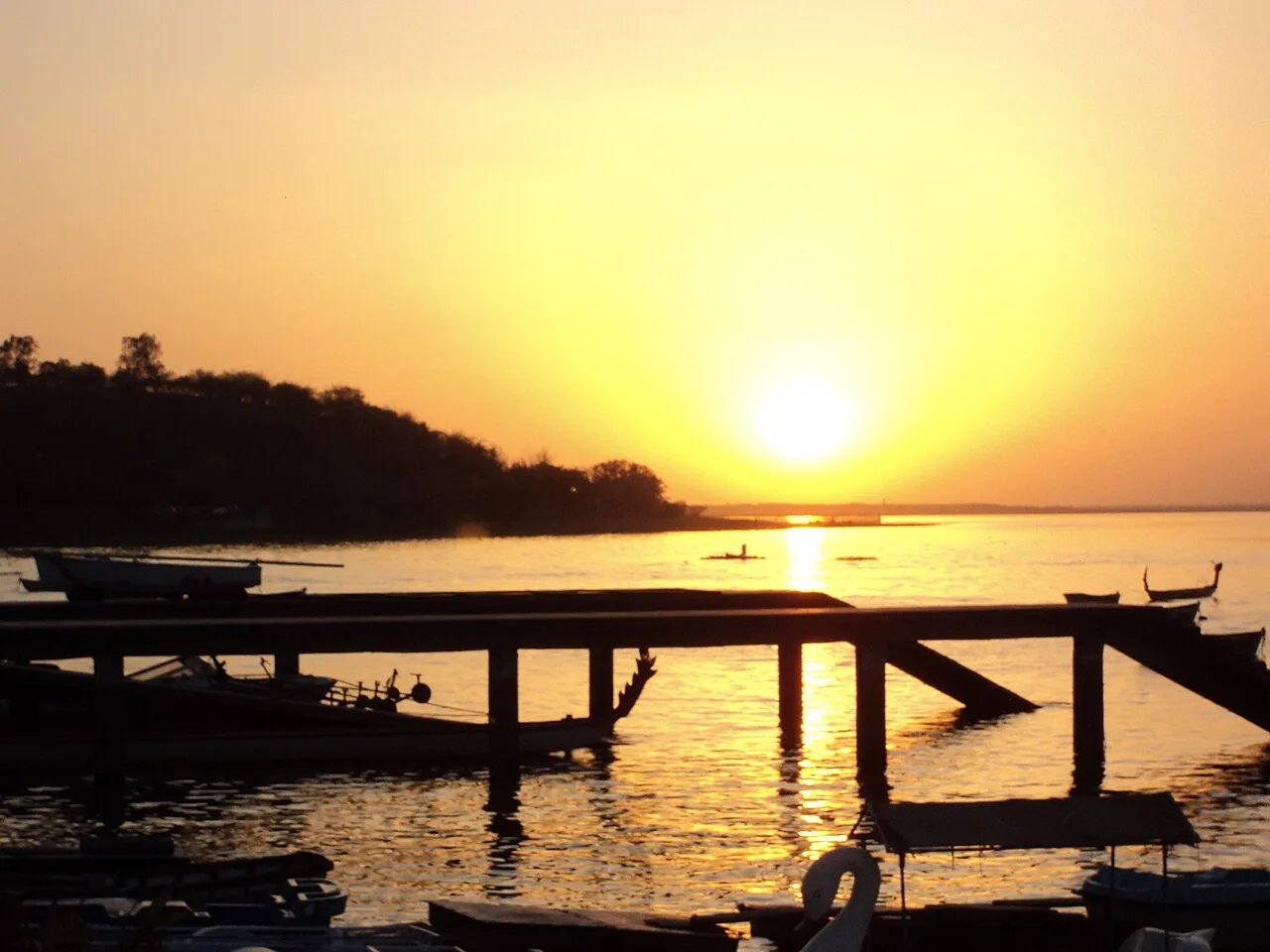
Bhojtal, also called Upper Lake, is a large lake on Bhopal’s western side. Visitors can see it as part of the Bhoj Wetland, formed with nearby Lower Lake and designated a Ramsar site.

Rajwada

130 km away · Indore district

Rajwada

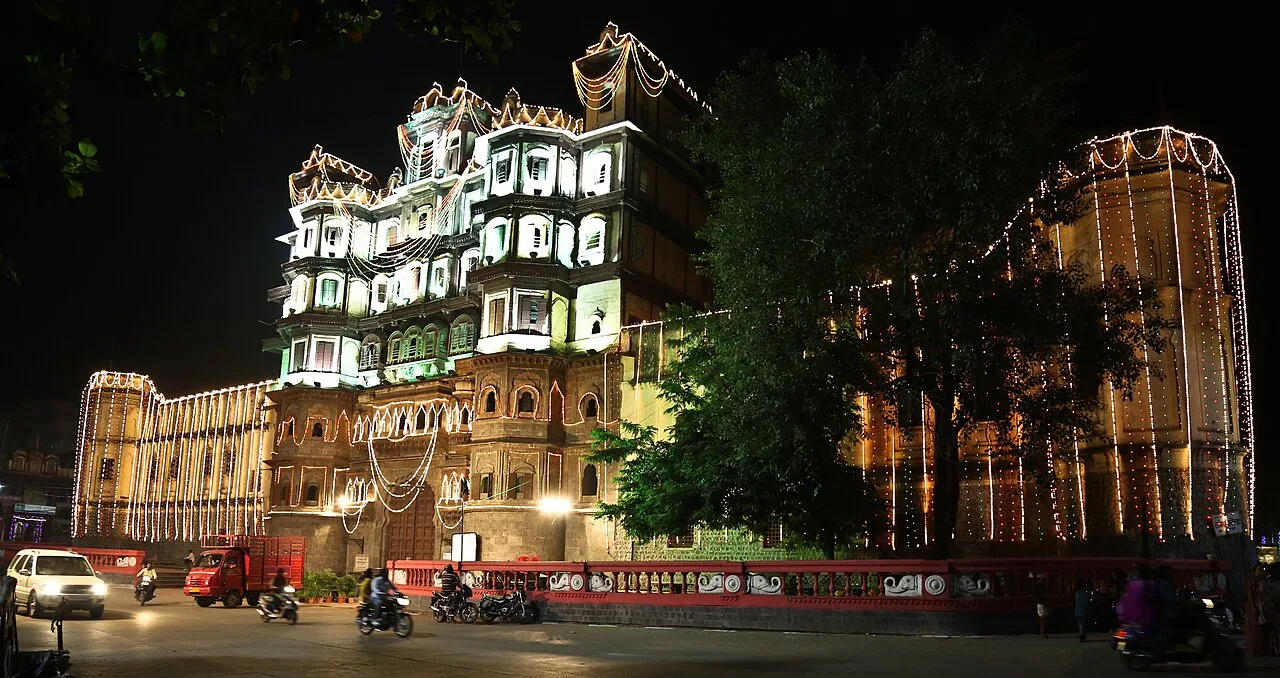
Rajwada is a historic, seven-storey Holkar residence in Indore. Visitors come for its period architecture, dynastic history and the garden with fountains and a waterfall.

Islamnagar

131 km away · Bhopal district

Islamnagar

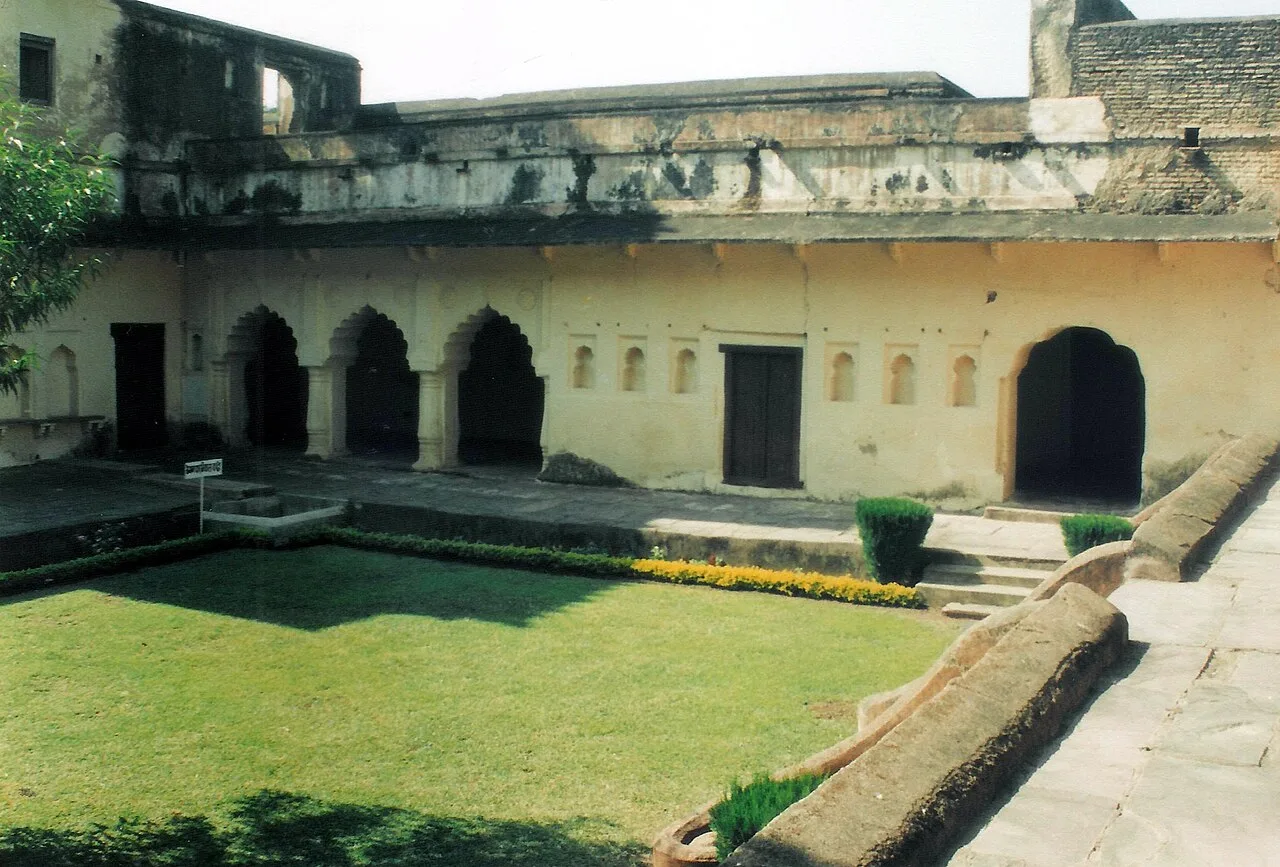
Islamnagar, officially Jagdishpur since February 2023, is a panchayat village in Bhopal district, Madhya Pradesh, visited for the ruined palaces built by Bhopal’s founder.

Sarafa Bazaar

131 km away · Indore district

Sarafa Bazaar

In central Indore, Sarafa Bazaar is a jewellery-trading area by day that becomes a street-food destination at night, drawing visitors for its varied cuisine and evening atmosphere.

Map

Nal Khera on the map

  1. 1Kal Bhairav Temple
  2. 2Mahakaleshwar Jyotirlinga
  3. 3Kanch Mandir
  4. 4Bhoj Wetland, Bhopal
  5. 5Bhojtal
  6. 6Rajwada
  7. 7Islamnagar
  8. 8Sarafa Bazaar

Madhya Pradesh

Other cities to explore