Ghumoopedia — Explore, Discover, Experience
Sign in
Bandhavgarh National Park, near Chandia

City guide · Madhya Pradesh

Chandia

Chandia is a small town and Nagar Parishad in Umaria district, close to Umaria town in eastern Madhya Pradesh. Its importance comes chiefly from its history as the seat of a Baghel Rajput estate under the former Rewa State.

Famous for

  • Chandia Fort
  • Baghel Rajput heritage
  • Historic Rewa State estate
  • Umaria district setting

Why Chandia matters

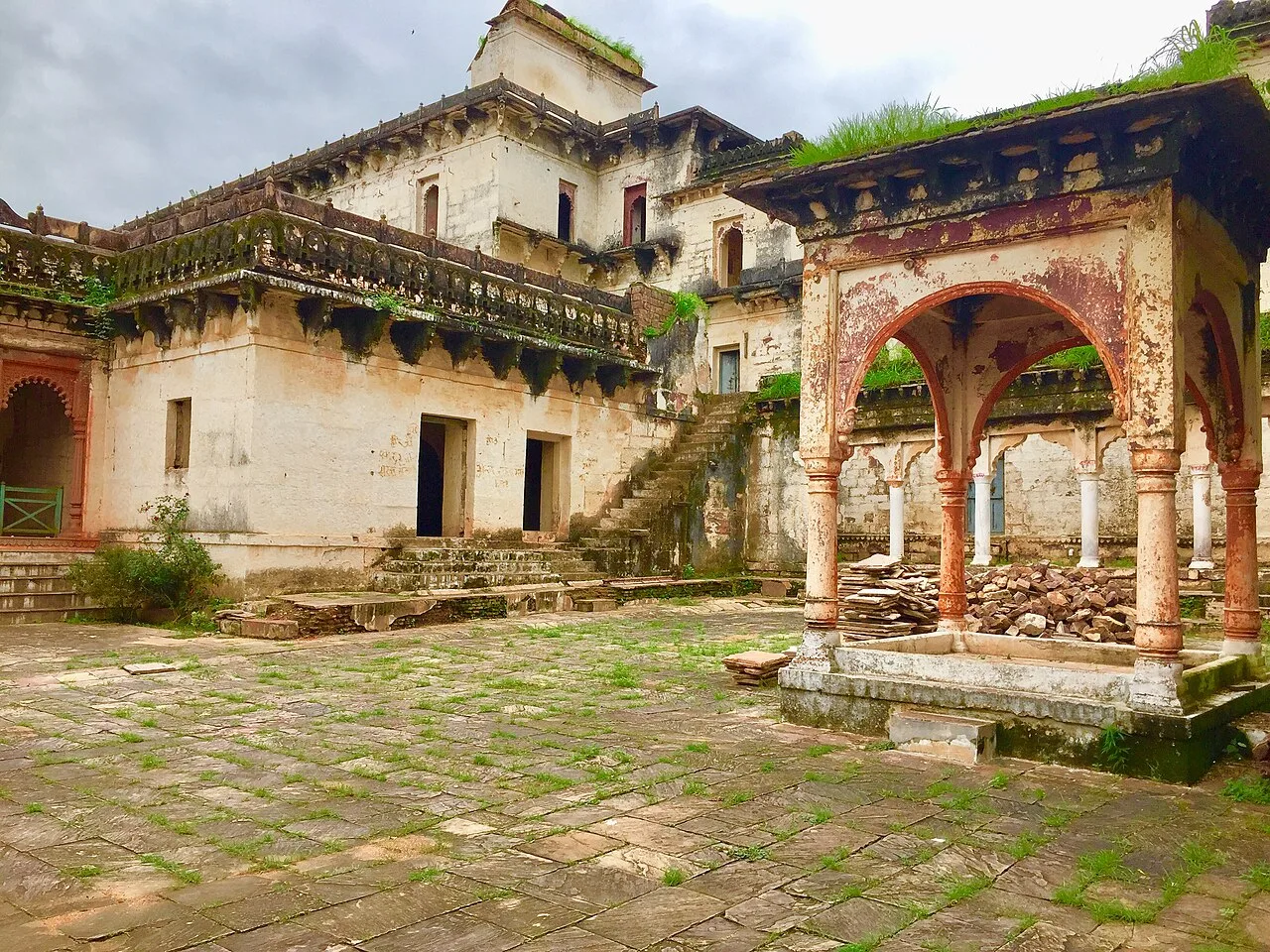
Chandia is a small town and Nagar Parishad in Umaria district, close to Umaria town in eastern Madhya Pradesh. Its importance comes chiefly from its history as the seat of a Baghel Rajput estate under the former Rewa State. The old fort, built during the estate’s period of rule, remains the town’s most distinctive historic landmark and a reminder of Chandia’s former role in regional administration.

Today, Chandia serves local residents and nearby villages, with Umaria providing a larger regional centre. It is not widely known as a major shopping or resort destination, but its heritage may interest travellers exploring the history of the former Rewa territories. The wider Umaria region is also associated with access to Bandhavgarh National Park; Chandia is a separate town, rather than a principal safari destination. Visitors can combine a stop here with regional travel, while checking locally whether the fort or other heritage sites are accessible. Chandia’s appeal is therefore chiefly its modest town character and its connection to the history of the area.
Famous for: crafts, trade & products

Chandia is best known locally for its historic fort and its association with the Baghel Rajput estate of Chandia, once part of Rewa State. It is best approached as a regional service town rather than a destination for a distinctive shopping tradition.

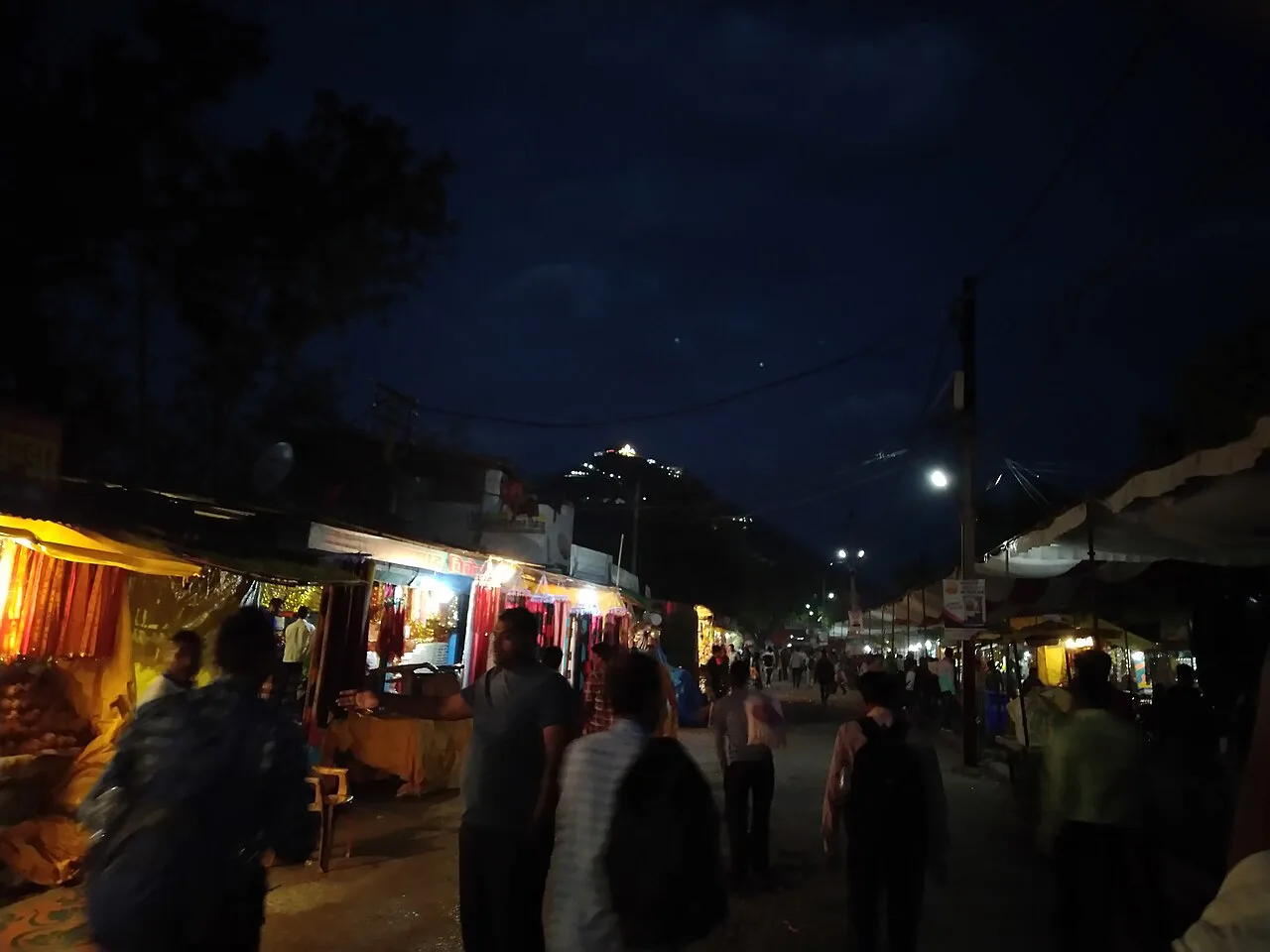
The local bazaar serves everyday needs for Chandia and surrounding settlements. For a wider choice of shops and services, Umaria is the nearby larger town. The fort is the most notable heritage landmark, although it is occupied by a family and should not be assumed to operate as a public museum or visitor attraction. Ask locally before approaching or photographing it. Visitors seeking specialist crafts or products from Madhya Pradesh may need to look in larger towns or cities on their itinerary; no particular product or institution can be confidently identified as a Chandia speciality.

History

Chandia developed as the seat of an estate, or illaka, held by Baghel Rajputs under the Maharaja of Rewa. In the sixteenth century, the estate was granted to Kunwar Mangad Rai, who received the title Lal Saheb. Its holder collected revenue on behalf of Rewa’s ruler and owed ceremonial and service obligations to the Rewa Durbar. The estate’s authority extended over surrounding villages, making Chandia a local centre of administration.

A fort was built in the town by Lal Chatradhari Singh, and it remains an important marker of this period. During the colonial era, Rewa continued as a princely state under British paramountcy; Chandia’s estate remained tied to the Rewa Durbar. After India became independent, the old zamindari and illakedari arrangements were abolished as land and property relations changed. Chandia subsequently developed as a local civic centre and is now administered as a Nagar Parishad in Umaria district. Its historic fort and former estate connection distinguish it from many neighbouring settlements.

Food, festivals & culture

Chandia shares the everyday food and festive rhythms of the Umaria region. Meals commonly draw on familiar central Indian staples such as roti, rice, lentils and seasonal vegetables; snacks and sweets such as poha, jalebi or local milk-based treats may be found in ordinary eateries and shops. These are regional choices rather than a uniquely documented Chandia cuisine, and availability varies between establishments.

Hindi is widely used, alongside Bagheli and other regional speech. Hindu festivals including Holi in spring, Navratri and Dussehra in autumn, and Diwali in autumn are observed in the wider region, with family gatherings, worship and local celebrations. Folk singing and dance belong to the broader Bagheli cultural landscape, though no particular performance tradition is specific to Chandia. Local temples and shrines serve as places of worship; visitors should be respectful of religious customs and ask before taking photographs. The fort is a historic landmark, not a known public cultural venue.

Visiting the city

The cooler months, roughly October to March, are generally the most comfortable time to explore Chandia. Summers can be hot, while the monsoon brings rain and greener surroundings. Jabalpur Airport is the practical nearby air gateway; check onward road connections before travelling. Chandia Road railway station serves the town area, while Umaria is another important rail point for the district. Confirm the most suitable station for your route when planning.

Local travel is mainly by road, using taxis or other locally available transport from the station or nearby Umaria. Chandia is compact enough to explore its central streets and bazaar on foot, though transport is useful for reaching outlying places. The fort is the principal heritage point, but it is occupied and may not be open to visitors; seek permission rather than entering. Umaria is a useful base for additional services and onward journeys toward the region’s attractions.

Trips from the city

Nearest places to visit from Chandia

Our closest destination guides, by straight-line distance.

Bandhavgarh National Park

26 km away · Bandhavgarh district

Bandhavgarh National Park

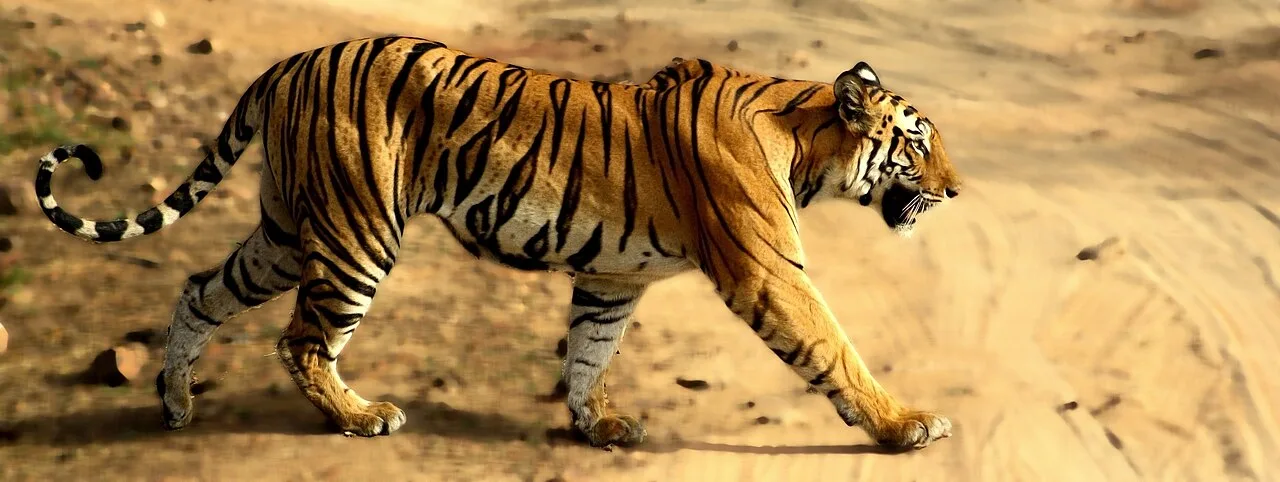
Bandhavgarh National Park, in Umaria district, Madhya Pradesh, is a protected area with extensive forests and diverse wildlife. Visitors are drawn especially by its tigers and other animals.

Bandhavgarh Fort

33 km away · Bandhavgarh district

Bandhavgarh Fort

Bandhavgarh Fort is a historic stronghold in Umaria district, Madhya Pradesh, within Bandhavgarh National Park, drawing interest for its landscape and long political history.

Maihar Sharda Temple

68 km away · Satna district

Maihar Sharda Temple

Maihar Sharda Temple is a religious shrine in Madhya Pradesh, associated with Maa Sharda and counted among the Shakti Peeth. Worshippers visit for its religious significance.

Bharhut Stupa Remains

89 km away · Satna district

Bharhut Stupa Remains

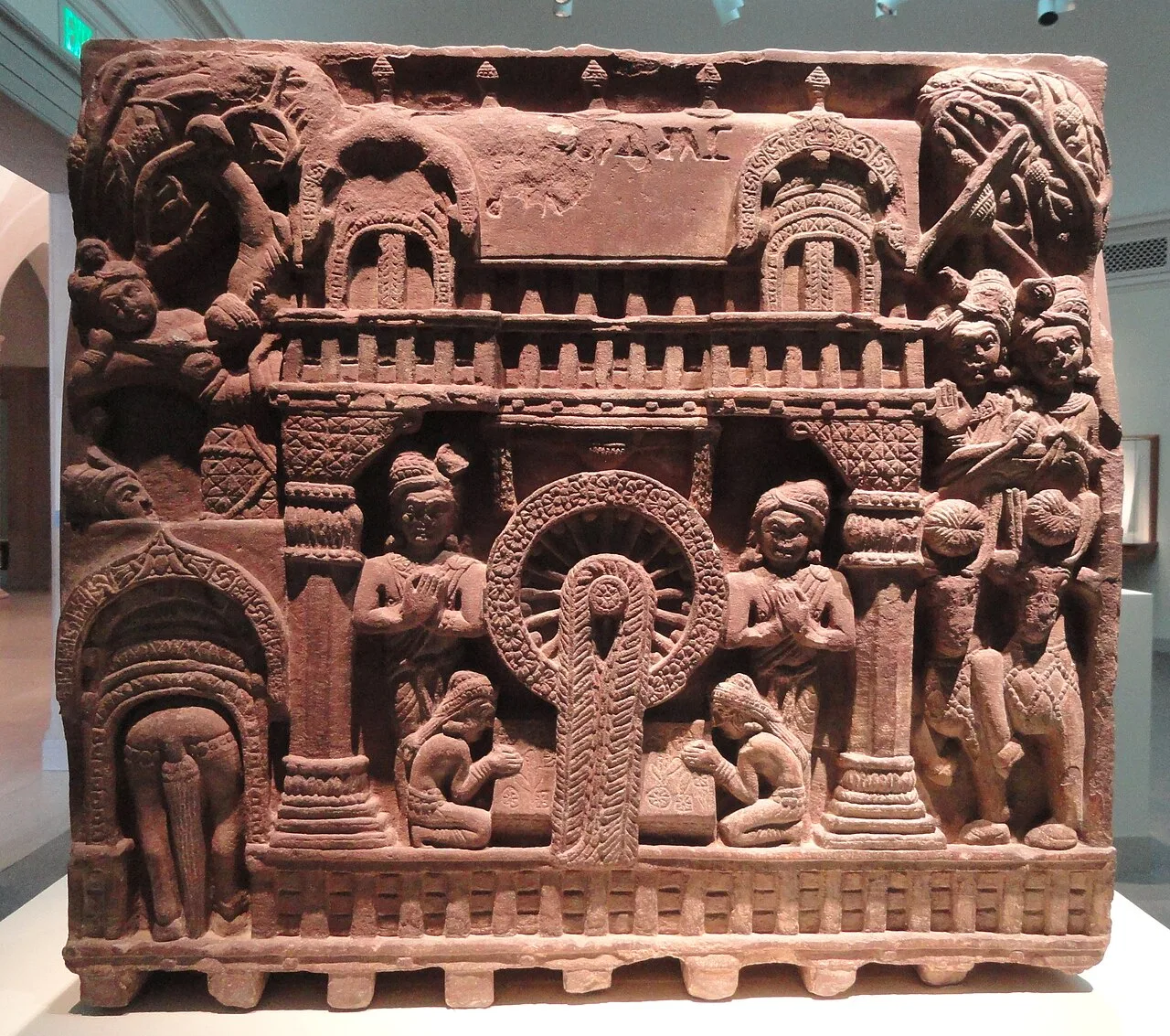
Bharhut Stupa Remains are the surviving traces of a Buddhist stupa in Madhya Pradesh. Visitors come to learn about its early carvings, labelled relief panels and history, though most sculptures are now held elsewhere.

Govindgarh Palace, Rewa

99 km away · Rewa district

Govindgarh Palace, Rewa

Govindgarh Palace, also called Govindgarh Fort, is a nineteenth-century royal residence in Rewa district. Visitors come to see the palace and its lakeside setting in Govindgarh, Madhya Pradesh.

Madan Mahal

100 km away · Jabalpur district

Madan Mahal

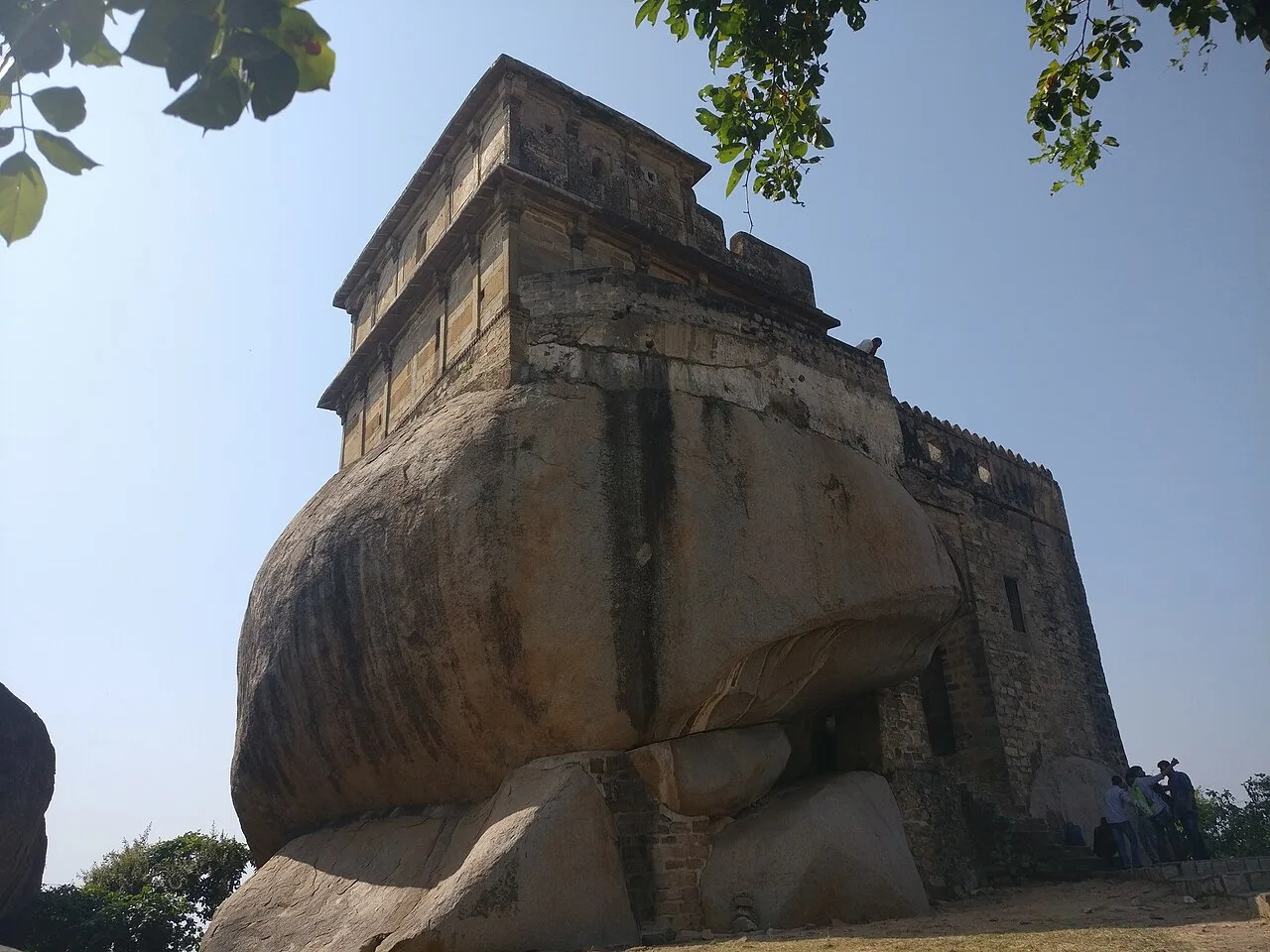
Madan Mahal is a suburb in Jabalpur district, Madhya Pradesh, best known for the historic Durgavati fort. Visitors come to see the hilltop fort associated with Raja Madan Singh.

Kundalpur Jain Temples

107 km away · Damoh district

Kundalpur Jain Temples

The Kundalpur Jain Temples are a pilgrimage destination for Digambar Jains in Madhya Pradesh’s Damoh district. The town of Kundalpur lies 37 kilometres north-east of Damoh city.

Bhedaghat

109 km away · Jabalpur district

Bhedaghat

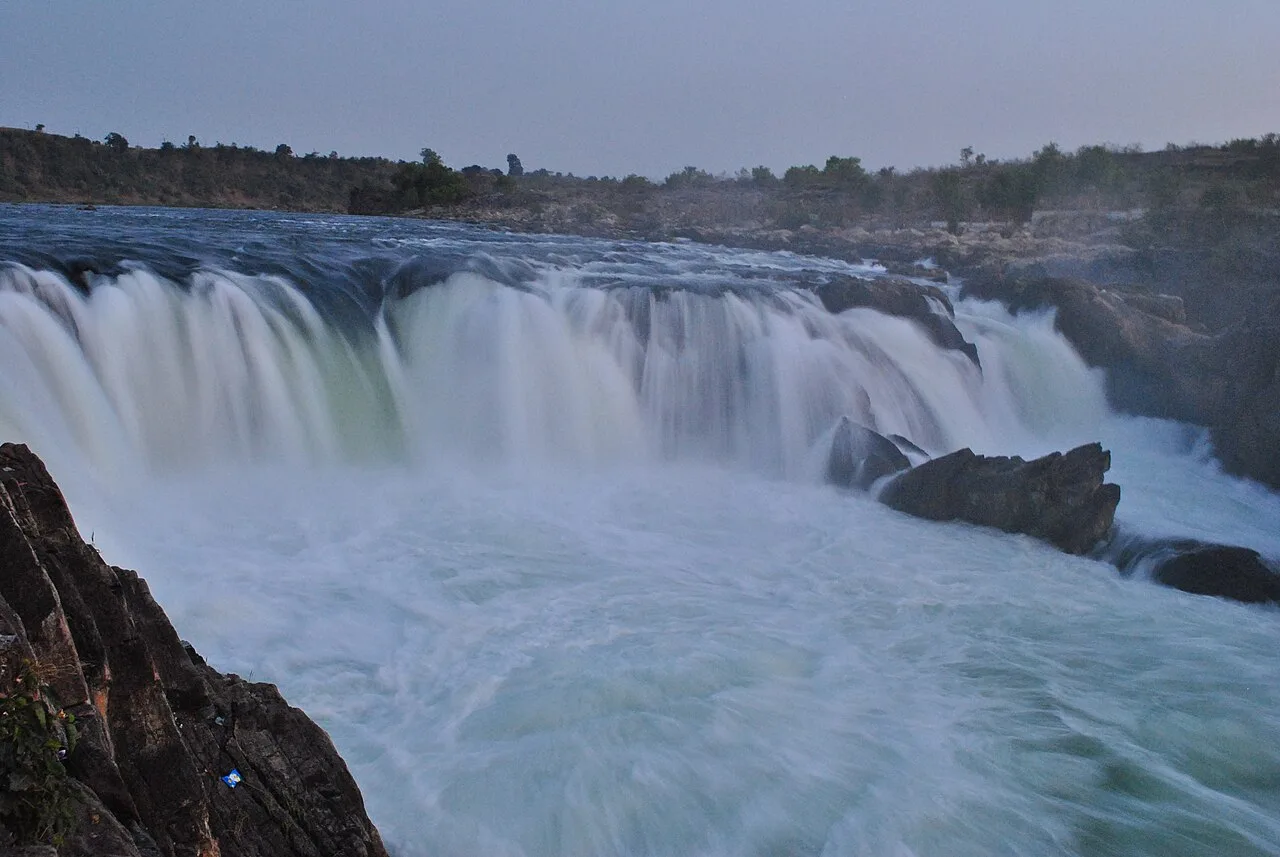
Bhedaghat, a nagar panchayat in Jabalpur district, Madhya Pradesh, draws visitors to the Narmada’s marble gorge and the misty cascade at Dhuandhar Falls.

Map

Chandia on the map

  1. 1Bandhavgarh National Park
  2. 2Bandhavgarh Fort
  3. 3Maihar Sharda Temple
  4. 4Bharhut Stupa Remains
  5. 5Govindgarh Palace, Rewa
  6. 6Madan Mahal
  7. 7Kundalpur Jain Temples
  8. 8Bhedaghat

Madhya Pradesh

Other cities to explore