Ghumoopedia — Explore, Discover, Experience
Sign in
Kundalpur Jain Temples, near Hatta

City guide · Madhya Pradesh

Hatta

Hatta is a town in Damoh district and the headquarters of Hatta tehsil, serving residents of the town and the many villages around it. Its position on the Sunar River gives it a strong connection to the surrounding landscape, while its markets make it a practical centre for everyday shopping and agricultural trade.

Famous for

  • Sunar River
  • Gourishankar Ji Temple
  • Maa Chandi Ji Temple
  • Gondwana-era heritage
  • Bazariya and Bada Bajar

Why Hatta matters

Hatta is a town in Damoh district and the headquarters of Hatta tehsil, serving residents of the town and the many villages around it. Its position on the Sunar River gives it a strong connection to the surrounding landscape, while its markets make it a practical centre for everyday shopping and agricultural trade. The riverbanks and temples are among the town’s best-known features, and Gourishankar Ji and Maa Chandi Ji draw worshippers and visitors.

Hatta also has a local identity tied to Gondwana history and traditions about its founder, King Hatteshah. Buildings associated with the old kingdom remain part of the town’s heritage, though their dates and histories are not always clearly documented. Visitors will find a modest regional town rather than a purpose-built tourist centre: its appeal lies in its river setting, places of worship, local markets and links to the villages of the Damoh region. Hatta is also remembered as the home of independence activist Premchand Singhai.
Famous for: crafts, trade & products

Hatta is not widely identified with a particular textile, handicraft or GI-tagged product. Its best-known commercial role is as a local marketplace for residents and people from nearby villages. Bazariya and Bada Bajar are the principal shopping areas, with shops selling jewellery, vegetables, kirana (everyday grocery) goods and items connected with farming. These markets offer a useful glimpse of the town’s daily life and regional trade.

Agricultural produce and household provisions are part of the ordinary market mix, rather than a single branded speciality. Visitors looking for locally made crafts or a distinctive Hatta weave should ask in the town’s shops, but should not expect a dedicated craft district or a recognised signature product. The town’s most prominent cultural landmarks are its temples and the surviving buildings associated with Gondwana rule, not commercial institutions or large-scale industry. For everyday purchases and a sense of Hatta’s role as a service centre for the surrounding countryside, explore Bazariya and Bada Bajar on foot and check with local shopkeepers about what is in season.

History

Local tradition links Hatta’s establishment to King Hatteshah and places the town within the history of the Gondwana kingdom. Buildings associated with Gondwana rule are still found in and around Hatta, though individual structures may need local interpretation and should not be assumed to have a confirmed date. The town’s riverside temples and older built features reflect its long-standing role as a settlement and place of worship.

During British rule, the wider Damoh region became part of colonial administration; Hatta’s local story is chiefly that of a regional town rather than a major imperial centre. Premchand Singhai, an independence activist from Hatta, connects the town to India’s freedom movement. In modern Madhya Pradesh, Hatta has continued as the administrative headquarters of its tehsil and as a market centre for surrounding villages. Its development has been shaped by these civic and trading functions, as well as by the Sunar River and its religious sites.

Food, festivals & culture

Hindi is widely used in everyday life, alongside Bundeli, the regional language of this part of Madhya Pradesh. Hatta’s food culture is broadly Bundelkhandi: meals commonly centre on roti, dal, seasonal vegetables and other home-style dishes. Tea and familiar Indian snacks are easy to find around the markets. There is no especially well-documented Hatta-only sweet or signature dish, so visitors may find more variety by asking locally what is fresh or customary.

Holi in spring, Diwali in autumn and Navratri are among the major annual celebrations. Temple worship and religious observances at Gourishankar Ji and Maa Chandi Ji are important parts of local life; activity is especially visible around festival periods, though customs vary from year to year. Bundeli folk traditions, including regional songs and dance, belong to the wider cultural setting of the area and may be heard at community celebrations. The temples and the riverfront offer a quieter way to encounter Hatta’s devotional culture outside festival times.

Visiting the city

The cooler months, roughly October to March, are generally the most comfortable for exploring Hatta. Summer can be hot, while the monsoon brings rain and greener surroundings. Khajuraho Airport is a nearby air gateway; Damoh railway station is the main rail connection, around 40 km south of Hatta. From Damoh, continue by road. Local shared and hired road transport can be useful for reaching the town and nearby villages; confirm arrangements locally.

In Hatta, explore Gourishankar Ji and Maa Chandi Ji temples, the Sunar River area and the central Bazariya and Bada Bajar markets. These are the most straightforward areas for a short visit and a sense of local daily life. The town is compact enough to explore central streets on foot, while reaching outlying heritage buildings or riverside spots may require local transport. Ask residents for directions and guidance when visiting places of worship.

Trips from the city

Nearest places to visit from Hatta

Our closest destination guides, by straight-line distance.

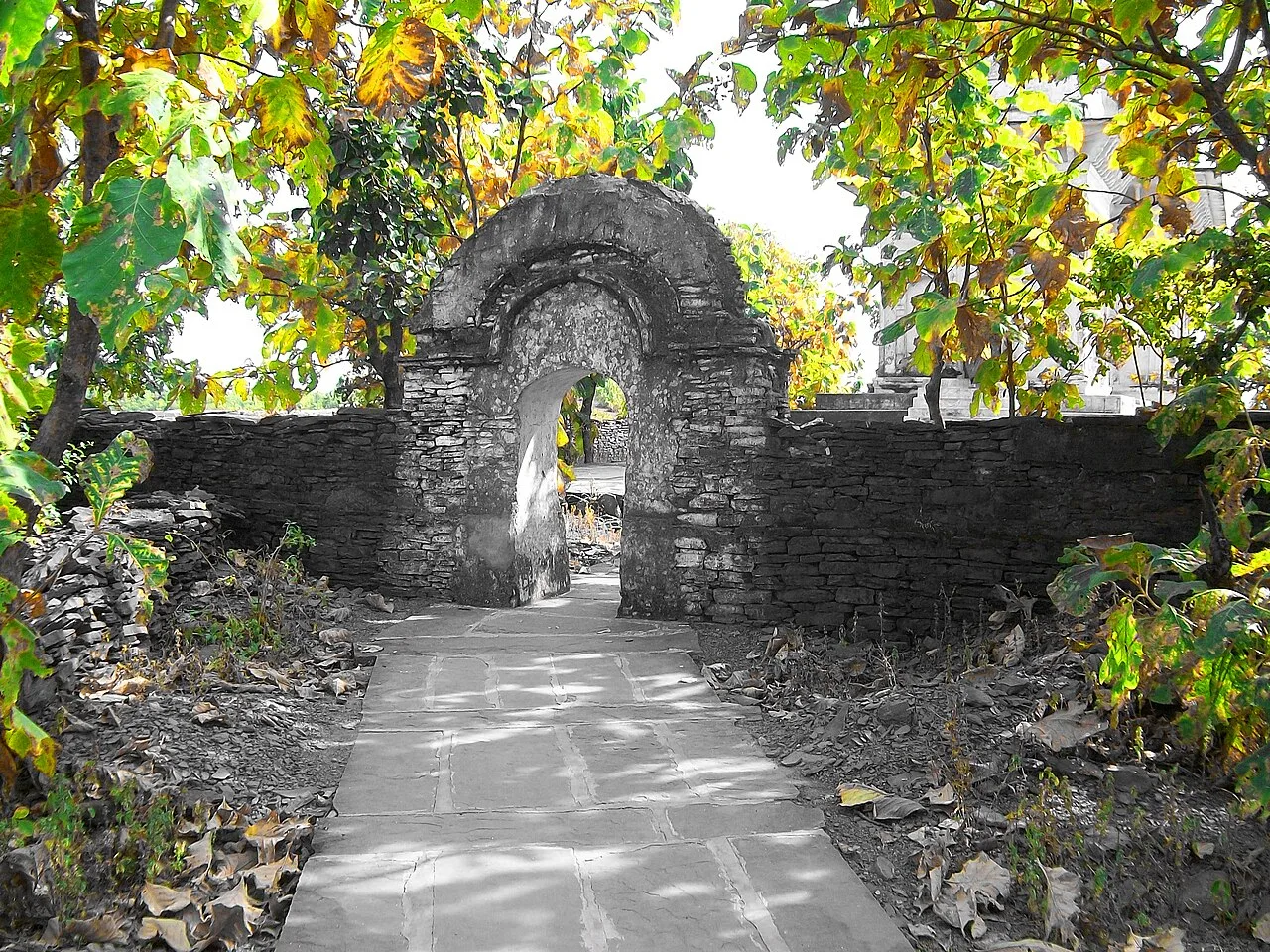
Kundalpur Jain Temples

21 km away · Damoh district

Kundalpur Jain Temples

The Kundalpur Jain Temples are a pilgrimage destination for Digambar Jains in Madhya Pradesh’s Damoh district. The town of Kundalpur lies 37 kilometres north-east of Damoh city.

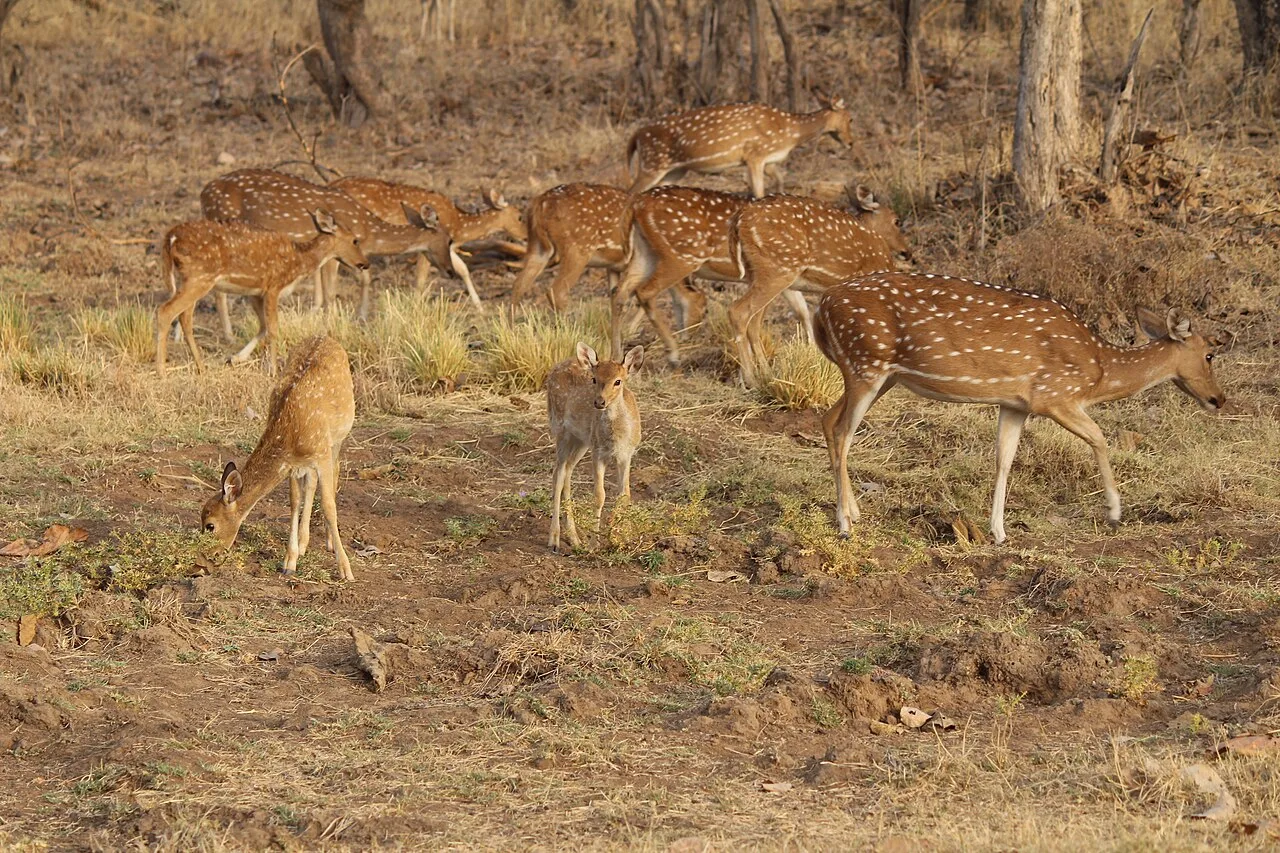
Panna National Park

78 km away · Chhatarpur district

Panna National Park

Located in Panna and Chhatarpur districts of Madhya Pradesh, Panna National Park covers 542.67 square kilometres. Visitors come for its wildlife, especially tigers, and its status as a tiger reserve.

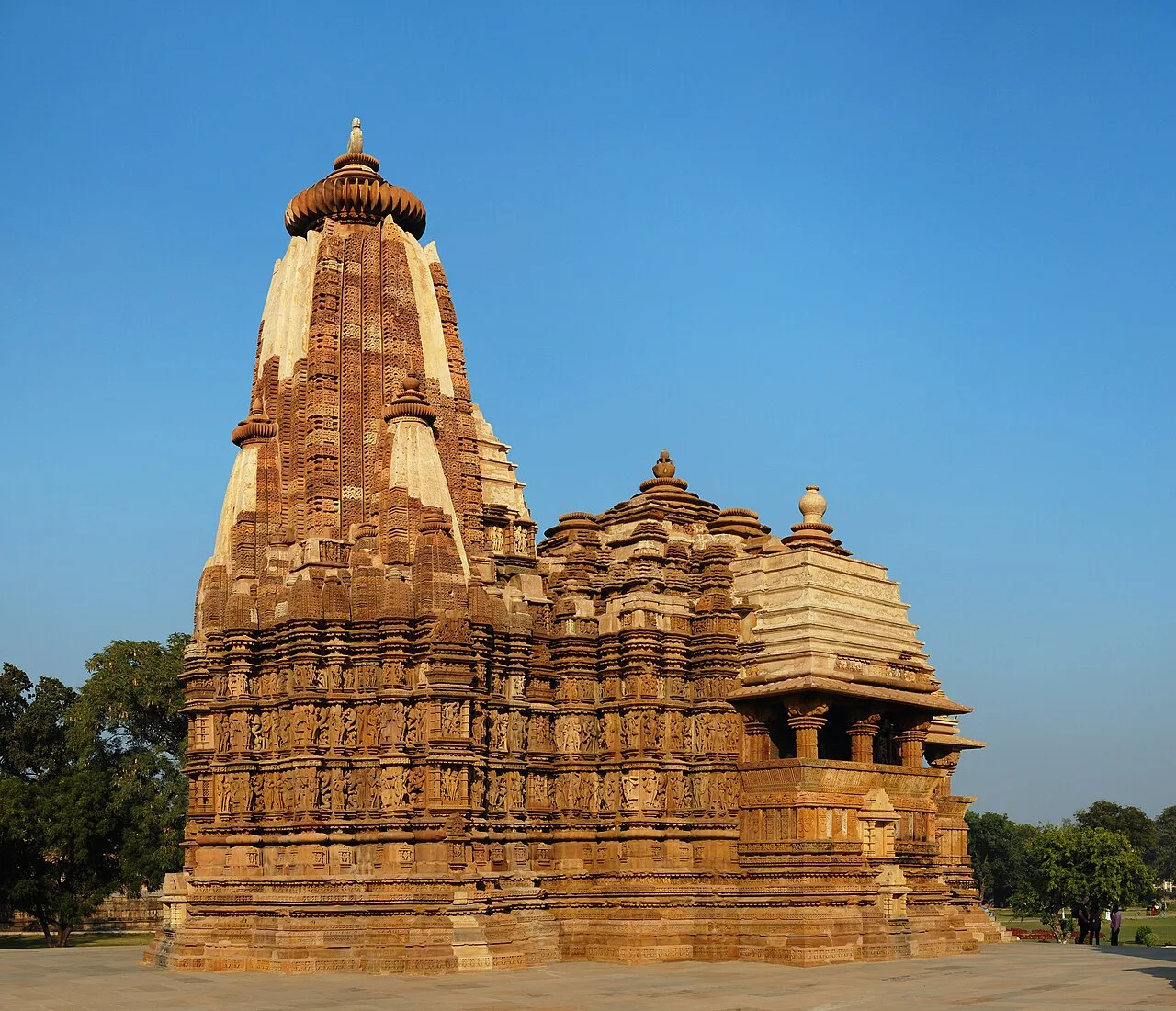
Khajuraho Temples

86 km away · Khajuraho district

Khajuraho Temples

Khajuraho is a complex of Hindu and Digambara Jain temples in Madhya Pradesh, known for Nagara architecture and sculptural detail that attracts visitors interested in Indian art and religious history.

Raneh Falls

95 km away · Chhatarpur district

Raneh Falls

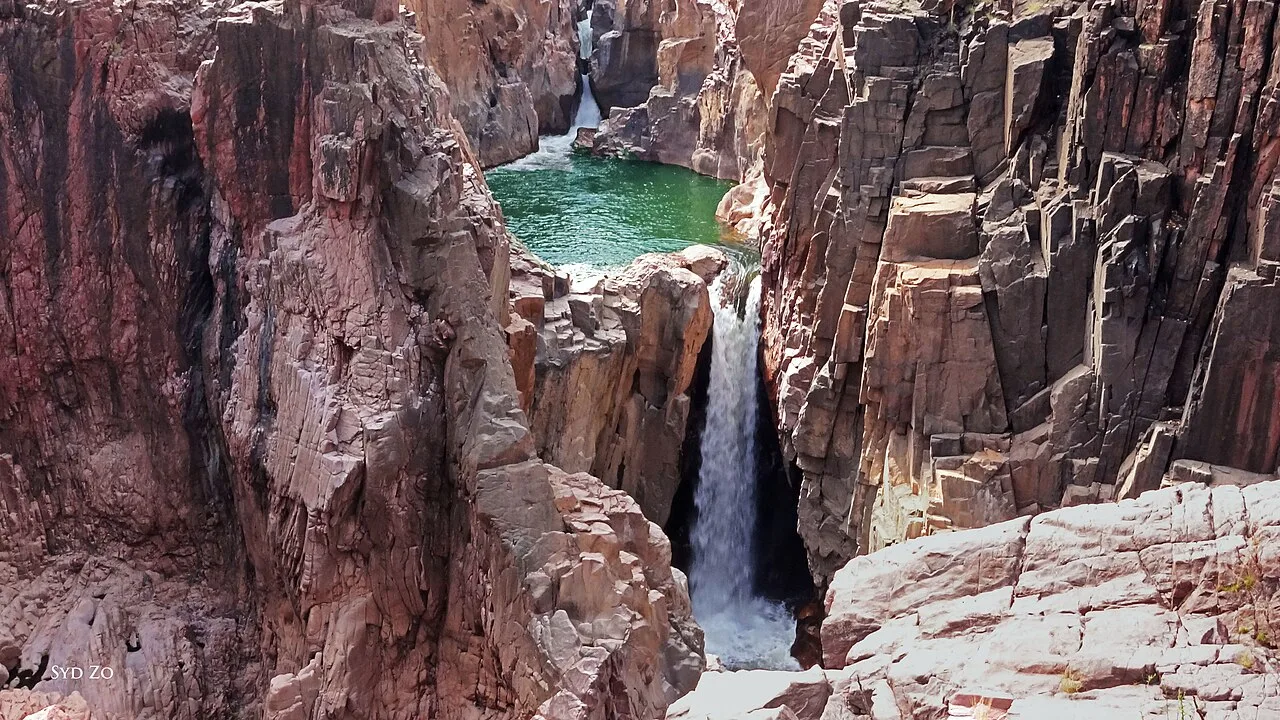
Raneh Falls is a natural cascade on the Ken River at Khajuraho in Madhya Pradesh. Visitors come to see the waterfall, which lies in Chhatarpur district.

Kundeshwar Temple

102 km away · Tikamgarh district

Kundeshwar Temple

Kundeshwar is a village in Madhya Pradesh’s Tikamgarh district, five kilometres south of Tikamgarh. Visitors come to see Kundadev Mahadev Temple, an ancient temple beside the Jamdhar river.

Bhedaghat

113 km away · Jabalpur district

Bhedaghat

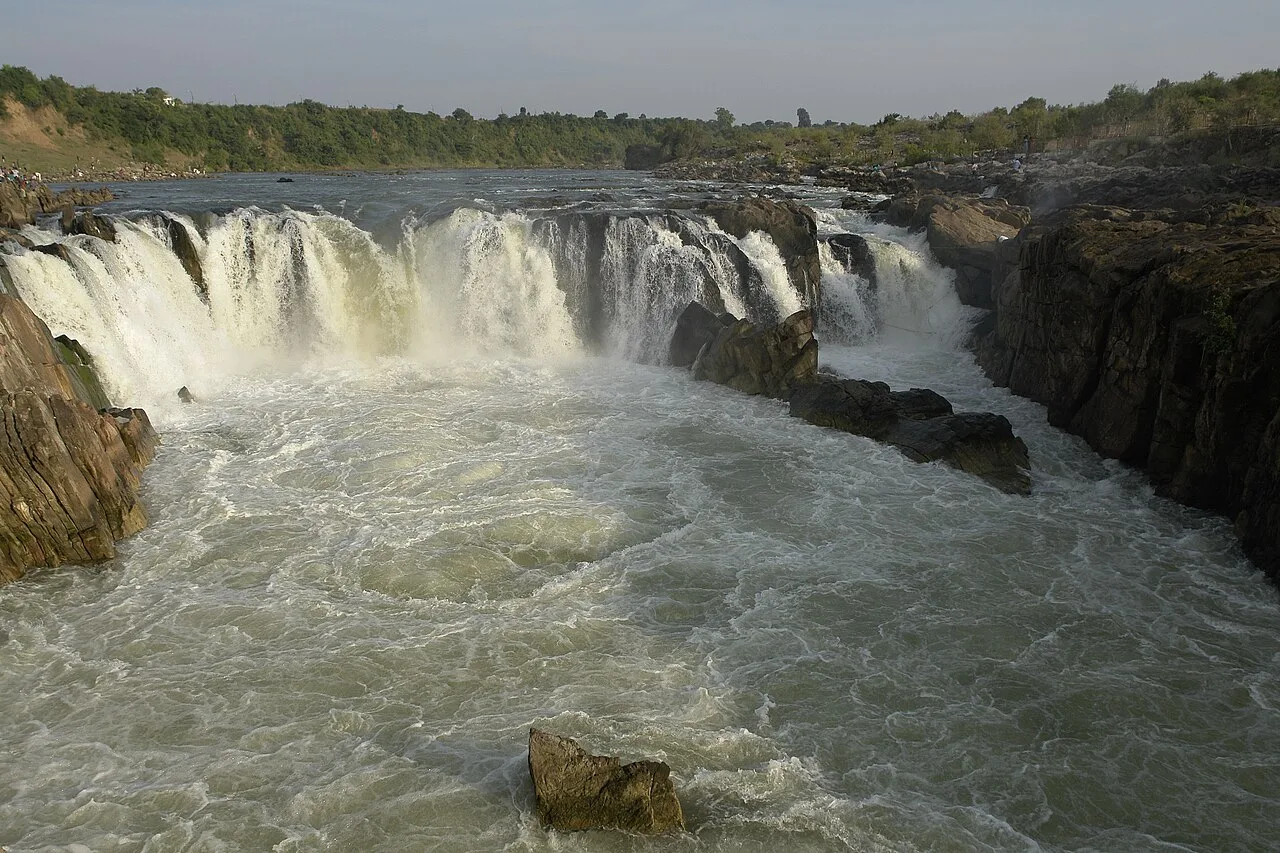
Bhedaghat, a nagar panchayat in Jabalpur district, Madhya Pradesh, draws visitors to the Narmada’s marble gorge and the misty cascade at Dhuandhar Falls.

Marble Rocks

113 km away · Jabalpur district

Marble Rocks

Marble Rocks is a gorge carved into marble by the Narmada at Bhedaghat, near Jabalpur in Madhya Pradesh. Visitors come to see the river-shaped landscape and locally made marble figures.

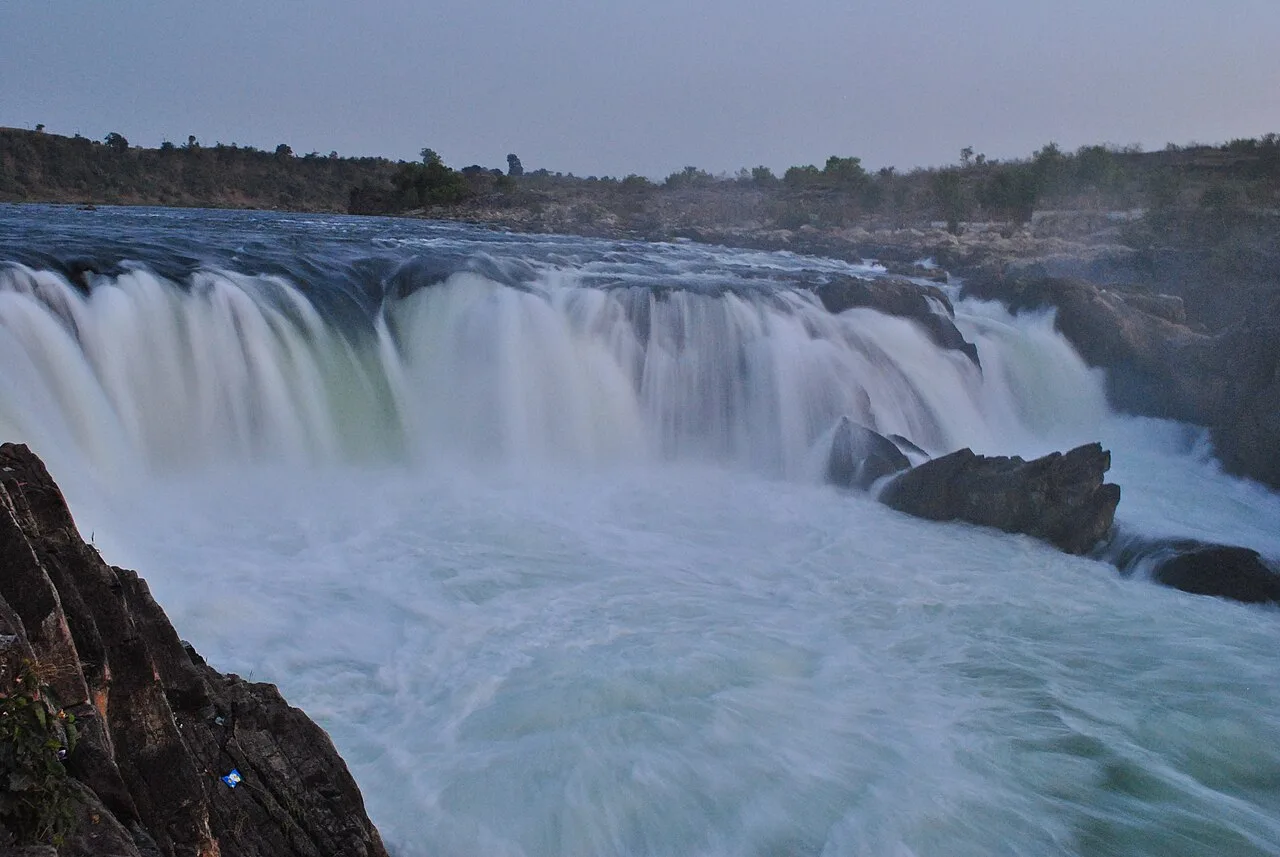
Dhuandhar Falls

114 km away · Jabalpur district

Dhuandhar Falls

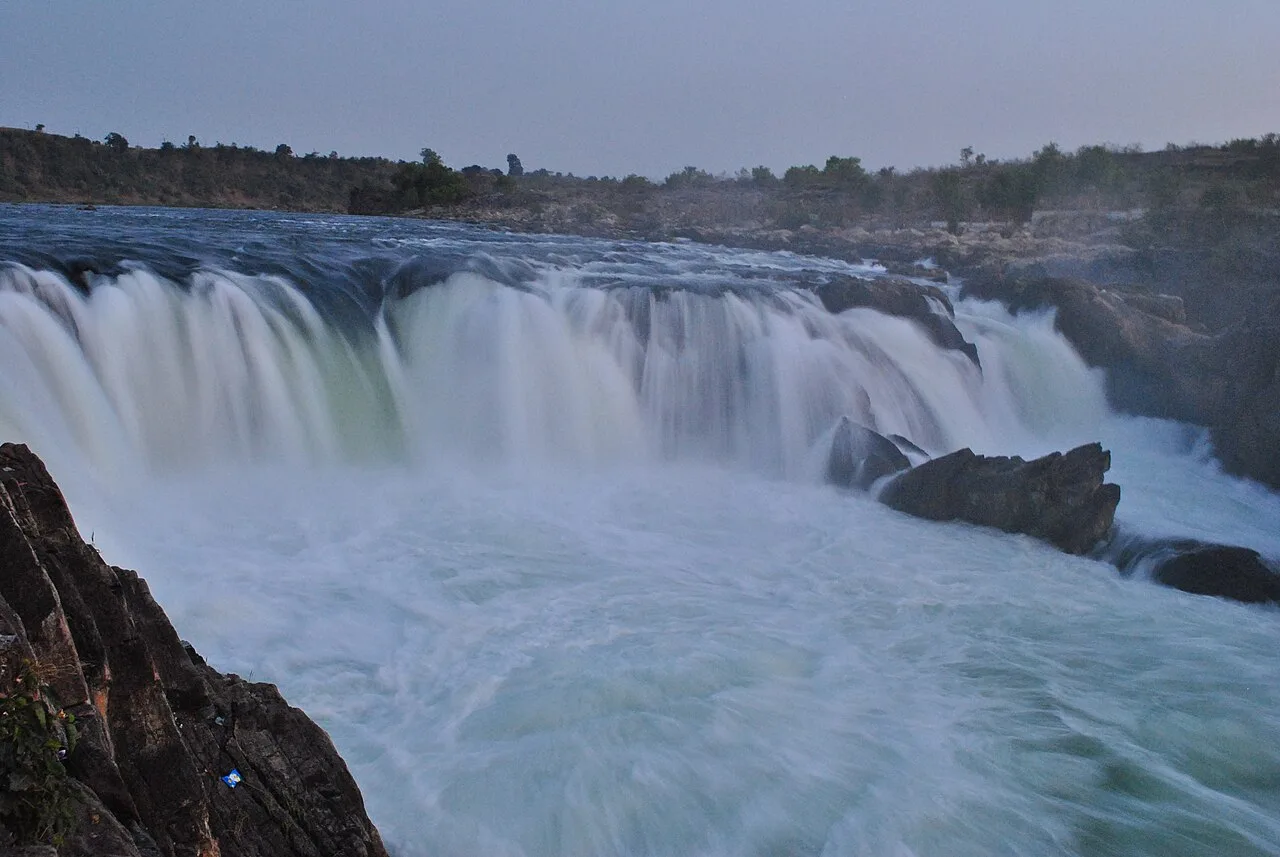
Dhuandhar Falls is a waterfall located in Jabalpur district, Madhya Pradesh. Visitors come to see the falls, a natural feature of the district.

Map

Hatta on the map

  1. 1Kundalpur Jain Temples
  2. 2Panna National Park
  3. 3Khajuraho Temples
  4. 4Raneh Falls
  5. 5Kundeshwar Temple
  6. 6Bhedaghat
  7. 7Marble Rocks
  8. 8Dhuandhar Falls

Madhya Pradesh

Other cities to explore