Ghumoopedia — Explore, Discover, Experience
Sign in
Islamnagar, near Narsinghgarh

City guide · Madhya Pradesh

Narsinghgarh

Narsinghgarh is a historic town in Rajgarh district, set on the Malwa Plateau amid the hills and lakes of central Madhya Pradesh. Its most distinctive landmark is the former rulers’ fort and palace, perched above the town on a steep, winding hill.

Famous for

  • Narsinghgarh Fort and Palace
  • Paras Ram Sagar Lake
  • Shri Narsingh Temple
  • Narsinghgarh Wildlife Sanctuary
  • Malwa Plateau scenery

Why Narsinghgarh matters

Narsinghgarh is a historic town in Rajgarh district, set on the Malwa Plateau amid the hills and lakes of central Madhya Pradesh. Its most distinctive landmark is the former rulers’ fort and palace, perched above the town on a steep, winding hill. The nearby Paras Ram Sagar Lake and Shri Narsingh Temple reflect the town’s close association with its founder and the deity after whom it was named.

Today, Narsinghgarh serves as a local centre for surrounding settlements and an appealing stop for travellers exploring the Rajgarh region. Visitors come for its princely-state history, hilltop views and old-town atmosphere, as well as the nearby wildlife sanctuary and its lake. The setting is quieter than Madhya Pradesh’s major tourist cities, so a visit is best approached as a heritage and nature outing rather than a destination with extensive visitor facilities. The fort’s access arrangements may vary, so check locally before planning to enter; the town, lake and temple offer other ways to experience its character.
Famous for: crafts, trade & products

Narsinghgarh is best known for its heritage landmarks and landscape, rather than for a widely documented textile tradition, signature handicraft or GI-tagged product. The former princely-state fort and palace, Shri Narsingh Temple and Paras Ram Sagar Lake are the town’s most distinctive local attractions. The nearby sanctuary adds a nature-focused draw to the area.

The town’s shops and market areas mainly serve residents and nearby villages, with everyday groceries, clothing, household goods and locally available produce. Visitors looking for souvenirs should not assume there is a dedicated craft market or a recognised local specialty; ask in the central market about any locally made items or seasonal produce. For a broader choice of regional products, larger nearby centres such as Bhopal may be more suitable. Narsinghgarh’s appeal lies chiefly in its historic setting and local character, not in a particular commercial product. Access to the fort and palace may be restricted or subject to local arrangements, so confirm before making it the focus of a shopping or sightseeing plan.

History

Narsinghgarh was founded in 1681 by Dewan Paras Ram, a younger brother of the ruler of Rajgarh. After establishing a separate state, he named it for Shri Narsingh, the form of Vishnu revered as his family deity, moved his capital to the new town and built a temple in the deity’s honour. He also created a tank known as Paras Ram Sagar, whose name remains associated with the town’s lake.

The ruling house governed the former princely state through successive generations. Its fort and palace became the rulers’ residence and were built in a blend of Rajput, Mughal and Malwa styles. The palace remained the official residence until Maharaja Bhanu Prakash Singhji moved to Bhanu Niwas in 1962. The princely state later became part of independent India, and Narsinghgarh developed as a municipality within Madhya Pradesh. Its surviving fort, temple and lake preserve visible traces of its courtly past.

Food, festivals & culture

Narsinghgarh shares the food traditions of the Malwa region. Everyday meals commonly draw on wheat, pulses and seasonal vegetables; poha and jalebi, as well as dal bafla, are familiar regional favourites, though menus vary between households and eateries. The town is not widely associated with a distinct, nationally known sweet or food specialty.

Hindu festivals shape the public calendar. Holi is celebrated around the end of winter, while Navratri and Dussehra fall in autumn and Diwali later in the season. Janmashtami and observances connected with Shri Narsingh are also meaningful in a town named for the deity. Hindi is widely used, and Malwi and other regional speech forms may be heard in everyday conversation. Folk music and dance belong to the wider cultural life of Malwa; performances are more likely around community celebrations than as scheduled tourist shows. The Shri Narsingh Temple is a central place of worship, while the old town’s shrines and the lake provide quieter settings for local religious and social life.

Visiting the city

The cooler months, roughly October to March, are generally the most comfortable for exploring Narsinghgarh. The nearest airport is Raja Bhoj Airport in Bhopal, about 72 km away. Biaora is the closest main rail option, roughly 33 km from town; Bhopal Junction is a larger railway hub. Road travel connects Narsinghgarh with Bhopal and other towns in the region.

Within town, local taxis or auto-rickshaws can help with short journeys; arrange transport in advance for the sanctuary or other outlying sights. Explore the old town, Shri Narsingh Temple and Paras Ram Sagar Lake, then consider the hill approach to the fort for its views. Confirm locally whether the fort can be entered, as visitor access may be limited. The wildlife sanctuary is another area to consider, subject to its access rules and conditions.

Trips from the city

Nearest places to visit from Narsinghgarh

Our closest destination guides, by straight-line distance.

Islamnagar

51 km away · Bhopal district

Islamnagar

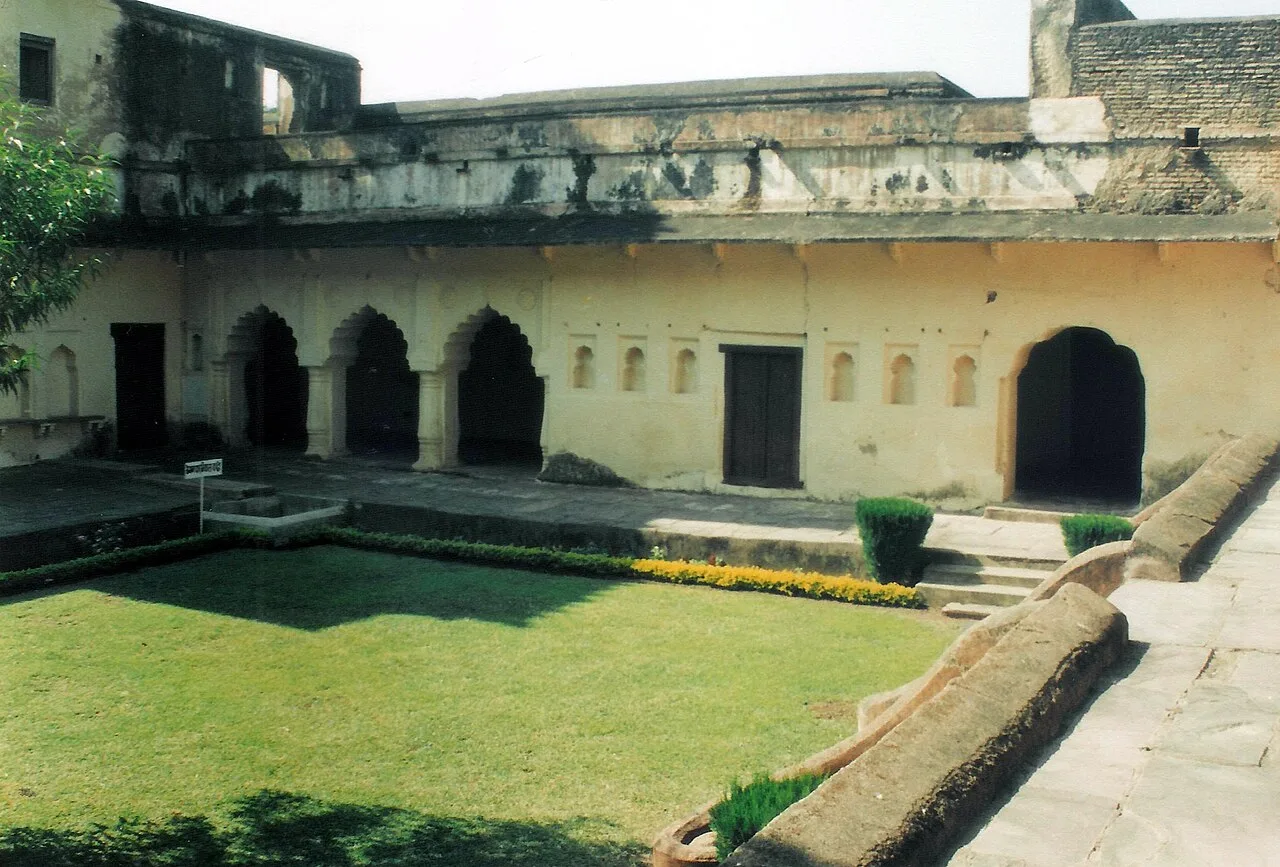
Islamnagar, officially Jagdishpur since February 2023, is a panchayat village in Bhopal district, Madhya Pradesh, visited for the ruined palaces built by Bhopal’s founder.

Bhoj Wetland, Bhopal

57 km away · Sehore district

Bhoj Wetland, Bhopal

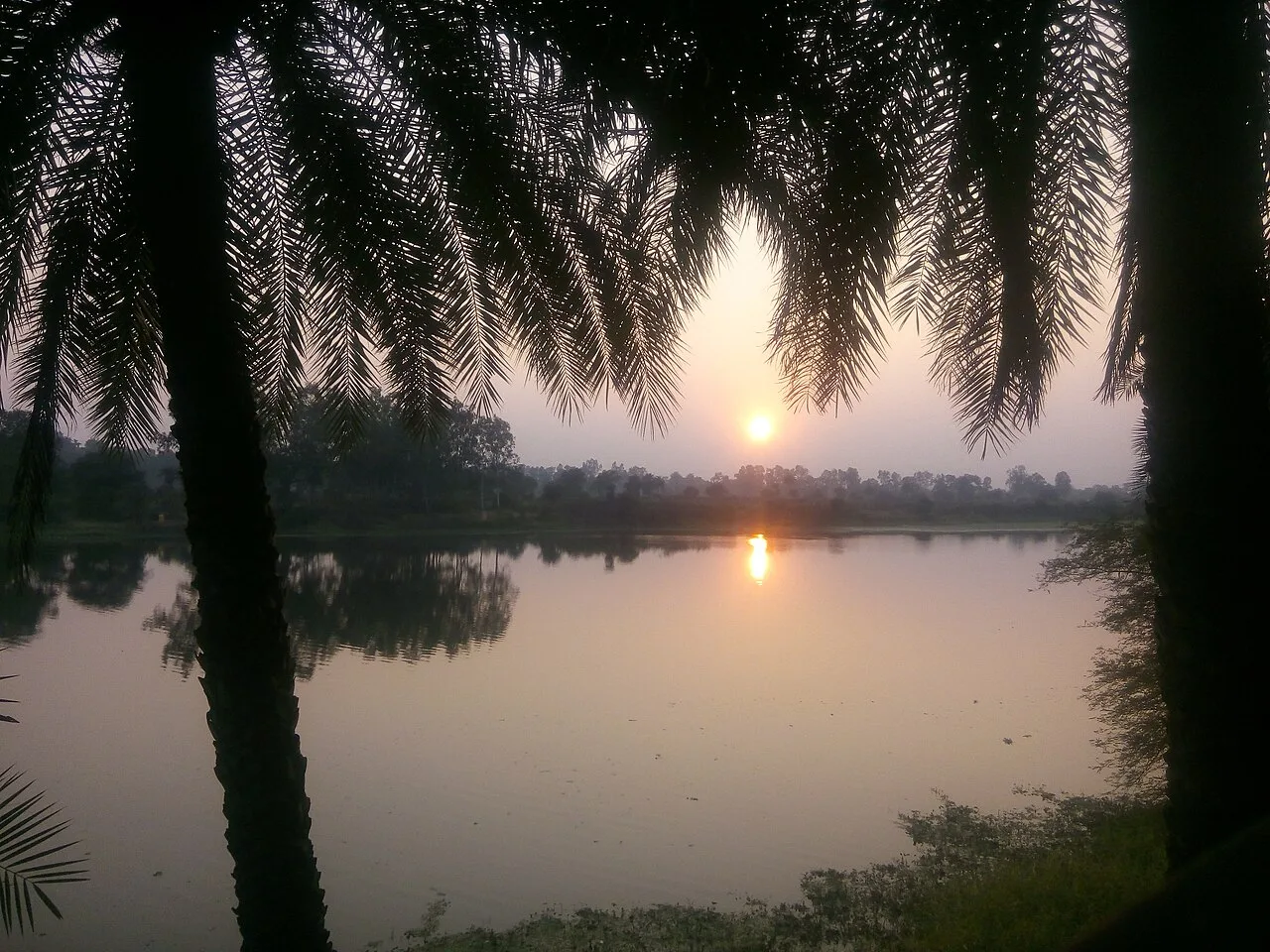
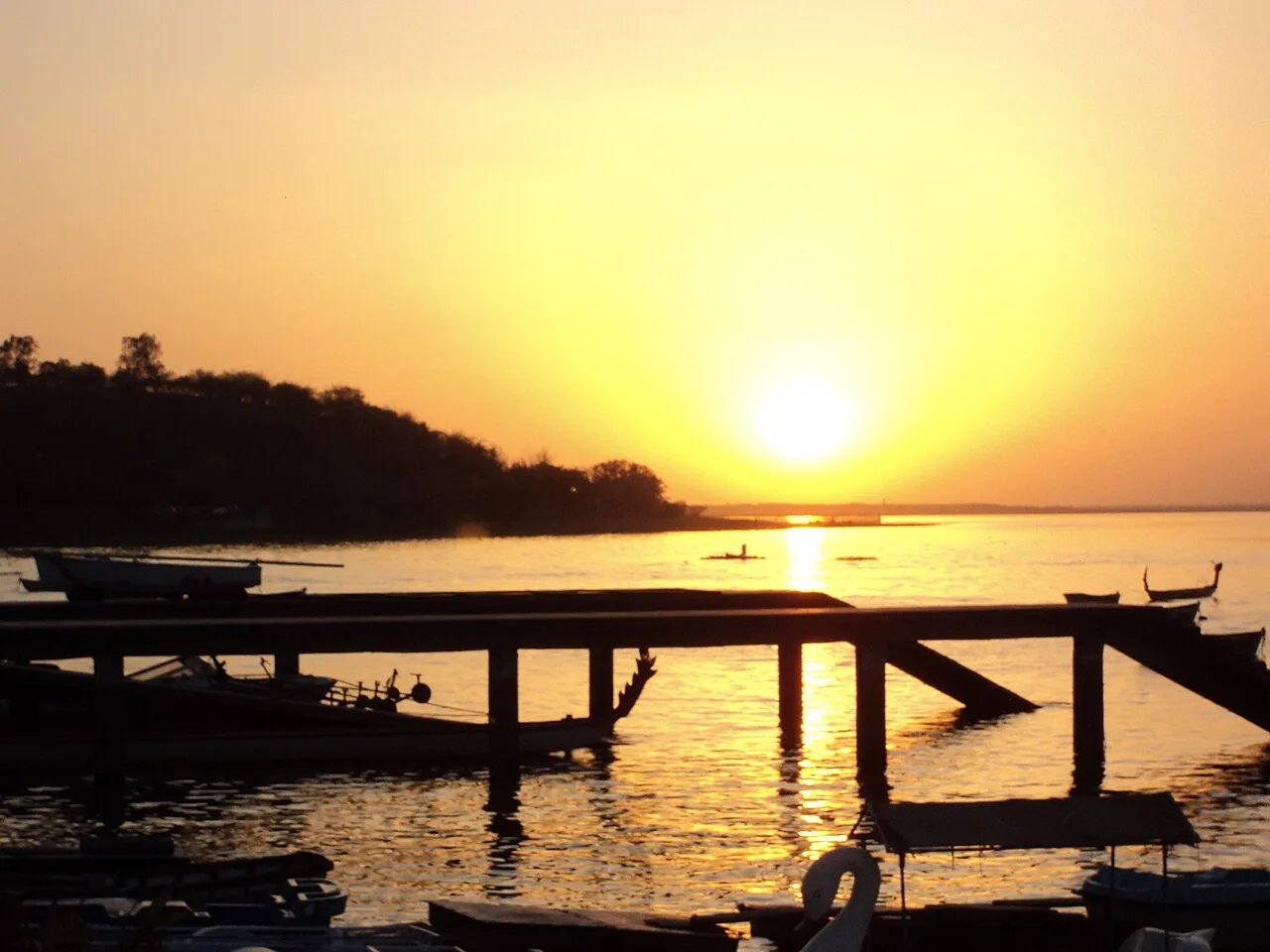
Bhoj Wetland is a two-lake complex in Bhopal, Madhya Pradesh. Visitors are drawn to its wetland habitats, varied wildlife and waterbirds.

Bhojtal

57 km away · Bhopal district

Bhojtal

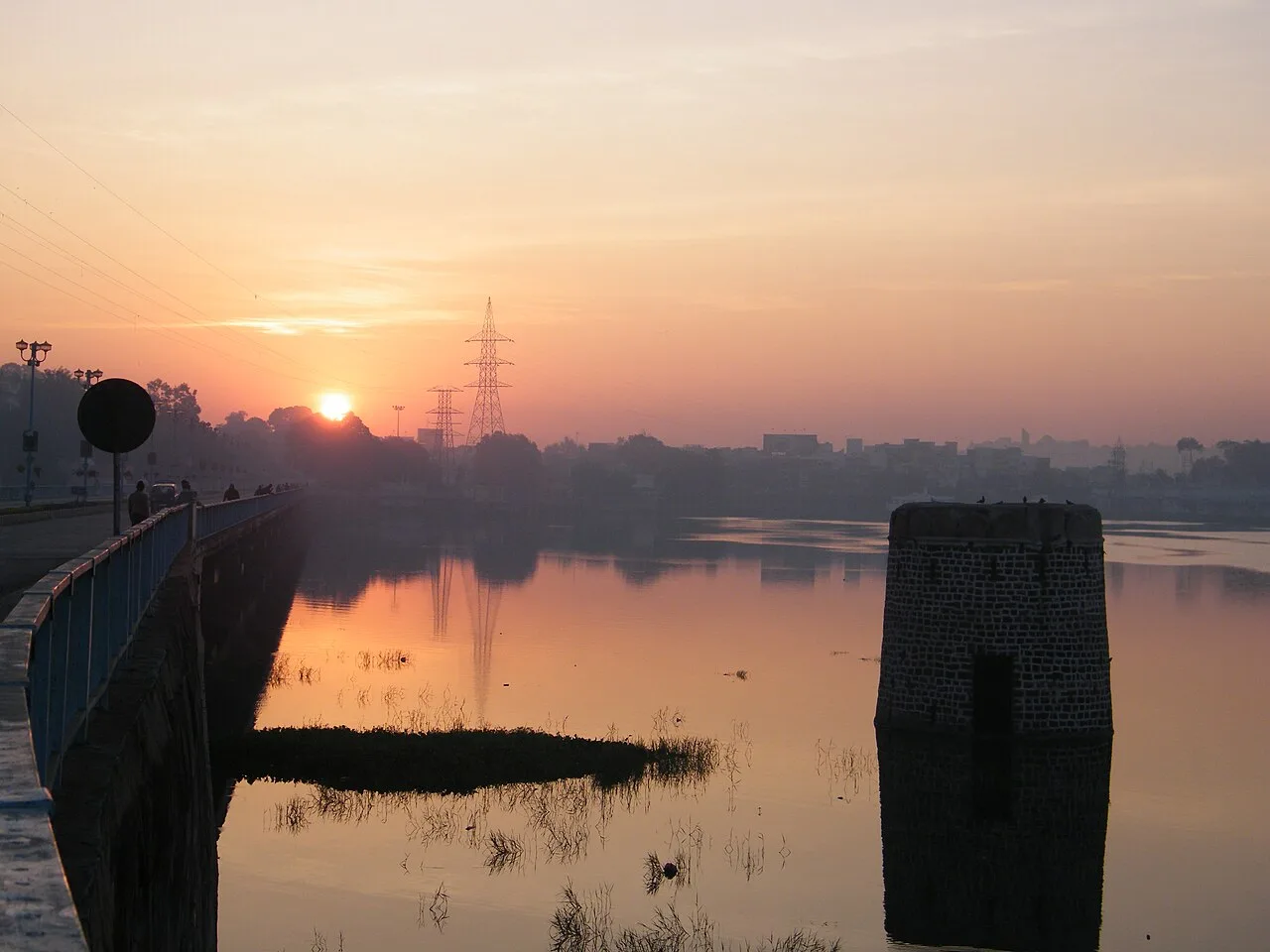
Bhojtal, also called Upper Lake, is a large lake on Bhopal’s western side. Visitors can see it as part of the Bhoj Wetland, formed with nearby Lower Lake and designated a Ramsar site.

Taj-ul-Masajid

58 km away · Bhopal district

Taj-ul-Masajid

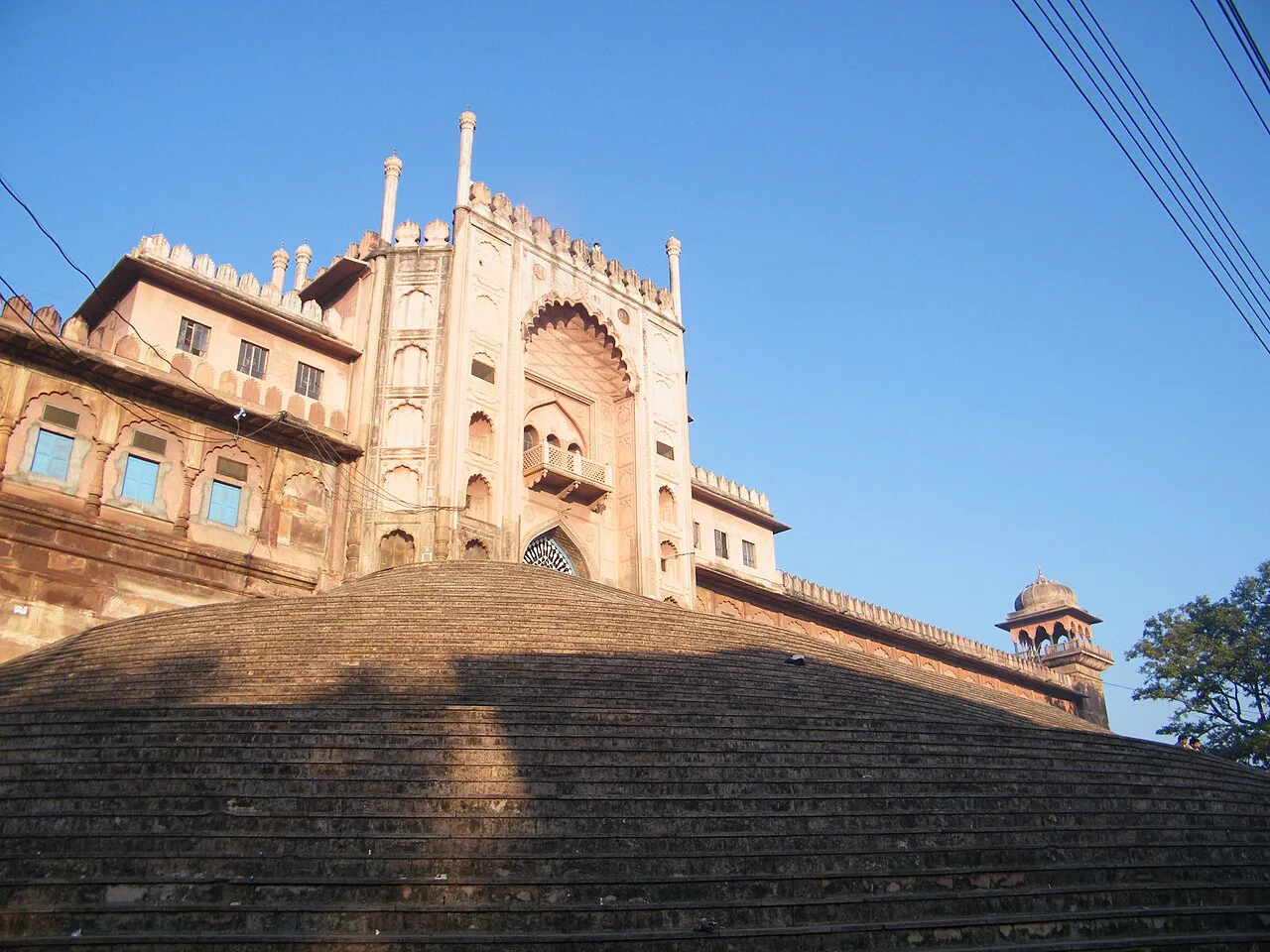
Taj-ul-Masajid is a Sunni mosque in Bhopal, Madhya Pradesh, associated with Tablighi Jamaat and the Deobandi movement. People visit for prayer and to see one of India’s largest mosques.

Bharat Bhavan

60 km away · Bhopal district

Bharat Bhavan

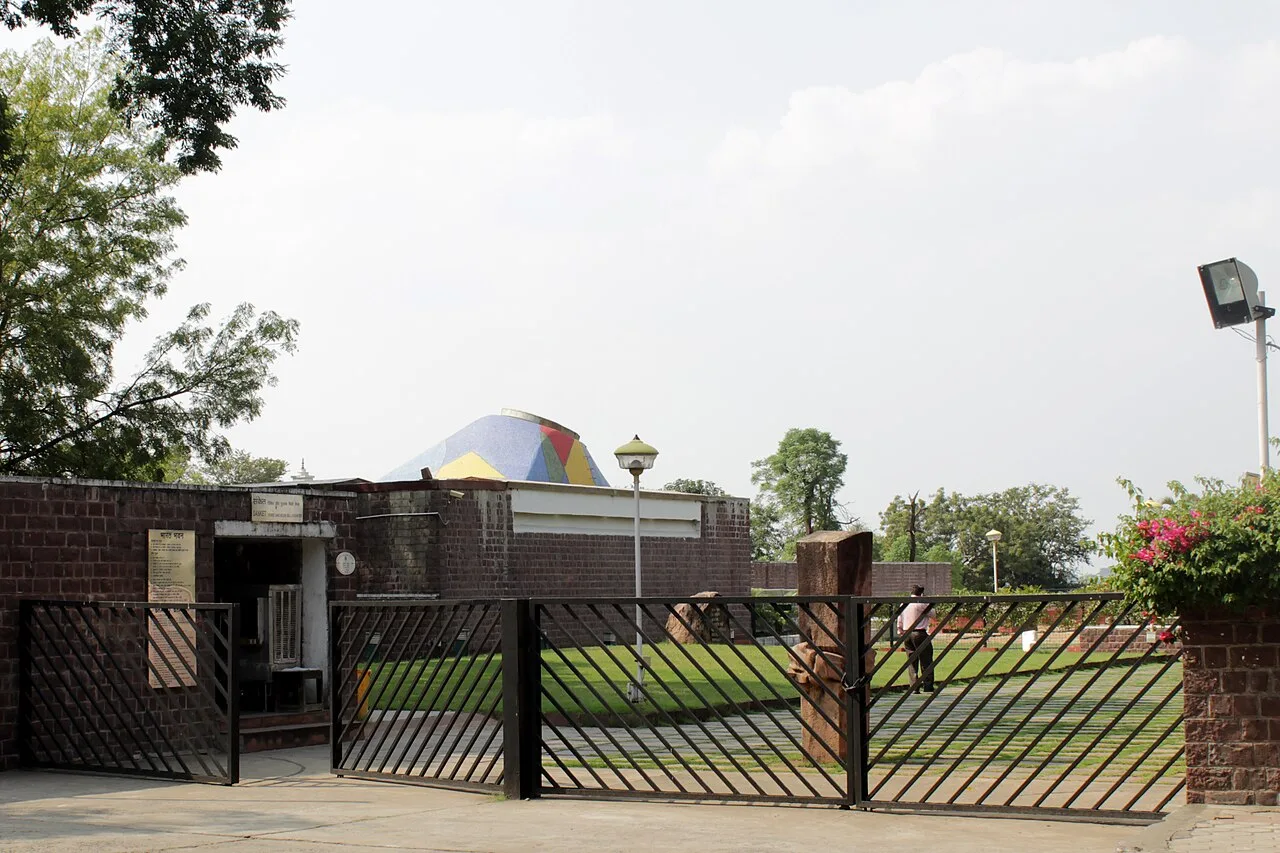
Bharat Bhavan is a government-established arts centre and museum in Bhopal, designed by Charles Correa. Visitors can explore its galleries, creative workshops, performance spaces and cultural collections.

Van Vihar National Park

60 km away · Bhopal district

Van Vihar National Park

Van Vihar is a national park and zoological facility in Bhopal, visited for its animal habitats and a road that runs through the grounds.

Sanchi Stupa No. 2

70 km away · Raisen district

Sanchi Stupa No. 2

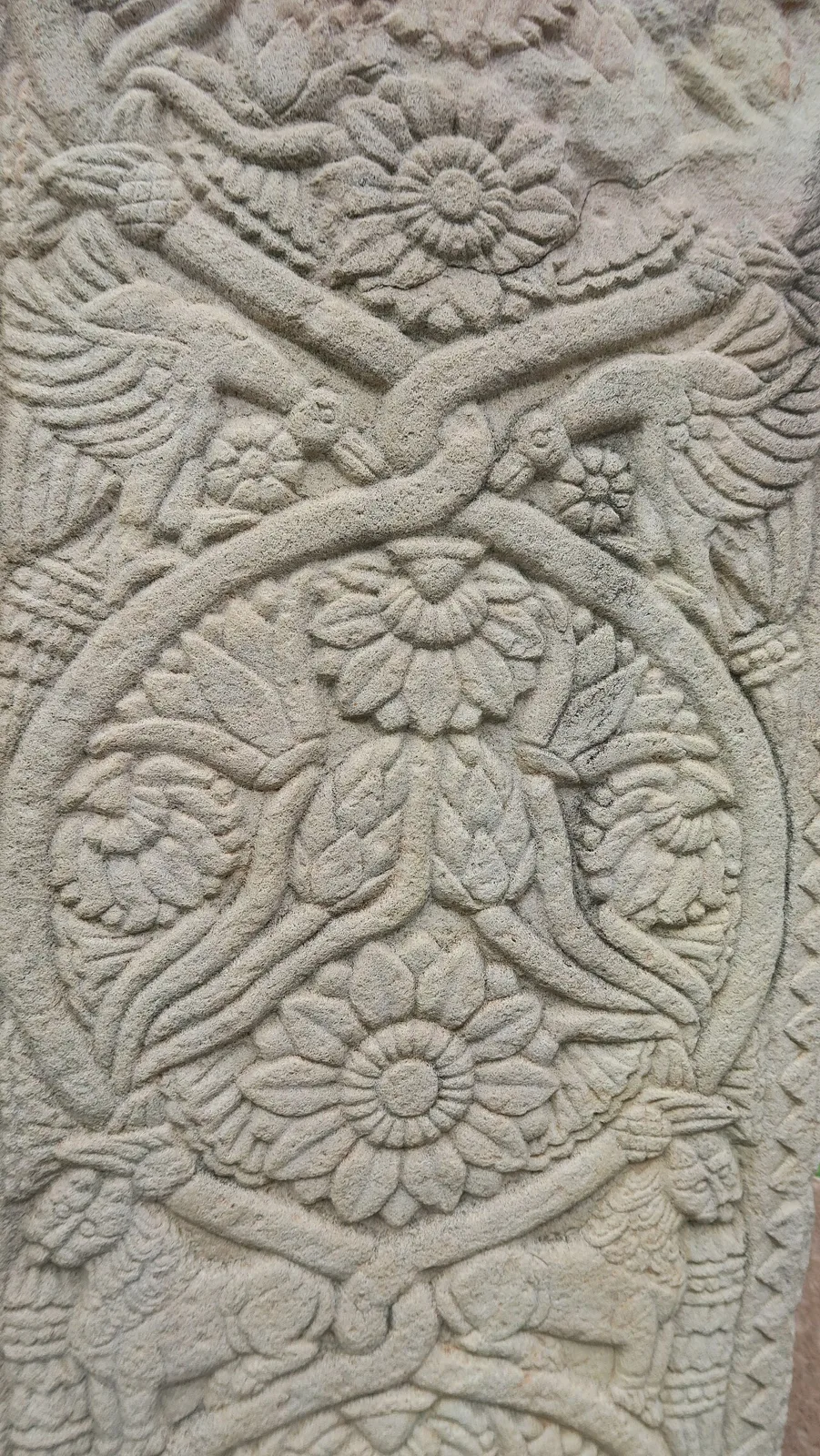
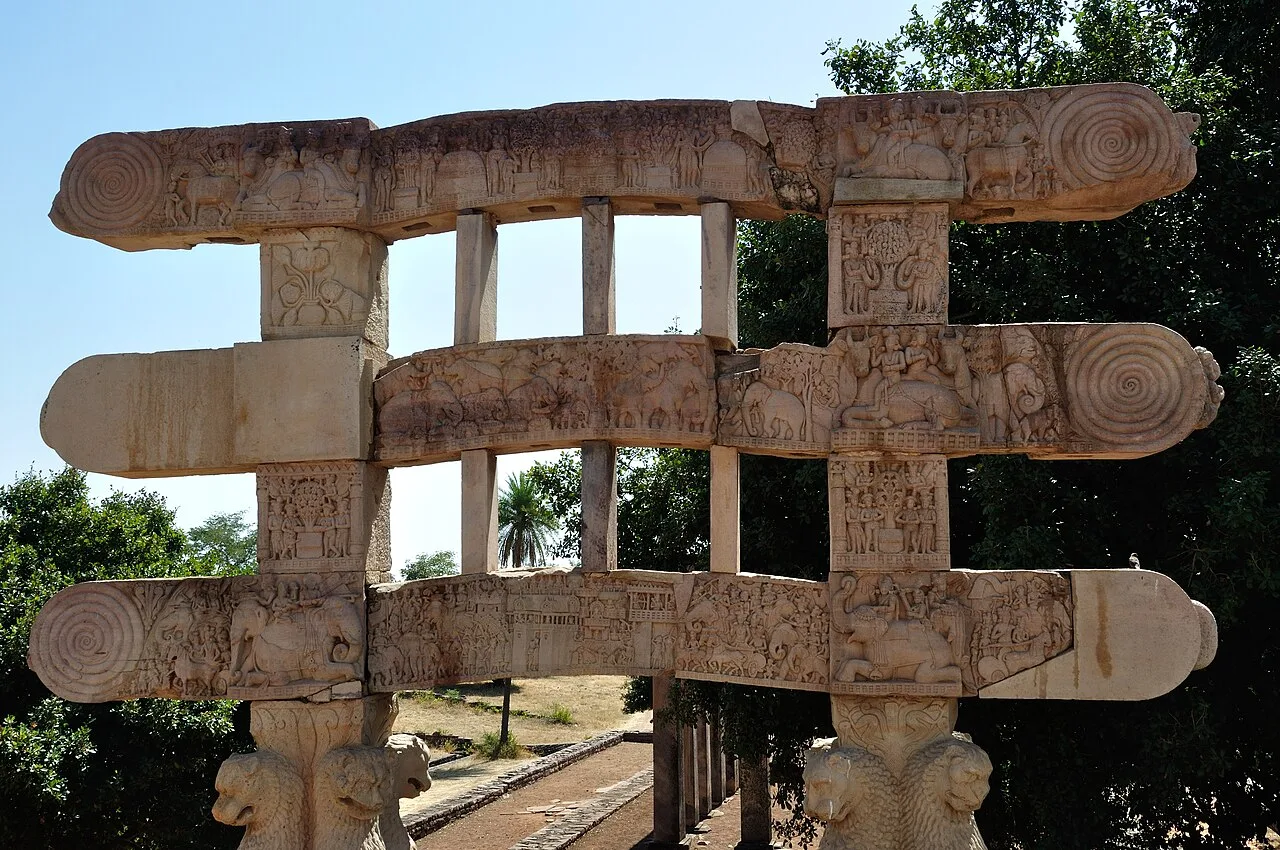
In Raisen district, Madhya Pradesh, Sanchi’s second stupa forms part of the Buddhist complex and draws interest for its early relief carvings and association with Jataka illustrations.

Sanchi Stupa

71 km away · Sanchi district

Sanchi Stupa

Sanchi is a Buddhist complex in Madhya Pradesh, centred on the Great Stupa. Visitors come to see its historic architecture and explore a site associated with the development of Buddhism in India.

Map

Narsinghgarh on the map

  1. 1Islamnagar
  2. 2Bhoj Wetland, Bhopal
  3. 3Bhojtal
  4. 4Taj-ul-Masajid
  5. 5Bharat Bhavan
  6. 6Van Vihar National Park
  7. 7Sanchi Stupa No. 2
  8. 8Sanchi Stupa

Madhya Pradesh

Other cities to explore