Ghumoopedia — Explore, Discover, Experience
Sign in
Gwalior Fort, near Jaura

City guide · Madhya Pradesh

Jaura

Jaura, also written Joura or Jora, is a town and nagar palika in Morena district, in northern Madhya Pradesh. Its importance is primarily regional: it serves residents and surrounding settlements as a local centre for everyday services, trade and travel.

Famous for

  • Gwalior–Sheopur narrow-gauge railway
  • Morena district town
  • Morena parliamentary constituency
  • Chambal-region market town

Why Jaura matters

Jaura, also written Joura or Jora, is a town and nagar palika in Morena district, in northern Madhya Pradesh. Its importance is primarily regional: it serves residents and surrounding settlements as a local centre for everyday services, trade and travel. Jaura is part of the Morena parliamentary constituency, linking the town to the wider political and administrative life of the district and neighbouring Sheopur district.

The town is also associated with the Gwalior–Sheopur narrow-gauge railway, a distinctive rail connection in the region. Jaura is not widely promoted as a major destination for monuments, resort tourism or a signature craft. Visitors are more likely to come for local business, family visits or onward travel, and to experience the pace of a smaller Chambal-region town. Its modest scale makes the railway station and central market useful reference points for getting acquainted with Jaura and its daily life.
Famous for: crafts, trade & products

Jaura is best understood as a local market and service centre rather than as a recognised textile or handicraft hub. There is no widely established Jaura-specific saree, craft tradition or GI-tagged product to identify as a signature purchase. The town’s importance lies more in serving nearby communities than in supplying a nationally known speciality.

For everyday shopping, visitors can explore the central bazaar and shops around the town centre, where ordinary household goods, provisions and snacks are more relevant than souvenir hunting. The railway station is a point of interest for those curious about the Gwalior–Sheopur narrow-gauge route and its place in regional transport. Anyone seeking specialist crafts, branded local products or a particular food item should ask traders or residents for current recommendations; availability can vary, and Jaura should not be assumed to have a dedicated tourist market. For a wider selection of district products, Morena’s larger commercial areas may offer more options.

History

Jaura’s development is tied to the history of the wider Gwalior and Morena region. Before independence, this part of central India was associated with the Gwalior princely state under the Scindia rulers, while British influence operated through the system of princely states rather than direct rule over every town. Jaura grew as a local settlement serving surrounding villages and regional movement; specific details of its early growth are not widely established.

The Gwalior–Sheopur narrow-gauge railway became an important feature of the area’s transport history, connecting Jaura with places along the route. After independence and the integration of princely territories into India, Jaura became part of Madhya Pradesh and Morena district. In modern life, its municipal role, local commerce and place within the Morena parliamentary constituency connect it to the district’s civic and political networks. The railway remains a distinctive part of the town’s regional identity.

Food, festivals & culture

Daily life in Jaura reflects the customs of northern Madhya Pradesh and the Chambal region. Hindi is widely used, alongside local speech and dialects. Meals are rooted in familiar central and northern Indian home cooking; visitors may find staples such as roti, dal, seasonal vegetables and snacks like poha or kachori, though these are regional favourites rather than specialties unique to Jaura. Small shops and eateries around the town centre are practical places to look for everyday food.

Holi, usually in spring, and Diwali, generally in autumn, are widely observed, as are Navratri and Dussehra. Their celebrations may include family gatherings, worship and community events, with details varying from year to year. Bhajans and devotional music are part of religious occasions, while folk performances may appear at local celebrations. Places of worship serve neighbourhood communities, but Jaura is not especially known for a single landmark shrine or a nationally recognised festival. Visitors can ask locally about current events and appropriate visiting customs.

Visiting the city

The cooler months, roughly October to March, are generally the most comfortable time to visit; summer can be very hot, and the monsoon brings heavier rain. Gwalior Airport is the nearest major airport commonly used for reaching Jaura. Jaura railway station is on the Gwalior–Sheopur narrow-gauge line; check current services and connections before planning a rail journey.

Within town, the station area and central bazaar are useful places to orient yourself and see everyday activity. Local auto-rickshaws or shared transport may be available, while a hired vehicle is useful for travel beyond the centre. Jaura is a small town rather than a destination with formal tourist districts, so ask residents or your accommodation for current local guidance and transport options.

Trips from the city

Nearest places to visit from Jaura

Our closest destination guides, by straight-line distance.

Gwalior Fort

38 km away · Gwalior district

Gwalior Fort

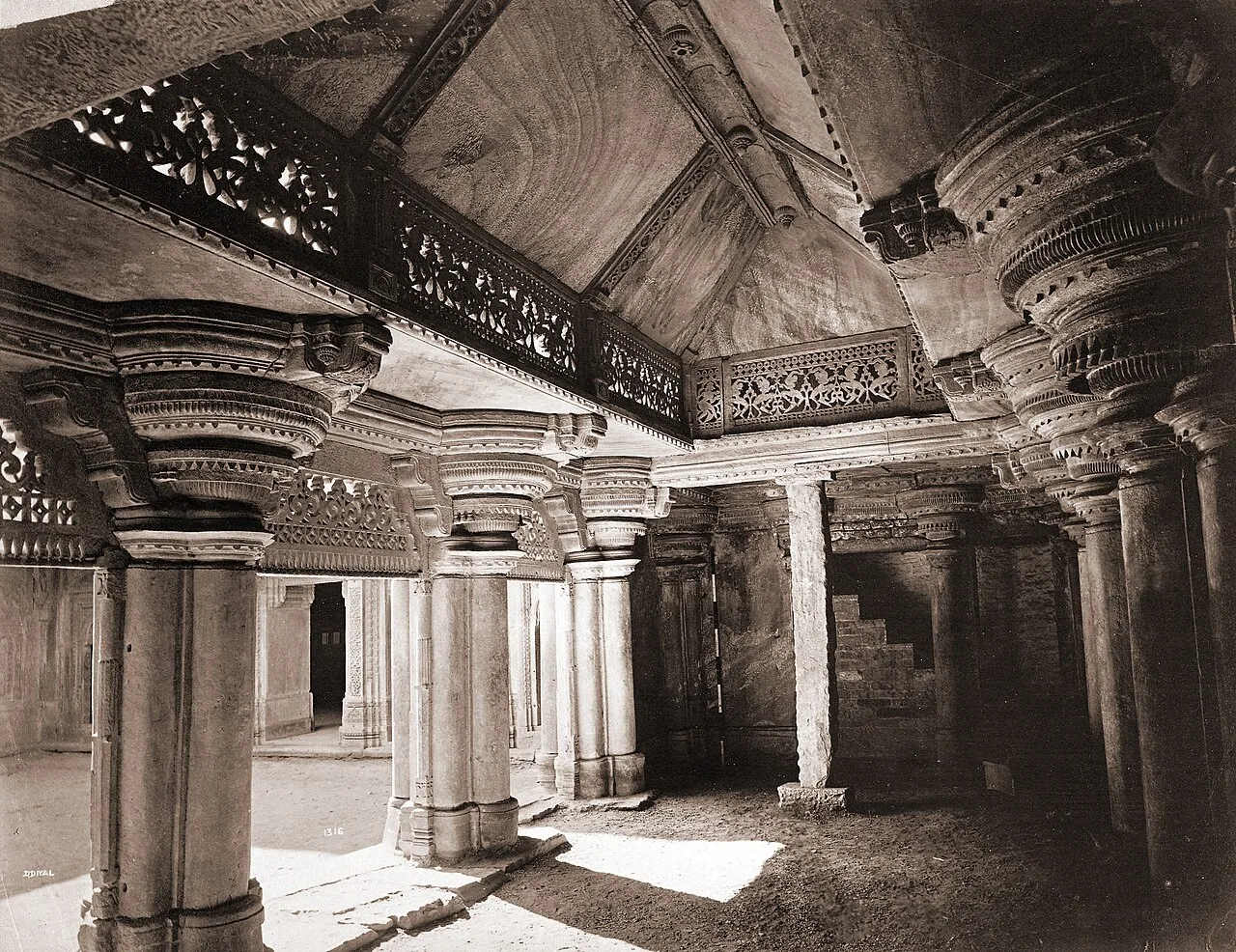
Gwalior Fort is an ancient hill stronghold in Madhya Pradesh, visited for its historic palaces, successive rulers and inscriptions, including an early place-value record of zero.

Sasbahu Temple

38 km away · Gwalior district

Sasbahu Temple

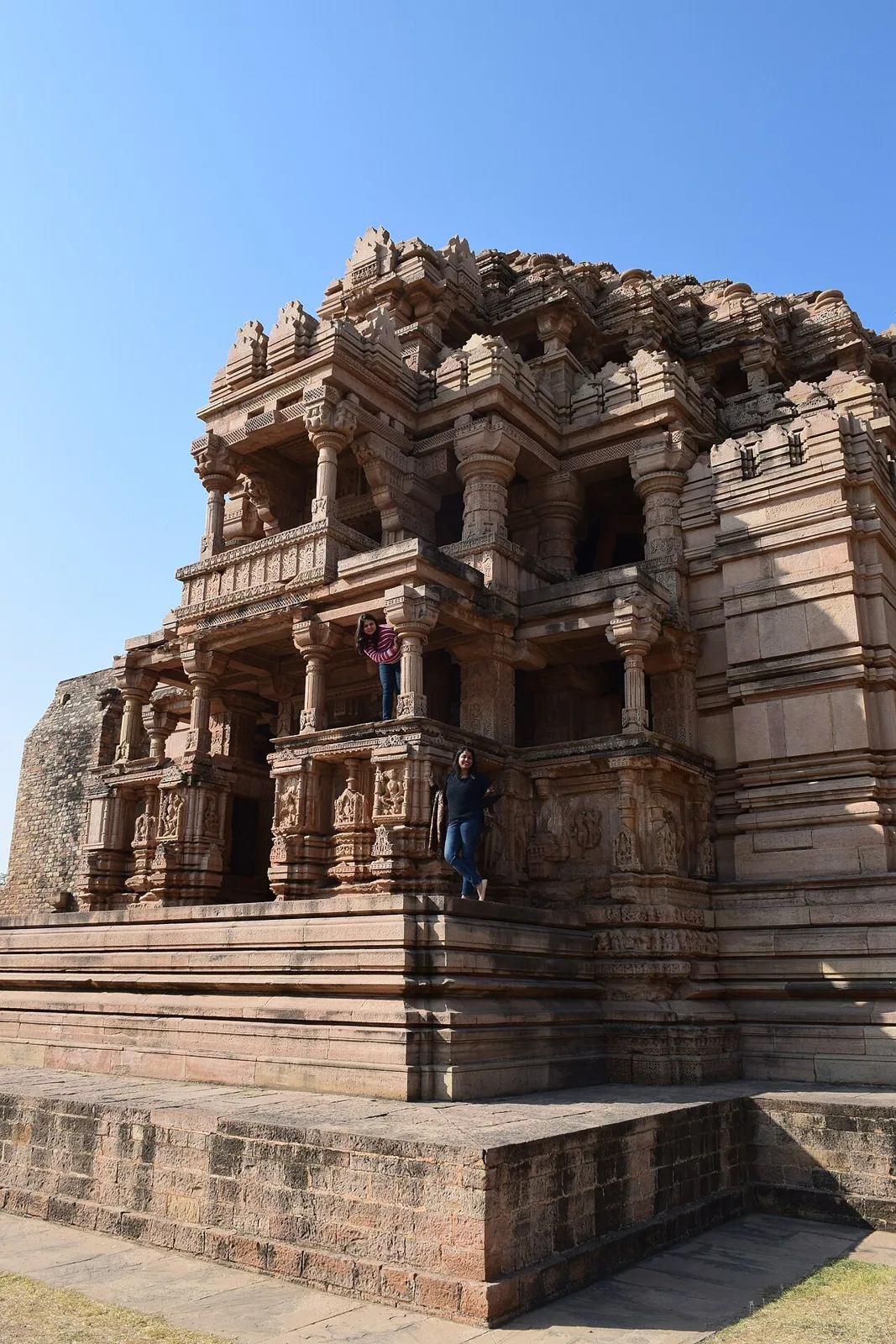
The Sasbahu Temples are a pair of eleventh-century shrines within Gwalior Fort, Madhya Pradesh. Visitors come to see their surviving architecture and damaged stone carvings.

Teli ka Mandir

38 km away · Gwalior district

Teli ka Mandir

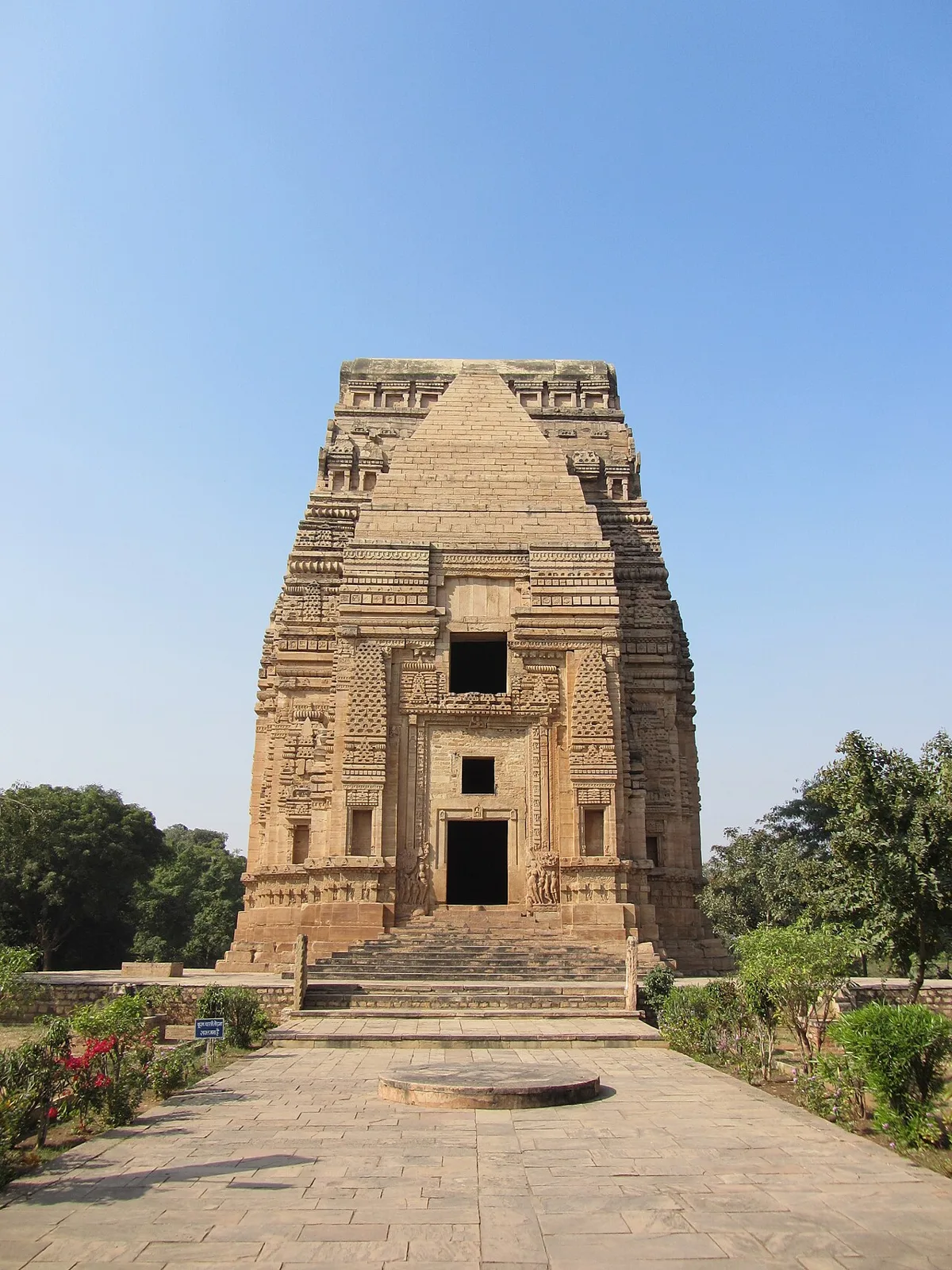
Teli ka Mandir is a Hindu shrine within Gwalior Fort, noted for its unusual rectangular sanctuary and blend of architectural traditions. Visitors come to see its distinctive design and historic character.

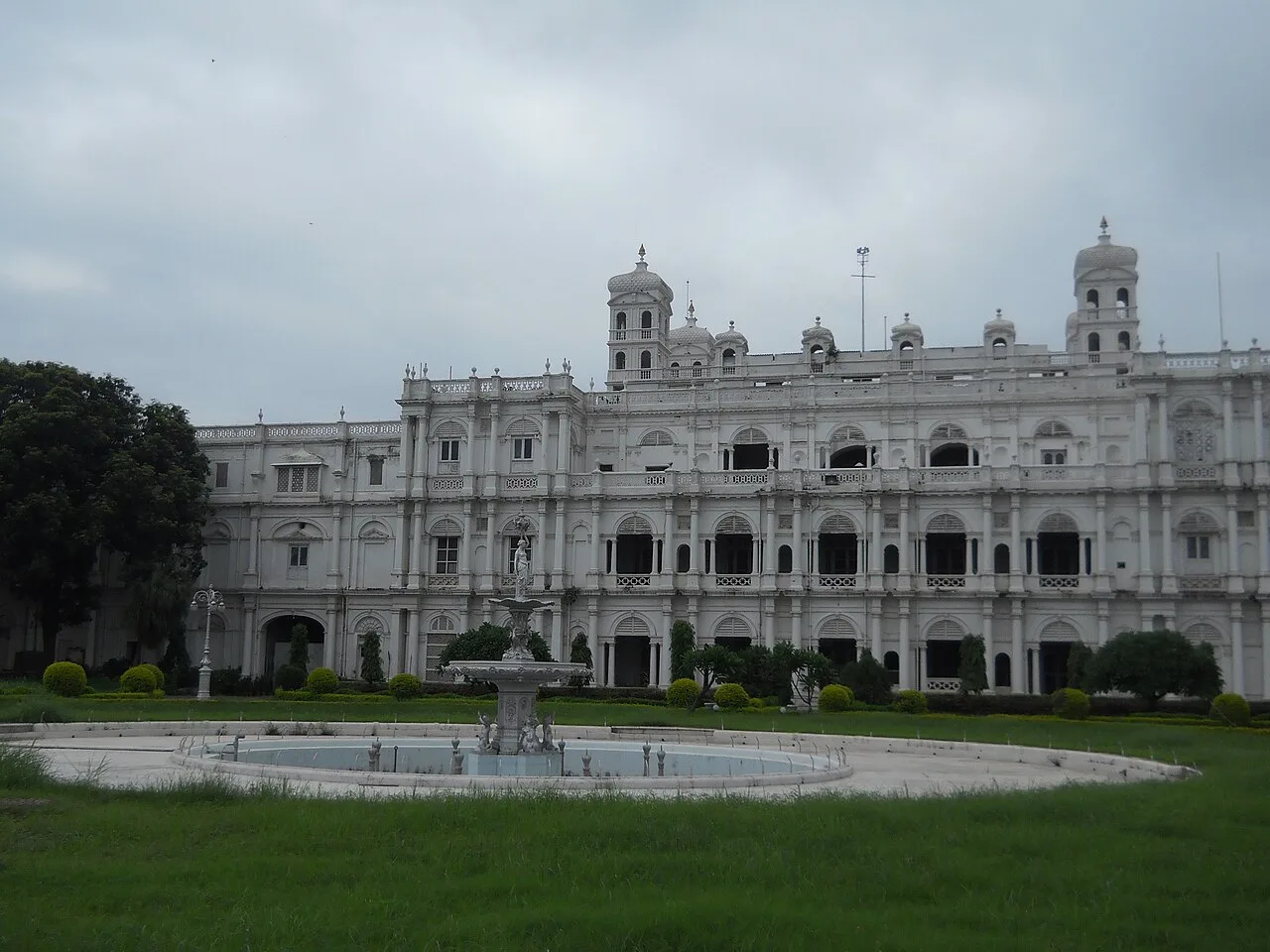
Jai Vilas Mahal

39 km away · Gwalior district

Jai Vilas Mahal

Jai Vilas Mahal is a royal residence dating to the 1800s in Gwalior, Madhya Pradesh. Visitors come to see the Jiwajirao Scindia Museum, which occupies most of the palace.

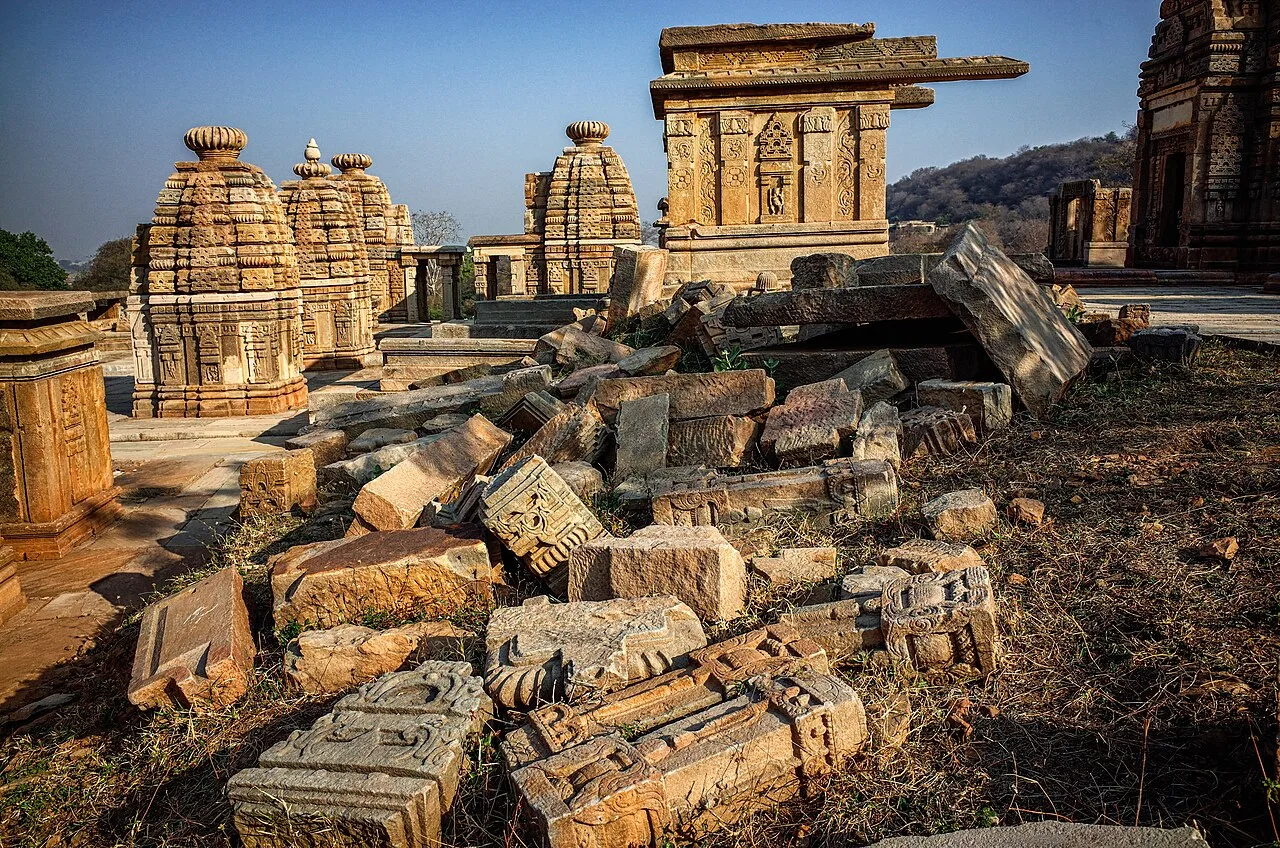
Bateshwar Hindu temples

40 km away · Morena district

Bateshwar Hindu temples

Bateshwar is a cluster of sandstone Hindu shrines and ruins in Madhya Pradesh, visited for its early temple architecture and the remains of a complex dedicated to Shiva, Vishnu and Shakti.

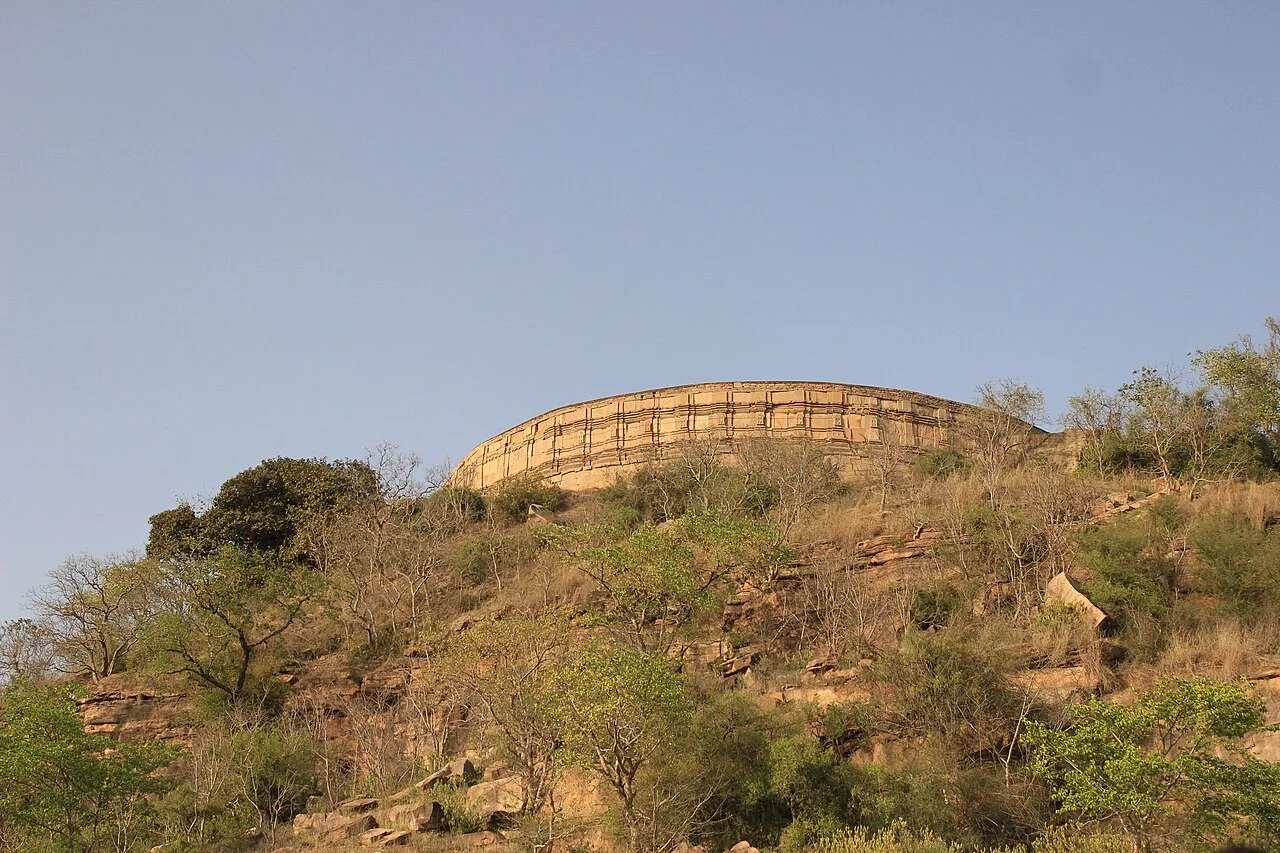
Chausath Yogini Temple

44 km away · Morena district

Chausath Yogini Temple

In Morena district, Madhya Pradesh, the 11th-century Chausath Yogini Temple is a Kachchhapaghata-period shrine. Visitors come to see its circular design and chambers associated with the yoginis.

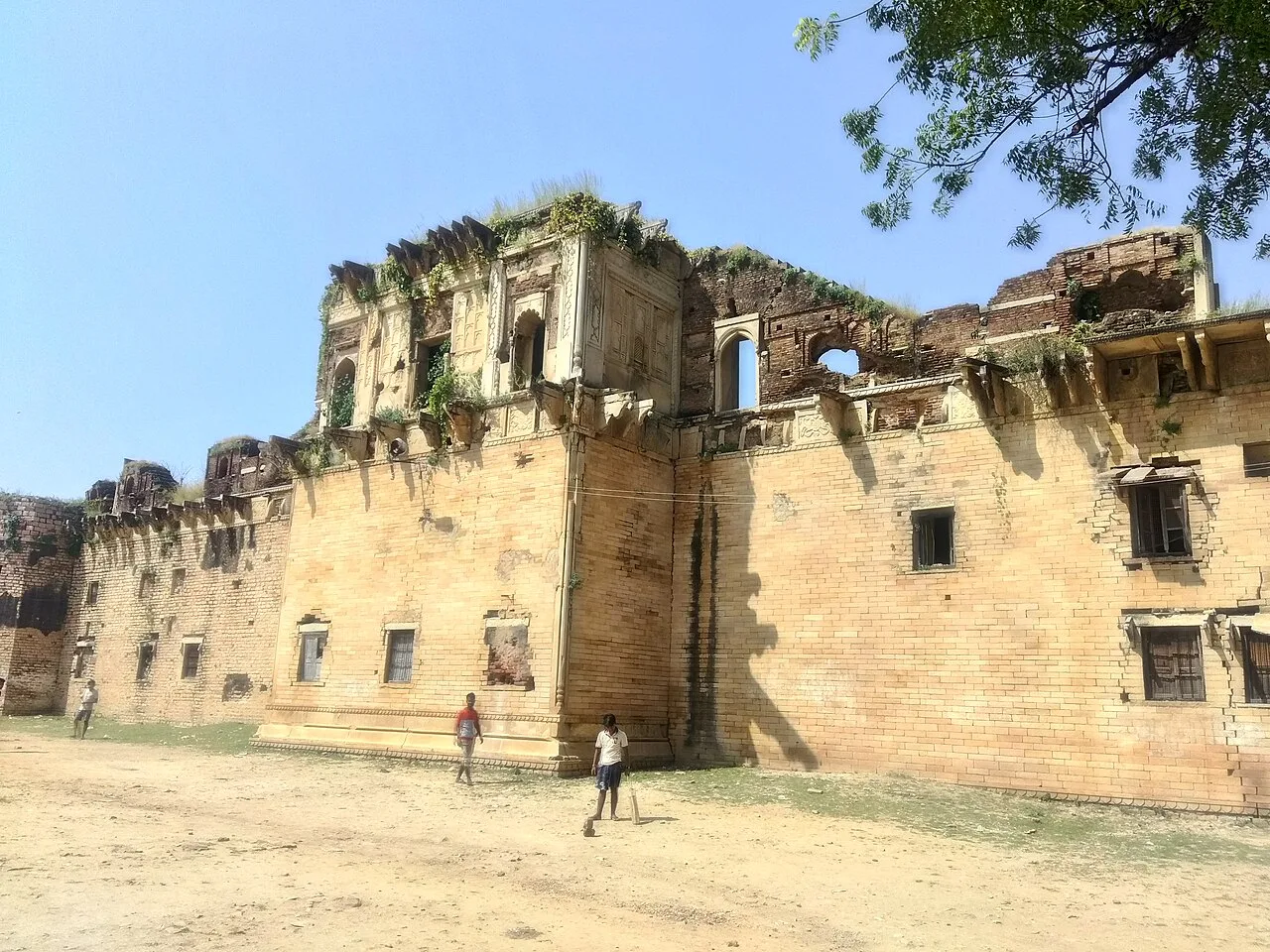
Gohad Fort

64 km away · Bhind district

Gohad Fort

Gohad Fort is a historic site in Gohad, Madhya Pradesh, and attracts interest for its historical importance; the town is 45 km from Gwalior.

Madhav National Park

94 km away · Shivpuri district

Madhav National Park

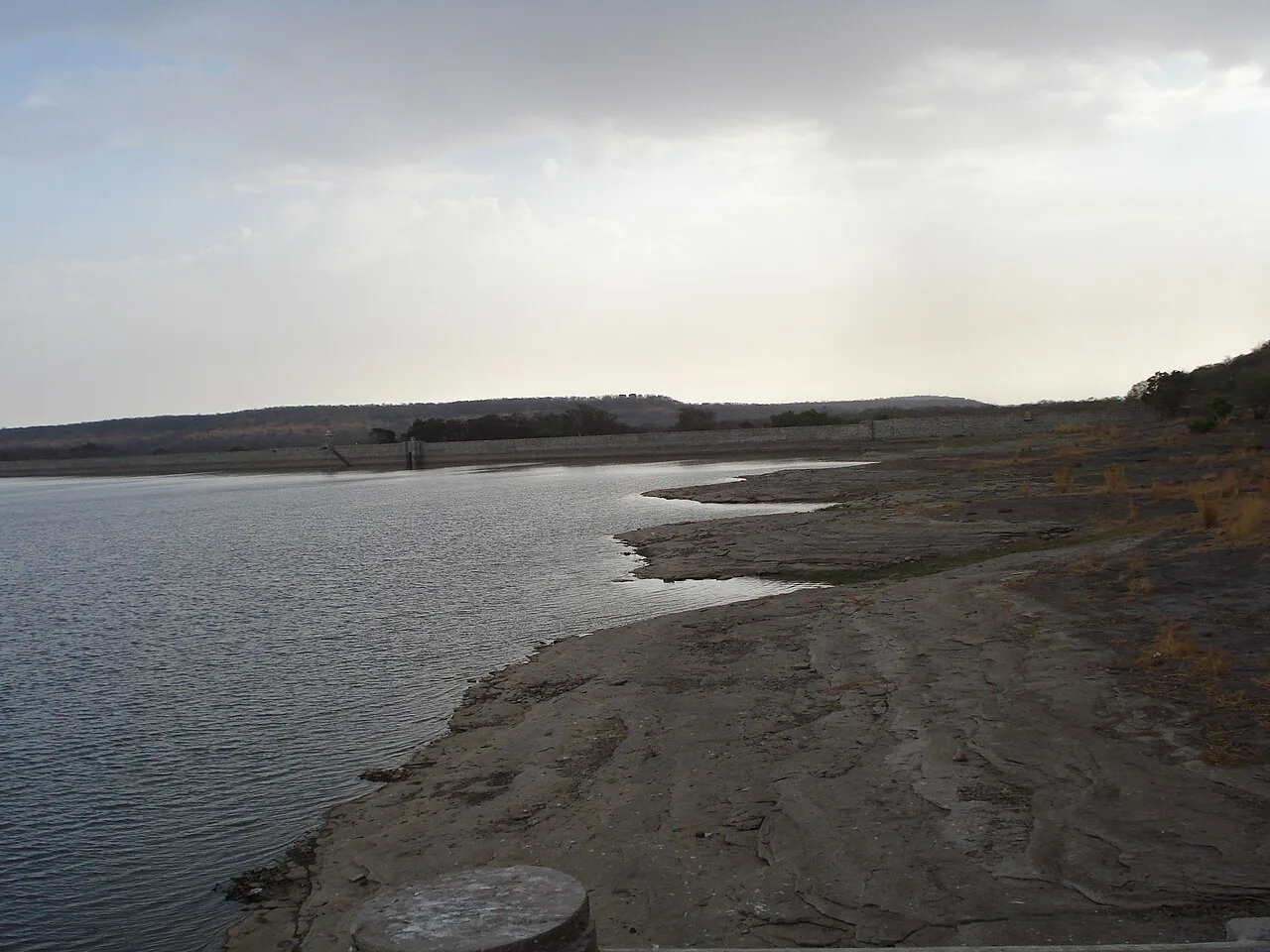
Madhav National Park is a protected area in Shivpuri district, Madhya Pradesh. Visitors come to explore its natural setting and see Sakhya Sagar, the reservoir within the park.

Map

Jaura on the map

  1. 1Gwalior Fort
  2. 2Sasbahu Temple
  3. 3Teli ka Mandir
  4. 4Jai Vilas Mahal
  5. 5Bateshwar Hindu temples
  6. 6Chausath Yogini Temple
  7. 7Gohad Fort
  8. 8Madhav National Park

Madhya Pradesh

Other cities to explore