Ghumoopedia — Explore, Discover, Experience
Sign in

City guide · Madhya Pradesh

Biaora

Biaora is a tehsil town in Rajgarh district, set at the northern edge of the Malwa plateau. Its location between Bhopal and Indore gives it a practical role as a regional centre for trade, services and travel.

Famous for

  • Historic trade centre
  • Ajnar River
  • Umadwadi Malvi dialect
  • Northern Malwa setting
  • Biyasalpur-era history

Why Biaora matters

Biaora is a tehsil town in Rajgarh district, set at the northern edge of the Malwa plateau. Its location between Bhopal and Indore gives it a practical role as a regional centre for trade, services and travel. The Ajnar River flows through the town, while the surrounding landscape marks the transition between Malwa’s plateau country and the plains farther north.

Biaora’s appeal is quieter than that of Madhya Pradesh’s major heritage destinations. Visitors come for local markets, everyday town life and access to nearby parts of Rajgarh district. Its history adds another layer: the settlement was known as Biyasalpur in the 17th century and was once associated with regional trade. The local Malvi speech, known as Umadwadi, also gives the town a distinct cultural character. Biaora is best approached as a useful stop and a window into the working towns of central India, rather than as a destination with a large roster of nationally famous monuments or specialist products.
Famous for: crafts, trade & products

Biaora’s documented identity is tied more closely to regional commerce than to a particular textile, handicraft or food product. It was an important trade centre in the medieval period, and its markets continue to serve residents and travellers from surrounding settlements. For everyday goods, produce and local services, the central market areas are the most practical places to look; ask locally for specialist shops or seasonal market activity.

There is no widely established signature craft, textile tradition or GI-tagged product associated specifically with Biaora. Nor is there a clearly documented visitor-focused craft bazaar or industrial attraction. This makes the town different from places that draw travellers chiefly for a named weaving or manufacturing tradition. Its commercial importance is best understood through the shops, trading streets and routine exchange that support the wider tehsil. Visitors seeking regionally made goods can browse local stores, but should not expect a dedicated heritage-craft market. Biaora’s strongest connection is its role in the trade and services network of Rajgarh district.

History

Biaora’s past reflects its position on routes linking settlements across the Malwa region. It was considered an important centre of trade and commerce during the medieval period, when different regional powers competed for influence. Rajput rulers and, later, the Marathas were among the powers associated with the town’s history. In the 17th century, Biaora was known as Biyasalpur, a name that preserves a trace of its earlier identity.

During the colonial era, Biaora formed part of the political landscape of the Rajgarh region, which was governed as a princely state under British paramountcy. The town’s development has since been shaped by its role as a local administrative and commercial centre. Today it serves as a tehsil headquarters in Rajgarh district, with road and rail links supporting movement between nearby towns and larger centres such as Bhopal and Indore. Its historical importance is therefore visible less through a single celebrated monument than through its long-standing place in regional exchange and administration.

Food, festivals & culture

Hindi is widely used in daily life, alongside Malvi; the local Malvi dialect is known as Umadwadi. Biaora shares many food traditions with the wider Malwa and central Madhya Pradesh region. Visitors may find dishes such as poha and jalebi, along with lentil, wheat and seasonal vegetable preparations. These are regional favourites rather than foods uniquely identified with Biaora, and local shops and eateries offer the best sense of what is commonly eaten in town.

Holi, Diwali and Navratri are prominent occasions in the Hindu calendar, while Eid is observed by Muslim residents. Celebrations generally follow the usual seasonal calendar, with Navratri in autumn and Holi in spring. Devotional singing and regional folk music form part of community and festival life; Malwi folk performance traditions are shared across a broad area rather than belonging exclusively to the town. Temples and mosques serve local worshippers, though Biaora is not widely known for a single landmark shrine. For visitors, respectful observation of neighbourhood celebrations offers a more grounded introduction to local culture than seeking a large staged event.

Visiting the city

The most comfortable time to visit is generally from October to February, when days are milder and the monsoon has passed. Summer can be intensely hot, especially in April and May; the rainy season usually runs from mid-June into September. Bhopal’s Raja Bhoj Airport is the nearest major airport, roughly 110 kilometres away. Biaora Rajgarh railway station serves the town by rail.

Within Biaora, local transport such as auto-rickshaws can be useful for short trips; confirm availability locally. The central market is a good area to explore for everyday town life, shops and food. The Ajnar River and nearby neighbourhoods offer a sense of the town’s setting, though visitors should ask locally about access and conditions. Biaora also works as a stopping point for journeys through Rajgarh district and between Bhopal and Indore.

Trips from the city

Nearest places to visit from Biaora

Our closest destination guides, by straight-line distance.

Islamnagar

81 km away · Bhopal district

Islamnagar

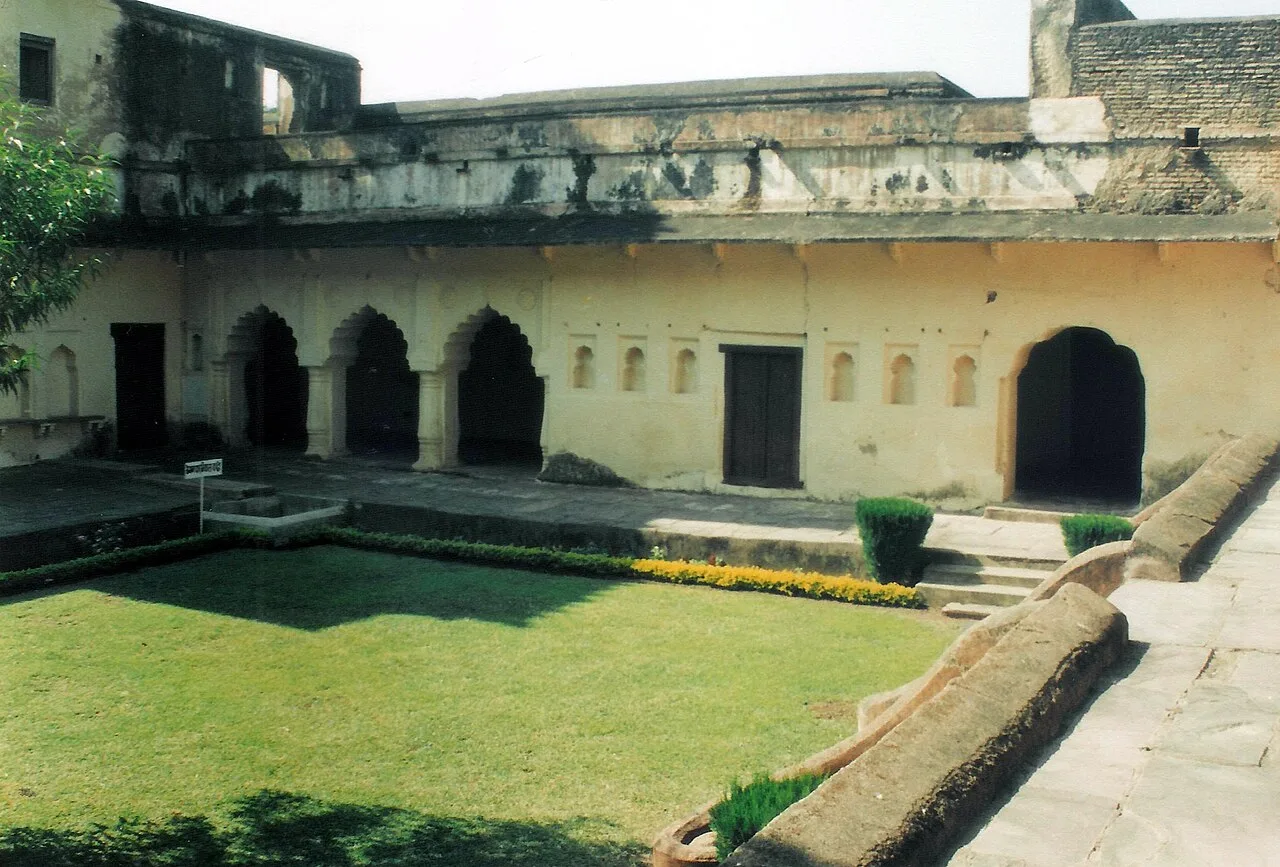
Islamnagar, officially Jagdishpur since February 2023, is a panchayat village in Bhopal district, Madhya Pradesh, visited for the ruined palaces built by Bhopal’s founder.

Bhoj Wetland, Bhopal

86 km away · Sehore district

Bhoj Wetland, Bhopal

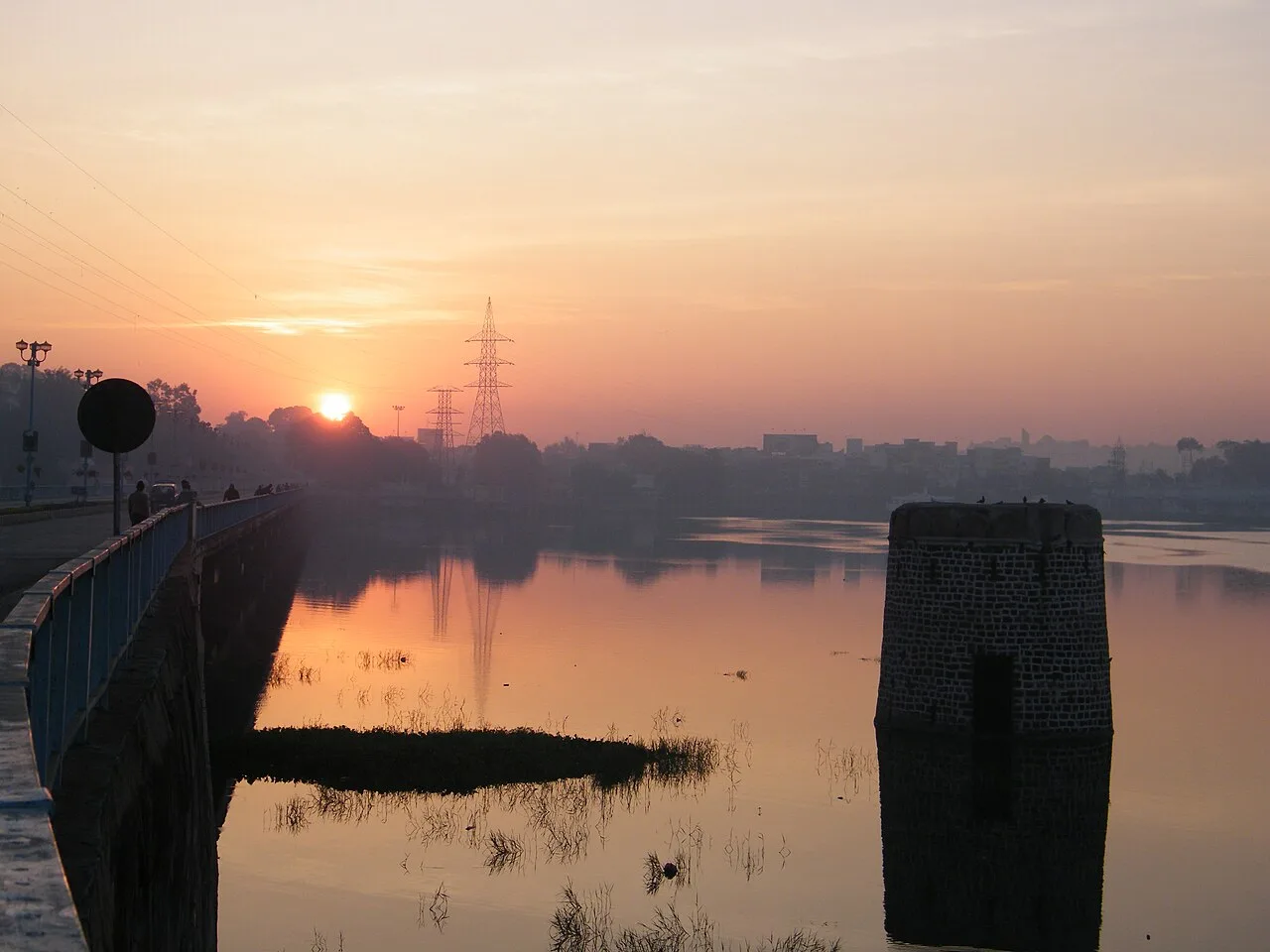
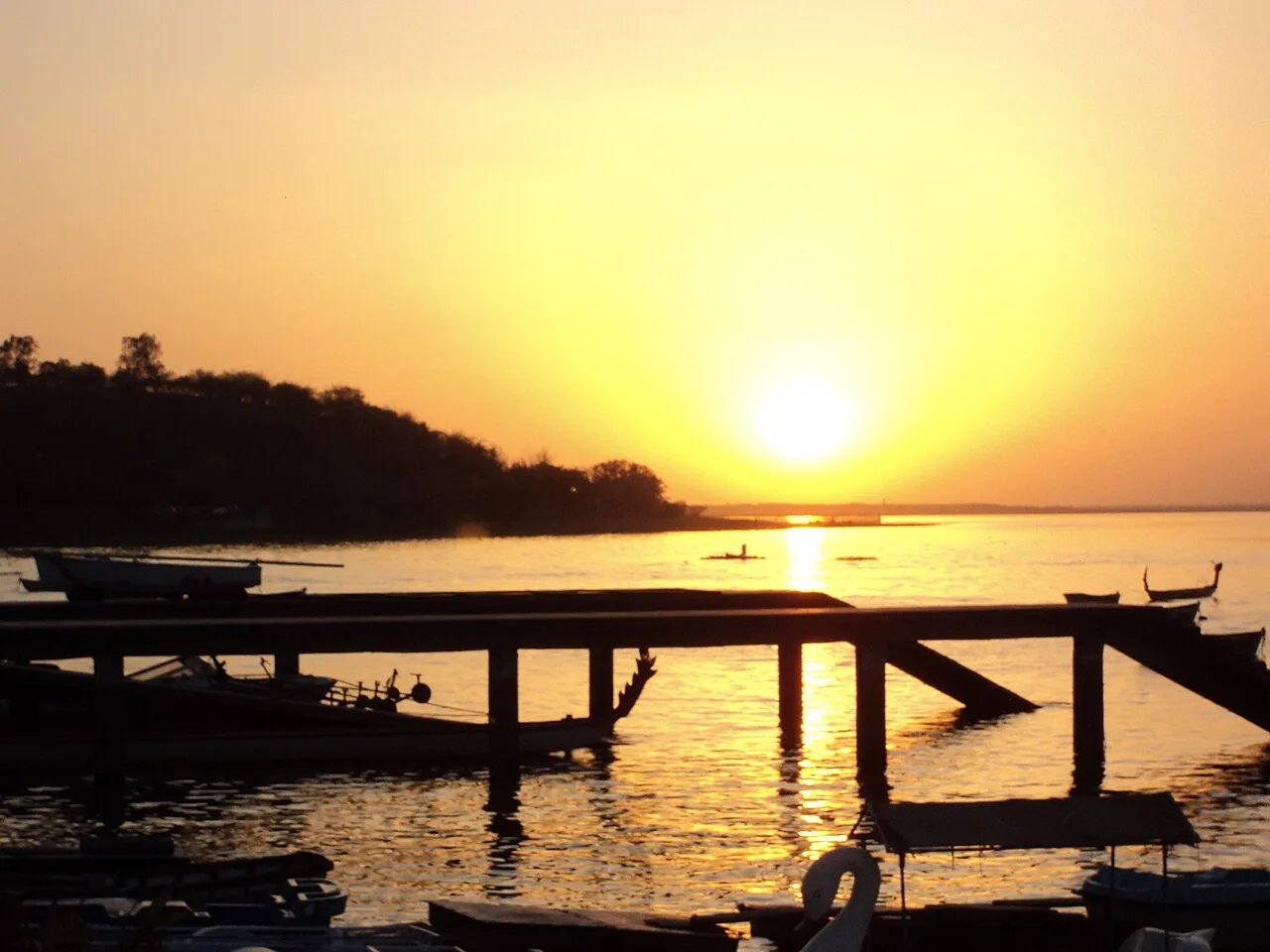
Bhoj Wetland is a two-lake complex in Bhopal, Madhya Pradesh. Visitors are drawn to its wetland habitats, varied wildlife and waterbirds.

Bhojtal

86 km away · Bhopal district

Bhojtal

Bhojtal, also called Upper Lake, is a large lake on Bhopal’s western side. Visitors can see it as part of the Bhoj Wetland, formed with nearby Lower Lake and designated a Ramsar site.

Taj-ul-Masajid

88 km away · Bhopal district

Taj-ul-Masajid

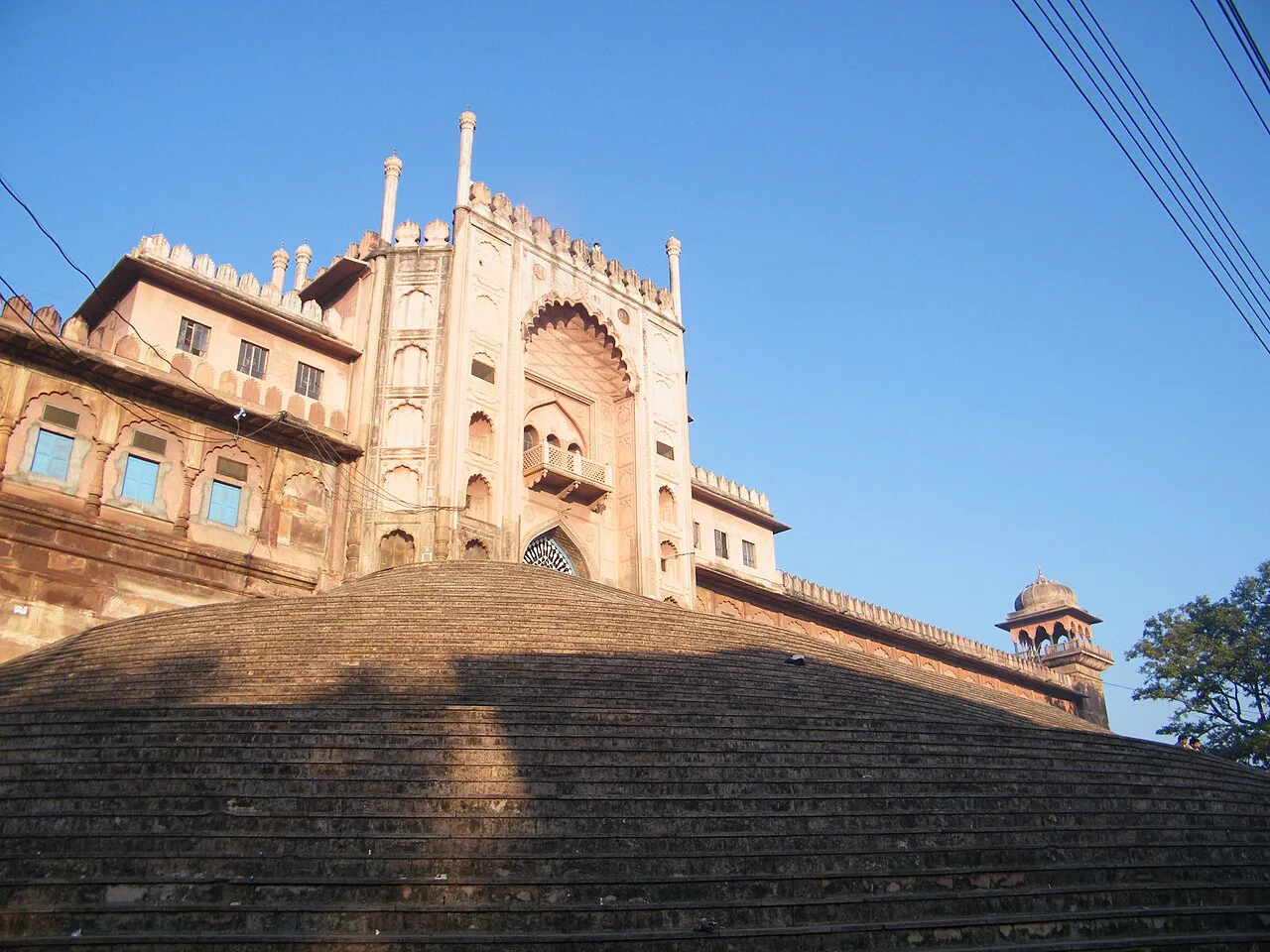
Taj-ul-Masajid is a Sunni mosque in Bhopal, Madhya Pradesh, associated with Tablighi Jamaat and the Deobandi movement. People visit for prayer and to see one of India’s largest mosques.

Bharat Bhavan

90 km away · Bhopal district

Bharat Bhavan

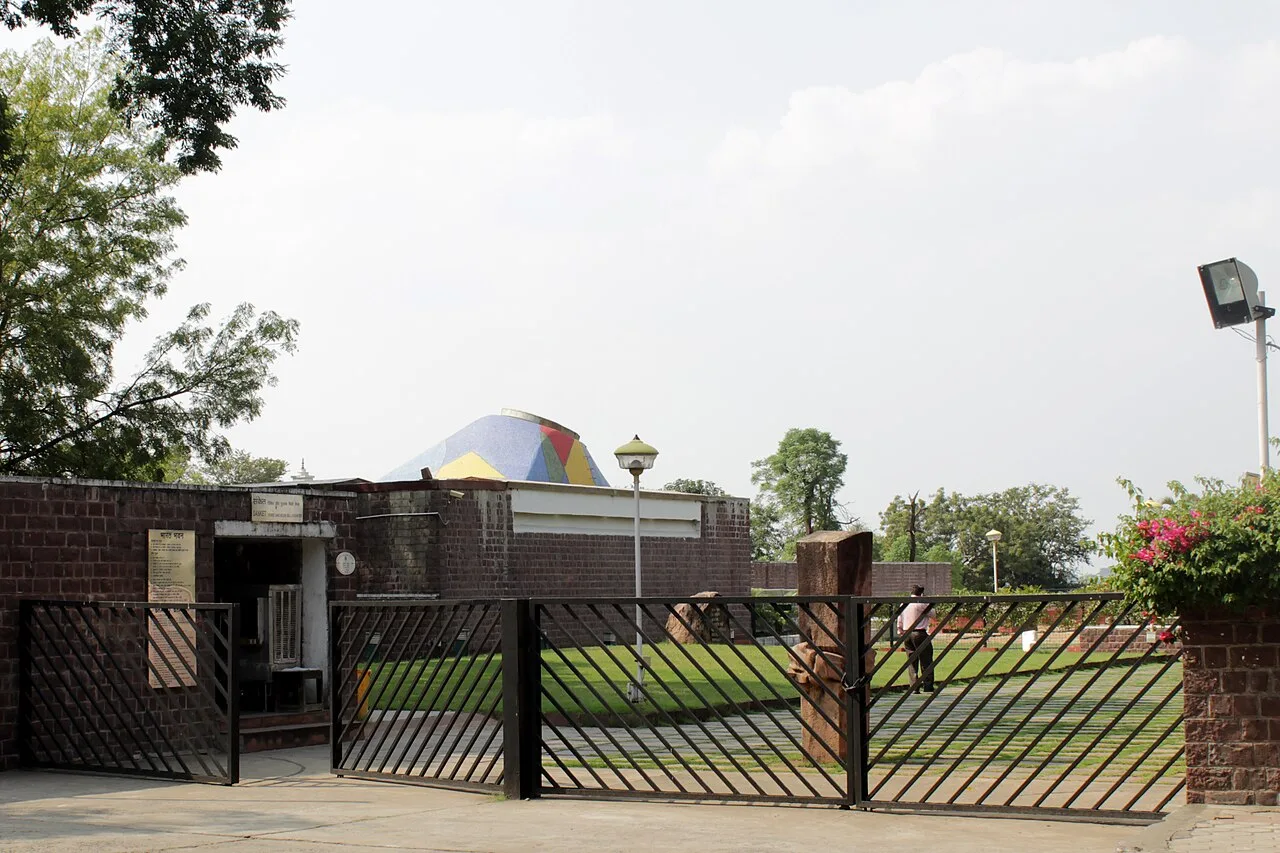
Bharat Bhavan is a government-established arts centre and museum in Bhopal, designed by Charles Correa. Visitors can explore its galleries, creative workshops, performance spaces and cultural collections.

Van Vihar National Park

90 km away · Bhopal district

Van Vihar National Park

Van Vihar is a national park and zoological facility in Bhopal, visited for its animal habitats and a road that runs through the grounds.

Sanchi Stupa No. 2

97 km away · Raisen district

Sanchi Stupa No. 2

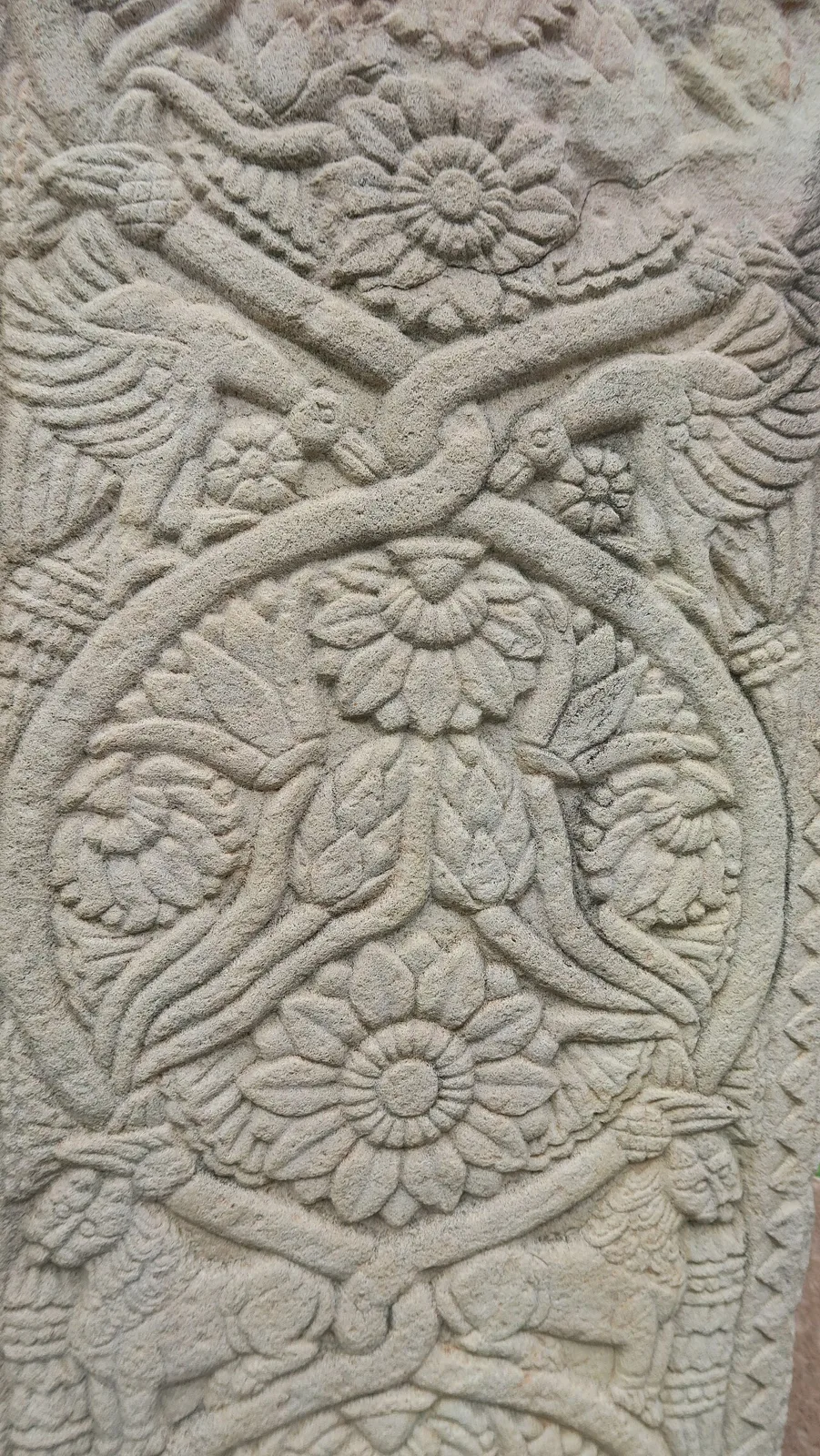
In Raisen district, Madhya Pradesh, Sanchi’s second stupa forms part of the Buddhist complex and draws interest for its early relief carvings and association with Jataka illustrations.

Sanchi Stupa

98 km away · Sanchi district

Sanchi Stupa

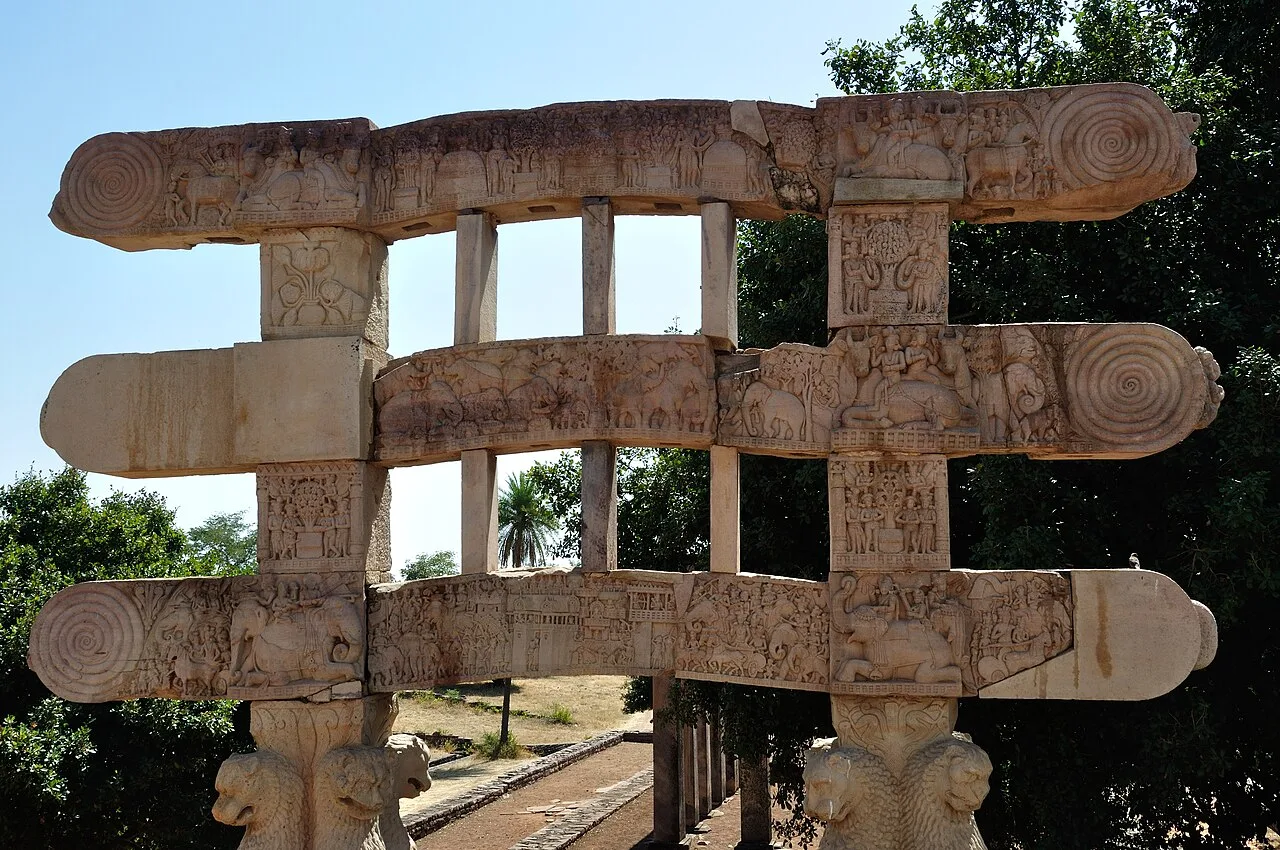
Sanchi is a Buddhist complex in Madhya Pradesh, centred on the Great Stupa. Visitors come to see its historic architecture and explore a site associated with the development of Buddhism in India.

Map

Biaora on the map

  1. 1Islamnagar
  2. 2Bhoj Wetland, Bhopal
  3. 3Bhojtal
  4. 4Taj-ul-Masajid
  5. 5Bharat Bhavan
  6. 6Van Vihar National Park
  7. 7Sanchi Stupa No. 2
  8. 8Sanchi Stupa

Madhya Pradesh

Other cities to explore