Ghumoopedia — Explore, Discover, Experience
Sign in

City guide · Madhya Pradesh

Susner

Susner is a small town in Agar Malwa district, in Madhya Pradesh’s Malwa region. It serves as a tehsil and sub-divisional centre, as well as a nagar panchayat and assembly constituency, giving it an important administrative role for surrounding settlements.

Famous for

  • Malwa plateau setting
  • Sub-divisional administration
  • Agricultural-market town
  • Local temples and festivals

Why Susner matters

Susner is a small town in Agar Malwa district, in Madhya Pradesh’s Malwa region. It serves as a tehsil and sub-divisional centre, as well as a nagar panchayat and assembly constituency, giving it an important administrative role for surrounding settlements. Its markets and public services also support the rural hinterland, where agriculture is central to everyday life.

Visitors are more likely to come for local business, family visits and religious occasions than for a large, established tourist circuit. The town’s appeal lies in the experience of a working Malwa settlement: its everyday bazaar, local places of worship and connections with nearby villages. Susner is not widely associated with a nationally recognised craft, textile or single signature attraction, so it is best approached as a regional centre rather than a destination built around one landmark. Its position on the plateau, at about 502 metres above sea level, provides a setting for exploring the surrounding countryside and the wider Agar Malwa region.
Famous for: crafts, trade & products

Susner is best understood as a local trading and service centre, rather than as a specialist production town. Its bazaar serves residents of the town and nearby villages, with everyday shops and businesses supplying household goods, clothing, groceries and agricultural needs. The central market streets are the most practical place to observe local commerce or look for goods made and sold for the surrounding area.

There is no widely established basis for describing Susner as a centre for a particular saree, handicraft, textile tradition or GI-tagged product. Nor is a single large industry or dedicated visitor-facing craft market especially associated with the town. Travellers seeking regional produce or handmade items can ask local shopkeepers about what is currently available, since offerings may vary with season and demand. For a fuller range of specialised shopping, larger towns in the Malwa region are more likely to have dedicated outlets. Susner’s strongest identity in trade is its everyday role connecting a rural hinterland with local services, shops and administration.

History

Susner’s development reflects its place in the Malwa plateau, where settlements grew around farming communities, local exchange and routes linking villages with larger regional centres. The town’s administrative functions—now including tehsil and sub-divisional offices—have helped sustain its role as a service centre. A detailed, well-established account of Susner’s early rulers or a major historic event is not readily associated with the town, so it is better not to assign it a specific dynastic history without local evidence.

The wider Malwa region experienced changing political authority over many centuries, followed by British-era administration and the formation of modern Madhya Pradesh after Independence. Susner’s story is more closely tied to local administration and rural commerce than to a prominent colonial institution or a major industrial transformation. In contemporary times, it became part of Agar Malwa district, established in 2013. Its present-day identity is shaped by its roles as a nagar panchayat, tehsil, sub-division and assembly constituency.

Food, festivals & culture

Daily life in Susner reflects the broader Malwa region, with Hindi widely used and Malvi heard in everyday conversation. Food is typically based on familiar central Indian staples, including lentils, wheat breads and seasonal vegetables. Poha and jalebi are popular across Malwa, while dal bafla is a regional meal often found in local eateries; these are regional favourites rather than dishes unique to Susner. Sweet shops and ordinary market businesses are the best places to ask about locally prepared snacks and seasonal specialties.

Diwali, Holi and Navratri are observed during their usual autumn and spring seasons, alongside religious occasions followed by the town’s Hindu and Muslim communities. Worship and community gatherings take place at local temples and mosques, though Susner is not especially known for a single major pilgrimage site or distinctive performing-arts tradition. Music and dance are commonly linked to religious events, weddings and seasonal celebrations. Travellers are welcome to explore public areas respectfully and should follow customary etiquette at places of worship.

Visiting the city

The cooler months, roughly from October to March, are generally the most comfortable time to visit. Summers can be hot, while the monsoon brings rain that may affect road journeys. Devi Ahilya Bai Holkar Airport in Indore is the main airport for reaching the area. Shajapur railway station is a practical nearby railhead; onward travel to Susner is by road. Check current connections before setting out, as transport options can change.

Within Susner, the central bazaar and nearby streets are easiest to explore on foot for short visits; local auto-rickshaws or hired vehicles can help with longer journeys. The town centre is a convenient base for shops and civic services, while local places of worship and the edges of town offer a glimpse of everyday life and the surrounding countryside. Susner is a modest regional centre, so plan longer excursions and specialist services around larger towns in the district or region.

Trips from the city

Nearest places to visit from Susner

Our closest destination guides, by straight-line distance.

Kal Bhairav Temple

87 km away · Ujjain district

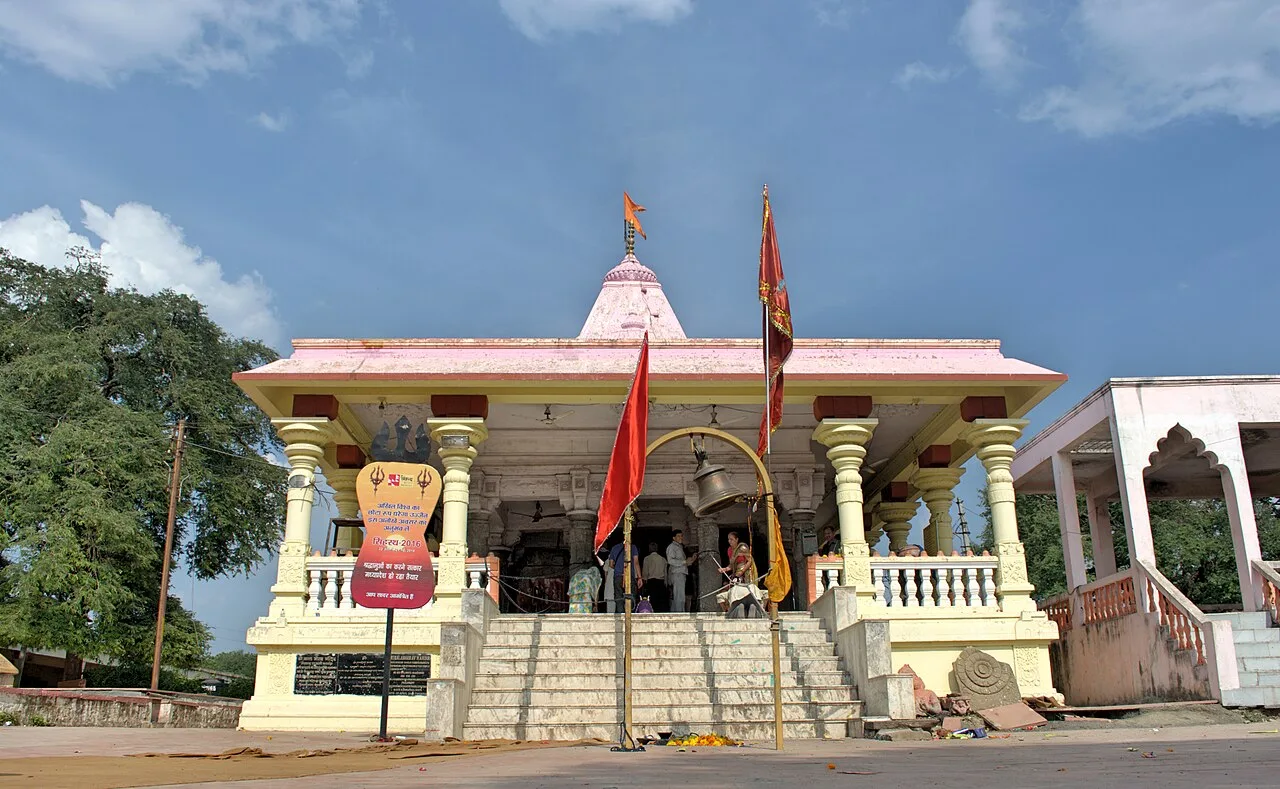
Kal Bhairav Temple

A Hindu shrine in Ujjain, Madhya Pradesh, Kal Bhairav Temple honours the city’s guardian deity. Worshippers visit its setting by the Shipra River, and liquor is among the offerings made there.

Mahakaleshwar Jyotirlinga

91 km away · Ujjain district

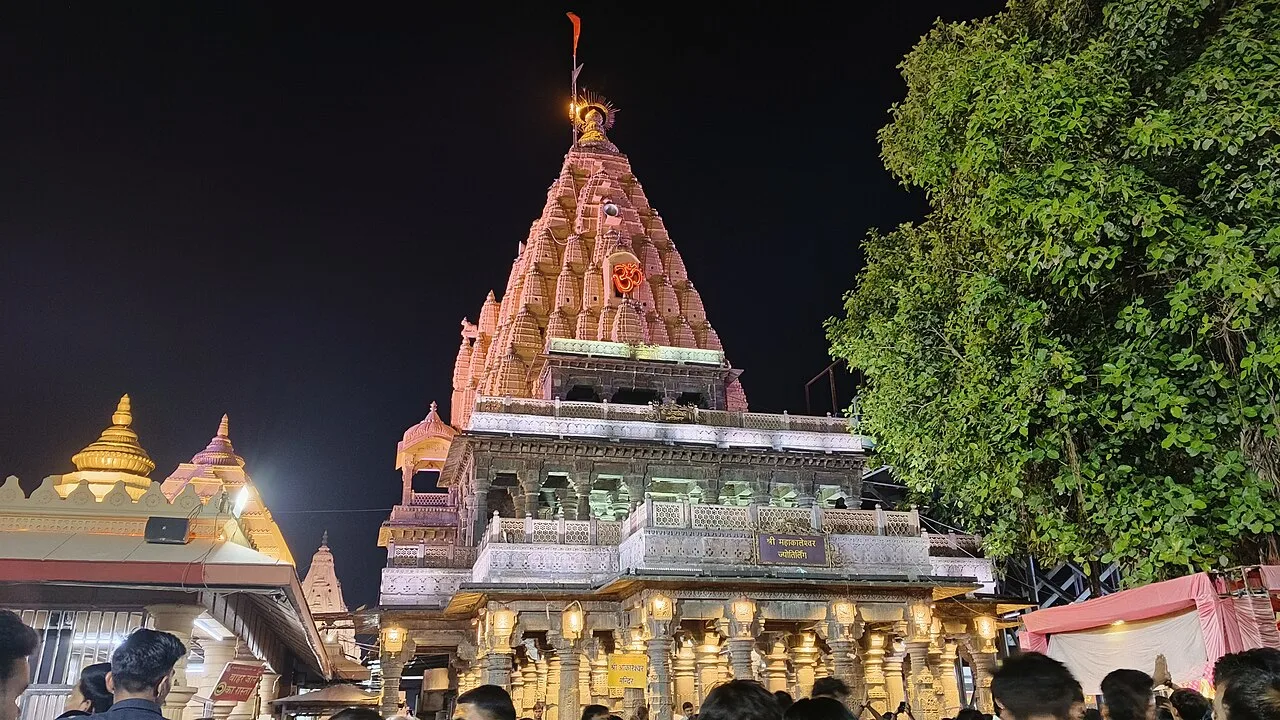
Mahakaleshwar Jyotirlinga

Mahakaleshwar Jyotirlinga is a Shiva temple in Ujjain, revered as one of twelve especially sacred Jyotirlinga shrines. Visitors come to worship its lingam, which is believed to be Swayambhu.

Kanch Mandir

135 km away · Indore district

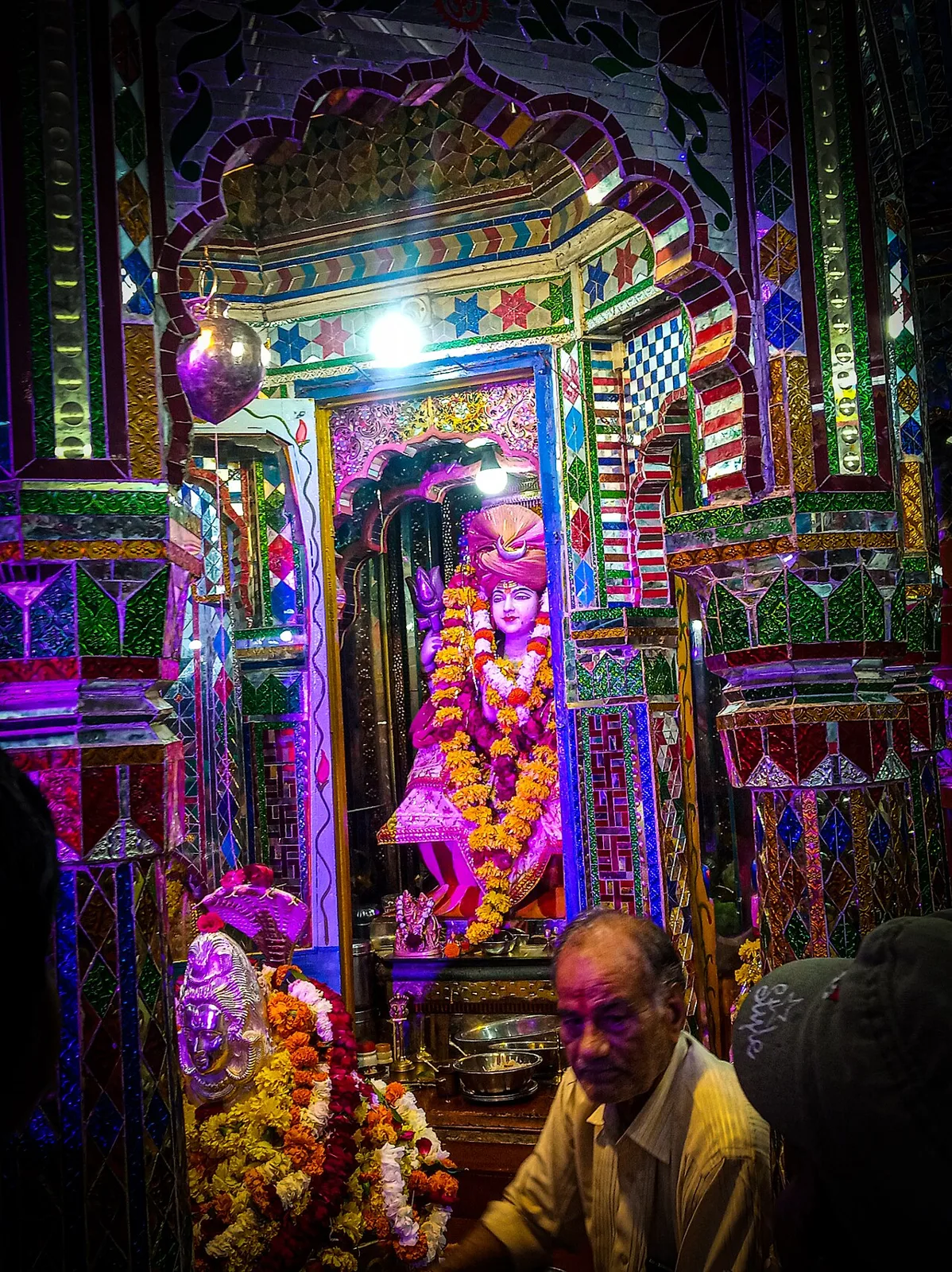
Kanch Mandir

Kanch Mandir is a well-known Jain temple in Indore, built by Sir Seth Hukumchand Jain. Visitors come to see the place of worship whose name means Temple of Glass.

Rajwada

139 km away · Indore district

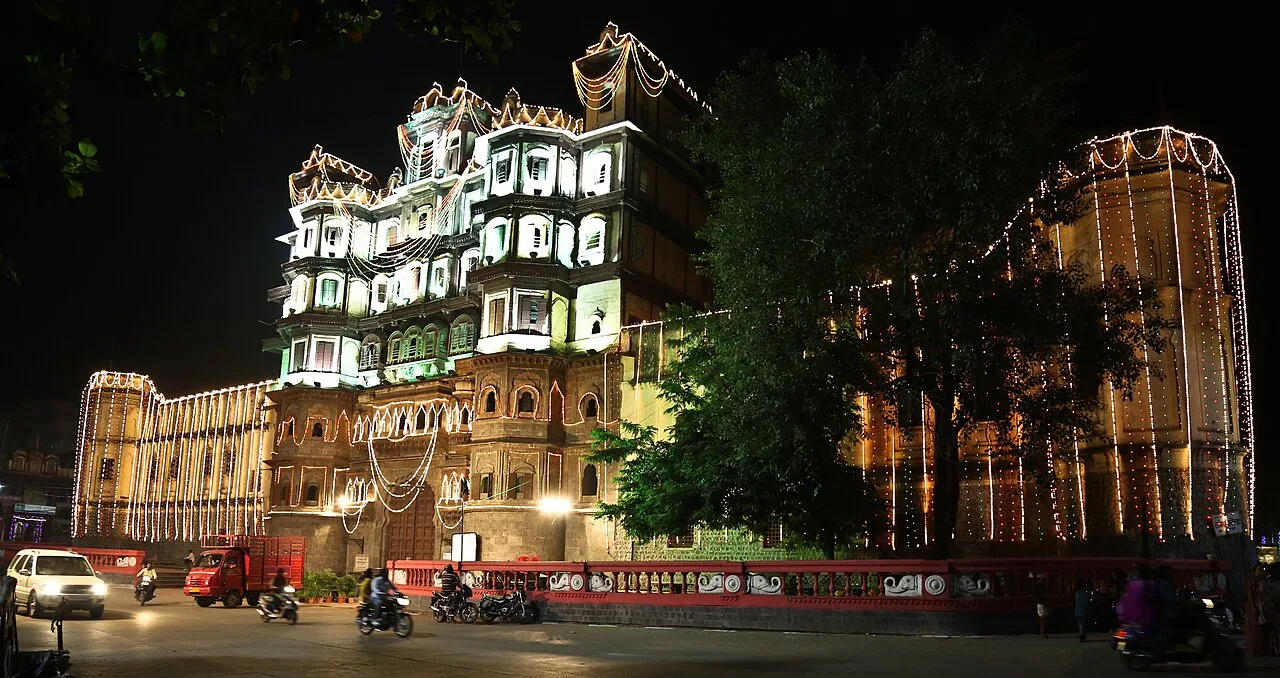
Rajwada

Rajwada is a historic, seven-storey Holkar residence in Indore. Visitors come for its period architecture, dynastic history and the garden with fountains and a waterfall.

Sarafa Bazaar

139 km away · Indore district

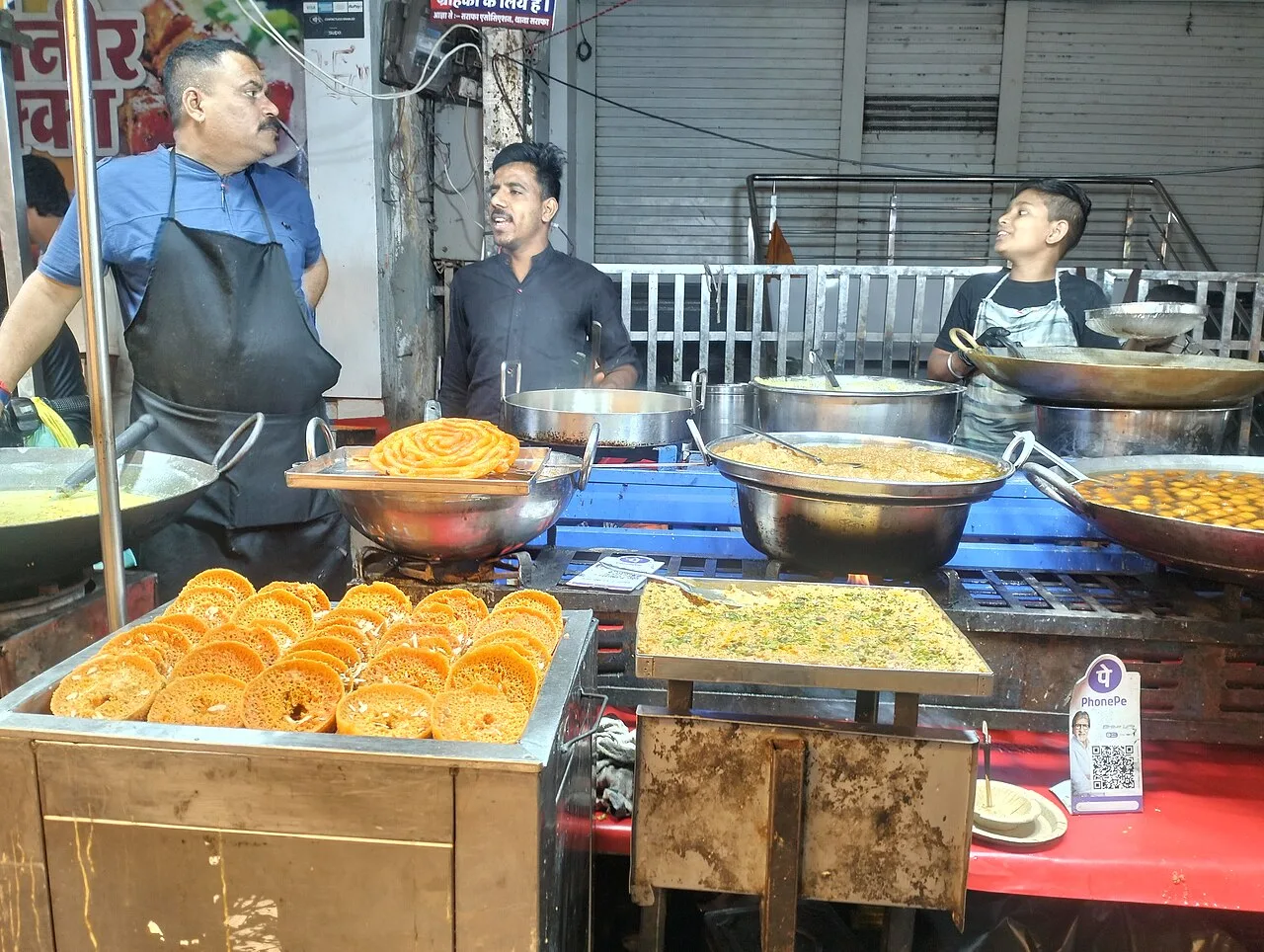
Sarafa Bazaar

In central Indore, Sarafa Bazaar is a jewellery-trading area by day that becomes a street-food destination at night, drawing visitors for its varied cuisine and evening atmosphere.

Ralamandal Wildlife Sanctuary

145 km away · Indore district

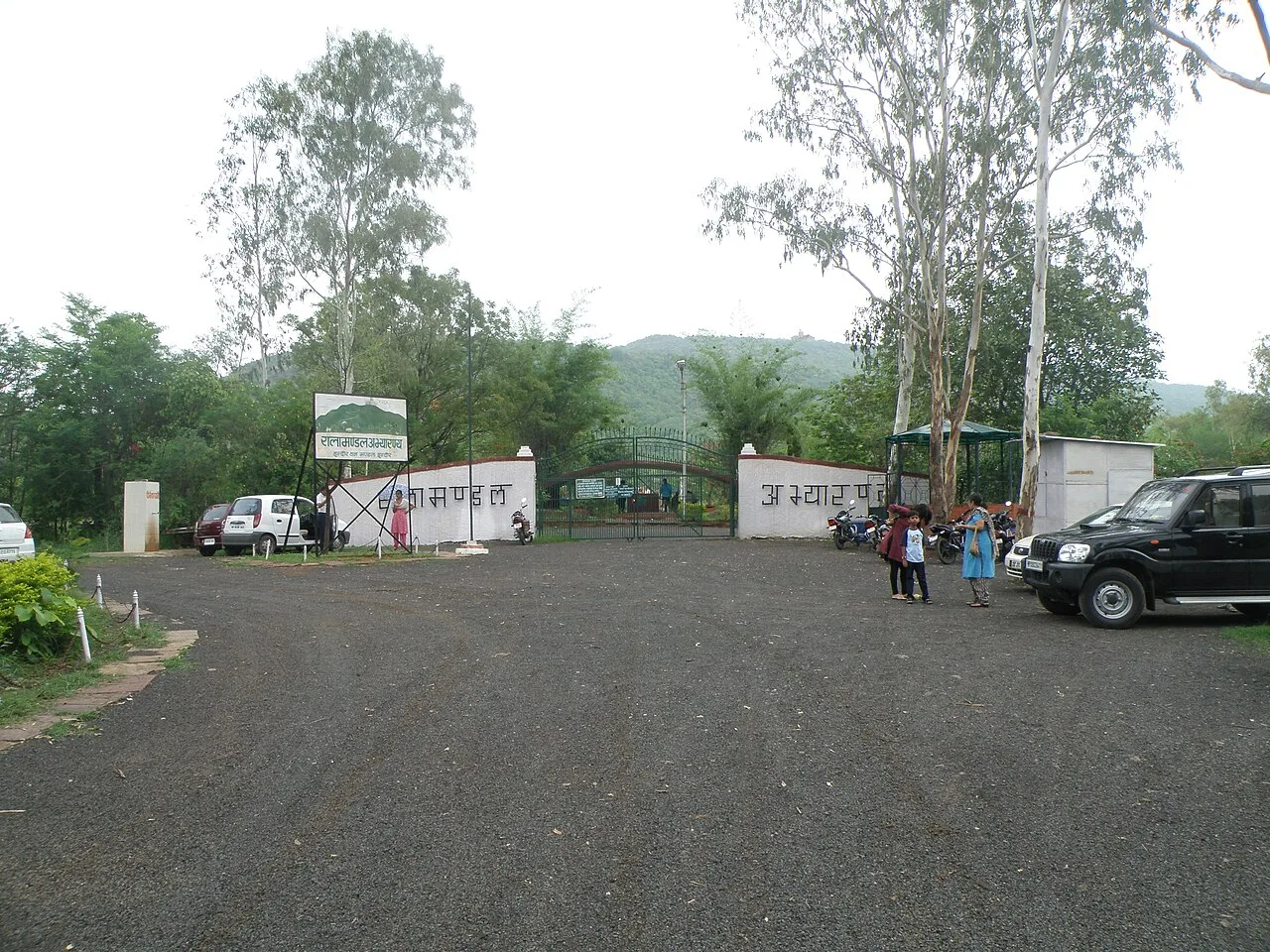
Ralamandal Wildlife Sanctuary

Established in 1989, Ralamandal Wildlife Sanctuary is a five-square-kilometre protected area in Indore district, Madhya Pradesh. Visitors come to see its birds, other wildlife and old hunting lodge.

Bhoj Wetland, Bhopal

149 km away · Sehore district

Bhoj Wetland, Bhopal

Bhoj Wetland is a two-lake complex in Bhopal, Madhya Pradesh. Visitors are drawn to its wetland habitats, varied wildlife and waterbirds.

Bhojtal

149 km away · Bhopal district

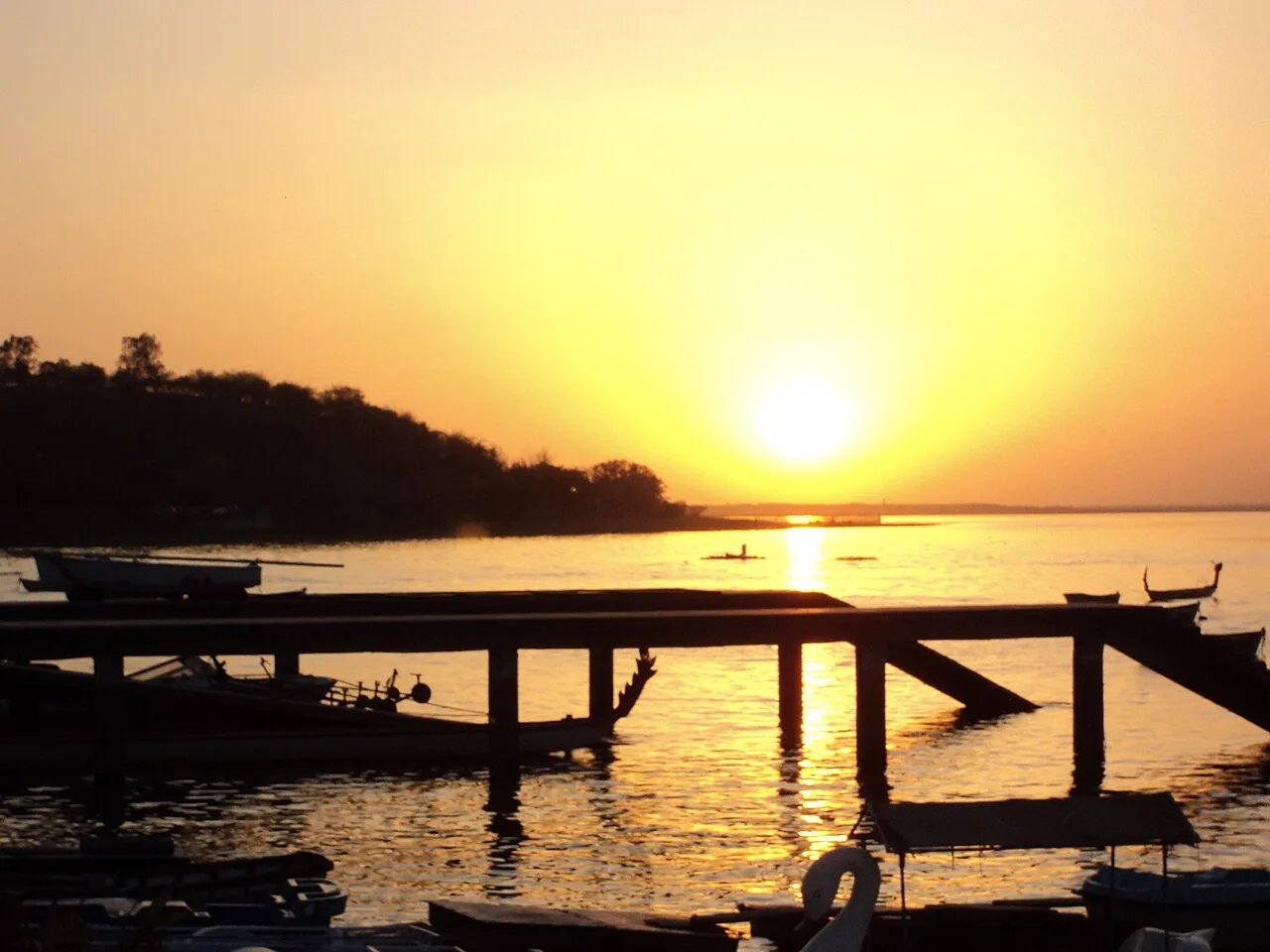
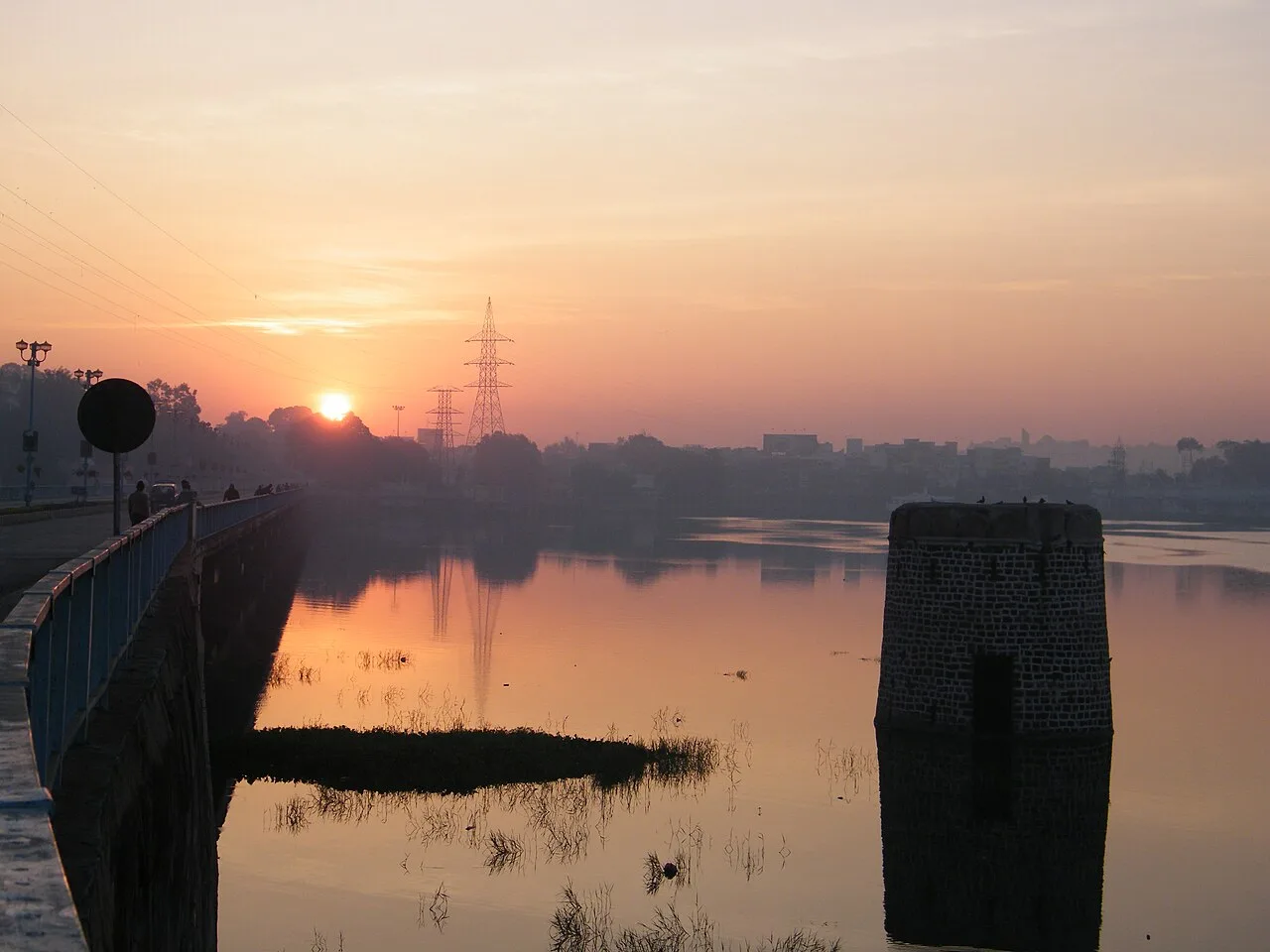
Bhojtal

Bhojtal, also called Upper Lake, is a large lake on Bhopal’s western side. Visitors can see it as part of the Bhoj Wetland, formed with nearby Lower Lake and designated a Ramsar site.

Map

Susner on the map

  1. 1Kal Bhairav Temple
  2. 2Mahakaleshwar Jyotirlinga
  3. 3Kanch Mandir
  4. 4Rajwada
  5. 5Sarafa Bazaar
  6. 6Ralamandal Wildlife Sanctuary
  7. 7Bhoj Wetland, Bhopal
  8. 8Bhojtal

Madhya Pradesh

Other cities to explore