Ghumoopedia — Explore, Discover, Experience
Sign in
Kal Bhairav Temple, near Nagda

City guide · Madhya Pradesh

Nagda

Nagda is an industrial city in Madhya Pradesh’s Malwa region, in Ujjain district and the wider Indore metropolitan region. Set beside the Chambal River, it is best known for large-scale manufacturing and for Nagda Junction, an important stop on the Delhi–Mumbai railway corridor.

Famous for

  • Grasim viscose fibre
  • Nagda Junction
  • Chambal River setting
  • Thermal power generation
  • Chemical manufacturing

Why Nagda matters

Nagda is an industrial city in Madhya Pradesh’s Malwa region, in Ujjain district and the wider Indore metropolitan region. Set beside the Chambal River, it is best known for large-scale manufacturing and for Nagda Junction, an important stop on the Delhi–Mumbai railway corridor. The city’s industrial complex includes viscose-fibre production, a thermal power plant and chemical manufacturing, making it a significant centre of employment and industry in western Madhya Pradesh.

Nagda’s rail connections and position between the major markets of Delhi and Mumbai helped shape its modern growth. Grasim’s plant is especially notable for its production of viscose staple fibre and coloured fibre. The city is not primarily a sightseeing destination, but it can serve as a practical base for local business travel and journeys through the region. Visitors interested in Malwa’s history and religious heritage can also plan a trip to nearby Ujjain, while Nagda itself offers a glimpse of the industrial landscape along the Chambal.
Famous for: crafts, trade & products

Nagda’s best-known products are industrial rather than artisanal. Grasim’s manufacturing unit produces viscose staple fibre and coloured fibre, while the city also has chemical and thermal-power operations. These facilities are central to Nagda’s identity and economy, but they are working industrial sites rather than regular visitor attractions; access may be restricted. Nagda is not especially known for a distinct local craft, textile market, or GI-tagged product, so visitors should not expect a dedicated handicraft or saree-shopping district.

For everyday goods, food and household shopping, look to the central town markets and the commercial streets around the railway station. These serve local residents and travellers, with general retail rather than specialist souvenir shopping. The city’s railway junction is also a major part of its commercial profile, linking it to larger markets on the Delhi–Mumbai route. Those seeking regional crafts, textiles or a wider choice of shops may find more options in Ujjain or Indore. Nagda’s strongest claim to recognition remains its manufacturing base and its role as a rail-connected industrial centre.

History

Nagda’s older history is associated with a local tradition about King Janamejaya, who is said to have performed a serpent-burning rite after the death of his father, Parikshit. The name is sometimes explained through the words nag, meaning snake, and dah, meaning burning. This is a legend rather than a firmly documented account of the city’s origins. Nagda also has an association with the literary tradition of Kalidasa.

Its modern transformation came with rail connectivity and industrial investment. The town’s location near the Chambal, available land and position between the large Delhi and Mumbai markets helped attract industrial development. Ghanshyam Das Birla established a major facility here, which grew into Grasim’s prominent fibre-manufacturing operation. The railway junction on the Delhi–Mumbai corridor further strengthened Nagda’s links with regional and national trade. Industry, power generation and chemical production have since become defining features of the city’s growth.

Food, festivals & culture

Nagda shares the food traditions of the Malwa region. Common choices include poha, often eaten for breakfast, and poha with jalebi; menus may also feature dal bafla and bhutte ka kees. Sweets and snacks vary by shop and season, so visitors will find the broadest selection around the town’s everyday markets rather than a single signature food street.

Hindi is widely used, and Malwi is part of the region’s speech and cultural life. Diwali in autumn, Holi in spring and Navratri in autumn are observed, with worship, community gatherings and devotional music. Local temples and neighbourhood shrines serve as everyday places of worship; nearby Ujjain is a major destination for temple visits and religious events. Malwi folk songs and devotional singing are part of the wider cultural tradition, while celebrations may include music and dance. Practices differ among communities, and Nagda’s character is shaped as much by its industrial workforce as by its regional customs.

Visiting the city

The cooler months, roughly October to March, are generally the most comfortable time to visit; summers can be very hot, while monsoon conditions may affect road journeys. The nearest major airport is Devi Ahilya Bai Holkar Airport in Indore. Nagda Junction is the city’s main railway station, on the Delhi–Mumbai corridor.

Auto-rickshaws and local taxis are useful for getting around town; arrange onward road transport locally for places outside the centre. Visitors can explore the central market and streets around the station for everyday shops and food. The Chambal-side setting offers a sense of the city’s landscape, though river access and facilities may vary. Industrial premises are generally not public attractions. Ujjain is a convenient regional excursion for temples and historic sites.

Trips from the city

Nearest places to visit from Nagda

Our closest destination guides, by straight-line distance.

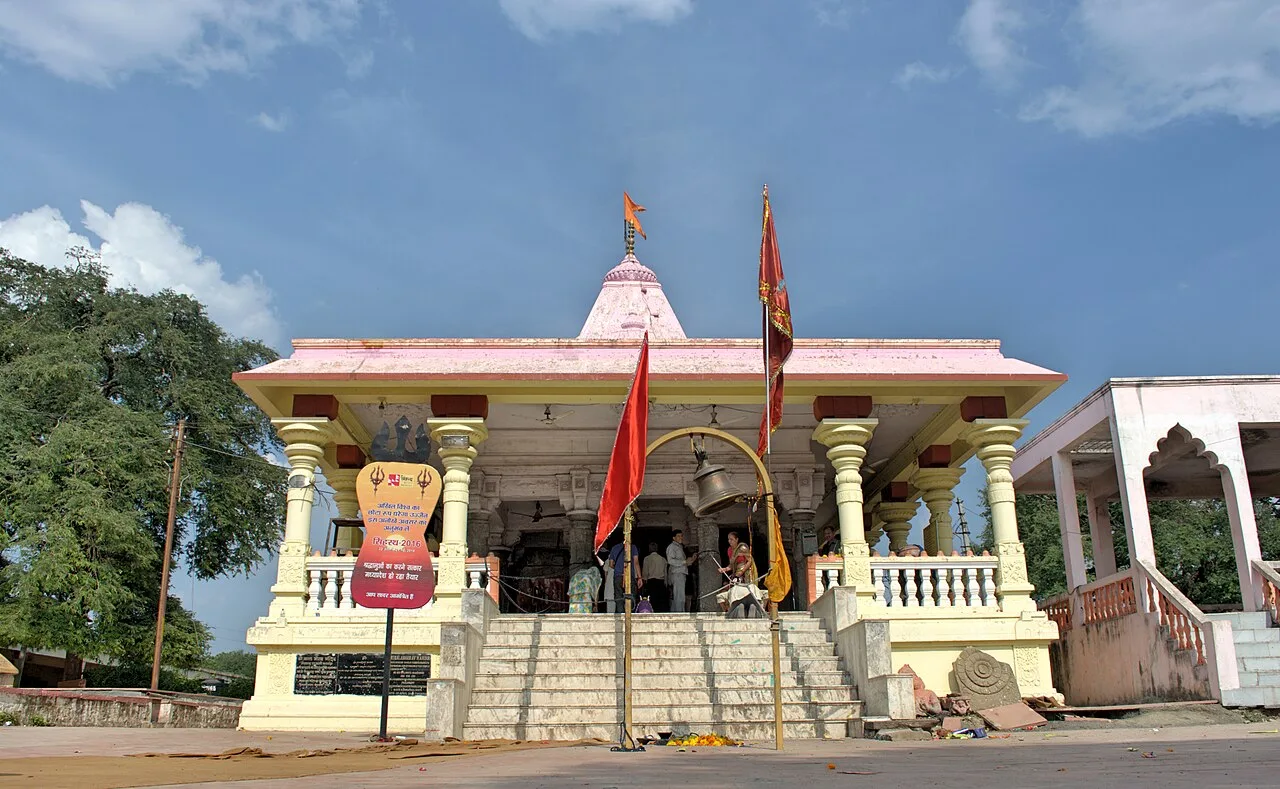
Kal Bhairav Temple

45 km away · Ujjain district

Kal Bhairav Temple

A Hindu shrine in Ujjain, Madhya Pradesh, Kal Bhairav Temple honours the city’s guardian deity. Worshippers visit its setting by the Shipra River, and liquor is among the offerings made there.

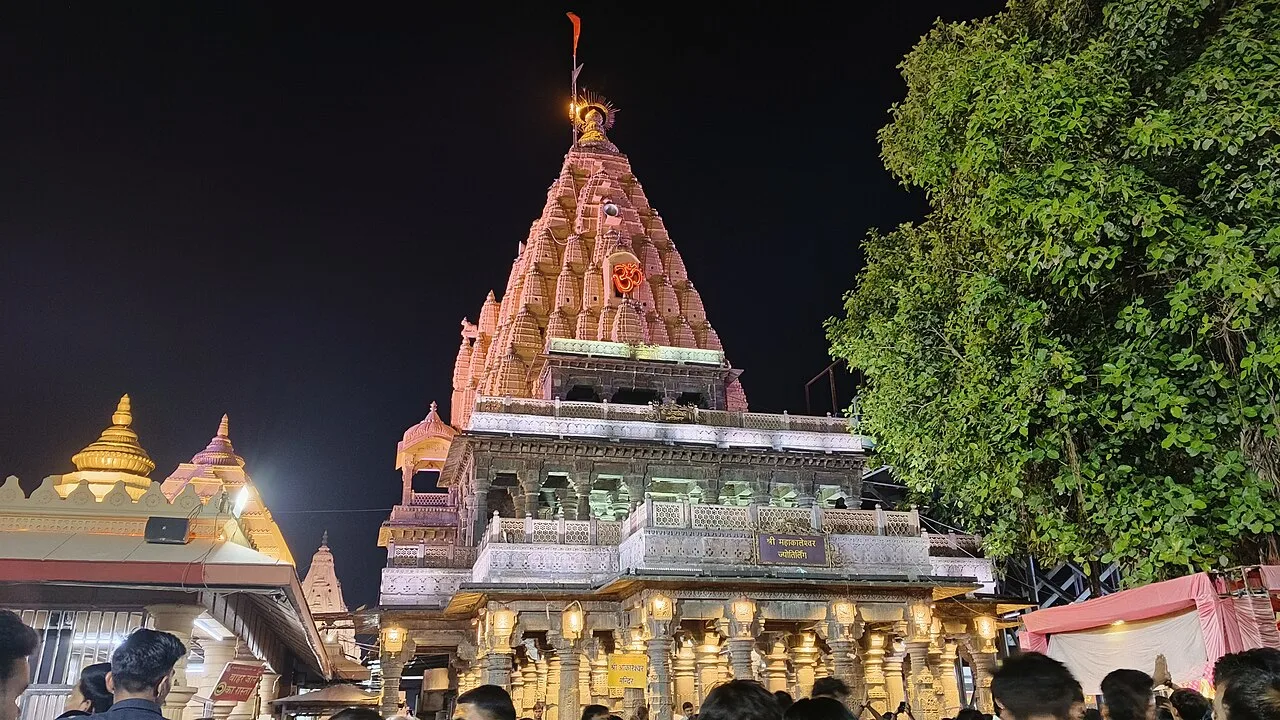
Mahakaleshwar Jyotirlinga

47 km away · Ujjain district

Mahakaleshwar Jyotirlinga

Mahakaleshwar Jyotirlinga is a Shiva temple in Ujjain, revered as one of twelve especially sacred Jyotirlinga shrines. Visitors come to worship its lingam, which is believed to be Swayambhu.

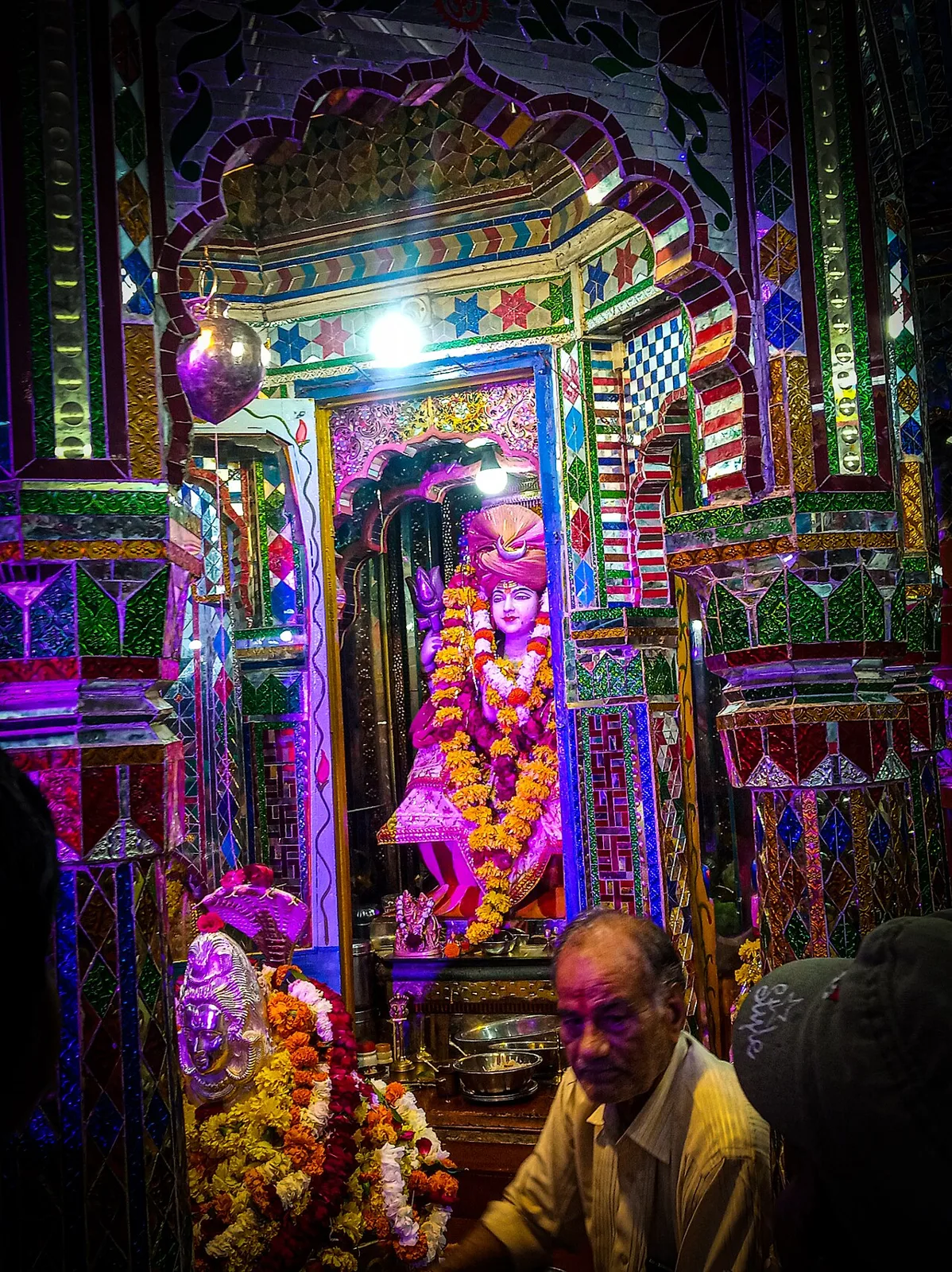
Kanch Mandir

92 km away · Indore district

Kanch Mandir

Kanch Mandir is a well-known Jain temple in Indore, built by Sir Seth Hukumchand Jain. Visitors come to see the place of worship whose name means Temple of Glass.

Rajwada

94 km away · Indore district

Rajwada

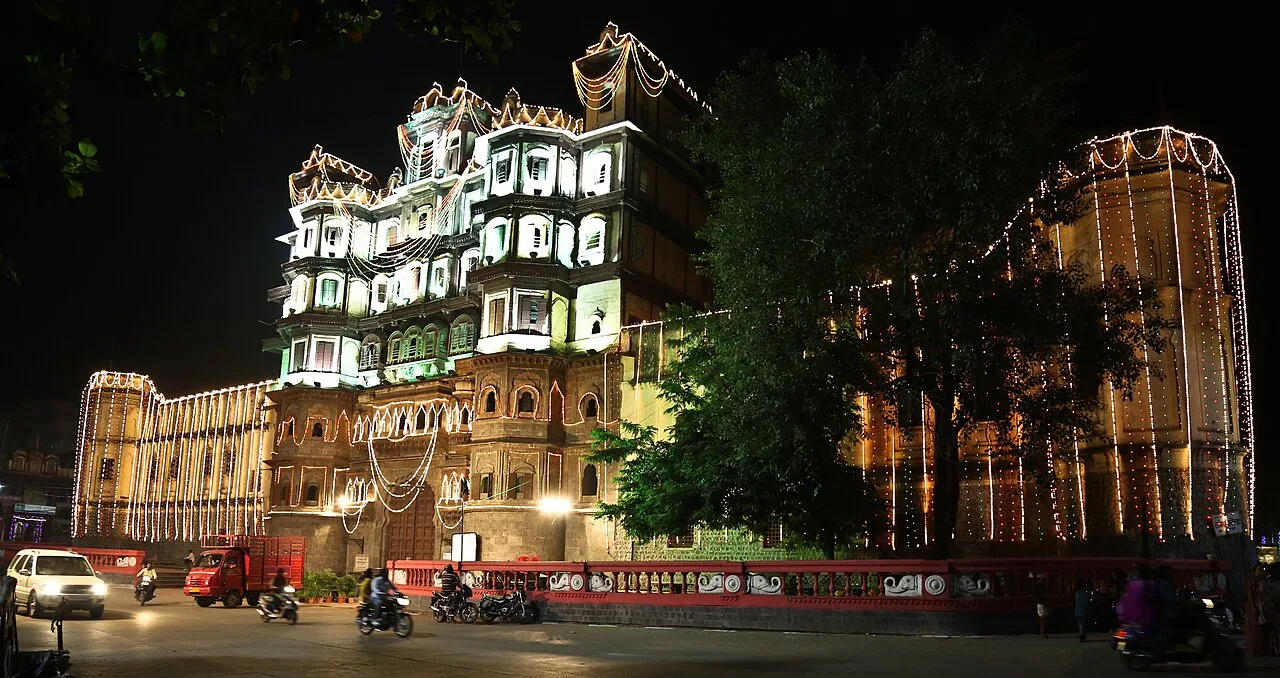
Rajwada is a historic, seven-storey Holkar residence in Indore. Visitors come for its period architecture, dynastic history and the garden with fountains and a waterfall.

Sarafa Bazaar

94 km away · Indore district

Sarafa Bazaar

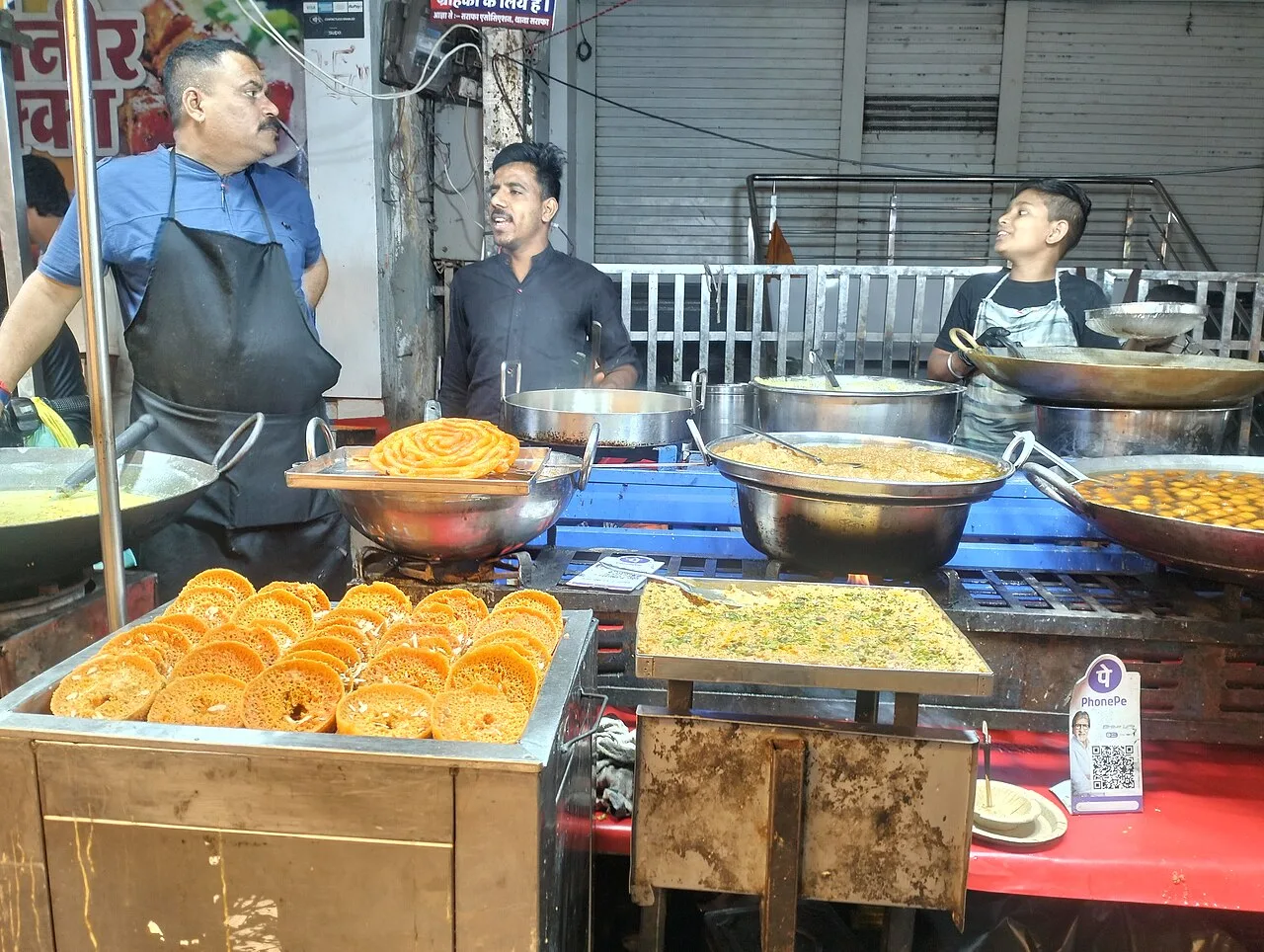
In central Indore, Sarafa Bazaar is a jewellery-trading area by day that becomes a street-food destination at night, drawing visitors for its varied cuisine and evening atmosphere.

Bhojshala

97 km away · Dhar district

Bhojshala

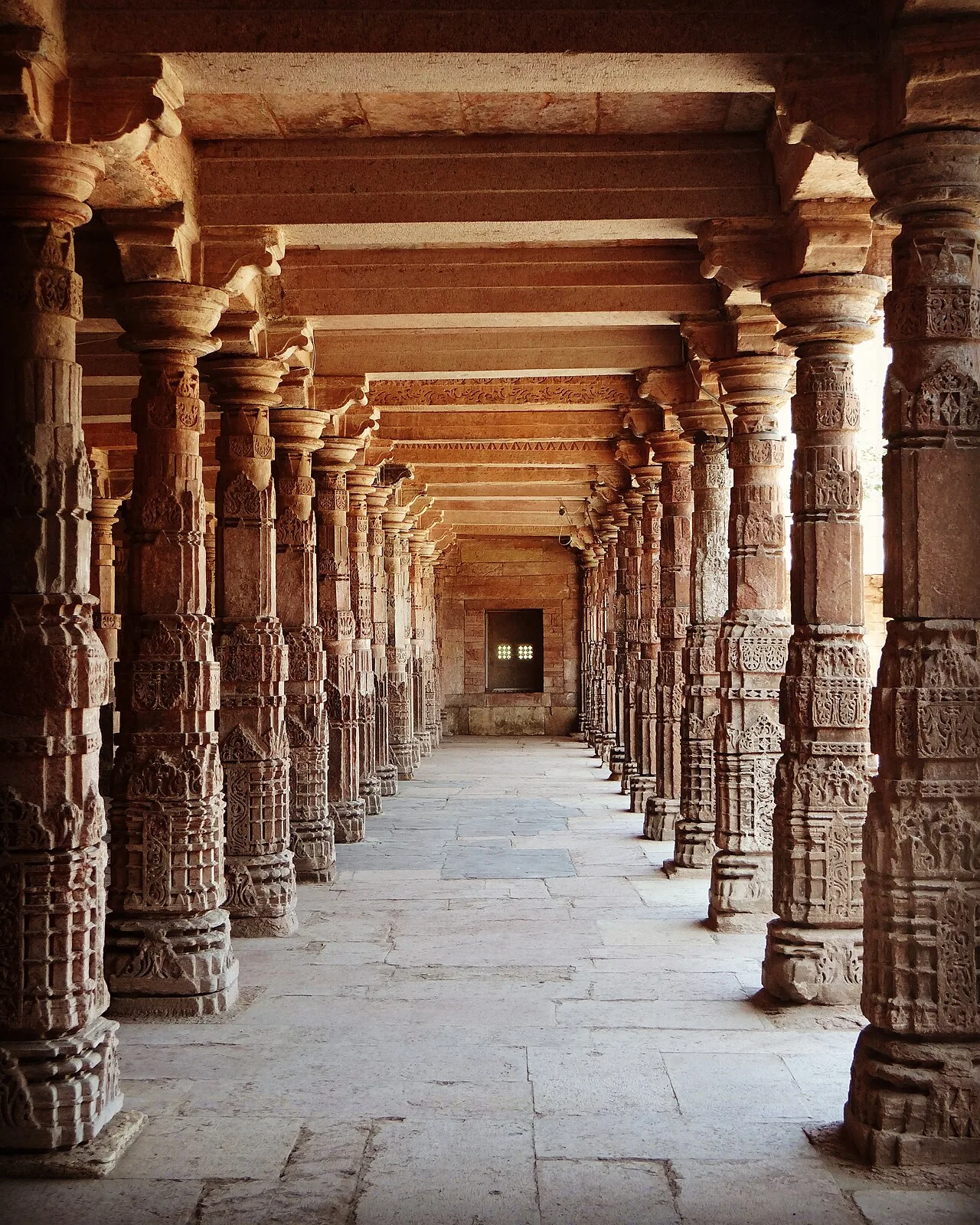
Bhojshala is a historic complex in Dhar, Madhya Pradesh, associated with Sanskrit learning under the Paramāras. Visitors come to see its architecture, inscriptions and archaeological remains, as well as its layered religious history.

Ralamandal Wildlife Sanctuary

103 km away · Indore district

Ralamandal Wildlife Sanctuary

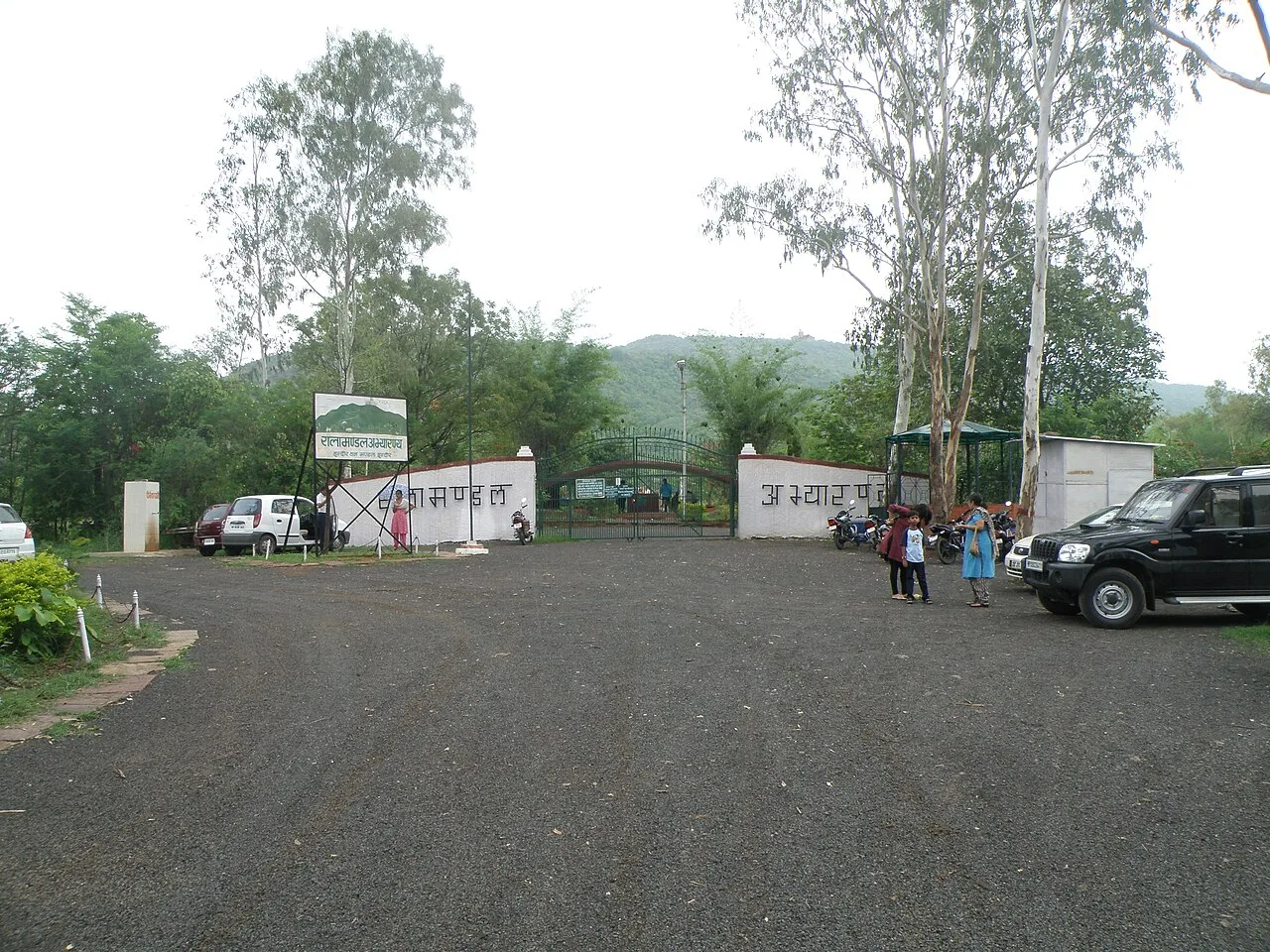
Established in 1989, Ralamandal Wildlife Sanctuary is a five-square-kilometre protected area in Indore district, Madhya Pradesh. Visitors come to see its birds, other wildlife and old hunting lodge.

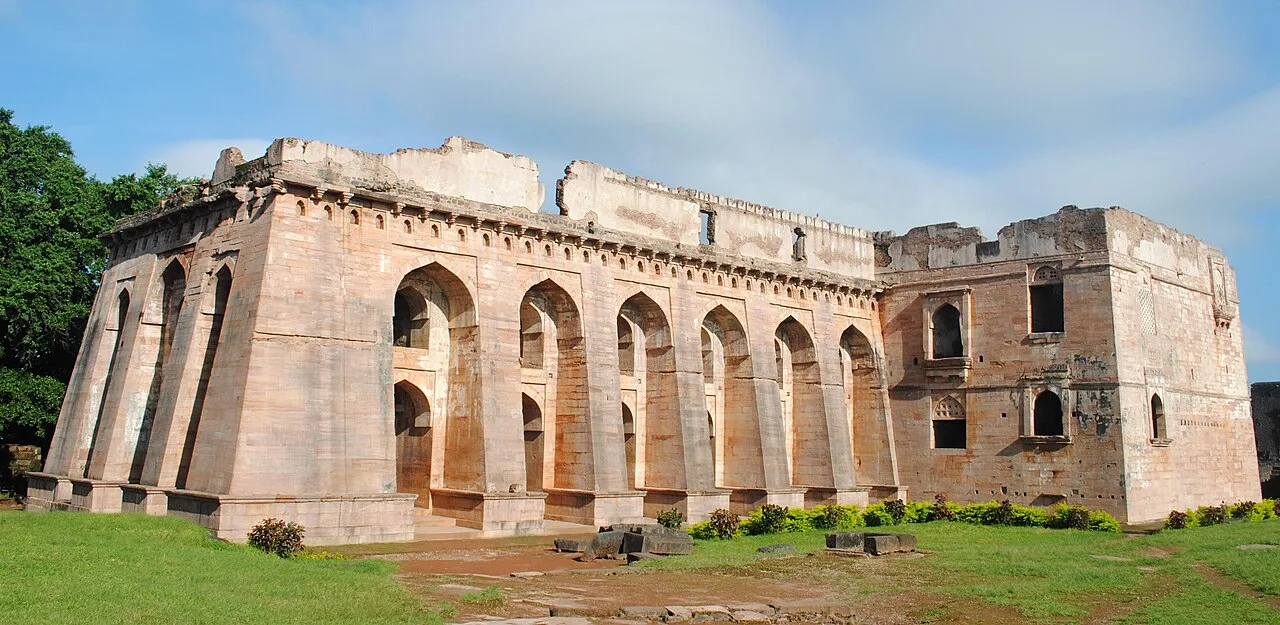
Hindola Mahal, Mandu

123 km away · Dhar district

Hindola Mahal, Mandu

Hindola Mahal is a large assembly hall in Mandu, Madhya Pradesh. Visitors go to see it as a historic structure within the remains of the old city.

Map

Nagda on the map

  1. 1Kal Bhairav Temple
  2. 2Mahakaleshwar Jyotirlinga
  3. 3Kanch Mandir
  4. 4Rajwada
  5. 5Sarafa Bazaar
  6. 6Bhojshala
  7. 7Ralamandal Wildlife Sanctuary
  8. 8Hindola Mahal, Mandu

Madhya Pradesh

Other cities to explore