Ghumoopedia — Explore, Discover, Experience
Sign in
Bandhavgarh Fort, near Pali

City guide · Madhya Pradesh

Pali

Pali, also known as Birasinghpur Pali, is a town and municipality in Umaria district in eastern Madhya Pradesh. Its local importance comes from its role as a service centre for surrounding communities and from two prominent landmarks: Maa Birasini Temple and the Birasinghpur thermal power station.

Famous for

  • Maa Birasini Temple
  • Birasinghpur thermal power station
  • Umaria district setting
  • Bagheli regional culture
Plan a tripHotels near Pali

Why Pali matters

Pali, also known as Birasinghpur Pali, is a town and municipality in Umaria district in eastern Madhya Pradesh. Its local importance comes from its role as a service centre for surrounding communities and from two prominent landmarks: Maa Birasini Temple and the Birasinghpur thermal power station. The town offers a glimpse of everyday life in a district shaped by forest, rail connections and energy production.

Visitors may come to the temple, or include Pali in a wider journey through Umaria district, known for its natural and cultural attractions. Pali itself is a modest town rather than a major tourism centre, so its appeal is local and regional: worship, markets and the rhythms of a working township. Its position in central India, at about 450 metres above sea level, also makes it a practical point of reference when travelling around this part of Madhya Pradesh. Those seeking specialist shopping or a large collection of monuments will find more limited options here.
Famous for: crafts, trade & products

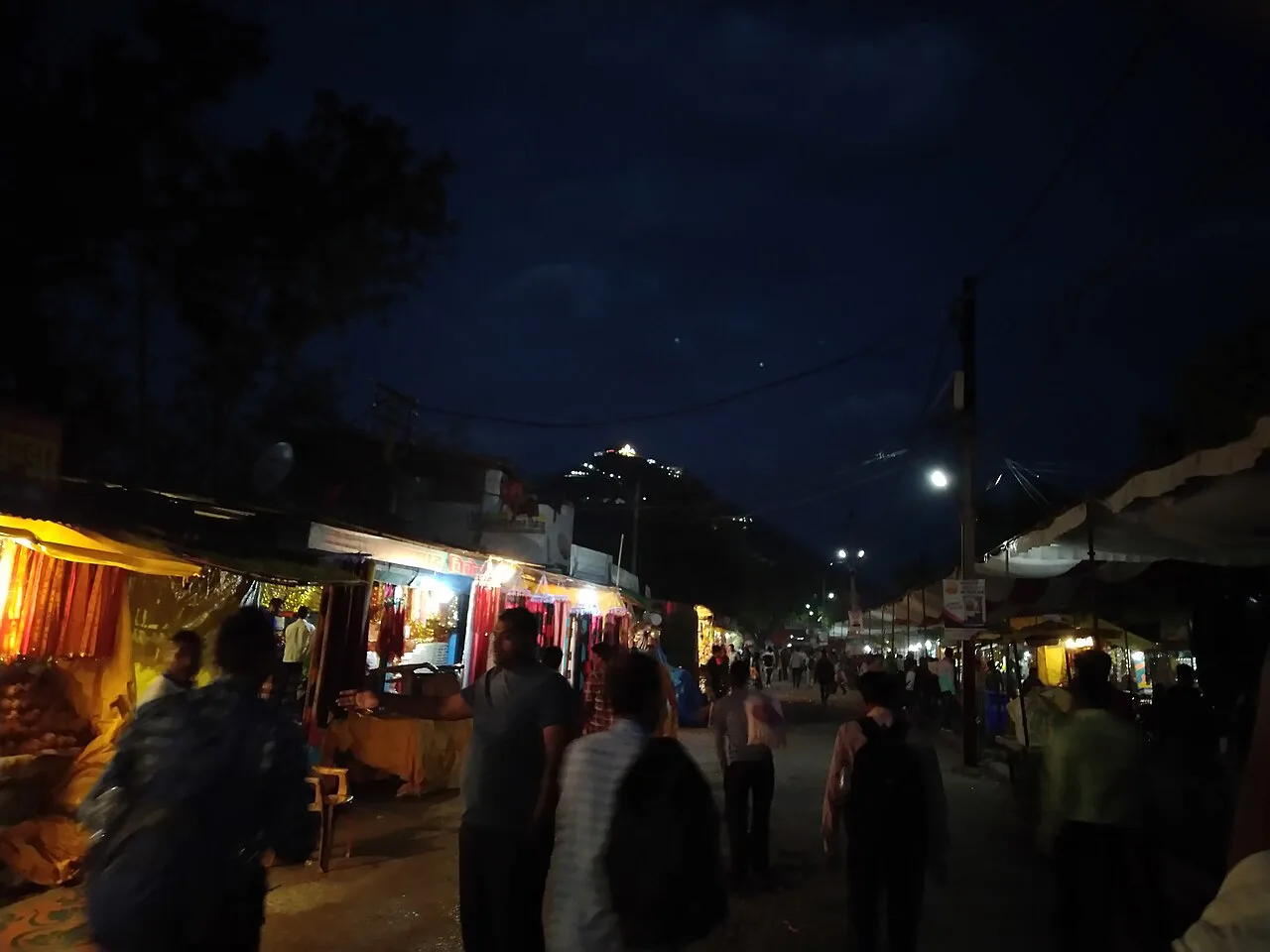
Pali is best known locally for Maa Birasini Temple and the Birasinghpur thermal power station. The station is an important industrial presence in the area, but it is not a visitor attraction; access to operational facilities is subject to site rules. The town's shops and market serve residents and nearby villages, with everyday groceries, clothing and household goods rather than a widely recognised specialist shopping district.

There is no well-established, documented Pali signature textile, handicraft or GI-tagged product to seek out. Nor is the town known as a major centre for saree production or craft trading. Visitors looking for locally made goods can browse general shops and ask vendors about products from nearby communities, while keeping in mind that availability varies. For a distinctive local experience, the temple and its devotional setting are more closely associated with Pali than any particular manufactured product. Larger retail choices and specialised shopping are more likely to be found in bigger regional centres.

History

Pali's history is closely tied to the wider Umaria region, whose communities, forests and transport links shaped the growth of local towns. The area experienced changing political administrations over time, but a well-supported account tying Pali's founding to a particular ruler is not readily established. It is therefore more accurate to understand the town through its regional setting and later development than to assign it a precise royal origin.

During the colonial period, railway connections across the broader region helped link settlements and resource areas with larger markets. In modern times, Pali's civic role grew alongside its market services and the development of the Birasinghpur thermal power station, a major industrial landmark. Administrative changes that established Umaria as a district further defined Pali's place within the region. Today, the town combines local government and commercial functions with a strong religious focus around Maa Birasini Temple.

Food, festivals & culture

Pali shares the food traditions of eastern Madhya Pradesh and the Bagheli-speaking region. Everyday meals commonly draw on wheat, lentils, seasonal vegetables and rice; poha and jalebi are familiar breakfast or snack choices in the wider state, while dal-bafla is a regional speciality visitors may encounter. There is no single dish or sweet firmly identified as Pali's own signature. Local eateries and shops are the simplest way to sample everyday fare.

Hindi is widely used, and Bagheli is part of local speech and cultural life. Navratri, usually observed in spring and autumn, has particular devotional significance at temples; Diwali in autumn and Holi in late winter or early spring are also widely celebrated. Religious observances, bhajans and folk songs are more visible cultural expressions than formal performance venues. Maa Birasini Temple is the town's principal place of worship and a focal point for visitors and residents. As in other towns in the region, celebrations and local customs can vary between neighbourhoods and communities.

Visiting the city

The cooler months, roughly October to March, are generally the most comfortable time to visit; summer can be hot, while the monsoon brings rain. Jabalpur Airport is a practical nearby air connection, though onward travel to Pali requires a road journey. Pali (Umaria) railway station serves the town, and Umaria railway station is another rail option in the district. Check current transport connections before setting out.

Within Pali, local roads and auto-rickshaws are useful for short trips; arrange a car or taxi for travel farther afield. Start with Maa Birasini Temple and the town market to experience its religious and everyday character. The surrounding township and nearby settlements offer a sense of the local landscape, but industrial facilities are not open sightseeing sites. Pali can also be paired with a broader visit to Umaria district, including its nature and heritage attractions.

Trips from the city

Nearest places to visit from Pali

Our closest destination guides, by straight-line distance.

Bandhavgarh Fort

35 km away · Bandhavgarh district

Bandhavgarh Fort

Bandhavgarh Fort is a historic stronghold in Umaria district, Madhya Pradesh, within Bandhavgarh National Park, drawing interest for its landscape and long political history.

Bandhavgarh National Park

38 km away · Bandhavgarh district

Bandhavgarh National Park

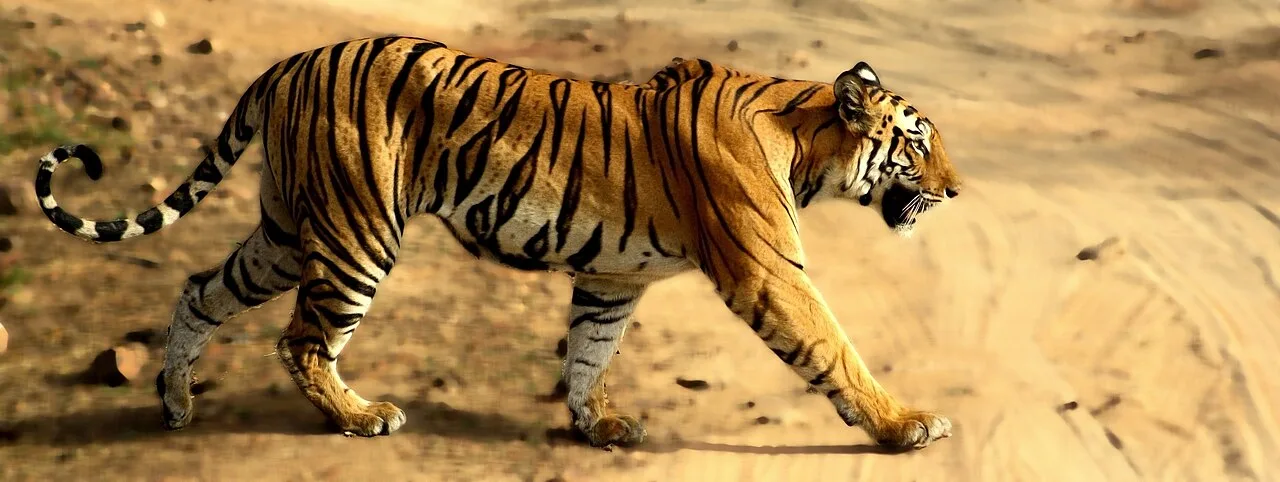
Bandhavgarh National Park, in Umaria district, Madhya Pradesh, is a protected area with extensive forests and diverse wildlife. Visitors are drawn especially by its tigers and other animals.

Sanjay National Park

101 km away · Sidhi district

Sanjay National Park

In Sidhi district, Madhya Pradesh, Sanjay National Park forms part of the Sanjay-Dubri Tiger Reserve. Visitors can explore this protected area and its national-park landscape.

Maihar Sharda Temple

104 km away · Satna district

Maihar Sharda Temple

Maihar Sharda Temple is a religious shrine in Madhya Pradesh, associated with Maa Sharda and counted among the Shakti Peeth. Worshippers visit for its religious significance.

Amarkantak

106 km away · Amarkantak district

Amarkantak

Amarkantak is a pilgrimage town and Nagar Panchayat in Anuppur, Madhya Pradesh, known for its river sources and religious associations, including the place linked to Kabir’s meditation.

Govindgarh Palace, Rewa

115 km away · Rewa district

Govindgarh Palace, Rewa

Govindgarh Palace, also called Govindgarh Fort, is a nineteenth-century royal residence in Rewa district. Visitors come to see the palace and its lakeside setting in Govindgarh, Madhya Pradesh.

Madan Mahal

119 km away · Jabalpur district

Madan Mahal

Madan Mahal is a suburb in Jabalpur district, Madhya Pradesh, best known for the historic Durgavati fort. Visitors come to see the hilltop fort associated with Raja Madan Singh.

Bharhut Stupa Remains

122 km away · Satna district

Bharhut Stupa Remains

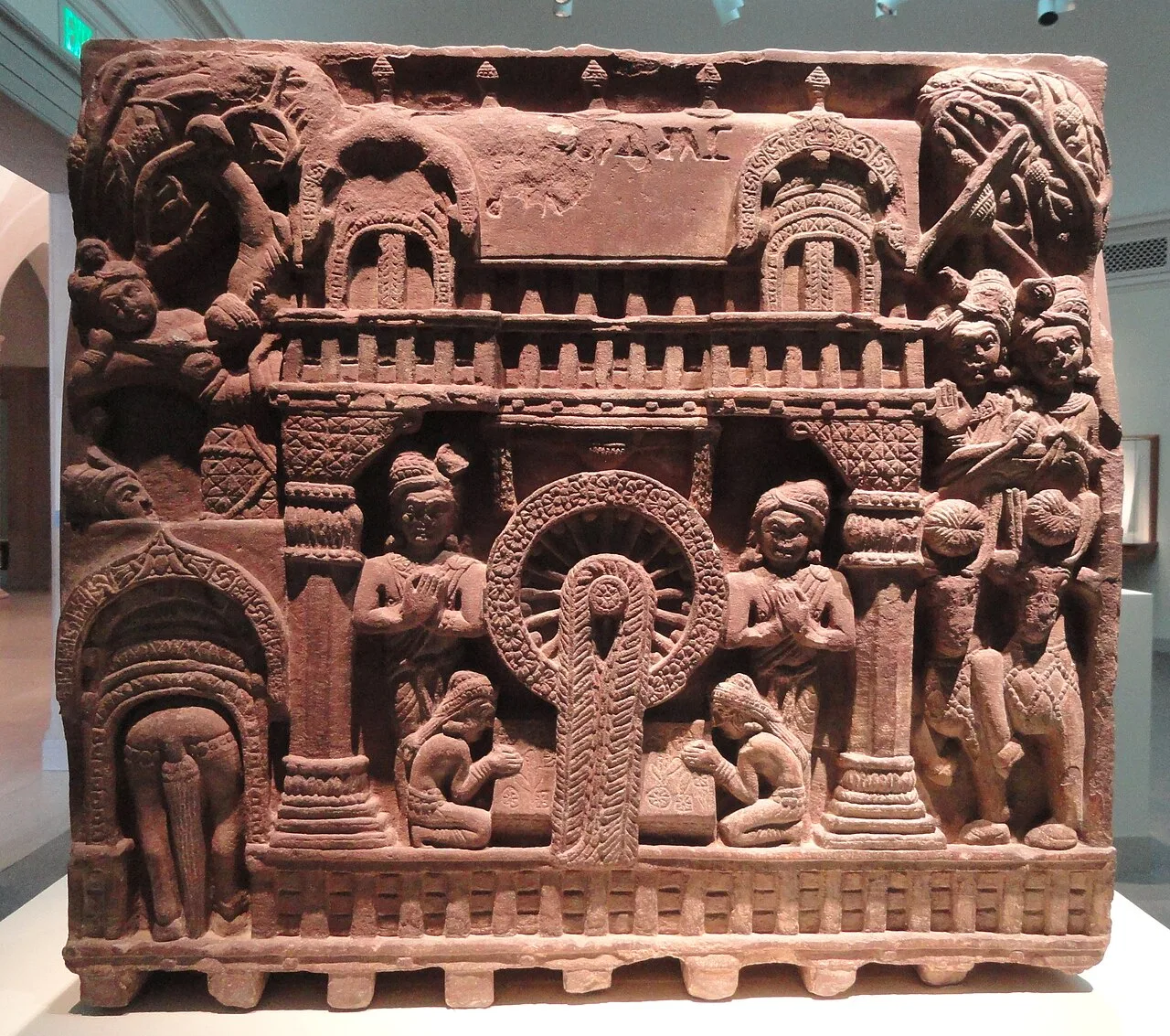
Bharhut Stupa Remains are the surviving traces of a Buddhist stupa in Madhya Pradesh. Visitors come to learn about its early carvings, labelled relief panels and history, though most sculptures are now held elsewhere.

Map

Pali on the map

  1. 1Bandhavgarh Fort
  2. 2Bandhavgarh National Park
  3. 3Sanjay National Park
  4. 4Maihar Sharda Temple
  5. 5Amarkantak
  6. 6Govindgarh Palace, Rewa
  7. 7Madan Mahal
  8. 8Bharhut Stupa Remains

Madhya Pradesh

Other cities to explore