Ghumoopedia — Explore, Discover, Experience
Sign in
Patalkot, near Multai

City guide · Madhya Pradesh

Multai

Multai is a small town in Betul district, southern Madhya Pradesh, whose importance comes chiefly from its sacred landscape and position among the Satpura foothills. It is associated with the source of the Tapti River, a major river flowing west across central and western India.

Famous for

  • Tapti River's source
  • Tapti Mata temple
  • Wardha River headwaters
  • Satpura foothill setting

Why Multai matters

Multai is a small town in Betul district, southern Madhya Pradesh, whose importance comes chiefly from its sacred landscape and position among the Satpura foothills. It is associated with the source of the Tapti River, a major river flowing west across central and western India. The Wardha, which later joins the Godavari river system, also rises near the town. These headwaters give Multai significance beyond its role as a local administrative and trading centre.

Visitors are drawn to the Tapti Mata temple and nearby water bodies, where the river’s origin is part of local religious tradition. The town also serves residents of surrounding villages and provides a stopping point for journeys between Betul district, eastern Madhya Pradesh and Maharashtra. Its setting near the southern edge of the district offers a quieter introduction to the region than larger cities: the appeal is devotional and geographical rather than a concentration of major monuments, shopping districts or large-scale visitor facilities.
Famous for: crafts, trade & products

Multai is best known for its association with the Tapti River’s source and its place of worship, rather than for a widely recognised textile, handicraft or industrial specialism. There is no well-established GI-tagged product or nationally known craft identified with the town. The central market serves local residents and nearby villages, with everyday shops and trade in general goods and regional farm produce. Visitors looking for a particular craft or branded local product should not assume that Multai has a dedicated artisan quarter or specialist market.

For a sense of local commerce, explore the bazaar around the town centre and ask shopkeepers about seasonal produce and goods made in nearby communities. The Tapti Mata temple area is the town’s principal visitor focus, but it is a place of worship rather than a shopping attraction. Multai’s main distinction is its river-headwater and pilgrimage identity; those seeking a broader selection of crafts, textiles or manufactured goods may find more options in larger regional centres such as Betul or Nagpur. Buying directly from local sellers is a useful way to support the small-town economy.

History

Multai’s recorded identity is closely linked to the sacred geography of the Tapti River. Local worship around the river’s source has shaped the town’s importance as a pilgrimage destination, although claims about the age of particular shrines or the town’s earliest settlement should be treated cautiously when not supported by clear historical evidence.

The wider Betul region has been influenced by central Indian Gond polities, Maratha power and, later, British administration. Under colonial rule, Betul formed part of the Central Provinces; the region’s towns and transport links developed as administrative and market centres. After independence, Multai continued as a local centre within Betul district in Madhya Pradesh, with municipal administration serving the town and its surrounding settlements. Its present-day character reflects this combination of religious significance, regional commerce and its position near the Maharashtra boundary. The Tapti’s origin remains the most distinctive link between the town’s past and its identity today.

Food, festivals & culture

Religious life in Multai is strongly associated with the Tapti Mata temple and the river’s source. Tapti Jayanti, observed in the Hindu month of Jyeshtha, is an important occasion for worship and local gathering; the season usually falls in May or June. Navratri, Diwali, Holi and other widely celebrated Hindu festivals are also observed. Rituals and devotional visits around the temple and local water bodies are central expressions of the town’s culture.

Hindi is widely used, and Marathi is also heard in this border region. Everyday meals follow familiar central Indian patterns, with home-cooked grains, lentils, vegetables and seasonal foods; Multai is not especially known for a signature sweet or restaurant dish. Devotional singing and local folk performance may accompany religious occasions, though the town is not widely identified with a single distinctive dance or music tradition. Visitors should dress respectfully at places of worship and follow local guidance around ritual bathing and temple customs.

Visiting the city

October to March is generally the most comfortable period to visit, with cooler weather for exploring the temple and town. Summers can be hot, while the monsoon brings rain and greener surroundings but may affect road travel. Nagpur’s Dr. Babasaheb Ambedkar International Airport is the nearest major airport. Multai Railway Station serves the town; check current connections before planning a rail journey.

Auto-rickshaws and locally arranged taxis are practical for short trips, while buses and road transport connect Multai with nearby towns. Begin in the town centre, visiting the Tapti Mata temple and the nearby river-source area, then walk through the central bazaar for a look at everyday local life. The surrounding countryside offers a quieter outing, but arrange transport in advance for places beyond town and check local conditions during the rainy season.

Trips from the city

Nearest places to visit from Multai

Our closest destination guides, by straight-line distance.

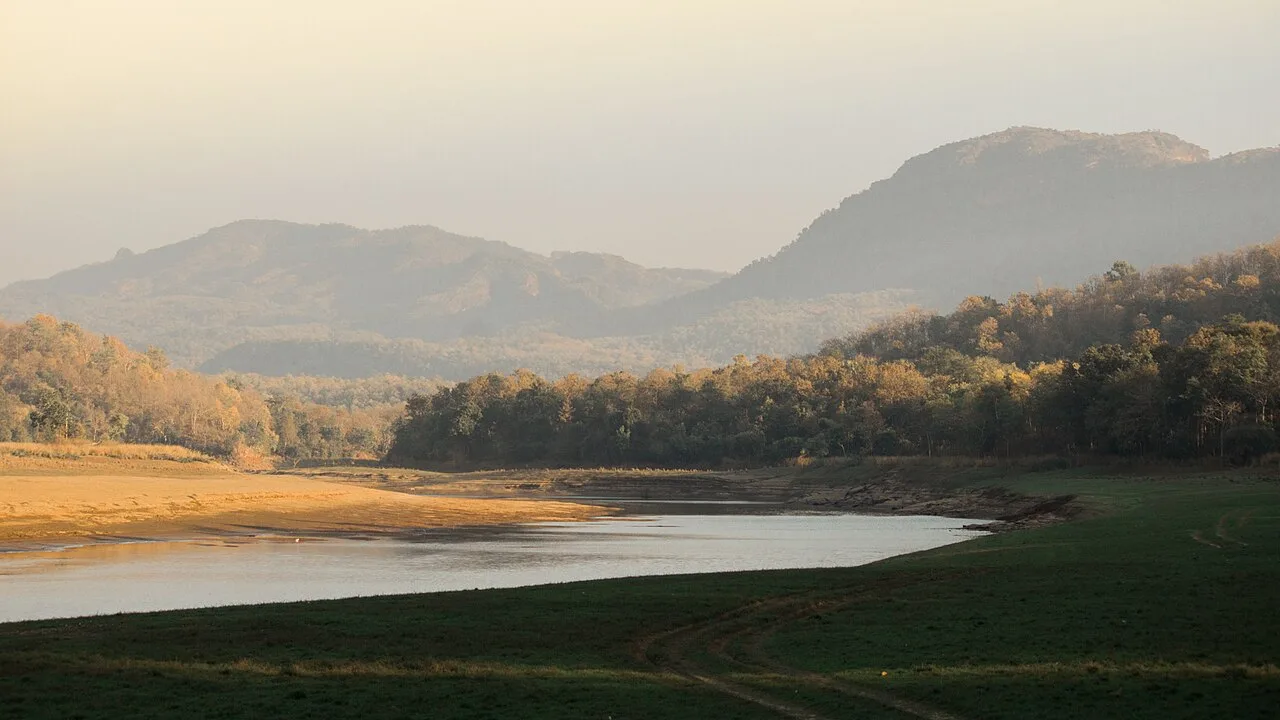
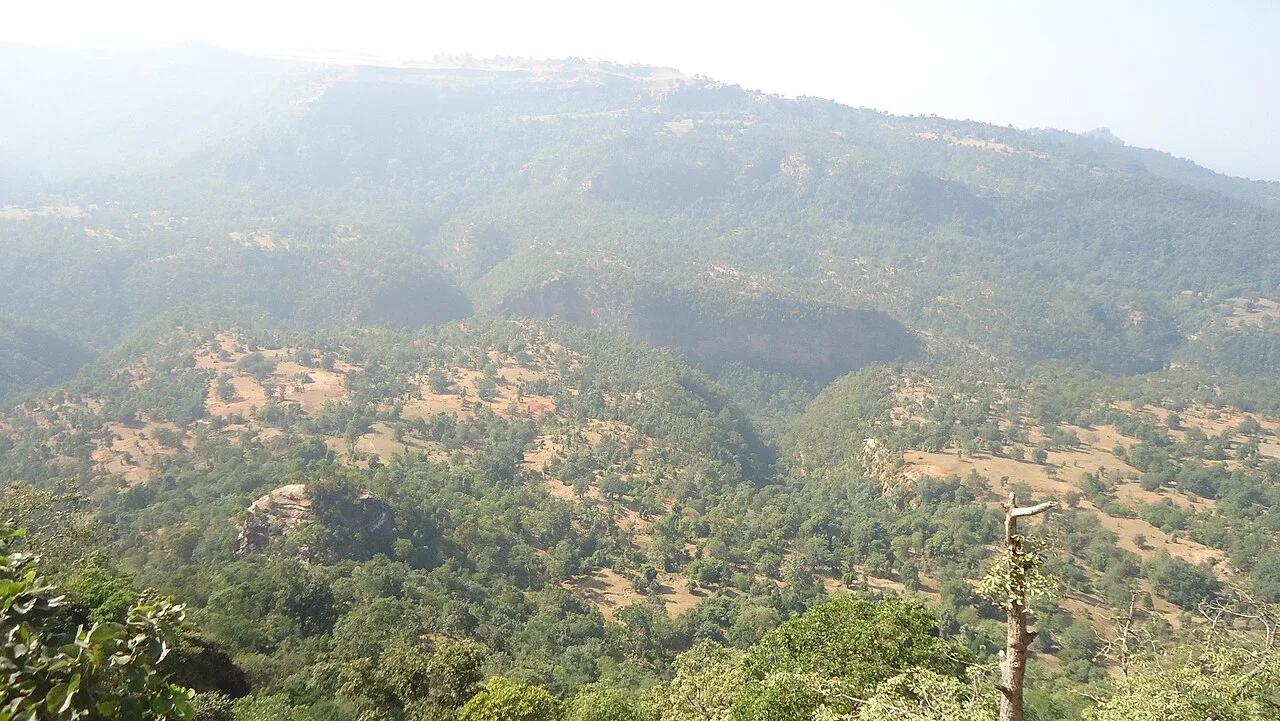
Patalkot

57 km away · Chhindwara district

Patalkot

Patalkot is a valley within Tamia tehsil, Chhindwara district, Madhya Pradesh, about 78 km from the district headquarters. Visitors are drawn by its tribal culture and rich herbal resources.

Dhupgarh Peak

76 km away · Hoshangabad district

Dhupgarh Peak

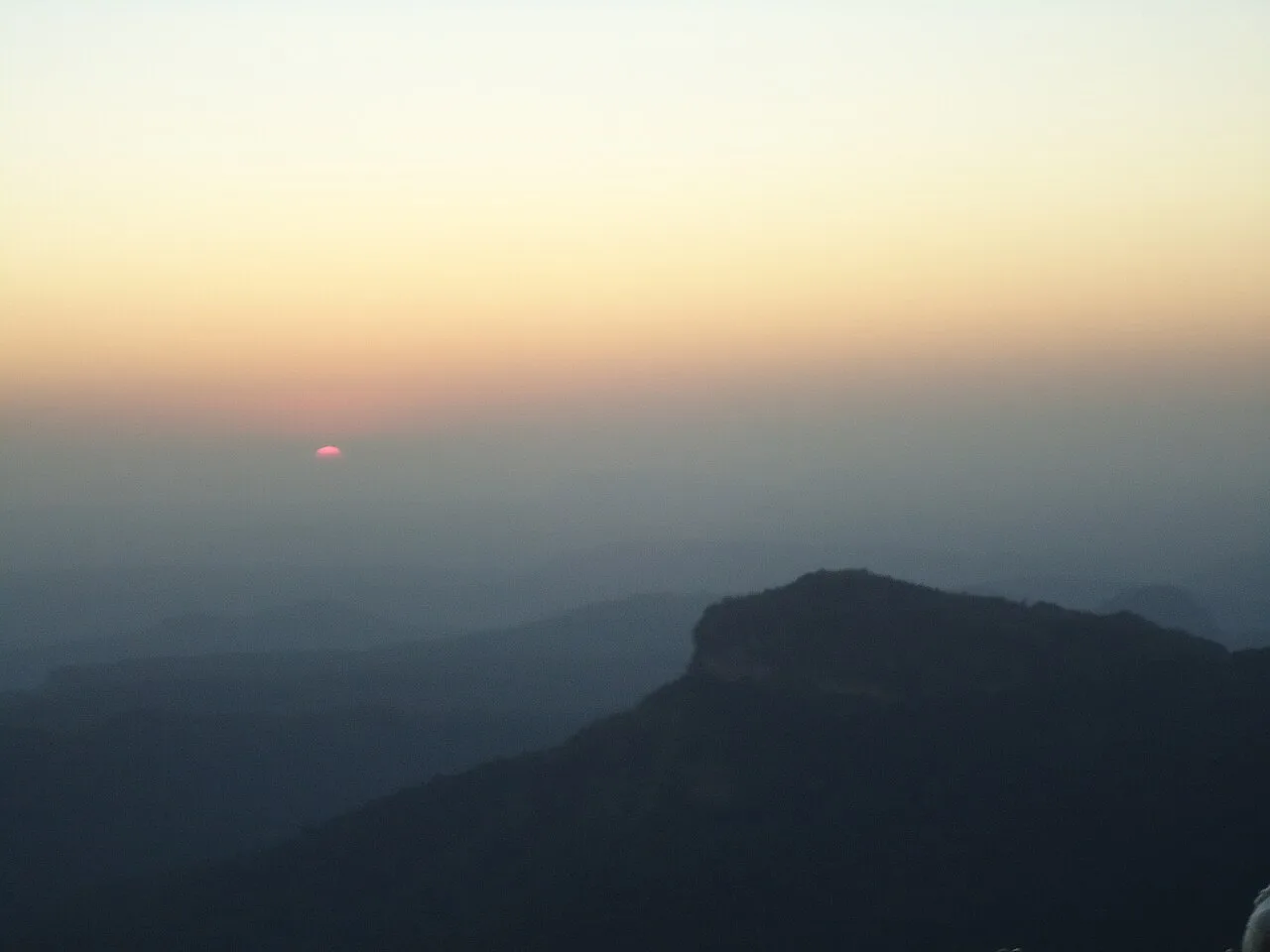
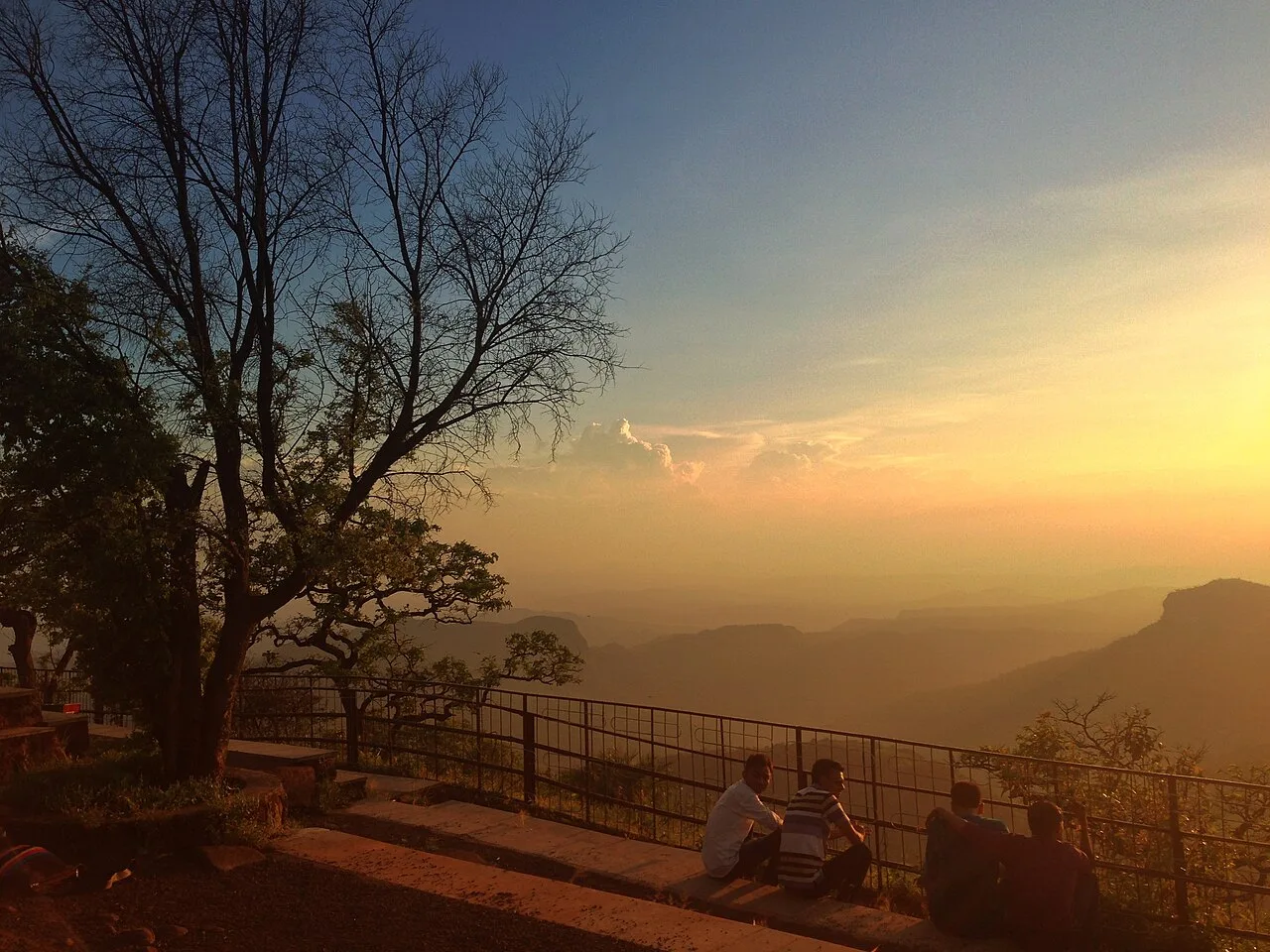
Dhupgarh, also known as Dhoopgarh, is a summit in Madhya Pradesh’s Satpura Range. Visitors go to the peak in Pachmarhi to watch the sun set.

Pachmarhi Hill Station

79 km away · Hoshangabad district

Pachmarhi Hill Station

Pachmarhi is a hill station in Madhya Pradesh’s Satpura range, known as the Queen of Satpura. Visitors come for its elevated setting and its location within protected natural areas.

Satpura Tiger Reserve

80 km away · Hoshangabad district

Satpura Tiger Reserve

In Madhya Pradesh’s Narmadapuram district, Satpura Tiger Reserve takes its name from the Satpura Range. Visitors come to experience its abundant plant life and wildlife.

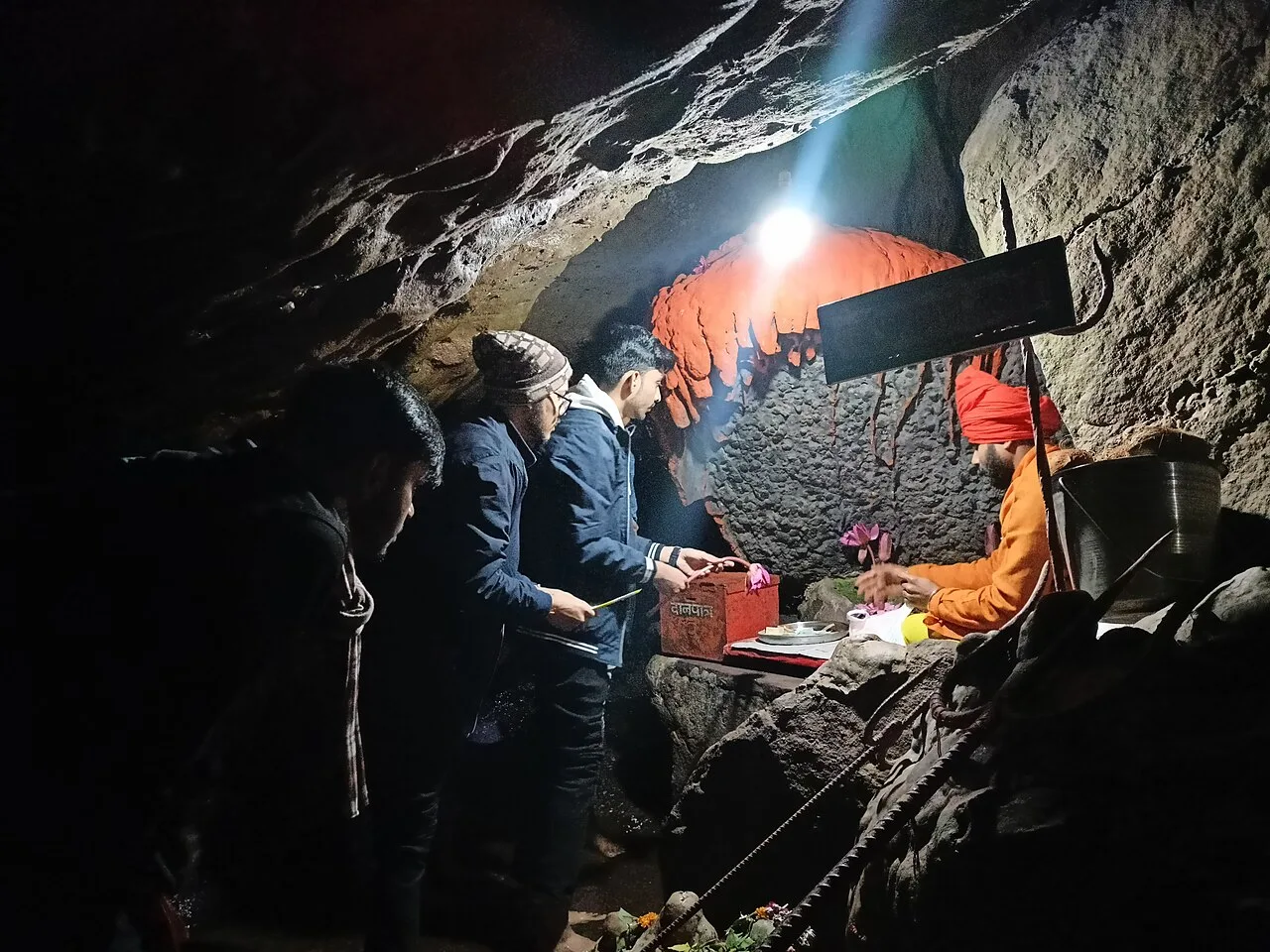
Jatashankar

81 km away · Hoshangabad district

Jatashankar

Jatashankar, also called Jata Shankar, is a cave shrine dedicated to Shiva north of Pachmarhi in Madhya Pradesh, visited by pilgrims to worship its natural lingams.

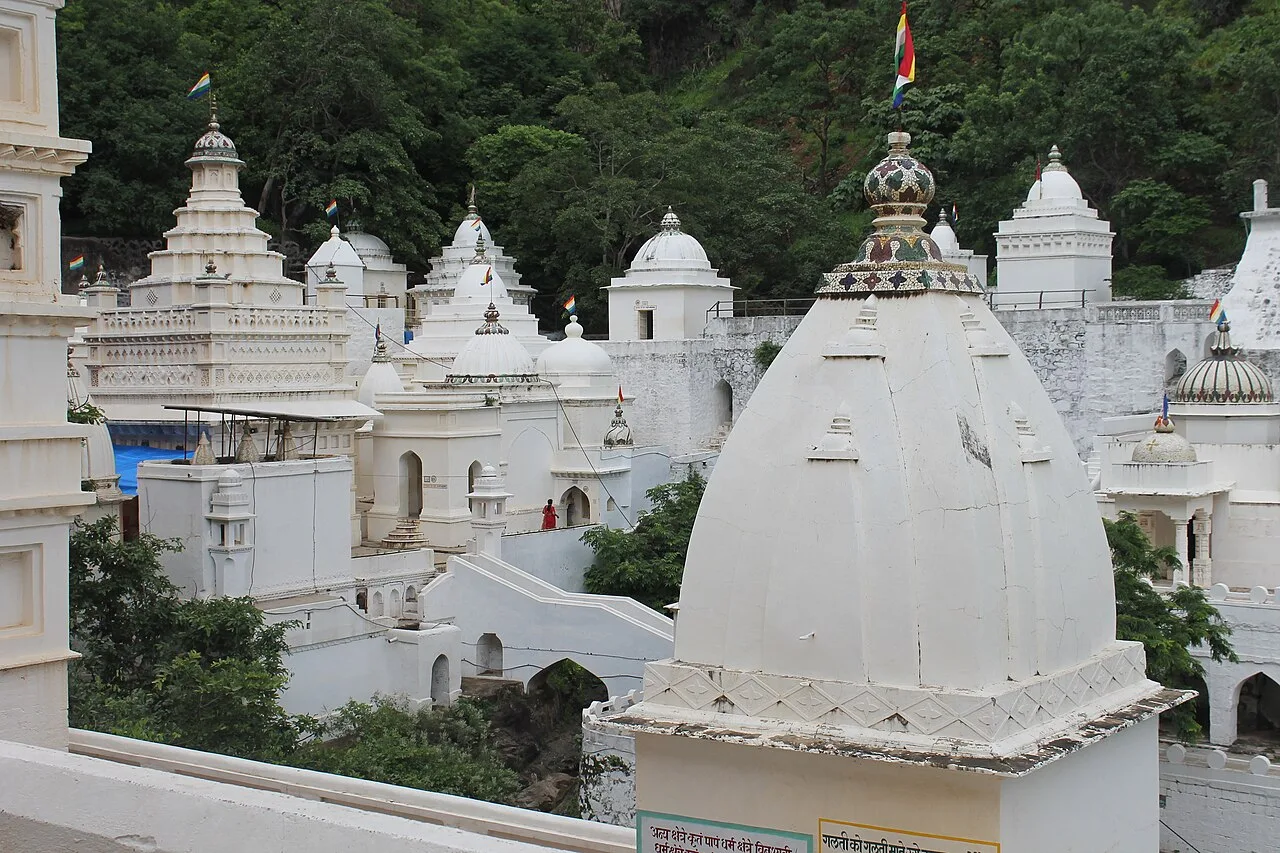
Muktagiri

81 km away · Betul district

Muktagiri

Muktagiri, also known as Mendhagiri, is a Jain pilgrimage centre on the Madhya Pradesh–Maharashtra boundary. People visit for its importance as a Jain pilgrimage destination.

92 km away · Narmadapuram district

Tawa Dam

Tawa Dam is an irrigation structure in Madhya Pradesh that created a reservoir on the Tawa River; visitors are drawn there particularly during the monsoon season.

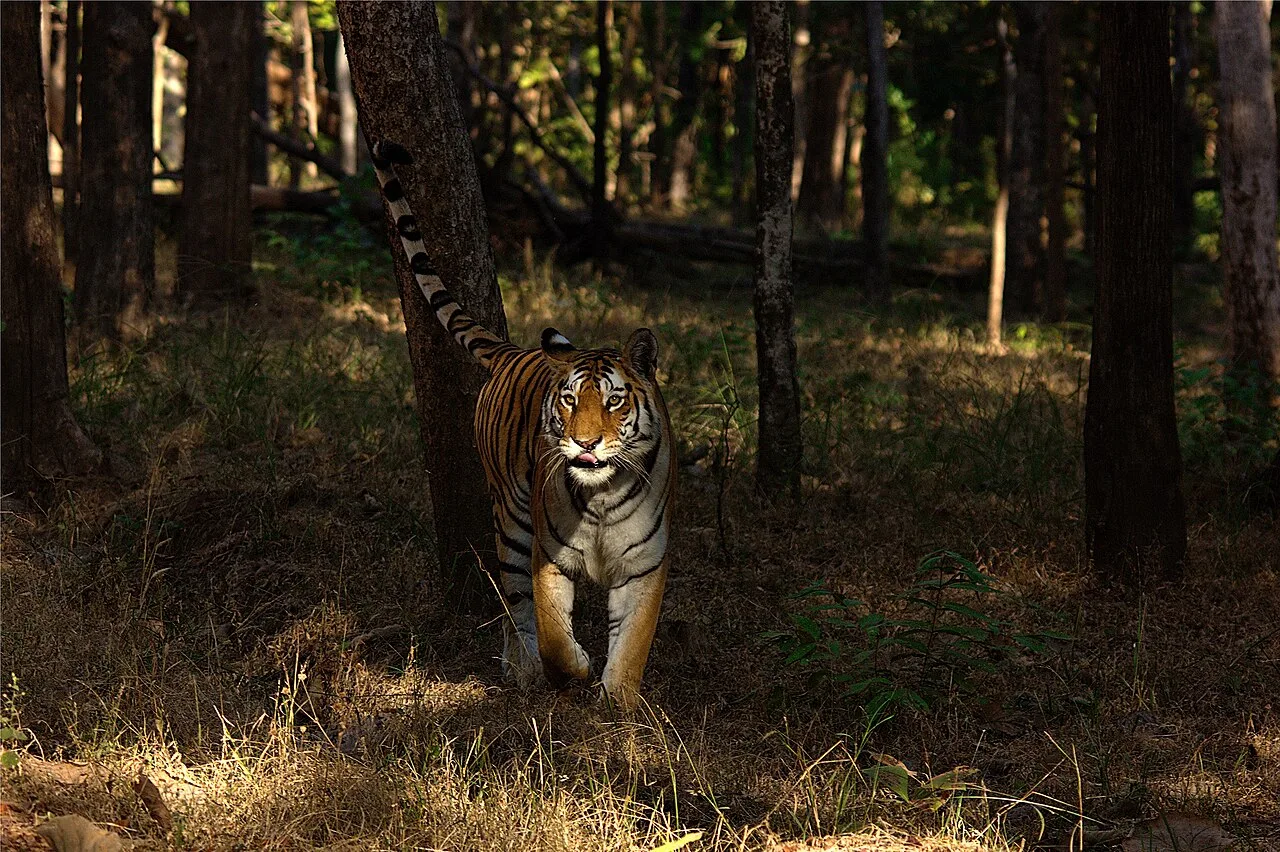
Pench Tiger Reserve

103 km away · Seoni district

Pench Tiger Reserve

Pench Tiger Reserve is a protected tiger landscape shared by Madhya Pradesh and Maharashtra. Visitors come to explore its wildlife habitat and look for tigers.

Map

Multai on the map

  1. 1Patalkot
  2. 2Dhupgarh Peak
  3. 3Pachmarhi Hill Station
  4. 4Satpura Tiger Reserve
  5. 5Jatashankar
  6. 6Muktagiri
  7. 7Tawa Dam
  8. 8Pench Tiger Reserve

Madhya Pradesh

Other cities to explore