
Ghumoopedia — Explore, Discover, Experience
Sign in
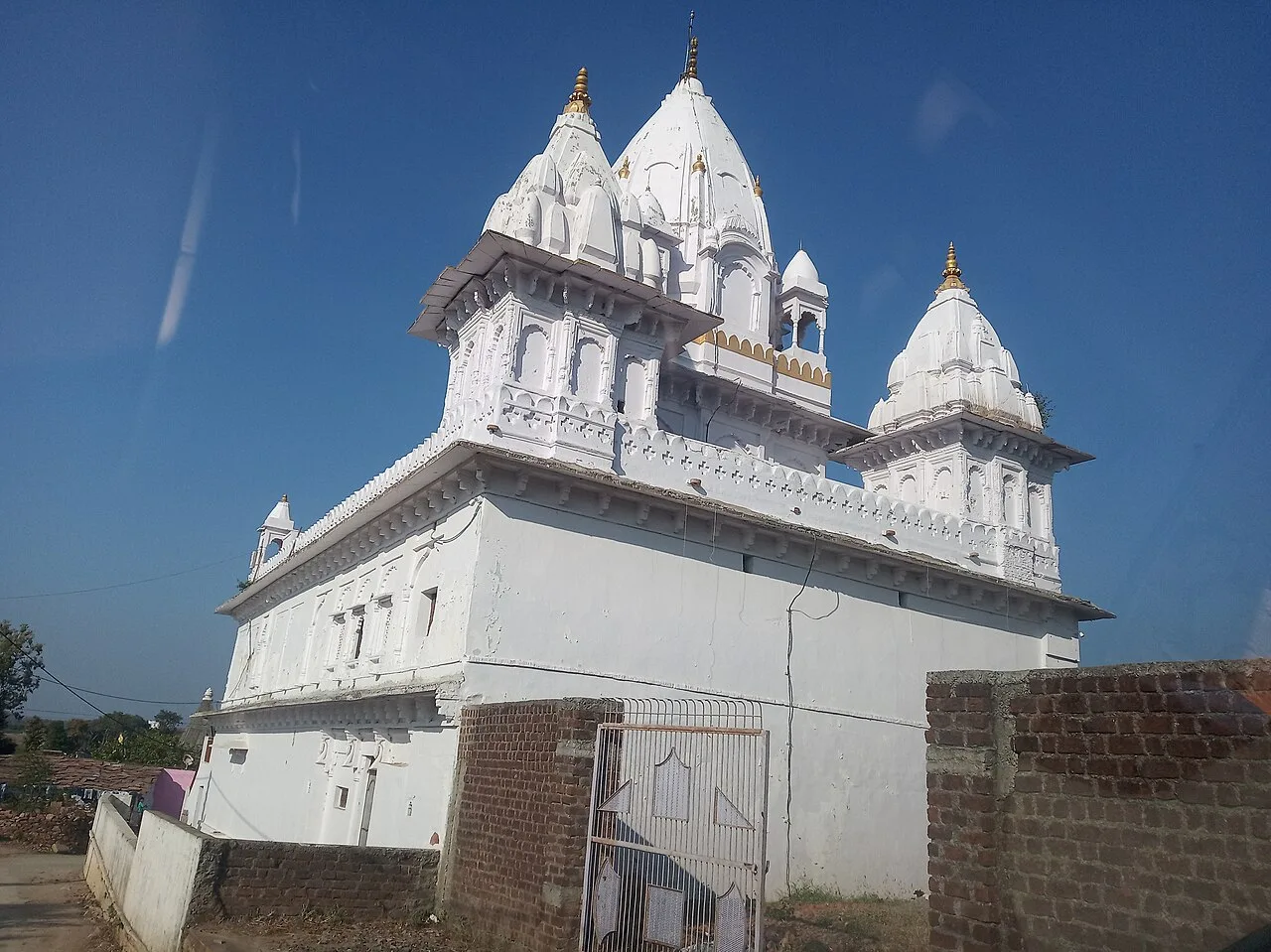
Rahatgarh Fort, near Rahatgarh

City guide · Madhya Pradesh

Rahatgarh

Rahatgarh is a town and nagar panchayat in Sagar district, Madhya Pradesh, and serves as a tehsil headquarters. Its importance today is primarily regional: it provides services for nearby settlements and is a local base for exploring the surrounding hills and historic sites.

Famous for

  • Rahatgarh Fort
  • Rahatgarh Waterfall
  • Paramara inscription
  • Hilltop fortifications
In the city
1
District
Sagar

Why Rahatgarh matters

Rahatgarh is a town and nagar panchayat in Sagar district, Madhya Pradesh, and serves as a tehsil headquarters. Its importance today is primarily regional: it provides services for nearby settlements and is a local base for exploring the surrounding hills and historic sites. The town is best known to visitors for Rahatgarh Fort and the nearby waterfall, which bring together history and natural scenery in a compact destination.

The fort occupies a north-western hilltop and is reached by a winding approach. Its history is associated with Sultan Muhammad Khan in the seventeenth century, while a Sanskrit inscription issued at Rahatgarh in 1256 points to an earlier connection with the Paramara rulers of Dhara. The inscription’s damaged text has led scholars to differ over the ruler’s name. Set at about 461 metres above sea level, Rahatgarh offers a quieter stop for travellers interested in regional history, hill landscapes and the lesser-known heritage of the Sagar area.

Famous for: crafts, trade & products

Rahatgarh is not widely identified with a signature textile, saree, handicraft or GI-tagged product. Its public profile rests more on its fort, waterfall and role as a tehsil centre than on a specialised manufacturing trade. Visitors looking for everyday goods can explore the town’s local bazaar, where shops serve residents with household necessities, clothing and food items; it is a practical market rather than a destination craft quarter.

There is no well-established visitor circuit for artisan workshops or a named local product market. For regional food and small provisions, look around the central bazaar and main streets, keeping in mind that shop selection may be limited compared with Sagar city. Travellers seeking a broader range of textiles, handicrafts or locally made goods can look in Sagar, the district’s larger urban centre. Rahatgarh’s distinctive contribution to the region’s identity is its built and natural heritage: the hilltop fort and waterfall are the town’s strongest draws, rather than a particular product or industry.

History

Rahatgarh’s history reaches back at least to the Paramara period. A Sanskrit prose inscription dated 1256 was issued here in the name of a ruler of Dhara. The stone was found in the nineteenth century, but damage to the text has produced differing readings of the king’s name. The record also suggests that the area may have changed hands between regional powers, though the details remain uncertain.

The town’s most prominent historic structure is Rahatgarh Fort, traditionally associated with Sultan Muhammad Khan and dated to around the seventeenth century. Built on a hill, it is approached by a long, winding route and reflects the strategic value of the surrounding ridges. During the colonial era, Rahatgarh remained part of the wider administrative landscape of central India; the town is not especially known for a major colonial-era building or transformation. In modern Madhya Pradesh, it has continued as a nagar panchayat and tehsil headquarters serving settlements in Sagar district.

Food, festivals & culture

Daily life in Rahatgarh reflects the wider Sagar region of Bundelkhand and central Madhya Pradesh. Hindi is widely used, while Bundeli is also spoken locally. Food is generally rooted in home-style central Indian cooking, with wheat-based breads, lentils, seasonal vegetables and snacks. Poha and jalebi are familiar regional breakfast choices, and dal bafla is a well-known dish across Madhya Pradesh, though menus and availability vary between eateries.

Holi in spring, Navratri in autumn and Diwali are important parts of the Hindu festival calendar; Eid is also observed by Muslim residents. Celebrations typically centre on families, neighbourhood gatherings and worship rather than large visitor events. Local temples and mosques serve as places of worship, but Rahatgarh is better known for its fort and waterfall than for a major pilgrimage shrine. Folk performance and devotional music belong to the broader Bundeli cultural tradition, with particular programmes depending on the season and community occasion.

Visiting the city

The cooler months from October to March are generally the most comfortable for exploring Rahatgarh Fort and the town. The waterfall is most attractive during and just after the monsoon, but wet paths can be slippery, so take care. Allow time for the winding approach to the fort and check local conditions before setting out.

Sagar Railway Station is the main rail access point for the area. Raja Bhoj Airport in Bhopal is the nearest major airport commonly used by visitors; onward travel is by road. Local auto-rickshaws and hired vehicles can help with trips around town, while a private vehicle is useful for reaching the fort and waterfall. Explore the central bazaar for everyday town life, then visit the hilltop fort and waterfall as separate stops. Facilities may be limited compared with Sagar, so plan food and transport ahead.

Attractions

Places to visit in Rahatgarh

Sights within about 12 km of each other, even when they fall in different districts.

Map

Rahatgarh on the map

  1. 1Rahatgarh Fort

Madhya Pradesh

Other cities to explore