Ghumoopedia — Explore, Discover, Experience
Sign in
National Chambal Sanctuary, near Bhind

City guide · Madhya Pradesh

Bhind

Bhind is an administrative and commercial centre in northern Madhya Pradesh, serving the surrounding towns and farming communities as the headquarters of Bhind district. Its importance comes less from large-scale tourism than from this regional role and its position in the Chambal country, close to the Uttar Pradesh border.

Famous for

  • Vankhandeshwar Temple
  • Gauri Sarovar
  • Bhind district headquarters
  • Chambal ravine landscape
  • Wheat and mustard trade
  • Nearby Ater Fort

Why Bhind matters

Bhind is an administrative and commercial centre in northern Madhya Pradesh, serving the surrounding towns and farming communities as the headquarters of Bhind district. Its importance comes less from large-scale tourism than from this regional role and its position in the Chambal country, close to the Uttar Pradesh border. Hindi is widely used in public life, and the city's markets and services draw people from nearby settlements.

Visitors can see Vankhandeshwar Temple and Gauri Sarovar in the city, while the wider district offers historic sites such as Ater Fort and landscapes shaped by the Chambal and its ravines. These make Bhind a useful base for exploring local history and countryside, though distances between attractions mean that planning transport is worthwhile. The city is also a point of interest for travellers seeking a less-visited view of the Chambal region. Bhind lies at about 26.55°N, 78.78°E, at an elevation of roughly 474 metres.
Famous for: crafts, trade & products

Bhind is better known for administration and agricultural trade than for a signature textile or handicraft. The surrounding countryside produces crops including wheat and mustard, along with pulses; local markets serve farmers and residents from nearby villages. The city does not have a widely recognised GI-tagged product or a nationally prominent saree or craft tradition. Visitors looking for everyday clothing, household goods and regional produce can browse the central market areas, where shops cater primarily to local needs rather than to a specialist tourist trade.

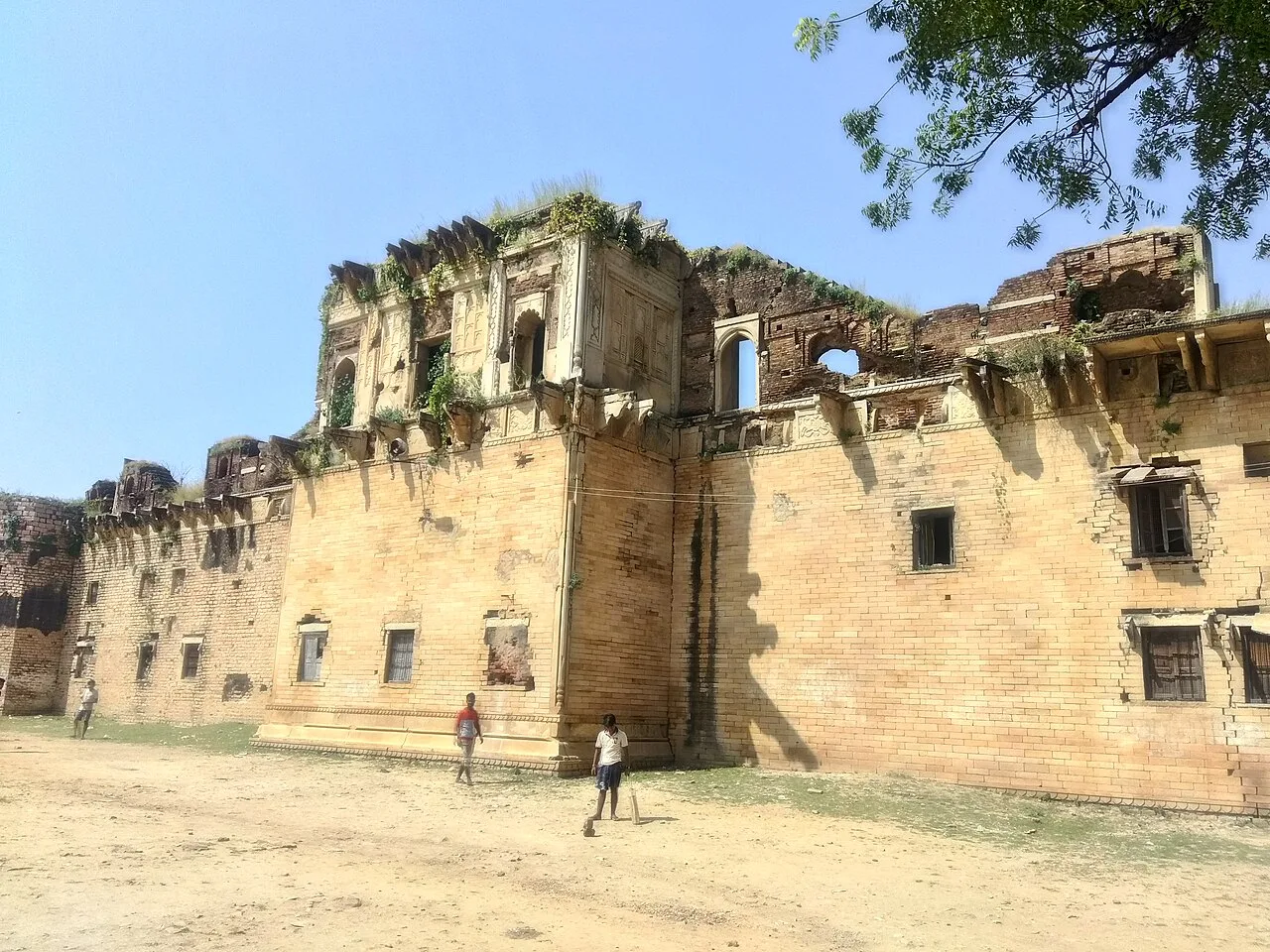
The district's best-known heritage draws are architectural rather than commercial. Vankhandeshwar Temple and Gauri Sarovar are within the city, while Ater Fort lies elsewhere in the district and is associated with the region's Bhadauria rulers. These sites offer a sense of local history, but they are not centres for a major craft bazaar. For a visit focused on shopping, expect practical goods and seasonal agricultural produce; for historic buildings, allow time to travel beyond the city centre.

History

Bhind's past is tied to the wider Chambal region, where local chiefs and ruling houses shaped a landscape of forts and fortified settlements. The district's heritage includes Ater Fort, associated with the Bhadauria rulers, and the fort traditions of Gohad. Control across the region shifted over time among local powers and larger states, including the Marathas and the Scindia rulers of Gwalior, before British paramountcy reshaped the political order. The city's own story is less defined by a single celebrated dynasty than by its role within this changing regional setting.

After Indian independence, Bhind became part of Madhya Bharat and later Madhya Pradesh, formed in its present state in 1956. Its standing as the district headquarters encouraged the growth of government offices, services, transport links and local commerce. Today it remains an important service centre for the surrounding rural area, while forts and religious sites across the district preserve traces of earlier periods.

Food, festivals & culture

Daily life in Bhind reflects its place in the northern Chambal region. Hindi is the main language of public communication; local speech also carries Bundeli and Braj influences. Food is broadly familiar across north-central India: meals often include wheat-based breads, lentils and seasonal vegetables, while poha, kachori, samosa and jalebi are common choices at snack shops. Dal bafla and local sweets can be found in the wider regional food repertoire, though Bhind is not especially known for one signature dish.

Holi in spring, Navratri and Dussehra in autumn, and Diwali after the monsoon are among the major annual celebrations; Eid is also observed by the city's Muslim community. Temple visits and worship around Vankhandeshwar Temple form part of local religious life, while Gauri Sarovar is a familiar landmark. Folk music and devotional singing are heard at community and religious gatherings, alongside popular film music. Customs and celebrations vary across neighbourhoods and families, reflecting the city's mixed urban and rural connections.

Visiting the city

The cooler months, roughly October through March, are generally the most comfortable time to visit. Summers can be very hot, while the monsoon brings rain and greener surroundings. The nearest major airport is Gwalior Airport, also known as Rajmata Vijaya Raje Scindia Air Terminal. Bhind railway station is the main rail station serving the city. From either transport hub, onward travel can be arranged by road; local auto-rickshaws and hired vehicles are useful for getting around, especially for sites outside the centre.

Begin around the central market and Vankhandeshwar Temple, then visit Gauri Sarovar. The district's historic forts, including Ater Fort, require a separate road journey, so allow time for the excursion. Bhind is a working regional city rather than a resort destination; exploring its centre and nearby countryside gives the clearest sense of local life.

Trips from the city

Nearest places to visit from Bhind

Our closest destination guides, by straight-line distance.

National Chambal Sanctuary

27 km away · Morena district

National Chambal Sanctuary

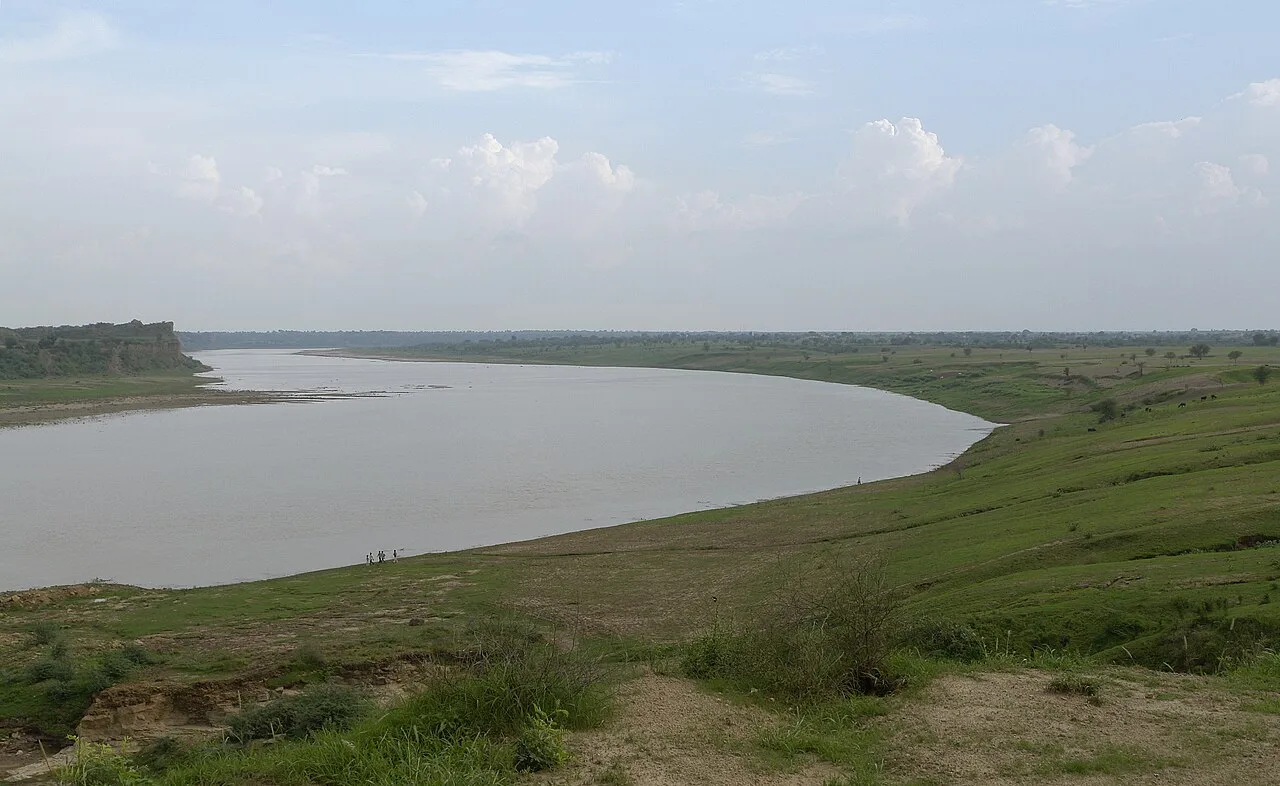
This protected river reserve safeguards rare reptiles and the Ganges river dolphin. Visitors are drawn to its wildlife and the Chambal’s course through rugged ravines and hills.

Gohad Fort

38 km away · Bhind district

Gohad Fort

Gohad Fort is a historic site in Gohad, Madhya Pradesh, and attracts interest for its historical importance; the town is 45 km from Gwalior.

Chausath Yogini Temple

57 km away · Morena district

Chausath Yogini Temple

In Morena district, Madhya Pradesh, the 11th-century Chausath Yogini Temple is a Kachchhapaghata-period shrine. Visitors come to see its circular design and chambers associated with the yoginis.

Bateshwar Hindu temples

61 km away · Morena district

Bateshwar Hindu temples

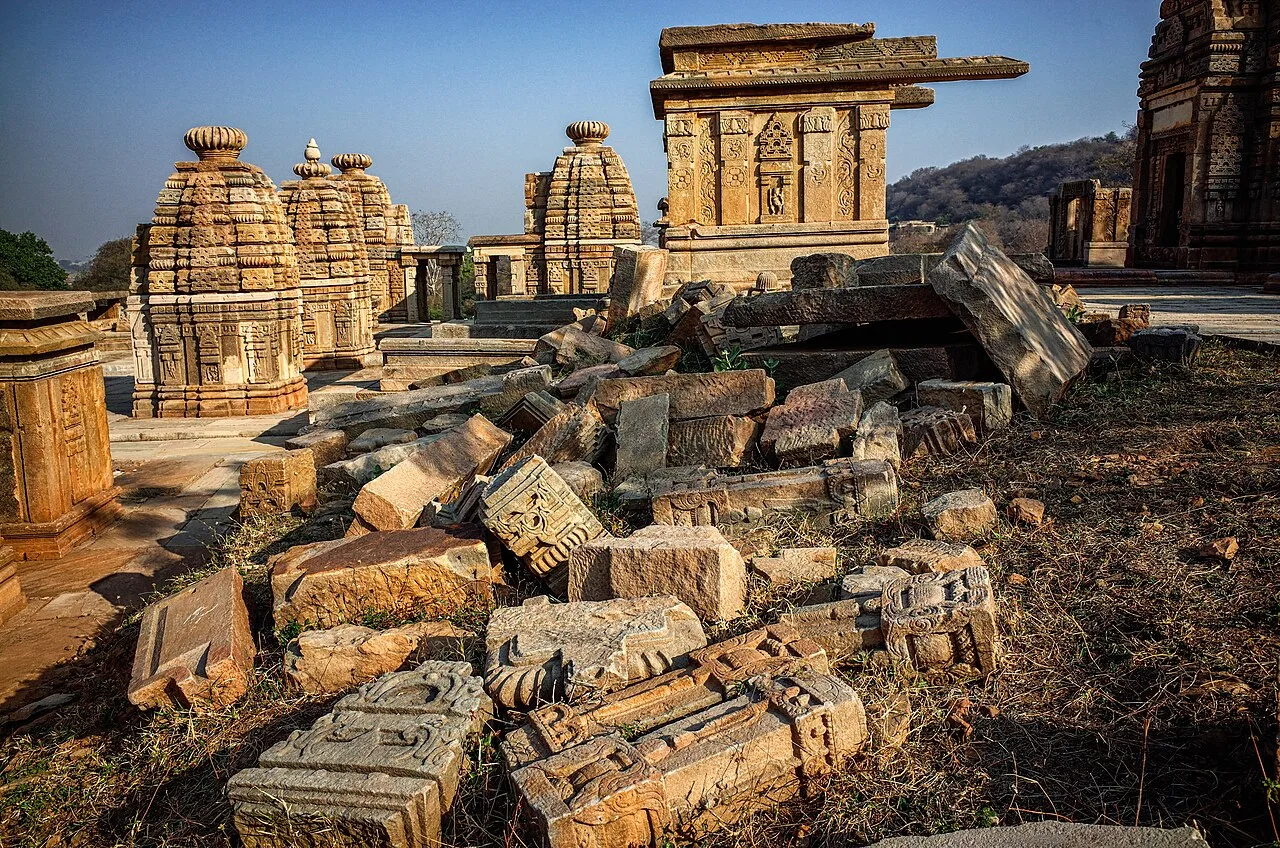
Bateshwar is a cluster of sandstone Hindu shrines and ruins in Madhya Pradesh, visited for its early temple architecture and the remains of a complex dedicated to Shiva, Vishnu and Shakti.

Gwalior Fort

72 km away · Gwalior district

Gwalior Fort

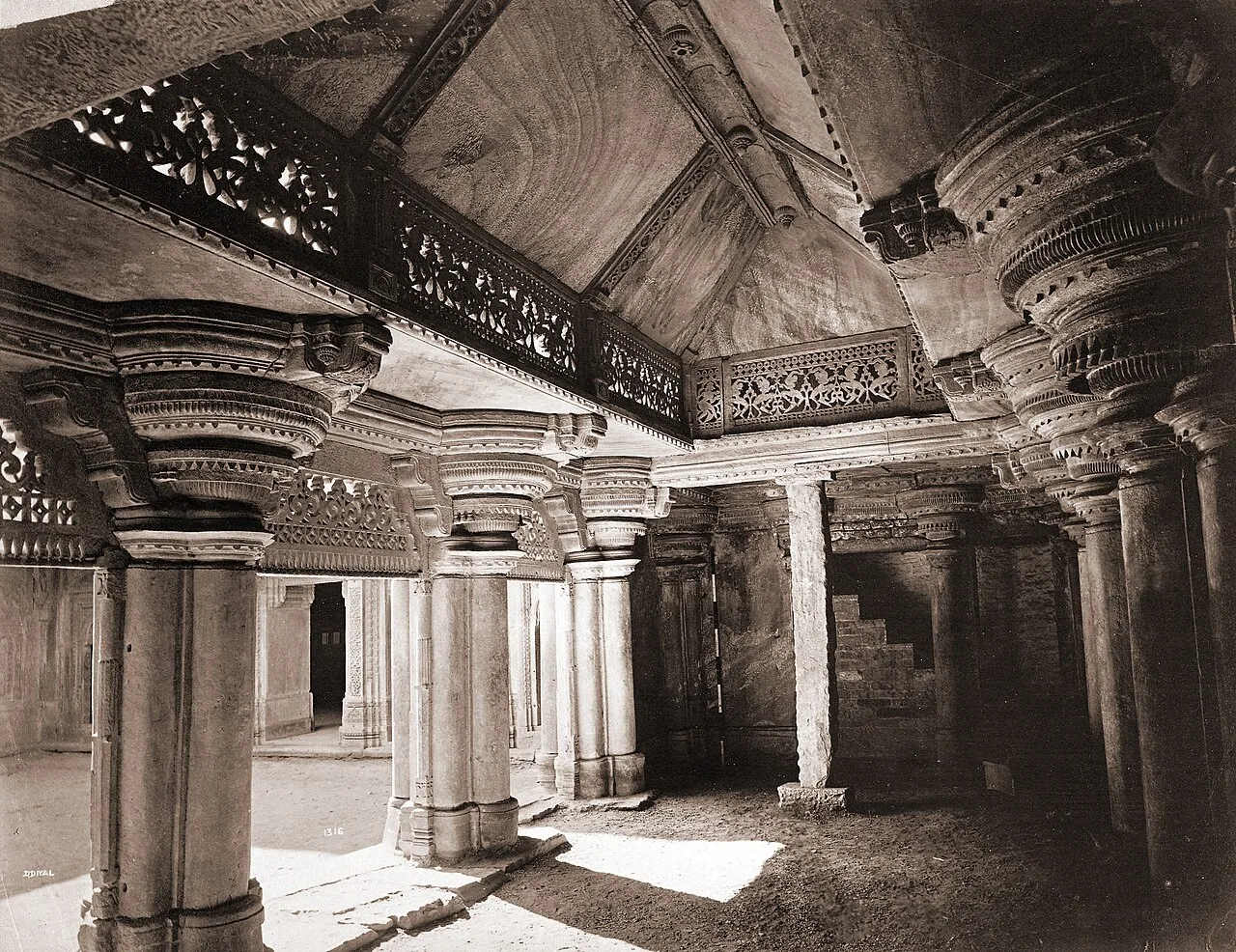
Gwalior Fort is an ancient hill stronghold in Madhya Pradesh, visited for its historic palaces, successive rulers and inscriptions, including an early place-value record of zero.

Sasbahu Temple

72 km away · Gwalior district

Sasbahu Temple

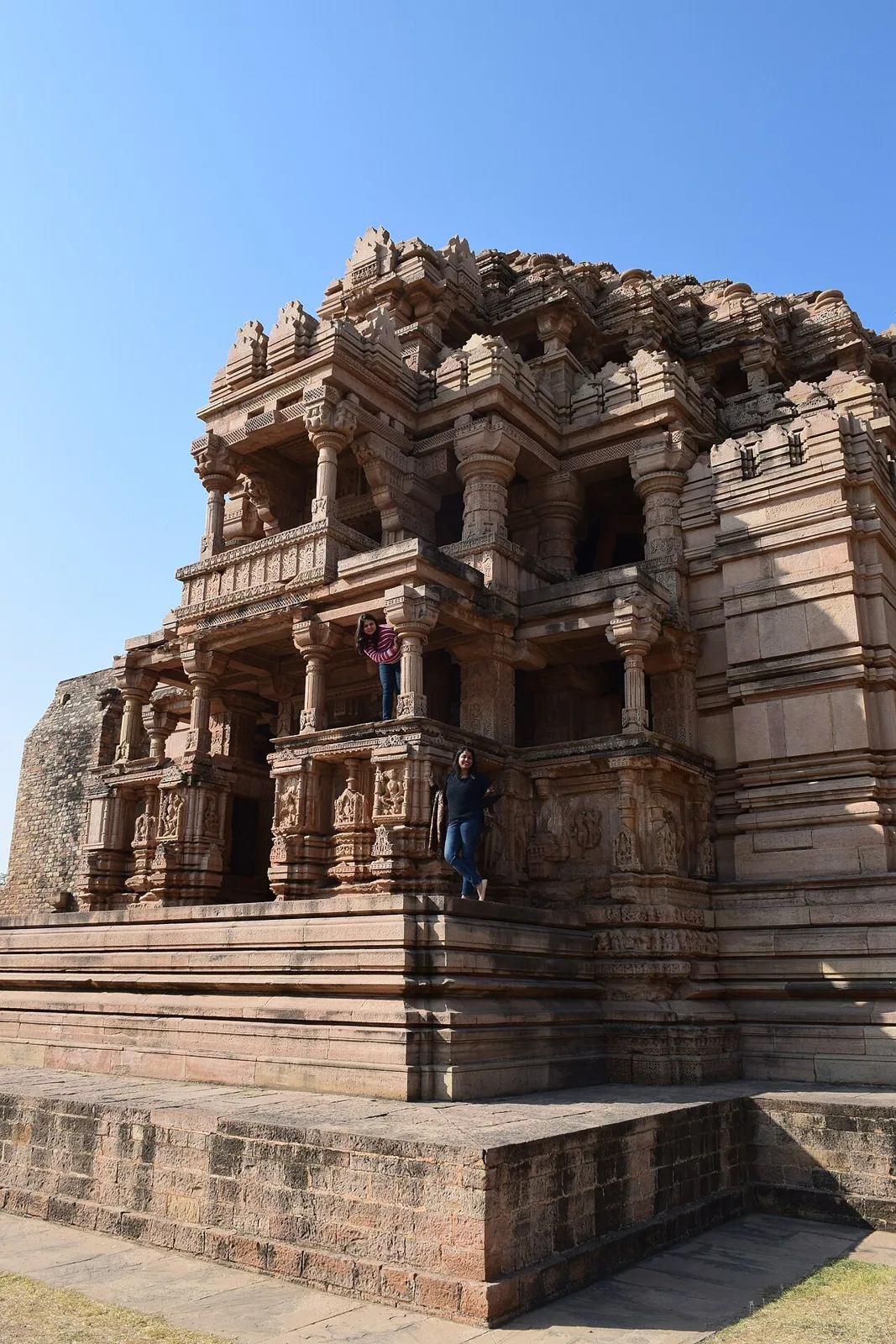
The Sasbahu Temples are a pair of eleventh-century shrines within Gwalior Fort, Madhya Pradesh. Visitors come to see their surviving architecture and damaged stone carvings.

Teli ka Mandir

73 km away · Gwalior district

Teli ka Mandir

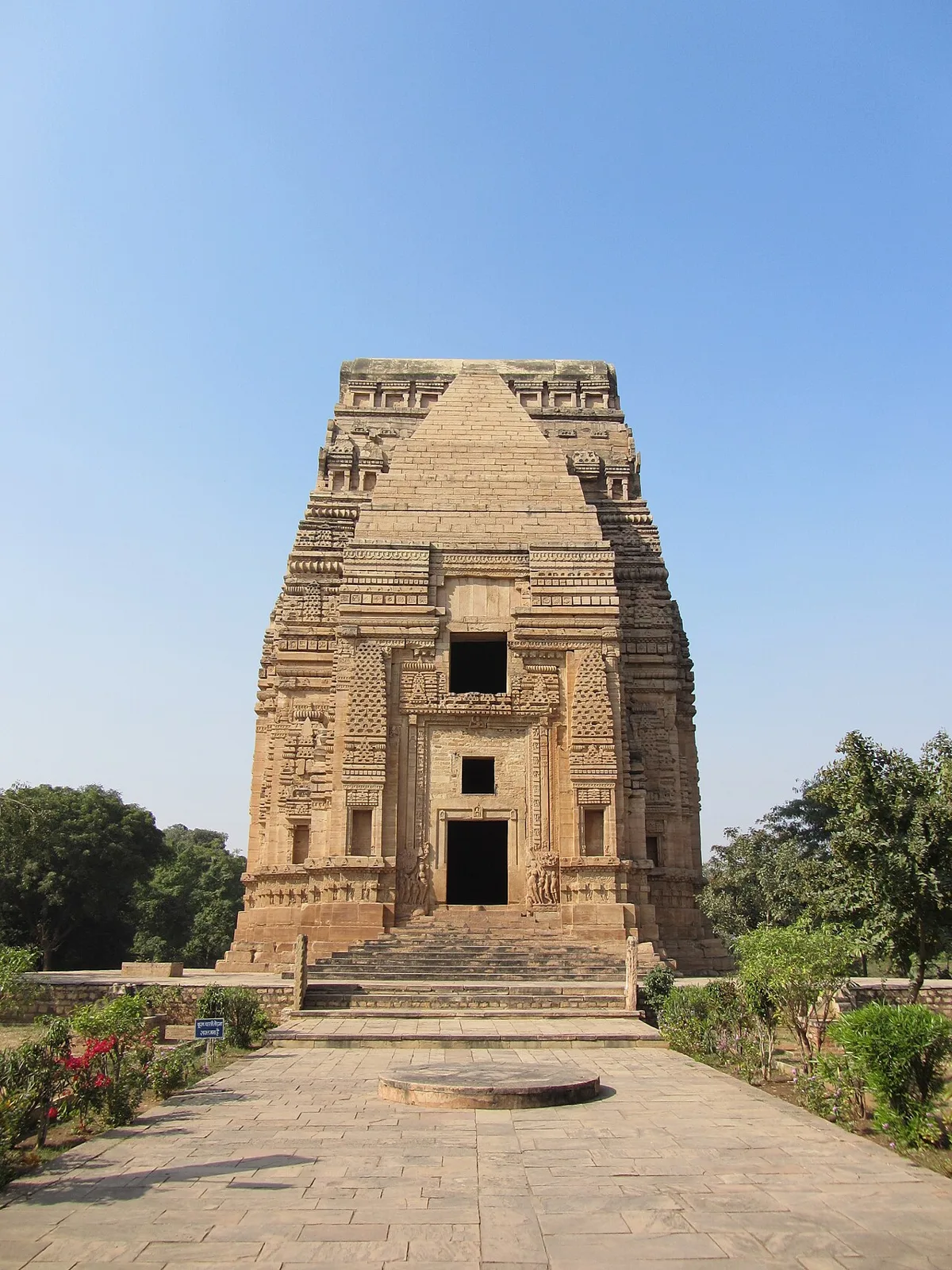
Teli ka Mandir is a Hindu shrine within Gwalior Fort, noted for its unusual rectangular sanctuary and blend of architectural traditions. Visitors come to see its distinctive design and historic character.

Jai Vilas Mahal

74 km away · Gwalior district

Jai Vilas Mahal

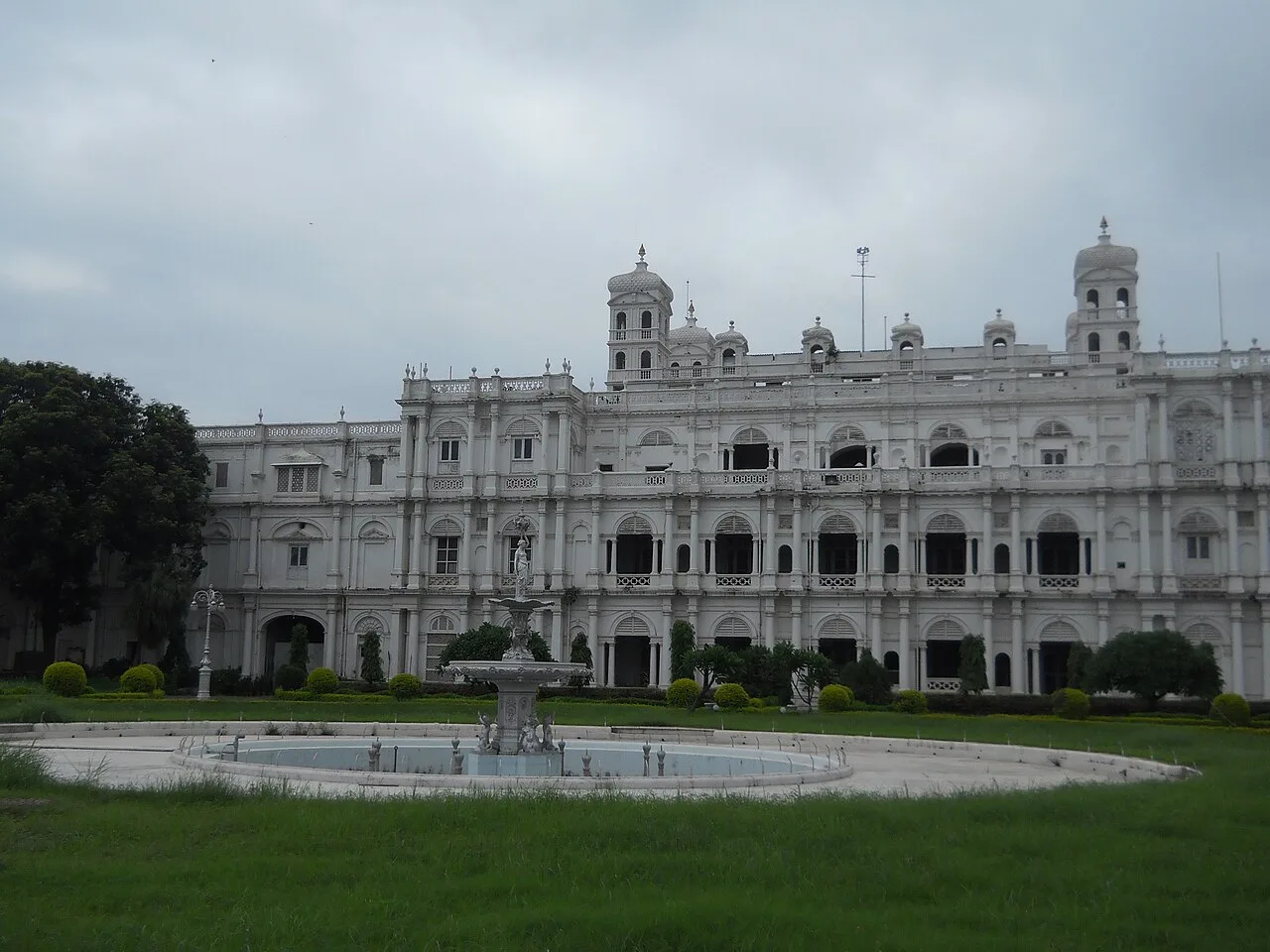
Jai Vilas Mahal is a royal residence dating to the 1800s in Gwalior, Madhya Pradesh. Visitors come to see the Jiwajirao Scindia Museum, which occupies most of the palace.

Map

Bhind on the map

  1. 1National Chambal Sanctuary
  2. 2Gohad Fort
  3. 3Chausath Yogini Temple
  4. 4Bateshwar Hindu temples
  5. 5Gwalior Fort
  6. 6Sasbahu Temple
  7. 7Teli ka Mandir
  8. 8Jai Vilas Mahal

Madhya Pradesh

Other cities to explore