Ghumoopedia — Explore, Discover, Experience
Sign in
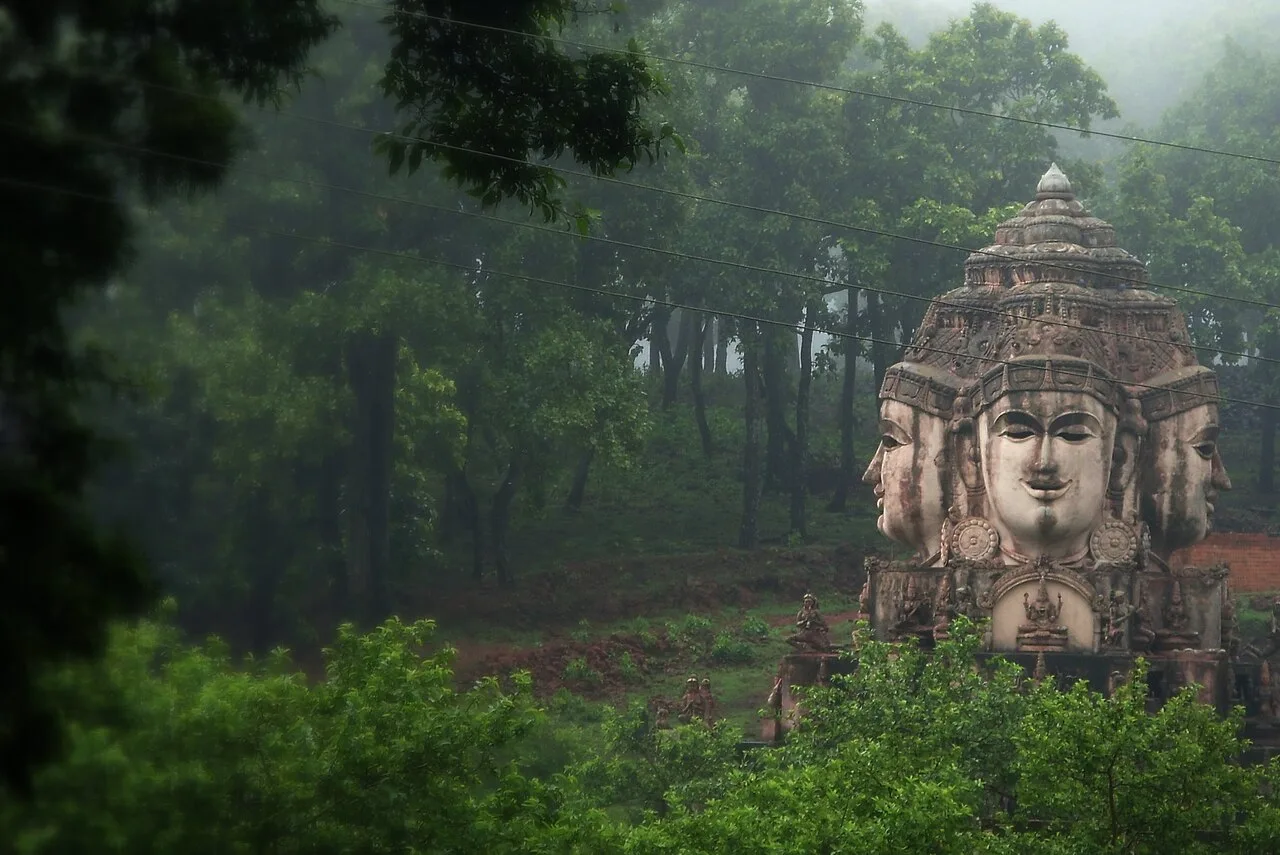
Kanha Tiger Reserve, near Mandla

City guide · Madhya Pradesh

Mandla

Mandla is the administrative headquarters of Mandla district in eastern Madhya Pradesh. Its setting is distinctive: the Narmada curves around the city on three sides, and riverbank ghats make the waterway a focus of worship and everyday life.

Famous for

  • Narmada River ghats
  • Gondwana kingdom history
  • Mandla Fort ruins
  • Gateway to Kanha

Why Mandla matters

Mandla is the administrative headquarters of Mandla district in eastern Madhya Pradesh. Its setting is distinctive: the Narmada curves around the city on three sides, and riverbank ghats make the waterway a focus of worship and everyday life. The town’s riverside location, quieter pace and historic remains give it an appeal quite different from a large commercial centre.

Mandla was once a capital of the Gondwana kingdom, and the remains of its fort and palace recall that past. It is also a useful base for exploring the wider district, including Ramnagar’s historic sites and the forests and wildlife of Kanha National Park. Visitors come for river views, local history and access to the region’s natural landscapes. Today, Mandla’s importance rests chiefly on its role as a district centre and on its position in a culturally and ecologically rich part of Madhya Pradesh.
Famous for: crafts, trade & products

Mandla is not especially known as a textile, saree or large-scale handicraft centre, and there is no widely recognized city-specific GI-tagged product to seek out. Its best-known associations are instead the Narmada, Gondwana history and the surrounding forest region. The town’s shops and markets mainly serve residents and visitors with everyday goods, groceries and travel necessities rather than a signature export or specialist craft bazaar.

For local produce and regional items, browse the central market area and ask vendors what is in season; availability can vary. Gond art and other tribal arts are associated with the wider region, but Mandla should not be treated as a guaranteed source of a particular style or artisan-made product. Visitors interested in buying art can ask at local cultural or district information outlets about current exhibitions and verified sellers. The district’s forests are part of its identity, but collection or sale of forest products is subject to local rules, so buy only through legitimate shops and avoid gathering items yourself.

History

Mandla’s history is closely linked to the Gond rulers of Garha-Mandla. The kingdom’s origins are placed in the early medieval period, though accounts differ on its founding date. Under Sangram Shah, who came to power in the fifteenth century, Gond dominion expanded across parts of the Narmada Valley. Rani Durgavati, regent for her young son, resisted the Mughal invasion led by Asaf Khan in 1564. Mandla became the kingdom’s capital in 1670, after which internal disputes and the loss of territory weakened it.

The Peshwa intervened in the eighteenth century, and the Gond line was deposed in 1781. Mandla later came under Maratha and Bhonsle control. In 1818, following the Third Anglo-Maratha War, it passed to the British. The town and district were incorporated into the Central Provinces in 1861, and Mandla became a municipality in 1867. The fort and palace, now in ruins, are reminders of its former political role. Today it serves as the district headquarters.

Food, festivals & culture

The Narmada is central to Mandla’s devotional life. Residents and pilgrims visit its ghats for prayer and ritual bathing, and temples around the town serve local worshippers. Narmada Jayanti, generally observed in the winter, is an occasion for river-centred devotion; Diwali in autumn, Holi in spring and Navratri in autumn are also widely celebrated. Dates for religious festivals follow the Hindu calendar and vary from year to year.

Hindi is widely used, while Gondi and other regional languages are spoken in the district’s communities. Gond and other Adivasi traditions contribute to local music, storytelling, visual art and community celebrations; performances vary by community and occasion. There is no single dish that defines Mandla across the region. Everyday meals draw on central Indian cooking, including rice or roti, lentils, seasonal vegetables and snacks such as poha. Sweets and festive foods are commonly prepared at home or sold by local sweet shops, with choices changing by season and celebration.

Visiting the city

October to March is generally the most comfortable season for exploring Mandla and its riverfront. The monsoon brings lush scenery but can make road journeys less predictable. Jabalpur Airport is the nearest major airport. Mandla Fort railway station is the town’s railhead; Nainpur Junction and Jabalpur Junction are useful rail connections. Check current rail services before planning around the local station.

Auto-rickshaws and local taxis are practical for getting around town, while a hired vehicle is useful for visiting places beyond it. Explore the Narmada ghats and the old fort-and-palace area, then consider an excursion to Ramnagar or the wider Kanha region. The central market is convenient for everyday needs. For wildlife visits, arrange transport and park entry through current official channels, as access depends on the relevant gate and season.

Trips from the city

Nearest places to visit from Mandla

Our closest destination guides, by straight-line distance.

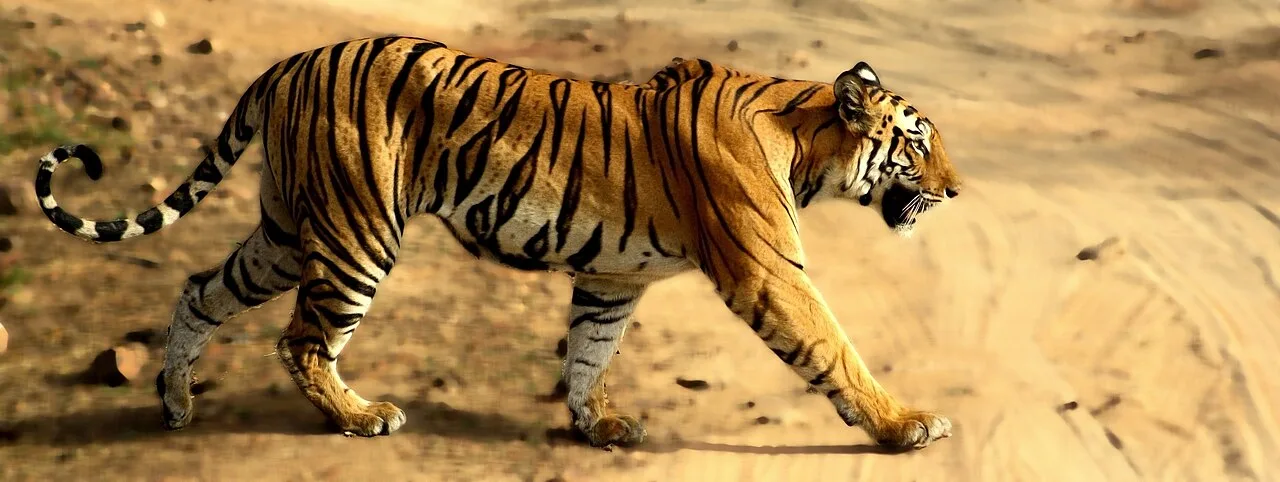
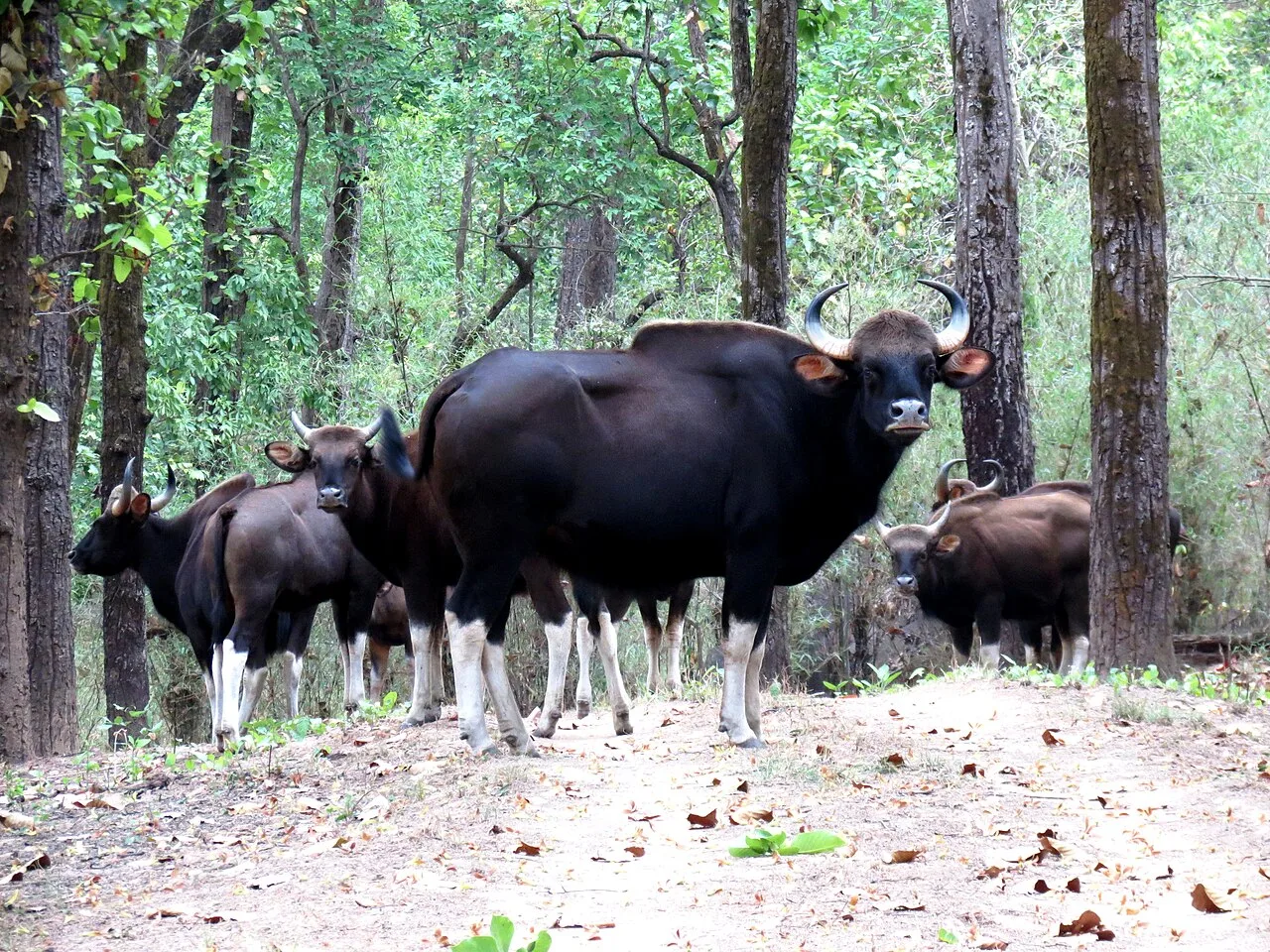
Kanha Tiger Reserve

50 km away · Kanha district

Kanha Tiger Reserve

Situated in Madhya Pradesh, Kanha Tiger Reserve is a major protected area that draws visitors interested in Bengal tigers, barasingha and other wildlife, including leopards, sloth bears and dholes.

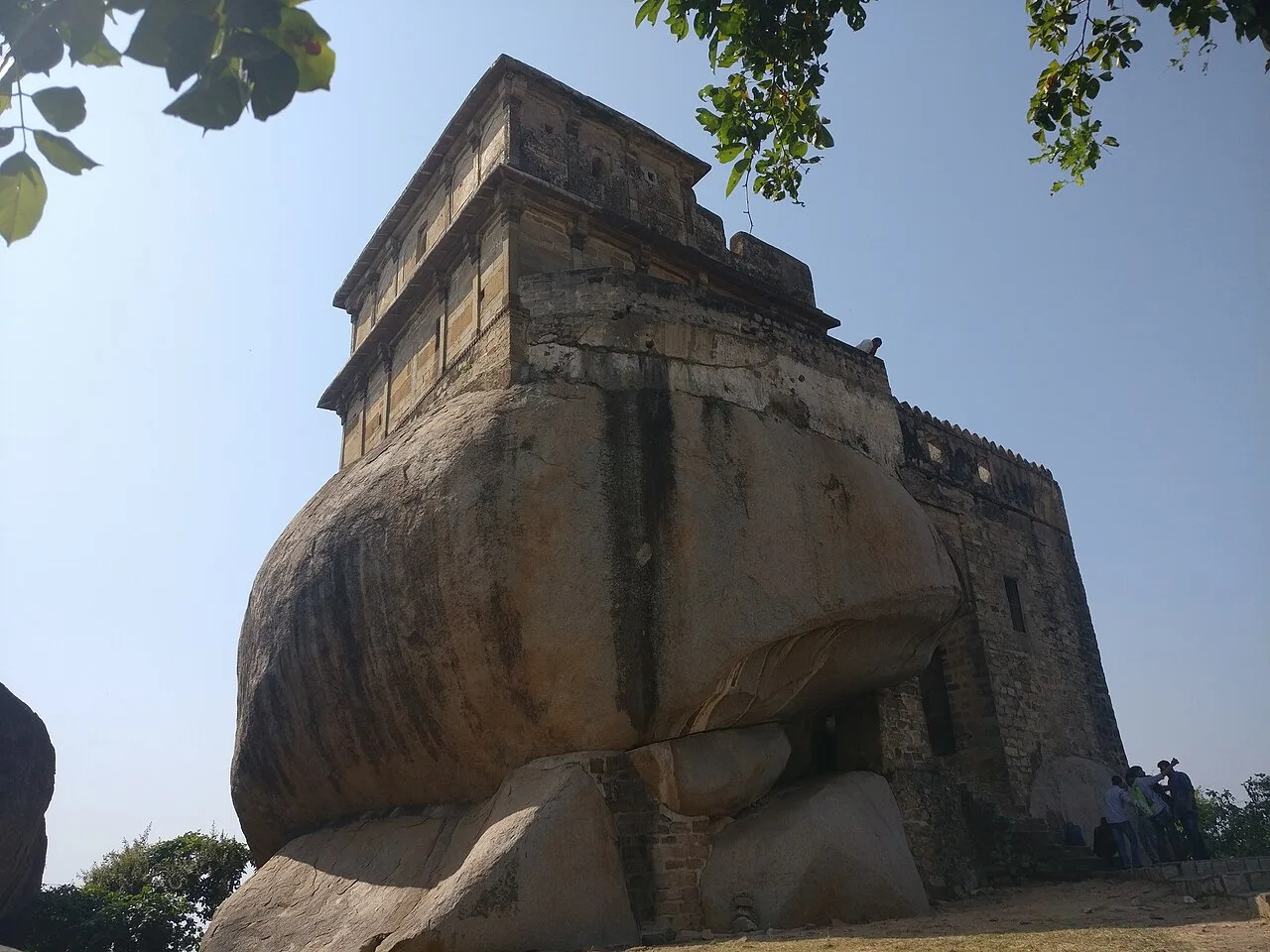
Madan Mahal

78 km away · Jabalpur district

Madan Mahal

Madan Mahal is a suburb in Jabalpur district, Madhya Pradesh, best known for the historic Durgavati fort. Visitors come to see the hilltop fort associated with Raja Madan Singh.

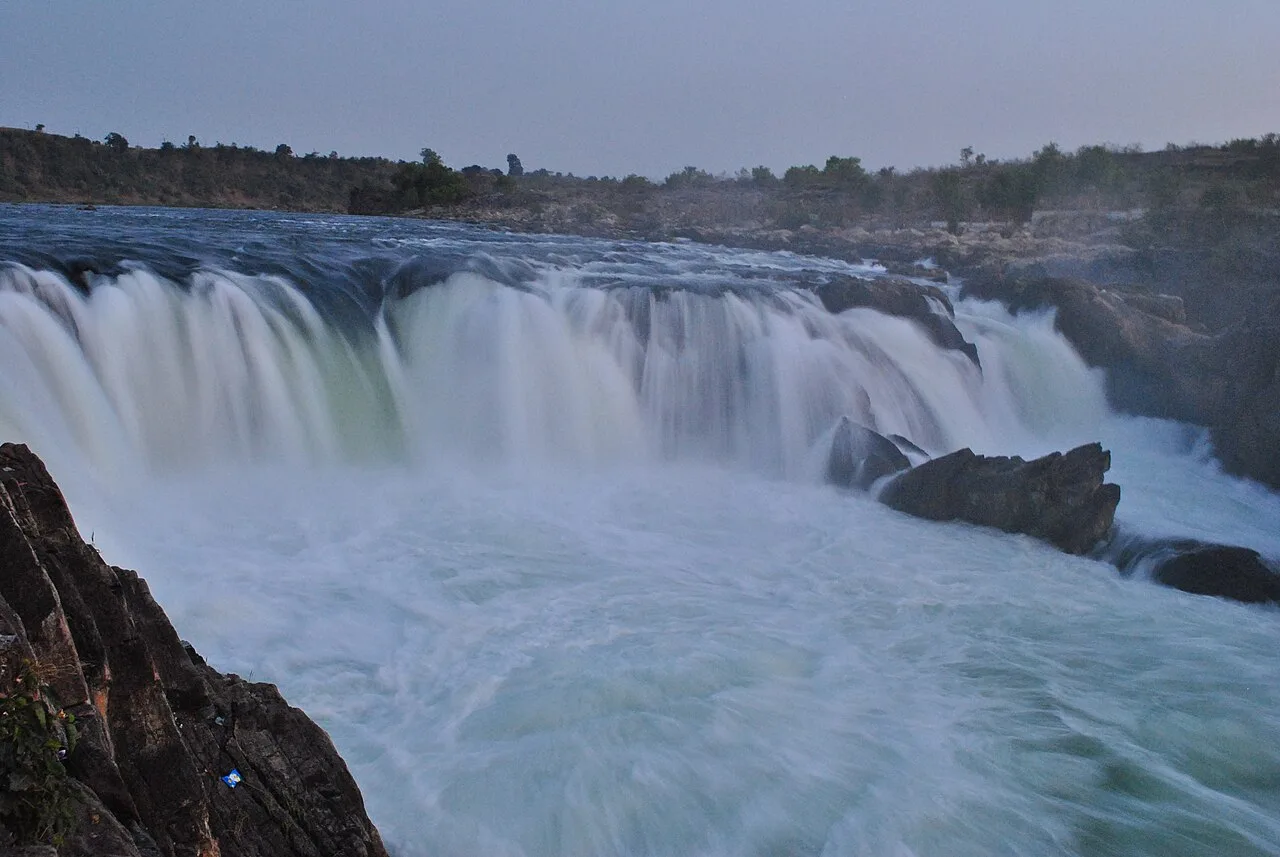
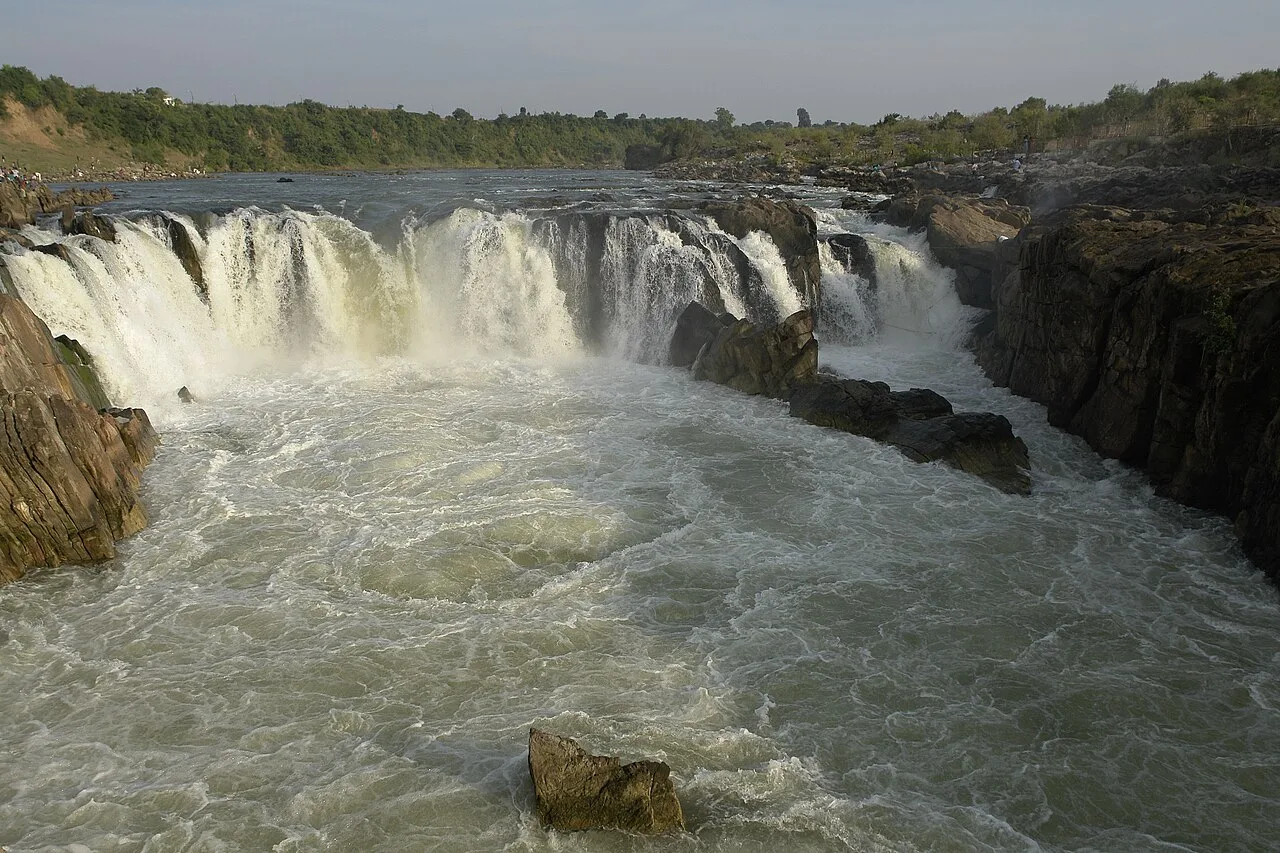
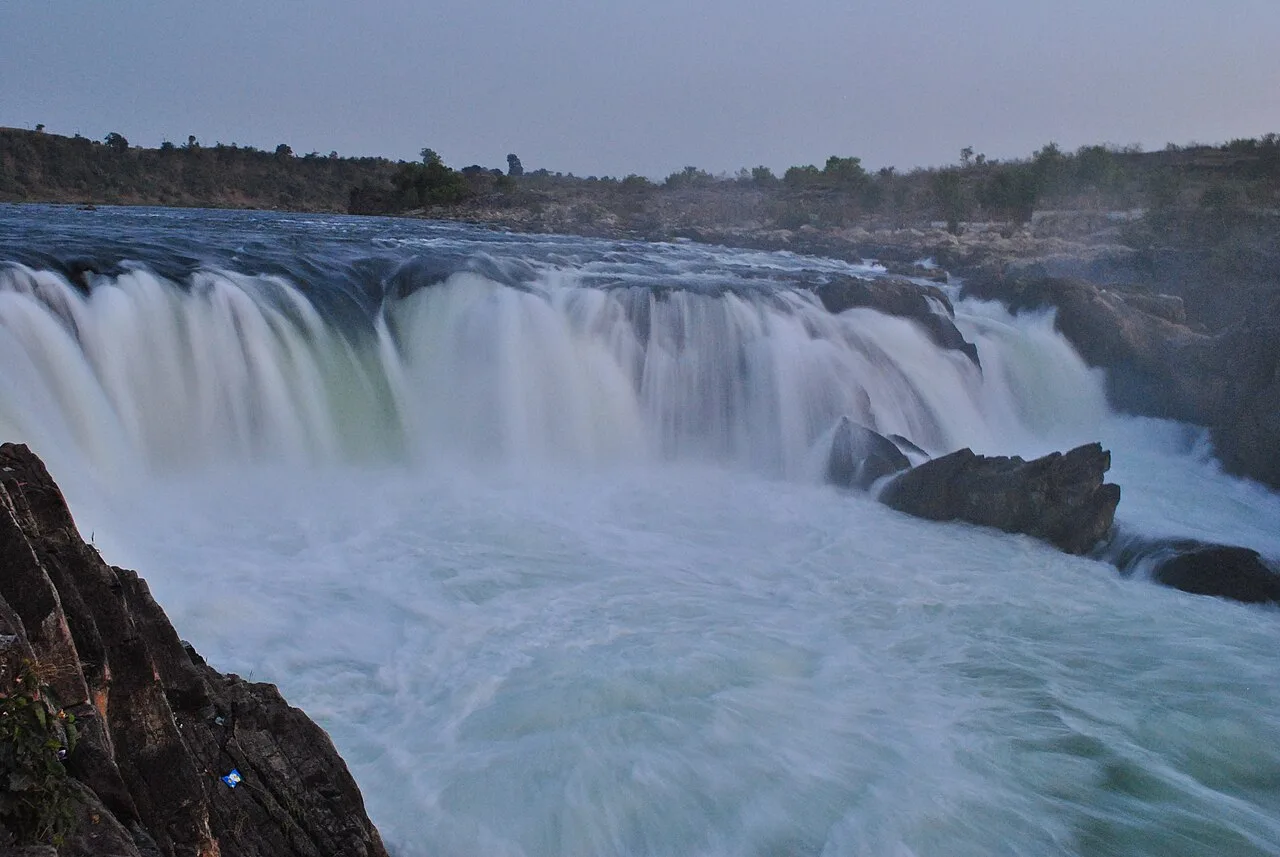
Dhuandhar Falls

82 km away · Jabalpur district

Dhuandhar Falls

Dhuandhar Falls is a waterfall located in Jabalpur district, Madhya Pradesh. Visitors come to see the falls, a natural feature of the district.

Bhedaghat

83 km away · Jabalpur district

Bhedaghat

Bhedaghat, a nagar panchayat in Jabalpur district, Madhya Pradesh, draws visitors to the Narmada’s marble gorge and the misty cascade at Dhuandhar Falls.

Marble Rocks

83 km away · Jabalpur district

Marble Rocks

Marble Rocks is a gorge carved into marble by the Narmada at Bhedaghat, near Jabalpur in Madhya Pradesh. Visitors come to see the river-shaped landscape and locally made marble figures.

Bandhavgarh National Park

136 km away · Bandhavgarh district

Bandhavgarh National Park

Bandhavgarh National Park, in Umaria district, Madhya Pradesh, is a protected area with extensive forests and diverse wildlife. Visitors are drawn especially by its tigers and other animals.

Bandhavgarh Fort

138 km away · Bandhavgarh district

Bandhavgarh Fort

Bandhavgarh Fort is a historic stronghold in Umaria district, Madhya Pradesh, within Bandhavgarh National Park, drawing interest for its landscape and long political history.

Amarkantak

143 km away · Amarkantak district

Amarkantak

Amarkantak is a pilgrimage town and Nagar Panchayat in Anuppur, Madhya Pradesh, known for its river sources and religious associations, including the place linked to Kabir’s meditation.

Map

Mandla on the map

  1. 1Kanha Tiger Reserve
  2. 2Madan Mahal
  3. 3Dhuandhar Falls
  4. 4Bhedaghat
  5. 5Marble Rocks
  6. 6Bandhavgarh National Park
  7. 7Bandhavgarh Fort
  8. 8Amarkantak

Madhya Pradesh

Other cities to explore