Ghumoopedia — Explore, Discover, Experience
Sign in

City guide · Madhya Pradesh

Baroda

Baroda, also called Badoda, is a small town in Sheopur district in northern Madhya Pradesh. Its importance is chiefly local: it serves residents of nearby villages as a centre for everyday shopping, services and administration, and connects rural settlements with Sheopur and other towns in the Chambal region.

Famous for

  • Sheopur district market town
  • Sahariya cultural region
  • Kuno landscape access
  • Chambal countryside

Why Baroda matters

Baroda, also called Badoda, is a small town in Sheopur district in northern Madhya Pradesh. Its importance is chiefly local: it serves residents of nearby villages as a centre for everyday shopping, services and administration, and connects rural settlements with Sheopur and other towns in the Chambal region. Its pace and character are different from those of the state’s larger tourist cities, making it a useful stop for travellers interested in small-town life and the surrounding countryside.

The wider district draws visitors for its dry forests, river landscapes and access to Kuno National Park, known for its conservation work with cheetahs. Baroda is not a major monument or resort destination in its own right, but it offers a point of contact with the agricultural communities and Sahariya cultural landscape of the region. Travellers can combine a visit with Sheopur and the district’s natural areas, planning road connections in advance. The town’s appeal lies in this quieter, locally rooted setting rather than in a large concentration of visitor attractions.
Famous for: crafts, trade & products

Baroda’s local trade is centred on the needs of surrounding villages. Small shops and market streets serve residents with groceries, household goods, clothing and farm supplies, while agricultural activity shapes much of the area’s commerce. Wheat, mustard and other seasonal crops are part of the wider Sheopur district economy; their availability in local markets varies with the harvest and season.

The town is not widely associated with a signature textile, GI-tagged product or large handicraft industry. For visitors, the most direct way to experience its commerce is to walk through the central market and observe the daily exchange of produce and essentials. Local foods and everyday goods are more characteristic purchases than specialised souvenirs. The broader district is also home to Sahariya communities, whose traditions are part of the region’s cultural identity, though Baroda is not a dedicated craft-shopping centre. Travellers seeking a wider choice of shops, services or district-level institutions can look to Sheopur, the district headquarters, and use Baroda as a smaller local-market stop.

History

Baroda’s history is best understood within that of the Sheopur region, a frontier landscape shaped by local rulers, changing regional powers and its position between central India and Rajasthan. The wider area came under the influence of the Gwalior princely state, ruled by the Scindia dynasty, during the era of Maratha expansion. Under British paramountcy, Gwalior remained a princely state rather than a directly administered British province, and smaller towns in its territory developed through local administration and rural trade.

Baroda grew as a service and market centre for nearby settlements, with agriculture and road links sustaining its everyday role. After India’s independence, the former princely territories were integrated into the Indian Union and the region became part of Madhya Pradesh. In modern times, Baroda has continued to serve its local hinterland, while Sheopur’s district administration and road connections link residents to larger services. Conservation developments in the wider district, especially around Kuno, have brought renewed attention to this part of northern Madhya Pradesh.

Food, festivals & culture

Daily life in Baroda reflects the rhythms of a small agricultural town and its surrounding villages. Hindi is widely used, alongside regional speech shaped by the town’s position near Rajasthan and the dialects of local communities, including Sahariya residents. Food is typically home-style central Indian fare: wheat breads, lentils, seasonal vegetables and preparations based on locally available crops. Familiar Madhya Pradesh snacks and sweets can be found in town shops, though menus and offerings vary between establishments.

Holi in spring, Diwali in autumn and Navratri are important occasions, observed through family gatherings, worship and community celebrations. Religious life is centred on neighbourhood temples and local shrines, with festivals bringing visitors from nearby settlements. Music and dance are often associated with social and seasonal gatherings; Sahariya traditions contribute to the cultural variety of the wider district. Baroda is not known as a major classical-music or performing-arts centre, so visitors are more likely to encounter culture through ordinary market life, local worship and community events than through formal venues.

Visiting the city

The cooler months, roughly October to March, are generally the most comfortable time to visit. Summer can be very hot, while the monsoon brings greener scenery but may affect rural road conditions. Gwalior Airport is the main practical air gateway for the region. Sheopur Kalan railway station, in Sheopur, is the principal nearby station; check current rail connections when planning. Baroda is most conveniently reached by road, with local taxis and buses serving links to nearby towns, though onward transport may require advance planning.

Explore the central market for a sense of everyday town life, then use Sheopur as a base for district services and onward trips. Visitors heading to Kuno National Park should arrange access through the relevant park entry point rather than assume it is within Baroda. Allow extra time for travel between rural stops.

Trips from the city

Nearest places to visit from Baroda

Our closest destination guides, by straight-line distance.

Madhav National Park

117 km away · Shivpuri district

Madhav National Park

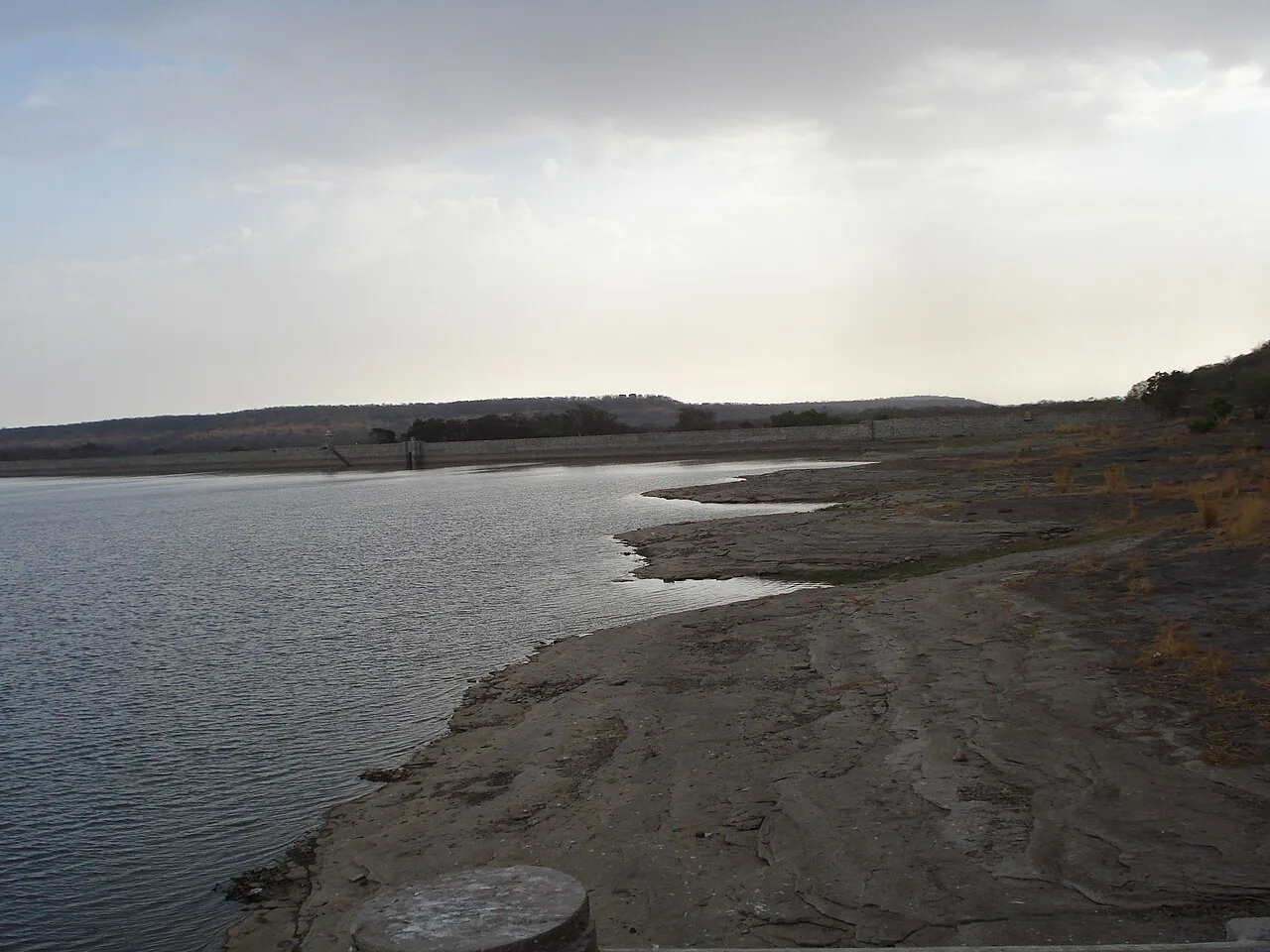
Madhav National Park is a protected area in Shivpuri district, Madhya Pradesh. Visitors come to explore its natural setting and see Sakhya Sagar, the reservoir within the park.

Jai Vilas Mahal

171 km away · Gwalior district

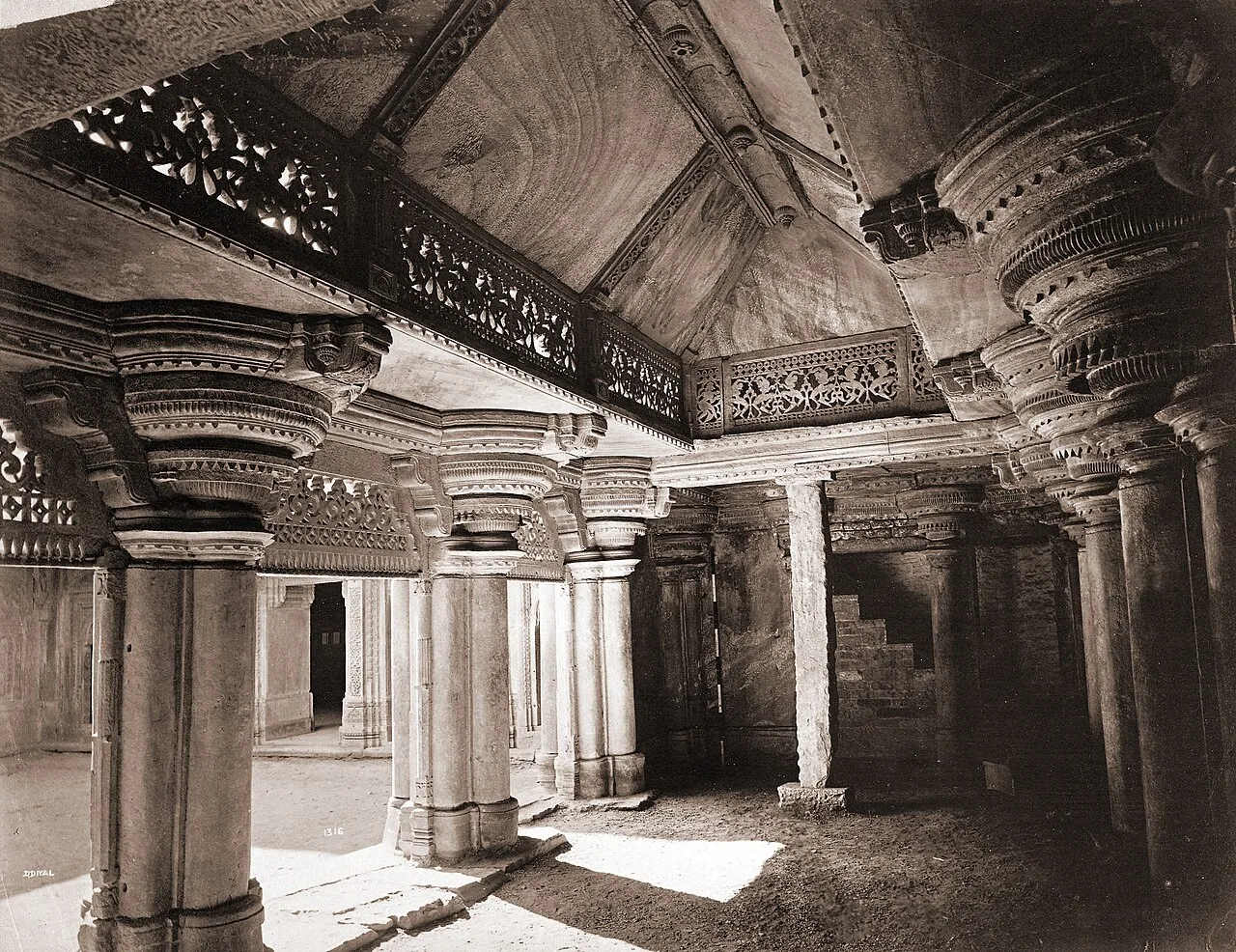
Jai Vilas Mahal

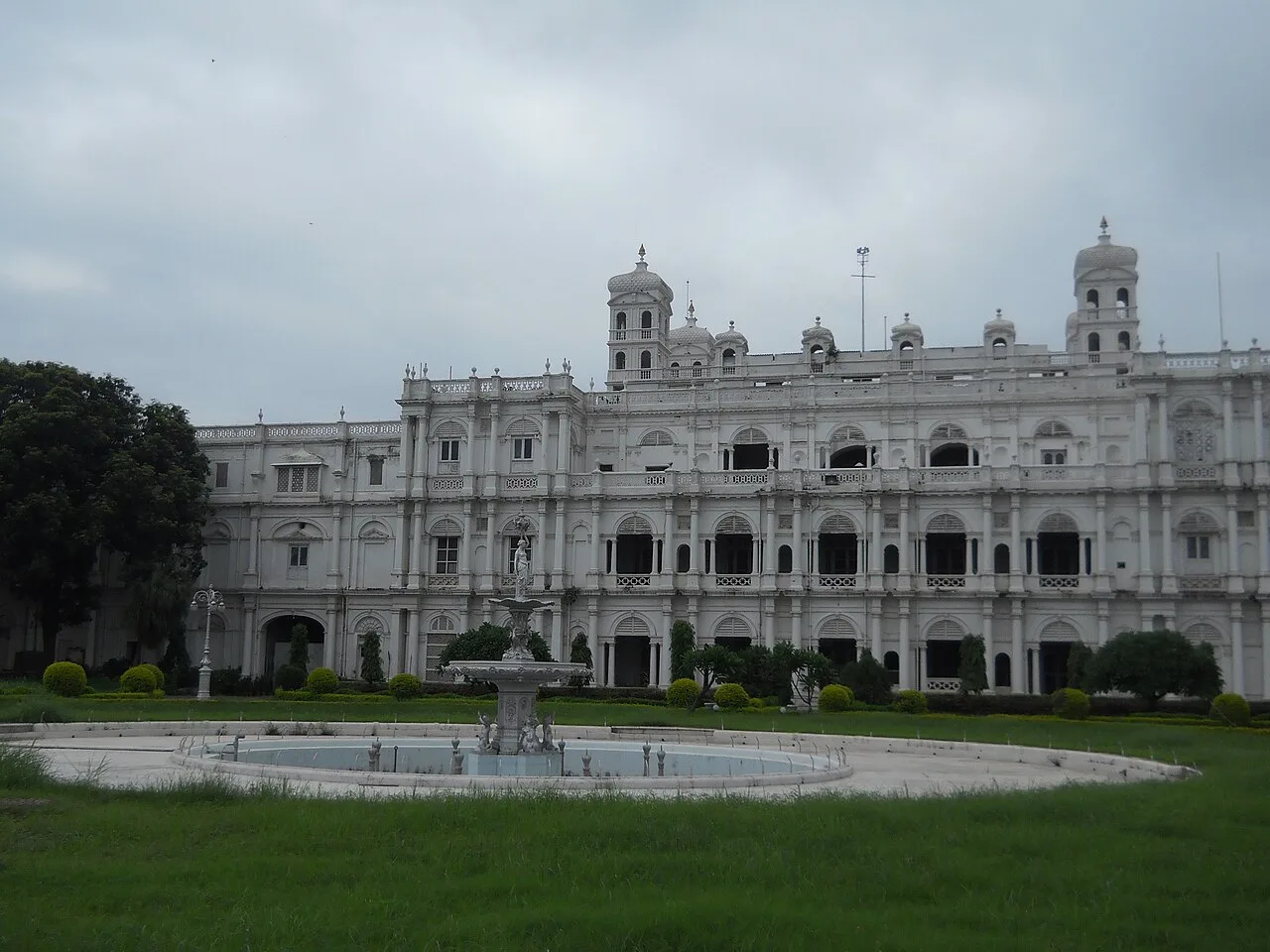
Jai Vilas Mahal is a royal residence dating to the 1800s in Gwalior, Madhya Pradesh. Visitors come to see the Jiwajirao Scindia Museum, which occupies most of the palace.

Teli ka Mandir

171 km away · Gwalior district

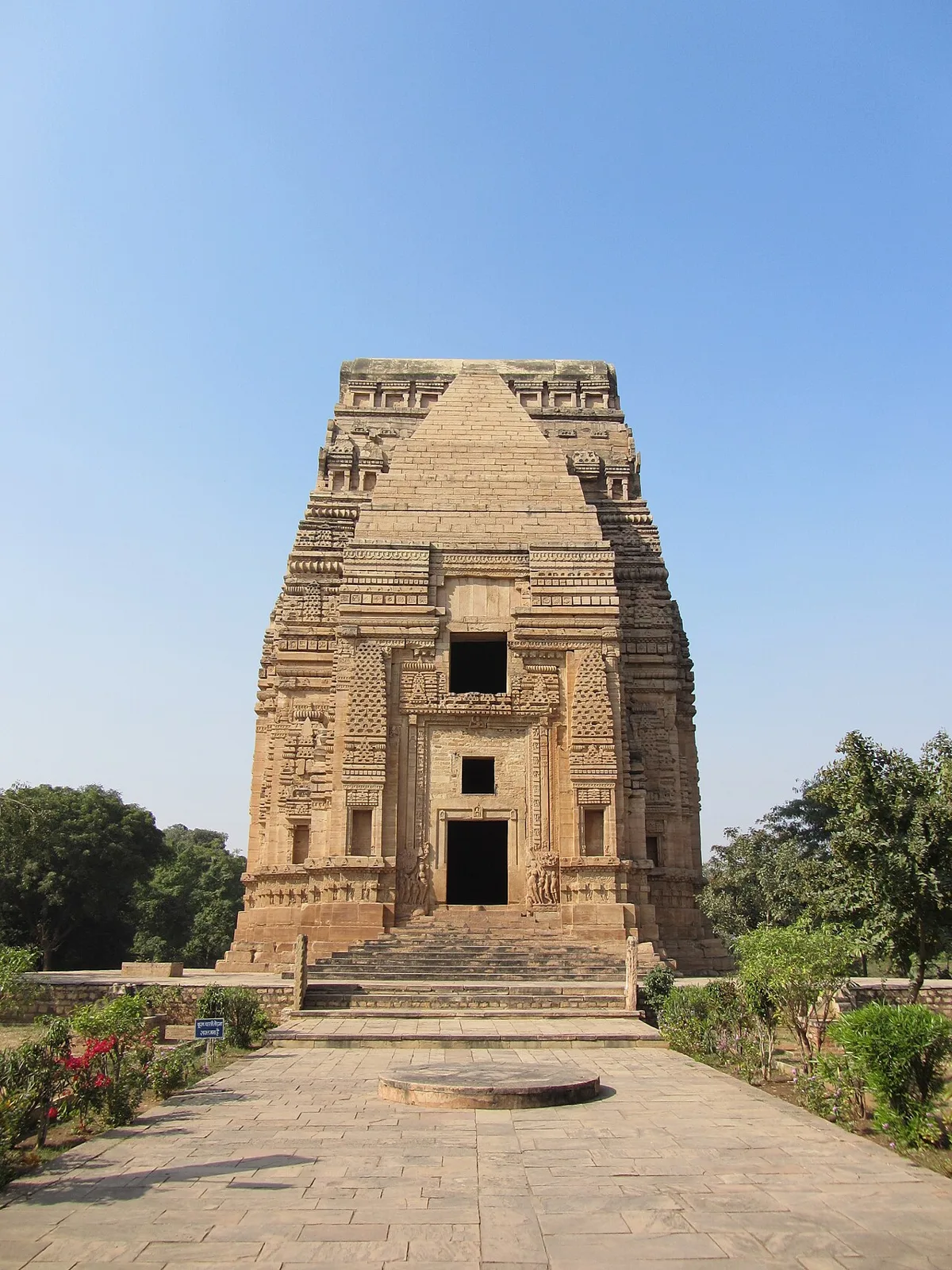
Teli ka Mandir

Teli ka Mandir is a Hindu shrine within Gwalior Fort, noted for its unusual rectangular sanctuary and blend of architectural traditions. Visitors come to see its distinctive design and historic character.

Chanderi Town

172 km away · Chanderi district

Chanderi Town

Chanderi is a historic town in Madhya Pradesh, visited for monuments linked to regional dynasties and its ancient Jain temples, amid hills, lakes and forests.

Gwalior Fort

172 km away · Gwalior district

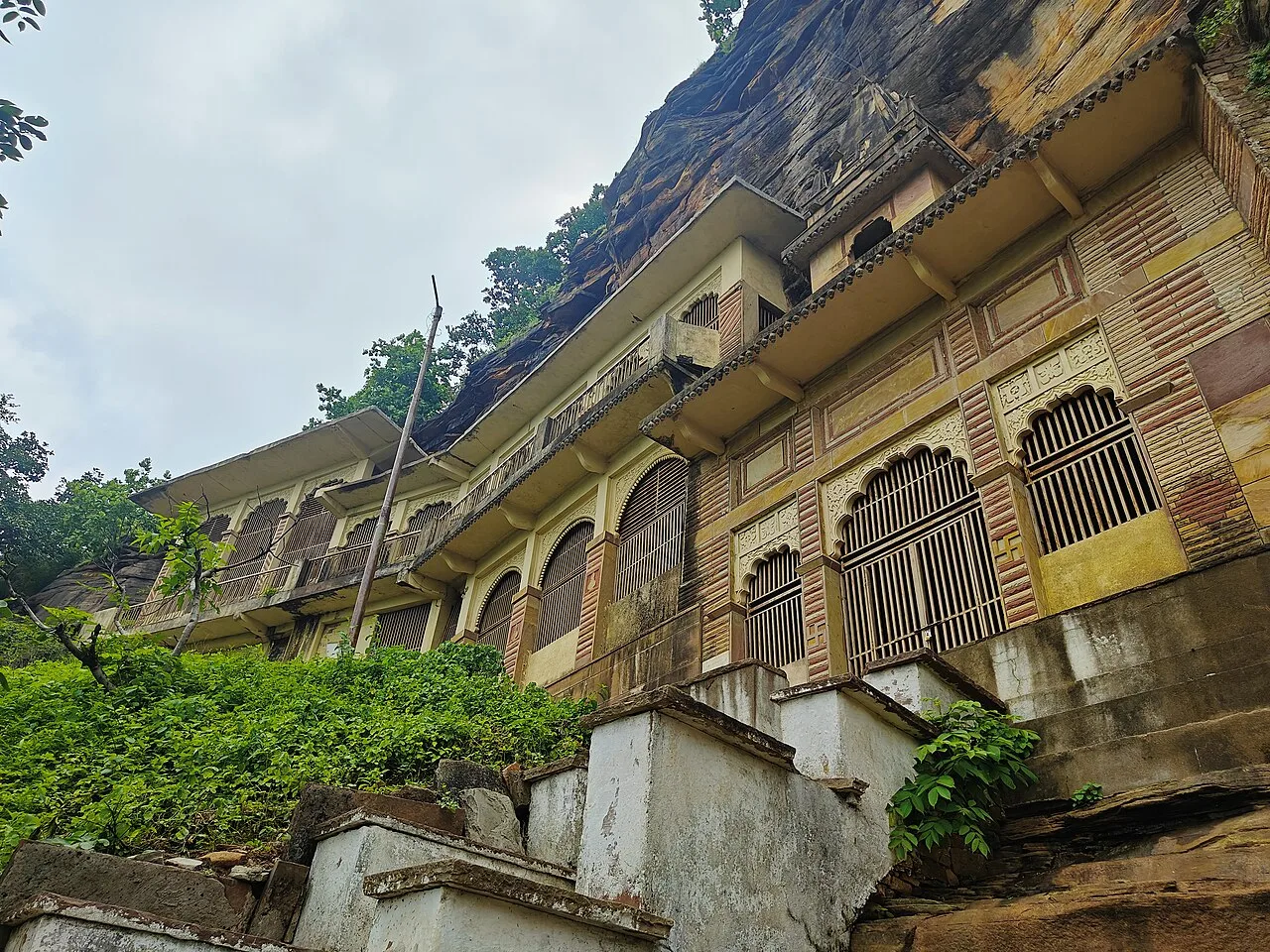
Gwalior Fort

Gwalior Fort is an ancient hill stronghold in Madhya Pradesh, visited for its historic palaces, successive rulers and inscriptions, including an early place-value record of zero.

Sasbahu Temple

172 km away · Gwalior district

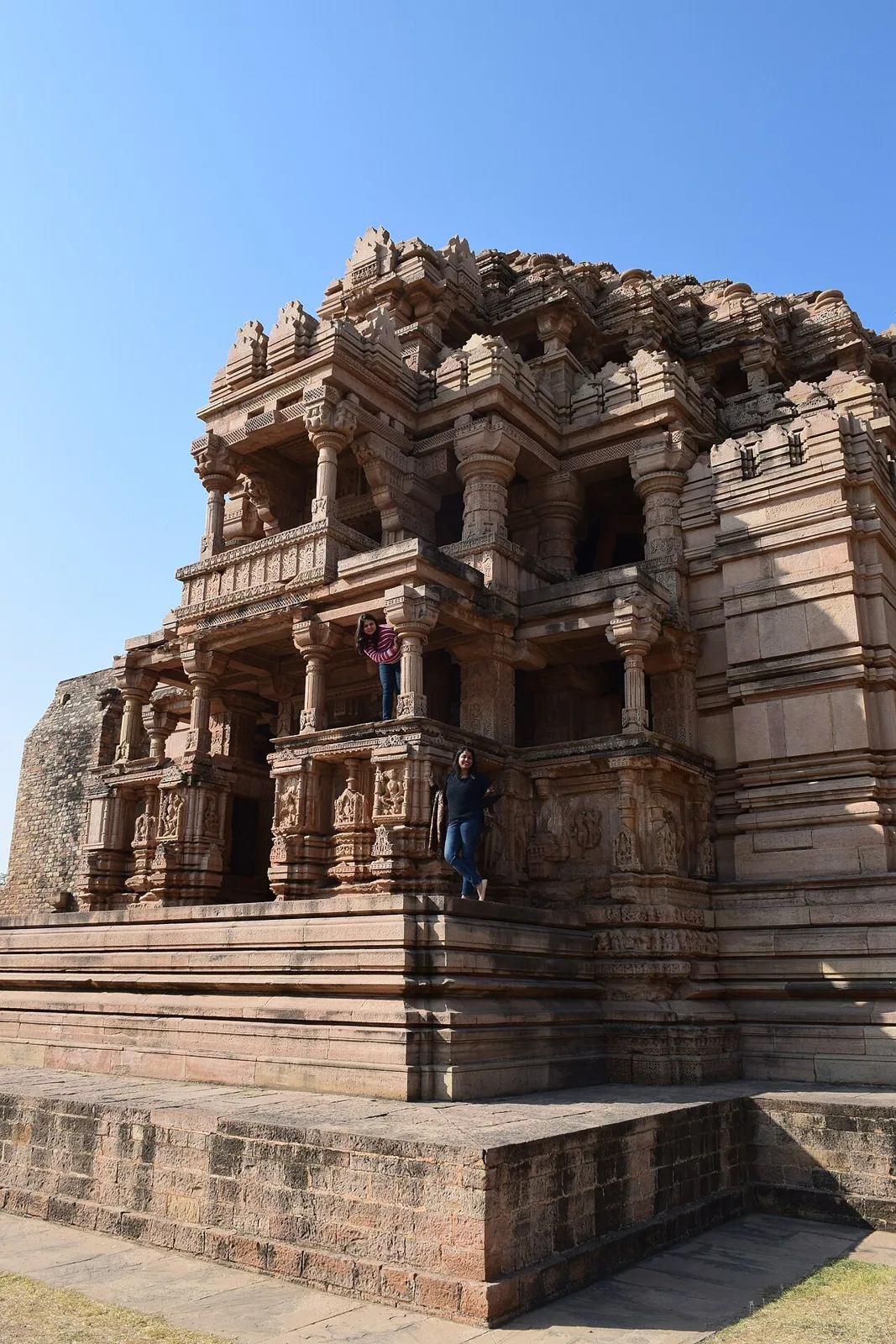
Sasbahu Temple

The Sasbahu Temples are a pair of eleventh-century shrines within Gwalior Fort, Madhya Pradesh. Visitors come to see their surviving architecture and damaged stone carvings.

Datia Palace

182 km away · Datia district

Datia Palace

Datia Palace, also known as Bir Singh Palace, is a seven-storey monument in Datia, Madhya Pradesh. Visitors come to see its scale and blend of Mughal and Rajput design.

Bateshwar Hindu temples

186 km away · Morena district

Bateshwar Hindu temples

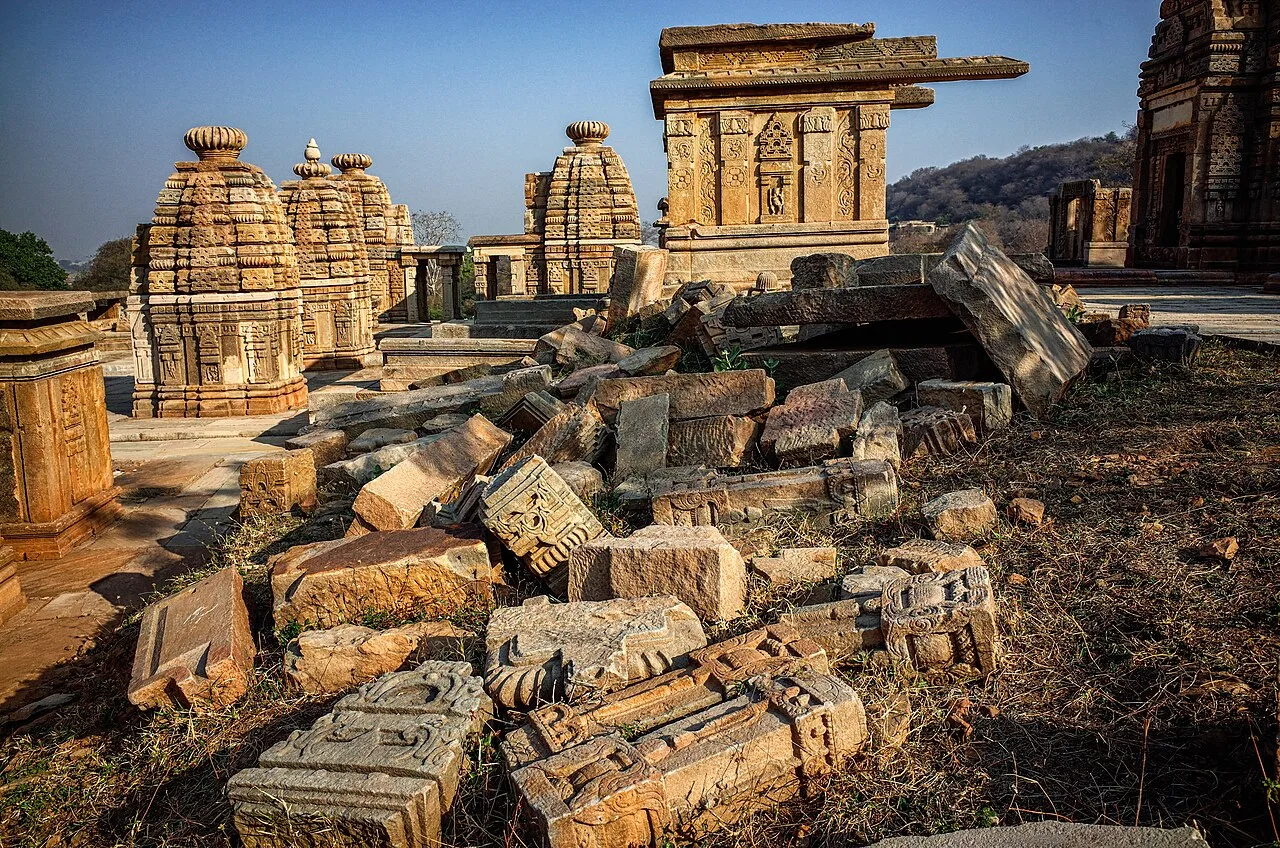
Bateshwar is a cluster of sandstone Hindu shrines and ruins in Madhya Pradesh, visited for its early temple architecture and the remains of a complex dedicated to Shiva, Vishnu and Shakti.

Map

Baroda on the map

  1. 1Madhav National Park
  2. 2Jai Vilas Mahal
  3. 3Teli ka Mandir
  4. 4Chanderi Town
  5. 5Gwalior Fort
  6. 6Sasbahu Temple
  7. 7Datia Palace
  8. 8Bateshwar Hindu temples

Madhya Pradesh

Other cities to explore