Ghumoopedia — Explore, Discover, Experience
Sign in
Madan Mahal, near Sihora

City guide · Madhya Pradesh

Sihora

Sihora is a municipality in Jabalpur district, in eastern Madhya Pradesh. Its location between Jabalpur and Katni gives it a practical role as a service and market town for nearby villages, as well as a stop along a regional rail and road corridor.

Famous for

  • Koli chieftain heritage
  • Bapuji Makwana lineage
  • Early cooperative movement
  • Regional agricultural trade

Why Sihora matters

Sihora is a municipality in Jabalpur district, in eastern Madhya Pradesh. Its location between Jabalpur and Katni gives it a practical role as a service and market town for nearby villages, as well as a stop along a regional rail and road corridor. Visitors usually come for local connections, the surrounding countryside and an interest in the town’s history rather than for a large, established tourist circuit.

Sihora’s distinct place in the region comes partly from its past as a small princely state ruled by Koli chieftains. It is also associated with an early chapter in cooperative organisation: the first cooperative society in Madhya Pradesh was established in Sihora block in 1904. Today, its everyday character is shaped by local commerce, public services and links with the wider Jabalpur district. The town can suit travellers seeking a quieter stop and a glimpse of central Indian small-town life. Its central market and older town areas offer a straightforward starting point for exploring.
Famous for: crafts, trade & products

Sihora is better known for its regional role and history than for a nationally recognised craft, textile or signature food product. There is no widely established Sihora-specific saree tradition or locally based GI-tagged product to seek out. The town’s markets serve residents and surrounding villages, with everyday shops and trade in agricultural produce forming part of local commerce.

Visitors can browse the central bazaar for household goods, clothing, snacks and seasonal produce. Grain and other farm goods may be part of the area’s trade, but particular products and availability vary with the season; they should not be mistaken for a formally branded Sihora speciality. For a more specialised selection of crafts, textiles or regional products, travellers are likely to find broader choice in larger nearby centres such as Jabalpur. Sihora’s most distinctive institutional association is historical: the first cooperative society in Madhya Pradesh was established in Sihora block in 1904. The town’s identity is therefore rooted more in local commerce and cooperative history than in a signature handicraft industry.

History

Sihora’s recorded historical identity includes its time as a princely state under Koli chieftains. Its rulers were described as descendants of Bapuji Makwana, a Koli chief. This local lineage gives the town a distinctive place in the history of the Jabalpur region, though its past is less widely represented by major surviving monuments than that of larger historic centres.

During the colonial period, Sihora was part of a changing administrative and economic landscape. A notable development came in 1904, when the first cooperative society in what is now Madhya Pradesh was established in Sihora block. The milestone reflects the importance of organised local enterprise and rural economic life in the area. In the years after independence, Sihora developed as a municipality within Jabalpur district, serving nearby settlements through trade and civic services. Its position on the Jabalpur–Katni corridor has continued to connect it with larger regional centres, while its local identity remains closely tied to its Koli heritage and cooperative past.

Food, festivals & culture

Daily life in Sihora reflects the languages and customs of eastern Madhya Pradesh. Hindi is widely used, and Bundeli is also heard in the wider region. Food is generally home-style central Indian fare: meals may include wheat-based breads, rice, lentils, seasonal vegetables and locally available produce. Poha and jalebi are familiar breakfast or snack choices across Madhya Pradesh, while dal bafla is a regional dish visitors may encounter; neither should be treated as an exclusive Sihora speciality.

Holi in spring, Diwali in autumn and Navratri and Dussehra are among the major Hindu festivals observed in the town and nearby communities. Makar Sankranti and local religious gatherings also mark the seasonal calendar, while Muslim residents celebrate festivals including Eid. Worship takes place at neighbourhood temples and mosques, which are part of ordinary community life rather than a single, nationally known pilgrimage circuit. Folk music, devotional singing and dance traditions are generally shared with the surrounding Bundeli and central Indian region, with performances and celebrations most visible during festivals and community events.

Visiting the city

The cooler months, roughly October to March, are generally the most comfortable time to visit. Summer can be hot, while the monsoon brings rain and greener countryside. The nearest airport is Jabalpur Airport, also known as Dumna Airport. The town is served by Sihora Road railway station, which connects it with the regional rail network; local road transport links the station and town with nearby settlements.

Auto-rickshaws and other local vehicles are practical for short journeys, while buses and hired cars can help with travel around the district. Begin in the town centre and central bazaar for shops, everyday food and a sense of local life. The station area is useful for onward connections, and the older residential parts of town offer a quieter walk. Sihora works well as a brief regional stop or as a base for arranging excursions elsewhere in Jabalpur district.

Trips from the city

Nearest places to visit from Sihora

Our closest destination guides, by straight-line distance.

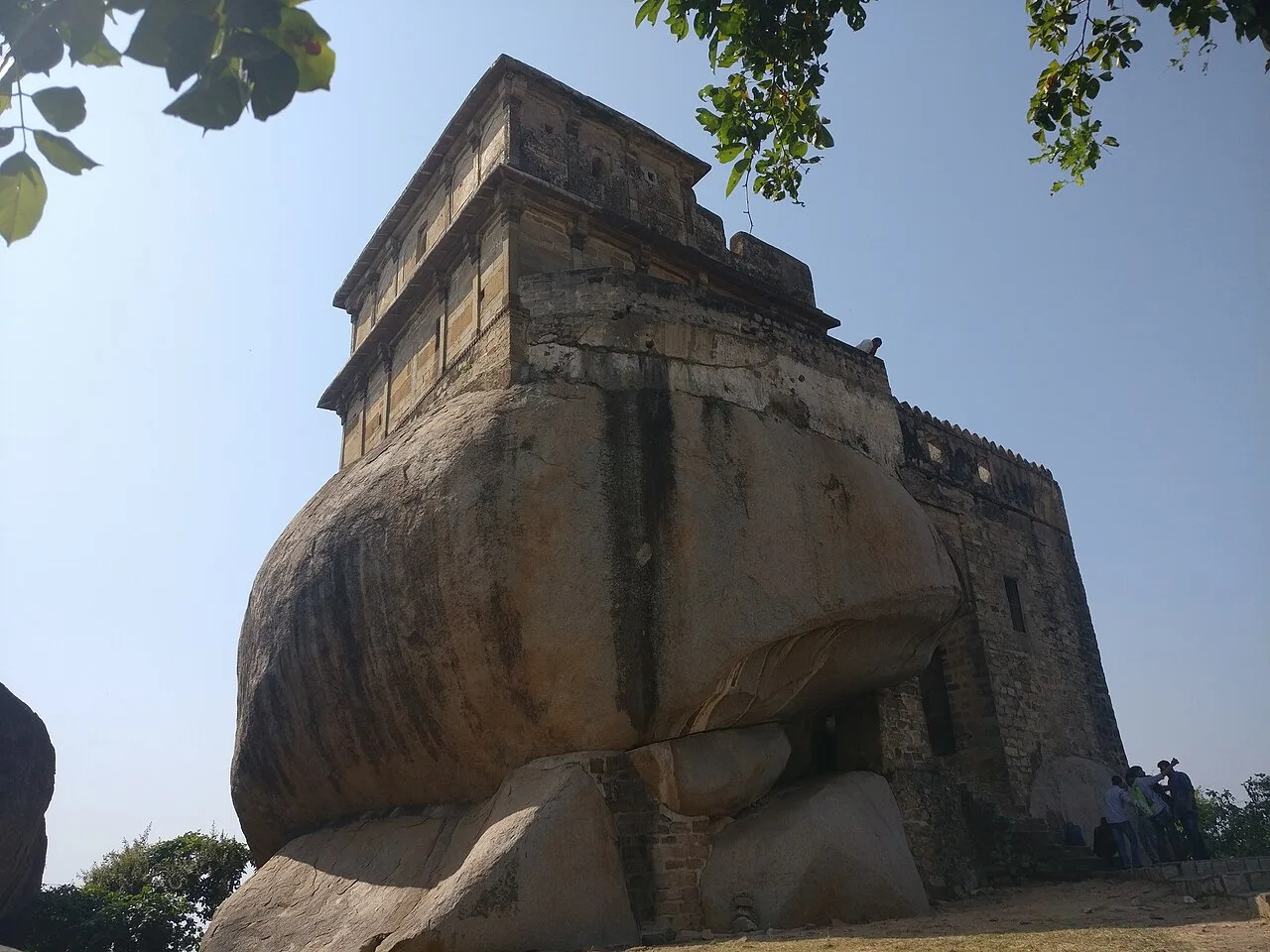
Madan Mahal

43 km away · Jabalpur district

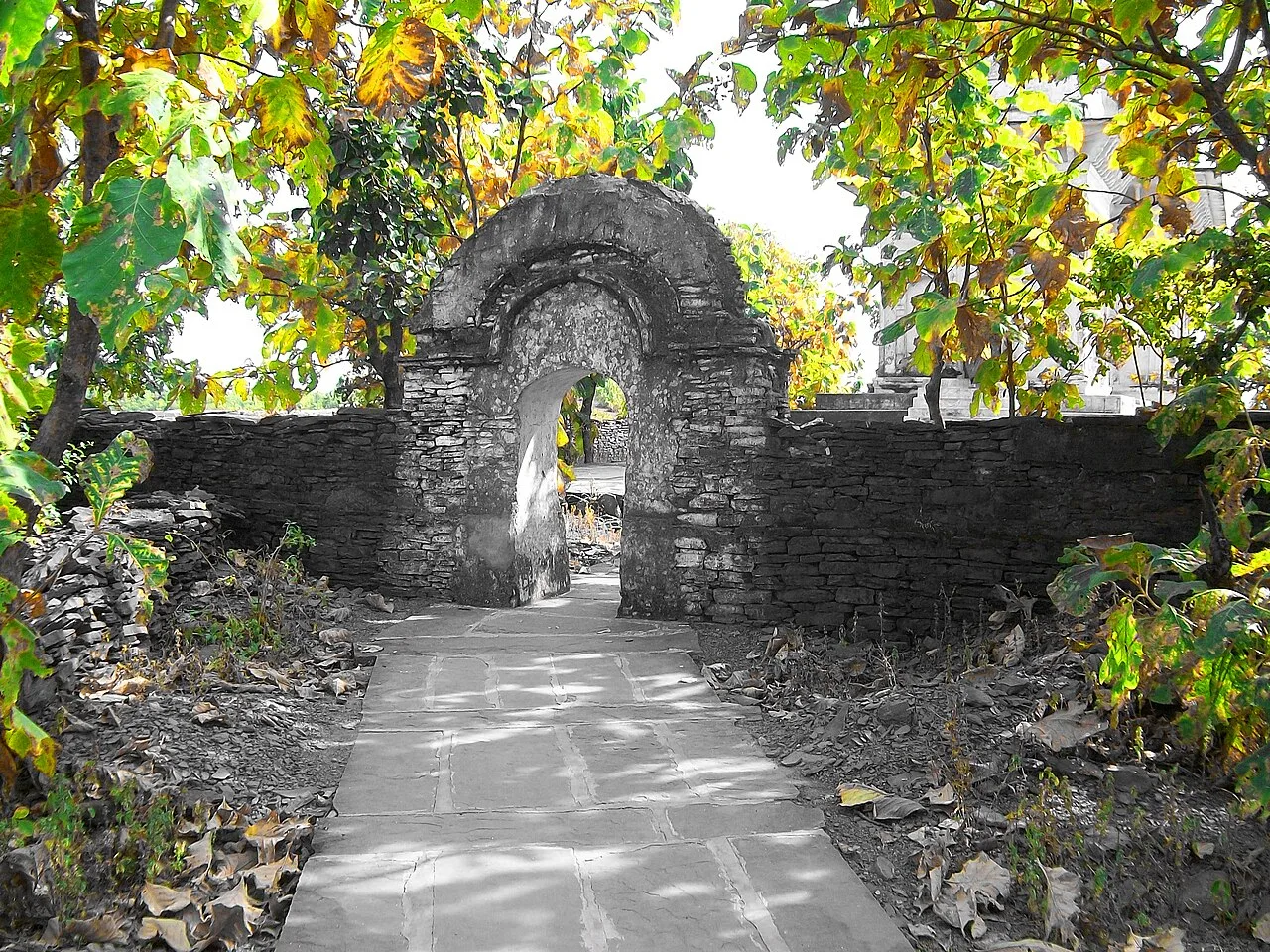
Madan Mahal

Madan Mahal is a suburb in Jabalpur district, Madhya Pradesh, best known for the historic Durgavati fort. Visitors come to see the hilltop fort associated with Raja Madan Singh.

Bhedaghat

50 km away · Jabalpur district

Bhedaghat

Bhedaghat, a nagar panchayat in Jabalpur district, Madhya Pradesh, draws visitors to the Narmada’s marble gorge and the misty cascade at Dhuandhar Falls.

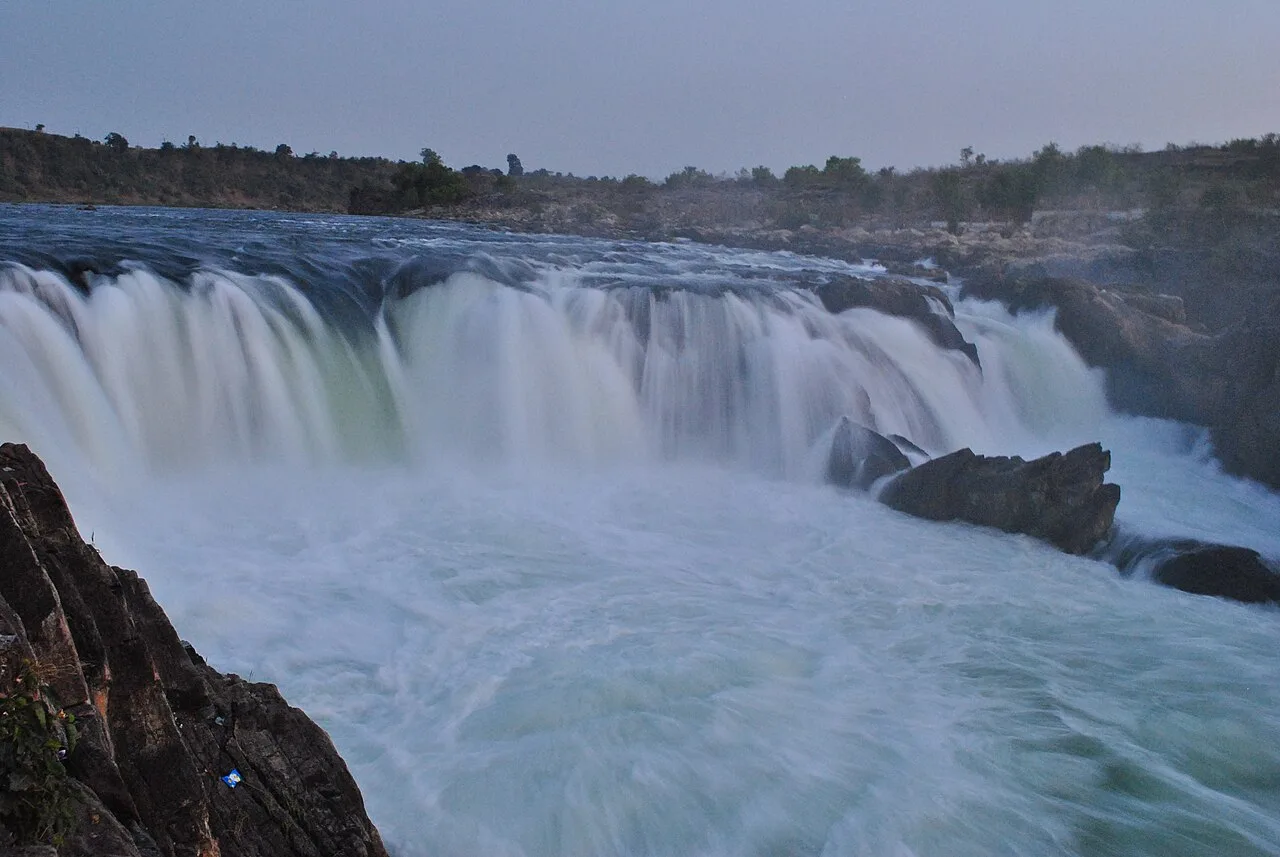
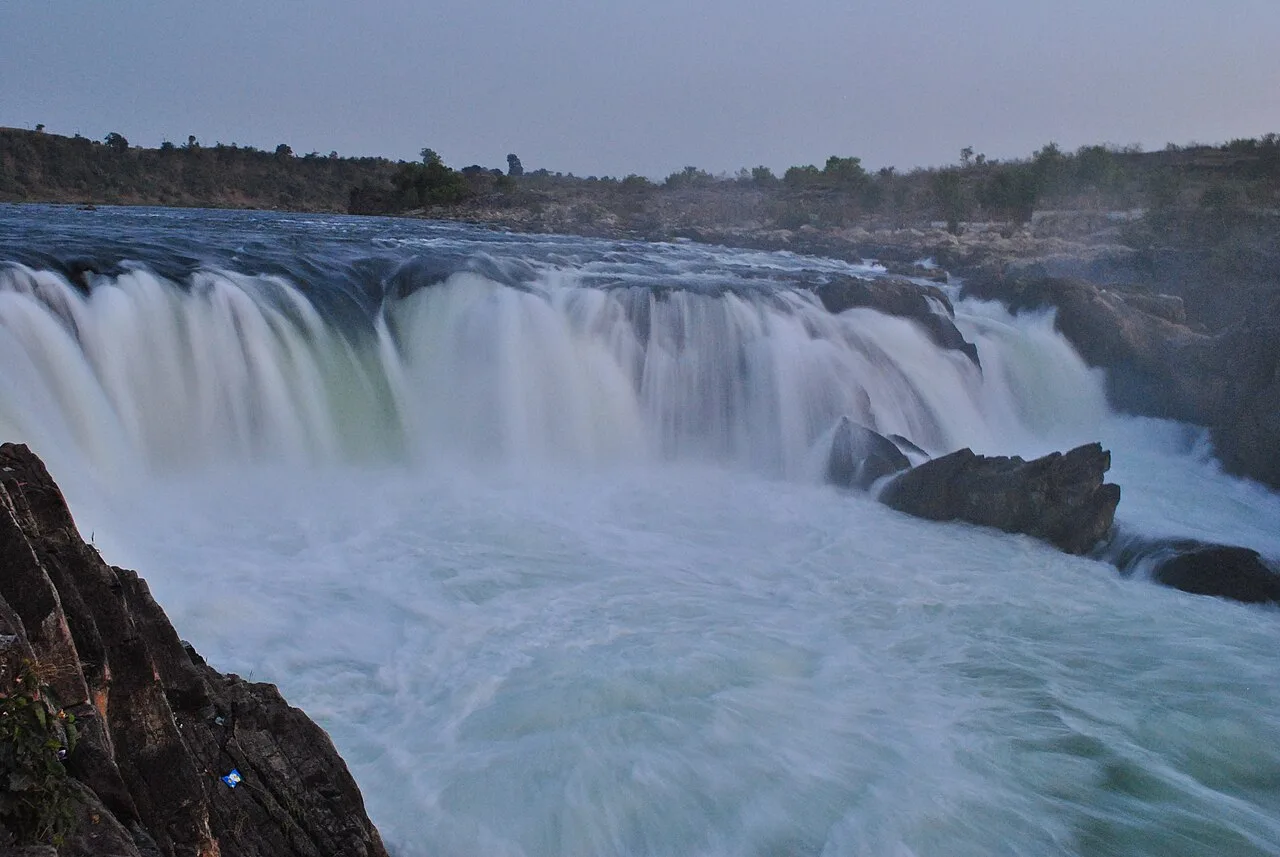
Dhuandhar Falls

50 km away · Jabalpur district

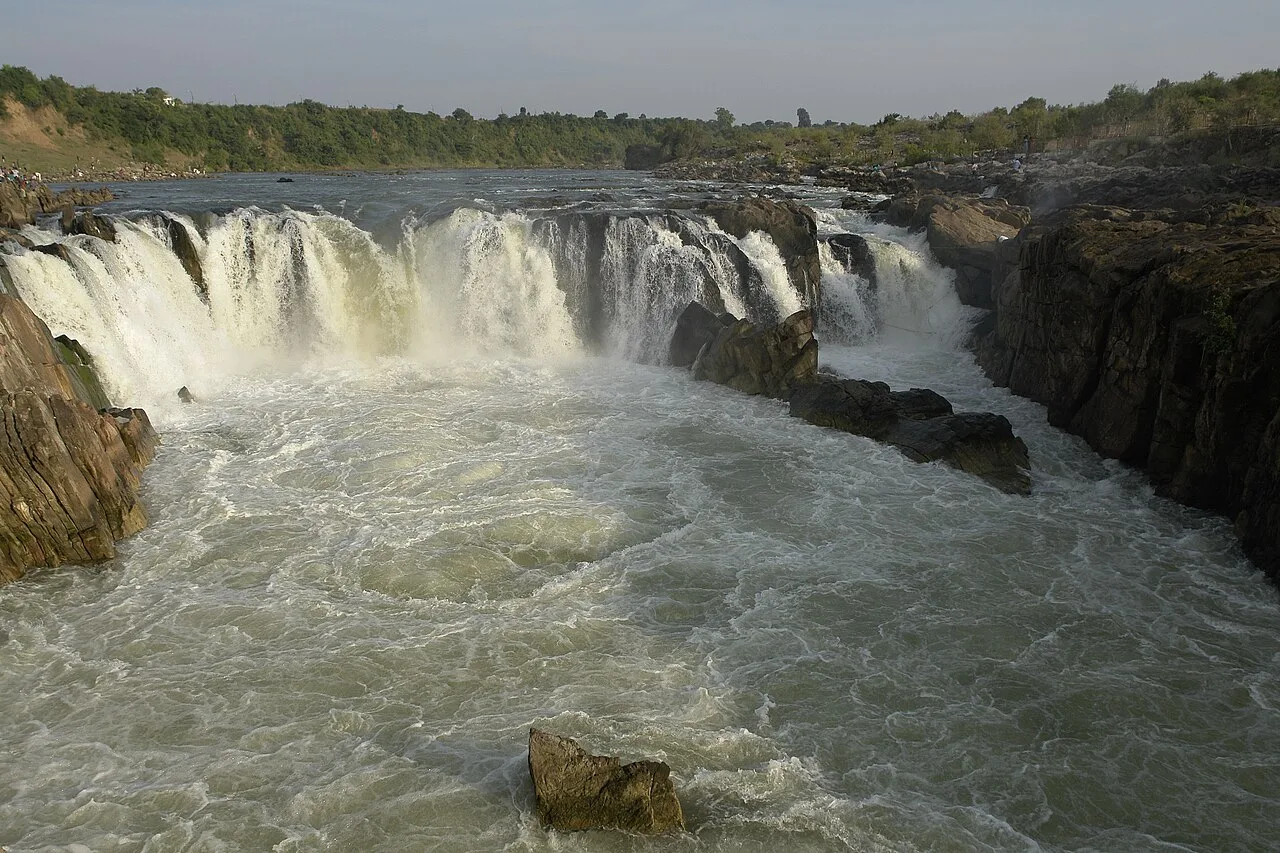
Dhuandhar Falls

Dhuandhar Falls is a waterfall located in Jabalpur district, Madhya Pradesh. Visitors come to see the falls, a natural feature of the district.

Marble Rocks

51 km away · Jabalpur district

Marble Rocks

Marble Rocks is a gorge carved into marble by the Narmada at Bhedaghat, near Jabalpur in Madhya Pradesh. Visitors come to see the river-shaped landscape and locally made marble figures.

Kundalpur Jain Temples

68 km away · Damoh district

Kundalpur Jain Temples

The Kundalpur Jain Temples are a pilgrimage destination for Digambar Jains in Madhya Pradesh’s Damoh district. The town of Kundalpur lies 37 kilometres north-east of Damoh city.

Bandhavgarh National Park

91 km away · Bandhavgarh district

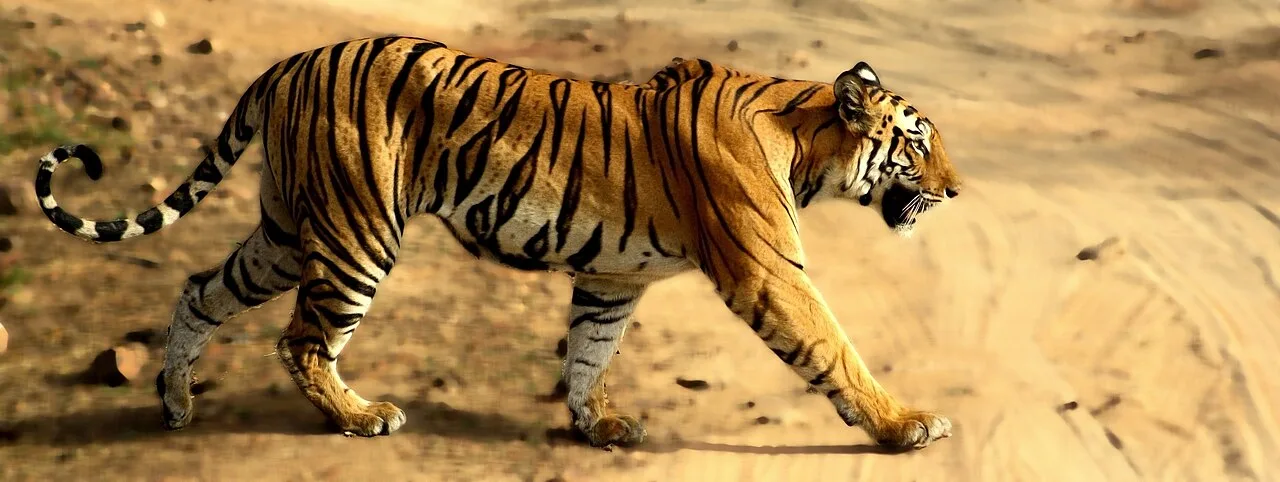
Bandhavgarh National Park

Bandhavgarh National Park, in Umaria district, Madhya Pradesh, is a protected area with extensive forests and diverse wildlife. Visitors are drawn especially by its tigers and other animals.

Bandhavgarh Fort

97 km away · Bandhavgarh district

Bandhavgarh Fort

Bandhavgarh Fort is a historic stronghold in Umaria district, Madhya Pradesh, within Bandhavgarh National Park, drawing interest for its landscape and long political history.

Maihar Sharda Temple

109 km away · Satna district

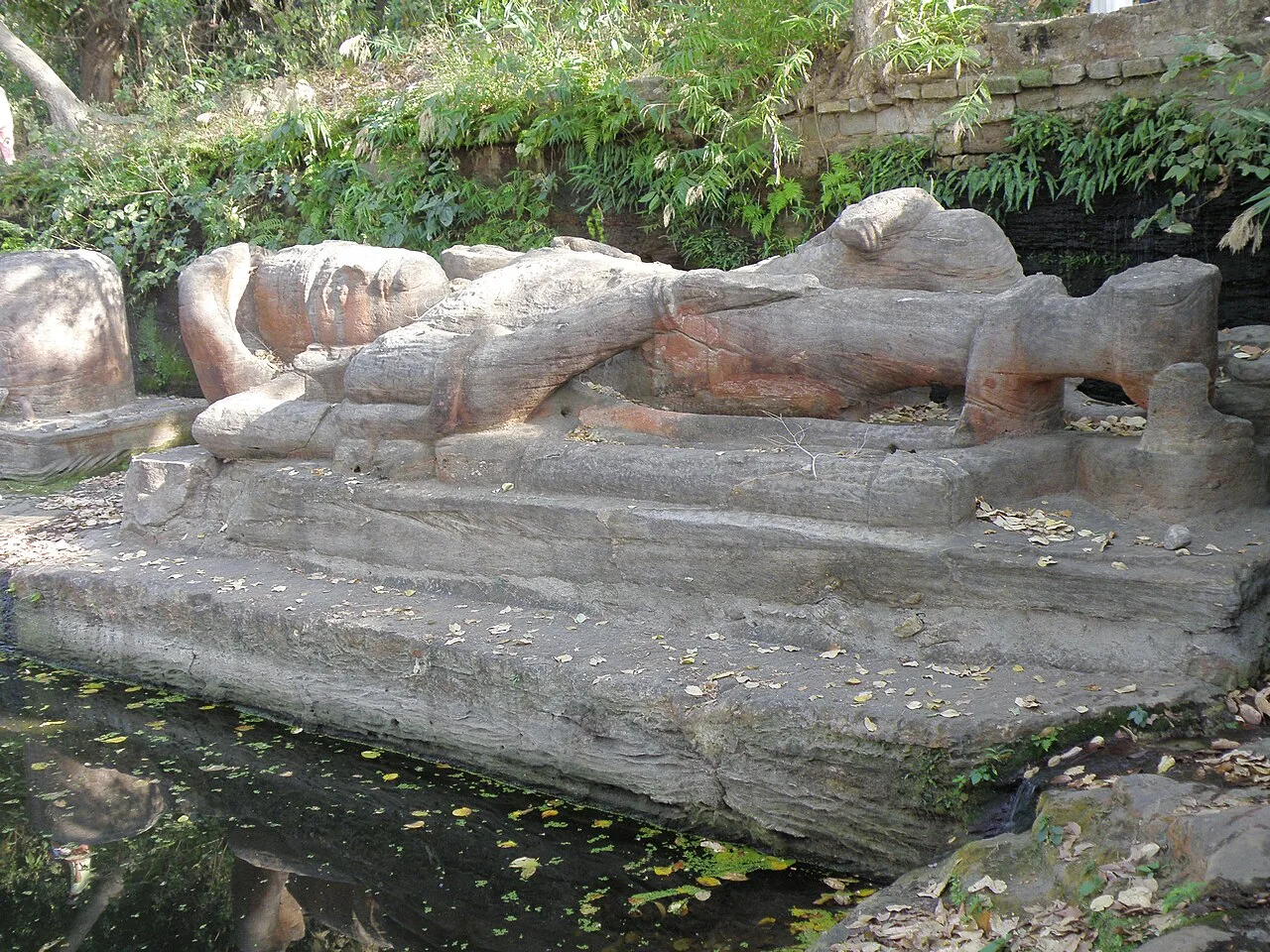
Maihar Sharda Temple

Maihar Sharda Temple is a religious shrine in Madhya Pradesh, associated with Maa Sharda and counted among the Shakti Peeth. Worshippers visit for its religious significance.

Map

Sihora on the map

  1. 1Madan Mahal
  2. 2Bhedaghat
  3. 3Dhuandhar Falls
  4. 4Marble Rocks
  5. 5Kundalpur Jain Temples
  6. 6Bandhavgarh National Park
  7. 7Bandhavgarh Fort
  8. 8Maihar Sharda Temple

Madhya Pradesh

Other cities to explore