Ghumoopedia — Explore, Discover, Experience
Sign in

City guide · Madhya Pradesh

Jirapur

Jirapur is a small administrative and market town in Rajgarh district, in western Madhya Pradesh. It serves as the headquarters of Jirapur tehsil, whose villages look to the town for local services and trade.

Famous for

  • Balaji Temple
  • Jirapur Dam
  • Shiv temple
  • Dug Hanumanji

Why Jirapur matters

Jirapur is a small administrative and market town in Rajgarh district, in western Madhya Pradesh. It serves as the headquarters of Jirapur tehsil, whose villages look to the town for local services and trade. Its position in the Malwa region, near the Rajasthan border, also connects it with settlements on both sides of the state boundary. Jirapur lies about 39 kilometres west of Rajgarh and roughly 158 kilometres from Bhopal by the distances commonly cited for the area.

Visitors come mainly for nearby places of worship and modest outings rather than large-scale tourism. The Balaji Temple, a Shiv temple near Jirapur Dam, and Dug Hanumanji are among the local attractions; the dam and its surroundings are also used for informal picnics. The town’s appeal is its unhurried, everyday character: a regional centre where temple visits, local markets and the surrounding countryside can be combined. It is best approached as a base for exploring the nearby tehsil, not as a destination with extensive visitor infrastructure.
Famous for: crafts, trade & products

Jirapur is not widely documented as a centre for a distinctive textile, handicraft, GI-tagged product or large-scale industry. Its best-known identity is local and practical: it serves as a tehsil centre and market for nearby villages. Shops in the town are the place to look for everyday goods, groceries and locally prepared snacks, but visitors should not expect a recognised craft quarter or a specialist shopping district.

The Balaji Temple, Jirapur Dam, the nearby Shiv temple and Dug Hanumanji are more prominent local points of interest than particular commercial products. Small traders and service businesses support residents and people travelling in from surrounding settlements. For regional produce or Malwa-made goods, ask in the central market about what is available during a visit; selection can vary, and no particular product is reliably identified as a Jirapur speciality. The town is therefore most useful for experiencing a small district market and as a starting point for local temple visits and countryside excursions, rather than for planned souvenir shopping.

History

Jirapur’s history is not well represented in widely available accounts, and few specific dates or named monuments establish a detailed chronology for the town itself. Its setting is within the Malwa region, an area shaped over time by changing regional powers. Rajgarh, the district centre, was associated with a princely state during the period of British rule; the wider region later became part of Madhya Pradesh after India’s independence. These regional changes provide context, but should not be mistaken for a documented account of particular events in Jirapur.

In more recent times, Jirapur’s growth has been closely tied to administration and the rural economy. It functions as a tehsil headquarters and a nagar panchayat, with local services and trade serving the surrounding villages. The tehsil comprises 88 villages and panchayats. Its temples and dam are familiar local gathering places, while road connections link it with Rajgarh and towns toward the Madhya Pradesh–Rajasthan boundary. There is little basis for assigning a precise founding date or a specific colonial-era development story to the town.

Food, festivals & culture

Daily life in Jirapur reflects its Malwa setting and its role as a small town serving nearby villages. Hindi is widely used, and Malwi speech is part of the region’s everyday linguistic character. Local meals generally draw on familiar central Indian staples, such as wheat-based breads, lentils, seasonal vegetables and snacks. Poha and jalebi are common across the wider Malwa region, though they should be understood as regional choices rather than exclusive Jirapur specialities. The town is not especially known for a signature sweet or a distinct food tradition.

Hindu festivals such as Navratri, Diwali and Holi are observed in the usual seasons, with temple visits and community gatherings around festive periods. Mahashivratri is a natural occasion for worship at Shiv temples. Muslim residents may mark Ramadan and Eid, as in towns across the region. The Balaji Temple and the Shiv temple near the dam are among the local places of worship; Dug Hanumanji is also a recognised devotional and picnic destination. There is no widely documented performance tradition unique to Jirapur, so cultural visits are best centred on worship, markets and seasonal community life.

Visiting the city

The cooler months, roughly October to March, are generally the most comfortable time to visit. Summers can be hot, while the monsoon brings greener surroundings but may make rural roads less convenient. Jirapur has no airport; Bhopal’s Raja Bhoj Airport is the principal airport for reaching the region, followed by a road journey. Sarangpur Railway Station is a useful nearby rail connection, though travellers should check current onward transport before setting out.

Road travel is the most practical way to reach Jirapur and visit places around the tehsil. Within town, local vehicles and short walks can cover the central market and nearby temples; arrange separate transport for the dam or Dug Hanumanji. Explore the town centre and bazaar for everyday local life, then visit the temple area and dam surroundings. Facilities and transport options are modest, so plan excursions during daylight and confirm local road conditions.

Trips from the city

Nearest places to visit from Jirapur

Our closest destination guides, by straight-line distance.

Kal Bhairav Temple

109 km away · Ujjain district

Kal Bhairav Temple

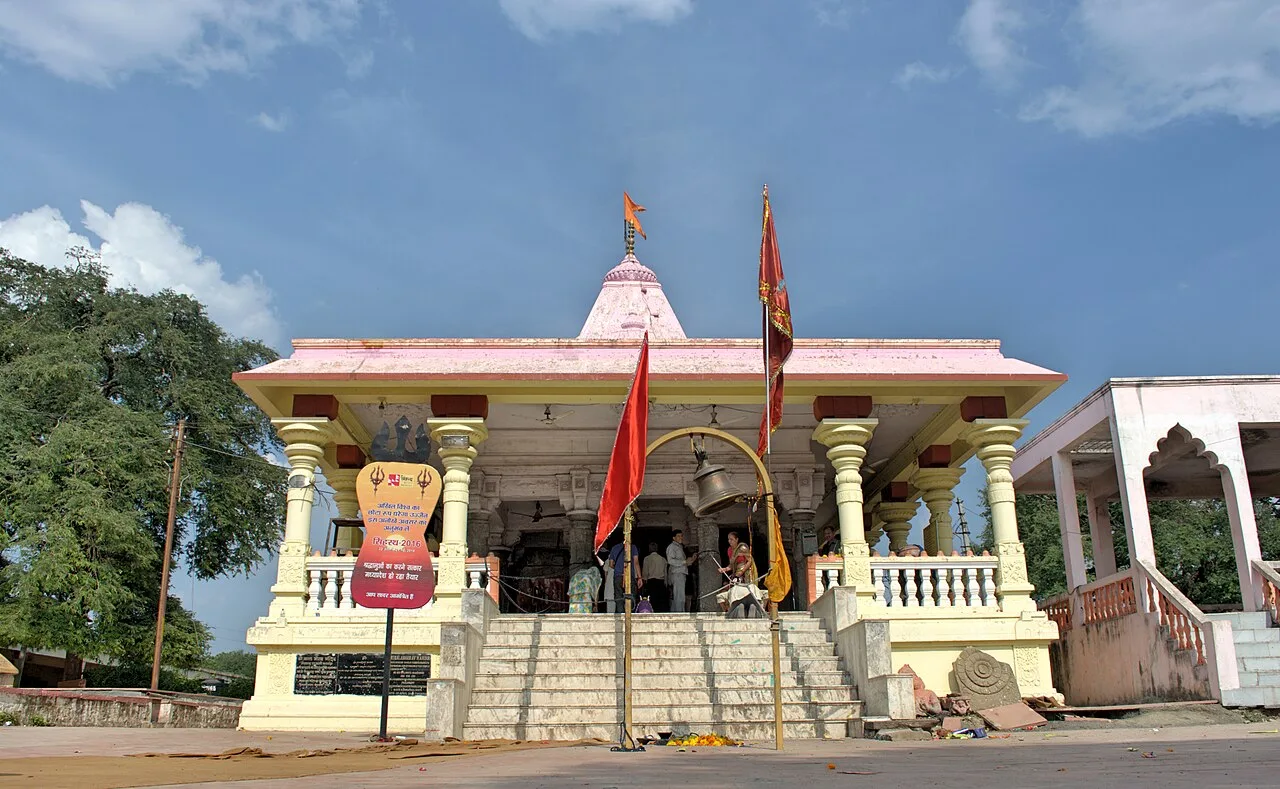
A Hindu shrine in Ujjain, Madhya Pradesh, Kal Bhairav Temple honours the city’s guardian deity. Worshippers visit its setting by the Shipra River, and liquor is among the offerings made there.

Mahakaleshwar Jyotirlinga

112 km away · Ujjain district

Mahakaleshwar Jyotirlinga

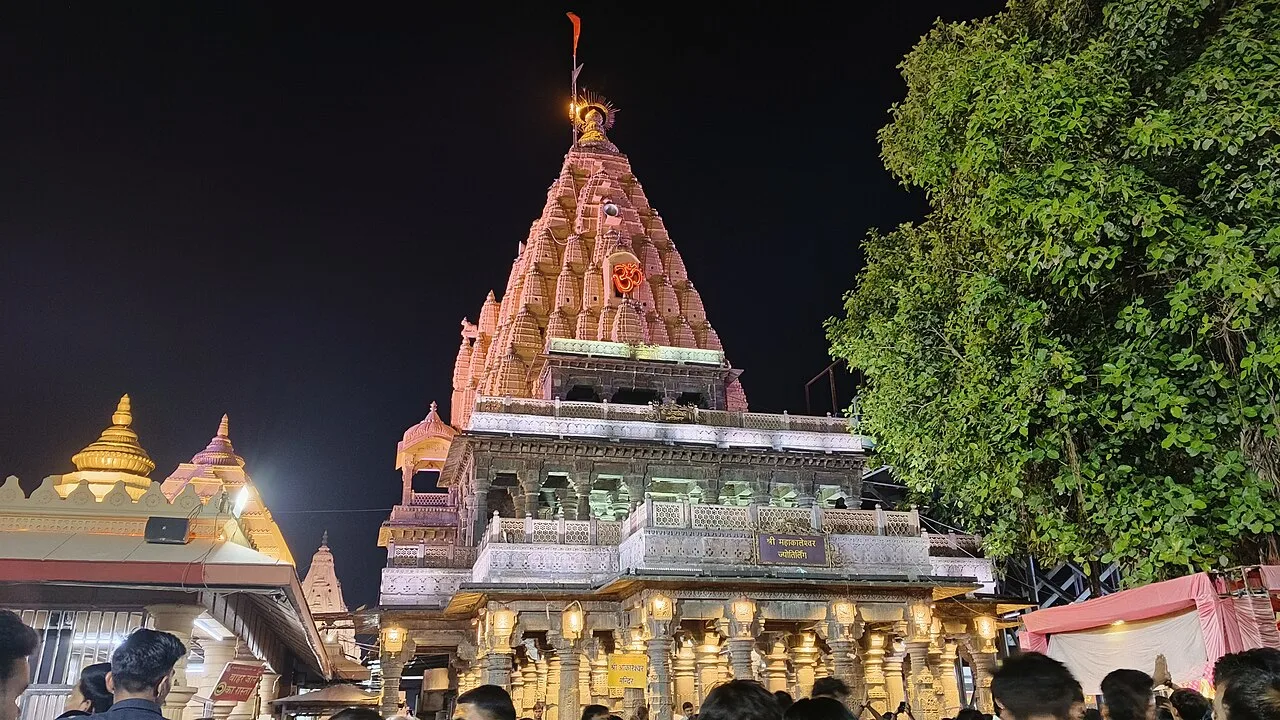
Mahakaleshwar Jyotirlinga is a Shiva temple in Ujjain, revered as one of twelve especially sacred Jyotirlinga shrines. Visitors come to worship its lingam, which is believed to be Swayambhu.

Islamnagar

129 km away · Bhopal district

Islamnagar

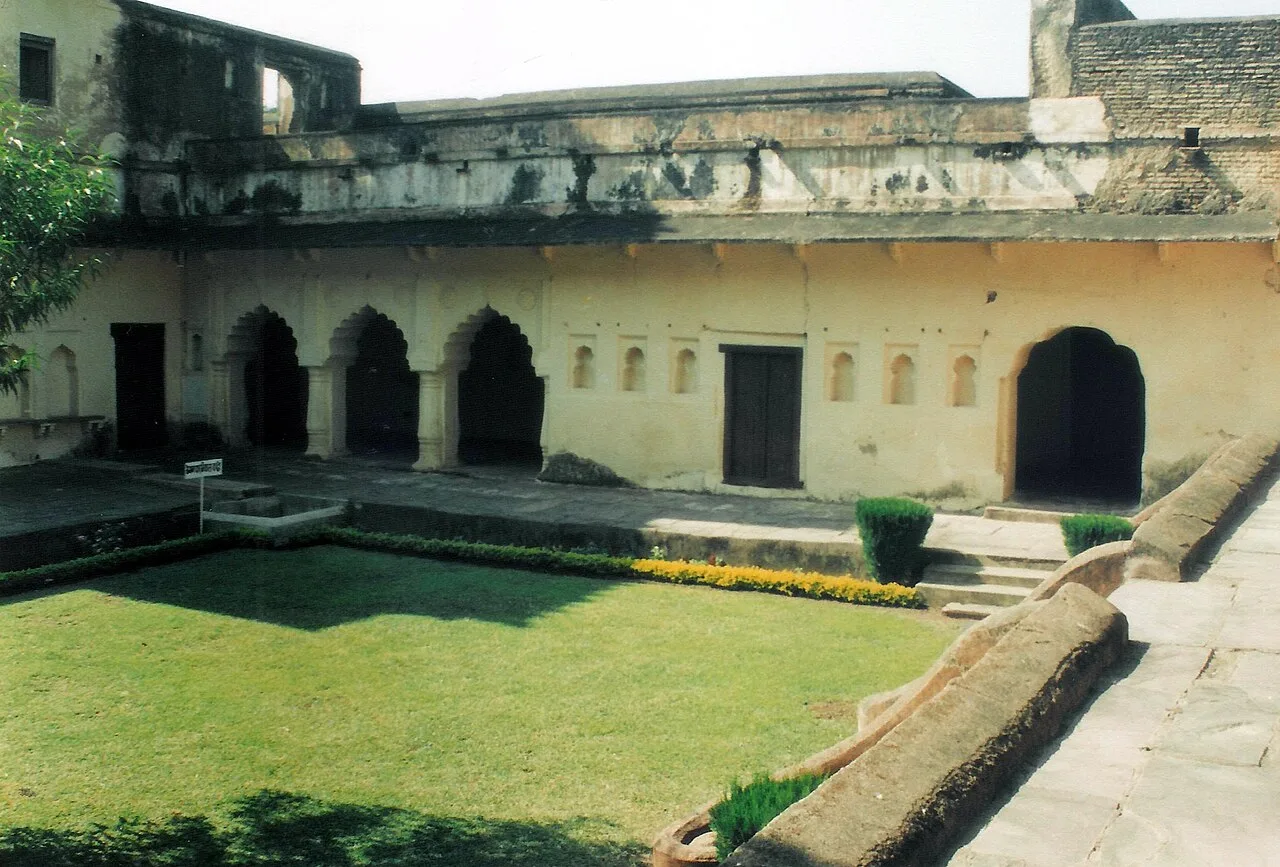
Islamnagar, officially Jagdishpur since February 2023, is a panchayat village in Bhopal district, Madhya Pradesh, visited for the ruined palaces built by Bhopal’s founder.

Bhoj Wetland, Bhopal

130 km away · Sehore district

Bhoj Wetland, Bhopal

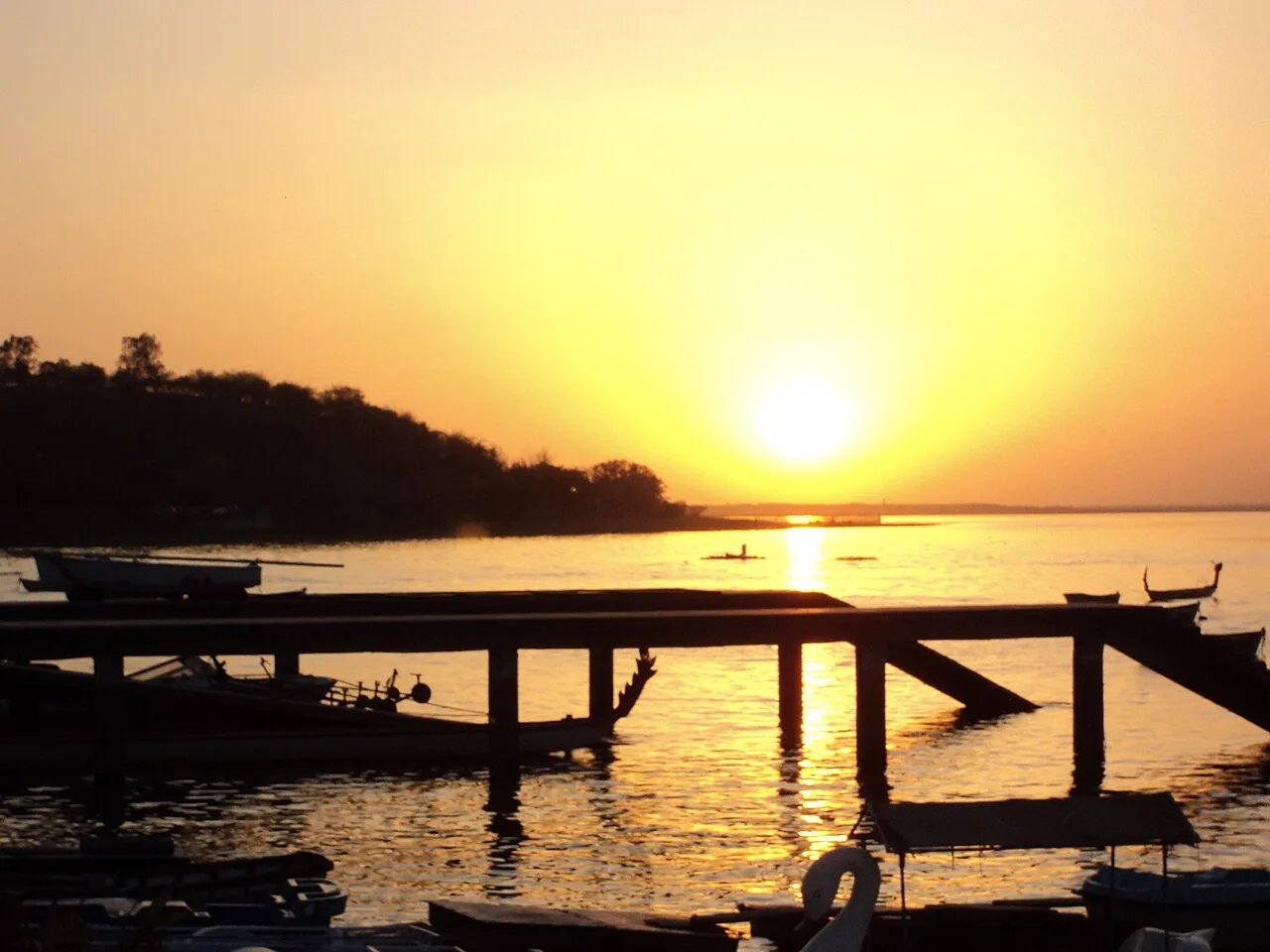
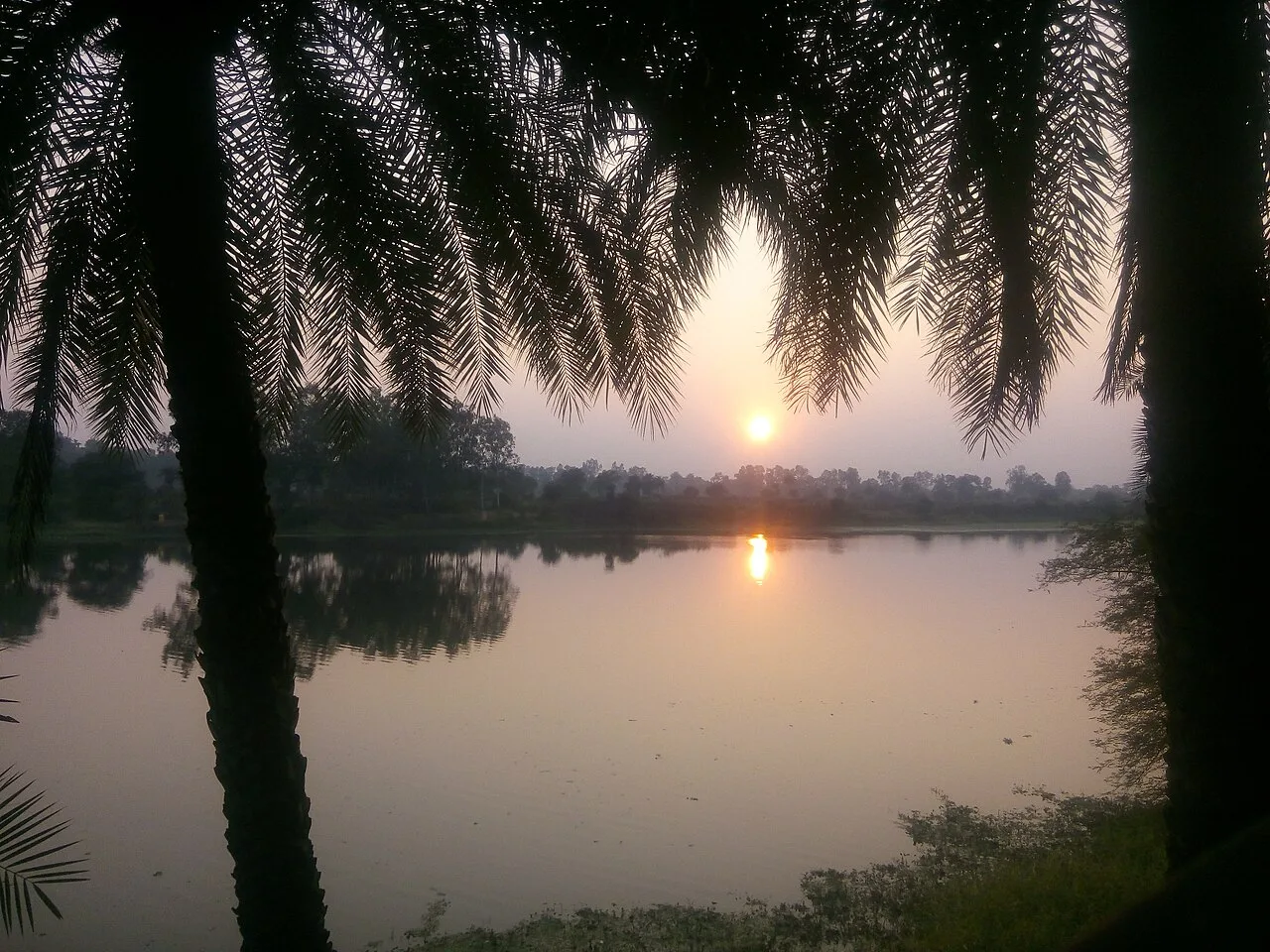
Bhoj Wetland is a two-lake complex in Bhopal, Madhya Pradesh. Visitors are drawn to its wetland habitats, varied wildlife and waterbirds.

Bhojtal

130 km away · Bhopal district

Bhojtal

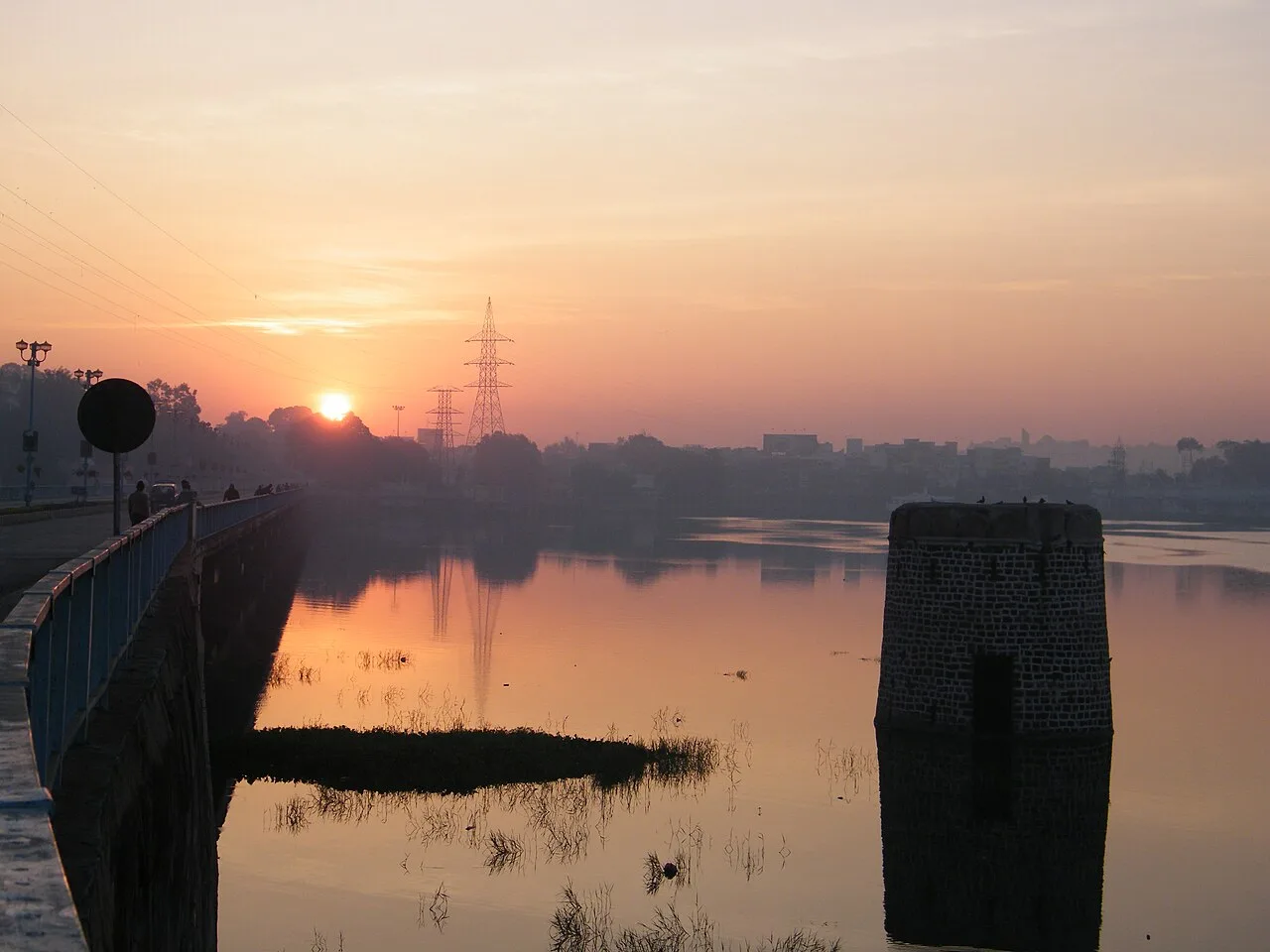
Bhojtal, also called Upper Lake, is a large lake on Bhopal’s western side. Visitors can see it as part of the Bhoj Wetland, formed with nearby Lower Lake and designated a Ramsar site.

Taj-ul-Masajid

134 km away · Bhopal district

Taj-ul-Masajid

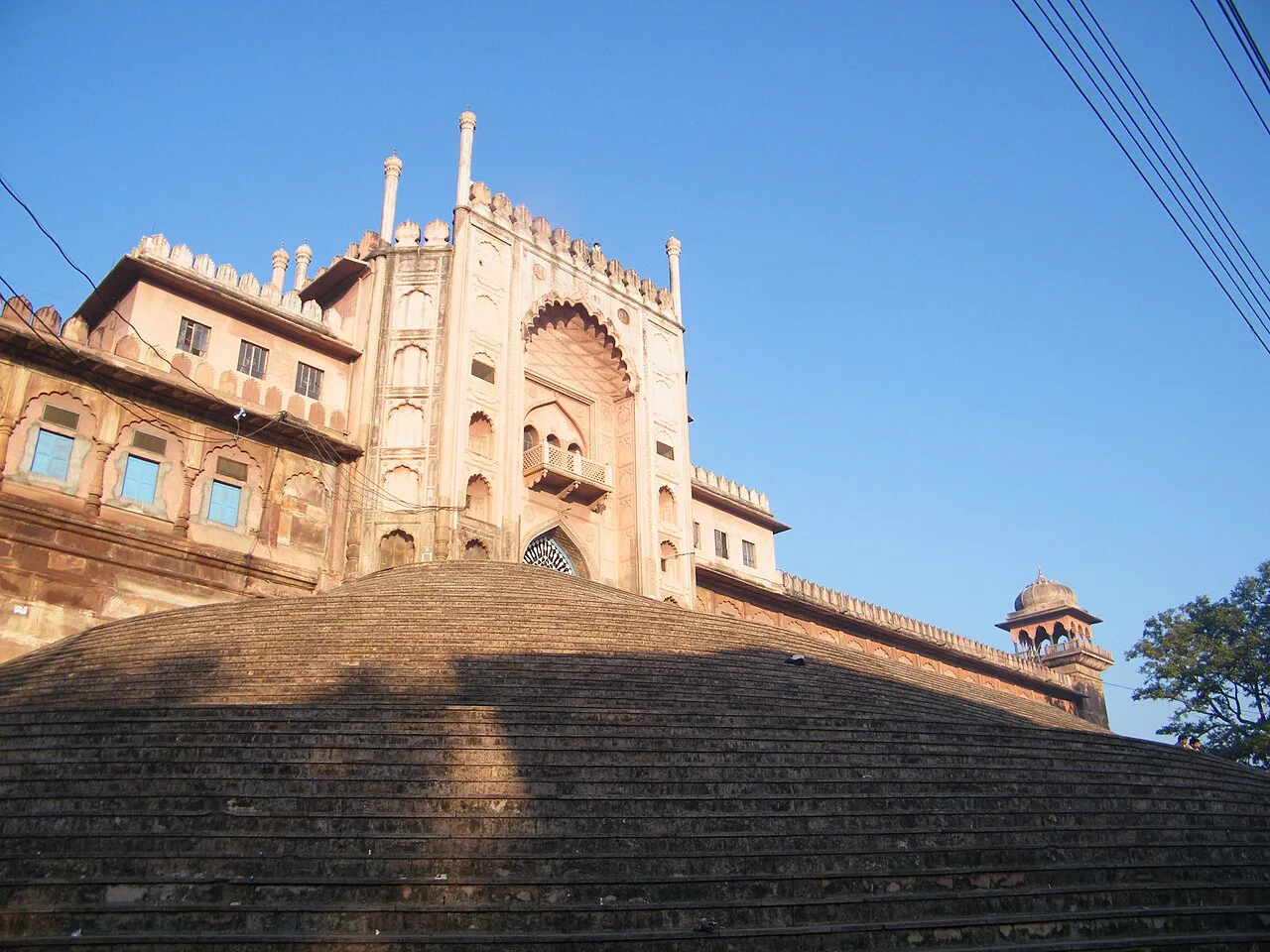
Taj-ul-Masajid is a Sunni mosque in Bhopal, Madhya Pradesh, associated with Tablighi Jamaat and the Deobandi movement. People visit for prayer and to see one of India’s largest mosques.

Van Vihar National Park

134 km away · Bhopal district

Van Vihar National Park

Van Vihar is a national park and zoological facility in Bhopal, visited for its animal habitats and a road that runs through the grounds.

Bharat Bhavan

135 km away · Bhopal district

Bharat Bhavan

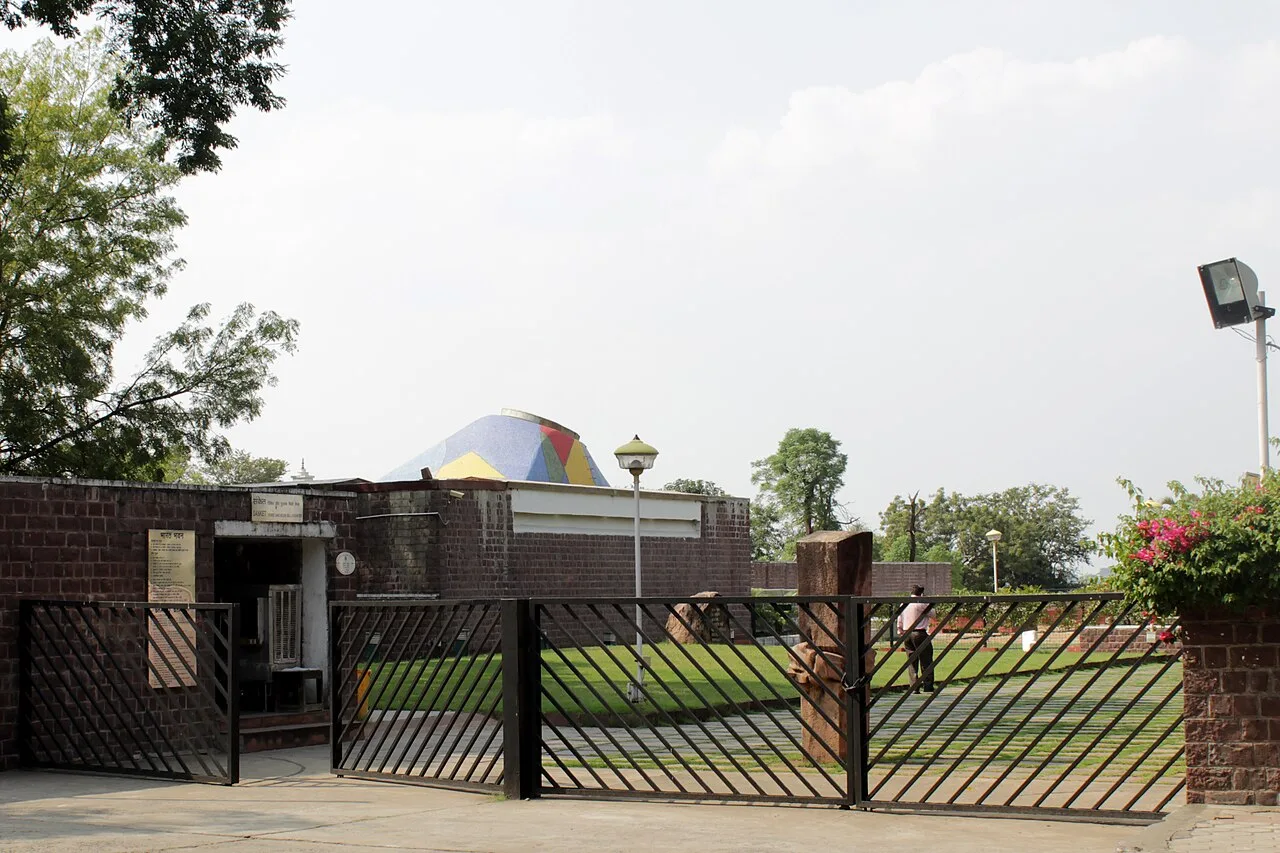
Bharat Bhavan is a government-established arts centre and museum in Bhopal, designed by Charles Correa. Visitors can explore its galleries, creative workshops, performance spaces and cultural collections.

Map

Jirapur on the map

  1. 1Kal Bhairav Temple
  2. 2Mahakaleshwar Jyotirlinga
  3. 3Islamnagar
  4. 4Bhoj Wetland, Bhopal
  5. 5Bhojtal
  6. 6Taj-ul-Masajid
  7. 7Van Vihar National Park
  8. 8Bharat Bhavan

Madhya Pradesh

Other cities to explore