Ghumoopedia — Explore, Discover, Experience
Sign in

City guide · Madhya Pradesh

Sarangpur

Sarangpur is a town and tehsil headquarters in Rajgarh district, in western Madhya Pradesh. Set beside the Kali Sindh River, it serves nearby villages and connects the district’s southern reaches with towns including Shajapur, Pachore and Shujalpur.

Famous for

  • Kali Sindh river setting
  • Medieval Malwa history
  • Baz Bahadur association
  • Rana Kumbha battle
  • Sarangpur tehsil headquarters

Why Sarangpur matters

Sarangpur is a town and tehsil headquarters in Rajgarh district, in western Madhya Pradesh. Set beside the Kali Sindh River, it serves nearby villages and connects the district’s southern reaches with towns including Shajapur, Pachore and Shujalpur. It lies about 65 kilometres south of Rajgarh and falls within Bhopal division. Its role today is primarily regional: residents come here for local administration, shops and everyday services, while surrounding settlements look to the town as a commercial and transport centre.

Sarangpur also draws interest for its place in Malwa’s history. Accounts link it with Shaikh Sarang, a fourteenth-century founder, and with battles involving Rana Kumbha and the Malwa Sultanate, as well as Baz Bahadur and Akbar’s forces. Visitors interested in historic central India can explore the old town and its riverside setting, though Sarangpur is better approached as a working district town than as a destination with a large, established tourist circuit. Its appeal lies in this mix of regional importance, river landscape and layered history.
Famous for: crafts, trade & products

Sarangpur is not widely identified with a particular named textile, saree tradition, handicraft, or GI-tagged product. Nor is there a well-established signature industry for which the town is especially known. Its commercial importance is more local and practical: as a tehsil centre, it serves residents of Sarangpur and nearby villages, with shops and trade supporting the surrounding countryside. Agricultural produce from the hinterland is part of the broader regional economy, but specific products should not be treated as a distinctive Sarangpur speciality without local confirmation.

For everyday shopping, visitors can browse the central town bazaar and ask local shopkeepers about goods made or grown nearby. The bazaar is the most useful place to look for routine provisions, clothing and household items, rather than a dedicated craft market. Travellers seeking regionally distinctive Malwa textiles, crafts or packaged foods may find a wider selection in larger nearby commercial centres. Sarangpur’s strongest associations remain its administrative role, river setting and historical episodes, rather than a documented craft or product identity.

History

Sarangpur’s history is associated with Shaikh Sarang, an amir under the Delhi Sultan Firuz Shah Tughlaq, who is credited with founding the town. Its position in Malwa later placed it amid struggles between regional powers. A major battle at Sarangpur in the fifteenth century pitted Mewar ruler Rana Kumbha against Sultan Mahmud Khalji of Malwa; accounts describe a victory for Rana Kumbha and the sultan’s capture. The town is also connected with Baz Bahadur, ruler of Malwa, and the Mughal campaign under Akbar that defeated him in 1561.

During the colonial era, Sarangpur formed part of the changing political and administrative landscape of central India; detailed local accounts of that period are limited. In modern Madhya Pradesh it developed as a tehsil headquarters in Rajgarh district and a service centre for nearby villages. Its administrative role continues to shape the town’s daily life and regional importance.

Food, festivals & culture

Hindi is widely used in public life, and Malvi, the regional language variety, is heard in everyday conversation. The town shares the food culture of the Malwa region: local eateries may serve familiar central Indian meals and snacks, while poha, dal-bafla and jalebi are common regional favourites rather than documented Sarangpur specialties. Visitors can ask locally about seasonal dishes and sweets, since menus and availability vary.

Holi in spring, Navratri in autumn and Diwali in autumn are observed alongside festivals such as Eid, reflecting the town’s varied religious life. Temples and mosques serve as important places of worship; visitors should follow local customs and seek permission before photographing people or ceremonies. Malwa folk traditions, devotional singing and community music form part of the wider cultural setting, though Sarangpur is not particularly known for a distinct performance tradition. Festival dates follow the lunar calendar and shift from year to year.

Visiting the city

The cooler months, roughly October to March, are generally the most comfortable time to visit. Sarangpur has its own railway station, Sarangpur railway station. The nearest major airport is Devi Ahilya Bai Holkar Airport in Indore; check current onward road connections before travelling. The town is also reached by road from Rajgarh and other nearby centres.

Auto-rickshaws and local road transport are practical for getting around; arranging a car is useful for visiting surrounding villages. Explore the central bazaar and older town streets for everyday local life, then see the Kali Sindh from an appropriate public riverside area. Sarangpur is a modest working town rather than a resort base, so visitors looking for a broader range of accommodation or services may prefer to plan onward stays in a larger nearby city. Respect local access and conditions at the riverbank.

Trips from the city

Nearest places to visit from Sarangpur

Our closest destination guides, by straight-line distance.

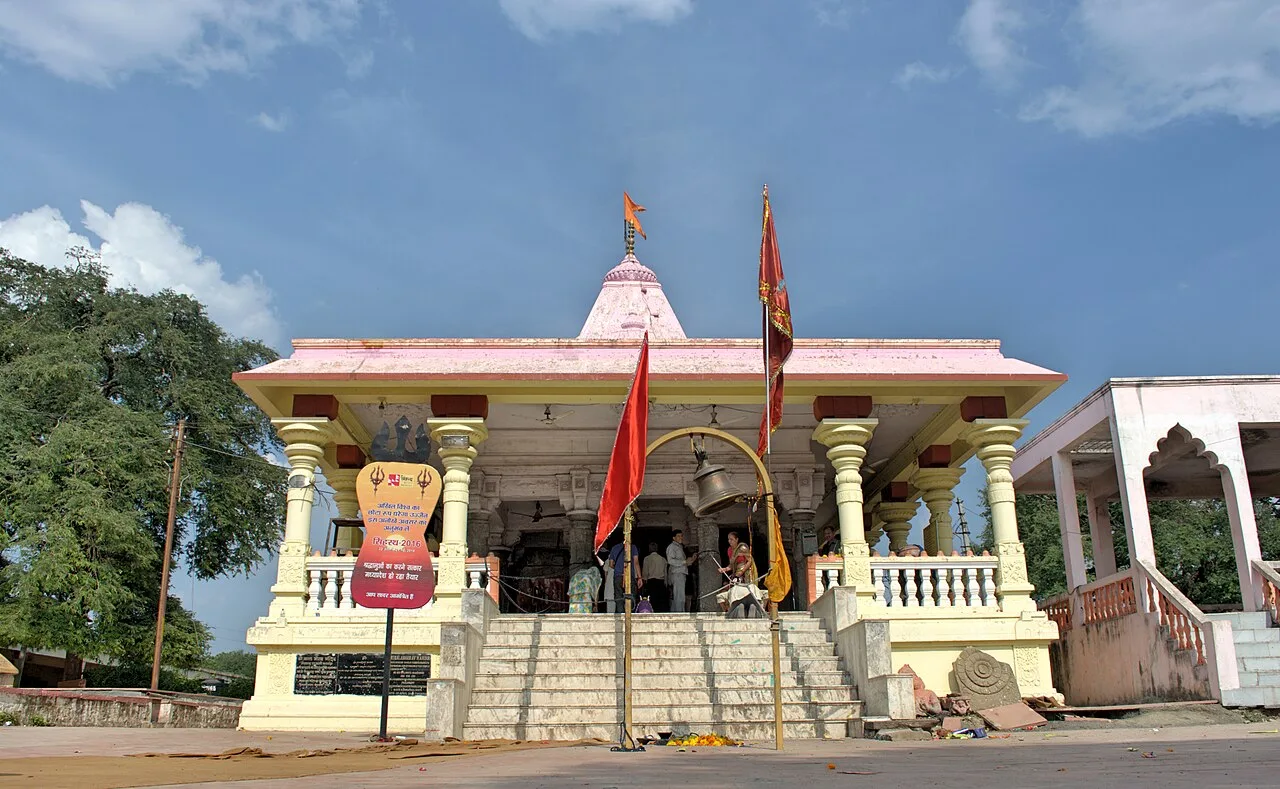
Kal Bhairav Temple

82 km away · Ujjain district

Kal Bhairav Temple

A Hindu shrine in Ujjain, Madhya Pradesh, Kal Bhairav Temple honours the city’s guardian deity. Worshippers visit its setting by the Shipra River, and liquor is among the offerings made there.

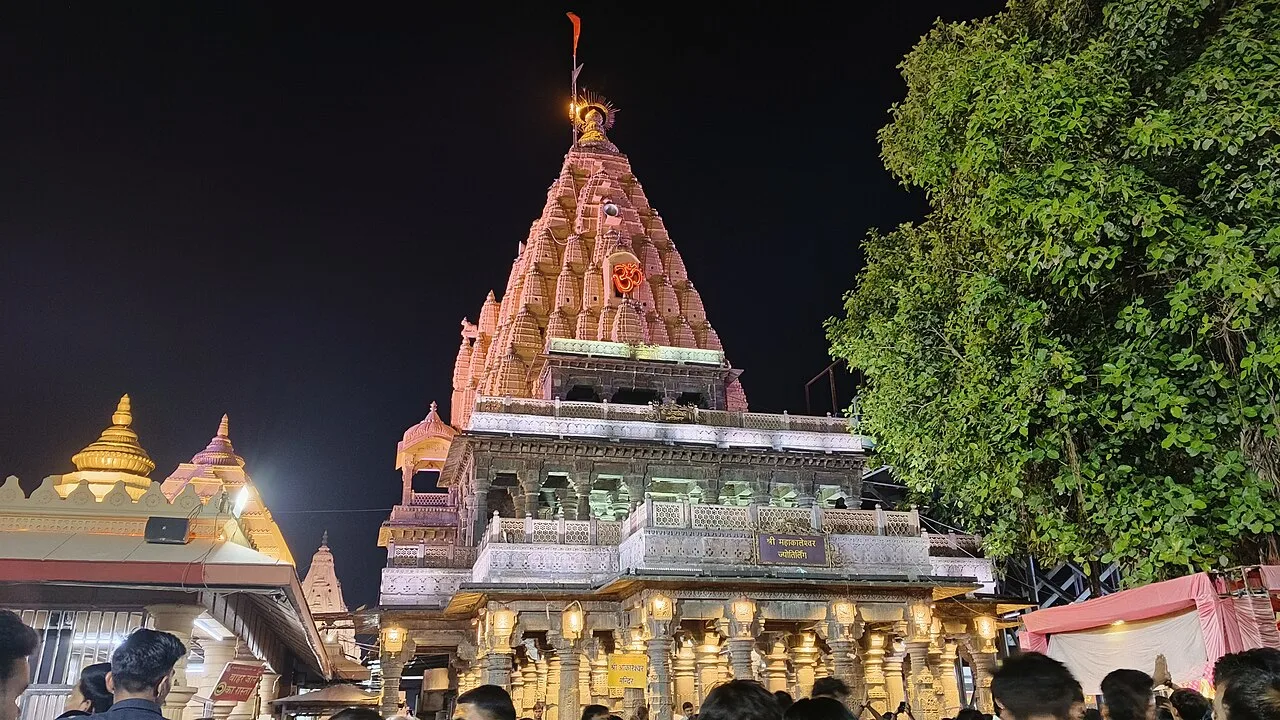
Mahakaleshwar Jyotirlinga

84 km away · Ujjain district

Mahakaleshwar Jyotirlinga

Mahakaleshwar Jyotirlinga is a Shiva temple in Ujjain, revered as one of twelve especially sacred Jyotirlinga shrines. Visitors come to worship its lingam, which is believed to be Swayambhu.

Bhoj Wetland, Bhopal

95 km away · Sehore district

Bhoj Wetland, Bhopal

Bhoj Wetland is a two-lake complex in Bhopal, Madhya Pradesh. Visitors are drawn to its wetland habitats, varied wildlife and waterbirds.

Bhojtal

95 km away · Bhopal district

Bhojtal

Bhojtal, also called Upper Lake, is a large lake on Bhopal’s western side. Visitors can see it as part of the Bhoj Wetland, formed with nearby Lower Lake and designated a Ramsar site.

Islamnagar

99 km away · Bhopal district

Islamnagar

Islamnagar, officially Jagdishpur since February 2023, is a panchayat village in Bhopal district, Madhya Pradesh, visited for the ruined palaces built by Bhopal’s founder.

Van Vihar National Park

99 km away · Bhopal district

Van Vihar National Park

Van Vihar is a national park and zoological facility in Bhopal, visited for its animal habitats and a road that runs through the grounds.

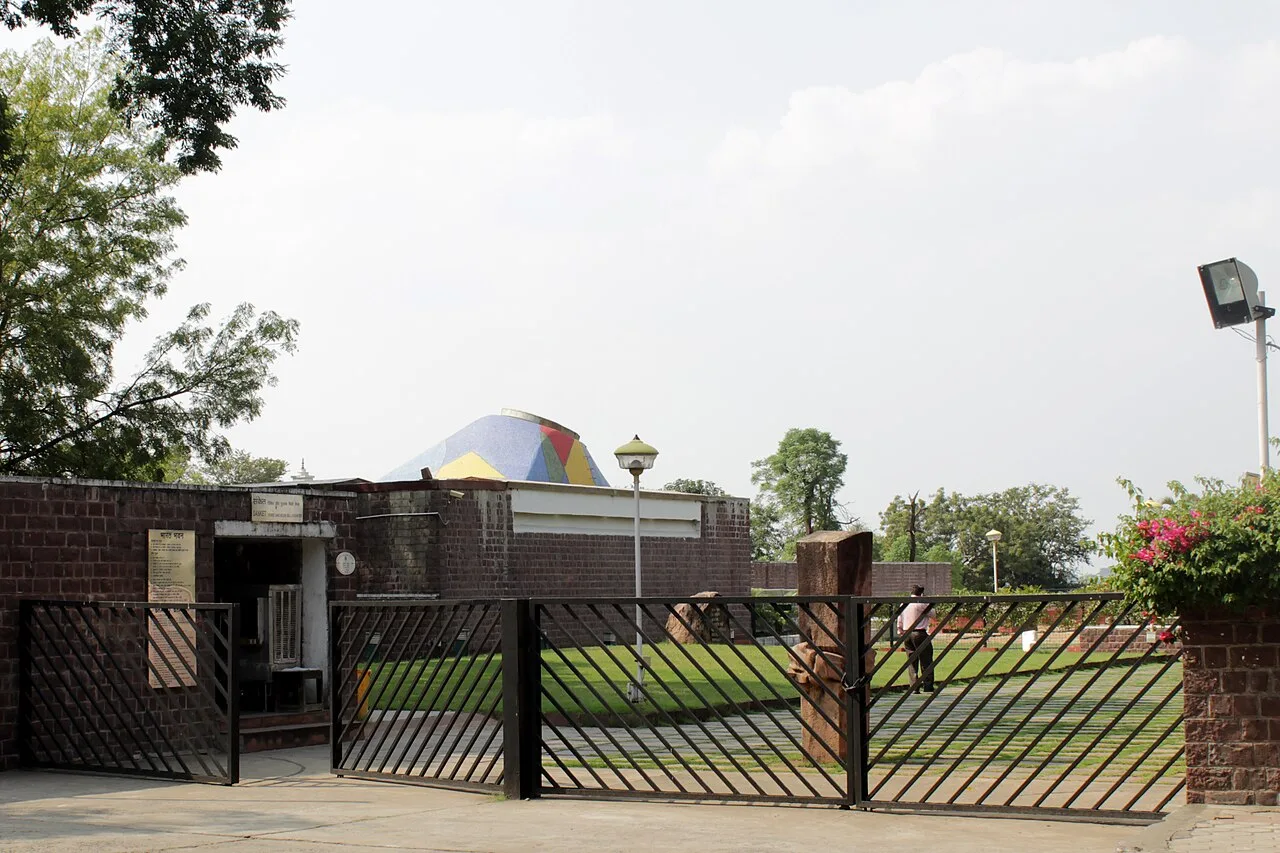
Bharat Bhavan

100 km away · Bhopal district

Bharat Bhavan

Bharat Bhavan is a government-established arts centre and museum in Bhopal, designed by Charles Correa. Visitors can explore its galleries, creative workshops, performance spaces and cultural collections.

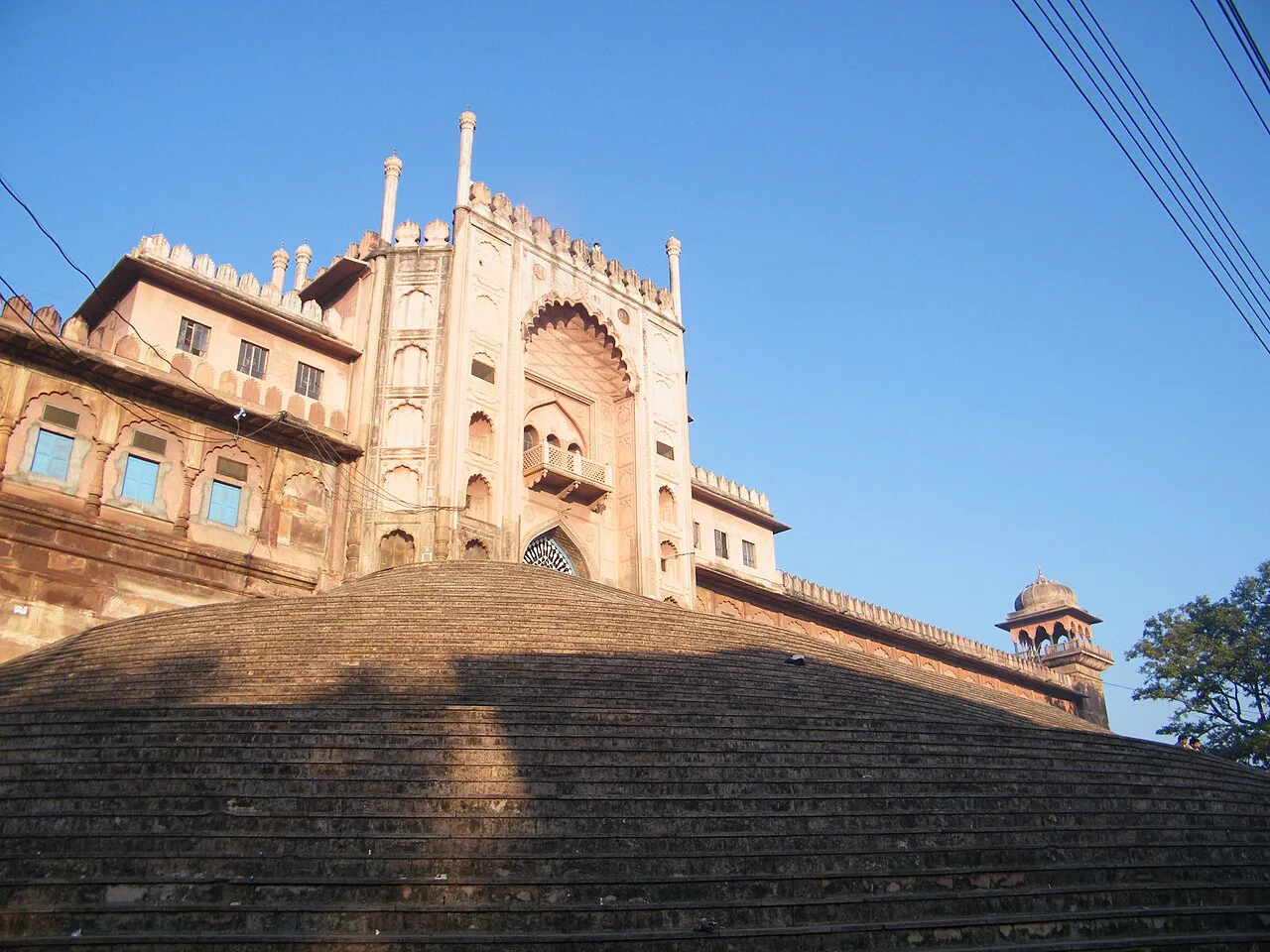
Taj-ul-Masajid

100 km away · Bhopal district

Taj-ul-Masajid

Taj-ul-Masajid is a Sunni mosque in Bhopal, Madhya Pradesh, associated with Tablighi Jamaat and the Deobandi movement. People visit for prayer and to see one of India’s largest mosques.

Map

Sarangpur on the map

  1. 1Kal Bhairav Temple
  2. 2Mahakaleshwar Jyotirlinga
  3. 3Bhoj Wetland, Bhopal
  4. 4Bhojtal
  5. 5Islamnagar
  6. 6Van Vihar National Park
  7. 7Bharat Bhavan
  8. 8Taj-ul-Masajid

Madhya Pradesh

Other cities to explore