Ghumoopedia — Explore, Discover, Experience
Sign in
Gohad Fort, near Lahar

City guide · Madhya Pradesh

Lahar

Lahar is a municipal town in Bhind district and an important local centre: it serves as both a tehsil headquarters and a sub-division. Its offices, schools and markets support residents of the town and nearby villages.

Famous for

  • Lakshagriha local legend
  • Indira Gandhi Cricket Stadium
  • Chambal-region agriculture
  • Hari Babu Gandhi’s poetry
  • Diwali and Holi fairs

Why Lahar matters

Lahar is a municipal town in Bhind district and an important local centre: it serves as both a tehsil headquarters and a sub-division. Its offices, schools and markets support residents of the town and nearby villages. The surrounding fertile plains make agriculture central to local life, with wheat, rice, mustard and pulses among the crops grown in the area.

Visitors come for a sense of small-town life in the Chambal region, local festivals and the countryside around Lahar. Local tradition links the town’s surroundings to the Mahabharata-era story of the Lakshagriha, though this is a legend rather than a verified archaeological account. The town is also associated with Hindi and regional-language poet Hari Babu Gandhi, and has an Indira Gandhi-named cricket stadium. Nearby temples and remnants, local markets and seasonal fairs offer points of interest, while Lahar’s administrative role makes it a practical base for exploring this part of Bhind district.
Famous for: crafts, trade & products

Lahar is best known locally for its agricultural hinterland rather than for a widely documented signature textile, handicraft or GI-tagged product. Wheat, rice, mustard and pulses are important crops, and the town’s markets serve both residents and surrounding villages. Visitors can look for locally grown produce and everyday goods in the town’s market areas; availability varies with the season and local trade.

Small-scale handloom weaving and brick-making are among the activities noted in the local economy, but Lahar is not established as a major textile or manufacturing centre. There is no widely recognised Lahar-specific saree, craft or packaged food that can confidently be singled out. For locally made goods, ask shopkeepers or residents about current producers and market days rather than expecting a dedicated craft bazaar. The town’s educational institutions, including Government Higher Secondary School, Saraswati Vidya Mandir, Lahar College of Arts and Science and SUN Institute of Pharmaceutical, are part of its role as a service centre for nearby communities. Its strongest identity remains a combination of farming, local commerce and regional administration.

History

Lahar’s past is tied to the wider history of the Chambal region, where local rulers and changing political authorities shaped trade and administration. Detailed ruler-by-ruler accounts of the town are not firmly established in the information commonly associated with Lahar. During the colonial period, the area was part of the broader political landscape of central India; specific town-level events should be treated cautiously where records are unclear.

A local Mahabharata tradition associates the outskirts with the Lakshagriha, the lac palace said to have been built by the Kauravas to trap the Pandavas. Stories of charred lac fragments are part of this tradition, but the account is legendary and should not be taken as confirmed archaeological evidence. Over generations, established families contributed to the town’s social and cultural life. In modern times, Lahar has developed as a Nagar Palika and as a tehsil and sub-division headquarters in Bhind district. Poet Hari Babu Gandhi, whose work included Hindi and local dialects, is another important part of its cultural history.

Food, festivals & culture

Hindi is widely used in public life, alongside local speech shaped by the dialects of the Chambal region. Lahar’s food reflects its agricultural setting: wheat breads, rice, pulses and seasonal vegetables are everyday staples. There is no well-documented town-specific dish or sweet to claim as a signature; visitors can ask locally about seasonal preparations and festive sweets.

Diwali in autumn, Holi in spring and Navratri are important occasions, often marked by gatherings, processions or local fairs. Bhajans and folk music are heard during religious and community events, and Rai dance is part of the wider regional folk tradition. Temples in and around town serve as places of worship and gathering, particularly during festivals. The town’s cultural life is also connected to poet Hari Babu Gandhi, remembered for writing in Hindi and local dialects. Festival activities and market scenes are among the best ways to experience Lahar’s community traditions.

Visiting the city

The cooler months, roughly October to March, are generally the most comfortable time to visit. Summers can be very hot, while the June-to-September monsoon brings most of the area’s rain. Gwalior Airport is the nearest major airport commonly used for onward travel. Bhind railway station is a nearby rail option; Gwalior is another station serving the wider region. Check current connections before setting out.

Road travel is the main way to reach Lahar, with bus services linking it to Bhind and other regional towns. Within Lahar, local transport and walking are practical for short trips. Explore the central market and civic areas, ask locally about nearby temples and historical remnants, and visit the Indira Gandhi-named cricket stadium if events or access permit. The surrounding rural landscape offers a glimpse of the agricultural life of the area; confirm local routes before heading out.

Trips from the city

Nearest places to visit from Lahar

Our closest destination guides, by straight-line distance.

Gohad Fort

56 km away · Bhind district

Gohad Fort

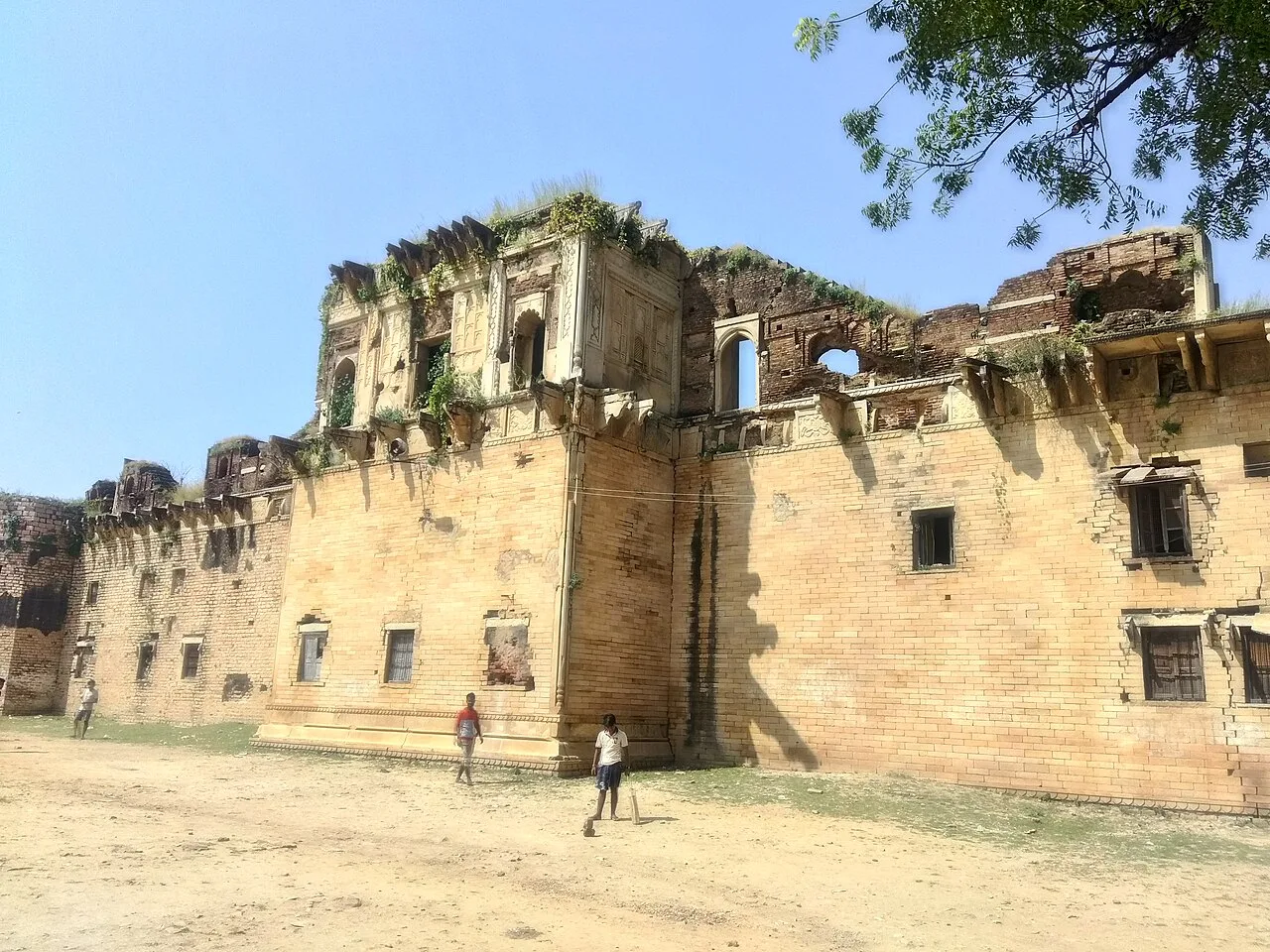
Gohad Fort is a historic site in Gohad, Madhya Pradesh, and attracts interest for its historical importance; the town is 45 km from Gwalior.

National Chambal Sanctuary

70 km away · Morena district

National Chambal Sanctuary

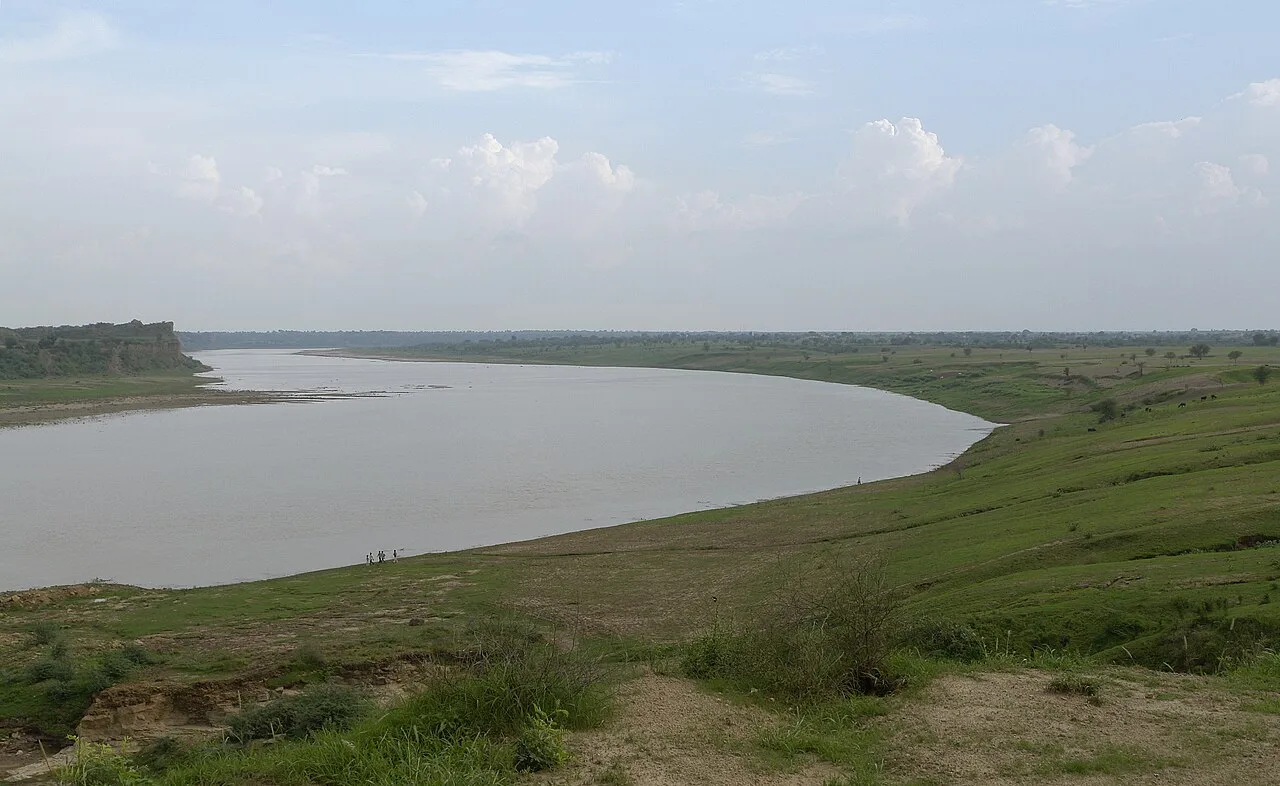
This protected river reserve safeguards rare reptiles and the Ganges river dolphin. Visitors are drawn to its wildlife and the Chambal’s course through rugged ravines and hills.

Chausath Yogini Temple

75 km away · Morena district

Chausath Yogini Temple

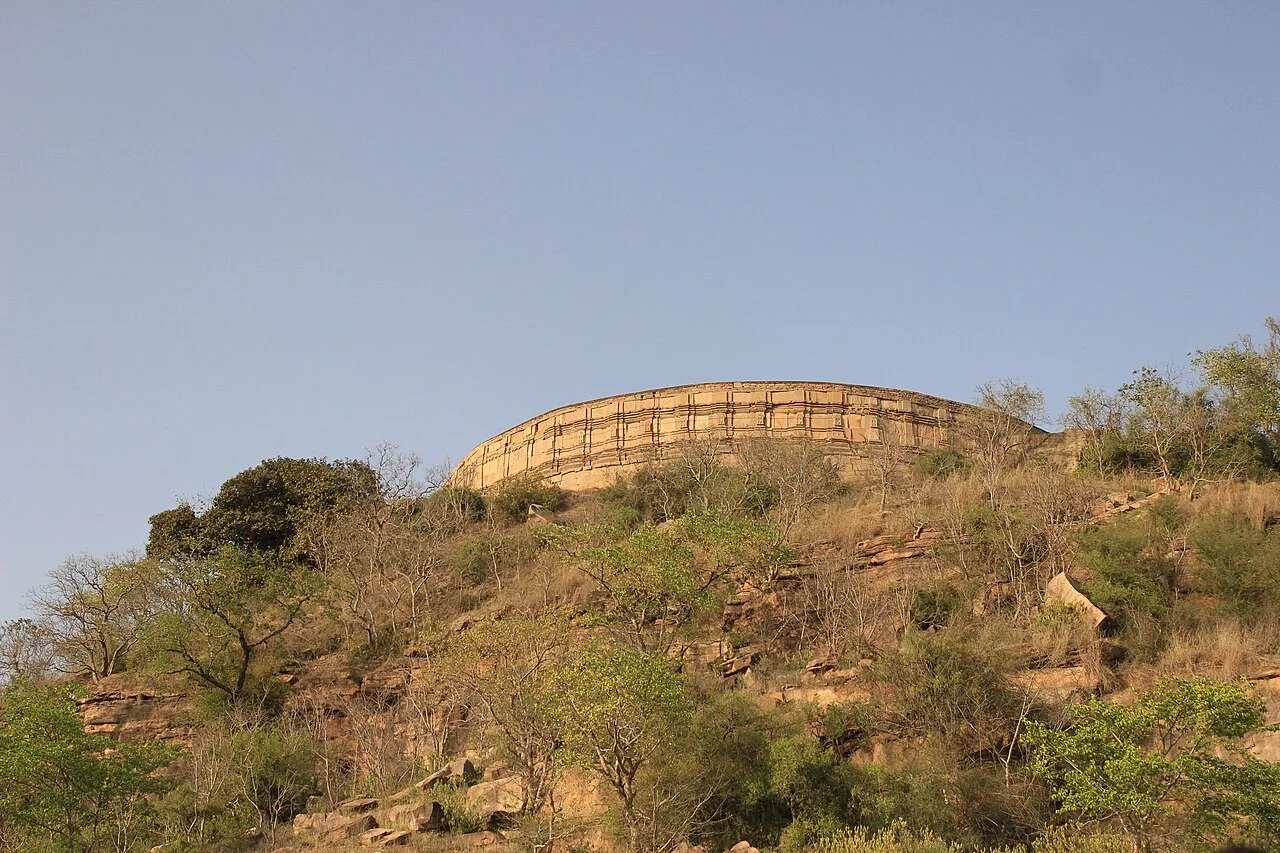
In Morena district, Madhya Pradesh, the 11th-century Chausath Yogini Temple is a Kachchhapaghata-period shrine. Visitors come to see its circular design and chambers associated with the yoginis.

Datia Palace

76 km away · Datia district

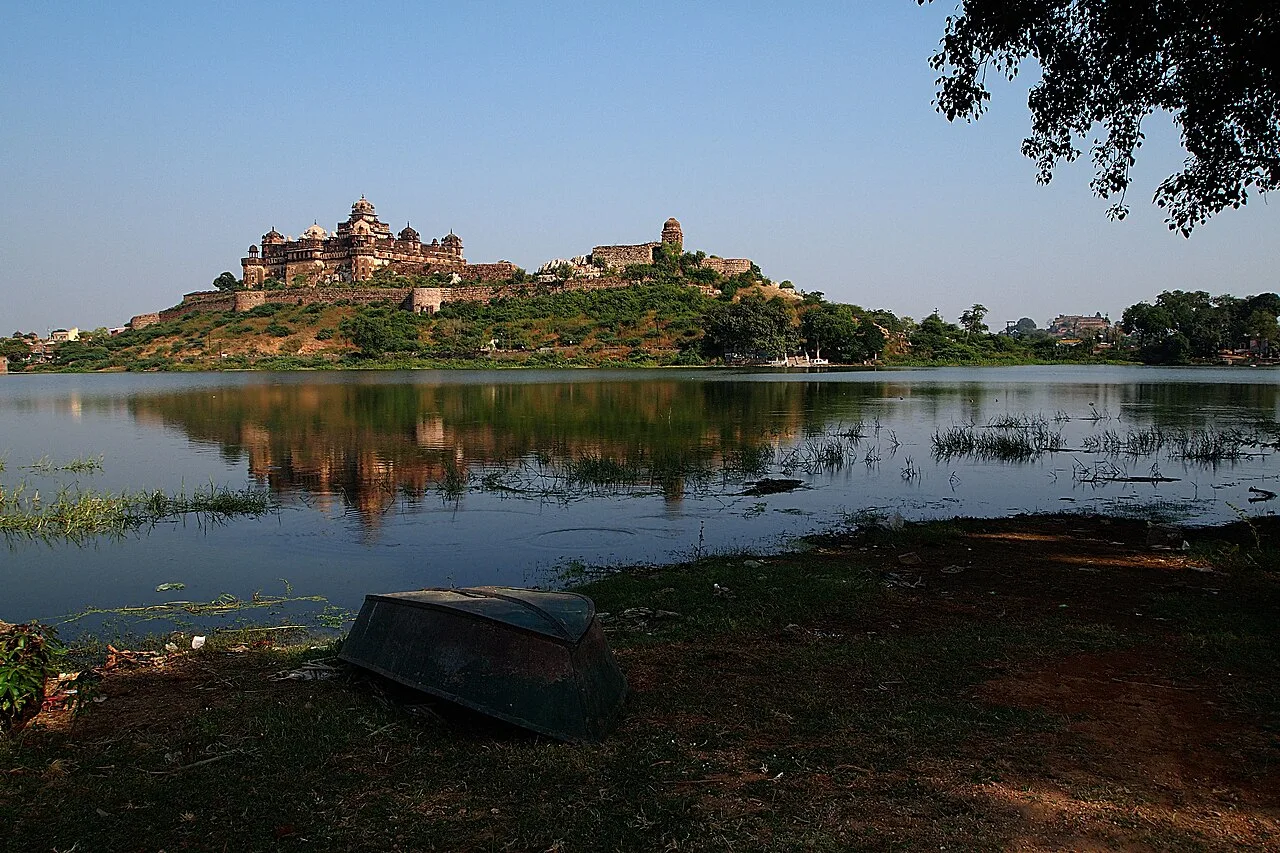
Datia Palace

Datia Palace, also known as Bir Singh Palace, is a seven-storey monument in Datia, Madhya Pradesh. Visitors come to see its scale and blend of Mughal and Rajput design.

Gwalior Fort

77 km away · Gwalior district

Gwalior Fort

Gwalior Fort is an ancient hill stronghold in Madhya Pradesh, visited for its historic palaces, successive rulers and inscriptions, including an early place-value record of zero.

Jai Vilas Mahal

77 km away · Gwalior district

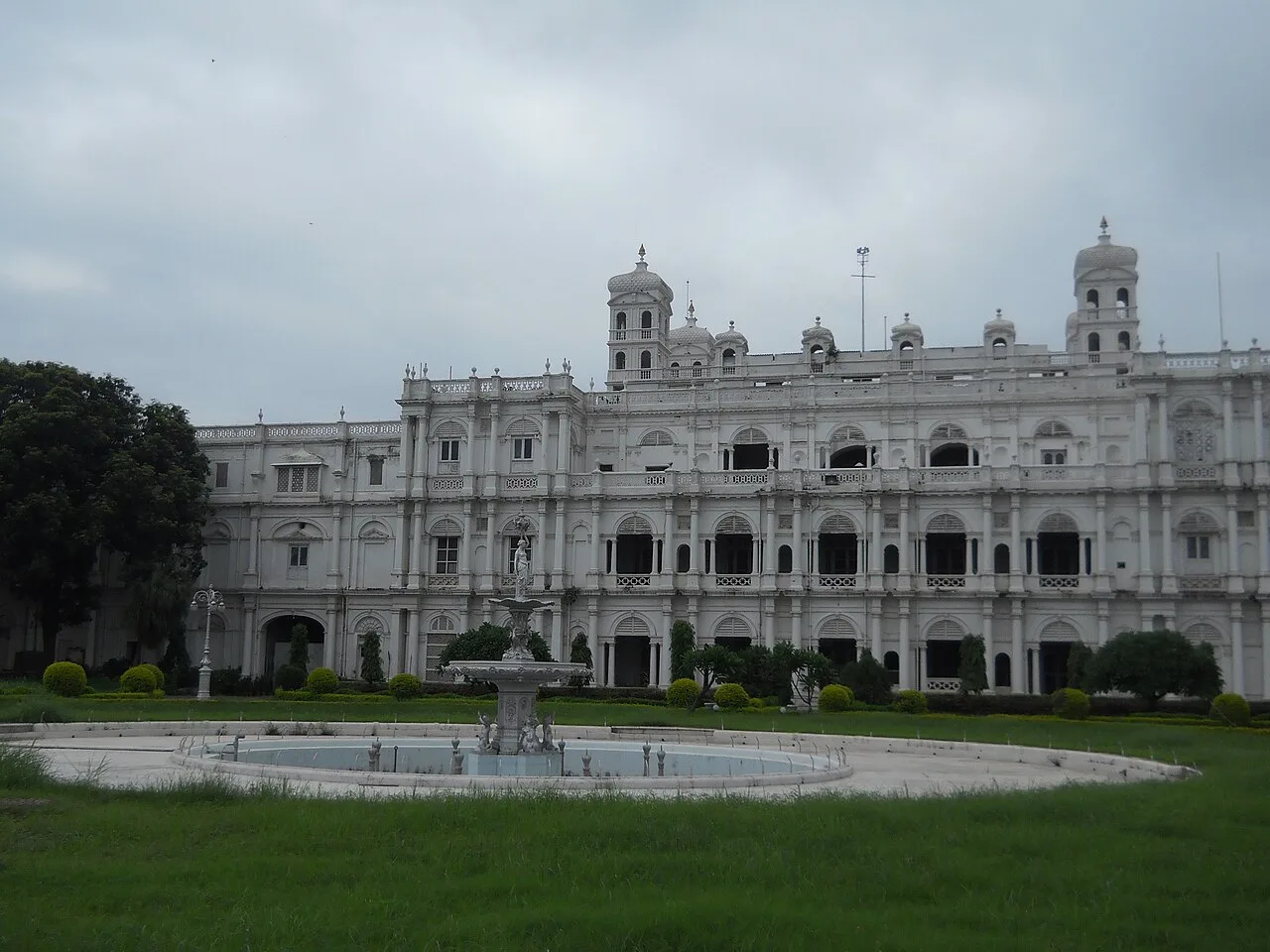
Jai Vilas Mahal

Jai Vilas Mahal is a royal residence dating to the 1800s in Gwalior, Madhya Pradesh. Visitors come to see the Jiwajirao Scindia Museum, which occupies most of the palace.

Sasbahu Temple

77 km away · Gwalior district

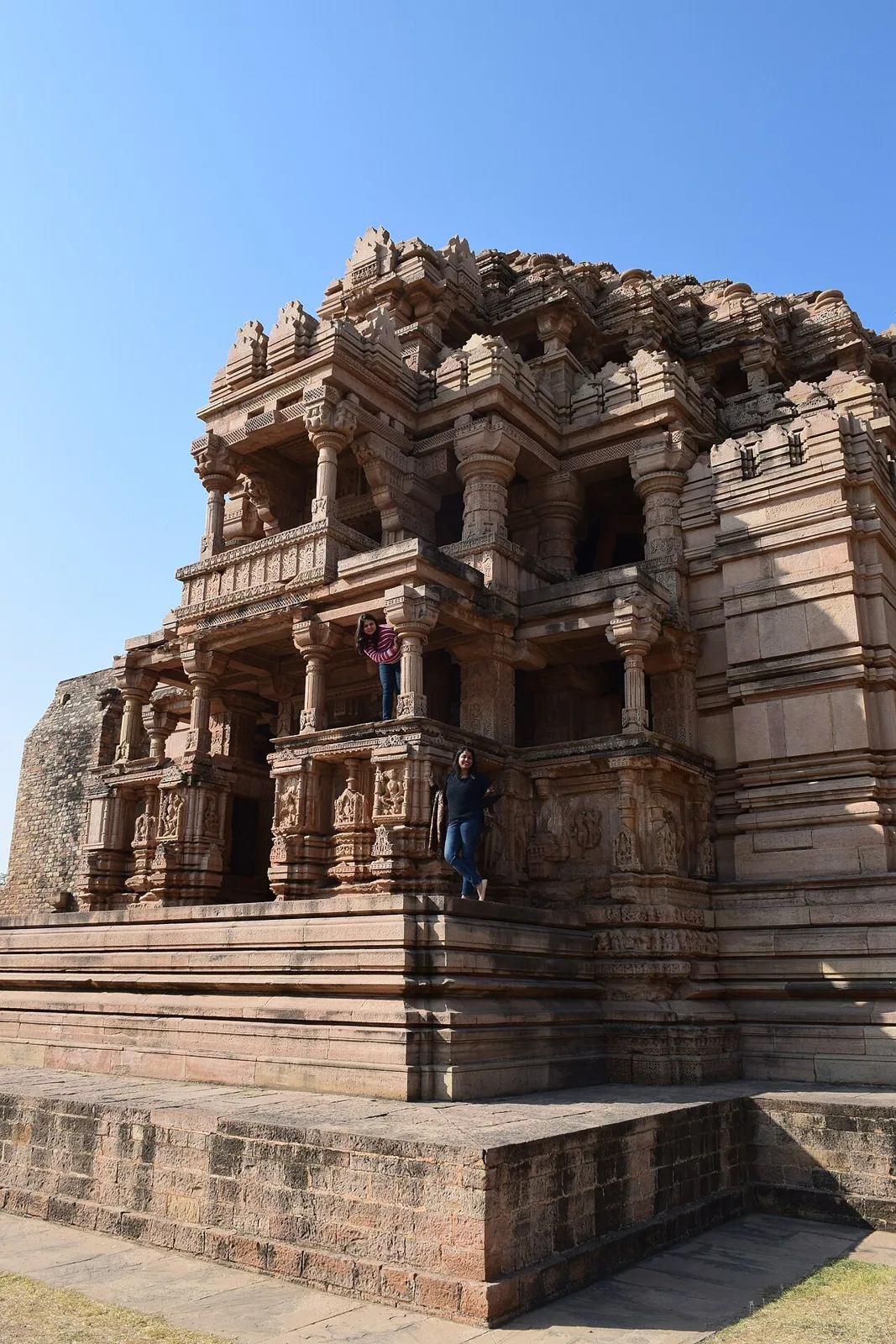
Sasbahu Temple

The Sasbahu Temples are a pair of eleventh-century shrines within Gwalior Fort, Madhya Pradesh. Visitors come to see their surviving architecture and damaged stone carvings.

Teli ka Mandir

78 km away · Gwalior district

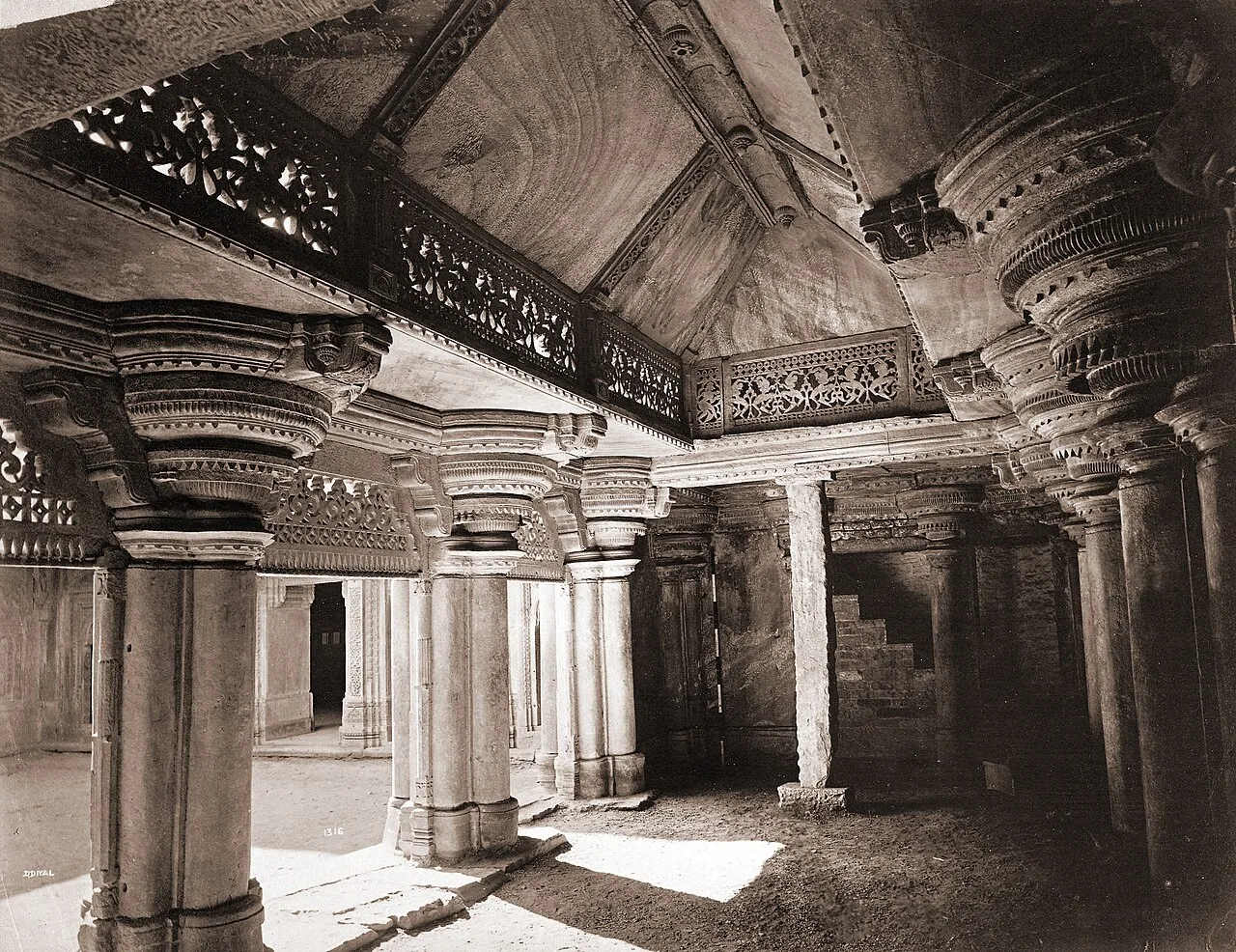
Teli ka Mandir

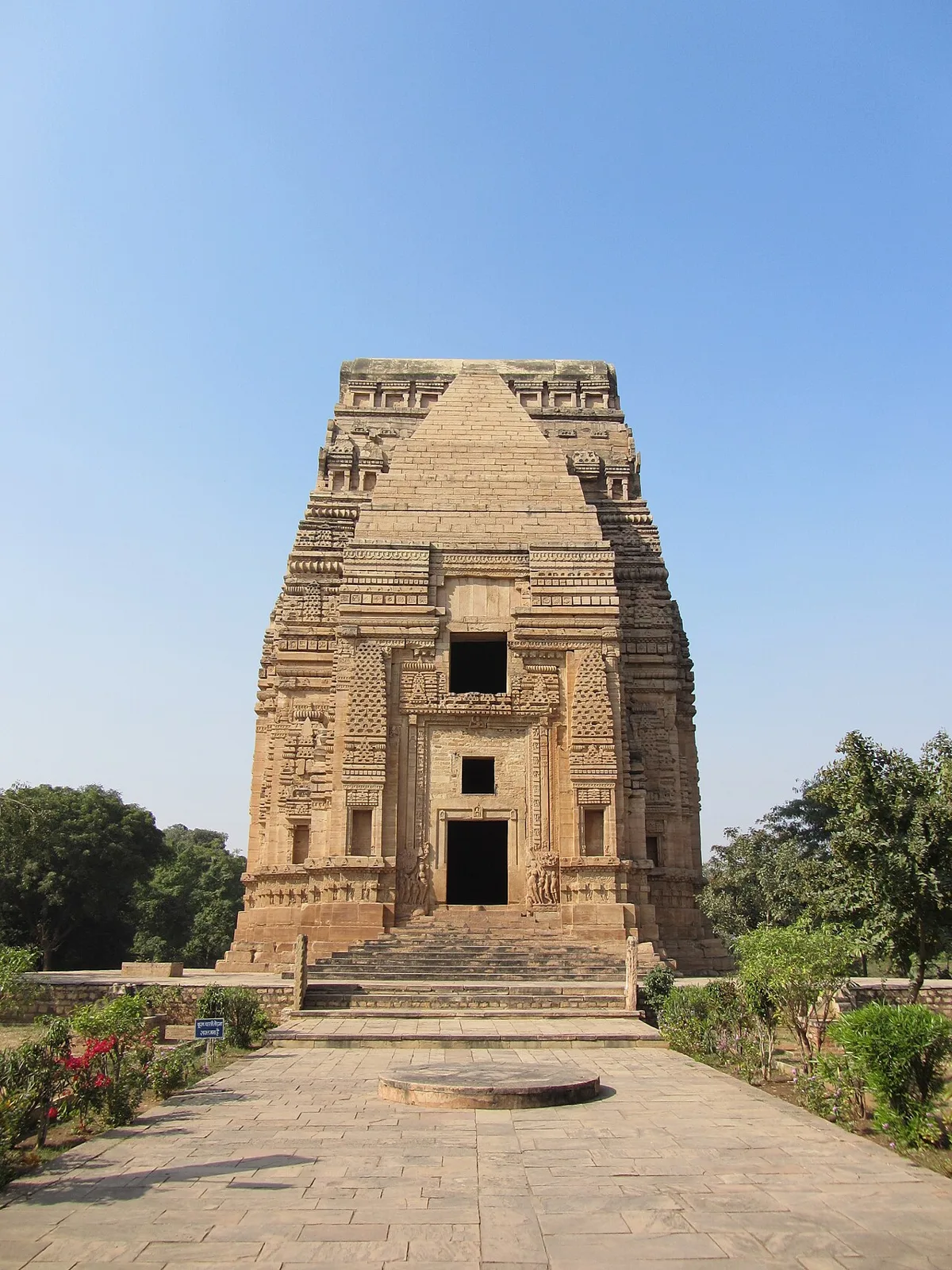
Teli ka Mandir is a Hindu shrine within Gwalior Fort, noted for its unusual rectangular sanctuary and blend of architectural traditions. Visitors come to see its distinctive design and historic character.

Map

Lahar on the map

  1. 1Gohad Fort
  2. 2National Chambal Sanctuary
  3. 3Chausath Yogini Temple
  4. 4Datia Palace
  5. 5Gwalior Fort
  6. 6Jai Vilas Mahal
  7. 7Sasbahu Temple
  8. 8Teli ka Mandir

Madhya Pradesh

Other cities to explore