Ghumoopedia — Explore, Discover, Experience
Sign in
Chauragarh Temple, near Narsinghpur

City guide · Madhya Pradesh

Narsinghpur

Narsinghpur is a district headquarters in central Madhya Pradesh and an important service and market centre for the surrounding towns and farming communities. Set in the fertile upper Narmada Valley, it is known for productive farmland and trade in agricultural goods.

Famous for

  • Narasimha Temple
  • Narmada Valley agriculture
  • Narmada river landscape
  • Vinayaki rock paintings

Why Narsinghpur matters

Narsinghpur is a district headquarters in central Madhya Pradesh and an important service and market centre for the surrounding towns and farming communities. Set in the fertile upper Narmada Valley, it is known for productive farmland and trade in agricultural goods. Its location between the Vindhya and Satpura ranges also gives the wider district a varied landscape of river plains, hills and forested areas.

The city’s most distinctive landmark is its large temple dedicated to Lord Narasimha, the Hindu deity whose name the town adopted. Visitors come to worship and to explore the town’s central streets and markets; the Narmada and other heritage sites make worthwhile excursions beyond the city. The rock paintings at Vinayaki village are an intriguing archaeological interest, though their age has not been established. Narsinghpur is not a major resort destination, but it offers a grounded look at life in an agricultural district and serves as a practical base for exploring this part of Madhya Pradesh.
Famous for: crafts, trade & products

Narsinghpur’s strongest commercial identity comes from agriculture rather than from a signature textile, handicraft or tourist product. The surrounding Narmada Valley is noted for fertile black soil, irrigation and substantial grain production. The city consequently serves as a local centre for the movement and sale of farm produce and supplies. The district grows a range of crops, but visitors should not assume that a particular crop or processed food is a city-specific speciality.

There is no widely established local saree or craft tradition for which Narsinghpur is especially known, nor is a distinctive GI-tagged product central to its identity. For everyday goods and locally traded produce, visitors can browse the town’s central market streets and shops; these are practical neighbourhood markets rather than dedicated craft-shopping districts. The Narasimha temple is the city’s most recognisable cultural landmark, while the Vinayaki rock paintings are a nearby heritage interest rather than a commercial attraction. Those seeking specialised handicrafts or a notable textile market may find a wider selection in larger regional centres.

History

The Narsinghpur area has a long history, though evidence for the city itself is less complete. Rock paintings at Vinayaki village point to early human activity, but their age remains undetermined. The wider region passed through several periods of rule, including the Satavahana and Gupta empires, followed by Kalachuri influence. It later formed part of the Gond kingdom associated with Rani Durgavati, before coming under Mughal and Maratha power.

In the eighteenth century, a large temple to Lord Narasimha was built at the settlement then known as Gadariya Kheda; the town took its present name from the deity. British control followed the Maratha defeat in 1817, and the area experienced administrative changes during colonial rule. Local resistance included the 1857 uprising led by Gond chief Delan Shah and later participation in the independence movement. After Indian independence, Narsinghpur became a district headquarters in the reorganised Madhya Pradesh in 1956. Its modern role has grown around district administration, transport and agricultural trade.

Food, festivals & culture

Everyday food in Narsinghpur reflects central Madhya Pradesh: home-style meals commonly centre on wheat breads, lentils, vegetables and seasonal ingredients. Poha and jalebi are familiar breakfast or snack choices in the region, while local sweet shops and eateries serve everyday Indian fare. These are regional favourites rather than foods unique to Narsinghpur. Visitors can look to the town’s ordinary market and dining areas for a straightforward taste of local life.

Hindu festivals such as Navratri and Dussehra, usually in the autumn, bring devotional activity and community gatherings; Diwali in autumn and Holi in spring are also widely observed. Worship at the Narasimha temple is an important part of the town’s religious life. Hindi is widely used, with regional speech varieties also heard. Devotional songs and bhajans are part of temple and festival settings. The wider district has Gond communities and cultural traditions, although these are not confined to the city itself. The town’s cultural character is best encountered through its places of worship, seasonal celebrations and everyday markets.

Visiting the city

October to March is generally the most comfortable period to visit, with cooler conditions than the summer months. The nearest airport is Jabalpur Airport, also called Dumna Airport; Narsinghpur has its own railway station, Narsinghpur railway station, on the main regional rail route. From either arrival point, local taxis and road transport can be used to reach the town and nearby destinations.

Within Narsinghpur, auto-rickshaws and local vehicles are practical for getting between the station, central market streets and the Narasimha temple. Start with the temple and the central town, then allow time for the surrounding agricultural landscape. Barman, on the Narmada, is a regional excursion rather than a city neighbourhood. Vinayaki village is another possible outing for visitors interested in rock art; arrange local transport and confirm access conditions before setting out.

Trips from the city

Nearest places to visit from Narsinghpur

Our closest destination guides, by straight-line distance.

Chauragarh Temple

34 km away · Hoshangabad district

Chauragarh Temple

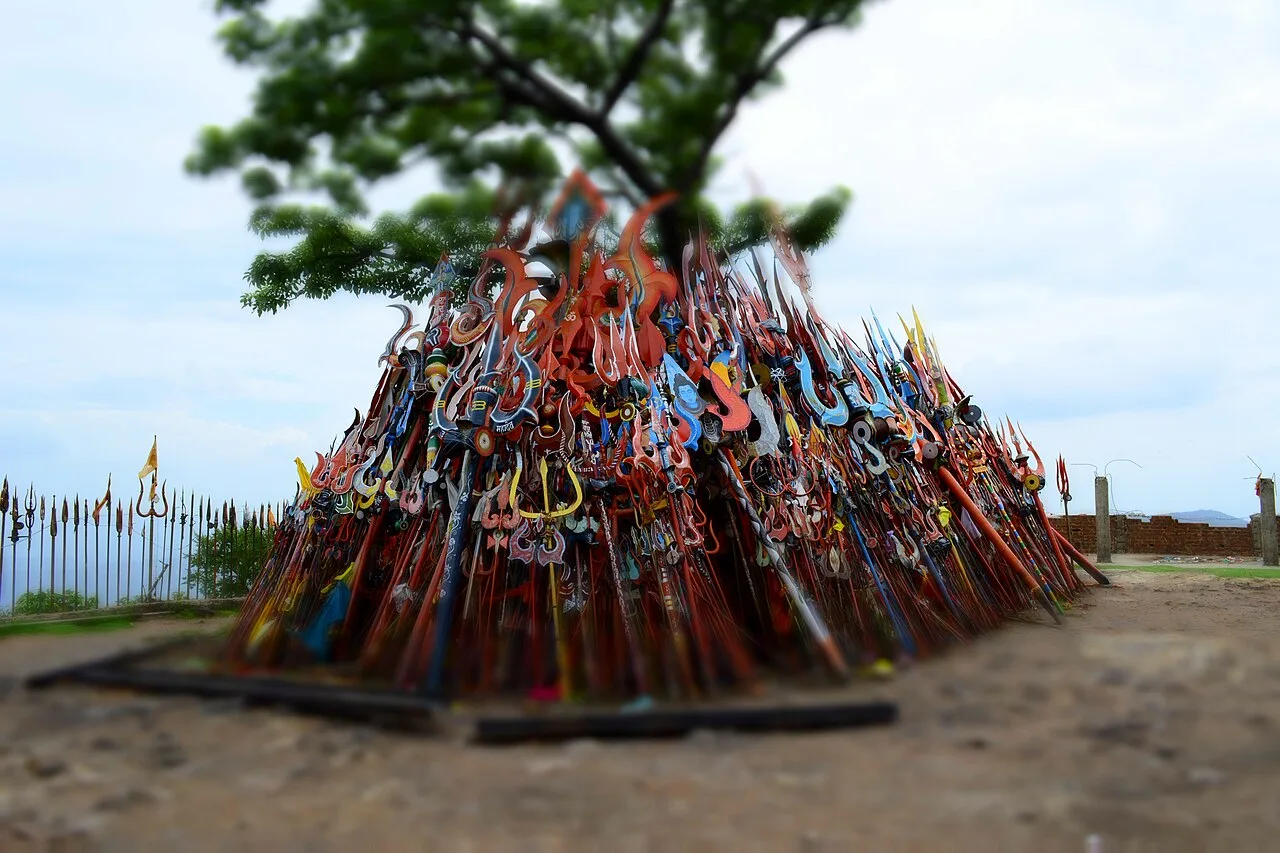
Chauragarh Temple is a historic religious and fort complex in Madhya Pradesh, set on a Satpuda peak. Visitors come to see its shrine, fort remains and structures associated with Gond rulers.

Bhedaghat

66 km away · Jabalpur district

Bhedaghat

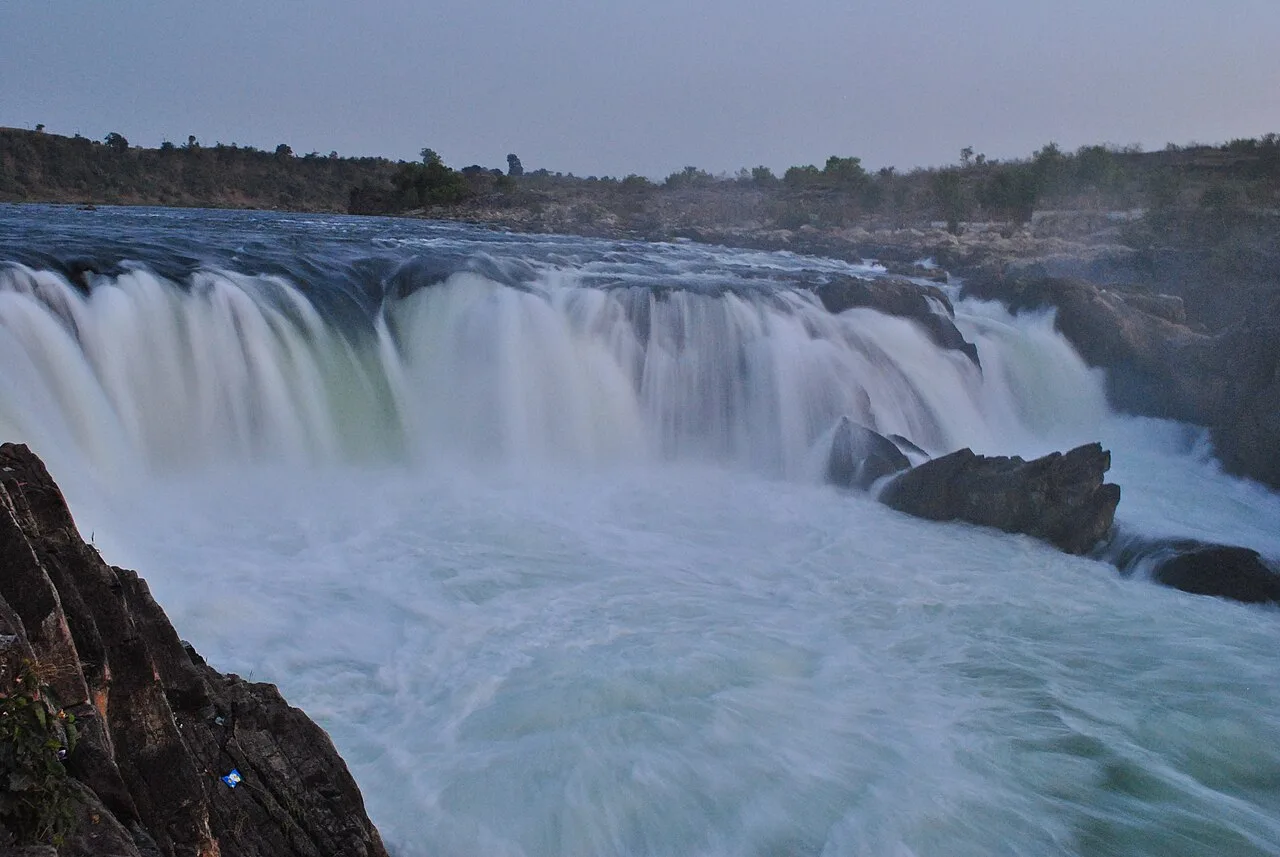
Bhedaghat, a nagar panchayat in Jabalpur district, Madhya Pradesh, draws visitors to the Narmada’s marble gorge and the misty cascade at Dhuandhar Falls.

Marble Rocks

66 km away · Jabalpur district

Marble Rocks

Marble Rocks is a gorge carved into marble by the Narmada at Bhedaghat, near Jabalpur in Madhya Pradesh. Visitors come to see the river-shaped landscape and locally made marble figures.

Dhuandhar Falls

67 km away · Jabalpur district

Dhuandhar Falls

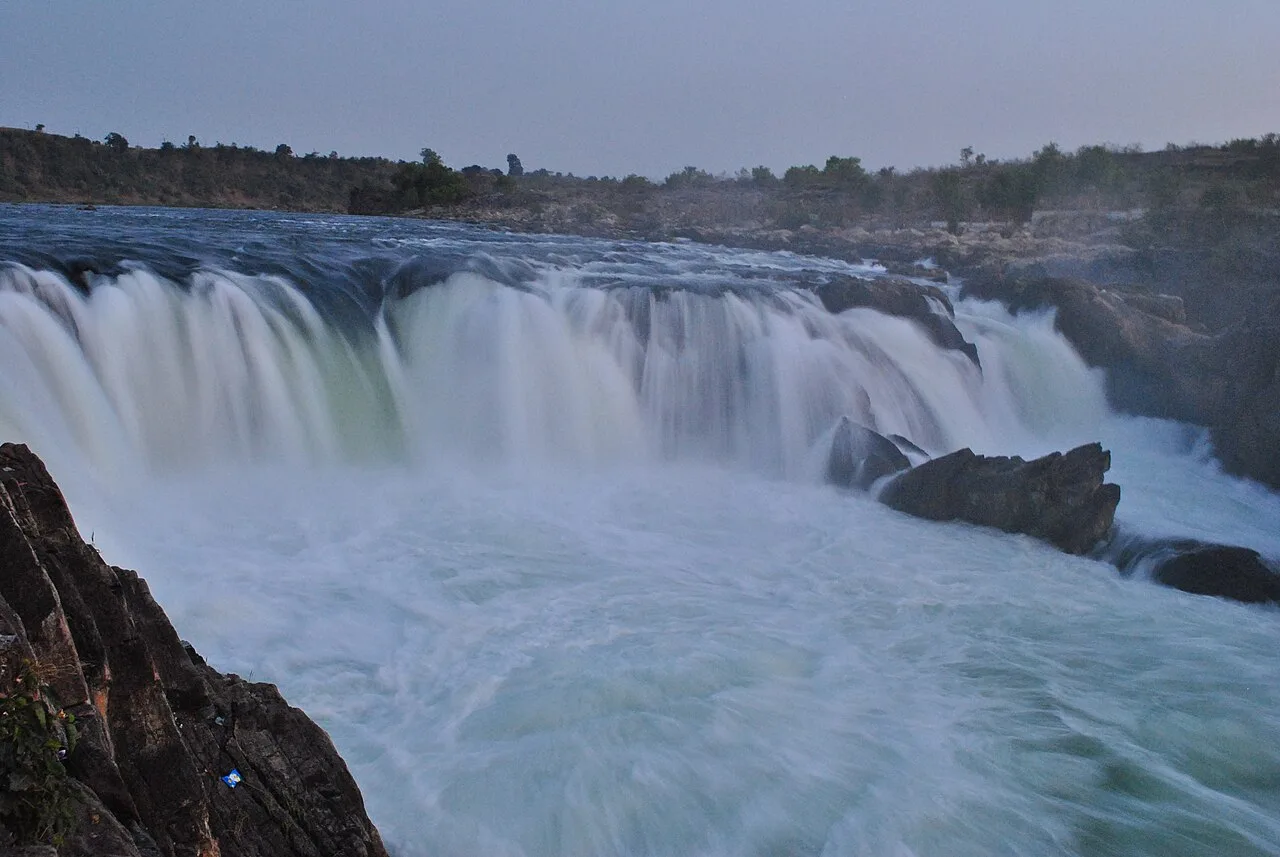
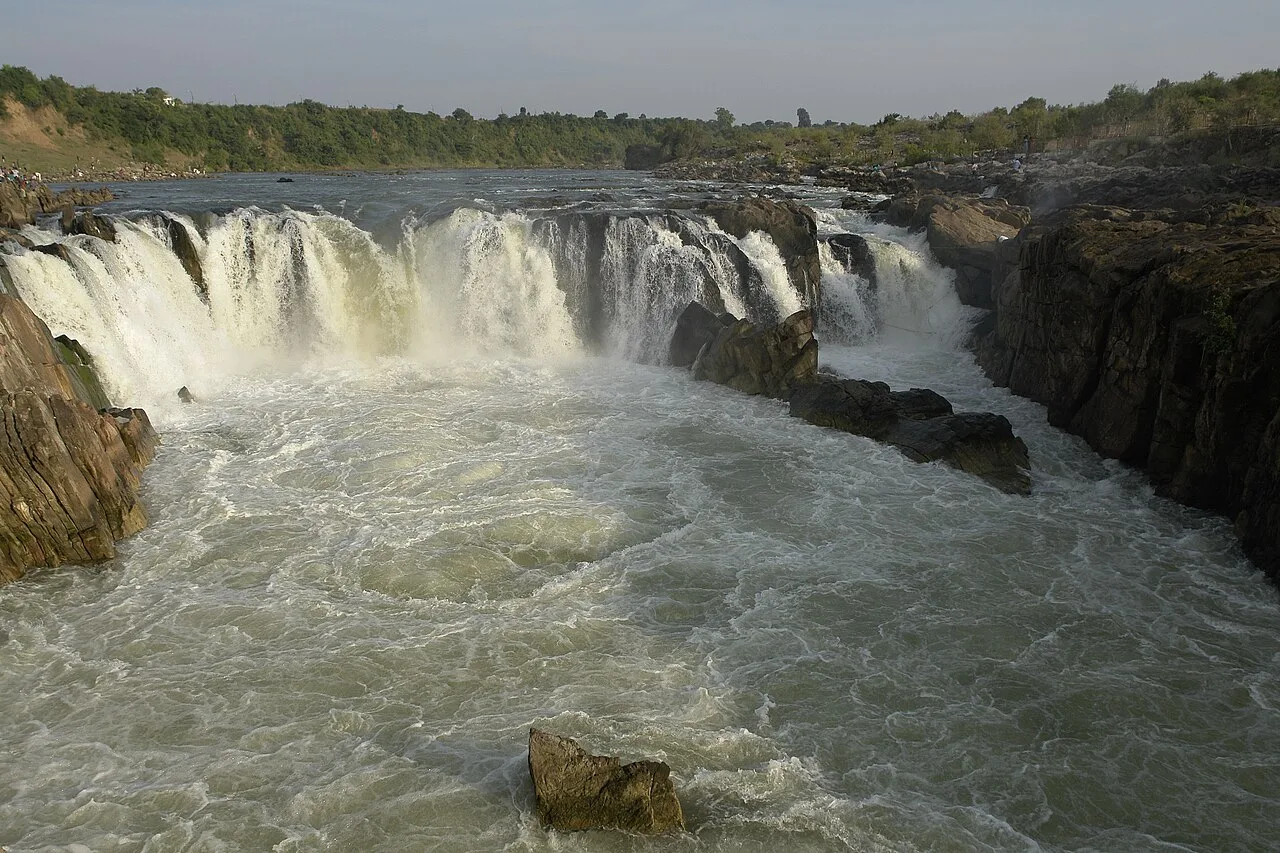
Dhuandhar Falls is a waterfall located in Jabalpur district, Madhya Pradesh. Visitors come to see the falls, a natural feature of the district.

Madan Mahal

77 km away · Jabalpur district

Madan Mahal

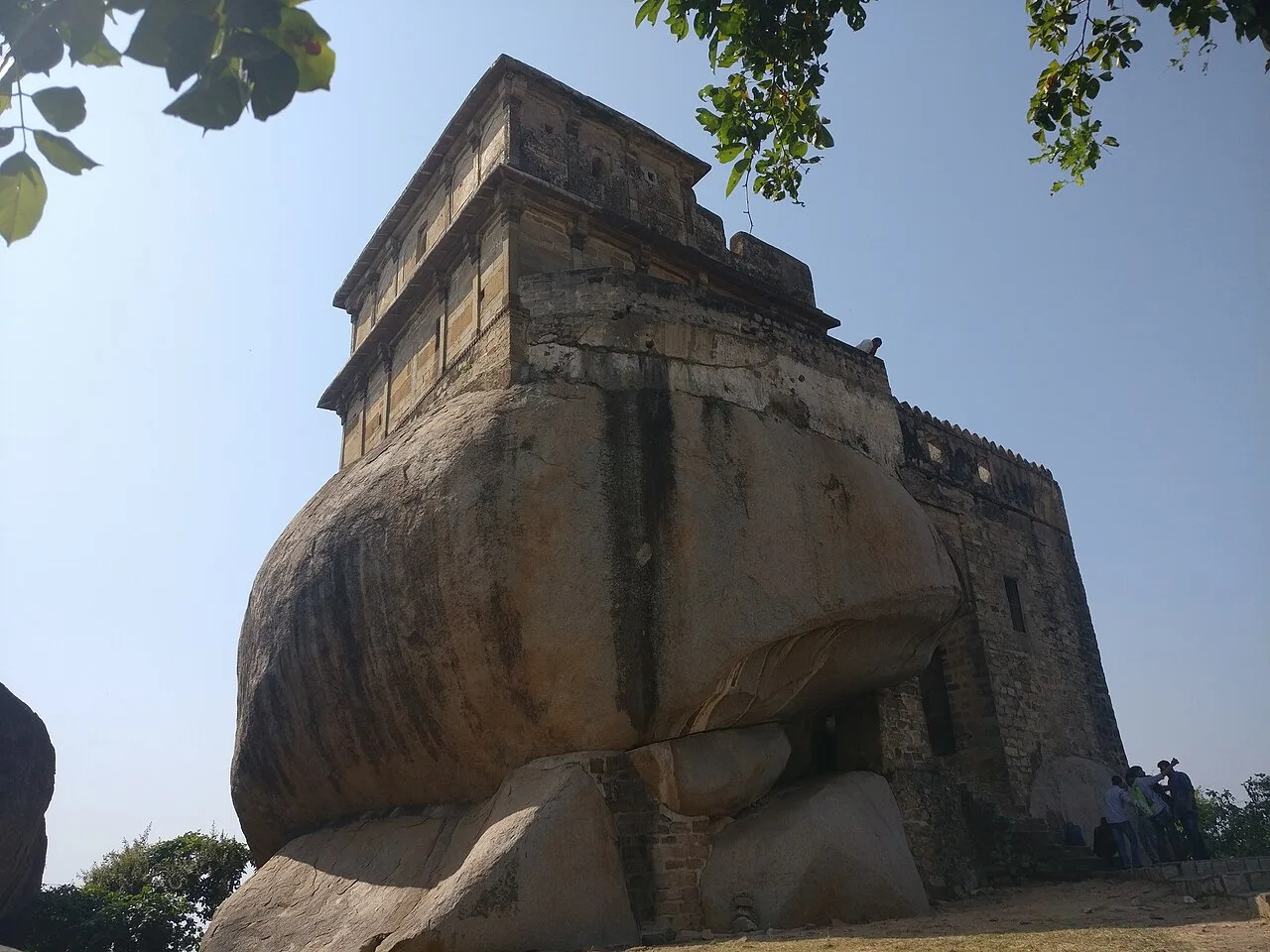
Madan Mahal is a suburb in Jabalpur district, Madhya Pradesh, best known for the historic Durgavati fort. Visitors come to see the hilltop fort associated with Raja Madan Singh.

Jatashankar

92 km away · Hoshangabad district

Jatashankar

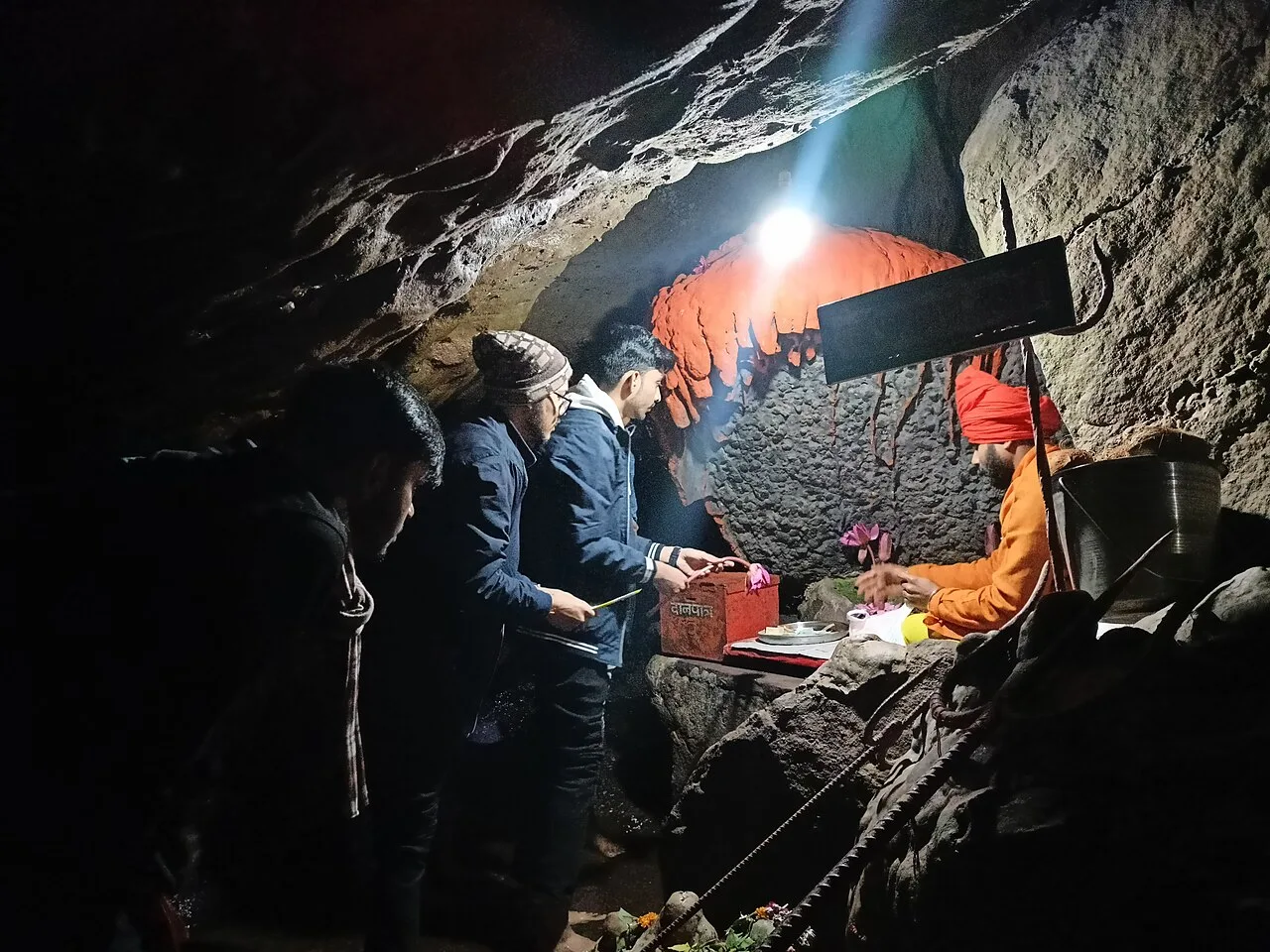
Jatashankar, also called Jata Shankar, is a cave shrine dedicated to Shiva north of Pachmarhi in Madhya Pradesh, visited by pilgrims to worship its natural lingams.

Pachmarhi Hill Station

96 km away · Hoshangabad district

Pachmarhi Hill Station

Pachmarhi is a hill station in Madhya Pradesh’s Satpura range, known as the Queen of Satpura. Visitors come for its elevated setting and its location within protected natural areas.

Dhupgarh Peak

100 km away · Hoshangabad district

Dhupgarh Peak

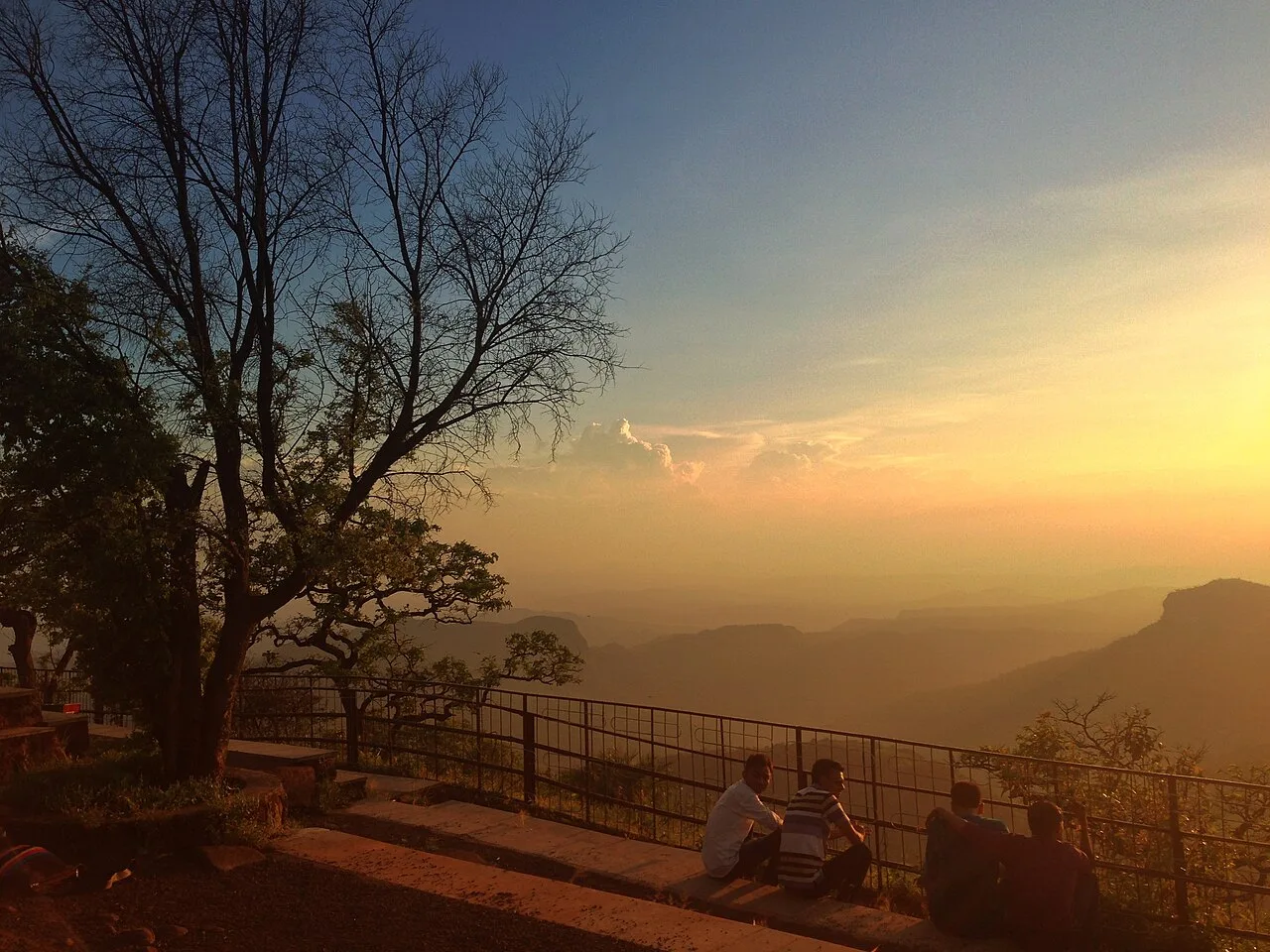
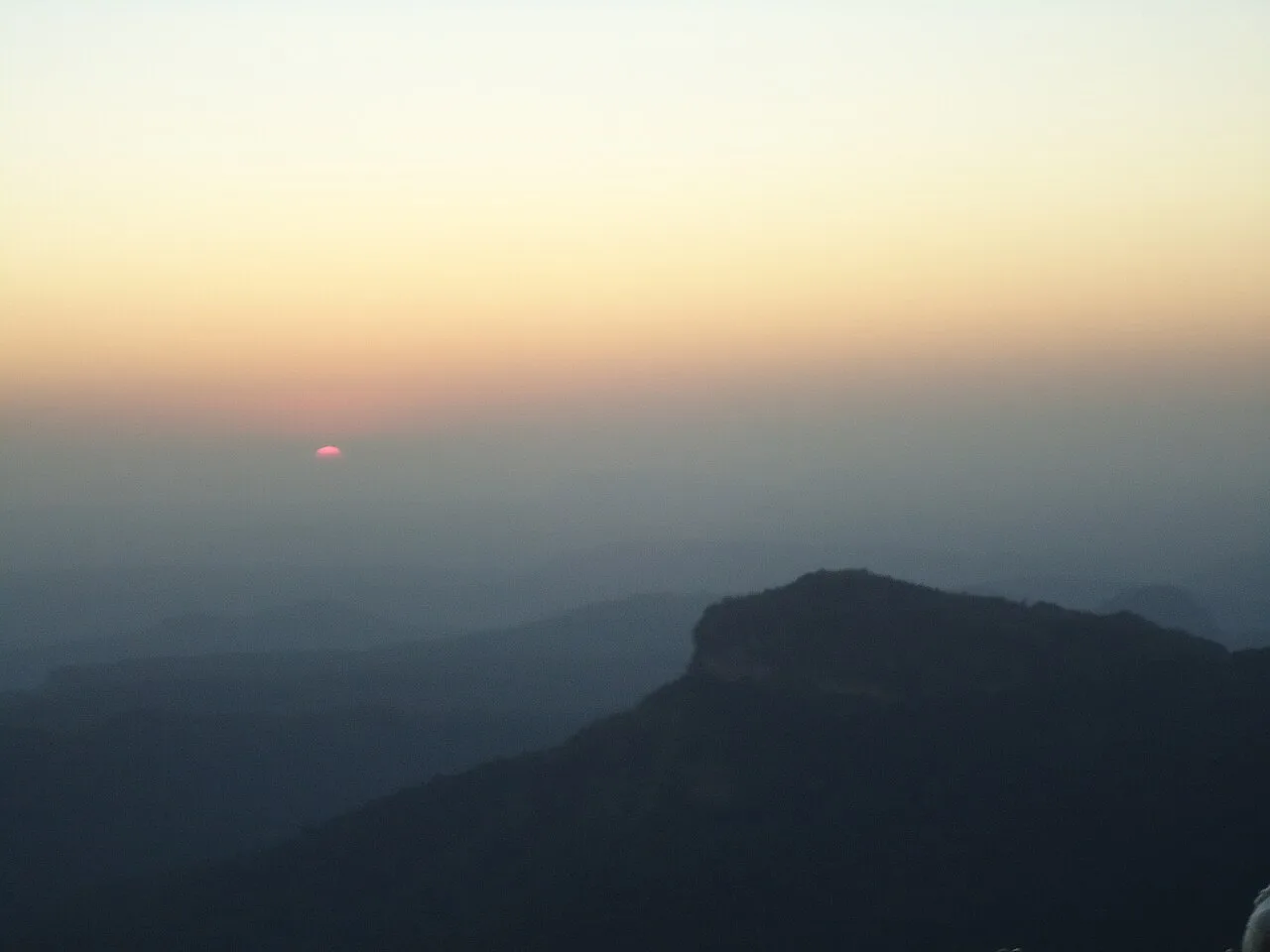
Dhupgarh, also known as Dhoopgarh, is a summit in Madhya Pradesh’s Satpura Range. Visitors go to the peak in Pachmarhi to watch the sun set.

Map

Narsinghpur on the map

  1. 1Chauragarh Temple
  2. 2Bhedaghat
  3. 3Marble Rocks
  4. 4Dhuandhar Falls
  5. 5Madan Mahal
  6. 6Jatashankar
  7. 7Pachmarhi Hill Station
  8. 8Dhupgarh Peak

Madhya Pradesh

Other cities to explore