Ghumoopedia — Explore, Discover, Experience
Sign in

City guide · Madhya Pradesh

Bijuri

Bijuri is a municipality in Anuppur district, in eastern Madhya Pradesh. Its importance comes less from monumental sights or a nationally known craft tradition than from its place in a working rail-and-mining region.

Famous for

  • Coal-mining region
  • Bijuri railway station
  • Anuppur–Ambikapur rail route
  • National Highway 43 connections

Why Bijuri matters

Bijuri is a municipality in Anuppur district, in eastern Madhya Pradesh. Its importance comes less from monumental sights or a nationally known craft tradition than from its place in a working rail-and-mining region. The town serves nearby communities and connects them with Anuppur, Ambikapur and other centres across the Madhya Pradesh–Chhattisgarh border area.

Rail travel is central to Bijuri’s identity: its station lies on the Anuppur–Ambikapur route, with services also linking towards Chirimiri. Road connections, including National Highway 43, add to its role as a practical local hub. Visitors are most likely to come through for regional journeys, work or family visits rather than a conventional sightseeing circuit. The surrounding area’s coal-mining economy is an important part of the town’s contemporary setting. Bijuri is best approached as a compact, everyday town whose significance lies in transport and regional connections, rather than as a destination with a large concentration of established tourist attractions.
Famous for: crafts, trade & products

Bijuri is associated chiefly with the coal-mining economy of the wider Anuppur region and with railway travel. It is not widely known as a centre for a particular textile, handicraft, GI-tagged product or specialty food. Visitors looking for locally made goods should treat the town’s shops and everyday market areas as places for practical purchases, rather than expect a dedicated craft bazaar or a recognized signature product.

The station is the clearest public-facing institution linked to Bijuri’s regional role, connecting the town with settlements on the Anuppur–Ambikapur and Chirimiri routes. Local shops serve residents and travellers with routine provisions and daily-use goods. The mining and transport economy shapes the town more visibly than a visitor-oriented trade in souvenirs or luxury products. For a broader selection of specialist goods, travellers may need to look to larger regional centres. No particular market, workshop or institution should be assumed to sell a distinctive Bijuri-made product without checking locally.

History

Bijuri’s development is best understood through the growth of rail transport and coal mining in eastern Madhya Pradesh. It does not have the widely recognised profile of a former princely capital, major pilgrimage centre or historic fort town, and a detailed account of its early rulers or colonial-era landmarks is not firmly established in the town’s present identity. Its modern character is more closely tied to work, movement and links with nearby settlements.

Rail connections on the Anuppur–Ambikapur corridor helped make Bijuri a useful point for regional travel, while the surrounding mining economy supported the growth of a settled workforce and local services. The railway station remains a visible part of this development. Bijuri is now a municipality in Anuppur district, serving residents as well as people travelling through the area. Its story is therefore one of gradual growth as a transport and mining town, rather than one defined by a single celebrated monument or royal period.

Food, festivals & culture

Bijuri’s everyday culture reflects its setting in eastern Madhya Pradesh near the Chhattisgarh border. Hindi is widely useful for visitors; regional speech and language use can vary among families and communities. The town’s food is likely to follow familiar central Indian home-style patterns, with rice or wheat staples, lentils, seasonal vegetables and snacks. There is no widely established signature sweet or dish that defines Bijuri specifically, so travellers can look to local eateries and ask what is freshly prepared.

Holi, Diwali, Navratri and Dussehra are commonly observed across the region, generally falling in spring or autumn according to the Hindu calendar. Their local celebrations may include family gatherings, worship and community events, though arrangements vary from year to year. Places of worship serve neighbourhood devotional life; visitors should ask locally for directions to particular temples or prayer sites. Music and dance are part of regional celebrations, but Bijuri is not especially known as a showcase destination for a distinct performance tradition.

Visiting the city

The cooler, drier months from about October to March are generally the most comfortable for a visit. Bijuri railway station is the main rail stop, on the Anuppur–Ambikapur route. The nearest airport identified for air travel is Bilasa Devi Kevat Airport in Bilaspur. National Highway 43 connects the town by road, and buses serve routes across Madhya Pradesh and neighbouring states.

For getting around, visitors can ask locally about available town transport or use road transport arranged in the area; do not assume every attraction or neighbourhood has a regular visitor service. The station surroundings and local market areas are practical places to begin exploring daily town life. Bijuri has no widely established tourist quarter or major sightseeing district, so allow time for onward connections if your plans include destinations elsewhere in Anuppur district or across the state border.

Trips from the city

Nearest places to visit from Bijuri

Our closest destination guides, by straight-line distance.

Amarkantak

74 km away · Amarkantak district

Amarkantak

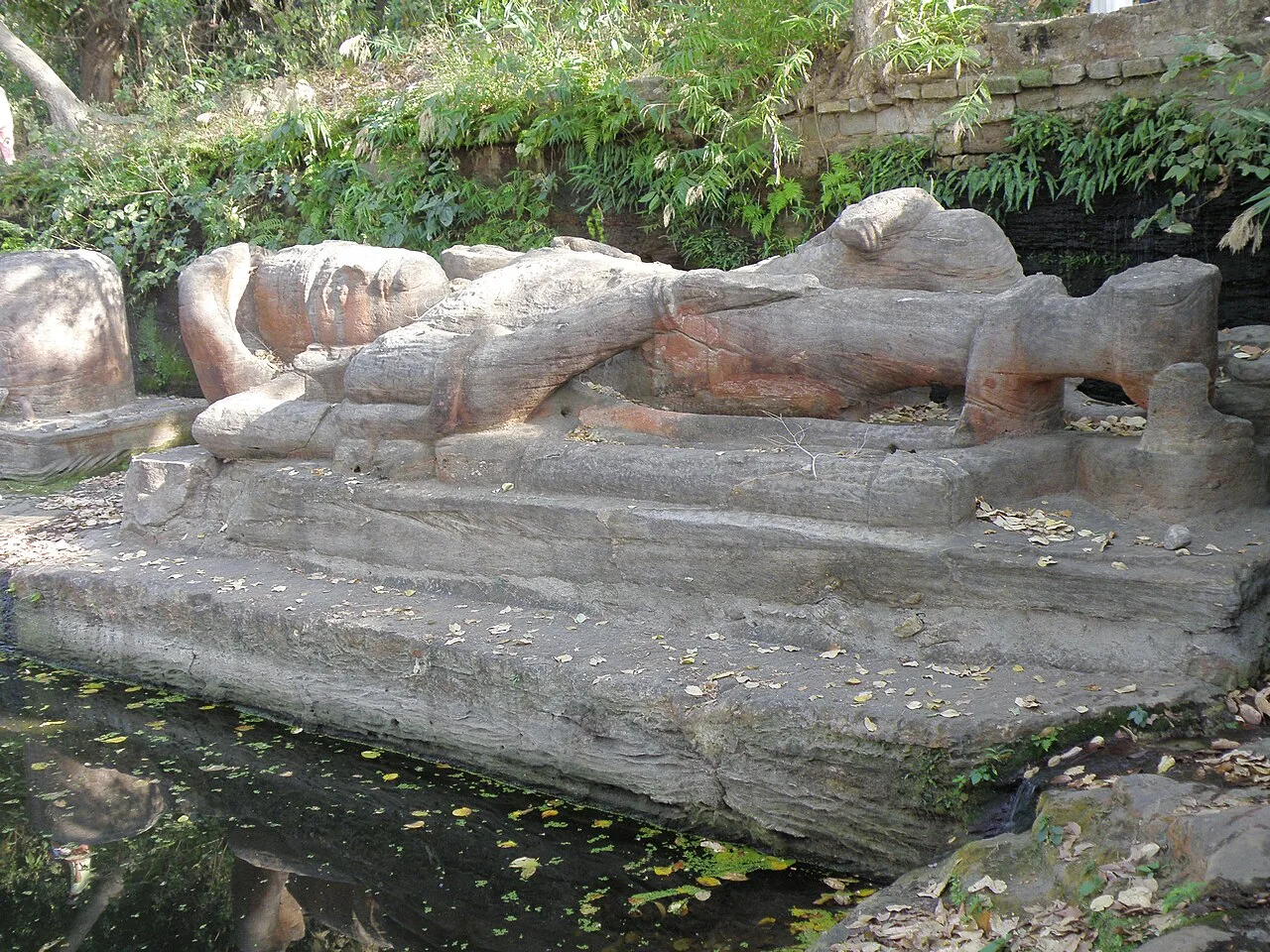
Amarkantak is a pilgrimage town and Nagar Panchayat in Anuppur, Madhya Pradesh, known for its river sources and religious associations, including the place linked to Kabir’s meditation.

Sanjay National Park

80 km away · Sidhi district

Sanjay National Park

In Sidhi district, Madhya Pradesh, Sanjay National Park forms part of the Sanjay-Dubri Tiger Reserve. Visitors can explore this protected area and its national-park landscape.

Bandhavgarh Fort

120 km away · Bandhavgarh district

Bandhavgarh Fort

Bandhavgarh Fort is a historic stronghold in Umaria district, Madhya Pradesh, within Bandhavgarh National Park, drawing interest for its landscape and long political history.

Bandhavgarh National Park

128 km away · Bandhavgarh district

Bandhavgarh National Park

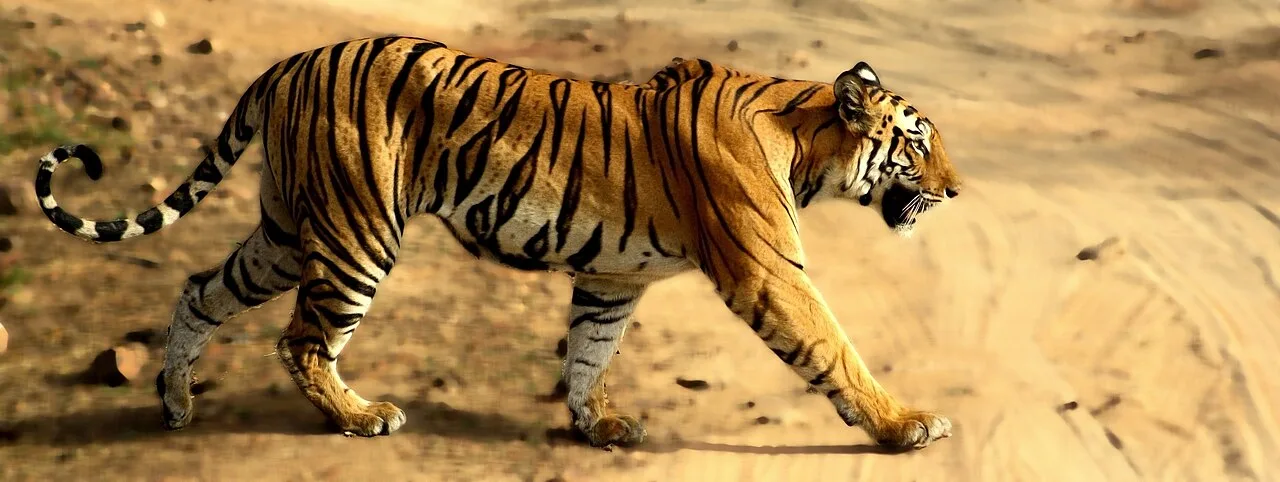
Bandhavgarh National Park, in Umaria district, Madhya Pradesh, is a protected area with extensive forests and diverse wildlife. Visitors are drawn especially by its tigers and other animals.

Govindgarh Palace, Rewa

150 km away · Rewa district

Govindgarh Palace, Rewa

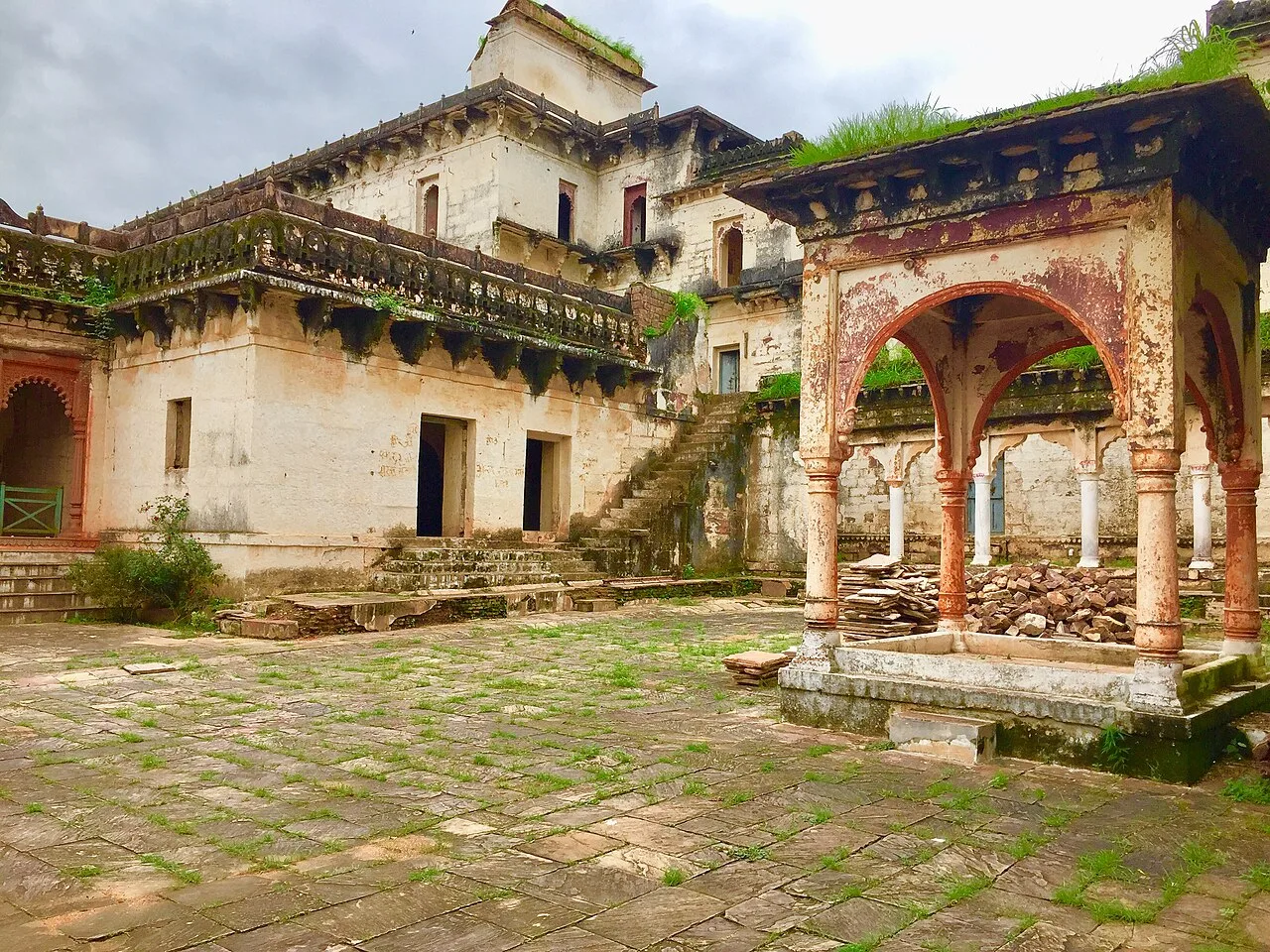
Govindgarh Palace, also called Govindgarh Fort, is a nineteenth-century royal residence in Rewa district. Visitors come to see the palace and its lakeside setting in Govindgarh, Madhya Pradesh.

Maihar Sharda Temple

178 km away · Satna district

Maihar Sharda Temple

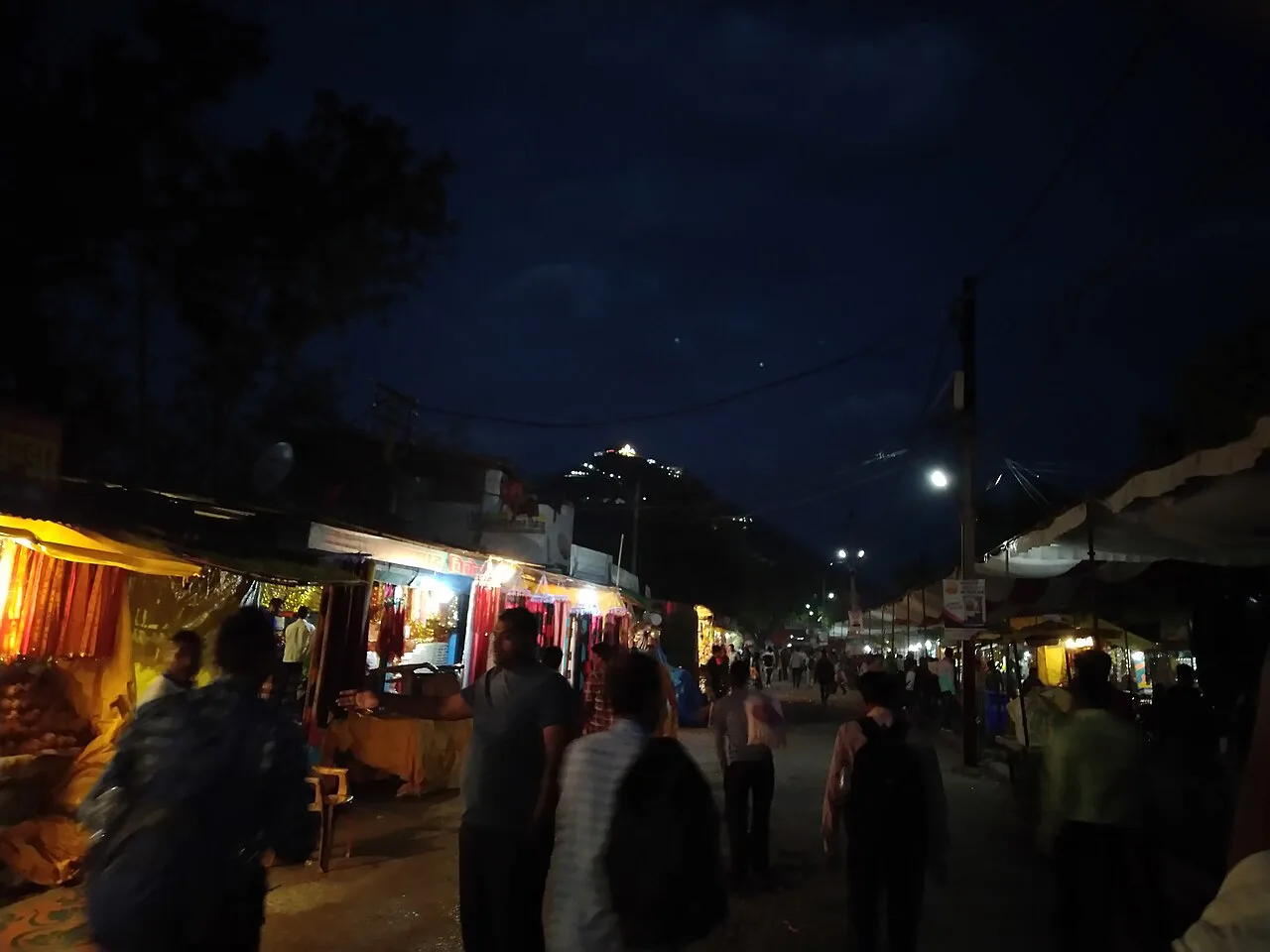
Maihar Sharda Temple is a religious shrine in Madhya Pradesh, associated with Maa Sharda and counted among the Shakti Peeth. Worshippers visit for its religious significance.

Bharhut Stupa Remains

185 km away · Satna district

Bharhut Stupa Remains

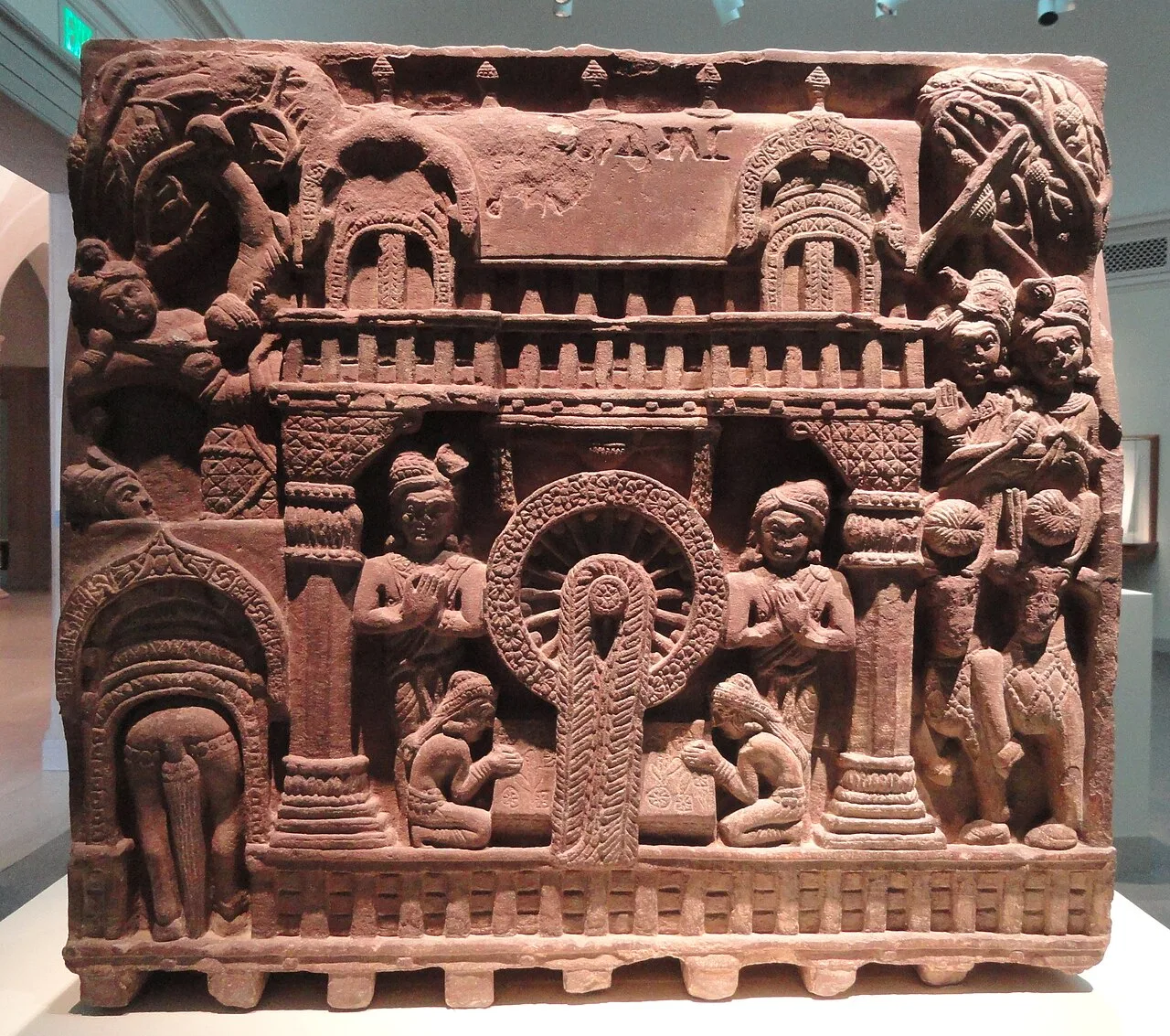
Bharhut Stupa Remains are the surviving traces of a Buddhist stupa in Madhya Pradesh. Visitors come to learn about its early carvings, labelled relief panels and history, though most sculptures are now held elsewhere.

Keoti Falls, Rewa

186 km away · Rewa district

Keoti Falls, Rewa

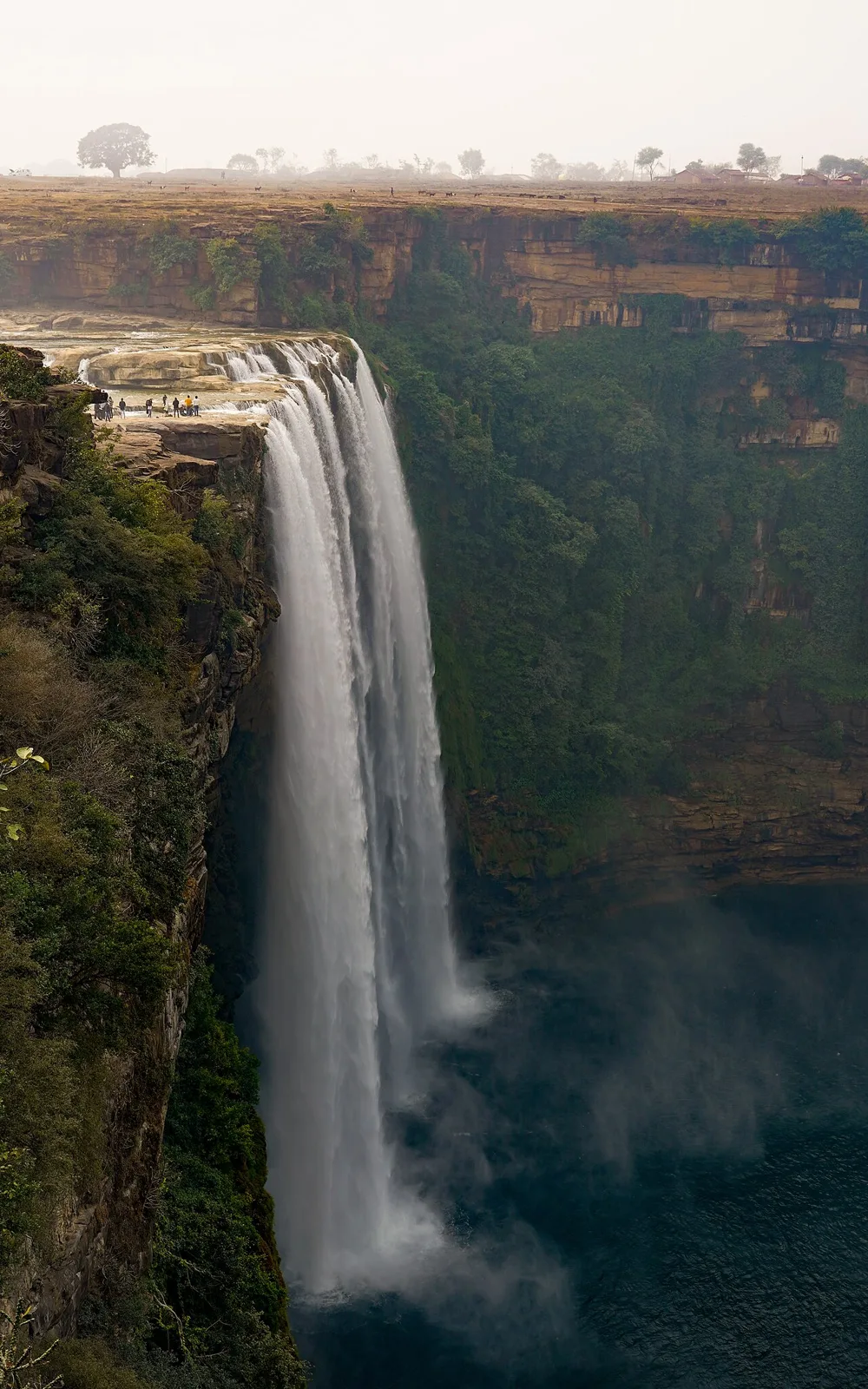
Keoti Falls, also called Kevti, is a waterfall in Rewa district, Madhya Pradesh. Visitors come to see a site ranked 24th among India’s waterfalls by height.

Map

Bijuri on the map

  1. 1Amarkantak
  2. 2Sanjay National Park
  3. 3Bandhavgarh Fort
  4. 4Bandhavgarh National Park
  5. 5Govindgarh Palace, Rewa
  6. 6Maihar Sharda Temple
  7. 7Bharhut Stupa Remains
  8. 8Keoti Falls, Rewa

Madhya Pradesh

Other cities to explore