Ghumoopedia — Explore, Discover, Experience
Sign in
Marble Rocks, near Patan

City guide · Madhya Pradesh

Patan

Patan is a small town in Jabalpur district, serving as a local administrative and market centre for nearby villages. Its tehsil offices, shops and everyday services make it a practical hub for residents of the surrounding countryside, while its name is also familiar through the Patan Assembly constituency.

Famous for

  • Jabalpur district tehsil town
  • Local agricultural trade
  • Patan Assembly constituency
  • Rural Jabalpur connections

Why Patan matters

Patan is a small town in Jabalpur district, serving as a local administrative and market centre for nearby villages. Its tehsil offices, shops and everyday services make it a practical hub for residents of the surrounding countryside, while its name is also familiar through the Patan Assembly constituency. The town is not a major monument or resort destination, but it offers a glimpse of daily life in the rural Jabalpur region.

Visitors may come for local business, family connections or to explore the wider district. Jabalpur, the principal urban centre nearby, provides access to better-known attractions such as the Marble Rocks at Bhedaghat and the historic Madan Mahal area; these are excursions from Patan rather than sights within the town. Patan’s appeal lies chiefly in its regional role, its local markets and its position on road routes connecting settlements around Jabalpur. Travellers looking for a quieter stop can use it as a base for errands and short visits, while planning major sightseeing in Jabalpur.
Famous for: crafts, trade & products

Patan is best understood as a local trading and service centre rather than a specialist craft or textile town. Its shops and markets cater mainly to residents of the town and nearby villages, with everyday goods and farm produce forming the practical focus of commerce. There is no widely recognised Patan-specific saree, handicraft or GI-tagged product to seek out, so visitors should not expect a dedicated craft bazaar or factory-tour circuit.

For ordinary shopping, look around the central bazaar and the town’s main commercial streets. Local vendors and market stalls are the most useful places to browse seasonal produce, groceries, clothing and household supplies; availability varies with the day and season. Agricultural activity in the surrounding countryside supports trade in crops and related necessities, although Patan is not generally promoted as a large wholesale market destination. For a broader selection of branded goods, specialist crafts and organised retail, travellers can continue to Jabalpur. The town’s main institutional role is local administration, including tehsil-level services, alongside its identity as an assembly constituency.

History

The surrounding area formed part of the historic Gond kingdom of Garha-Mandla, whose influence extended across much of the Jabalpur region. Maratha power later became prominent, before the area came under British administration in the nineteenth century as part of the Central Provinces.

After independence, Patan developed chiefly as a local administrative and service centre for surrounding settlements. Its role as a tehsil town and its place in Madhya Pradesh’s electoral map have helped maintain its regional importance. Modern growth has been shaped by road connections, public services and the needs of nearby agricultural communities, rather than by large-scale tourism or a major industrial identity. Jabalpur remains the district’s principal urban centre and the main reference point for understanding Patan’s wider historical and economic setting.

Food, festivals & culture

Daily life in Patan reflects the rural Jabalpur region. Hindi is widely used, and Bundeli is also spoken locally. Food is typically based on familiar central Indian meals, including roti, dal, seasonal vegetables and rice. Snacks such as poha, samosa and kachori are common in the region, while sweets are often part of festival visits and family gatherings; there is no signature dish uniquely associated with Patan.

Holi in spring, Diwali in autumn, and Navratri and Dussehra are important occasions, alongside Makar Sankranti and local religious observances. Celebrations commonly centre on homes, neighbourhood gatherings and places of worship. Hindu temples serve as community spaces, while residents may travel to Jabalpur for larger religious events and cultural programmes. Music and dance are usually heard at weddings, festivals and seasonal celebrations, with popular devotional songs and regional folk influences more prominent than formal performance venues. The town’s cultural character is grounded in everyday community life rather than a major festival or performing-arts institution.

Visiting the city

The cooler months, roughly October to March, are generally the most comfortable for visiting; summer afternoons can be hot, and monsoon travel may involve rain. Patan has no major airport or railway station of its own. The nearest airport is Jabalpur Airport (Dumna), and the main rail hub is Jabalpur Junction. From Jabalpur, travellers can continue by road using local buses, taxis or private vehicles; within Patan, local transport and walking suit short trips around the centre.

Explore the central bazaar and administrative area for a sense of the town’s daily rhythm. Patan is a useful stop for nearby villages, while visitors seeking major attractions, dining choices or accommodation will find a wider range in Jabalpur. Check local road conditions before setting out into the surrounding countryside.

Trips from the city

Nearest places to visit from Patan

Our closest destination guides, by straight-line distance.

Marble Rocks

20 km away · Jabalpur district

Marble Rocks

Marble Rocks is a gorge carved into marble by the Narmada at Bhedaghat, near Jabalpur in Madhya Pradesh. Visitors come to see the river-shaped landscape and locally made marble figures.

Bhedaghat

21 km away · Jabalpur district

Bhedaghat

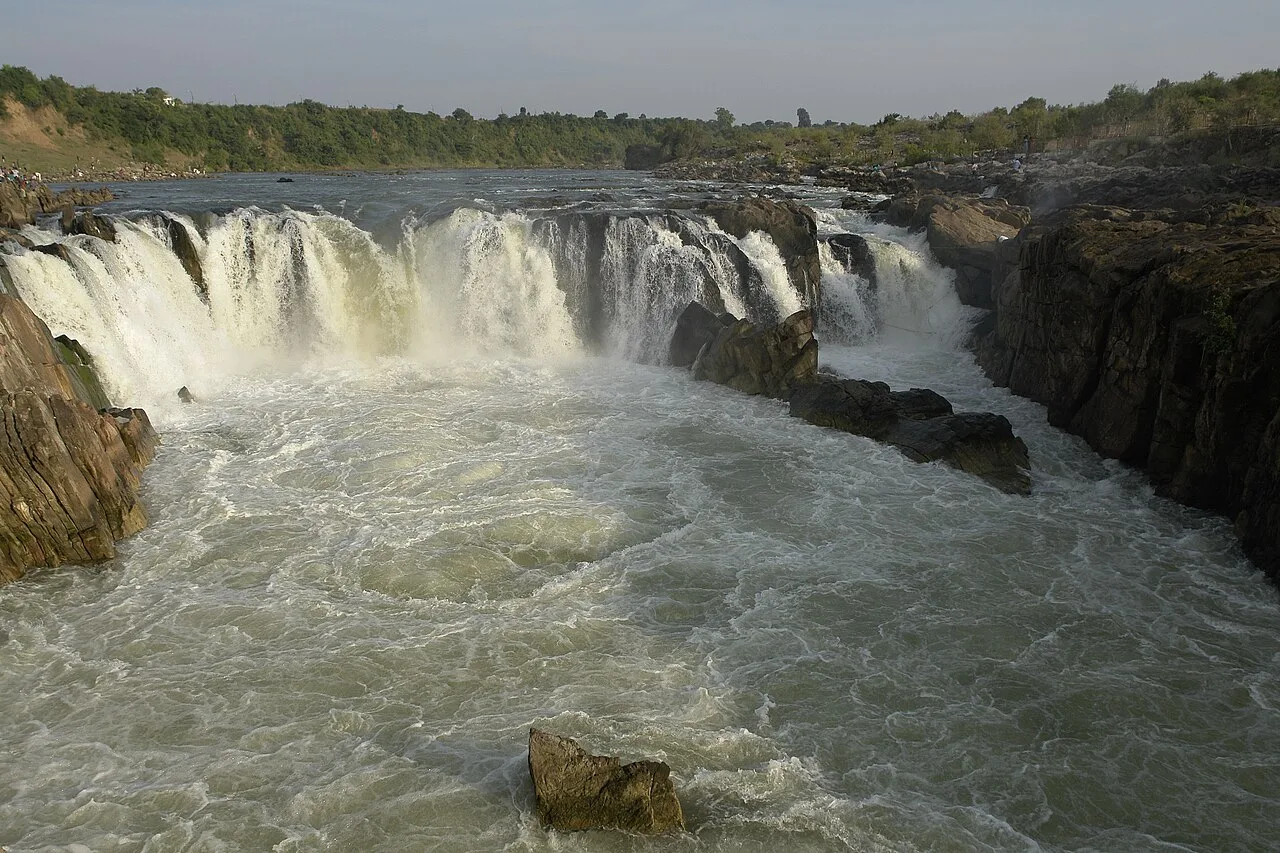
Bhedaghat, a nagar panchayat in Jabalpur district, Madhya Pradesh, draws visitors to the Narmada’s marble gorge and the misty cascade at Dhuandhar Falls.

Dhuandhar Falls

22 km away · Jabalpur district

Dhuandhar Falls

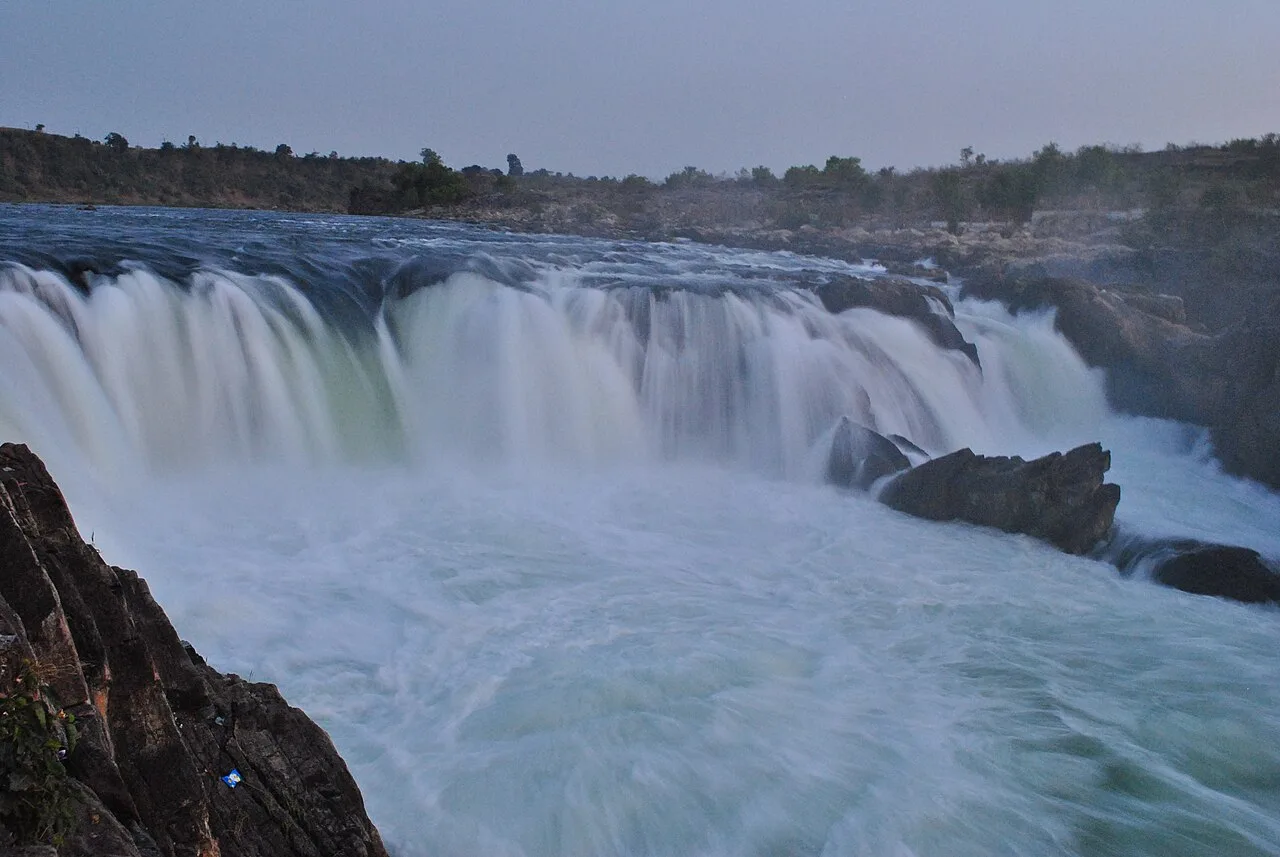
Dhuandhar Falls is a waterfall located in Jabalpur district, Madhya Pradesh. Visitors come to see the falls, a natural feature of the district.

Madan Mahal

27 km away · Jabalpur district

Madan Mahal

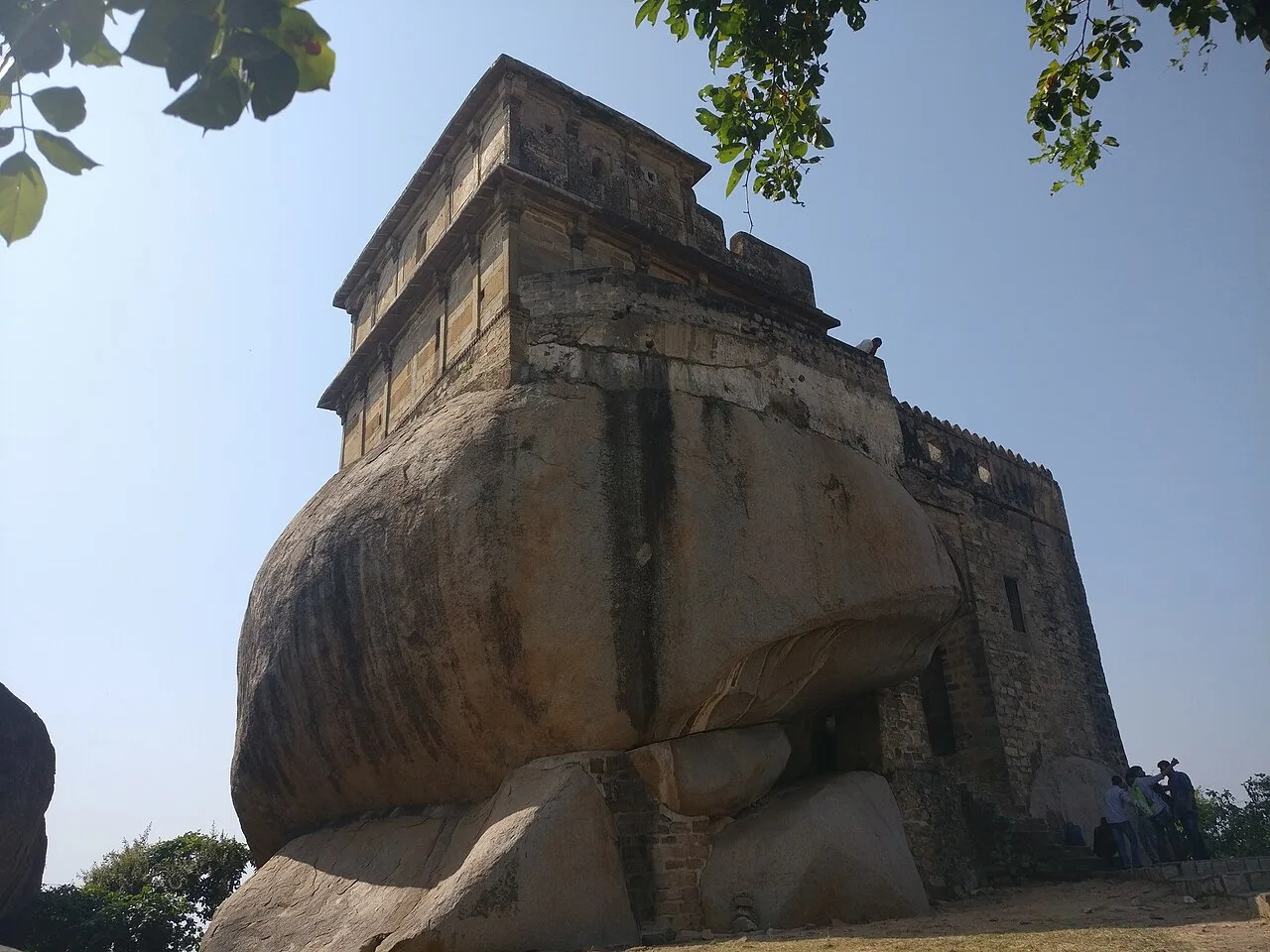
Madan Mahal is a suburb in Jabalpur district, Madhya Pradesh, best known for the historic Durgavati fort. Visitors come to see the hilltop fort associated with Raja Madan Singh.

Kundalpur Jain Temples

78 km away · Damoh district

Kundalpur Jain Temples

The Kundalpur Jain Temples are a pilgrimage destination for Digambar Jains in Madhya Pradesh’s Damoh district. The town of Kundalpur lies 37 kilometres north-east of Damoh city.

Chauragarh Temple

98 km away · Hoshangabad district

Chauragarh Temple

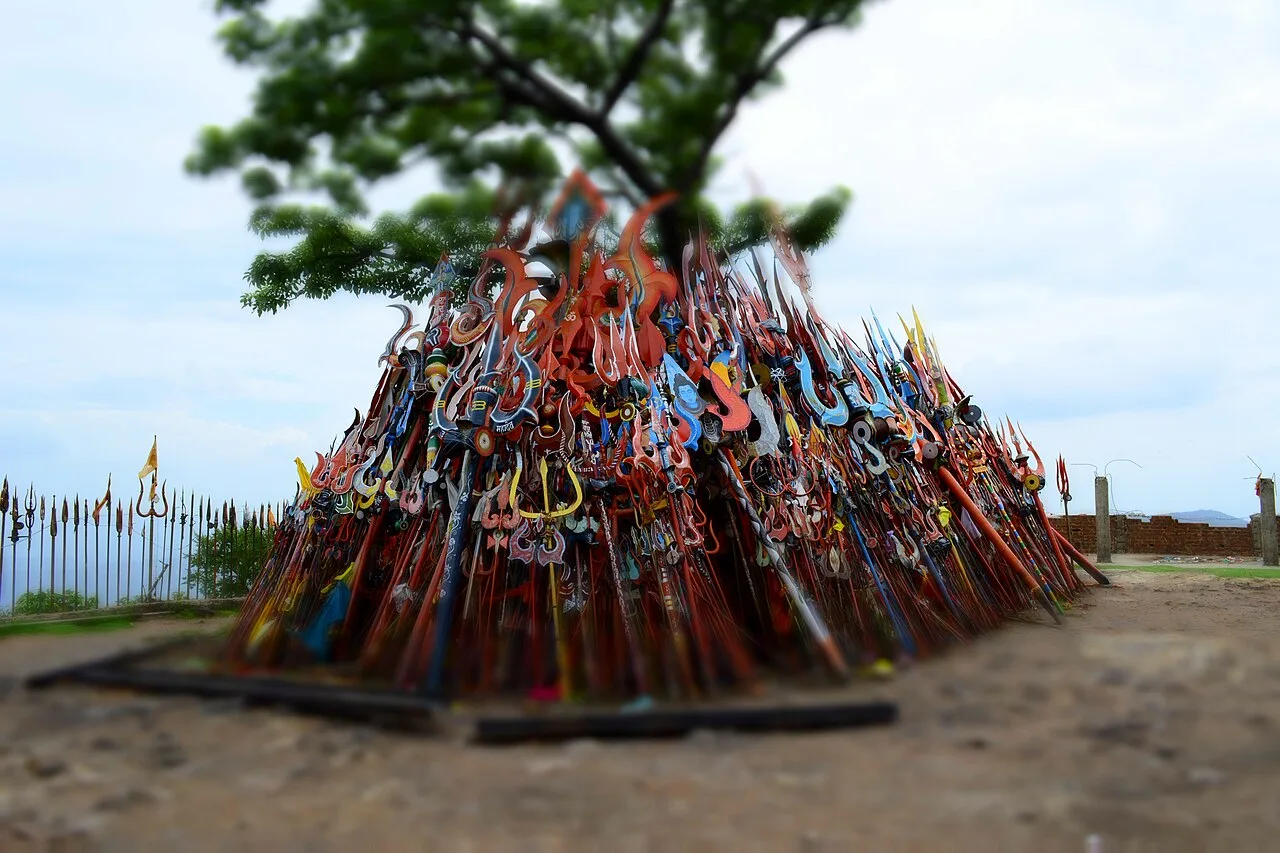
Chauragarh Temple is a historic religious and fort complex in Madhya Pradesh, set on a Satpuda peak. Visitors come to see its shrine, fort remains and structures associated with Gond rulers.

Bandhavgarh National Park

138 km away · Bandhavgarh district

Bandhavgarh National Park

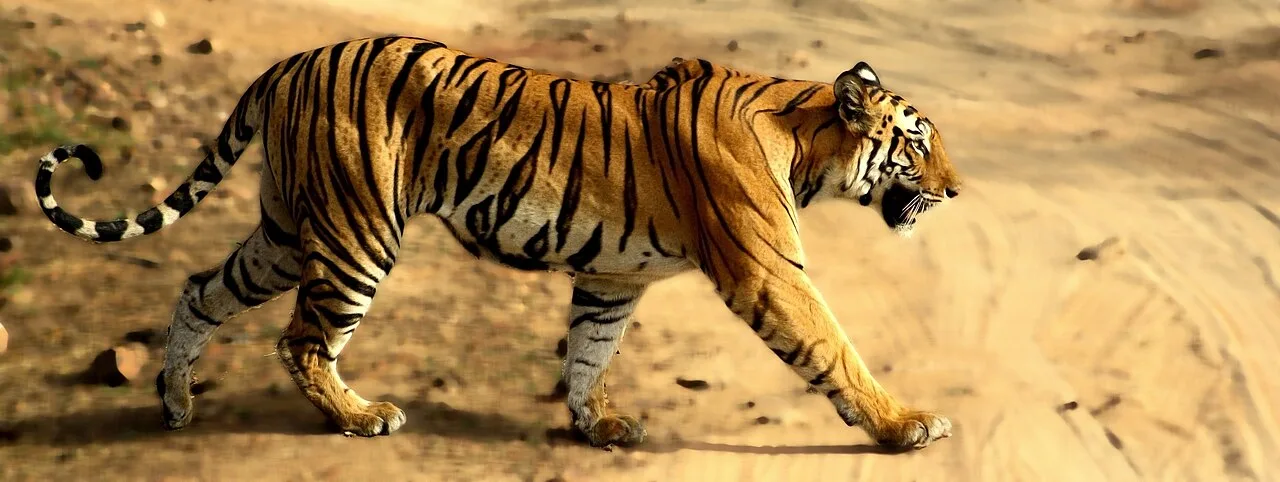
Bandhavgarh National Park, in Umaria district, Madhya Pradesh, is a protected area with extensive forests and diverse wildlife. Visitors are drawn especially by its tigers and other animals.

Bandhavgarh Fort

144 km away · Bandhavgarh district

Bandhavgarh Fort

Bandhavgarh Fort is a historic stronghold in Umaria district, Madhya Pradesh, within Bandhavgarh National Park, drawing interest for its landscape and long political history.

Map

Patan on the map

  1. 1Marble Rocks
  2. 2Bhedaghat
  3. 3Dhuandhar Falls
  4. 4Madan Mahal
  5. 5Kundalpur Jain Temples
  6. 6Chauragarh Temple
  7. 7Bandhavgarh National Park
  8. 8Bandhavgarh Fort

Madhya Pradesh

Other cities to explore