Ghumoopedia — Explore, Discover, Experience
Sign in
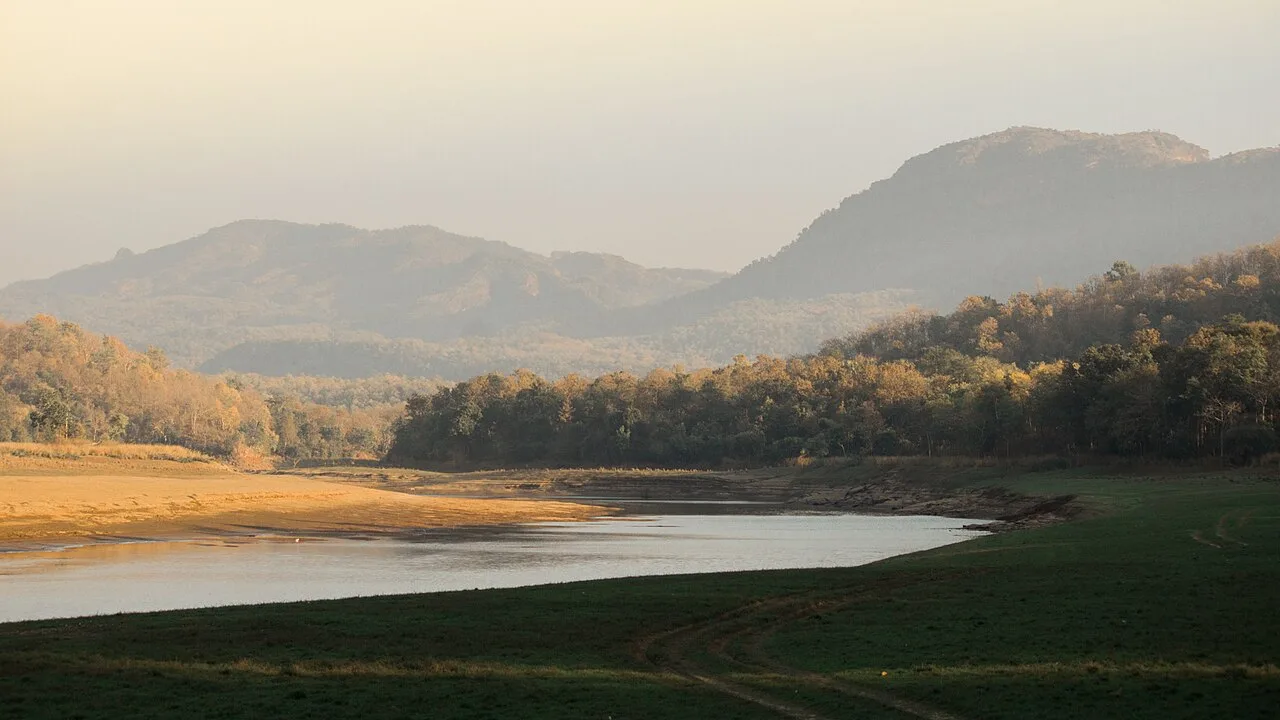
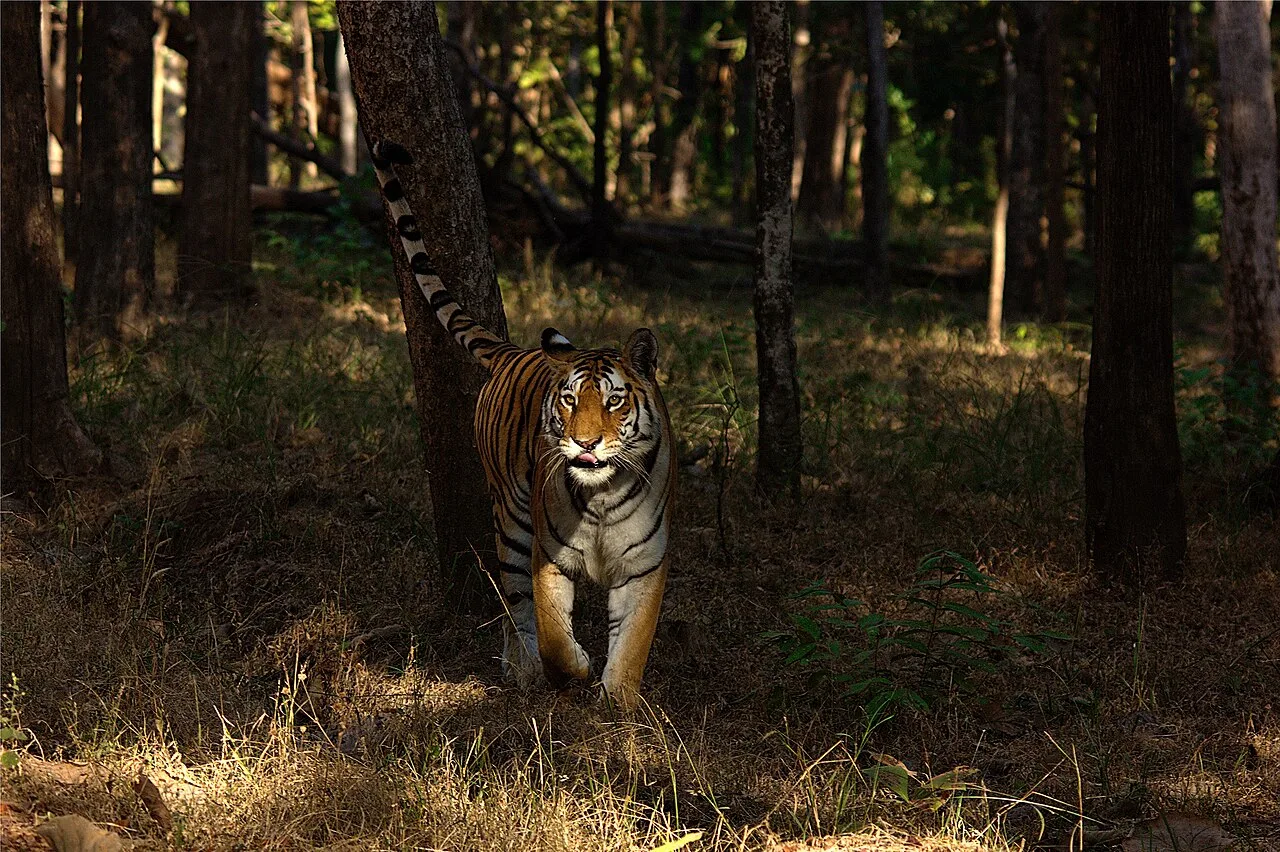
Pench Tiger Reserve, near Chhindwara

City guide · Madhya Pradesh

Chhindwara

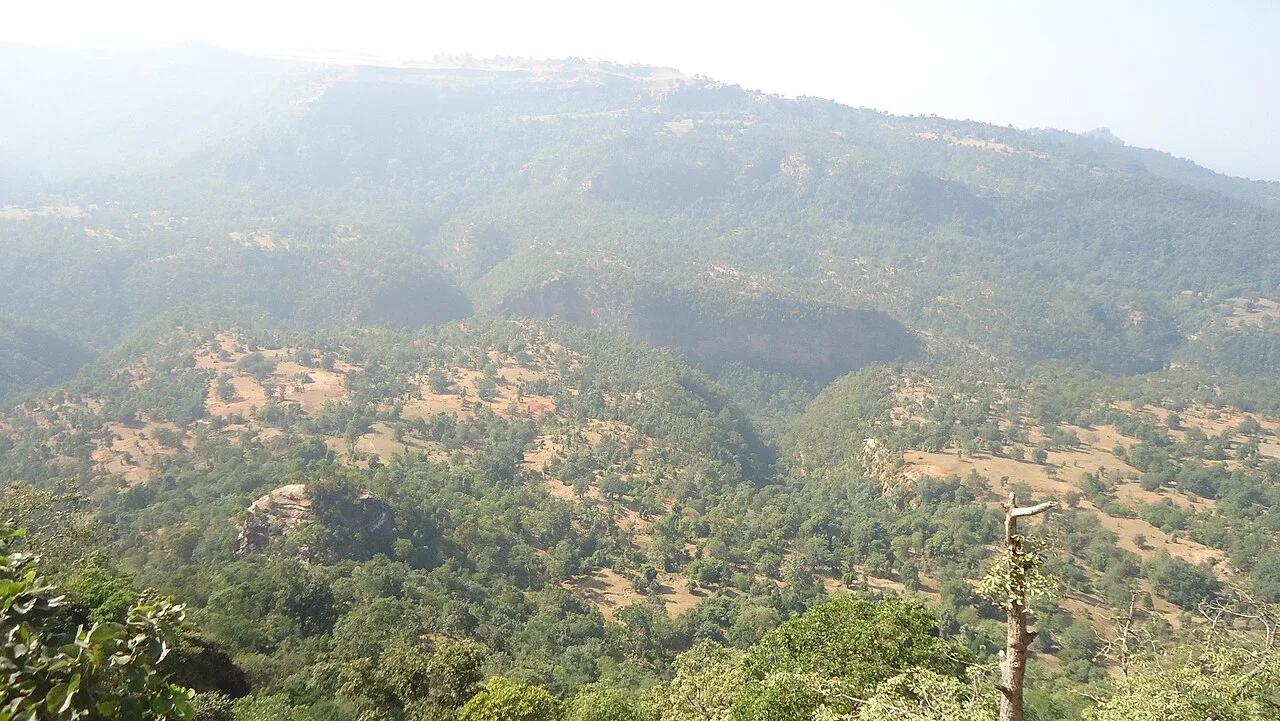
Chhindwara is the administrative centre of its district and an important hub for the surrounding Satpura region. Its location on a green plateau, among fields, wooded hills and streams, gives the city a quieter character than Madhya Pradesh’s larger urban centres.

Famous for

  • Satpura hill landscapes
  • Kamania Gate
  • Regional orange produce
  • Tribal heritage
  • Pench forest country

Why Chhindwara matters

Chhindwara is the administrative centre of its district and an important hub for the surrounding Satpura region. Its location on a green plateau, among fields, wooded hills and streams, gives the city a quieter character than Madhya Pradesh’s larger urban centres. Visitors use it as a base for exploring the district’s forest landscapes and nearby rural communities, while the city itself offers a busy central market and historic gateways at Gole Gunj.

The area is also associated with the forests and wildlife of the wider Pench region, and with agriculture, including locally grown oranges. Chhindwara’s role today is practical as well as scenic: district offices, educational institutions, healthcare and trade serve people from a broad hinterland. Its mix of administrative activity, market life and access to the Satpura landscape makes it a useful stop for travellers crossing between towns such as Betul, Jabalpur and Nagpur.
Famous for: crafts, trade & products

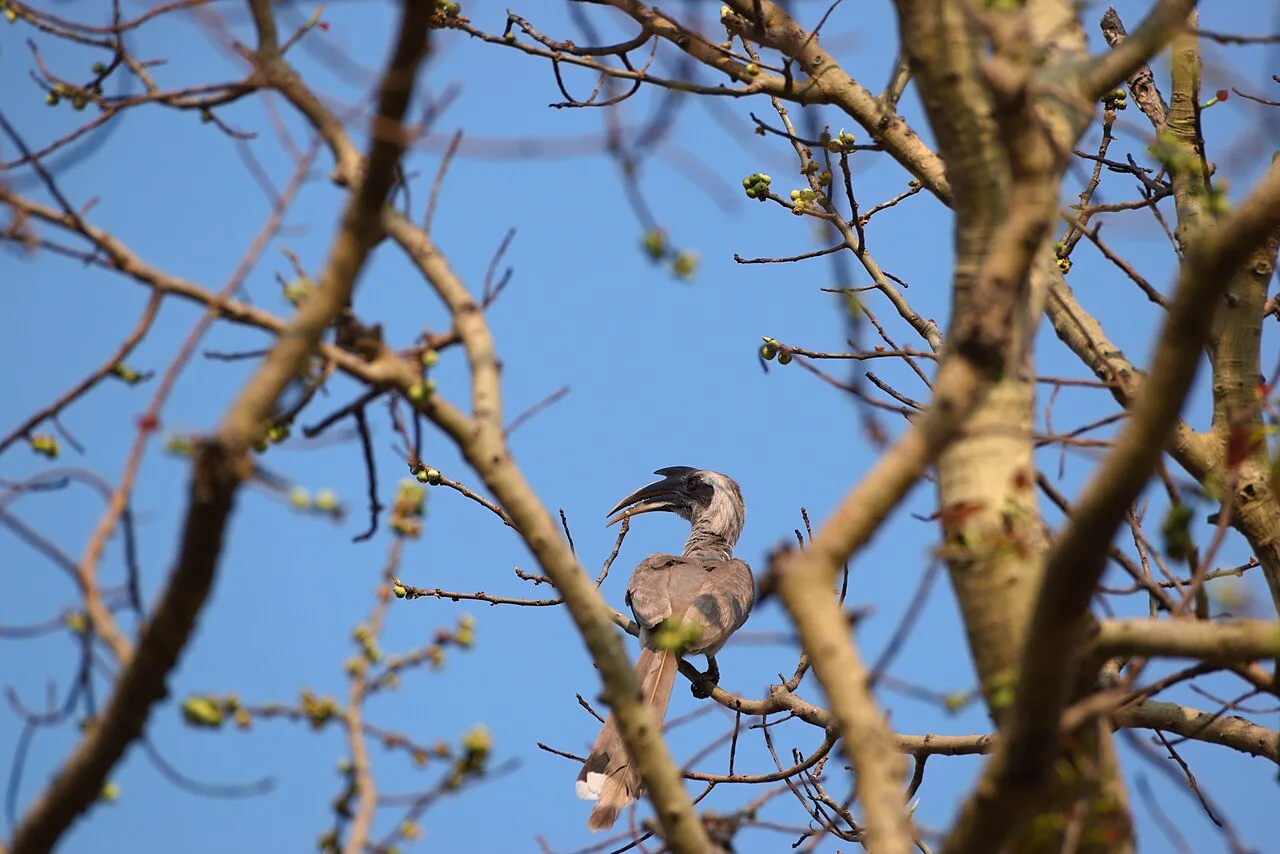
Chhindwara is best understood as a regional trading centre rather than a specialist destination for textiles or handicrafts. The surrounding district produces agricultural goods, including oranges, along with crops such as maize, wheat and soybeans. Local shops and produce sellers in the central market area are places to look for seasonal fruit and everyday regional products. Forest produce also forms part of the wider district economy, though availability varies and is not a single signature city craft.

Gole Gunj is the city’s best-known traditional market area, marked by the historic gateways commonly called Kamania Gate. Its shops serve local daily needs, and the surrounding streets offer a sense of the city’s commercial life. The district also has a modern industrial presence, including textile manufacturing in the wider Chhindwara area, as well as mining and other industries. These activities are part of the district economy rather than a distinctive product range concentrated in the city centre. Visitors looking for locally made crafts can ask at market shops, but Chhindwara is not widely identified with a particular GI-tagged product or a major craft tradition.

History

Local accounts offer more than one explanation for the name Chhindwara. One links it to chhind, or wild date palms, said to have grown in the area; another connects it with sinh-dwara, or “lion’s gate,” reflecting stories of lions in the district. Neither explanation needs to be treated as certain, but both point to the landscape and wildlife that shaped local memory.

The city’s old commercial centre took shape around Gole Gunj. Its two large gateways, now known as Kamania Gate, were built under Captain Montgomery, who administered the district as regent for Richard Jenkins during 1818–1830. Chhindwara’s municipality was established in 1867, during the colonial period. The town later developed as the district headquarters, with administrative services and transport links supporting its growth. In modern times, it has expanded as a centre for public services, education, trade and industry, serving settlements across the surrounding plateau and forested district.

Food, festivals & culture

Food in Chhindwara reflects the everyday cooking of Madhya Pradesh and the region’s agricultural hinterland. Poha, often eaten for breakfast, and jalebi are familiar choices, while local eateries serve thalis and snacks suited to a working market town. Dal bafla and seasonal produce are also worth looking for. Sweets and savoury snacks are sold around the central bazaars, though menus vary from shop to shop.

Hindu festivals such as Navratri and Diwali bring worship, decorated neighbourhoods and community gatherings; Holi is celebrated in spring, while Ganesh festivities are also observed. The district’s tribal communities have distinct traditions, including seasonal celebrations, songs and dances, which are best encountered respectfully through local cultural programmes. Hindi is widely used, alongside regional speech and languages spoken by tribal communities. Places of worship across the city serve local neighbourhoods, while Gole Gunj and Kamania Gate provide a glimpse of its older civic and commercial life. The district’s Badal Bhoi Tribal Museum offers visitors a broader introduction to regional tribal heritage.

Visiting the city

October to March is generally the most comfortable period to visit, with milder weather for exploring the city and nearby countryside. Nagpur’s Dr. Babasaheb Ambedkar International Airport is the nearest major passenger airport. Chhindwara Junction is the main railway station; check current rail connections before travelling, as routes and services can change. Road links connect Chhindwara with Betul, Jabalpur and Nagpur.

Auto-rickshaws and local taxis are useful for getting around, while the central area is manageable on foot. Start around Gole Gunj and Kamania Gate for the old market streets, then explore the civic centre and local places of worship. Chhindwara also makes a convenient base for trips into the district’s Satpura countryside; arrange local transport in advance for destinations outside the city.

Trips from the city

Nearest places to visit from Chhindwara

Our closest destination guides, by straight-line distance.

Pench Tiger Reserve

52 km away · Seoni district

Pench Tiger Reserve

Pench Tiger Reserve is a protected tiger landscape shared by Madhya Pradesh and Maharashtra. Visitors come to explore its wildlife habitat and look for tigers.

Patalkot

54 km away · Chhindwara district

Patalkot

Patalkot is a valley within Tamia tehsil, Chhindwara district, Madhya Pradesh, about 78 km from the district headquarters. Visitors are drawn by its tribal culture and rich herbal resources.

Pench National Park

57 km away · Seoni district

Pench National Park

Pench National Park is a protected area in Madhya Pradesh and a core component of Pench Tiger Reserve. Visitors come to explore the park within the wider reserve.

Jatashankar

70 km away · Hoshangabad district

Jatashankar

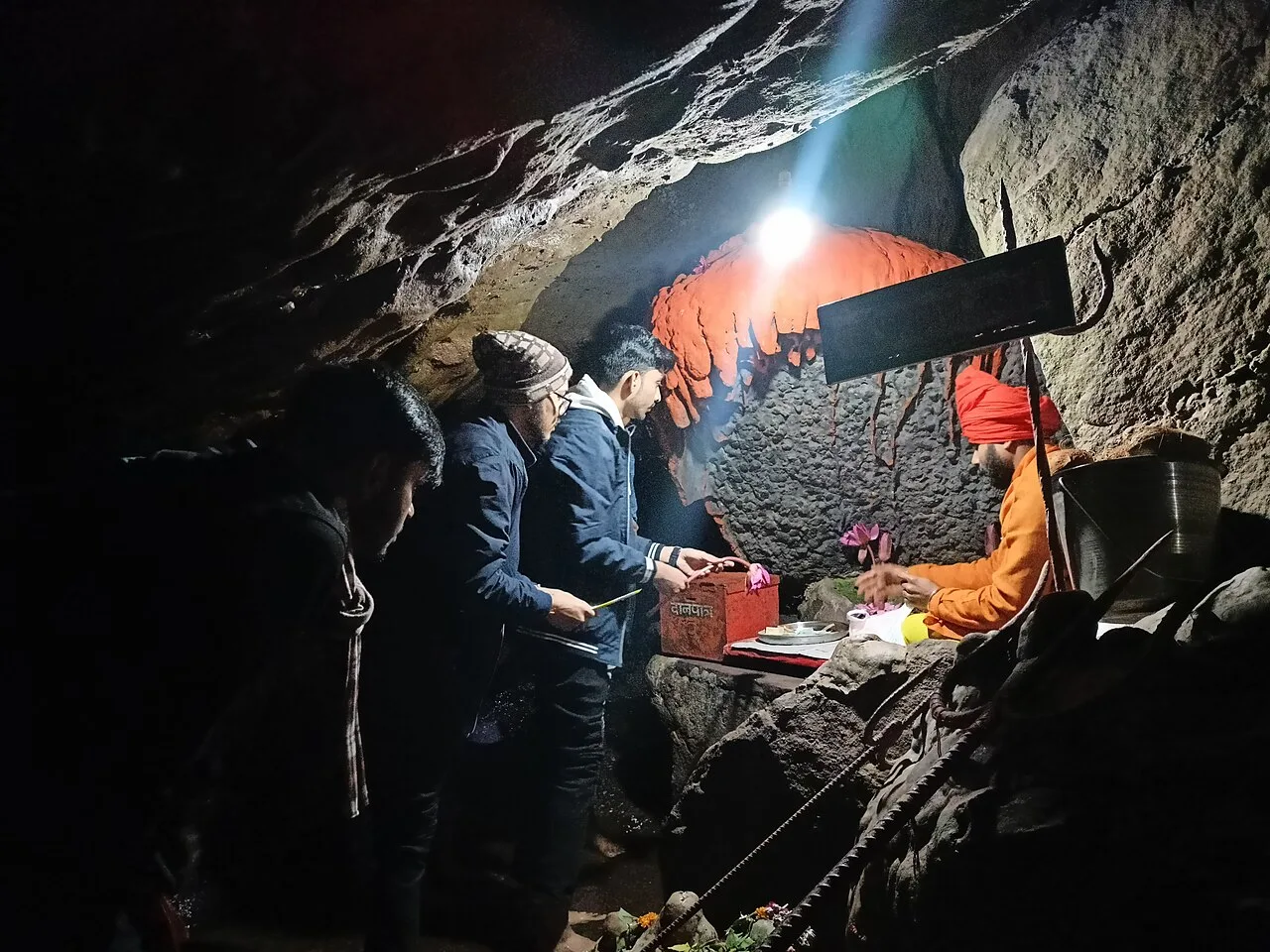
Jatashankar, also called Jata Shankar, is a cave shrine dedicated to Shiva north of Pachmarhi in Madhya Pradesh, visited by pilgrims to worship its natural lingams.

Pachmarhi Hill Station

71 km away · Hoshangabad district

Pachmarhi Hill Station

Pachmarhi is a hill station in Madhya Pradesh’s Satpura range, known as the Queen of Satpura. Visitors come for its elevated setting and its location within protected natural areas.

Dhupgarh Peak

73 km away · Hoshangabad district

Dhupgarh Peak

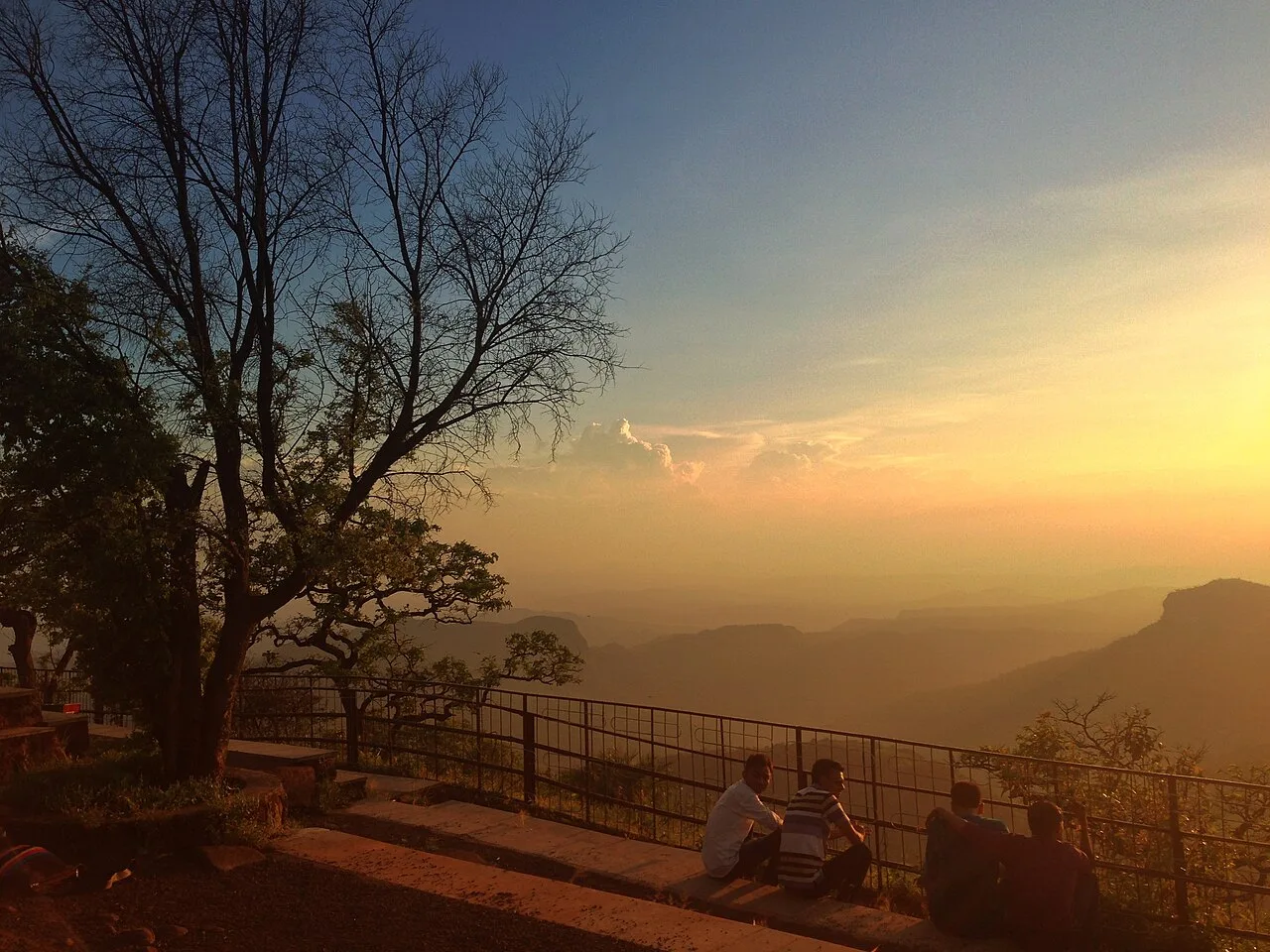
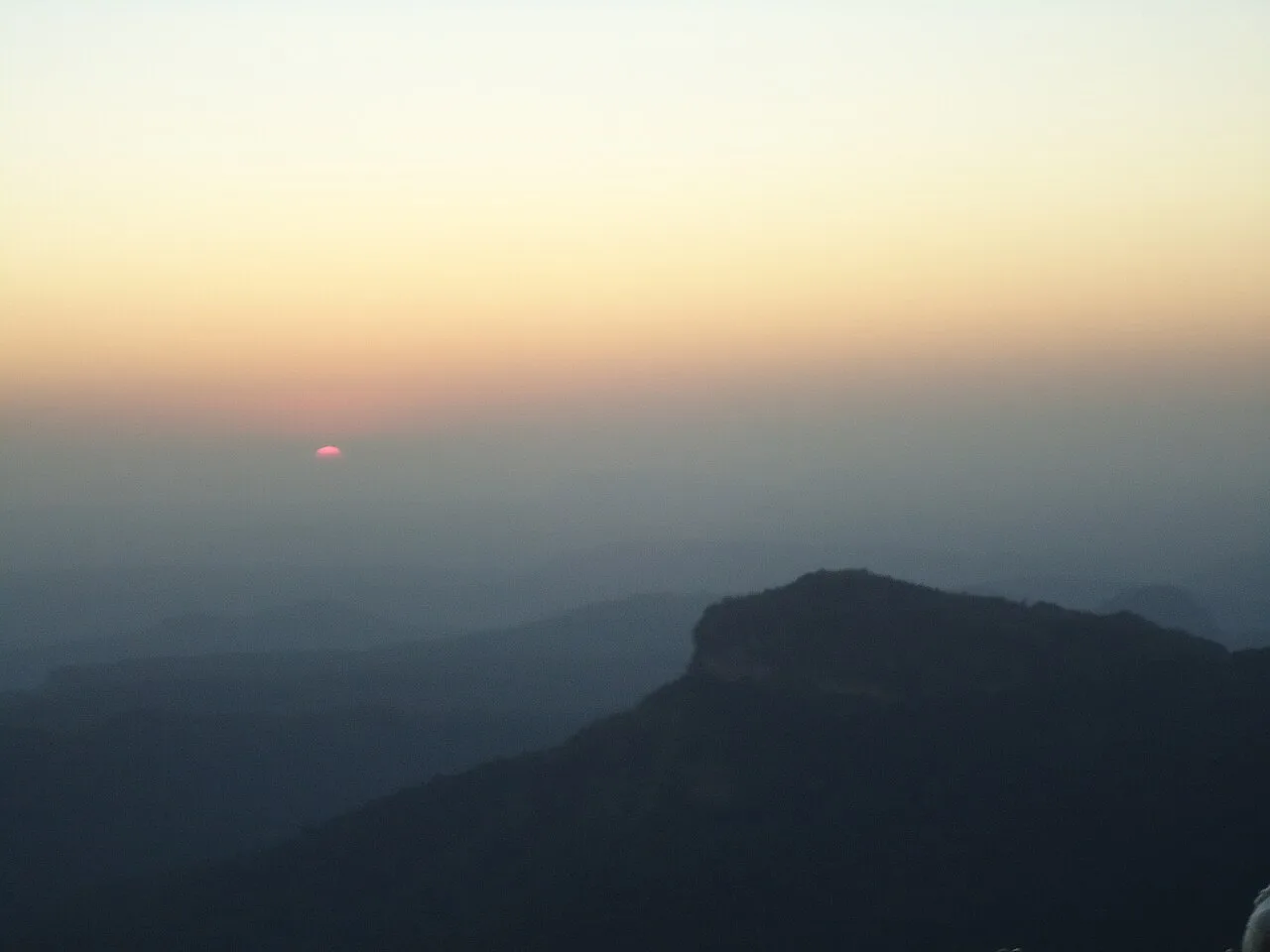
Dhupgarh, also known as Dhoopgarh, is a summit in Madhya Pradesh’s Satpura Range. Visitors go to the peak in Pachmarhi to watch the sun set.

Chauragarh Temple

78 km away · Hoshangabad district

Chauragarh Temple

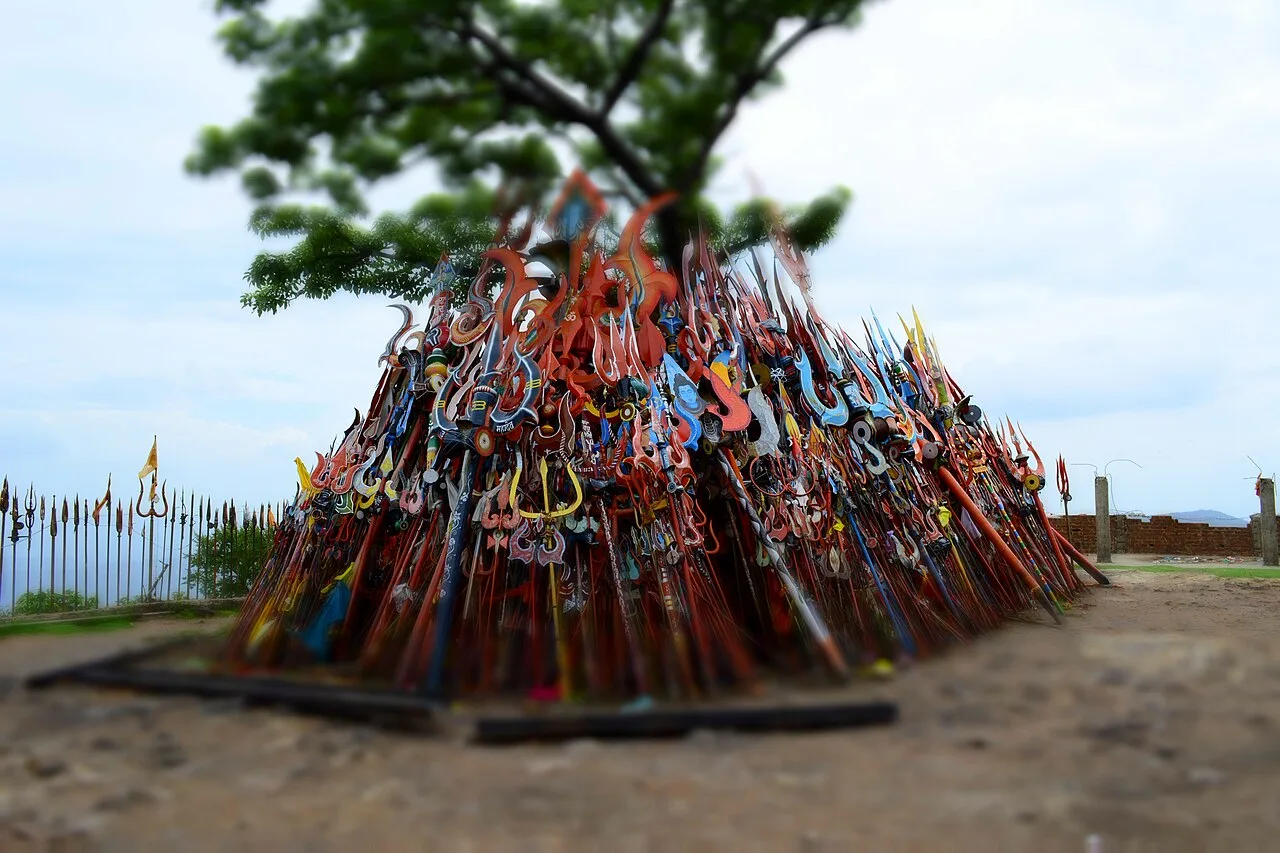
Chauragarh Temple is a historic religious and fort complex in Madhya Pradesh, set on a Satpuda peak. Visitors come to see its shrine, fort remains and structures associated with Gond rulers.

Satpura Tiger Reserve

88 km away · Hoshangabad district

Satpura Tiger Reserve

In Madhya Pradesh’s Narmadapuram district, Satpura Tiger Reserve takes its name from the Satpura Range. Visitors come to experience its abundant plant life and wildlife.

Map

Chhindwara on the map

  1. 1Pench Tiger Reserve
  2. 2Patalkot
  3. 3Pench National Park
  4. 4Jatashankar
  5. 5Pachmarhi Hill Station
  6. 6Dhupgarh Peak
  7. 7Chauragarh Temple
  8. 8Satpura Tiger Reserve

Madhya Pradesh

Other cities to explore