Ghumoopedia — Explore, Discover, Experience
Sign in
Omkareshwar Temple, near Barwaha

City guide · Madhya Pradesh

Barwaha

Barwaha is a riverside town in Khargone district, in Madhya Pradesh’s Nimar region. Set near the Narmada, it serves as a market and service centre for surrounding villages, with road links to Indore, Khargone, Khandwa and other towns.

Famous for

  • Narmada River ghats
  • Dariya Mahal
  • Nearby Omkareshwar
  • Cotton ginning
  • Barwaha chivda
  • Barwaha lime

Why Barwaha matters

Barwaha is a riverside town in Khargone district, in Madhya Pradesh’s Nimar region. Set near the Narmada, it serves as a market and service centre for surrounding villages, with road links to Indore, Khargone, Khandwa and other towns. Cotton trading and ginning, along with lime and other small industries, contribute to its local economy. The town’s everyday commercial life is most visible around its central markets.

For visitors, Barwaha is a useful base for exploring the Narmada valley and a convenient stop on the way to Omkareshwar, about 15 kilometres away. The riverfront ghats and Dariya Mahal are among its distinctive landmarks; the palace building is now associated with the CISF training centre, so access may be restricted. Barwaha is also known locally for its chivda and lime. Its appeal lies less in a large catalogue of formal attractions than in its riverside setting, regional trade, and position between important pilgrimage, market and transport destinations.
Famous for: crafts, trade & products

Barwaha’s best-known local products include cotton, lime and chivda. Cotton ginning and related trade support the town’s role as a commercial centre for nearby villages. Lime processing, calcium-related work, agro businesses, bag-making and textile activity also form part of its industrial mix. These are working industries rather than visitor-oriented craft districts, and access to factories or ginning units should be arranged locally. The town is not especially known for a signature saree or a documented GI-tagged product.

For everyday shopping, explore the central bazaar and local food shops, where regional snacks such as chivda are sold. Cotton and agricultural commerce is more likely to be encountered through trading and processing businesses than through dedicated tourist markets. Barwaha’s riverside setting and historic Dariya Mahal add to its local identity, while the nearby pilgrimage town of Omkareshwar brings additional visitors through the area. The Dariya Mahal is associated with a CISF training centre; visitors should not assume that the building or campus is open to the public.

History

Barwaha lies in the historic Nimar region, whose centres of power included Mahishmati, present-day Maheshwar. The wider area came under a succession of regional rulers, including the Haihayas, Gurjaras, Paramaras and Ahirs, followed by the Malwa Sultanate. Mughal control expanded into Malwa under Akbar in the sixteenth century. Maratha power followed in the eighteenth century, when the region was divided among several houses; Barwaha came under the Holkars of Indore.

Dariya Mahal is linked in local accounts to the Holkar period and is now associated with a CISF training centre. Under British-era administration, Barwaha retained regional importance as a market and transport point. After the princely states joined the Indian Union, the area became part of Madhya Bharat and then Madhya Pradesh in 1956. It now belongs to Khargone district, created when the former West Nimar district was divided in 1998. Local residents have periodically advocated for Barwaha to become a separate district.

Food, festivals & culture

Nimadi is widely spoken in Barwaha and the surrounding Nimar region, alongside Hindi and other languages used by local communities. Barwaha chivda is a familiar local snack, and the town’s markets offer everyday regional foods. Cotton and agricultural trade have long shaped the town’s working life, while the Narmada ghats provide a setting for religious observances and visits to the river.

Holi, usually in spring, and Diwali, in autumn, are among the major Hindu festivals. Eid follows the Islamic calendar, while Christmas is also observed by local communities. Gangaur is celebrated in parts of the region, and tribal communities nearby mark Bhagoria in the weeks before Holi. Nag Panchami, generally in the monsoon season, is another familiar observance. Festivals are shared across the town’s diverse communities, though customs vary by family and faith. The ghats and local places of worship serve residents and visitors; the major Shaivite pilgrimage centre at Omkareshwar is a short journey away. Specific music and dance traditions are best encountered through local celebrations rather than a regular visitor programme.

Visiting the city

The cooler months, roughly October to March, are generally the most comfortable for exploring Barwaha and the Narmada valley. Summers can be hot, while monsoon weather may affect road journeys. The nearest airport is Devi Ahilya Bai Holkar Airport in Indore. Barwaha has a railway station on the Mhow–Omkareshwar route; Indore Junction and Khandwa are larger rail gateways for onward connections.

Road services and taxis link Barwaha with Indore, Khargone, Khandwa and Omkareshwar. Within town, local transport or an auto-rickshaw can help with short trips. Begin around the central bazaar for shops and food, then visit the Narmada riverfront ghats. Dariya Mahal is a notable landmark, but it is associated with a CISF training centre, so check locally before planning a visit. Omkareshwar makes a natural nearby excursion.

Trips from the city

Nearest places to visit from Barwaha

Our closest destination guides, by straight-line distance.

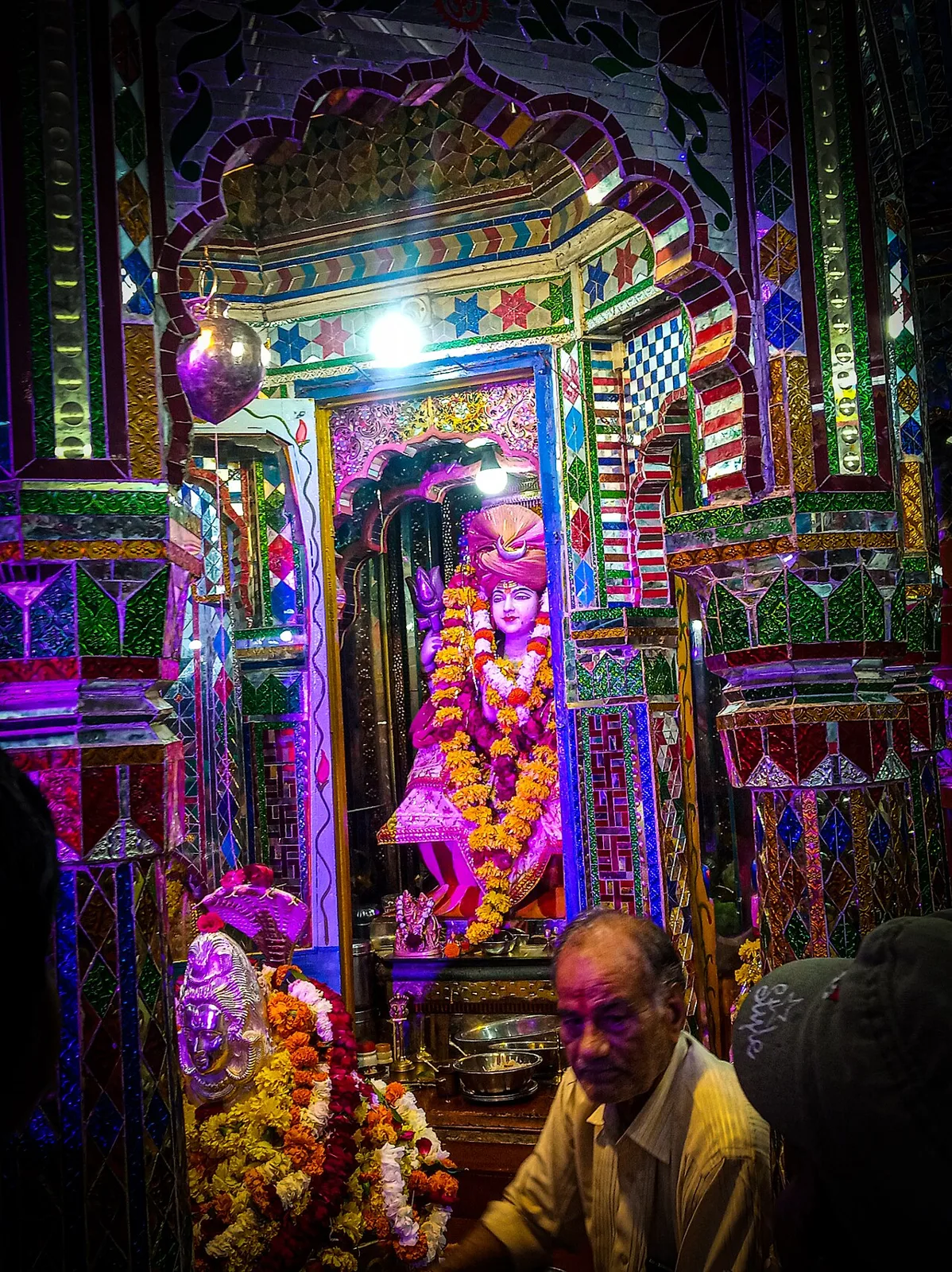
Omkareshwar Temple

12 km away · Omkareshwar district

Omkareshwar Temple

Omkareshwar is a Shiva shrine on Mandhata island in Madhya Pradesh, revered as one of the twelve Jyotirlingas. Pilgrims visit its two associated sanctuaries.

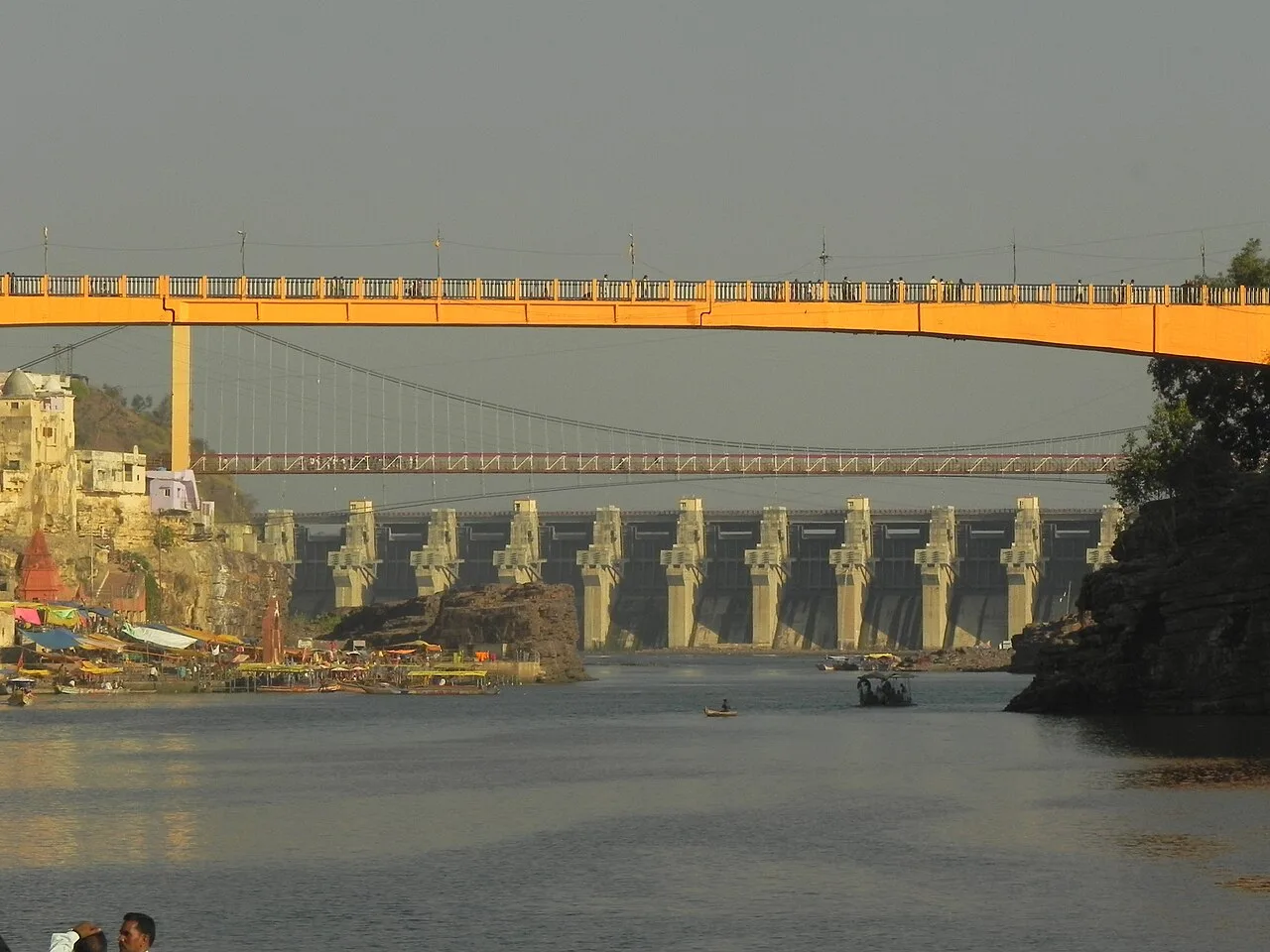
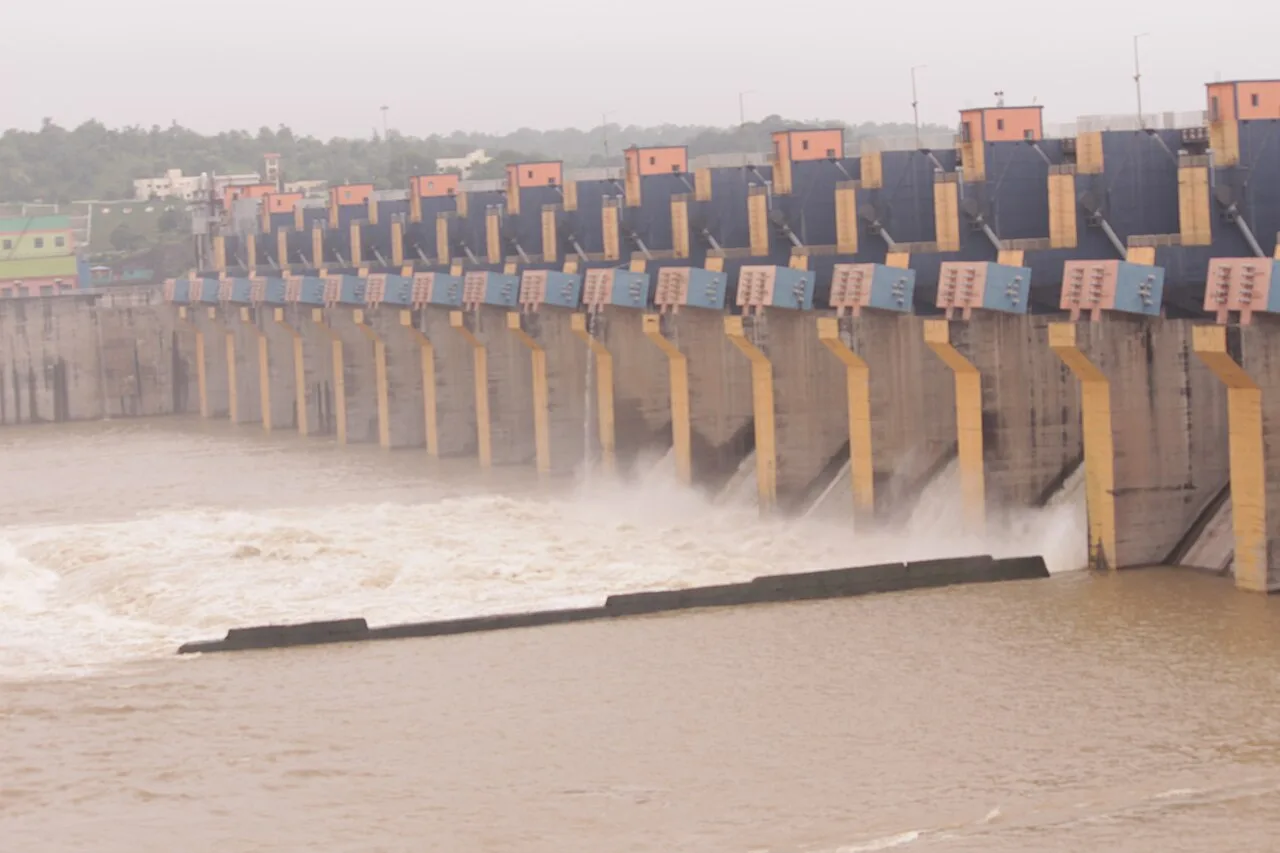
Omkareshwar Dam

13 km away · Khandwa district

Omkareshwar Dam

Omkareshwar Dam is a gravity dam on the Narmada in Madhya Pradesh, upstream of Mandhata. Visitors can view the structure and its associated hydroelectric station, built alongside an irrigation project.

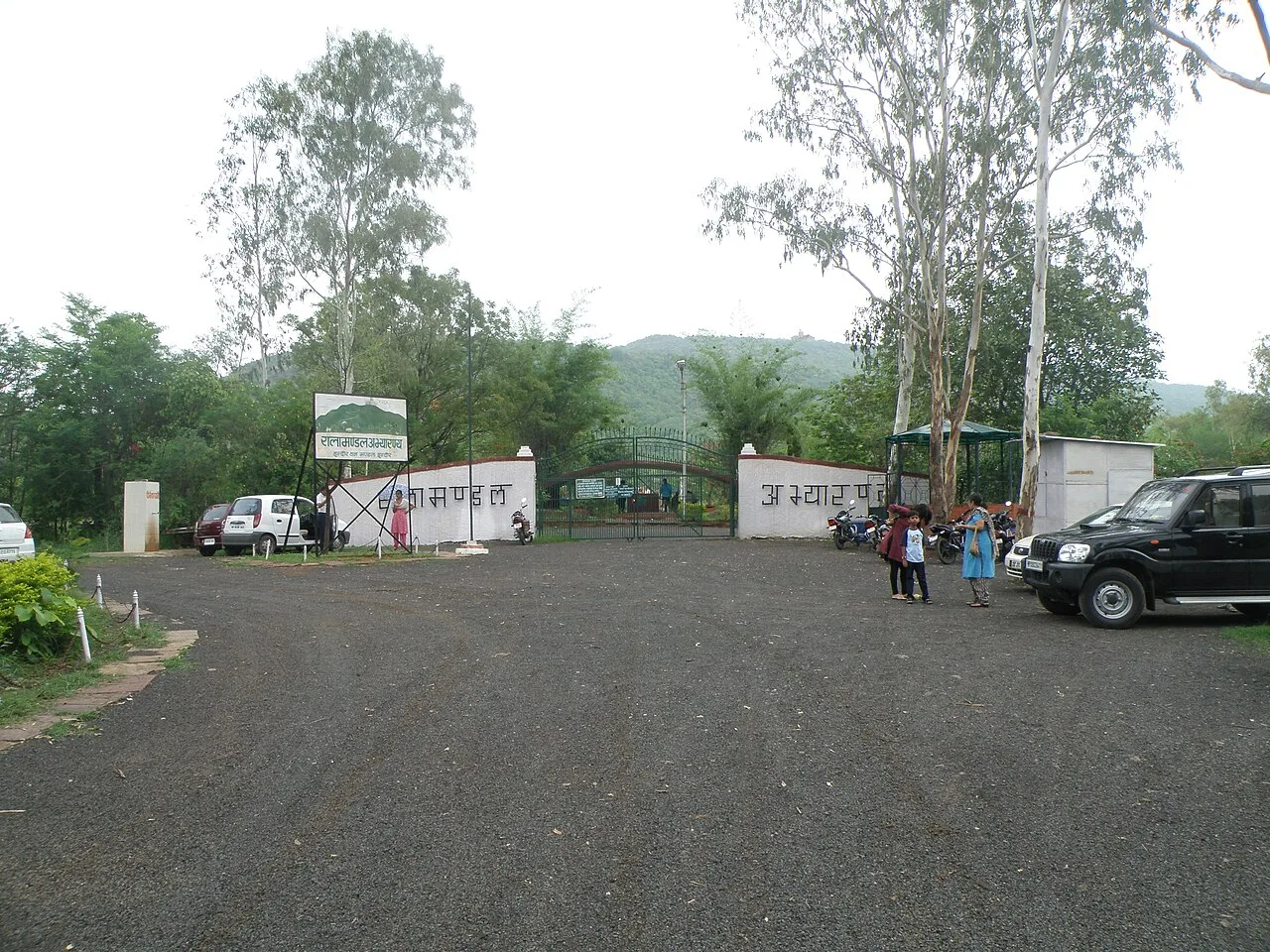
Ralamandal Wildlife Sanctuary

46 km away · Indore district

Ralamandal Wildlife Sanctuary

Established in 1989, Ralamandal Wildlife Sanctuary is a five-square-kilometre protected area in Indore district, Madhya Pradesh. Visitors come to see its birds, other wildlife and old hunting lodge.

Navdatoli Archaeological Site

48 km away · Khargone district

Navdatoli Archaeological Site

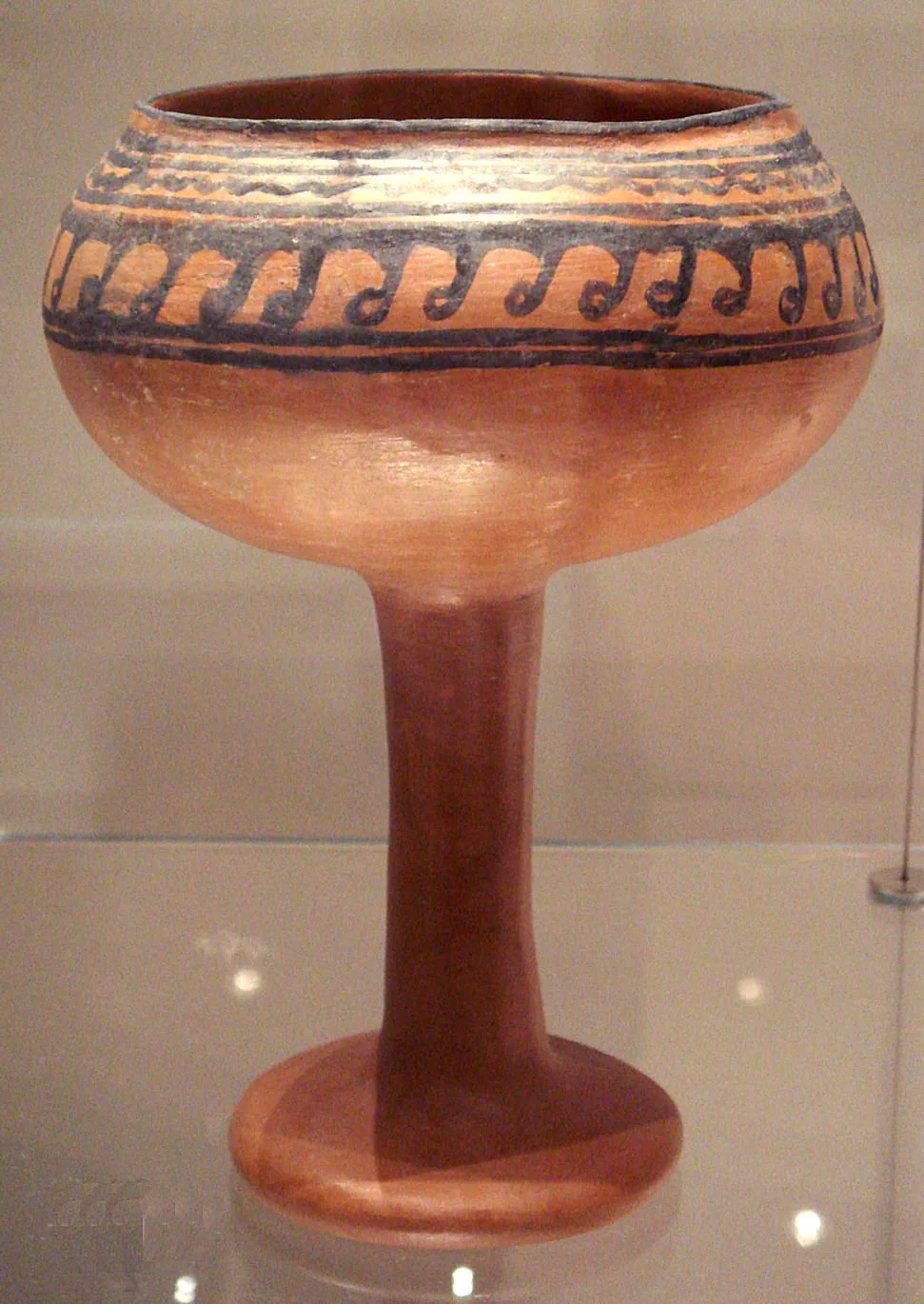
Navdatoli is both a present-day village and a Chalcolithic settlement on the Narmada in Madhya Pradesh. Visitors explore its archaeological history and the pottery associated with its successive phases.

Rajwada

55 km away · Indore district

Rajwada

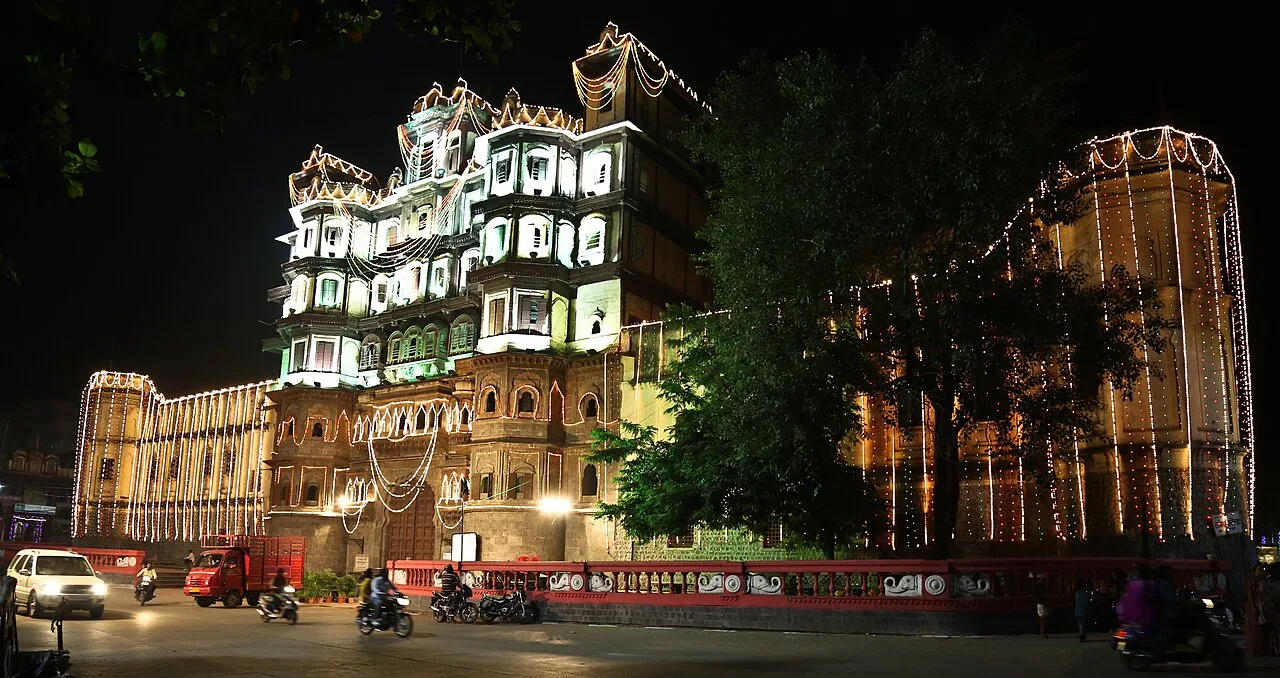
Rajwada is a historic, seven-storey Holkar residence in Indore. Visitors come for its period architecture, dynastic history and the garden with fountains and a waterfall.

Sarafa Bazaar

55 km away · Indore district

Sarafa Bazaar

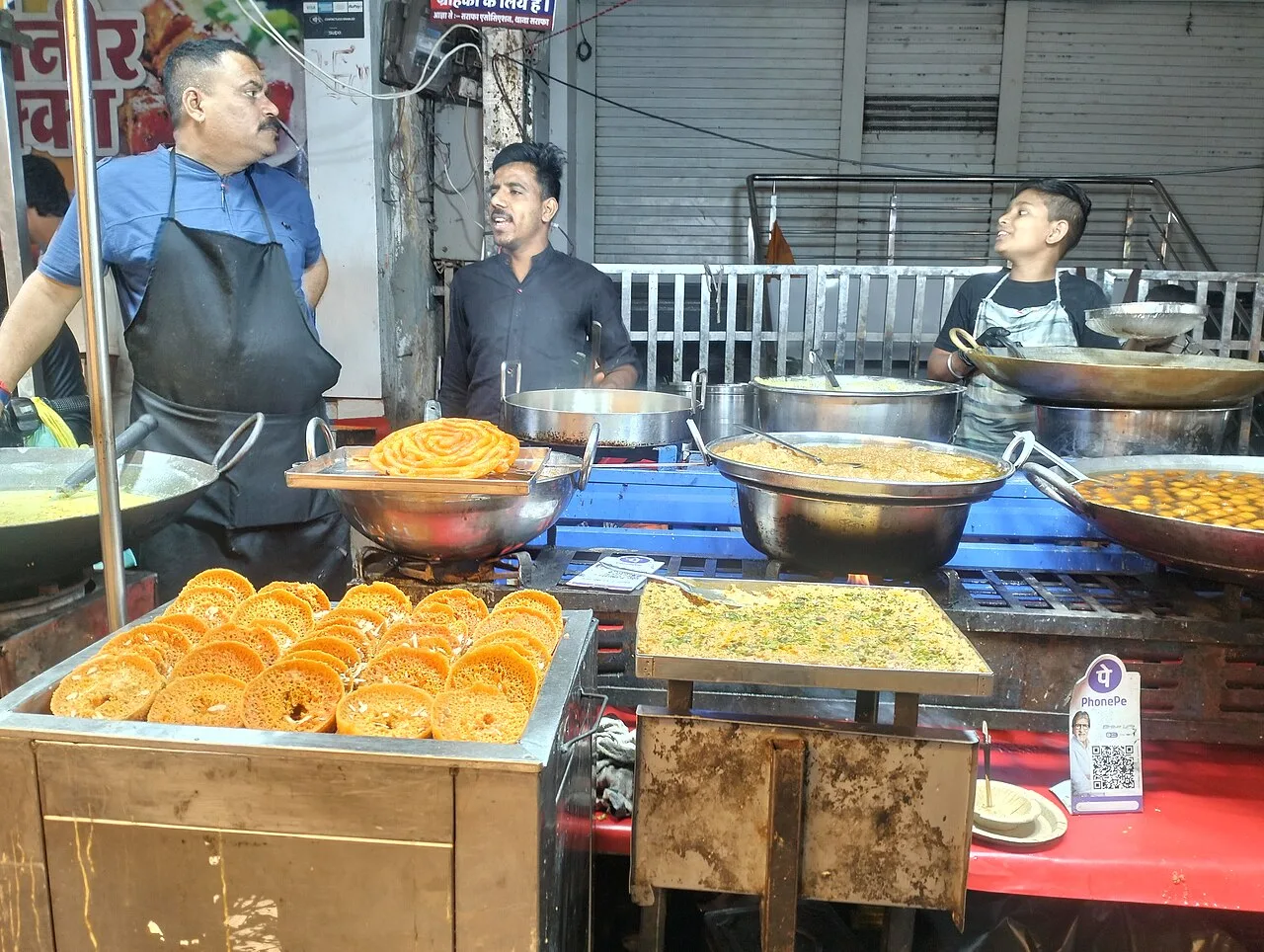
In central Indore, Sarafa Bazaar is a jewellery-trading area by day that becomes a street-food destination at night, drawing visitors for its varied cuisine and evening atmosphere.

Hanuwantiya Island

58 km away · Khandwa district

Hanuwantiya Island

Hanuwantiya Island is a tourism destination in Khandwa district, Madhya Pradesh. Visitors come to the island, which the state tourism corporation developed as a hub for tourism.

Kanch Mandir

58 km away · Indore district

Kanch Mandir

Kanch Mandir is a well-known Jain temple in Indore, built by Sir Seth Hukumchand Jain. Visitors come to see the place of worship whose name means Temple of Glass.

Map

Barwaha on the map

  1. 1Omkareshwar Temple
  2. 2Omkareshwar Dam
  3. 3Ralamandal Wildlife Sanctuary
  4. 4Navdatoli Archaeological Site
  5. 5Rajwada
  6. 6Sarafa Bazaar
  7. 7Hanuwantiya Island
  8. 8Kanch Mandir

Madhya Pradesh

Other cities to explore