Ghumoopedia — Explore, Discover, Experience
Sign in

City guide · Madhya Pradesh

Raghogarh-Vijaypur

Raghogarh-Vijaypur is a municipality in Guna district, in north-central Madhya Pradesh. Its importance today is chiefly regional: it serves nearby settlements and lies about 30 kilometres from Guna, the district headquarters.

Famous for

  • Raghogarh Fort
  • Khichi Rajput heritage
  • Former princely state
  • Ruthiyai Junction

Why Raghogarh-Vijaypur matters

Raghogarh-Vijaypur is a municipality in Guna district, in north-central Madhya Pradesh. Its importance today is chiefly regional: it serves nearby settlements and lies about 30 kilometres from Guna, the district headquarters. The nearby Ruthiyai railway junction connects the area with the wider rail network, making the town a practical stop for journeys through this part of the state.

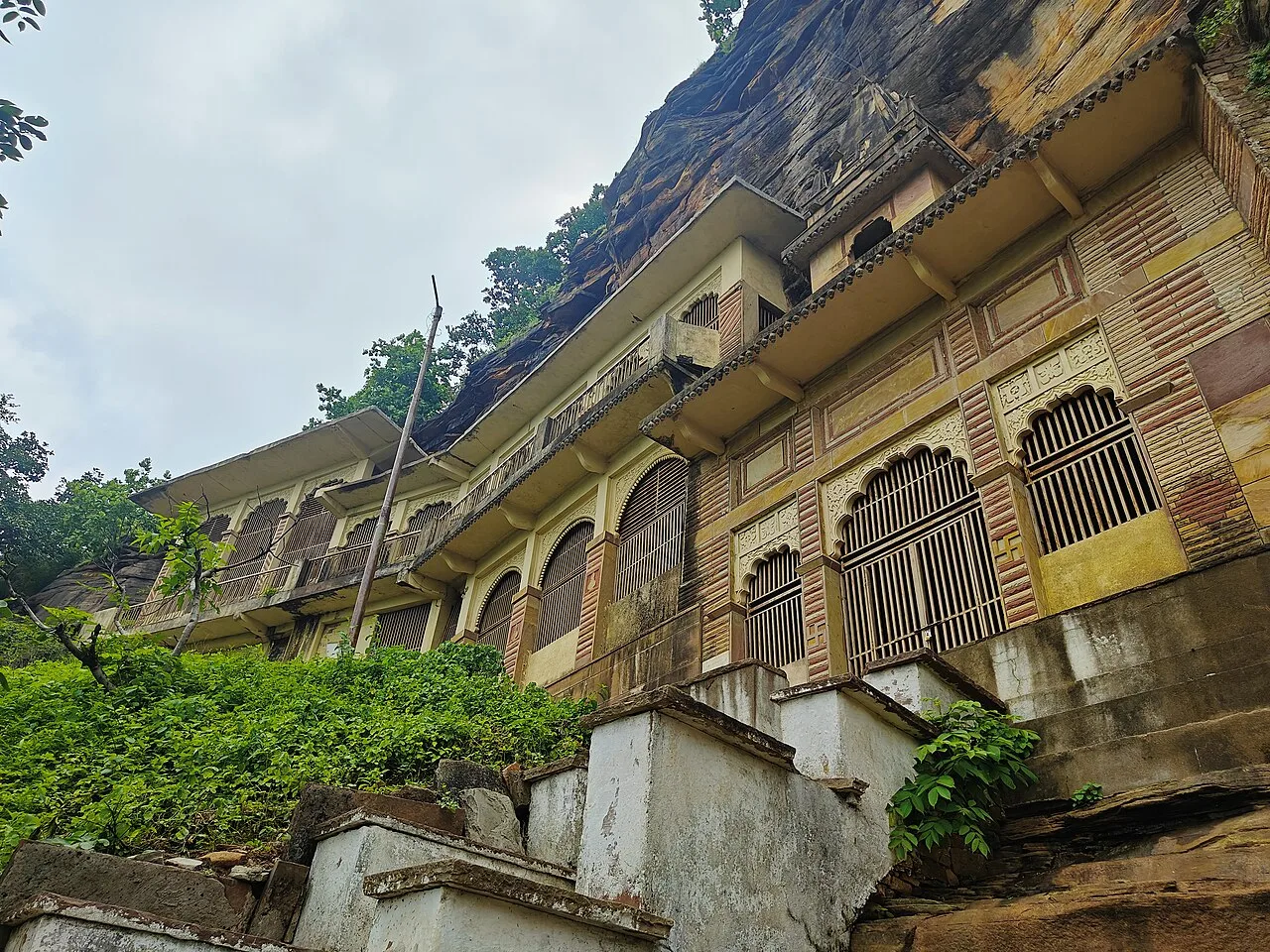
The strongest draw for visitors is Raghogarh’s history as the seat of a former princely state. Raghogarh Fort and the town’s association with the Khichi Rajput rulers give it interest for travellers exploring the region’s forts and political past. The setting on the northeastern edge of the Malwa Plateau also makes it a useful base for understanding the transition between the Malwa and Chambal regions. It is not a large, purpose-built tourist destination; many visitors combine a brief town visit with Guna or onward travel. Its appeal lies in local history, a quieter small-town atmosphere and access by rail and road.
Famous for: crafts, trade & products

Raghogarh-Vijaypur is best known for its historic identity rather than for a widely recognised textile, craft or food industry. The town’s most distinctive heritage association is Raghogarh Fort and the former Raghogarh State, founded by Khichi Rajput ruler Lal Singh in the 17th century. No particular local product or craft is established as a major regional specialty, and the city is not known for a GI-tagged product.

For everyday shopping, visitors can look to the town’s local bazaar and commercial streets for groceries, clothing, household goods and snacks. These are useful for ordinary purchases, but travellers seeking specialist handicrafts, prominent textile markets or a broad selection of regional souvenirs may find more choice in larger centres such as Guna or Bhopal. Ask locally about current shops and access to the fort, as visitor facilities and retail offerings may be modest. The area’s role is primarily as a local service centre, with Ruthiyai Junction providing a practical transport link rather than a shopping destination.

History

Raghogarh’s history is closely tied to the princely state of the same name. Lal Singh, a Rajput of the Khichi branch, established the state in 1673 and founded Raghogarh Fort in the late 17th century. The fort gave the settlement its name and became the seat of the ruling house. Lal Singh was succeeded by Dhiraj Singh, who maintained ties with Rajput rulers including Sawai Jai Singh of Amber and Maharana Sangram Singh II of Mewar. Dhiraj Singh also took part in the Rajput campaign against the Marathas at Pilsud.

The state’s fortunes declined after attacks by Maratha forces led by Mahadaji Shinde around 1780. Disputes over succession were referred to British authorities and settled through their intervention in 1818. In the modern period, Raghogarh-Vijaypur developed as a municipality within Guna district, while nearby Ruthiyai grew in importance as a railway junction. The town’s present identity combines this local administrative role with its princely-state heritage.

Food, festivals & culture

Daily life reflects the small-town character of Guna district and the wider Malwa region. Hindi is widely used; local speech may also carry Malwi and neighbouring regional influences. Meals commonly draw on central Indian home cooking, with wheat-based breads, lentils, seasonal vegetables and snacks. Poha and jalebi are familiar breakfast choices across Madhya Pradesh, while dal bafla is a regional meal visitors may encounter. These are regional foods rather than specialties unique to Raghogarh; availability varies between eateries.

Holi, usually in spring, and Diwali, in autumn, are widely observed, along with Navratri and other Hindu calendar festivals. Eid is also marked by Muslim residents. Celebrations centre on family gatherings, worship and local community events; music and dance are generally part of festival occasions rather than a distinct performance scene for visitors. Temples and mosques serve as neighbourhood places of worship, though the town is not widely known for a major pilgrimage site. Ask residents about local observances and respectful visiting customs, especially during religious events.

Visiting the city

The cooler, drier months from roughly November to February are generally the most comfortable for exploring. Summers are very hot, while the monsoon from late June into early October brings substantial rain. The nearest major commercial airport is generally Bhopal’s Raja Bhoj Airport; road travel from there takes several hours. Ruthiyai Junction is the main railway station serving the area and lies outside the town centre. Guna, about 30 kilometres away, is the district’s principal nearby hub.

Local buses, auto-rickshaws and hired vehicles are practical ways to move between the town, Ruthiyai and nearby settlements; check current options on arrival. Explore the Raghogarh town centre and fort area for local history, and allow time for the bazaar and everyday streets. Guna can be added for services and onward connections. Fort access and visitor facilities may vary, so confirm locally before making a dedicated trip.

Trips from the city

Nearest places to visit from Raghogarh-Vijaypur

Our closest destination guides, by straight-line distance.

Chanderi Town

99 km away · Chanderi district

Chanderi Town

Chanderi is a historic town in Madhya Pradesh, visited for monuments linked to regional dynasties and its ancient Jain temples, amid hills, lakes and forests.

Heliodorus pillar

117 km away · Vidisha district

Heliodorus pillar

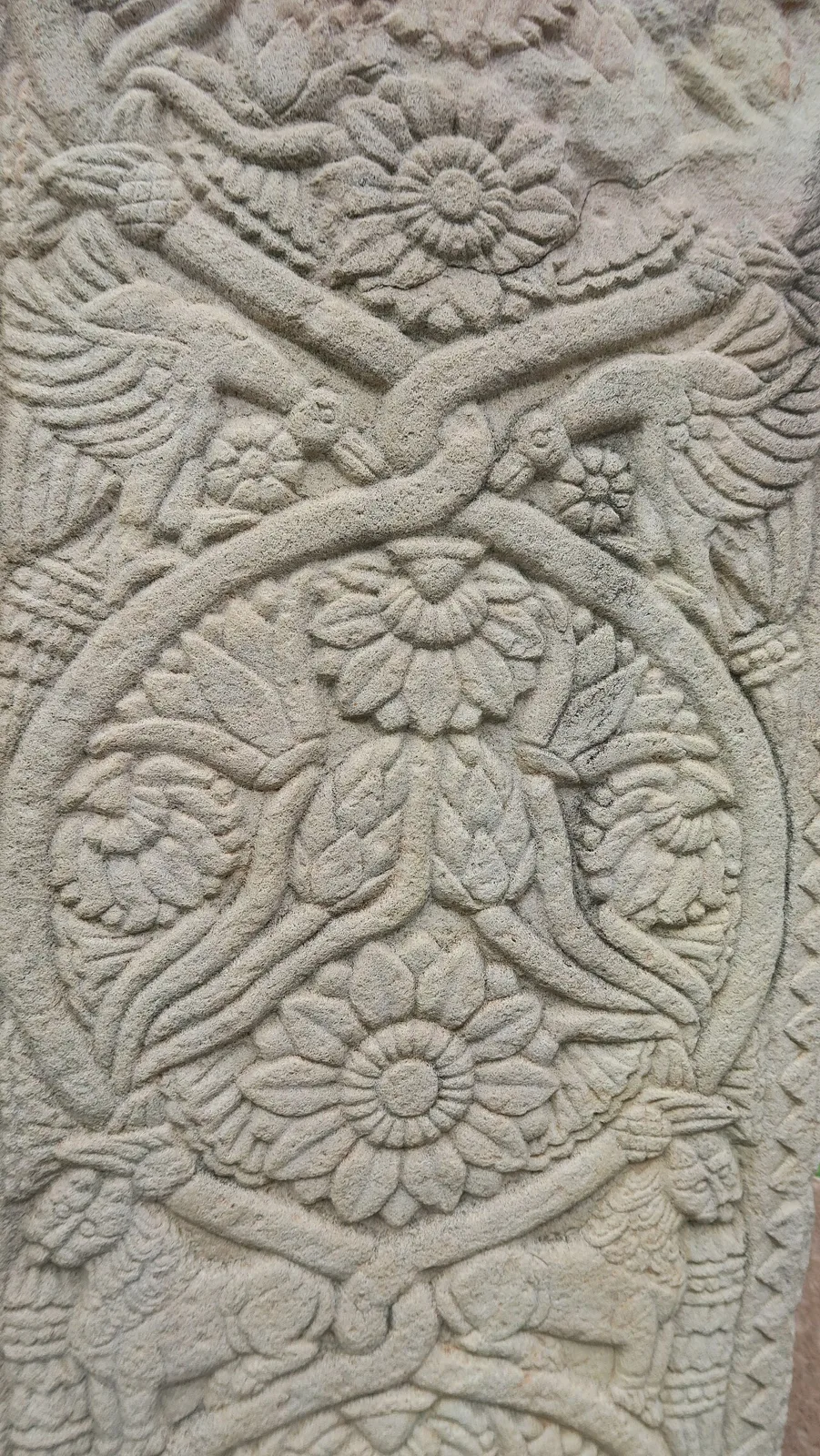
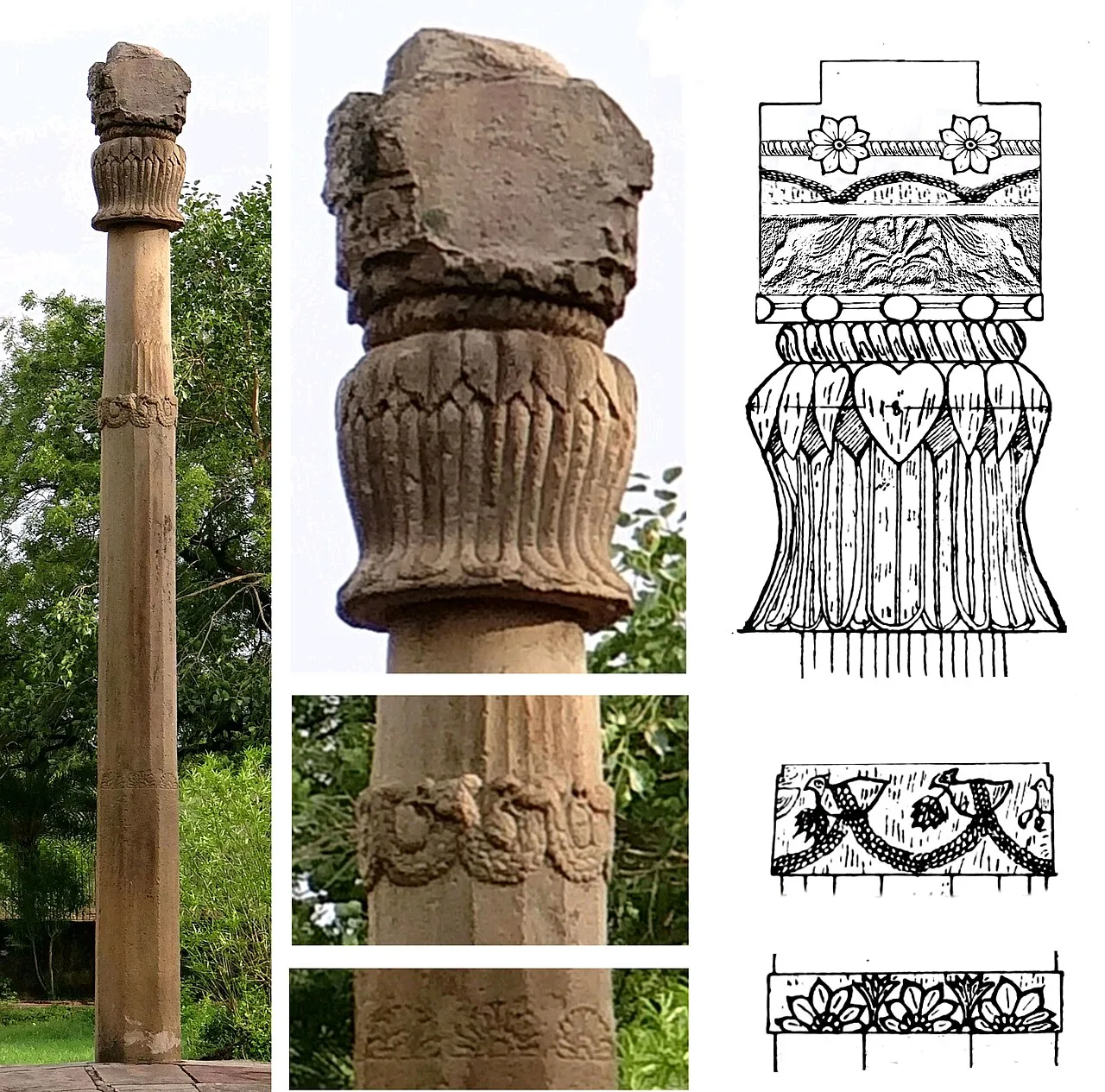
This ancient column at Besnagar bears a dedication to Vāsudeva by the Greek envoy Heliodorus. Visitors come to see its inscription and its significance in the early history of Vaishnavism.

Udayagiri Caves

117 km away · Vidisha district

Udayagiri Caves

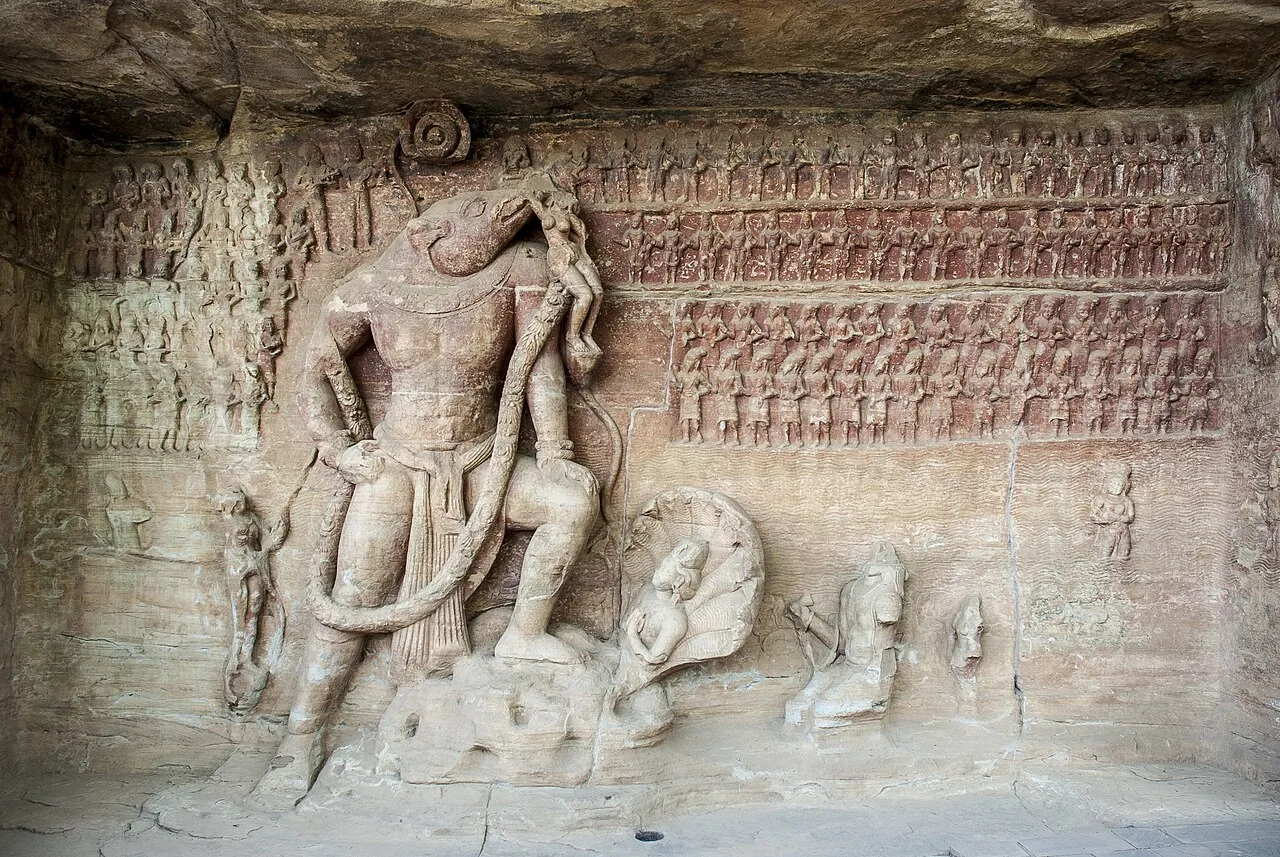
Udayagiri is a group of twenty caves in Madhya Pradesh, known for early Hindu and Jain imagery, Gupta-era inscriptions and a monumental carving of Vishnu as Varaha.

Sanchi Stupa No. 2

120 km away · Raisen district

Sanchi Stupa No. 2

In Raisen district, Madhya Pradesh, Sanchi’s second stupa forms part of the Buddhist complex and draws interest for its early relief carvings and association with Jataka illustrations.

Sanchi Stupa

121 km away · Sanchi district

Sanchi Stupa

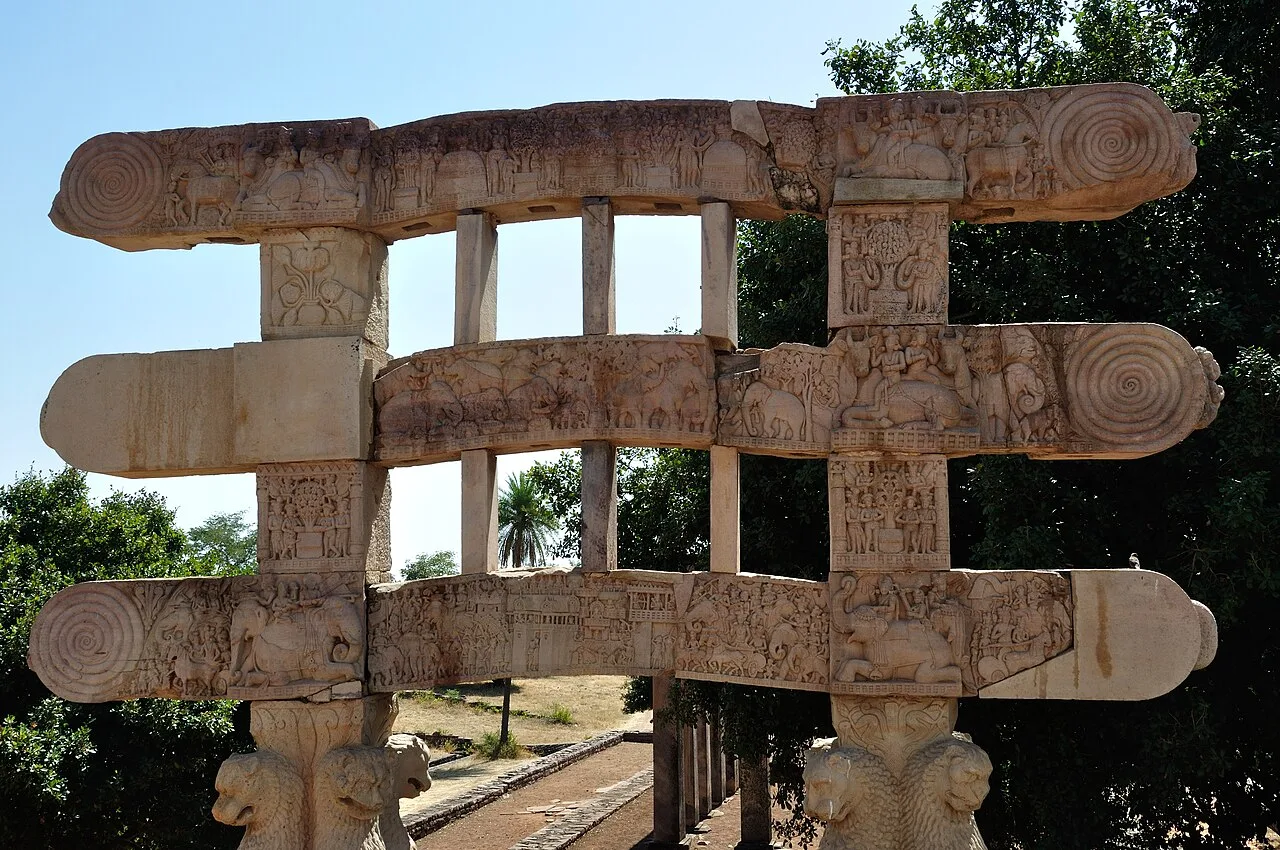
Sanchi is a Buddhist complex in Madhya Pradesh, centred on the Great Stupa. Visitors come to see its historic architecture and explore a site associated with the development of Buddhism in India.

Islamnagar

123 km away · Bhopal district

Islamnagar

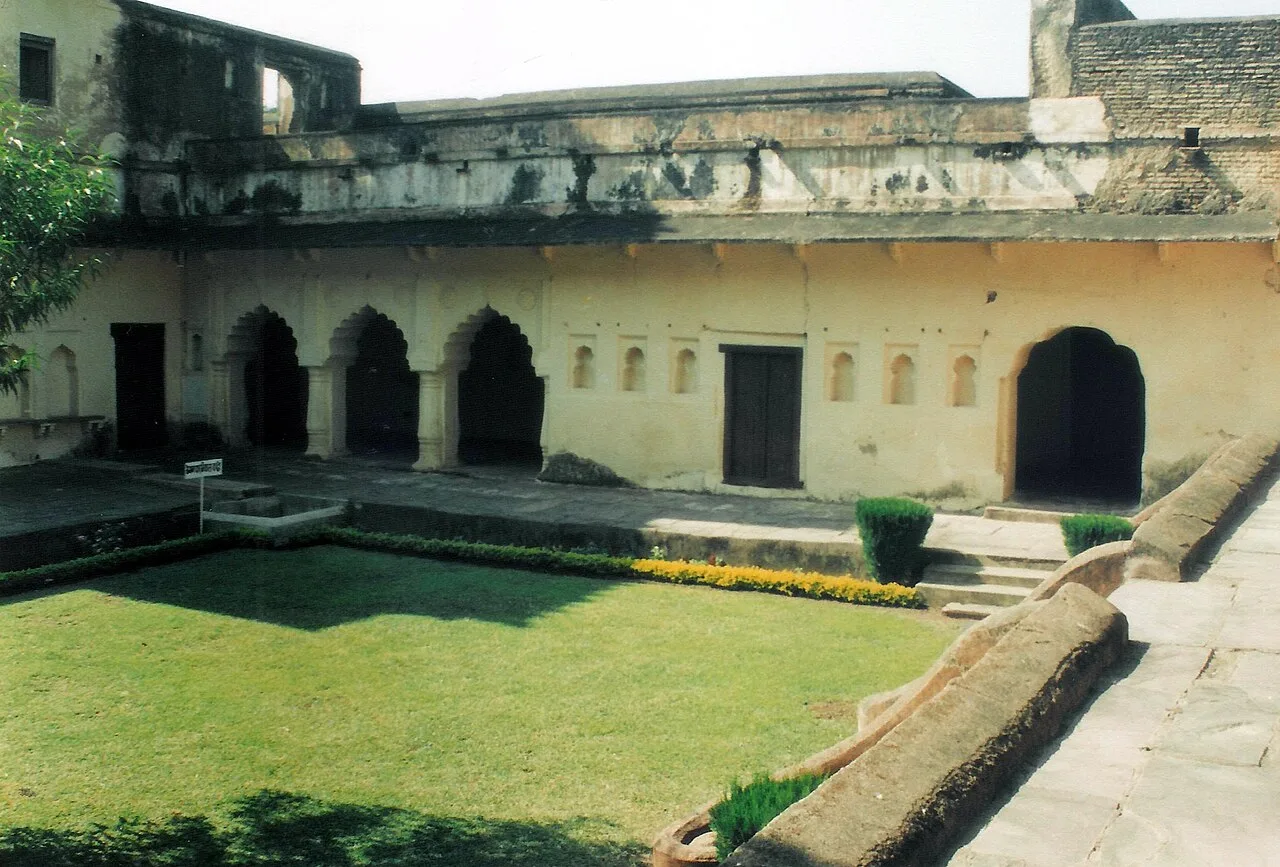
Islamnagar, officially Jagdishpur since February 2023, is a panchayat village in Bhopal district, Madhya Pradesh, visited for the ruined palaces built by Bhopal’s founder.

Bhoj Wetland, Bhopal

133 km away · Sehore district

Bhoj Wetland, Bhopal

Bhoj Wetland is a two-lake complex in Bhopal, Madhya Pradesh. Visitors are drawn to its wetland habitats, varied wildlife and waterbirds.

Bhojtal

133 km away · Bhopal district

Bhojtal

Bhojtal, also called Upper Lake, is a large lake on Bhopal’s western side. Visitors can see it as part of the Bhoj Wetland, formed with nearby Lower Lake and designated a Ramsar site.

Map

Raghogarh-Vijaypur on the map

  1. 1Chanderi Town
  2. 2Heliodorus pillar
  3. 3Udayagiri Caves
  4. 4Sanchi Stupa No. 2
  5. 5Sanchi Stupa
  6. 6Islamnagar
  7. 7Bhoj Wetland, Bhopal
  8. 8Bhojtal

Madhya Pradesh

Other cities to explore