Ghumoopedia — Explore, Discover, Experience
Sign in

City guide · Madhya Pradesh

Bijaipur

Bijaipur, also known as Vijaypur or Bijeypur, is a small town in Sheopur district in northern Madhya Pradesh. Its appeal lies in its mix of regional history and access to the natural landscapes of the Chambal basin.

Famous for

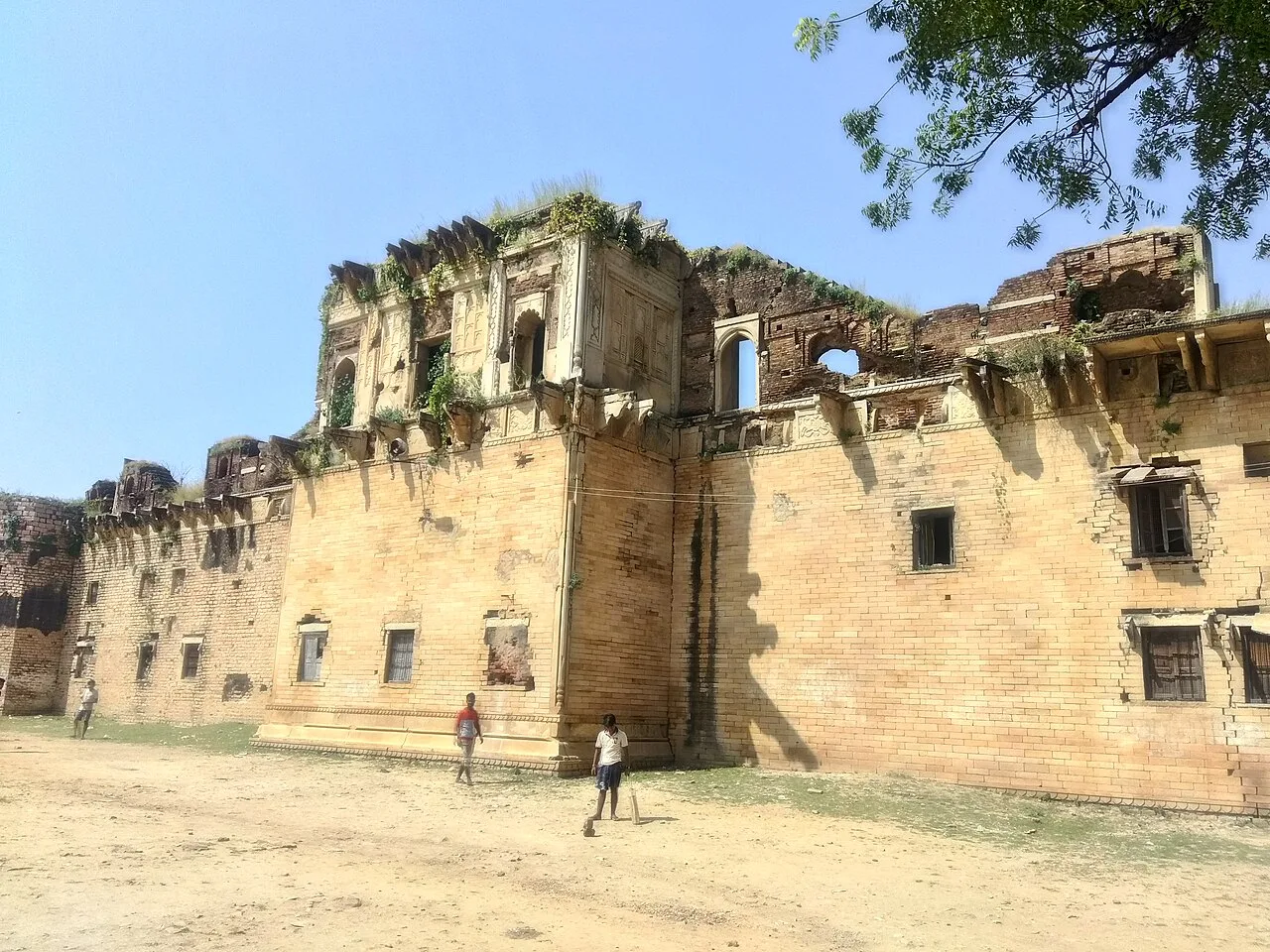
  • Bijeypur Fort
  • Kuno National Park region
  • Chambal landscapes
  • Local agricultural trade

Why Bijaipur matters

Bijaipur, also known as Vijaypur or Bijeypur, is a small town in Sheopur district in northern Madhya Pradesh. Its appeal lies in its mix of regional history and access to the natural landscapes of the Chambal basin. The town’s most prominent historic landmark is Bijeypur Fort, while the wider area is associated with Kuno National Park and its wildlife conservation work, including the return of cheetahs to India.

Famous for: crafts, trade & products

Bijaipur is best known locally for Bijeypur Fort and its position within the wider Sheopur–Kuno region, rather than for a nationally recognised textile, handicraft or GI-tagged product. The town’s shops and market area serve residents from nearby settlements, with everyday goods and agricultural trade forming the backbone of commerce. Wheat, mustard and other locally grown crops are part of the broader district economy, although availability varies by season.

Visitors looking for souvenirs should not expect a dedicated craft market or a large range of branded local products. The central bazaar is the most practical place to browse for daily-use items, snacks and seasonal produce, and to ask about locally made goods. For specialist shopping, travellers may find more choice in larger district or regional centres. The fort and the nearby countryside are the town’s clearest visitor draws; the wider Kuno area is associated with wildlife tourism, but park visits should be arranged through official access points rather than assumed to begin in Bijaipur itself.

History

Bijaipur’s history is tied to the smaller kingdoms and local powers that shaped the Chambal region. Bijeypur Fort stands as a reminder of this period of regional rule. Accounts associate the fort and surrounding area with local Rajput chiefs, followed by the expanding influence of the Marathas and the Scindia rulers of Gwalior. The area later formed part of the Gwalior princely state, so its experience of British rule was largely mediated through that state rather than through direct colonial administration.

After Indian independence, the region became part of Madhya Pradesh. Bijaipur developed as a local administrative and market centre serving nearby rural communities. Sheopur district was formed from Morena district in 1998, giving the town a place within a more locally focused district administration. In recent decades, the wider area has gained additional attention through conservation efforts at Kuno National Park, including the cheetah reintroduction programme. This has brought fresh interest to the region while leaving Bijaipur’s character largely small-town and rural.

Food, festivals & culture

Daily life in Bijaipur reflects the rural culture of northern Madhya Pradesh and the neighbouring Rajasthan borderlands. Hindi is widely used, alongside local speech shaped by regional dialects. Home cooking commonly centres on wheat or millet breads, lentils, seasonal vegetables and simple rice dishes. Tea and familiar Indian sweets are easy to find in local shops, but Bijaipur is not especially known for a signature dish or specialist sweet.

Holi, usually celebrated in spring, and Diwali, in autumn, are major occasions, while Navratri and Dussehra bring devotional observances and community gatherings. Eid is also marked by Muslim residents. Temples and mosques serve as important places of worship and social life; visitors should dress respectfully and follow local customs. Folk music and dance belong to the wider regional tradition and are most likely to be encountered at celebrations or family events rather than through regular tourist performances. The town’s cultural experience is therefore best found in its everyday market life and seasonal festivals.

Visiting the city

October to March is generally the most comfortable period to visit, with cooler weather for exploring the fort and surrounding countryside. Summers can be very hot, while monsoon travel may involve wet roads. Gwalior Airport is a practical airport for reaching the region. Sheopur Kalan is the local railway station, while Gwalior Junction is a major rail gateway; check current train services before planning the journey. Road travel is the most useful way to get around Bijaipur and reach nearby attractions, using a hired vehicle or local transport where available.

Explore the central bazaar for everyday town life and ask locally about access to Bijeypur Fort. For wildlife, plan separately for the official visitor facilities and entry points of Kuno National Park, as these may not be in Bijaipur itself. Accommodation and visitor services are limited, so arranging onward transport and lodging in advance is sensible.

Trips from the city

Nearest places to visit from Bijaipur

Our closest destination guides, by straight-line distance.

Madhav National Park

76 km away · Shivpuri district

Madhav National Park

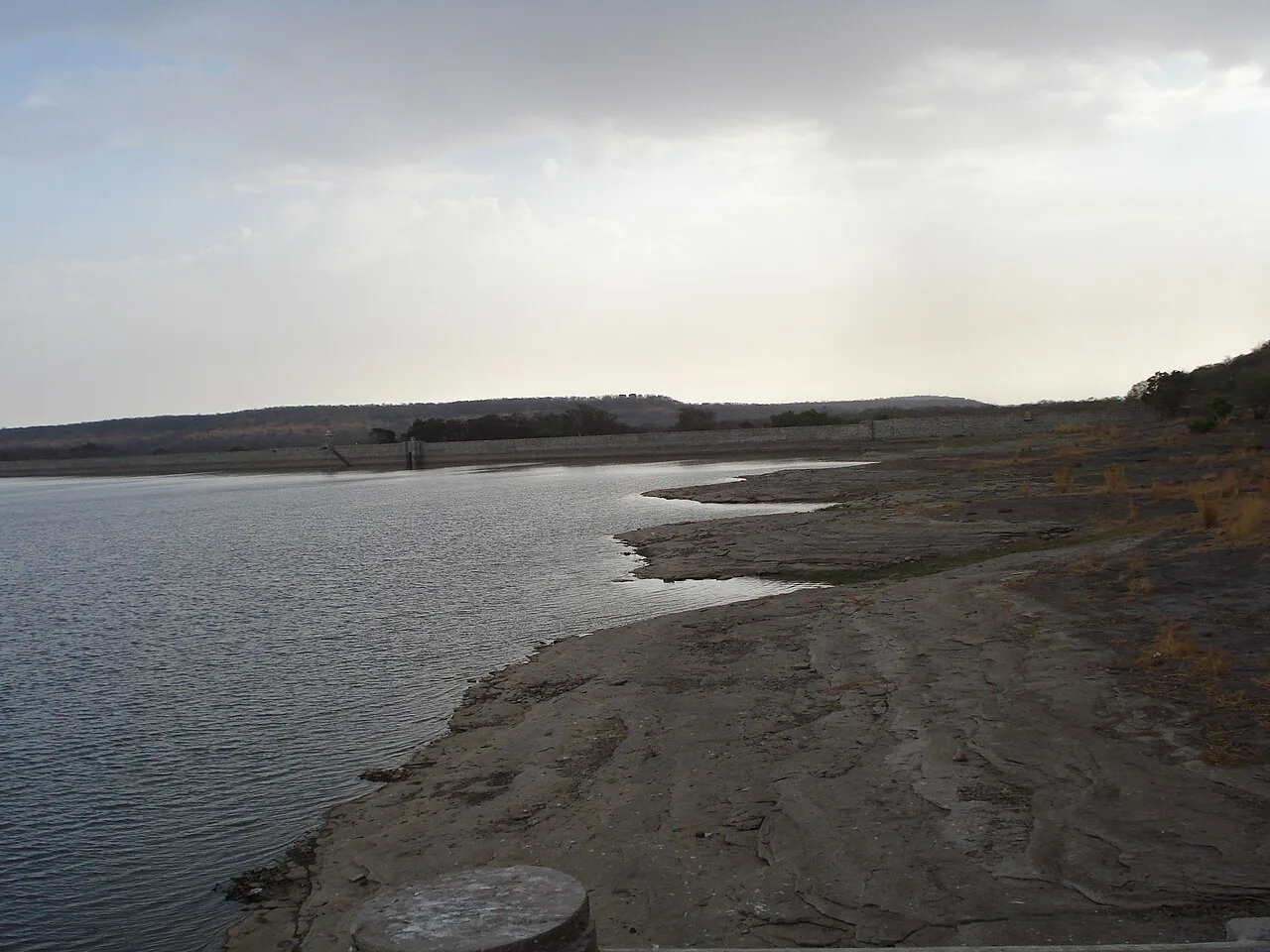
Madhav National Park is a protected area in Shivpuri district, Madhya Pradesh. Visitors come to explore its natural setting and see Sakhya Sagar, the reservoir within the park.

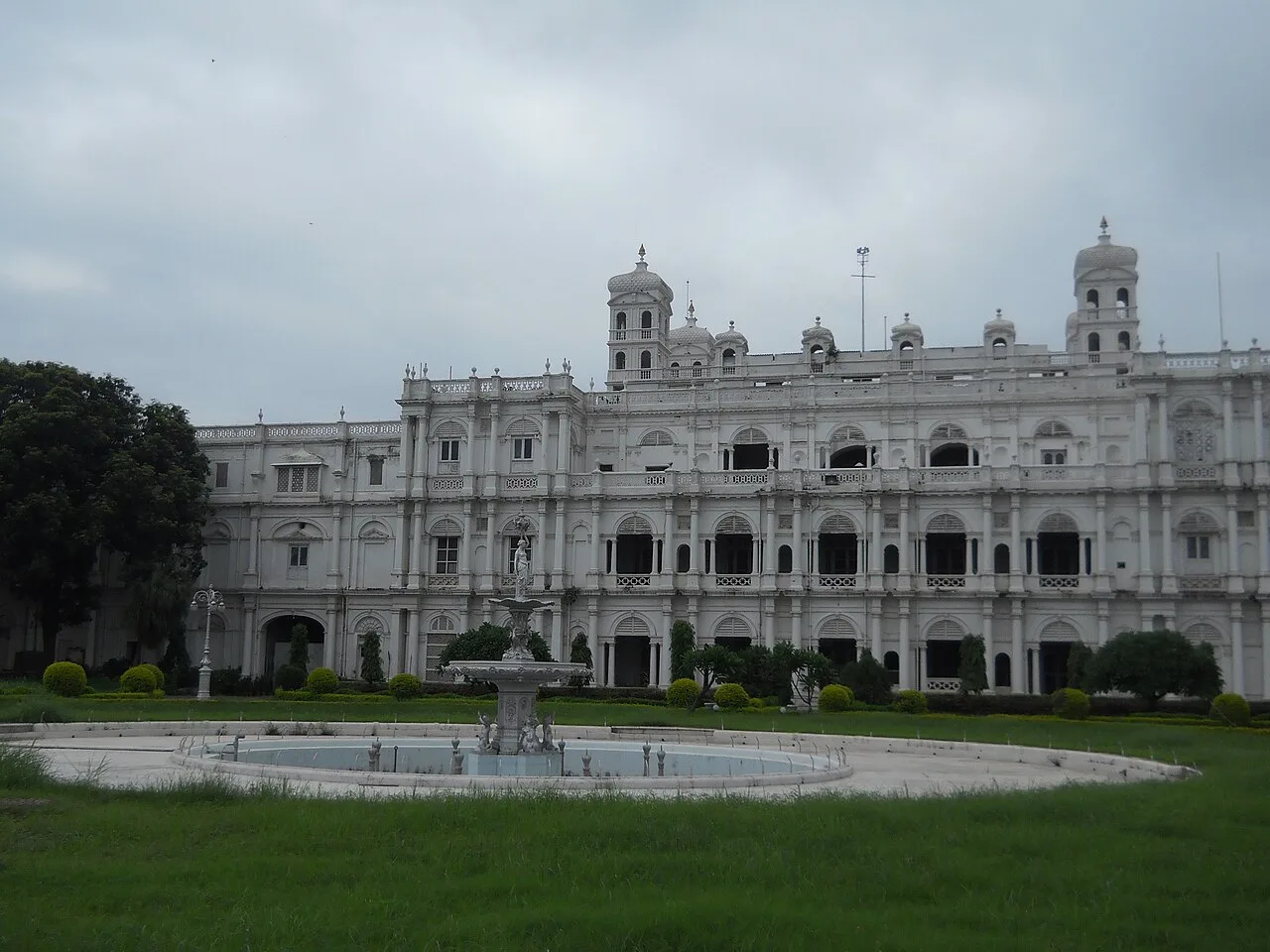
Jai Vilas Mahal

81 km away · Gwalior district

Jai Vilas Mahal

Jai Vilas Mahal is a royal residence dating to the 1800s in Gwalior, Madhya Pradesh. Visitors come to see the Jiwajirao Scindia Museum, which occupies most of the palace.

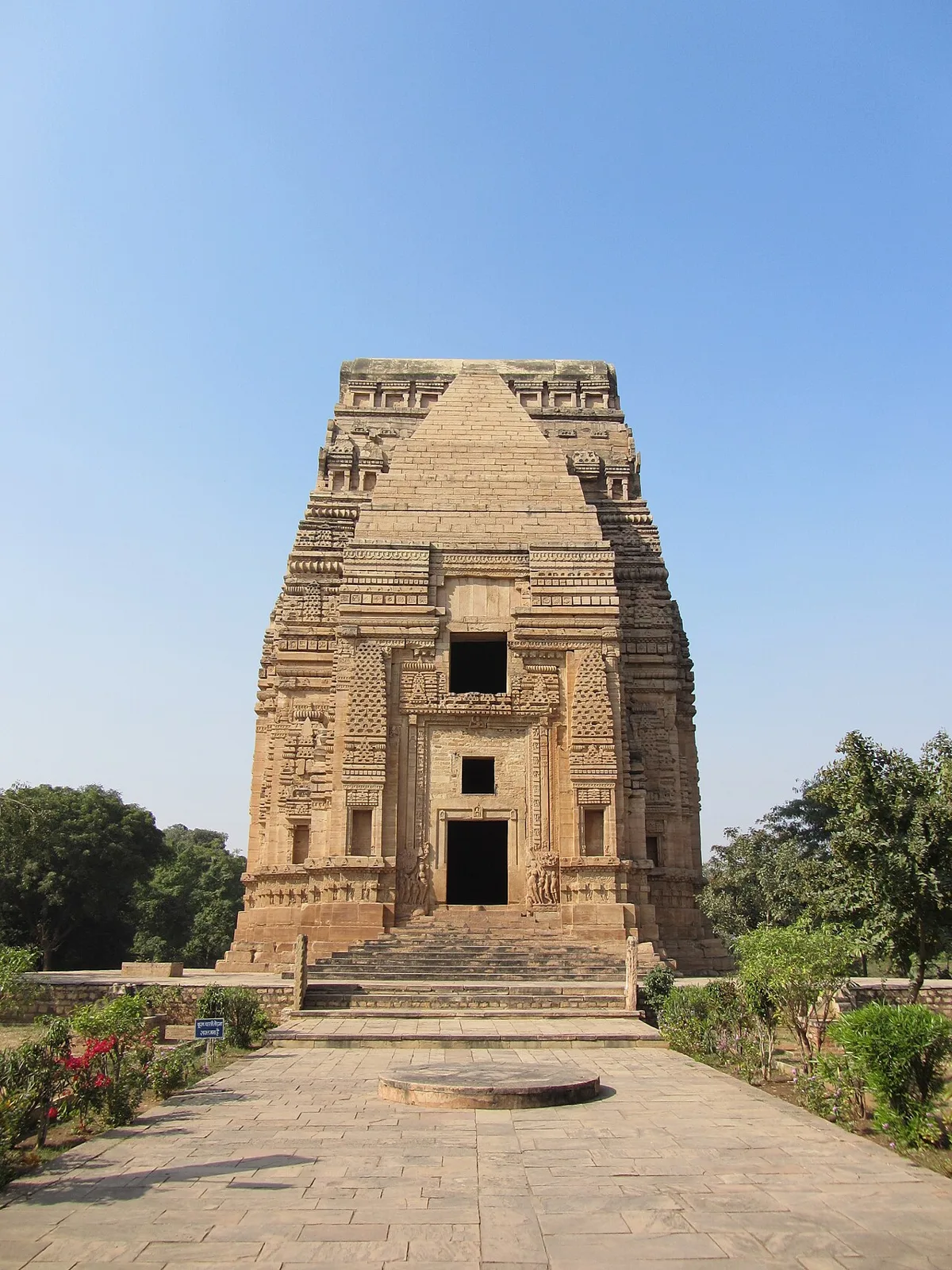
Teli ka Mandir

81 km away · Gwalior district

Teli ka Mandir

Teli ka Mandir is a Hindu shrine within Gwalior Fort, noted for its unusual rectangular sanctuary and blend of architectural traditions. Visitors come to see its distinctive design and historic character.

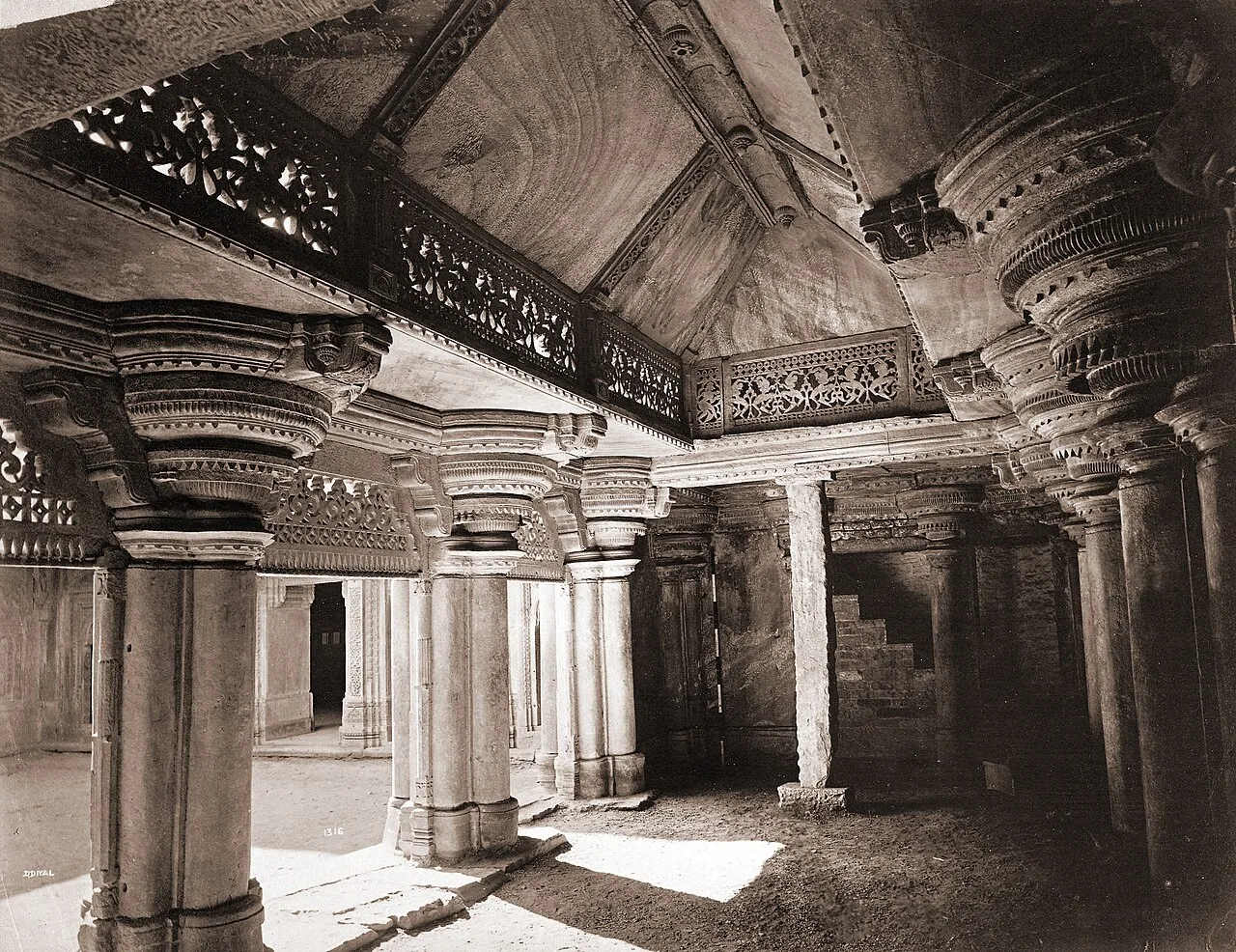
Gwalior Fort

82 km away · Gwalior district

Gwalior Fort

Gwalior Fort is an ancient hill stronghold in Madhya Pradesh, visited for its historic palaces, successive rulers and inscriptions, including an early place-value record of zero.

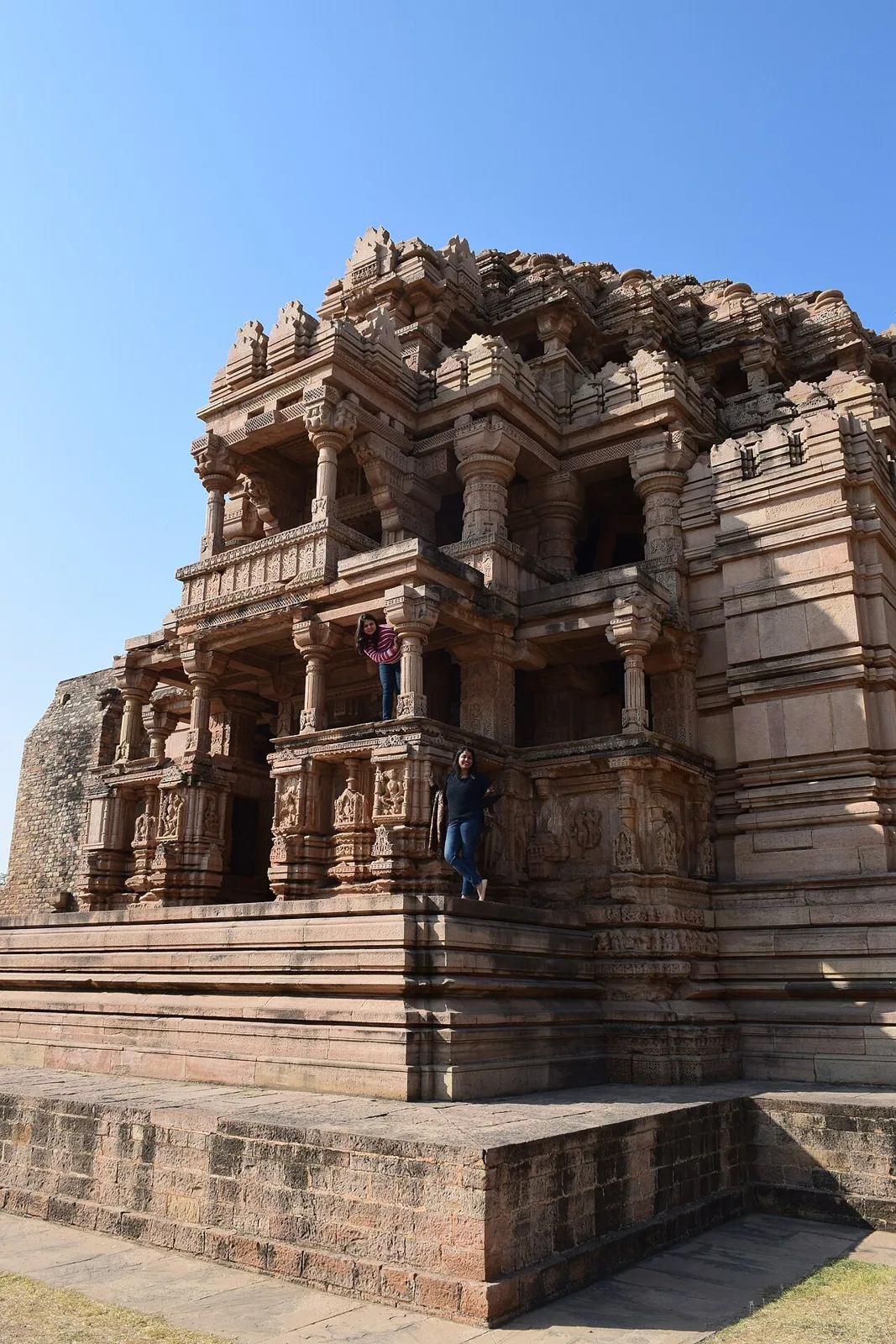
Sasbahu Temple

82 km away · Gwalior district

Sasbahu Temple

The Sasbahu Temples are a pair of eleventh-century shrines within Gwalior Fort, Madhya Pradesh. Visitors come to see their surviving architecture and damaged stone carvings.

Bateshwar Hindu temples

92 km away · Morena district

Bateshwar Hindu temples

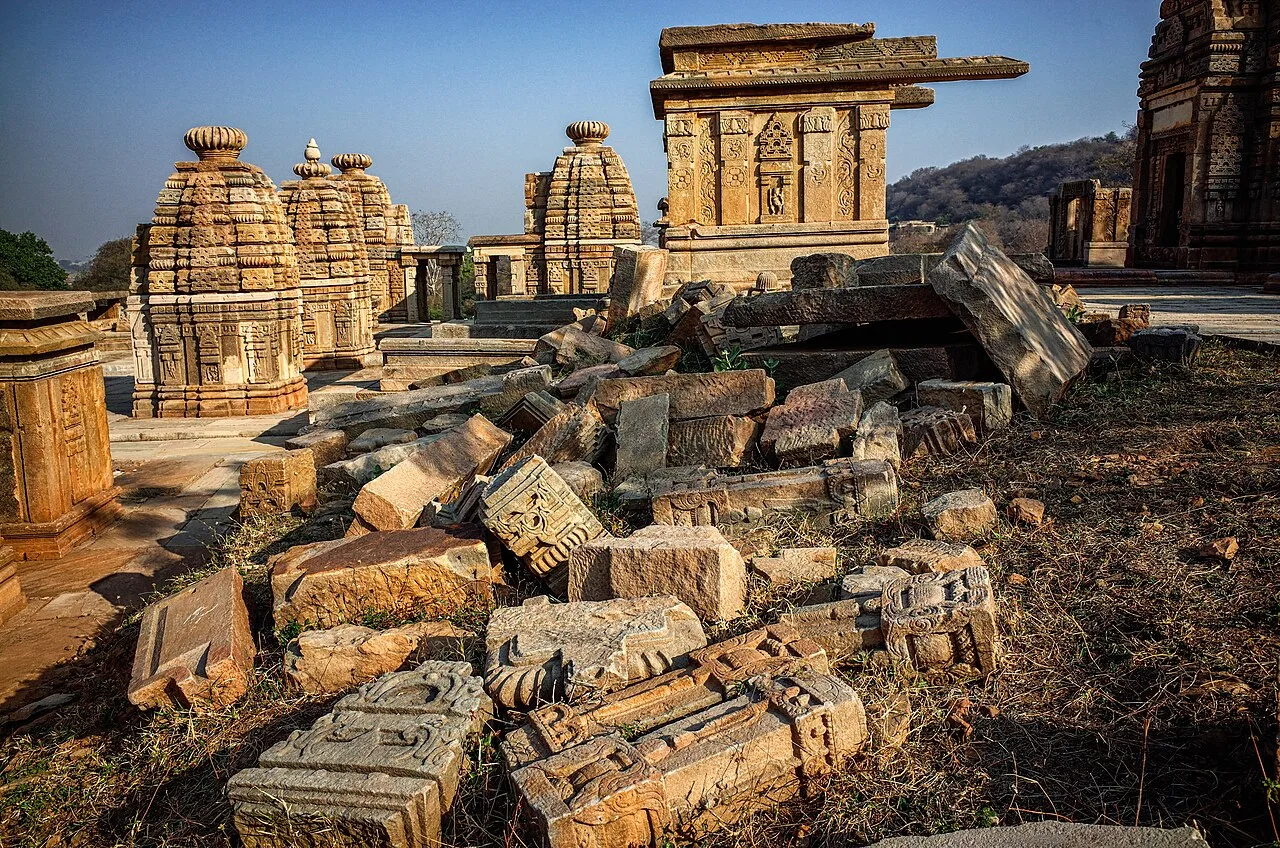
Bateshwar is a cluster of sandstone Hindu shrines and ruins in Madhya Pradesh, visited for its early temple architecture and the remains of a complex dedicated to Shiva, Vishnu and Shakti.

Chausath Yogini Temple

96 km away · Morena district

Chausath Yogini Temple

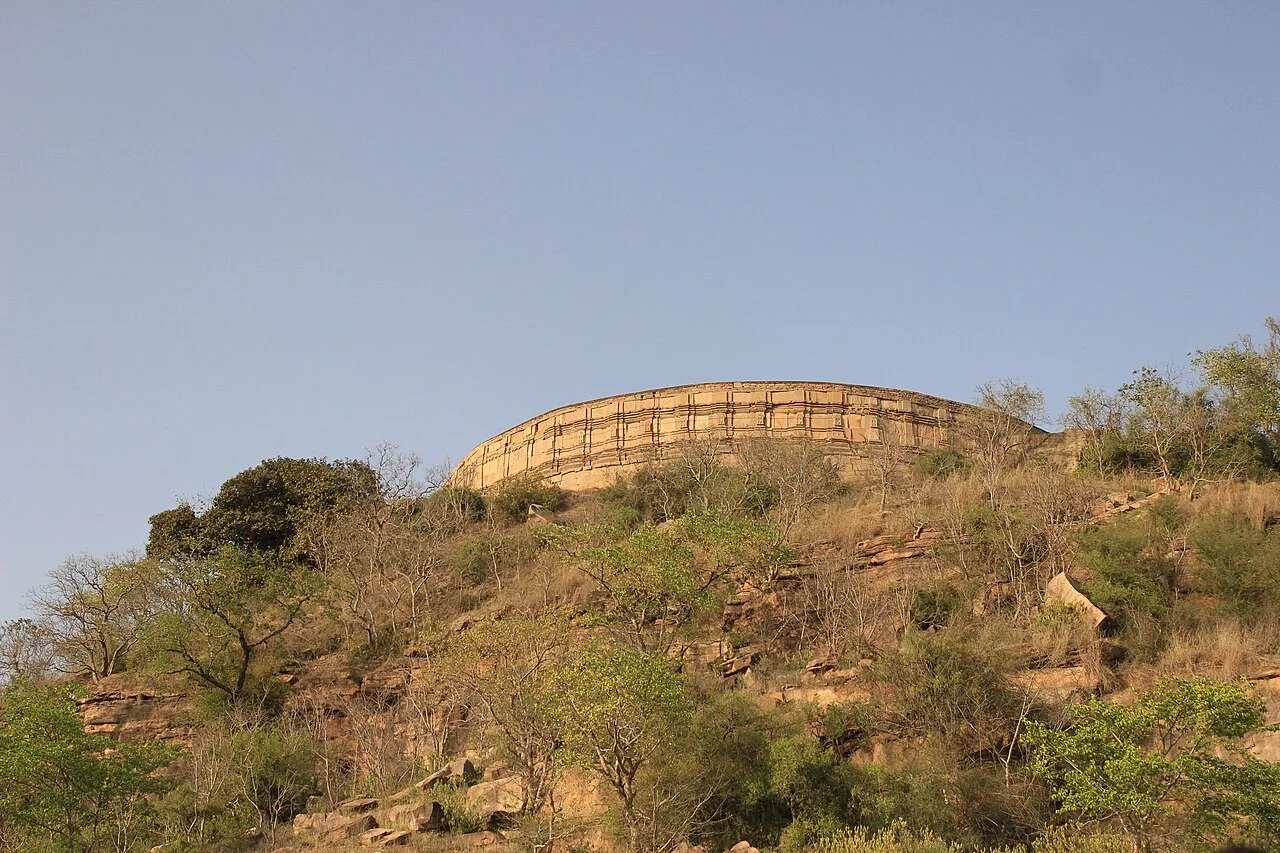
In Morena district, Madhya Pradesh, the 11th-century Chausath Yogini Temple is a Kachchhapaghata-period shrine. Visitors come to see its circular design and chambers associated with the yoginis.

Gohad Fort

115 km away · Bhind district

Gohad Fort

Gohad Fort is a historic site in Gohad, Madhya Pradesh, and attracts interest for its historical importance; the town is 45 km from Gwalior.

Map

Bijaipur on the map

  1. 1Madhav National Park
  2. 2Jai Vilas Mahal
  3. 3Teli ka Mandir
  4. 4Gwalior Fort
  5. 5Sasbahu Temple
  6. 6Bateshwar Hindu temples
  7. 7Chausath Yogini Temple
  8. 8Gohad Fort

Madhya Pradesh

Other cities to explore