Ghumoopedia — Explore, Discover, Experience
Sign in
Panna National Park, near Panna

City guide · Madhya Pradesh

Panna

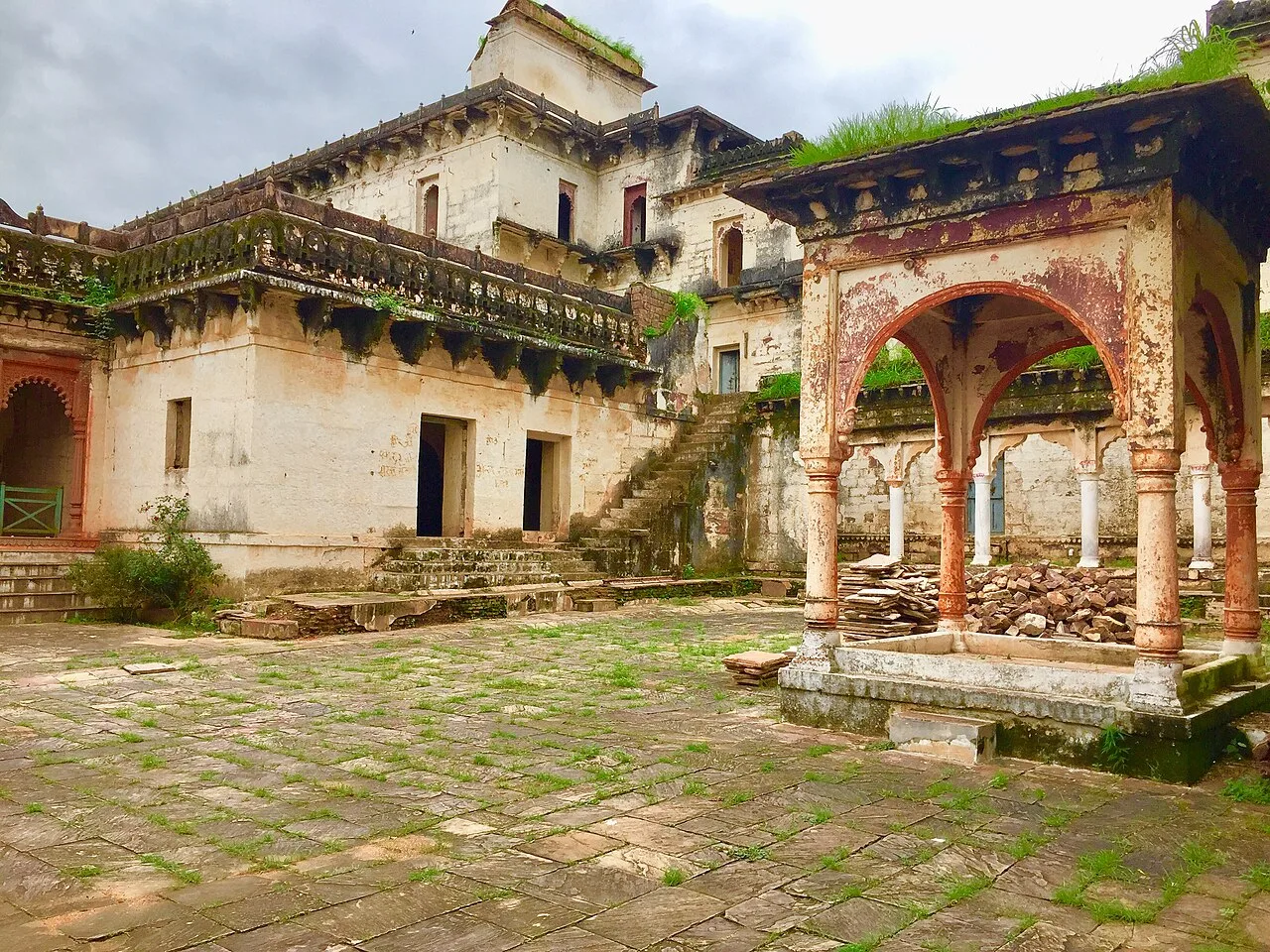
Panna is the administrative centre of Panna district in northern Madhya Pradesh, known for its diamond-mining history, temples and nearby wildlife landscapes. The town is closely associated with the former Bundela kingdom of Chhatrasal, whose legacy is reflected in its historic religious sites and local traditions.

Famous for

  • Panna diamond mines
  • Panna Tiger Reserve
  • Mahamati Prannath temples
  • Raneh Falls
  • Bundela heritage

Why Panna matters

Panna is the administrative centre of Panna district in northern Madhya Pradesh, known for its diamond-mining history, temples and nearby wildlife landscapes. The town is closely associated with the former Bundela kingdom of Chhatrasal, whose legacy is reflected in its historic religious sites and local traditions. Padmavati Puri Dham, including temples associated with Mahamati Prannath, is an important destination for devotees.

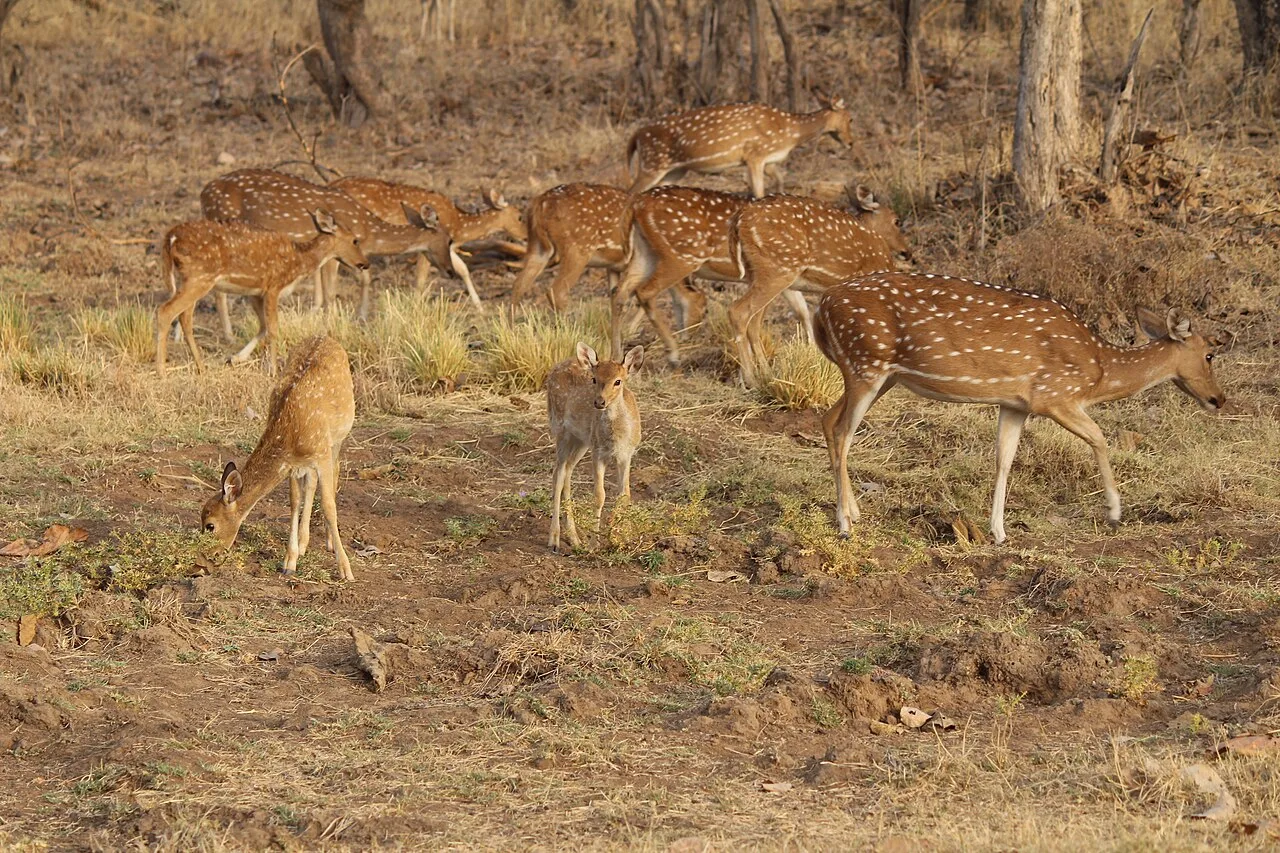
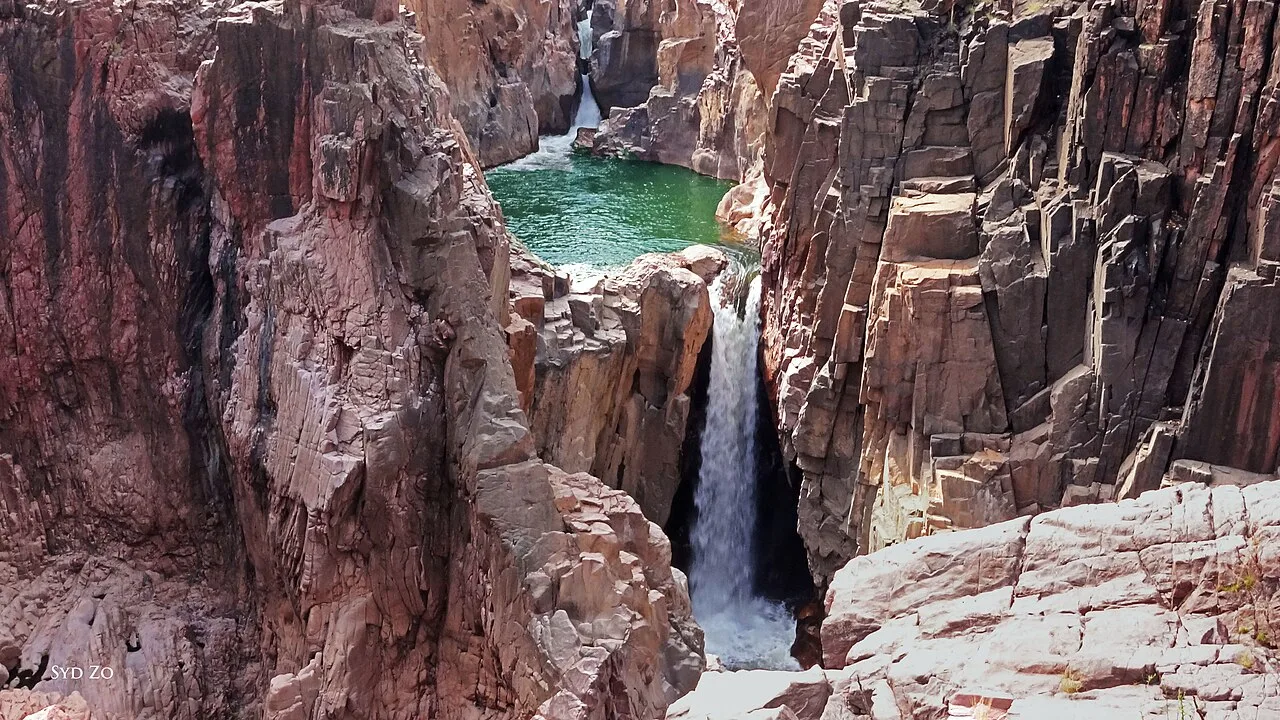
Many visitors use Panna as a base for exploring Panna Tiger Reserve, whose forests and Ken River scenery support tigers and a range of other wildlife. Nearby attractions include the rocky gorge and waterfalls of Raneh Falls and the forest-fringed Pandav Falls. The district’s diamond deposits remain a distinctive part of its identity, with mining managed through government and licensed operations. Panna is also a useful stop for travellers combining the reserve and town with Khajuraho’s celebrated temples. Together, religious heritage, wildlife and mineral history give this relatively quiet regional centre an unusual mix of visitor interests.
Famous for: crafts, trade & products

Panna is best known in trade for its diamonds. The district’s deposits have been worked through the government-run Diamond Mining Project of NMDC as well as smaller mines leased under government arrangements. Diamonds recovered through these channels are handled by the district administration and sold through public auctions. These sales are not the same as a town-centre retail market, so visitors interested in buying should check current auction arrangements with the district authorities. The mining areas are spread through the district rather than forming a visitor-facing commercial quarter.

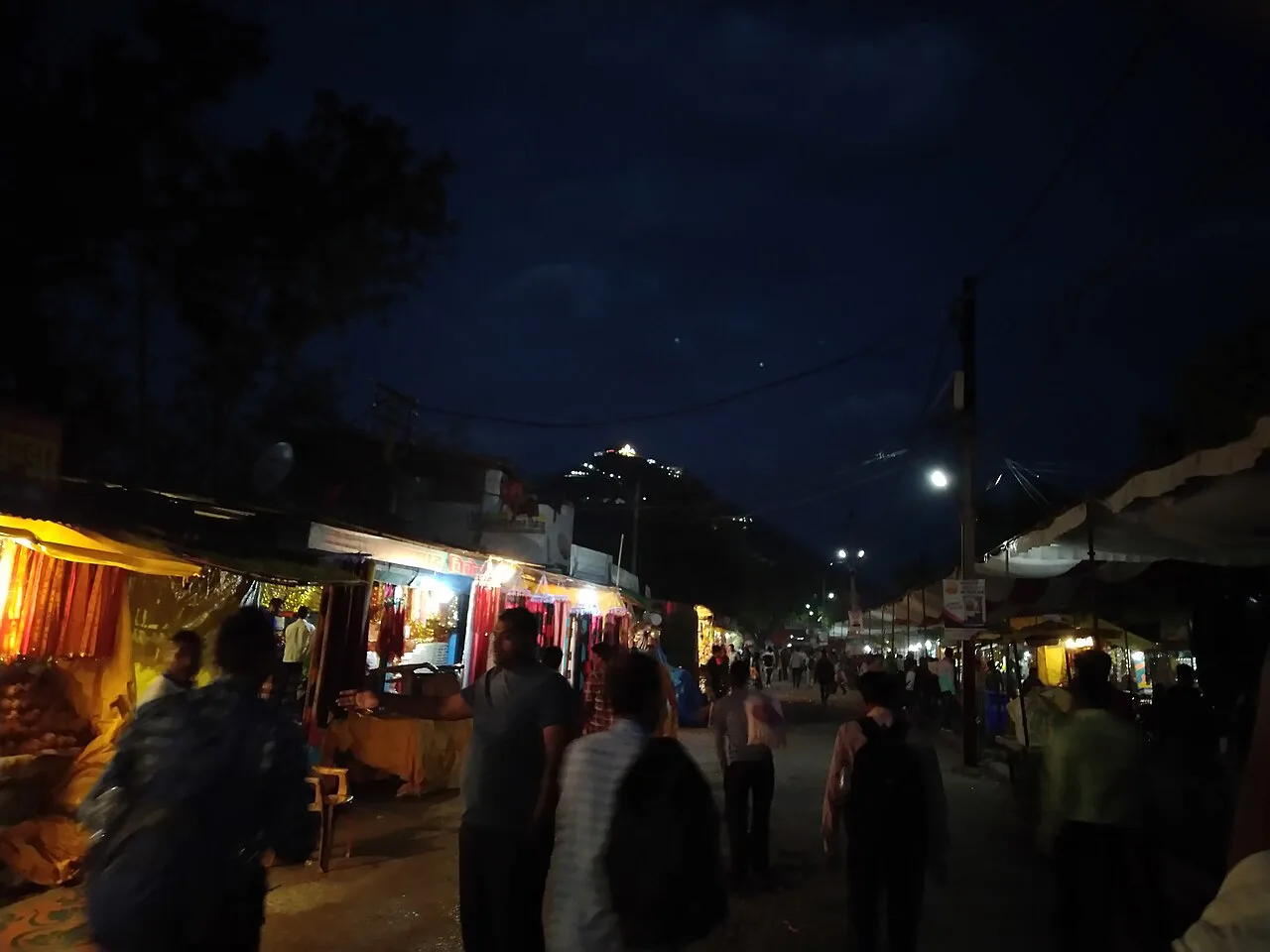
Panna is not especially known for a signature textile, saree tradition or widely recognised GI-tagged craft. Its everyday bazaars serve residents and visitors with groceries, clothing, household goods and local services; they are the practical places to look for routine purchases rather than specialist diamond shopping. Religious sites, particularly those associated with Mahamati Prannath, are prominent local institutions and attract pilgrims. The town’s wider visitor economy is linked to accommodation, guides and transport for Panna Tiger Reserve and nearby natural attractions. Travellers seeking major craft or textile markets can consider adding larger regional towns to their itinerary.

History

Panna’s earlier history includes Gond communities and the influence of the Chandelas. It later became closely associated with the Bundela Rajput ruler Chhatrasal, who made it a centre of his kingdom while resisting Mughal authority. After his death, his territories were divided among his heirs and an ally, the Maratha Peshwa. Panna continued as a princely state under Bundela rulers, with Harde Sah among the early successors.

During the nineteenth century, Panna became a princely state under British paramountcy and its rulers extended their authority over neighbouring territories. Raja Nirpat Singh supported the British during the Revolt of 1857 and was granted the title Maharaja. The princely state acceded to India in 1950, becoming part of Vindhya Pradesh. When that state was merged into Madhya Pradesh in 1956, Panna became the administrative centre of the present district. Diamond mining and the growth of the nearby reserve and tourism sector have since added to the town’s regional role.

Food, festivals & culture

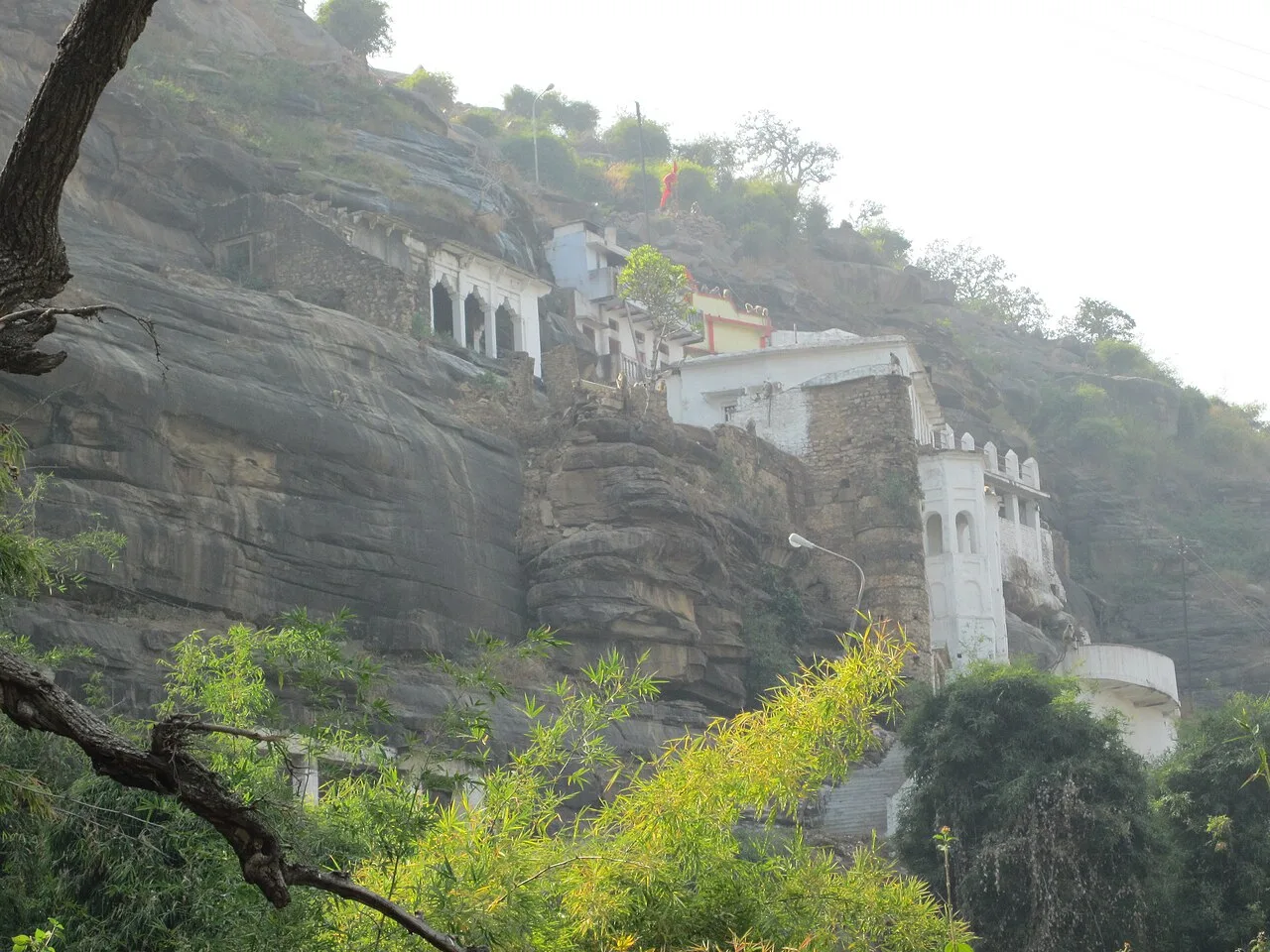
Panna’s cultural life reflects Bundelkhand traditions and its strong religious associations. Hindi is widely used, while Bundeli is heard in local conversation and folk performance. Devotion to Krishna and the teachings associated with Mahamati Prannath are important at Padmavati Puri Dham and the town’s other temples, including Jugal Kishore and Jagannath Swami temples. These places are active centres of worship as well as stops for visitors.

Diwali in autumn, Holi near the end of winter and spring, and Navratri and Dussehra in autumn are widely observed. Temple calendars bring additional gatherings and devotional programmes, though dates vary by year. Bundelkhand folk music and forms such as Rai dance are part of the region’s wider cultural tradition. Local meals commonly draw on central Indian and Bundelkhand home cooking, including wheat breads, lentils, seasonal vegetables and filling dishes such as dal bafla. Sweets and snacks are available in town markets, but Panna is not particularly known for one defining regional sweet or food specialty.

Visiting the city

October to March is generally the most comfortable period to visit Panna for sightseeing and wildlife excursions. The monsoon, from June to September, brings fuller waterfalls and greener scenery, though rain can affect road and outdoor plans. Khajuraho Airport is the nearest functional airport; Panna’s own airfield is not operating. Khajuraho railway station is the nearer rail connection, while Satna is another important railhead with broader onward connections.

Buses and road transport connect Panna with towns in Madhya Pradesh and neighbouring states. Within town, local taxis and auto-rickshaws are useful; arrange a vehicle for the reserve and waterfalls, which lie outside the centre. Explore the central temple area and bazaars, then set aside separate time for Panna Tiger Reserve, Raneh Falls and Pandav Falls. Khajuraho makes a convenient addition to a wider itinerary.

Trips from the city

Nearest places to visit from Panna

Our closest destination guides, by straight-line distance.

Panna National Park

18 km away · Chhatarpur district

Panna National Park

Located in Panna and Chhatarpur districts of Madhya Pradesh, Panna National Park covers 542.67 square kilometres. Visitors come for its wildlife, especially tigers, and its status as a tiger reserve.

Raneh Falls

23 km away · Chhatarpur district

Raneh Falls

Raneh Falls is a natural cascade on the Ken River at Khajuraho in Madhya Pradesh. Visitors come to see the waterfall, which lies in Chhatarpur district.

Khajuraho Temples

31 km away · Khajuraho district

Khajuraho Temples

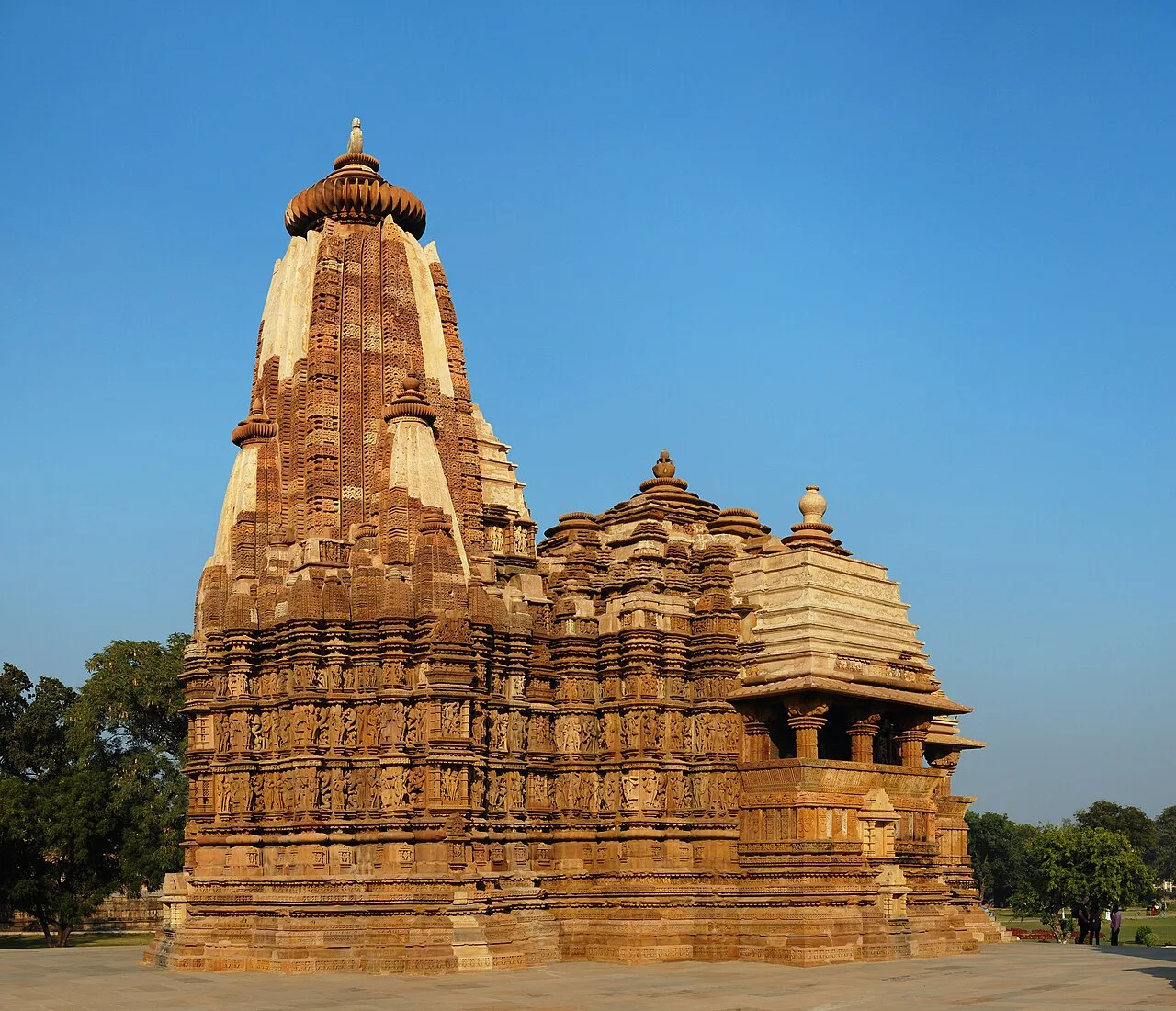
Khajuraho is a complex of Hindu and Digambara Jain temples in Madhya Pradesh, known for Nagara architecture and sculptural detail that attracts visitors interested in Indian art and religious history.

Chitrakoot

72 km away · Chitrakoot district

Chitrakoot

Chitrakoot is a pilgrimage town and nagar panchayat in Madhya Pradesh, valued for its Ramayana associations, sacred sites and religious observances that draw visitors throughout the year.

Bharhut Stupa Remains

73 km away · Satna district

Bharhut Stupa Remains

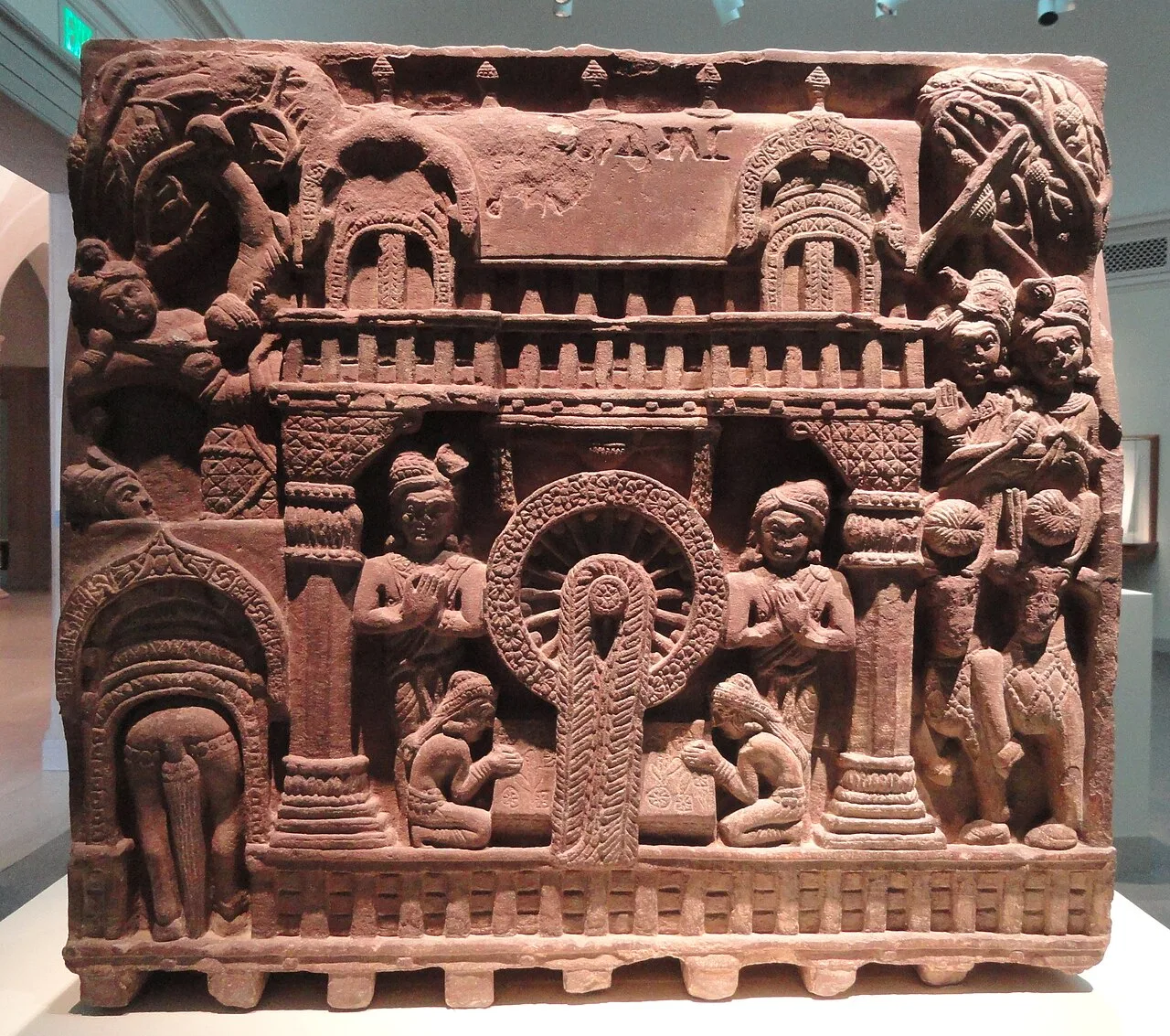
Bharhut Stupa Remains are the surviving traces of a Buddhist stupa in Madhya Pradesh. Visitors come to learn about its early carvings, labelled relief panels and history, though most sculptures are now held elsewhere.

Maihar Sharda Temple

77 km away · Satna district

Maihar Sharda Temple

Maihar Sharda Temple is a religious shrine in Madhya Pradesh, associated with Maa Sharda and counted among the Shakti Peeth. Worshippers visit for its religious significance.

Kundalpur Jain Temples

95 km away · Damoh district

Kundalpur Jain Temples

The Kundalpur Jain Temples are a pilgrimage destination for Digambar Jains in Madhya Pradesh’s Damoh district. The town of Kundalpur lies 37 kilometres north-east of Damoh city.

Govindgarh Palace, Rewa

118 km away · Rewa district

Govindgarh Palace, Rewa

Govindgarh Palace, also called Govindgarh Fort, is a nineteenth-century royal residence in Rewa district. Visitors come to see the palace and its lakeside setting in Govindgarh, Madhya Pradesh.

Map

Panna on the map

  1. 1Panna National Park
  2. 2Raneh Falls
  3. 3Khajuraho Temples
  4. 4Chitrakoot
  5. 5Bharhut Stupa Remains
  6. 6Maihar Sharda Temple
  7. 7Kundalpur Jain Temples
  8. 8Govindgarh Palace, Rewa

Madhya Pradesh

Other cities to explore